
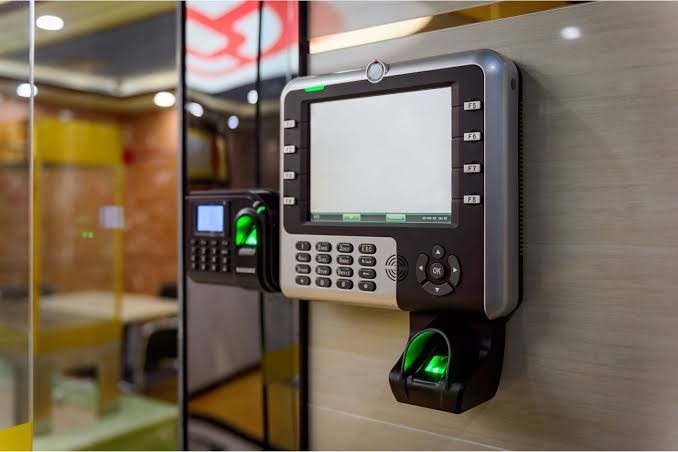
Modern offices and commercial buildings require more than traditional locks and keys to protect employees, visitors, equipment and valuable business information. As businesses grow and security risks become more complex, controlling who can enter specific areas of a property is essential. This is where professional access control system installation in Uganda becomes important.
An access control system allows property owners and facility managers to manage, monitor and restrict entry into buildings and designated areas. Instead of relying entirely on physical keys, businesses can use access cards, PIN codes, biometric scanners, mobile credentials and other electronic security technologies.
For offices, hotels, hospitals, shopping centres, warehouses, factories and other commercial properties, access control provides a more organised approach to building security. It can also help businesses monitor entry activity, manage employee access permissions and improve day-to-day facility operations.
At Daltrevco, we recognise the importance of reliable electrical and building security infrastructure. Choosing the right access control solution and ensuring it is properly installed can help create a safer, more manageable working environment.
This guide explains the types, benefits, applications, installation process and cost considerations of access control systems for offices and commercial buildings in Uganda.
What Is an Access Control System?
An access control system is an electronic security solution that determines who is authorised to enter a building, room or restricted area. It verifies a person’s credentials before granting or denying access.
Unlike traditional locks, which depend mainly on physical keys, electronic access control systems use programmed permissions. These permissions can be assigned to employees, managers, contractors, visitors and other authorised individuals.
For example, a business can configure its system so that:
- Employees can enter the main office during approved working hours.
- Managers can access offices and restricted departments.
- IT personnel can enter server rooms.
- Visitors can access designated reception areas.
- Security personnel can monitor access activity.
- Former employees can have their access credentials deactivated.
Access control systems can operate independently or integrate with other security technologies, including CCTV surveillance, intruder alarms, visitor management systems and building management systems.
How Does an Access Control System Work?
An electronic access control system works by checking the credentials presented by a person against permissions stored in a controller or management platform.
The process generally follows these steps:
- Credential presentation: A person presents an access card, enters a PIN, uses a fingerprint or face recognition device, or presents an approved mobile credential.
- Identity verification: The reader sends the credential information to the access control system.
- Permission checking: The controller checks whether the person has permission to enter the specific door or area at that time.
- Access decision: The system grants or denies entry based on the configured permissions.
- Door operation: If access is approved, an electronic lock or door mechanism releases.
- Activity recording: The system may record the access event, including the credential used, location and time.
Depending on the system design, authorised administrators can manage access permissions from a central computer, dedicated control panel or approved remote platform.
Types of Access Control Systems for Commercial Buildings
Different properties have different security requirements. The best access control system depends on the number of users, building layout, security priorities, operating hours and required level of protection.
Below are common access control technologies used in offices and commercial buildings.
1. RFID Card Access Control Systems
<escape>Radio Frequency Identification (RFID)</escape> access control systems use electronic cards or key fobs to grant authorised entry.
Employees and approved visitors present their cards to a reader installed near a controlled door. The reader communicates with the access control controller to verify whether the credential is authorised.
Benefits include:
- Convenient access for employees.
- Easy addition and removal of users.
- Ability to deactivate lost or stolen cards.
- Centralised access permission management.
- Suitable for offices with many employees.
RFID access control is particularly useful for corporate offices, educational institutions, hotels and commercial facilities with regular staff movement.
2. Biometric Access Control Systems
Biometric access control systems identify users through unique physical characteristics. Depending on the technology, this may include fingerprints, facial recognition or other biometric identifiers.
Because biometric credentials are linked to an individual’s physical characteristics, these systems can reduce dependence on shared cards or PIN codes.
Common applications include:
- Server rooms.
- Financial departments.
- Research facilities.
- Management offices.
- Restricted industrial areas.
- Sensitive storage facilities.
Biometric systems should be selected carefully, with attention to accuracy, hygiene, privacy, data protection and secure storage of biometric information.
3. PIN Code Access Control Systems
PIN-based systems require users to enter a programmed numerical code before gaining access.
They can be installed as standalone devices or integrated into larger electronic access control systems.
Advantages include:
- No physical access card required.
- Straightforward user administration.
- Suitable for selected restricted rooms.
- Can be combined with cards or biometric verification.
For stronger security, businesses should avoid shared PIN codes, use sufficiently secure codes and change credentials when necessary.
4. Mobile Access Control Systems
Mobile access control allows authorised users to unlock doors using supported smartphones or other compatible mobile devices.
Depending on the system, communication may use Bluetooth, NFC or another supported technology.
Benefits include:
- Convenient access using mobile devices.
- Reduced dependence on physical access cards.
- Flexible credential management.
- Potential remote administration.
- Useful for modern offices and managed commercial facilities.
Mobile access control requires compatible readers, secure configuration and appropriate management of lost or compromised devices.
5. Facial Recognition Access Control Systems
Facial recognition systems use cameras and biometric technology to verify a person’s identity before granting access.
They can be useful in commercial buildings that require controlled entry and convenient identity verification.
However, businesses should evaluate recognition accuracy, lighting conditions, privacy requirements, system security and appropriate alternative entry arrangements before installation.
6. Multi-Factor Access Control Systems
Multi-factor access control requires users to provide more than one form of verification.
For example, a user may need to present an access card and enter a PIN before entering a restricted area.
Other systems combine biometric verification with a card or mobile credential.
Multi-factor authentication is particularly valuable in areas containing confidential records, sensitive equipment or critical infrastructure.
Benefits of Access Control System Installation for Offices and Commercial Buildings
Installing an appropriate access control system provides several security and operational advantages.
1. Improved Building Security
Access control helps prevent unauthorised individuals from entering restricted areas. Businesses can determine who is permitted to access particular doors, offices, storage areas and operational facilities.
This provides better control than relying entirely on conventional keys.
2. Better Employee Access Management
Businesses can assign different access permissions according to employees’ roles and responsibilities.
For example, an ordinary employee may access general office areas, while senior management and authorised technical personnel may have additional permissions.
When an employee leaves the organisation or changes roles, their access permissions can be updated or deactivated without replacing every physical lock.
3. Improved Visitor Management
Commercial buildings receive visitors, suppliers, contractors, customers and business partners.
An access control system can work with visitor registration procedures to help manage who enters the premises and which areas they are permitted to access.
Temporary credentials can be issued where the system supports them.
4. Access Activity Monitoring
Many electronic access control systems maintain event records showing when credentials were used and whether access was granted or denied.
These records can help authorised facility managers review access activity, investigate incidents and improve security procedures.
However, access logs should be managed responsibly and only accessed by authorised personnel.
5. Reduced Dependence on Physical Keys
Traditional keys can be lost, copied or shared without permission. Replacing locks after a lost key can also create additional costs.
Electronic access control reduces reliance on physical keys and allows administrators to deactivate electronic credentials when necessary.
6. Protection of Sensitive Areas
Some areas within commercial buildings require additional security.
Examples include:
- Server and network rooms.
- Finance and accounting offices.
- Records storage rooms.
- Pharmaceutical storage areas.
- Warehouses and inventory rooms.
- Management offices.
- Electrical and mechanical plant rooms.
Access permissions help ensure that only authorised personnel can enter these spaces.
7. Integration with CCTV and Other Security Systems
Access control can be integrated with CCTV surveillance and other security technologies.
For example, when a person presents a credential at a controlled door, the system may be configured to associate the access event with relevant camera footage.
Depending on the integration, this can help security teams investigate suspicious entry attempts and improve incident response.
8. More Efficient Facility Management
Centralised access management makes it easier to administer users, update permissions and monitor entry activity across multiple doors or buildings.
This is especially valuable for organisations operating several offices, departments or commercial facilities.
9. Support for Employee Attendance Management
Some access control systems can integrate with employee attendance or time-management software.
This may help businesses record entry and exit events. However, door access records should not automatically be treated as a complete attendance record without considering breaks, off-site duties, alternative entrances and the organisation’s attendance policy.
10. Improved Security for Multiple Locations
Businesses operating several branches can use networked access control systems to manage permissions centrally, where the selected technology supports this arrangement.
This helps maintain consistent security procedures across different locations.
Applications of Access Control Systems in Uganda
Access control systems are suitable for many types of residential, commercial, institutional and industrial properties. Their configuration should match the security and operational needs of each building.
Office Buildings
Corporate offices need to control access to reception areas, employee workspaces, boardrooms, management offices and records departments.
Access control helps businesses organise staff movement while restricting entry into sensitive areas.
Hotels and Hospitality Facilities
Hotels may use electronic access technologies for guest rooms, staff-only areas, management offices, stores and service facilities.
The system should be selected according to the hotel’s operational requirements and its existing room-management infrastructure.
Hospitals and Healthcare Facilities
Healthcare buildings contain areas where access must be carefully managed.
Examples include pharmacies, laboratories, medical records rooms, equipment storage areas and administrative offices.
Access control can help restrict entry while allowing authorised healthcare workers to perform their duties.
Shopping Centres and Retail Buildings
Shopping centres and retail facilities have different access requirements for customers, tenants, employees, suppliers and security personnel.
Access control can help protect management offices, cash-handling areas, stockrooms and other restricted sections.
Factories and Industrial Facilities
Factories may require controlled access to production areas, warehouses, equipment rooms and hazardous operational zones.
The access control design should consider industrial working conditions, emergency procedures and the movement of authorised personnel.
Warehouses and Storage Facilities
Warehouses often store valuable goods, materials and equipment. Access control can help restrict entry to authorised employees and approved contractors.
Educational Institutions
Schools, universities and training centres can use access control to manage entry into administration offices, laboratories, computer rooms, libraries and other designated spaces.
Main Components of an Access Control System
A complete access control installation involves several components working together.
1. Access Control Readers
Readers are installed near controlled entrances. They receive information from cards, key fobs, PIN keypads, biometric devices or mobile credentials.
2. Access Control Cards and Credentials
These are the identification methods used by authorised users. They may include RFID cards, key fobs, PIN codes, mobile credentials or biometric identifiers.
3. Access Control Panels and Controllers
Controllers process access requests and apply the programmed permissions. Depending on the system, they may operate locally or communicate with central management software.
4. Electronic Door Locks
Electronic locking devices secure controlled entrances and release when valid access is granted.
Common options include:
- Electromagnetic locks.
- Electric strikes.
- Electrified mortise locks.
- Electric bolt locks.
- Compatible electronic door hardware.
The correct lock depends on the door construction, security requirements, fire-safety arrangements and required method of emergency release.
5. Door Exit Devices
Exit buttons, request-to-exit sensors and other compatible devices allow people to leave controlled areas.
Their configuration must support safe and lawful emergency egress.
6. Power Supply and Backup Systems
Access control equipment requires a suitable electrical supply. Backup power may be necessary to maintain selected functions during power interruptions.
The backup arrangement should be designed according to the required security operation and life-safety strategy.
7. Management Software
Access control software allows authorised administrators to register users, assign permissions, configure schedules, review events and manage connected doors.
Some systems use local software, while others support cloud-based management.
8. Communication Infrastructure
Depending on the design, access control devices communicate through network cabling, dedicated control wiring or supported wireless connections.
Reliable communication is important for coordinated operation and centralised monitoring.
Access Control System Installation Process
Professional installation is important because access control equipment must work correctly with the building’s doors, electrical infrastructure, network systems and emergency arrangements.
The following are the main stages involved in installing an access control system.
Step 1: Site Assessment and Security Requirements
The first stage involves assessing the building and understanding its security requirements.
The assessment should identify:
- Number of entrances and controlled doors.
- Areas requiring restricted access.
- Number of employees and regular users.
- Visitor and contractor movement.
- Existing locks and door hardware.
- Available electrical and network infrastructure.
- Emergency exit arrangements.
- Existing CCTV and security systems.
This information helps determine the most appropriate access control solution.
Step 2: System Design and Planning
After the assessment, an installation plan is developed.
This includes selecting suitable readers, controllers, electronic locks, credentials, software and power supplies.
The design should also identify cable routes, equipment locations, communication requirements and the permissions needed for different users.
Step 3: Selection of Access Control Equipment
Equipment should be selected according to the building’s security requirements and expected daily use.
For example, a small office may require card readers at a few doors, while a large commercial building may need centralised access management across several floors.
Compatibility between the readers, controllers, software and locking hardware is essential.
Step 4: Electrical and Network Infrastructure Installation
The required cables, conduits, power supplies and communication connections are installed.
Where necessary, the installation may involve modifications to existing electrical infrastructure and door frames.
Cable routes should be planned to protect wiring from physical damage and maintain an organised installation.
Step 5: Installation of Readers and Electronic Locks
Readers are mounted near the controlled entrances, while compatible electronic locks are installed on the doors.
The installer must ensure that doors close correctly, locking mechanisms operate reliably and all components are compatible with the door material and construction.
Step 6: Controller and Software Configuration
The access control panels are connected to the relevant readers and locking devices.
Management software is then configured, and authorised users are registered.
Permissions can be assigned according to job roles, departments, access locations and approved schedules.
Step 7: Integration with Other Security Systems
Where required, access control can be integrated with CCTV, alarms, visitor management, attendance systems or building management platforms.
The integration should be tested to confirm that the connected systems exchange information and respond as intended.
Step 8: Testing and Commissioning
Before the system is handed over, all important functions should be tested.
Testing may include:
- Valid and invalid card verification.
- PIN and biometric authentication.
- Door locking and unlocking.
- User permission settings.
- Access schedules.
- Exit devices and emergency release.
- Backup power operation.
- Network communication.
- System event recording.
- Integration with connected security equipment.
Emergency exit and fire alarm interfaces must be tested in accordance with the approved life-safety design and applicable requirements.
Step 9: User Training and Handover
Building administrators and relevant security personnel should receive guidance on using the system.
Training should cover user registration, credential management, permission updates, event monitoring, basic troubleshooting and emergency procedures.
The handover should include relevant system documentation and maintenance information.
Access Control System Installation Cost in Uganda
The cost of installing an access control system in Uganda varies according to the size of the property, number of controlled doors, technology selected and complexity of the installation.
A simple card-based system for a small office will generally have different requirements from a multi-door biometric system serving a large commercial building.
There is no single installation price that applies to every project. A site assessment is necessary to determine the appropriate equipment and installation requirements.
Factors That Determine Access Control Installation Costs
1. Number of Controlled Doors
The number of doors requiring access control affects the quantity of readers, locks, controllers, power supplies and installation materials.
2. Type of Access Control Technology
RFID card systems, PIN systems, biometric readers and mobile access control solutions have different equipment and configuration requirements.
3. Quality of Equipment
Equipment specifications, durability, manufacturer, software capabilities and security features influence the overall project cost.
4. Type of Electronic Lock
Different doors may require electromagnetic locks, electric strikes, electric bolts or other compatible locking devices.
5. Building Design and Door Construction
Glass doors, aluminium doors, steel doors and wooden doors may require different mounting arrangements and hardware.
6. Electrical and Network Cabling
Buildings with existing suitable infrastructure may require less additional installation work than properties that need extensive new cabling and conduits.
7. Software and Centralised Management
Advanced systems may require additional software, licences, servers, cloud services or integration equipment.
8. Integration with Other Security Systems
Connecting access control to CCTV, alarms, attendance systems or building management platforms may increase the design, equipment and commissioning requirements.
9. Backup Power Requirements
Battery backup and other power protection arrangements may add to the installation cost.
10. Maintenance and Support
Businesses should consider ongoing servicing, software updates, replacement credentials and technical support when planning the total cost of ownership.
For an accurate quotation, businesses should arrange a site assessment and provide details about the number of doors, users, security priorities and required system features.
Important Considerations Before Installing an Access Control System
Choosing an access control system involves more than comparing equipment prices. The following considerations help ensure that the selected system meets the building’s long-term needs.
1. Identify the Building’s Security Requirements
Determine which entrances need controlled access and which areas require additional protection.
Not every door needs the same security level. A reception entrance may have different requirements from a server room or records storage area.
2. Choose the Right Authentication Method
Select a suitable credential technology based on convenience, security and the number of users.
For example, RFID cards may work well for general employee access, while multi-factor authentication may be appropriate for highly restricted rooms.
3. Consider Future Expansion
A system should accommodate possible growth in the number of users, doors and building locations.
Scalable systems help businesses expand without replacing the entire installation.
4. Check Equipment Compatibility
Readers, controllers, locks, software and communication devices must work together.
Businesses should also consider compatibility with existing CCTV and security infrastructure.
5. Prioritise Emergency Exit Safety
Access control must never prevent occupants from leaving a building safely during an emergency.
The design should provide appropriate emergency release arrangements, compatible fire alarm interfaces and compliant escape routes. Life-safety requirements should take priority over security settings.
6. Protect User Information
Biometric and access records may contain sensitive personal information.
Businesses should use appropriate access permissions, secure storage, controlled administrator accounts and responsible data-handling procedures. They should also consider applicable privacy and data protection requirements in Uganda.
7. Consider Backup Power
Power interruptions can affect electronic access control equipment.
The system should have an appropriate backup arrangement and clearly defined behaviour during power failure, especially for doors forming part of emergency escape routes.
8. Plan for Regular Maintenance
Readers, locks, controllers, power supplies and software should be inspected and maintained to support reliable operation.
Common Access Control Installation Mistakes to Avoid
Poor planning and installation can reduce the effectiveness of an access control system.
Businesses should avoid the following mistakes:
- Installing equipment without assessing the building’s security requirements.
- Choosing readers or locks that are incompatible with existing doors.
- Using low-quality equipment that cannot support daily operational demands.
- Failing to provide appropriate backup power.
- Ignoring emergency exit and fire-safety requirements.
- Installing access readers in unsuitable locations.
- Leaving default passwords or weak administrator credentials unchanged.
- Allowing too many people to access system administration functions.
- Failing to deactivate lost credentials or former employees’ accounts.
- Neglecting system testing and commissioning.
- Ignoring software updates and routine maintenance.
- Collecting biometric information without appropriate privacy safeguards.
Working with qualified professionals during system design and installation helps reduce these risks.
How to Choose an Access Control System Installation Company in Uganda
Selecting the right installation provider is an important part of achieving a reliable security solution.
Before engaging an access control installation company, consider the following:
Technical knowledge: The provider should understand electronic security systems, electrical installations, door hardware and access control technologies.
Site assessment: A professional provider should assess the building before recommending equipment or preparing a quotation.
System design: The proposed solution should match the number of doors, user requirements, security priorities and building layout.
Equipment quality: Readers, controllers, locks and power supplies should be appropriate for the intended application.
Integration capability: If the project requires CCTV, alarms or other building systems, confirm that the proposed equipment supports the necessary integration.
Safety considerations: The installation should account for emergency exits, fire alarm interfaces and safe door operation.
Testing and commissioning: The provider should test the installed equipment and confirm that access permissions and emergency functions work as intended.
After-installation support: Ask about maintenance, troubleshooting, replacement components and software support.
For businesses planning new installations or upgrading existing building security, Daltrevco can be contacted to discuss electrical and building-system requirements and the appropriate access control installation scope.
Why Access Control Is Important for Modern Commercial Buildings
As commercial properties become more sophisticated, security management needs to support the wider operation of the building.
Access control is increasingly important because it helps organisations manage employees, visitors, contractors and restricted areas through structured electronic permissions.
When properly designed, it can complement CCTV surveillance, alarm systems, visitor management and building automation technologies.
For property developers and business owners in Uganda, installing an access control system is an important consideration when planning a new commercial building, renovating an office or upgrading existing security infrastructure.
Frequently Asked Questions About Access Control System Installation
1. What is the best access control system for an office?
The best system depends on the number of employees, controlled doors, security requirements and budget. RFID card systems are suitable for many general office environments, while biometric and multi-factor systems may be appropriate for more restricted areas.
2. How much does access control system installation cost in Uganda?
Installation costs depend on the number of doors, type of readers, electronic locks, software, cabling, backup power and integration requirements. A site assessment is recommended to obtain an accurate quotation.
3. Can an access control system be installed on an existing building?
Yes. Access control systems can often be installed in existing offices and commercial buildings. The installation requirements depend on the door construction, electrical infrastructure, available cable routes and existing security equipment.
4. Can access control systems work with CCTV cameras?
Yes. Compatible access control and CCTV systems can be integrated to associate door activity with relevant video footage. The exact functionality depends on the equipment and software used.
5. What is the difference between biometric and card access control?
Card access control verifies a user through an electronic card or key fob. Biometric access control verifies identity using characteristics such as fingerprints or facial recognition. Some systems combine both methods.
6. Can access control systems manage multiple office locations?
Yes. Suitable networked systems can manage access across multiple buildings or branches through a central platform, depending on the software and system architecture.
7. What happens when electricity goes off?
The system’s behaviour depends on the type of electronic lock, power supply, backup arrangement and safety configuration. Emergency exit arrangements must remain safe and functional, and the design should define how each controlled door behaves during a power interruption.
8. Can access control systems record employee entry and exit times?
Many systems record credential activity at controlled doors. They can sometimes integrate with attendance software, but access records may not represent complete working hours without additional attendance procedures.
9. How often should an access control system be maintained?
Maintenance frequency depends on equipment specifications, usage and the operating environment. Businesses should follow the manufacturer’s recommendations and arrange periodic inspections, functional testing, software updates and repairs when needed.
10. Is biometric access control suitable for commercial buildings?
Yes. Biometric access control can be suitable for commercial buildings, especially in restricted areas. Businesses should assess accuracy, privacy, data security, user accessibility and alternative access arrangements before choosing a system.
Get Professional Access Control System Installation Support from Daltrevco
Protecting an office or commercial building requires a reliable approach to managing entry and restricting unauthorised access. An appropriately designed access control system helps businesses improve security, manage employees and visitors, monitor entry activity and protect sensitive areas.
Whether you are developing a new office building, upgrading an existing commercial property or planning security improvements for an industrial facility, selecting the right access control technology is essential.
Contact Daltrevco to discuss access control system installation requirements for your office or commercial building in Uganda. A properly planned solution can help create a secure, efficient and well-managed working environment.
Visit: https://www.daltrevco.com/
Explore more building electrical, security and automation solutions on the Daltrevco website.

