
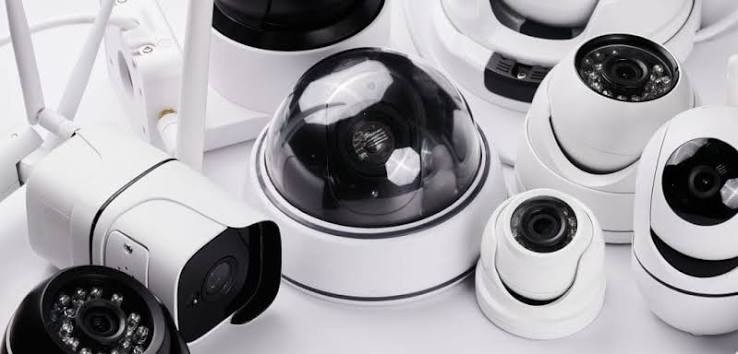
Security is an important consideration for homeowners, businesses, property developers and organisations across Uganda. Whether you are protecting a family home in Kampala, managing an office in Wakiso, operating a retail shop in Entebbe or overseeing a warehouse or industrial facility, a properly planned Closed-Circuit Television (CCTV) system can help improve security monitoring and protect valuable property.
However, choosing a CCTV system involves more than simply purchasing cameras. Different types of CCTV cameras are designed for different environments, surveillance requirements and operating conditions. Some are ideal for indoor monitoring, while others are better suited to outdoor security, large compounds, low-light environments or specialised industrial applications.
Installing the wrong cameras can result in poor image quality, security blind spots, unreliable night-time footage and unnecessary expenses. The right camera selection, on the other hand, can help ensure that important areas are monitored effectively.
For property owners considering CCTV camera installation in Uganda, understanding the available camera types is an important first step towards choosing a suitable security solution.
This guide explains the different types of CCTV cameras, their features, advantages, applications and limitations. It also provides practical advice on selecting cameras for residential, commercial and industrial properties and explains why professional CCTV installation matters.
What Are CCTV Cameras?
Closed-Circuit Television cameras are electronic surveillance devices that capture video footage and transmit it to recording or monitoring equipment.
CCTV systems are commonly installed in homes, offices, shopping centres, hotels, schools, hospitals, warehouses, factories and other properties where monitoring activities and improving security are important.
A typical CCTV system consists of:
- CCTV cameras: Capture video footage from selected areas.
- Digital Video Recorder (DVR): Records video from compatible analogue CCTV cameras.
- Network Video Recorder (NVR): Records footage from compatible network-based IP cameras.
- Storage devices: Store recorded footage for later viewing.
- Cables and network connections: Transmit video and connect system components.
- Power supplies: Provide electricity to cameras and recording equipment.
- Monitors and mobile devices: Allow authorised users to view live and recorded footage.
- Network equipment: Supports connectivity and remote monitoring where required.
Modern CCTV systems can also include motion detection, infrared night vision, colour night vision, mobile notifications, remote access and intelligent video analytics.
The most appropriate combination of equipment depends on the size of the property, security risks, monitoring requirements, available infrastructure and budget.
13 Main Types of CCTV Cameras
CCTV cameras come in different designs and technologies. Some categories describe the physical shape of a camera, while others describe how it transmits footage or the features it provides.
Understanding these differences will help you identify the most suitable equipment for your property.
1. Dome CCTV Cameras
Dome CCTV cameras are among the most widely used security cameras for indoor surveillance. They have a rounded housing that is commonly mounted on ceilings or walls.
Their compact appearance makes them suitable for locations where property owners want effective monitoring without installing bulky surveillance equipment.
Dome cameras are commonly used in offices, hotels, supermarkets, retail shops, reception areas and commercial buildings.
Key features of dome cameras
- Compact, rounded housing.
- Ceiling and wall mounting options.
- Different image resolutions.
- Fixed and adjustable lens options.
- Infrared night vision on selected models.
- Analogue and IP versions available.
- Vandal-resistant options on selected models.
Advantages of dome CCTV cameras
Dome cameras provide a neat installation and can monitor indoor spaces from suitable mounting positions. Their rounded housing can make the direction of the camera less obvious, although it does not guarantee that the viewing direction cannot be identified.
Some models also feature impact-resistant housings, making them suitable for locations where cameras may be exposed to tampering.
Common applications
- Office reception areas.
- Shopping centres.
- Supermarkets.
- Hotels and restaurants.
- School corridors.
- Hospital common areas.
- Indoor storage facilities.
What to consider: Check the camera’s viewing angle, resolution, mounting requirements and night vision performance. If installing a dome camera outdoors, confirm that the particular model has an appropriate weather-protection rating.
2. Bullet CCTV Cameras
Bullet CCTV cameras have a long, cylindrical design and are commonly used for outdoor surveillance.
They are particularly suitable for monitoring building entrances, perimeter boundaries, driveways, parking areas and other external locations.
Many bullet cameras have protective housings designed for outdoor conditions. However, weather resistance varies by model, so it is important to check the manufacturer’s specifications.
Key features of bullet cameras
- Long, cylindrical housing.
- Suitable outdoor models available.
- Fixed or adjustable lens options.
- Infrared night vision on many models.
- Different resolutions and viewing angles.
- Analogue and IP versions available.
Advantages of bullet CCTV cameras
Bullet cameras are useful when a specific outdoor area needs to be monitored. Their mounting brackets allow installers to position them at appropriate angles, while suitable weather-resistant models can operate in exposed environments.
Their visible design can also make the presence of surveillance equipment clear to people approaching a property.
Common applications
- Residential compound entrances.
- Perimeter walls.
- Parking facilities.
- Commercial building exteriors.
- Warehouse entrances.
- Factory compounds.
- Loading and unloading areas.
- Vehicle access points.
What to consider: Choose a camera with suitable environmental protection, an appropriate viewing angle and night vision performance that matches the monitoring distance.
3. IP CCTV Cameras
Internet Protocol cameras, commonly known as IP cameras, transmit digital video through a network connection.
They are widely used in modern CCTV installations because they support high-resolution surveillance, network-based management and flexible system expansion.
IP cameras can connect to a Network Video Recorder (NVR) through Ethernet cabling, network switches or other supported network arrangements.
Some models support Power over Ethernet (PoE), which allows compatible cameras to receive power and transmit data through a single Ethernet cable.
Key features of IP cameras
- Digital video transmission.
- High-resolution options.
- Network-based connectivity.
- Remote viewing on compatible devices.
- Integration with compatible NVR systems.
- Intelligent video features on selected models.
- Flexible installation and expansion options.
Advantages of IP CCTV cameras
IP cameras can deliver detailed footage and support modern surveillance functions. They are particularly useful for businesses and organisations that need several cameras connected through a central network.
Depending on the equipment and configuration, authorised users can access live footage and recordings using compatible computers or smartphones.
Common applications
- Residential properties.
- Office buildings.
- Shopping centres.
- Hotels.
- Schools.
- Hospitals.
- Warehouses.
- Factories.
- Large commercial developments.
What to consider: IP CCTV systems require suitable network infrastructure, compatible recording equipment and adequate network capacity. Larger installations may require PoE switches, additional network equipment and careful bandwidth planning.
4. Analogue CCTV Cameras
Analogue CCTV cameras transmit video signals through compatible coaxial cabling to a Digital Video Recorder (DVR).
Although newer network-based systems are increasingly common, analogue CCTV remains a practical option for certain projects, particularly where existing infrastructure can be reused.
Modern high-definition analogue technologies can deliver substantially better image quality than older standard-definition systems.
Key features of analogue cameras
- Video transmission through compatible cabling.
- Connection to a DVR.
- Different camera resolutions.
- Fixed and variable lens options, depending on the model.
- Dome and bullet designs available.
- Compatibility with selected existing CCTV infrastructure.
Advantages of analogue CCTV cameras
Analogue cameras may be suitable for smaller installations and properties upgrading an existing CCTV system.
Where compatible cables and recording equipment are already available, upgrading selected components may be less disruptive than replacing the entire installation.
Common applications
- Small residential properties.
- Retail shops.
- Small offices.
- Existing CCTV installations.
- Selected commercial buildings.
What to consider: Confirm compatibility between the cameras, DVR, cables and other equipment. If you intend to add more cameras later, check whether the recording system can accommodate future expansion and the required image resolution.
5. Wireless CCTV Cameras
Wireless CCTV cameras transmit video through a wireless network rather than relying on a dedicated data cable between each camera and the recording or network equipment.
They can be useful in properties where installing network cables is difficult, expensive or impractical.
However, wireless does not always mean cable-free. Many wireless cameras still require electrical power, while selected models use rechargeable batteries or solar-assisted power systems.
Key features of wireless cameras
- Wireless video transmission.
- Wi-Fi or other supported network connectivity.
- Smartphone monitoring on compatible models.
- Motion detection on selected devices.
- Indoor and outdoor options.
- Battery-powered models available.
Advantages of wireless CCTV cameras
Wireless cameras can simplify installation in selected properties because they reduce the need for data cabling.
They may be suitable for residential homes, small offices and locations where cable routing is challenging. Some models also offer mobile applications for live viewing and notifications.
Common applications
- Residential homes.
- Apartments.
- Small offices.
- Shops.
- Temporary monitoring locations.
- Selected outdoor spaces.
What to consider: Wireless camera performance depends on signal strength, network coverage, interference and power availability. Weak Wi-Fi can cause delayed footage, interrupted connections or unreliable remote monitoring.
For larger commercial and industrial installations, a properly designed wired IP CCTV system may provide more predictable connectivity.
6. PTZ CCTV Cameras
PTZ stands for Pan, Tilt and Zoom.
PTZ cameras allow authorised operators to move the camera horizontally and vertically and adjust the zoom remotely. They are designed for monitoring large areas where a fixed camera may not provide sufficient flexibility.
Key features of PTZ cameras
- Horizontal movement.
- Vertical movement.
- Optical zoom on supported models.
- Remote operation.
- Preset viewing positions.
- Automatic patrol functions on selected models.
- Network connectivity on many modern versions.
Advantages of PTZ cameras
PTZ cameras allow security personnel to monitor different sections of a large area using an adjustable camera.
Their zoom capability can help operators examine particular locations when an event occurs. Some models can also be configured to move between selected viewing positions.
Common applications
- Large commercial compounds.
- Industrial facilities.
- Warehouse yards.
- Parking facilities.
- Large residential estates.
- Hotels and resorts.
- Outdoor security installations.
What to consider: PTZ cameras can cost more than basic fixed cameras and require proper configuration. They should not automatically replace fixed cameras at important access points because a PTZ camera cannot monitor every direction simultaneously.
For effective coverage, a PTZ camera may need to be combined with strategically positioned fixed cameras.
7. Infrared Night Vision CCTV Cameras
Infrared CCTV cameras are designed to capture video in low-light or dark conditions using infrared illumination.
Many modern security cameras include infrared LEDs that provide illumination beyond the range of normal human vision. The camera then records images using its infrared-sensitive imaging system.
Key features
- Infrared illumination.
- Night-time monitoring.
- Automatic day/night switching on many models.
- Different infrared operating ranges.
- Indoor and outdoor options.
Advantages of infrared cameras
Infrared technology allows suitable cameras to continue monitoring areas when visible lighting is limited.
This is particularly useful for properties requiring overnight surveillance, such as residential compounds, warehouses, factories and commercial premises.
Common applications
- Residential compounds.
- Building entrances.
- Parking areas.
- Warehouses.
- Factories.
- Perimeter security.
- Outdoor storage facilities.
What to consider: Check the infrared illumination range and whether it is suitable for the actual monitoring distance. Dust, rain, reflective surfaces and other environmental conditions can affect night-time image quality.
8. Colour Night Vision CCTV Cameras
Colour night vision cameras are designed to provide colour video in low-light conditions.
Unlike conventional infrared cameras, which commonly produce black-and-white night footage, selected colour night vision cameras use sensitive image sensors, specialised illumination or other low-light technologies to retain colour information.
Key features
- Low-light image sensors.
- Colour recording under suitable lighting conditions.
- Integrated white-light illumination on some models.
- Enhanced image detail in certain environments.
- Motion-activated lighting on selected models.
Advantages of colour night vision cameras
Colour footage can make it easier to distinguish certain visual details, such as clothing and vehicle colours, when lighting conditions are adequate.
Some models combine colour night vision with infrared modes to provide different surveillance options depending on available light.
Common applications
- Residential entrances.
- Commercial compounds.
- Parking facilities.
- Building exteriors.
- Retail premises.
- Areas where colour identification is useful.
What to consider: Colour night vision performance depends on available light and camera technology. Some models use visible white-light illumination, which may not be suitable for every property. Discuss the lighting requirements with your installer before selecting a camera.
9. Thermal CCTV Cameras
Thermal cameras detect differences in infrared radiation emitted by objects and convert them into visual representations of temperature patterns.
Unlike conventional CCTV cameras, thermal cameras do not depend on visible light in the same way. They are used for specialised monitoring applications where detecting heat signatures is important.
Key features
- Thermal image capture.
- Detection of temperature differences.
- Operation in darkness.
- Specialised monitoring capabilities.
- Integration with selected security platforms.
Advantages of thermal CCTV cameras
Thermal cameras can help identify people, animals or objects based on their heat signatures under suitable conditions.
They can be useful in certain industrial, perimeter and specialised security applications, particularly where conventional cameras may struggle because of poor lighting.
Common applications
- Large industrial facilities.
- Specialised perimeter surveillance.
- Critical infrastructure.
- Selected outdoor security environments.
- Industrial temperature monitoring applications.
What to consider: Thermal cameras generally have higher equipment costs than standard visible-light CCTV cameras. They also provide a different type of image and may not show the same visual details as conventional cameras.
Where both heat detection and recognisable visual footage are required, a combination of thermal and visible-light cameras may be appropriate.
10. Fisheye CCTV Cameras
Fisheye cameras use specialised wide-angle lenses to capture a very broad field of view.
Depending on the model and installation, some cameras can provide panoramic coverage of an entire room from a single mounting position.
They are commonly used where monitoring a wide indoor area is important.
Key features
- Very wide viewing angle.
- Panoramic image capture.
- Digital dewarping on supported systems.
- Ceiling or wall mounting options.
- High-resolution models available.
Advantages of fisheye cameras
A fisheye camera can provide broad coverage from one installation point. This may reduce the number of cameras required in certain indoor spaces.
However, image detail may be reduced across the wider field of view, especially when viewing objects at a distance.
Common applications
- Large reception areas.
- Offices.
- Retail shops.
- Conference rooms.
- Hotel lobbies.
- Commercial interiors.
What to consider: Wide-angle coverage can introduce image distortion. Some systems use digital dewarping to create more conventional viewing perspectives. Always check whether the resulting image provides sufficient detail for the intended security purpose.
11. Varifocal CCTV Cameras
Varifocal CCTV cameras have lenses that allow the focal length and viewing angle to be adjusted.
This gives installers greater flexibility when determining how much of an area should be covered.
Unlike fixed-lens cameras, varifocal models can be adjusted to provide a wider or narrower view, depending on the supported focal-length range.
Key features
- Adjustable focal length.
- Flexible viewing angle.
- Manual or motorised adjustment.
- Different resolution options.
- Indoor and outdoor models.
Advantages of varifocal cameras
Varifocal cameras are useful when the exact viewing angle needs to be adjusted during installation.
They help installers achieve an appropriate balance between broad area coverage and detail at a particular location.
Common applications
- Building entrances.
- Parking areas.
- Warehouse access points.
- Commercial premises.
- Industrial facilities.
- Locations with specific monitoring requirements.
What to consider: Check the supported focal-length range and whether adjustment is manual or motorised. The lens should be configured according to the actual distance and monitoring objective.
12. Vandal-Resistant CCTV Cameras
Vandal-resistant CCTV cameras are designed with protective housings to reduce the likelihood of damage from physical impact or tampering.
They are useful in locations where cameras may be exposed to accidental contact or deliberate interference.
Some models have impact-resistance ratings, such as IK ratings, which indicate their resistance to mechanical impact.
Key features
- Reinforced camera housing.
- Impact-resistant design on rated models.
- Secure mounting.
- Indoor and outdoor versions.
- Different camera styles and resolutions.
Advantages of vandal-resistant cameras
These cameras provide additional physical protection in public-facing or high-traffic locations.
They may be particularly useful where cameras are installed within reach of visitors, customers, employees or other building users.
Common applications
- Schools.
- Hospitals.
- Public corridors.
- Transport facilities.
- Shopping centres.
- Building entrances.
- Commercial common areas.
What to consider: Check the camera’s actual impact-protection rating rather than assuming that every reinforced-looking housing provides the same level of protection. Secure mounting and suitable positioning remain important.
13. Hidden and Covert CCTV Cameras
Covert cameras are designed to be less noticeable or concealed within objects or specific installations.
They may be considered for specialised surveillance applications, but hidden monitoring raises important privacy and legal considerations.
Before installing covert cameras, ensure that the intended monitoring is lawful, necessary and proportionate. In Uganda, applicable privacy and data protection requirements, including the Data Protection and Privacy Act, 2019, should be considered where relevant.
For most residential and commercial security applications, appropriately positioned visible CCTV cameras with suitable notices are generally a more straightforward option.
What to consider: Do not install cameras in private spaces where people reasonably expect privacy. Seek appropriate guidance before implementing any specialised surveillance arrangement.
Understanding the Difference Between CCTV Camera Types
One important point when choosing CCTV equipment is that not all camera categories describe the same thing.
For example, dome and bullet describe physical camera designs, while IP and analogue describe video transmission technologies. Infrared and thermal describe specialised imaging capabilities.
This means one camera can belong to several categories at the same time. An IP camera, for example, may have a dome design, infrared night vision and a varifocal lens.
The table below summarises the main camera types and their common applications.
| CCTV camera type | Main purpose | Common application |
|---|---|---|
| Dome | Indoor fixed surveillance | Offices, shops and indoor spaces |
| Bullet | Directional surveillance | Building exteriors and perimeters |
| IP | Network-based digital video | Homes and commercial properties |
| Analogue | Coaxial video transmission | Selected existing systems |
| Wireless | Wireless video transmission | Selected homes and small premises |
| PTZ | Remote movement and zoom | Large compounds and facilities |
| Infrared | Night-time monitoring | Outdoor and poorly lit areas |
| Colour night vision | Colour footage in low light | Entrances and parking areas |
| Thermal | Heat-pattern detection | Specialised industrial applications |
| Fisheye | Panoramic coverage | Large indoor spaces |
| Varifocal | Adjustable viewing angle | Entrances and targeted monitoring |
| Vandal-resistant | Physical protection | Public and high-traffic areas |
| Covert | Less noticeable surveillance | Specialised applications subject to privacy requirements |
How to Choose the Right CCTV Camera for Your Property in Uganda
Selecting the best CCTV camera requires more than comparing product specifications. You need to consider the property’s layout, security risks, lighting conditions, network infrastructure and the level of detail required.
The following factors can help guide your decision.
1. Identify the Areas You Need to Monitor
Start by identifying the most important areas of your property.
These may include:
- Main entrances and exits.
- Driveways and parking areas.
- Perimeter walls and gates.
- Reception areas.
- Offices and corridors.
- Storage facilities.
- Loading bays.
- Restricted operational areas.
A site assessment can help determine the number of cameras required and the most appropriate installation positions.
2. Consider Indoor and Outdoor Installation Requirements
Indoor and outdoor cameras have different environmental requirements.
Indoor cameras can be selected according to their design, viewing angle, resolution and lighting performance.
Outdoor cameras should have suitable protection against rain, dust and other environmental conditions. Check the manufacturer’s specifications and IP rating before selecting a model for exposed installation.
3. Choose the Appropriate Image Resolution
Camera resolution affects the level of detail captured in recorded footage.
Higher resolution may be useful at entrances, vehicle access points and other locations where identifying details is important.
Common resolution options include 2MP, 4MP, 5MP and 8MP (4K). However, choosing the highest resolution is not always necessary.
The right resolution should balance image quality, recording storage, network capacity and the intended monitoring distance.
4. Check Night Vision Performance
If your property requires night-time surveillance, choose cameras that can produce useful footage in low-light conditions.
Consider:
- Infrared illumination range.
- Available lighting around the property.
- Colour night vision requirements.
- The distance between the camera and monitored area.
- Possible obstructions and reflective surfaces.
Do not rely on a camera’s advertised night vision range alone. Its actual performance should be appropriate for the installation environment.
5. Select the Correct Viewing Angle
The viewing angle determines how much of an area a camera can monitor.
Wide-angle cameras are useful for broad coverage, while narrower views may be better when specific details need to be captured.
For example, a wide-angle camera may be appropriate for a reception area, while a narrower view may be more suitable for monitoring a gate or vehicle entrance.
6. Decide Between Wired and Wireless CCTV Systems
Wired CCTV systems use physical cabling to connect cameras to recording or network equipment. They are often preferred for larger installations where predictable connectivity is important.
Wireless systems can simplify selected installations but depend on network coverage, signal strength and power availability.
The best option depends on the building structure, installation requirements and number of cameras.
7. Consider Recording and Storage Requirements
A CCTV system should have enough storage capacity for the required footage retention period.
Storage requirements depend on:
- Number of cameras.
- Camera resolution.
- Frame rate.
- Video compression.
- Recording schedule.
- Motion-based or continuous recording.
- Required retention period.
A professional installer should calculate the storage capacity required for your proposed system rather than selecting a hard drive without considering the recording requirements.
8. Plan for Secure Remote Monitoring
Remote monitoring allows authorised users to view live and recorded footage while away from the property, using compatible smartphones or computers.
If remote access is important, choose equipment that supports secure connectivity and ask the installer to configure it correctly.
Use strong passwords, change default login credentials and keep supported camera firmware and recording equipment updated. Avoid exposing cameras directly to the internet without appropriate security controls.
9. Consider Future Expansion
If you expect to add cameras later, select recording and network equipment that can accommodate future requirements.
For example, an NVR with only a few available channels may limit the expansion of a larger IP CCTV installation.
Planning for future growth can help reduce the need to replace major system components.
Best CCTV Cameras for Different Types of Properties
Different properties have different security requirements. A CCTV system designed for a small family home may not be suitable for a warehouse, hotel or industrial facility.
Best CCTV Cameras for Residential Homes
Residential properties commonly benefit from a combination of outdoor bullet cameras and indoor dome cameras.
Important monitoring areas include:
- Main gates.
- Front and rear entrances.
- Driveways.
- Garages.
- Compound areas.
- Other vulnerable access points.
Homeowners may also consider remote viewing, motion detection and night vision.
The aim should be to monitor important access points without unnecessarily recording neighbouring private spaces.
Best CCTV Cameras for Offices
Offices may benefit from dome cameras and suitable IP cameras.
These can be positioned to monitor:
- Reception areas.
- Corridors.
- Office entrances.
- Appropriate shared work areas.
- Parking facilities.
- Restricted sections.
Network-based systems may be useful where several cameras need to be managed centrally.
Camera placement should take employee and visitor privacy into account.
Best CCTV Cameras for Shops and Supermarkets
Retail premises often require surveillance around entrances, checkout areas, shelves, stockrooms and external access points.
Dome and bullet cameras are common options, while higher-resolution cameras may be useful in areas where greater image detail is required.
A carefully designed system can help management monitor important business areas and review recorded footage when necessary.
Best CCTV Cameras for Hotels
Hotels may require different camera types for lobbies, reception areas, corridors, parking facilities and external entrances.
A combination of dome, bullet and network cameras may be suitable depending on the property layout.
Camera positioning should be carefully planned to respect guest privacy, particularly in private accommodation and other sensitive spaces.
Best CCTV Cameras for Warehouses
Warehouses often require cameras with suitable viewing angles, night vision and environmental protection.
Bullet cameras, IP cameras and selected PTZ cameras may be considered for:
- Loading bays.
- Storage sections.
- Vehicle access points.
- Perimeter areas.
- Internal operational spaces.
The installation should account for high ceilings, long viewing distances, lighting conditions and possible obstructions caused by stored goods or equipment.
Best CCTV Cameras for Factories and Industrial Facilities
Industrial properties may require specialised CCTV systems because of their size, operating conditions and security requirements.
IP cameras, bullet cameras, PTZ cameras and selected thermal cameras may be useful depending on the application.
The installation should consider dust, moisture, vibration, lighting, mounting conditions, network infrastructure and the need for continuous monitoring.
Common Mistakes to Avoid When Choosing CCTV Cameras
Choosing the wrong CCTV equipment can result in poor surveillance coverage and unnecessary expenses.
Avoid these common mistakes:
1. Choosing cameras based only on price
Low-cost cameras may not provide the image quality, reliability or features required for effective monitoring. Compare specifications and suitability rather than considering purchase price alone.
2. Ignoring camera resolution
Low-resolution footage may not provide enough detail for important monitoring areas, such as entrances and vehicle access points.
3. Selecting indoor cameras for outdoor use
Outdoor installations require cameras with suitable environmental protection. Always check the manufacturer’s specifications.
4. Overlooking night vision
A camera that performs well during the day may produce poor footage at night. Check its low-light performance before purchasing.
5. Ignoring viewing angles
Incorrect lens selection can create blind spots or reduce image detail. Camera positioning and lens selection should be planned together.
6. Buying wireless cameras without checking network coverage
Weak wireless signals can result in unreliable video transmission, interrupted connections and delayed footage.
7. Underestimating recording storage
Insufficient storage can cause footage to be overwritten sooner than expected. Calculate storage needs based on the recording settings and retention period.
8. Installing cameras without proper planning
Poor camera placement can reduce the usefulness of even high-quality equipment. Conduct a site assessment before installation.
9. Ignoring cybersecurity
Default passwords and insecure remote access can expose CCTV systems to unauthorised users. Secure configuration is an important part of CCTV installation.
10. Ignoring privacy considerations
Cameras should be positioned and used responsibly. Avoid unnecessary monitoring of private spaces and consider applicable data protection requirements.
Why Professional CCTV Camera Installation Matters
Choosing the correct camera is only one part of developing an effective security system. The equipment must also be installed, connected and configured properly.
Professional CCTV installation helps ensure that cameras are positioned appropriately, recording equipment is configured correctly and the system operates according to its intended requirements.
A professional installation process may include:
- Property security assessment: Identifying important areas, potential risks and surveillance requirements.
- Camera selection and system design: Choosing suitable camera types, resolutions, lenses and features.
- Camera mounting and positioning: Installing cameras to provide appropriate coverage.
- Cable installation and management: Providing suitable power, video and network connections.
- Network configuration: Setting up compatible network equipment and connectivity.
- DVR or NVR installation: Connecting and configuring the recording equipment.
- Recording and storage configuration: Setting recording schedules and storage requirements.
- Remote viewing setup: Configuring authorised access where required.
- System testing and commissioning: Checking image quality, recording, connectivity and camera operation.
- User guidance and handover: Explaining how to operate the system and access recorded footage.
Proper installation can help reduce blind spots, improve image quality, support secure operation and make future maintenance easier.
For homeowners, businesses and property developers in Uganda, working with a competent CCTV installation provider is an important step towards achieving a reliable surveillance system.
What Determines the Cost of Different CCTV Camera Types in Uganda?
The cost of installing CCTV cameras in Uganda varies depending on the type of equipment, system size, installation requirements and additional features.
Some of the main factors that influence the total project cost include:
- Camera type and quantity: Basic fixed cameras generally have different equipment costs from specialised PTZ or thermal cameras.
- Image resolution: Higher-resolution cameras may require additional storage and network capacity.
- Night vision technology: Different infrared and colour night vision features affect equipment specifications.
- Lens and viewing angle: Fixed, wide-angle and varifocal lenses have different capabilities.
- Weather and impact protection: Cameras designed for demanding environments may require specialised housings.
- DVR or NVR specifications: Recording equipment must support the camera quantity and technology.
- Storage capacity: Larger storage requirements can increase the overall system cost.
- Cabling and network infrastructure: Cable length, network switches and other installation materials affect project requirements.
- Power supply and backup: Additional power equipment may be necessary depending on the property.
- Installation complexity and labour: Large buildings, high mounting points and difficult cable routes may require more installation work.
For example, a small residential installation with basic fixed cameras will have different requirements from a large industrial CCTV system with IP cameras, PTZ equipment and extensive network infrastructure.
To understand the actual cost of your project, request a detailed quotation that identifies the equipment, materials, installation labour, configuration and any additional services included.
Avoid comparing quotations based only on the number of cameras. Two proposals may offer different resolutions, storage capacities, night vision capabilities and installation standards.
Why Choose Daltrevco for CCTV Installation Solutions in Uganda?
Choosing the right CCTV equipment is an important step towards improving the security of your property. However, the quality of the overall installation also depends on how the system is designed, positioned, connected and configured.
Daltrevco provides a point of contact for customers exploring building-related electrical, mechanical and security installation solutions in Uganda.
When planning a CCTV project, it is important to consider:
- The size and layout of your property.
- Areas requiring surveillance.
- Suitable camera types and specifications.
- Recording and storage capacity.
- Power and network infrastructure.
- Indoor and outdoor installation conditions.
- Future system expansion requirements.
Whether you are considering CCTV cameras for a residential home, office, retail shop, hotel, school, warehouse or industrial facility, your installation proposal should be based on your actual surveillance requirements.
A properly planned CCTV system can help improve monitoring coverage, support security management and provide access to recorded footage when required.
Planning to install CCTV cameras in Uganda? Contact Daltrevco to discuss your property security requirements and explore a CCTV installation solution suited to your needs.
Conclusion: Choose the Right CCTV Camera for Reliable Property Security
There are many types of CCTV cameras available, and each is designed to address different surveillance requirements.
Dome cameras are commonly used for indoor monitoring, bullet cameras are suitable for many outdoor applications, IP cameras provide network-based digital surveillance, and PTZ cameras offer flexible monitoring of larger areas.
Other options, including infrared, colour night vision, thermal, fisheye, varifocal and vandal-resistant cameras, provide specialised features for particular security environments.
The best CCTV camera for your property depends on where it will be installed, the level of image detail required, lighting conditions, recording needs, network infrastructure and available budget.
Before purchasing equipment, assess your security requirements, compare camera specifications and consider professional installation.
Whether you are protecting a home, office, shop, hotel, warehouse or industrial facility in Uganda, investing in the right CCTV system can help improve surveillance and support the long-term security of your property.
Choose suitable CCTV technology, prioritise professional installation and develop a surveillance system designed around your property’s security needs.
Frequently Asked Questions About Types of CCTV Cameras
1. What are the main types of CCTV cameras?
The main types include dome cameras, bullet cameras, IP cameras, analogue cameras, wireless cameras, PTZ cameras, infrared cameras, colour night vision cameras, thermal cameras, fisheye cameras, varifocal cameras, vandal-resistant cameras and covert cameras.
2. Which type of CCTV camera is best for home security?
The best camera depends on the layout of the home and the areas requiring monitoring. Bullet cameras are commonly suitable for outdoor areas, while dome cameras can be useful indoors. A combination of both may provide appropriate coverage.
3. What is the difference between dome and bullet CCTV cameras?
Dome cameras have a rounded housing and are commonly used for indoor surveillance. Bullet cameras have an elongated design and are frequently used for outdoor monitoring, entrances and perimeter security.
4. Are IP cameras better than analogue CCTV cameras?
IP cameras offer digital network connectivity, high-resolution options and flexible system expansion. Analogue cameras may be suitable for smaller installations or properties with compatible existing infrastructure. The best option depends on the system requirements and budget.
5. What is the difference between wired and wireless CCTV cameras?
Wired cameras use physical cabling for video transmission, while wireless cameras transmit video over a wireless connection. Many wireless models still require a power source. Wired systems are often preferred for larger installations where predictable connectivity is important.
6. Which CCTV cameras are best for outdoor use?
Outdoor bullet and dome cameras with suitable weather protection are common options. The right model should have appropriate environmental ratings, night vision capabilities and a viewing angle suitable for the monitored area.
7. Which CCTV cameras provide the best night vision?
Cameras with suitable infrared illumination or advanced low-light technology can provide useful night-time surveillance. The best choice depends on available lighting, monitoring distance and image quality requirements.
8. What are PTZ CCTV cameras used for?
PTZ cameras allow operators to move the camera horizontally and vertically and zoom in on selected areas. They are commonly used in large compounds, parking facilities, industrial sites and other locations requiring flexible monitoring.
9. What are IP CCTV cameras used for?
IP cameras are used in network-based surveillance systems for homes, businesses and industrial properties. They can support high-resolution video, remote viewing and integration with compatible NVR recording systems.
10. How many CCTV cameras does a house need?
The number depends on the size and layout of the property, the number of entrances and the areas requiring surveillance. A site assessment helps identify the appropriate camera quantity and installation positions.
11. Can CCTV cameras record in complete darkness?
Cameras with suitable infrared night vision can record images in darkness without relying on visible lighting in the same way as ordinary cameras. Their effectiveness depends on infrared range, camera specifications and the surrounding environment.
12. Are wireless CCTV cameras reliable?
Wireless cameras can be reliable when installed within suitable network coverage and provided with consistent power. However, interference, weak Wi-Fi signals and connectivity problems can affect performance.
13. Which CCTV cameras are best for warehouses?
Warehouses may benefit from IP cameras, bullet cameras and selected PTZ cameras. The choice depends on building size, storage layout, lighting, mounting conditions and the areas requiring surveillance.
14. What CCTV camera resolution is best?
The appropriate resolution depends on the level of detail required. Common options include 2MP, 4MP, 5MP and 8MP (4K). Higher resolution may provide more detail but also requires additional storage and network capacity.
15. How much does CCTV camera installation cost in Uganda?
The cost depends on camera quantity, camera type, resolution, recording equipment, storage, cabling, installation labour and additional features. Request a site assessment and itemised quotation to establish the actual cost.
16. Can different types of CCTV cameras be used in one system?
Yes. A CCTV system can combine different camera types, such as dome cameras indoors, bullet cameras outdoors and PTZ cameras for large areas, provided the equipment and recording infrastructure are compatible.
17. Do CCTV cameras need internet to work?
Many CCTV systems can record locally without an internet connection. However, internet connectivity is generally required for remote viewing through smartphones or computers when users are away from the local network.
18. Should I hire a professional CCTV installation company?
Professional installation helps ensure correct camera positioning, suitable equipment selection, secure cabling, proper recording configuration and reliable system testing. It is especially useful for larger residential, commercial and industrial installations.

