
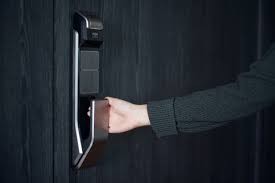
Security is an essential consideration for homeowners, businesses, commercial property owners and institutions. As buildings become more advanced and security requirements continue to evolve, traditional door locks are increasingly being complemented by modern electronic locking technologies.
Electronic door locks provide a convenient and effective way to control access to buildings without relying entirely on conventional metal keys. Depending on the technology, users can unlock doors using PIN codes, fingerprint recognition, RFID cards, facial recognition, mobile applications or other electronic authentication methods.
In Uganda, electronic door lock installation is becoming an important consideration for residential apartments, private homes, corporate offices, hotels, banks, warehouses, educational institutions and commercial buildings. These systems offer improved access management, convenient entry, enhanced security monitoring and greater control over who can enter specific areas.
However, selecting the right electronic door lock involves more than choosing a device. The type of door, building design, security requirements, power supply, access control technology and installation method all influence the performance of the system.
At Daltrevco, we understand the importance of reliable building security infrastructure. This guide explores electronic door lock installation for homes, offices and commercial properties in Uganda, including available lock types, installation procedures, benefits, costs, security features and maintenance requirements.
What Is an Electronic Door Lock?
An electronic door lock is a locking device that uses electrical or electronic mechanisms to control access to a door. Unlike conventional mechanical locks that depend entirely on physical keys, electronic locks use digital authentication methods to verify authorised users.
Depending on the model, an electronic door lock can be operated through:
- PIN codes and digital keypads.
- Fingerprint biometric recognition.
- RFID cards and access tags.
- Facial recognition technology.
- Smartphone applications.
- Remote access systems.
- Bluetooth or wireless authentication.
- Integrated building access control systems.
When an authorised user presents the correct credentials, the electronic locking mechanism activates and allows the door to open.
Some electronic door locks operate independently, while others connect to centralised access control systems that manage multiple doors and users across a building.
Electronic door locks are suitable for properties that require controlled entry, improved convenience and more organised security management.
Types of Electronic Door Locks for Homes and Commercial Properties
Different electronic locking technologies are available, each designed to meet particular security and operational requirements.
Choosing the appropriate type is important for achieving reliable performance.
1. Keypad Electronic Door Locks
<IMAGE_PLACEHOLDER />
Keypad electronic door locks use a numerical keypad to allow authorised users to enter a programmed PIN code.
Instead of carrying a physical key, users enter their assigned security code to unlock the door.
These locks are commonly installed in:
- Residential homes.
- Apartment entrances.
- Private offices.
- Hotel rooms.
- Small commercial premises.
- Staff-only rooms.
Some advanced keypad locks support multiple user codes, temporary visitor codes and automatic locking.
They are particularly useful for properties where several people require access.
2. Fingerprint Electronic Door Locks
Fingerprint electronic locks use biometric technology to identify individuals through their unique fingerprint characteristics.
Users place their registered fingers on a biometric scanner, which verifies their identity before unlocking the door.
These systems are suitable for:
- Corporate offices.
- Private residences.
- Banks.
- Server rooms.
- Restricted departments.
- Commercial facilities.
Some models also support PIN codes, RFID cards and mechanical backup keys.
3. RFID Card Electronic Door Locks
RFID electronic door locks use radio frequency identification technology to authenticate users through compatible cards, key fobs or access tags.
When an authorised card is presented to the reader, the system verifies its credentials and activates the locking mechanism.
RFID door locks are widely suitable for:
- Office buildings.
- Hotels.
- Hospitals.
- Universities.
- Commercial apartments.
- Staff-only entrances.
Networked RFID systems can also allow administrators to activate, deactivate and manage user credentials centrally.
4. Facial Recognition Electronic Door Locks
Facial recognition door locks use biometric cameras and recognition software to verify individuals before granting access.
The system captures a person’s face and compares it against registered biometric information.
When verification is successful and the individual has the required permissions, the door unlocks.
Facial recognition locks can be considered for modern offices, selected residential developments and high-security commercial facilities.
Suitable systems should incorporate appropriate liveness detection and biometric data protection measures.
5. Smart Electronic Door Locks
Smart door locks connect to compatible smartphones, wireless networks or home automation platforms.
Depending on the model, users may unlock doors through:
- Smartphone applications.
- Bluetooth connectivity.
- Wi-Fi connectivity.
- Temporary digital access codes.
- Remote access management.
- Compatible smart home platforms.
Smart locks are particularly useful for modern homes, rental apartments, serviced accommodation and properties where owners need to manage access remotely.
Remote unlocking and monitoring features depend on the device, connectivity and configuration.
6. Electromagnetic Door Locks
Electromagnetic locks, commonly called magnetic locks, use an electromagnetic force to hold a door securely closed.
They are often used with access control systems such as fingerprint readers, RFID card readers, PIN keypads and facial recognition terminals.
Common applications include:
- Office entrances.
- Glass doors.
- Commercial buildings.
- Hospitals.
- Corporate facilities.
- Restricted access areas.
Electromagnetic locks require appropriate mounting, power arrangements and emergency release provisions.
7. Electric Strike Door Locks
Electric strike locks are installed within or alongside a door frame and work with compatible mechanical latch systems.
When an authorised credential is presented, the electronic mechanism releases the strike, allowing the door to open.
They are suitable for many office doors, commercial entrances and controlled-access rooms.
Their compatibility depends on the existing door hardware and frame construction.
8. Electronic Mortise Door Locks
Electronic mortise locks combine electronic access functionality with a mortise locking mechanism installed within the door.
Depending on the model, they may support PIN codes, fingerprint recognition, RFID cards and mechanical keys.
They are commonly used in:
- Residential homes.
- Hotel rooms.
- Apartment buildings.
- Private offices.
- Executive suites.
They provide an integrated locking solution for compatible doors.
Benefits of Electronic Door Lock Installation
Installing electronic door locks offers several advantages over conventional key-based locking systems.
1. Improved Access Control and Security
One of the main benefits of electronic door locks is the ability to control who can enter a property.
Traditional keys can be copied, lost or shared without the owner’s knowledge.
Electronic locking systems allow access to be controlled through registered credentials, user permissions and authentication procedures.
For commercial properties, this is particularly important because different employees may require access to different departments.
2. Keyless Entry and Greater Convenience
Electronic door locks reduce dependence on traditional metal keys.
Depending on the technology, authorised users can unlock doors using fingerprints, PIN codes, RFID cards or smartphones.
This is convenient for homeowners, employees, property managers and hotel operators.
It also reduces the inconvenience of carrying multiple keys for different entrances.
3. Improved Management of Employee Access
Businesses can assign individual credentials to employees and control which doors they can access.
For example, employees may be permitted to enter general office areas while access to finance departments, server rooms and management offices remains restricted.
When an employee leaves the organisation, administrators can deactivate the person’s credentials without necessarily replacing the physical locking hardware.
4. Better Monitoring of Building Access
Many networked electronic door lock systems maintain access records.
Depending on the equipment, administrators can review:
- Successful entry attempts.
- Rejected access attempts.
- User identification details.
- Access dates and timestamps.
- Door activity.
- Access permission changes.
These records can help businesses investigate security incidents and improve accountability.
5. Flexible Access for Visitors and Contractors
Electronic locks can support temporary or restricted access credentials.
For example, property managers can issue temporary PIN codes to visitors, contractors or maintenance personnel.
Some smart locks also allow owners to create time-limited digital credentials.
This reduces the need to distribute permanent physical keys to temporary users.
6. Improved Security for Residential Properties
Homeowners can use electronic door locks to manage entry into their houses, apartments and private rooms.
Fingerprint, PIN and smart lock systems can provide convenient alternatives to traditional keys.
Some models also offer automatic locking, activity notifications and remote management.
7. Integration with CCTV and Other Security Systems
Electronic door locks can be integrated with compatible security infrastructure.
Possible integrations include:
- CCTV surveillance cameras.
- Fingerprint access control systems.
- Facial recognition terminals.
- RFID card readers.
- Intruder alarm systems.
- Visitor management software.
- Smart home automation systems.
- Centralised building management platforms.
Integration helps organisations create a more coordinated security environment.
8. Reduced Problems Associated with Lost Keys
Losing physical keys can create security concerns, particularly when the keys provide access to offices, apartments or restricted departments.
Electronic locks reduce dependence on traditional keys and allow administrators to change digital credentials where supported.
Some models retain mechanical backup keys, so their backup arrangements should be managed securely.
9. Automated Door Locking
Many electronic door locks support automatic locking after a door has been closed.
This helps reduce the risk of doors being accidentally left unlocked.
The feature is particularly useful for residential entrances, hotel rooms and office doors.
10. Suitable for Modern Building Designs
Electronic door locks are available in different designs and configurations to suit residential, commercial and institutional properties.
They can be incorporated into modern glass doors, wooden doors, metal doors and compatible security entrance systems.
Electronic Door Lock Installation for Homes
Residential electronic door lock installation focuses on improving home security while maintaining convenient access for homeowners and authorised visitors.
Modern homes can benefit from electronic locks that provide keyless entry and flexible user management.
Common Residential Applications
Electronic door locks can be installed on:
- Main house entrances.
- Apartment entrance doors.
- Bedroom doors.
- Home offices.
- Private storage rooms.
- Rental properties.
- Residential gates where compatible systems are used.
Recommended Electronic Lock Options for Homes
Fingerprint door locks: Suitable for homeowners who prefer biometric authentication.
PIN keypad locks: Useful for households where several family members need access.
Smart door locks: Suitable for homeowners who want smartphone-based access management.
RFID door locks: Useful for apartment developments and residential facilities with multiple authorised users.
Important Residential Installation Considerations
Before installing an electronic door lock, consider:
- Door material and thickness.
- Existing lock and handle configuration.
- Compatibility with the selected locking mechanism.
- Battery life or electrical power requirements.
- Emergency access arrangements.
- Weather exposure for external doors.
- Availability of backup keys or alternative credentials.
- Smartphone and network compatibility where applicable.
The selected lock should match the door’s construction and the property’s security requirements.
Electronic Door Lock Installation for Offices
Office buildings require effective access management because employees, customers, visitors and contractors regularly enter and leave the premises.
Electronic door locks allow businesses to manage access more systematically.
Common Office Applications
Electronic locks can be installed at:
- Main office entrances.
- Executive offices.
- Meeting rooms.
- Finance departments.
- Human resource offices.
- Server rooms.
- Records storage rooms.
- Staff-only entrances.
- Equipment storage facilities.
Benefits for Office Environments
Office electronic locking systems can help organisations:
- Control access according to employee responsibilities.
- Restrict entry into sensitive departments.
- Reduce reliance on physical keys.
- Monitor access activities.
- Manage temporary visitor access.
- Integrate with employee attendance systems where supported.
- Improve security administration across multiple departments.
For larger offices, networked access control systems are often preferable because they allow administrators to manage several doors from a central platform.
Electronic Door Lock Installation for Commercial Properties
Commercial properties often require more advanced security arrangements because they accommodate employees, customers, suppliers, tenants and visitors.
The appropriate electronic locking solution depends on the property’s purpose, layout and security classification.
1. Shopping Malls and Retail Buildings
Electronic locks can secure management offices, stockrooms, cash handling areas and restricted service entrances.
2. Hotels and Guest Accommodation
Electronic locks can provide controlled guest room access through compatible key cards, PIN codes or mobile credentials.
They can also be used for staff entrances and restricted operational areas.
3. Hospitals and Healthcare Facilities
Electronic locking systems can restrict access to pharmaceutical storage, laboratories, medical records departments and staff-only areas.
4. Banks and Financial Institutions
Electronic door locks can help protect server rooms, records departments, administrative offices and other restricted facilities.
5. Warehouses and Industrial Facilities
Electronic locks can help secure inventory rooms, equipment storage areas, dispatch departments and operational facilities.
6. Schools and Universities
Educational institutions can use electronic locks to manage access to computer laboratories, administration offices, examination departments and restricted academic facilities.
7. Apartment Buildings and Property Developments
Property managers can install electronic locks at shared entrances, apartment doors, management offices and selected recreational facilities.
Electronic Door Lock Installation Process: Step by Step
Proper installation is essential for ensuring that electronic door locks operate reliably and provide the intended level of security.
A professional installation process generally involves the following stages.
Step 1: Conduct a Site Assessment
The first stage involves inspecting the property and identifying the doors that require electronic locking.
The assessment should consider:
- Number of doors.
- Door material and thickness.
- Existing locking hardware.
- Building security requirements.
- Number of authorised users.
- Available electrical power.
- Network connectivity.
- Required authentication methods.
- Emergency exit requirements.
This helps determine the most appropriate locking technology.
Step 2: Select the Right Electronic Door Lock
The appropriate lock is selected according to the property type, door construction and intended application.
For example, a residential bedroom door may require a different locking mechanism from a commercial glass entrance or a restricted server room.
Step 3: Prepare the Door and Frame
The door and frame are inspected to confirm compatibility with the selected electronic locking mechanism.
Depending on the equipment, preparation may involve drilling, cutting, mounting brackets and adjustments to the existing lock position.
Proper measurements are important to avoid alignment problems.
Step 4: Install the Electronic Lock
The electronic lock is mounted according to the manufacturer’s installation instructions.
The installer ensures that the locking mechanism is properly aligned with the door and frame.
For magnetic locks and electric strikes, the mounting arrangement must be appropriate for the door construction and expected operating conditions.
Step 5: Install Access Control Components
If the electronic lock is connected to an access control system, the associated equipment is installed.
This may include:
- Fingerprint scanners.
- RFID card readers.
- PIN keypads.
- Facial recognition terminals.
- Access control panels.
- Exit buttons.
- Door contact sensors.
Step 6: Complete Electrical and Network Connections
The lock and associated access control components are connected according to the manufacturer’s wiring requirements.
Installations should include suitable electrical protection and backup power where required.
Networked systems must also be configured to communicate with the central management platform.
Step 7: Configure User Credentials
Authorised users are registered and assigned their access credentials.
Depending on the system, these may include:
- PIN codes.
- Fingerprint profiles.
- RFID cards.
- Facial recognition profiles.
- Smartphone credentials.
For commercial properties, access permissions should be assigned according to job responsibilities and security requirements.
Step 8: Configure Access Schedules
Some electronic access control systems allow administrators to define when users can enter specific areas.
For example, employees may receive access during working hours, while contractors may be given temporary permissions.
Step 9: Test and Commission the System
Before handover, the installer should test the complete installation.
Testing should cover:
- Correct lock operation.
- Authentication accuracy.
- Access permission settings.
- Door alignment.
- Automatic locking.
- Exit button operation.
- Emergency release.
- Backup power operation.
- Access log recording where supported.
Step 10: User Training and Handover
Property owners, administrators and security personnel should be trained on system operation.
The handover should explain how to register users, update credentials, manage permissions, replace batteries where applicable and troubleshoot common issues.
Important Security Features to Consider When Choosing an Electronic Door Lock
Not all electronic door locks provide the same security capabilities.
Before purchasing a system, evaluate the following features.
1. Multiple Authentication Options
Consider systems that support suitable combinations of PIN codes, fingerprints, RFID cards, mobile credentials or facial recognition.
Multiple authentication methods can improve flexibility.
2. Automatic Locking
Automatic locking helps secure doors after authorised entry.
The locking delay should be configured according to the property’s operational requirements.
3. Anti-Tampering Protection
Some electronic locks include tamper alarms or alerts when unauthorised interference is detected.
This can provide an additional layer of protection.
4. Low-Battery Alerts
Battery-powered locks should provide advance warnings when their batteries are running low.
This helps property owners replace batteries before the lock stops functioning.
5. Mechanical or Emergency Backup Access
Consider how the door can be accessed if the electronic system fails.
Depending on the lock, backup arrangements may include mechanical keys, external emergency power terminals or authorised emergency release procedures.
6. Secure User Management
Commercial electronic locking systems should allow administrators to create, deactivate and modify user credentials.
Access permissions should be manageable without compromising the security of other users.
7. Access Logs
Networked electronic locks may record entry attempts and door activity.
These records can help property managers monitor building security.
8. Weather Resistance
For external entrances, choose equipment with an appropriate environmental protection rating.
The installation should account for rain, dust, temperature and direct sunlight.
9. Data Protection
Biometric and network-connected locks may process personal information.
Select systems with appropriate security controls, administrator restrictions and data protection features.
10. Compatibility with Existing Security Infrastructure
Check whether the selected lock can integrate with existing CCTV systems, access control panels, alarm systems and building management platforms.
Electronic Door Lock Installation Costs in Uganda: What Determines the Price?
The cost of electronic door lock installation in Uganda depends on several factors.
There is no single price for every installation because residential doors, office entrances and large commercial facilities have different requirements.
The main cost factors include:
1. Type of electronic lock: Basic keypad locks, fingerprint locks, smart locks and advanced biometric access control systems have different equipment costs.
2. Number of doors: Installing electronic locks on multiple doors increases the number of devices and installation materials required.
3. Door material and construction: Wooden, glass, aluminium and steel doors may require different locking mechanisms and installation procedures.
4. Authentication technology: Systems with fingerprint recognition, facial recognition, RFID or multiple authentication methods may have different costs.
5. Electronic locking mechanism: Magnetic locks, electric strikes and electronic mortise locks vary in price and installation requirements.
6. Access control software: Centralised user management and monitoring software may increase the overall project investment.
7. Electrical and network infrastructure: Additional cabling, power supplies, controllers and network equipment can influence the installation cost.
8. Backup power requirements: UPS units and battery backup arrangements may add to the project budget.
9. Integration with existing security systems: Connecting electronic locks to CCTV, attendance management and alarm systems may require additional equipment and configuration.
10. Installation complexity: Building layout, door modifications, cable routing and access conditions affect labour requirements.
For an accurate quotation, property owners should arrange a professional site assessment to determine the appropriate equipment and installation requirements.
Common Electronic Door Lock Problems and Their Solutions
Electronic door locks are generally convenient, but like other electronic devices, they may occasionally develop operational problems.
Understanding common issues helps property owners respond appropriately.
1. Electronic Door Lock Fails to Open
Possible causes include depleted batteries, power supply problems, incorrect credentials or a malfunctioning locking mechanism.
Solution: Check the power supply, battery condition and authentication credentials. Use the manufacturer’s approved emergency access procedure where necessary.
2. Fingerprint Scanner Does Not Recognise Users
Dirty sensors, wet fingers, damaged fingerprints or incorrect registration may affect recognition.
Solution: Clean the scanner according to manufacturer instructions and register alternative fingerprints where supported.
3. Keypad Does Not Respond
This may result from depleted batteries, damaged buttons or internal electronic faults.
Solution: Check the power supply and inspect the keypad for visible damage.
4. Electronic Lock Does Not Automatically Lock
Incorrect door alignment, faulty sensors or unsuitable automatic locking settings may cause this problem.
Solution: Inspect the door position and review the lock’s automatic locking configuration.
5. RFID Card Is Rejected
The card may not be registered, may have been deactivated or may not be compatible with the reader.
Solution: Confirm that the card is supported and properly registered in the access control system.
6. Power Failure Affects Lock Operation
Some electronic locks depend on continuous electrical power.
Solution: Install suitable backup power and ensure emergency exit arrangements are properly designed.
7. Smartphone Connectivity Problems
Smart locks may experience connectivity issues because of Bluetooth, Wi-Fi, application or network problems.
Solution: Check device compatibility, connectivity settings, application updates and the manufacturer’s troubleshooting guidance.
Maintenance Tips for Electronic Door Locks
Regular maintenance helps preserve the reliability and security of electronic locking systems.
Property owners and facility managers should:
- Inspect locks and door alignment regularly.
- Replace batteries according to manufacturer recommendations.
- Clean fingerprint scanners and keypads appropriately.
- Check electronic wiring and power connections.
- Test backup power arrangements.
- Review and deactivate unused access credentials.
- Install recommended software and firmware updates.
- Inspect door frames, hinges and locking mechanisms.
- Test emergency release and exit procedures.
- Arrange professional servicing when necessary.
Commercial properties with several access-controlled doors should consider a scheduled maintenance programme.
Electronic Door Locks vs Traditional Mechanical Door Locks
Understanding the differences between electronic and conventional mechanical locks helps property owners make informed decisions.
| Feature | Electronic Door Locks | Traditional Mechanical Locks |
|---|---|---|
| Access method | PIN, fingerprint, card, mobile or key | Physical key |
| Keyless entry | Available | Not normally available |
| User management | Available on compatible systems | Requires physical key management |
| Access records | Available on compatible systems | Usually unavailable |
| Temporary access | Available on selected models | Requires a physical key |
| Power requirements | Depends on lock type | Generally none |
| Remote management | Available on smart/networked models | Not normally available |
| Installation | Depends on door and system | Generally simpler |
| Maintenance | Electronic and mechanical components | Primarily mechanical components |
Electronic locks offer more flexible access management, while mechanical locks can be simpler and do not depend on electronic power.
For some properties, combining electronic access control with suitable mechanical backup arrangements provides a practical solution.
Important Safety Considerations When Installing Electronic Door Locks
Security should never compromise the safe operation of a building.
Electronic door lock installations should consider applicable fire safety, building and emergency evacuation requirements.
Important considerations include:
- Providing appropriate emergency exit arrangements.
- Ensuring occupants can exit without unnecessary delay.
- Selecting suitable fail-safe or fail-secure locking configurations.
- Providing emergency release mechanisms where required.
- Ensuring magnetic locks have compliant release arrangements.
- Maintaining suitable backup power.
- Avoiding locking arrangements that obstruct evacuation routes.
- Testing emergency release systems during commissioning and maintenance.
For commercial buildings and public facilities, the locking system should be designed around the applicable safety requirements and the building’s occupancy.
Why Professional Electronic Door Lock Installation Matters
Installing an electronic door lock involves more than attaching a digital keypad or biometric scanner to a door.
The locking mechanism must be compatible with the door, properly aligned, correctly wired and configured to operate reliably.
Professional installation helps ensure:
- Correct equipment selection.
- Compatibility with door materials.
- Secure mounting and alignment.
- Proper electrical connections.
- Correct access control configuration.
- Reliable authentication.
- Integration with other security systems.
- Appropriate emergency exit arrangements.
- Proper testing and commissioning.
A poorly installed electronic lock may experience repeated failures, unreliable locking or security weaknesses.
Working with a competent security systems provider helps ensure that the installation meets the property’s operational and security requirements.
Why Choose Daltrevco for Electronic Door Lock and Access Control Solutions in Uganda?
Selecting the right security systems provider is an important step in protecting residential, commercial and institutional properties.
At Daltrevco, we recognise that effective building security requires suitable equipment, proper installation and coordination with other building infrastructure.
Whether you are securing a private home, corporate office, apartment development, hotel, warehouse, factory or commercial building, selecting the appropriate electronic locking solution is essential.
Daltrevco focuses on practical security and building infrastructure solutions that address the needs of businesses, institutions and property owners.
When planning an electronic door lock installation, important considerations include:
- The type and number of doors.
- Suitable electronic locking technology.
- Fingerprint, RFID and keypad access options.
- Electronic locking mechanisms.
- Electrical and network infrastructure.
- Integration with CCTV and access control systems.
- User management requirements.
- Future expansion and maintenance.
Contact Daltrevco to discuss your building security requirements and explore suitable electronic door lock and access control solutions in Uganda.
Frequently Asked Questions About Electronic Door Lock Installation
1. What is an electronic door lock?
An electronic door lock is a security device that uses electrical or digital mechanisms to control door access. Depending on the model, users can unlock it using PIN codes, fingerprints, RFID cards, smartphones or other electronic credentials.
2. How much does electronic door lock installation cost in Uganda?
The cost depends on the lock type, door material, number of doors, authentication technology, electrical requirements and installation complexity. A site assessment is recommended for an accurate quotation.
3. Can electronic door locks be installed on wooden doors?
Yes. Many electronic locks are designed for compatible wooden doors. The installer must check the door thickness, construction and existing locking hardware before selecting the equipment.
4. Can electronic door locks be installed on glass doors?
Yes. Certain electronic locks, including compatible electromagnetic locks and glass door locking solutions, can be installed on glass doors. The selected system must match the glass door configuration.
5. Are electronic door locks more secure than traditional locks?
Electronic locks offer additional access management features such as individual user credentials, temporary access permissions and access records. However, security depends on the lock’s quality, installation, configuration and overall building security arrangements.
6. Do electronic door locks work without electricity?
Many battery-powered electronic door locks operate without a direct mains power connection. Other models require external electrical power. Always check the manufacturer’s backup and emergency access provisions.
7. Can electronic door locks be controlled using smartphones?
Yes. Compatible smart door locks can be managed through smartphone applications using Bluetooth, Wi-Fi or other supported connectivity technologies.
8. Can electronic door locks be connected to CCTV cameras?
Yes. Compatible electronic locking systems can integrate with CCTV surveillance and centralised access control platforms to support coordinated security monitoring.
9. Which electronic door lock is best for an office?
The best option depends on the office’s security requirements. Fingerprint, RFID card, keypad and networked electronic locks are all possible choices. Larger offices may benefit from centralised access control systems.
10. Can electronic door locks be used in hotels?
Yes. Electronic card locks and compatible smart locking systems are commonly suitable for hotel rooms, staff entrances and restricted operational areas.
11. What happens if the electronic door lock battery runs out?
The lock may stop operating until power is restored. Depending on the model, backup options may include a mechanical key or an external emergency power connection. Battery-powered locks should be maintained according to manufacturer recommendations.
12. How long does it take to install an electronic door lock?
Installation time depends on the lock type, door construction, wiring requirements and system configuration. A simple standalone lock generally requires less work than a networked commercial access control installation.
Conclusion: Secure Your Property with Professional Electronic Door Lock Installation
Electronic door locks provide a modern and flexible approach to securing homes, offices and commercial properties.
By replacing or complementing conventional key-based locking systems, they offer keyless entry, improved access management, flexible user permissions and opportunities for integration with advanced security technologies.
From residential homes and apartment buildings to corporate offices, hotels, banks, hospitals, factories and warehouses, electronic locking systems can be configured to meet different security requirements.
However, achieving reliable performance requires choosing the correct lock, ensuring compatibility with the door, using appropriate electrical and security components, and arranging professional installation.
For homeowners, businesses and property developers in Uganda looking to improve building security, electronic door lock installation is a worthwhile investment to consider.
Contact Daltrevco today to discuss electronic door lock installation and access control solutions for your home, office or commercial property in Uganda.

