
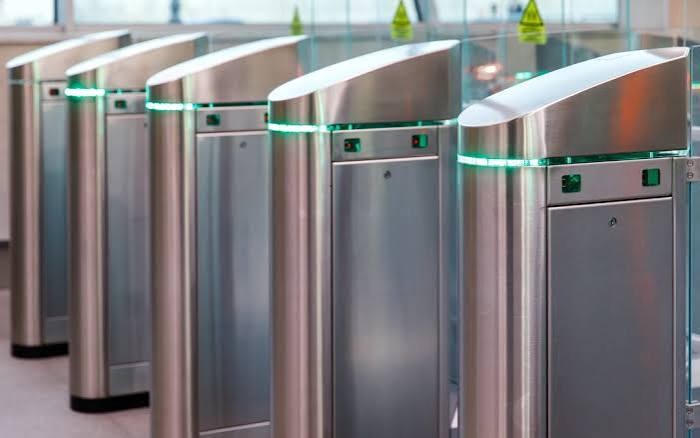
Building security is an important consideration for homeowners, business owners, property developers, facility managers and institutions. Whether you manage an office, hotel, apartment complex, school, hospital, warehouse or industrial facility, controlling who enters your premises is essential for protecting people, property, equipment and confidential information.
Traditional locks and physical keys can provide basic protection, but they may not offer the level of access management required by modern buildings. Keys can be lost, copied or shared, while managing access for employees, tenants, visitors and contractors can become complicated as a property grows.
This is why many property owners are considering electronic access control systems. These solutions allow authorised users to enter secured areas using access cards, PIN codes, fingerprints, facial recognition, smartphones and other digital credentials.
However, not every access control system is suitable for every building. The best solution depends on the property’s size, security requirements, number of users, door types, budget and future expansion plans.
Choosing the best access control system for your building requires understanding the available technologies, identifying your security needs and selecting equipment that provides reliable access management without compromising safety or convenience.
This guide explains how to choose an appropriate access control system for a building in Uganda, the different technologies available, important features to consider, installation requirements and factors that influence the overall cost.
What Is an Access Control System?
An access control system is a security solution designed to regulate and monitor who can enter a building, room or restricted area.
Instead of relying entirely on traditional keys, an electronic access control system verifies a person’s identity or access credential before allowing entry.
Depending on the technology, authorised users may gain access through:
- RFID or proximity cards.
- PIN codes entered on a keypad.
- Fingerprint recognition.
- Facial recognition.
- Smartphone applications.
- Bluetooth or NFC credentials.
- Other approved electronic identification methods.
An access control system typically consists of access readers, electronic locks, controllers, power supplies, credentials and management software.
For example, a commercial building in Kampala may use card readers at the main entrance, fingerprint authentication for sensitive departments and restricted permissions for server rooms. Building administrators can manage these permissions electronically rather than issuing and collecting physical keys.
Access control systems can be installed on individual doors or connected to a central platform that manages several entrances across a property.
Why Choosing the Right Access Control System Matters
Selecting the right access control technology affects more than the way people enter a building. It influences security, convenience, administration, maintenance and the long-term cost of managing the property.
A suitable system can help you:
- Prevent unauthorised access to restricted areas.
- Manage employee, tenant and visitor permissions.
- Reduce dependence on physical keys.
- Record access activities where supported.
- Control entry according to approved schedules.
- Improve security management across multiple doors.
- Integrate access control with CCTV and other security systems.
- Expand security coverage as the building develops.
On the other hand, choosing unsuitable equipment may result in unreliable authentication, unnecessary expenses, difficult maintenance or security weaknesses.
The objective should be to select a system that meets the actual requirements of the property rather than simply purchasing the most expensive or technologically advanced option.
10 Important Factors to Consider When Choosing the Best Access Control System for Your Building
Before selecting an access control solution, evaluate the following factors.
1. Understand Your Building’s Security Requirements
The first step is to identify what you want the access control system to protect.
Different buildings have different security needs. A small residential property may only require controlled access at the main entrance, while a hospital or large commercial building may need several levels of access restrictions.
Consider the following questions:
- Which entrances need access control?
- Which rooms require restricted access?
- Who should be allowed to enter each area?
- Do employees require different access permissions?
- Should visitors receive temporary access?
- Are there areas that need additional authentication?
- Do you need access records for security monitoring?
For example, an office building may require controlled entry to reception, management offices, finance departments, server rooms and records storage areas.
A warehouse may need restricted access to inventory storage, equipment rooms and operational areas.
Understanding these requirements will help determine the type and scale of system you need.
2. Consider the Type of Access Control Technology
Access control systems use different authentication technologies. Each has advantages, limitations and suitable applications.
The main options include:
RFID and Proximity Card Access Control
<AsyncImage query=”RFID proximity access control card reader mounted beside modern commercial office door” aspectRatio=”16:9″ width=”100%”/>
RFID access control systems allow users to enter secured areas by presenting an authorised card or key fob to a reader.
The system verifies the credential and activates the electronic lock when access is approved.
Advantages:
- Convenient for employees and tenants.
- Easy to issue and deactivate credentials.
- Suitable for buildings with many users.
- Can support centralised access management.
- Reduces dependence on traditional keys.
Limitations:
- Cards can be lost or shared.
- Some card technologies may be vulnerable to cloning.
- Replacement cards and credential administration may create additional costs.
Best suited for: Offices, hotels, schools, apartment buildings, commercial facilities and staff entrances.
Biometric Fingerprint Access Control
<AsyncImage query=”modern biometric fingerprint access control reader installed on office entrance door” aspectRatio=”16:9″ width=”100%”/>
Fingerprint access control systems verify users using registered biometric fingerprint information.
An authorised person places a finger on the scanner, and the system compares the captured information with an enrolled template.
Advantages:
- Reduces dependence on physical cards.
- Provides individual user authentication.
- Can support detailed access permissions.
- Useful for selected restricted areas.
Limitations:
- Dirty or damaged fingers may affect recognition.
- Sensor quality influences performance.
- Biometric information requires careful privacy and data protection management.
Best suited for: Offices, laboratories, records rooms, restricted departments and selected high-security areas.
Facial Recognition Access Control
<AsyncImage query=”facial recognition biometric access control terminal mounted at modern corporate office entrance” aspectRatio=”16:9″ width=”100%”/>
Facial recognition systems use cameras and biometric software to verify authorised users based on their facial characteristics.
Depending on the equipment, users may be authenticated without touching a reader.
Advantages:
- Convenient authentication.
- Reduces dependence on physical credentials.
- Can support controlled access to selected facilities.
- Some systems provide liveness detection.
Limitations:
- Performance can depend on lighting and camera positioning.
- Accuracy varies between manufacturers.
- Biometric privacy and data protection requirements must be considered.
- Additional security measures may be needed for sensitive entrances.
Best suited for: Modern offices, hotels, commercial developments and selected restricted facilities.
PIN Code Access Control
<AsyncImage query=”electronic keypad PIN code door access control system mounted beside office door” aspectRatio=”16:9″ width=”100%”/>
PIN-based systems allow authorised users to enter a numerical code on a keypad.
They can be used independently or alongside other authentication methods.
Advantages:
- No physical access card is required.
- Convenient for smaller properties.
- Can support temporary or individual PINs on suitable systems.
- Relatively straightforward to administer.
Limitations:
- Codes may be shared.
- Users may forget their PINs.
- Weak or unchanged codes can create security risks.
Best suited for: Small offices, residential properties, storage rooms and selected staff entrances.
Smartphone and Mobile Access Control
<AsyncImage query=”smartphone mobile access control app unlocking electronic office door modern building” aspectRatio=”16:9″ width=”100%”/>
Mobile access control allows authorised users to unlock doors using supported smartphone applications or digital credentials.
Depending on the system, access may use Bluetooth, NFC or another secure communication method.
Advantages:
- Convenient digital credentials.
- Reduces the need to distribute physical cards.
- Supports remote credential management on compatible platforms.
- Useful for modern residential and commercial buildings.
Limitations:
- Users need compatible devices.
- Lost or stolen phones must be handled securely.
- Some functions depend on network connectivity.
- Account and device security are important.
Best suited for: Modern offices, apartments, hotels and properties with digitally managed access.
Electronic Smart Door Locks
Smart electronic locks provide keyless or electronically controlled locking for individual doors.
Depending on the model, they may support PINs, cards, fingerprints, smartphones or mechanical keys.
Advantages:
- Convenient entry.
- Suitable for individual rooms and entrances.
- Some models offer multiple authentication methods.
- Can be installed in selected existing buildings.
Limitations:
- Not every smart lock supports centralised management.
- Battery maintenance may be required.
- Door compatibility must be checked.
- Features and security levels vary significantly between models.
Best suited for: Homes, apartments, guest rooms, offices and selected commercial doors.
3. Determine the Number of Doors and Users
The size of the building and the number of people using it will influence the type of access control system required.
A small office with one secured entrance may operate effectively with a standalone access controller.
A large commercial property with several floors and departments may require a networked system capable of managing multiple doors from one central platform.
Before choosing equipment, establish:
- The number of entrances requiring protection.
- The number of employees or residents.
- The number of visitors and contractors.
- The number of restricted rooms.
- Whether access permissions vary between users.
- Whether additional doors may be added in future.
A system should have enough capacity for the expected number of users and doors, with reasonable room for expansion.
4. Choose Between Standalone and Networked Access Control
Access control systems can be designed as standalone or networked installations.
Standalone access control systems
These operate independently at individual doors or access points.
They may be suitable for smaller properties where access management is relatively simple.
Advantages include:
- Simpler installation in some applications.
- Lower system complexity.
- Suitable for individual doors.
- Limited dependence on central network infrastructure.
However, managing many standalone doors can become inconvenient because administrators may need to configure each unit separately.
Networked access control systems
Networked systems connect multiple doors to a central management platform.
Administrators can manage users, permissions and access records from a central location, depending on the platform.
Advantages include:
- Centralised user management.
- Easier administration of multiple doors.
- More comprehensive reporting on supported systems.
- Better suitability for larger buildings.
- Potential integration with other security technologies.
For large offices, hotels, institutions and commercial developments, a networked system may provide more efficient access management.
5. Evaluate Security Features and Authentication Options
The access control system should provide security features appropriate to the building’s risk level.
Important features to evaluate include:
- Individual user credentials.
- Access permission management.
- Time-based access schedules.
- Invalid credential rejection.
- Lost card or credential deactivation.
- Door status monitoring.
- Access event recording.
- Multi-factor authentication where required.
- Administrator access controls.
- Secure communication and credential protection.
For sensitive areas, consider whether two authentication methods should be required.
For example, an organisation may require both an access card and a PIN before someone can enter a server room.
However, additional authentication should be introduced only where it improves security without creating unnecessary operational difficulties.
6. Check Compatibility with Your Building’s Doors
Not every electronic access control device is compatible with every door.
The door material, thickness, frame, opening direction and existing locking arrangement can influence equipment selection.
Common door types include:
- Wooden doors.
- Aluminium doors.
- Glass doors.
- Steel doors.
- Fire-rated doors.
- Automatic sliding doors.
- Heavy-duty industrial doors.
The electronic locking mechanism must be selected according to the door’s design and security requirements.
For example, an electromagnetic lock may be suitable for some glass entrance arrangements when installed with compatible mounting hardware. An electric strike may be appropriate for certain conventional door frames.
Fire-rated doors and emergency exits require particular attention. Access control equipment must not compromise the door’s fire performance or safe evacuation arrangements.
A site assessment is therefore important before purchasing access control hardware.
7. Consider Integration with CCTV and Other Security Systems
An access control system can provide stronger security management when integrated with compatible technologies.
Consider whether you need it to work with:
CCTV surveillance systems: Security personnel can review camera footage alongside recorded access events to investigate incidents.
Alarm systems: Selected integrations can support alerts when a door is forced open or remains open beyond a configured period.
Intercom systems: Visitors can communicate with authorised occupants or security personnel before entry is approved.
Visitor management systems: Temporary visitor credentials can be issued with defined access permissions.
Building management systems: Compatible platforms may support centralised monitoring of selected building functions.
Not every system supports every integration. Confirm compatibility, licensing requirements and the additional installation work before making a decision.
8. Evaluate Power Supply and Backup Requirements
Access control systems rely on electrical power, and some also depend on network connectivity.
In Uganda, it is important to consider how the system will operate during power interruptions.
Ask the supplier or installer:
- Does the system require continuous power?
- Is backup battery support available?
- Is a UPS required?
- How long can backup power support the equipment?
- Will the system continue authenticating users during an internet outage?
- What happens if a controller or reader loses power?
- How are emergency exits released?
Different locking arrangements behave differently during power failures.
Fail-safe and fail-secure configurations should be selected according to the door’s purpose, applicable fire safety requirements and safe evacuation needs. These arrangements should never be chosen solely on the basis of security preference.
9. Consider Data Protection and Cybersecurity
Modern access control systems may collect personal information, including employee details, access records, fingerprints and facial recognition data.
Organisations should understand their obligations under Uganda’s Data Protection and Privacy Act, 2019, and applicable regulations.
Before installing a biometric or network-connected system, consider:
- What personal information is collected?
- Why is the information required?
- Who can access it?
- How is it stored and protected?
- How long is it retained?
- How can credentials and user records be deleted?
- Does the supplier provide security updates?
- Are administrator accounts protected?
Biometric information requires particular care. Organisations should establish an appropriate lawful basis for processing, provide clear privacy information and implement suitable security and retention measures.
For network-connected systems, also look for secure communication, strong administrator passwords, access restrictions, software updates and protection against unauthorised remote access.
10. Compare Total Cost, Maintenance and Future Expansion
The cheapest access control system may not be the most economical option over its lifetime.
Consider the complete cost of ownership, including:
- Readers and electronic locks.
- Control panels.
- Access cards and credentials.
- Cabling and installation.
- Software and licences.
- Power supplies and backup equipment.
- Integration with CCTV or alarms.
- Maintenance and repairs.
- Replacement parts.
- Future upgrades.
A suitable system should meet current security needs while allowing the building to expand without requiring a complete replacement.
Comparing Different Access Control Systems
The following table provides a general comparison of common access control technologies.
| System type | Main advantage | Important consideration | Common application |
|---|---|---|---|
| RFID cards | Convenient user management | Cards can be lost or shared | Offices and institutions |
| Fingerprint | Individual biometric authentication | Sensor performance and privacy | Restricted rooms |
| Facial recognition | Convenient contactless authentication | Accuracy and data protection | Modern commercial buildings |
| PIN keypad | Simple credential-based entry | Codes can be shared | Small offices and residences |
| Mobile access | Digital credentials | Device and account security | Apartments and modern offices |
| Smart electronic locks | Keyless door operation | Door compatibility and maintenance | Homes and individual offices |
The best choice depends on the building’s security requirements, users, budget and operating environment. Some properties benefit from combining technologies rather than relying on a single authentication method.
Which Access Control System Is Best for Different Types of Buildings?
Different properties require different access control arrangements.
1. Residential Homes
Residential properties may require simple but reliable access control at main entrances, gates and selected internal doors.
Suitable options include:
- PIN-based electronic locks.
- RFID card access.
- Fingerprint smart locks.
- Smartphone-controlled locks.
The choice should consider household members, visitors, domestic staff, emergency access and ease of use.
2. Office Buildings
Offices often require controlled entry for employees, managers, visitors and contractors.
Suitable options include:
- RFID card access systems.
- Fingerprint access control.
- PIN-based access for selected rooms.
- Networked access management.
A centralised system can help administrators manage permissions across departments and floors.
3. Hotels and Guest Accommodation
Hotels need to manage guest access, staff entry and restricted operational areas.
Suitable options include:
- Electronic guest room locks.
- RFID card systems.
- Mobile credentials where supported.
- Staff-only access control.
Guest credentials should be configured for appropriate booking periods, with secure procedures for lost cards and room changes.
4. Schools and Universities
Educational institutions need to manage access for students, employees, visitors and contractors.
Suitable options include:
- RFID access cards.
- Controlled staff entrances.
- Biometric access for selected restricted facilities.
- Networked access management.
Access arrangements must support safeguarding, visitor supervision and safe evacuation.
5. Hospitals and Healthcare Facilities
Hospitals may need different security levels for public areas, medical departments and sensitive facilities.
Suitable options include:
- RFID access systems.
- Biometric authentication for selected areas.
- PIN-based access for restricted rooms.
- Centralised access management.
Emergency access, patient movement and privacy requirements should be considered during system design.
6. Warehouses and Industrial Facilities
Warehouses and factories may require controlled access to inventory, equipment, production areas and administrative offices.
Suitable options include:
- RFID access cards.
- PIN-based systems.
- Biometric access for selected restricted areas.
- Networked access control.
Systems should be selected to withstand the environmental conditions and usage levels of the facility.
7. Shopping Centres and Commercial Properties
Large commercial properties often have public entrances alongside restricted management and operational areas.
A networked access control system may be suitable for managing multiple doors and user groups from a central platform.
How Much Does an Access Control System Cost in Uganda?
The cost of an access control system in Uganda depends on the type of technology, number of doors, equipment quality, installation complexity and management requirements.
A standalone keypad or card reader for one door will generally have different costs from a networked biometric system covering an entire commercial building.
It is therefore important to obtain a quotation based on the actual property rather than relying on a single general price.
Factors That Influence Access Control Installation Costs
1. Type of technology
RFID, PIN, fingerprint, facial recognition and mobile access systems have different hardware and software requirements.
2. Number of doors
Each additional controlled door may require a reader, electronic lock, controller capacity, cabling and installation work.
3. Number of users
The system must support the expected number of employees, residents, visitors and other authorised users.
4. Type of electronic locking mechanism
Electromagnetic locks, electric strikes and smart locks have different specifications and installation requirements.
5. Software and licensing
Some systems include basic management software, while others require subscriptions, licences or additional platform features.
6. Integration requirements
Connecting access control to CCTV, alarms, intercoms and visitor management systems may increase the total project cost.
7. Power backup
Additional batteries, UPS equipment and power infrastructure may be required.
8. Building structure
Existing wiring, door materials, installation routes and the condition of the door frames can affect labour and equipment requirements.
9. Maintenance and technical support
Ongoing servicing, software updates, replacement cards and technical support should be considered when budgeting.
What to Include When Requesting a Quotation
To receive a useful quotation, provide the installer with:
- The type and location of the building.
- The number of doors requiring access control.
- The number of expected users.
- Preferred authentication methods.
- The type of doors and existing locks.
- Whether CCTV integration is required.
- Whether centralised or remote management is needed.
- Power backup requirements.
- Any future expansion plans.
This information helps the installer recommend an appropriate system and prepare a more accurate cost estimate.
Common Mistakes to Avoid When Choosing an Access Control System
Choosing the wrong system can create security problems and unnecessary expenses. Avoid these common mistakes.
1. Choosing Equipment Based Only on Price
A low-cost system may lack important security features, reliable hardware or suitable technical support.
Compare specifications, compatibility, warranty arrangements and total ownership costs before purchasing.
2. Ignoring Future Expansion
A system that supports only a few doors or users may become unsuitable as the property grows.
Consider future doors, departments, tenants and additional locations when selecting equipment.
3. Installing Incompatible Locks and Readers
Not every reader works with every controller or electronic lock.
Confirm hardware compatibility before purchasing equipment.
4. Ignoring Emergency Exit Requirements
Security systems must allow safe evacuation during emergencies.
Ensure that locks, exit devices and emergency release arrangements are properly designed and tested.
5. Overlooking Power Backup
Power interruptions can affect system operation if backup arrangements are inadequate.
Evaluate battery and UPS requirements before installation.
6. Failing to Manage User Permissions
Giving every employee unrestricted access increases security risks.
Assign permissions according to job responsibilities and review them when employees leave or change roles.
7. Ignoring Data Protection
Biometric information and access records should not be collected or stored without appropriate safeguards.
Establish clear policies for data use, access, retention and deletion.
8. Failing to Plan for Maintenance
Readers, locks, power supplies and software require ongoing attention.
Choose a system with appropriate maintenance arrangements and accessible technical support.
Professional Access Control System Installation in Uganda
Selecting suitable equipment is only one part of an effective access control project. The installation must also be designed around the building’s physical structure and security requirements.
A professional installation process generally includes the following stages.
Step 1: Site Inspection
The installer assesses the building’s entrances, doors, existing locks, power supply, wiring routes and security concerns.
Step 2: Security Planning
The property owner and installation team determine which areas require protection and identify the people who need access.
Step 3: Technology Selection
The appropriate authentication methods, readers, controllers, electronic locks and management software are selected.
Step 4: Hardware Installation
Readers, locks, controllers, power supplies and related equipment are installed according to the system design and manufacturer specifications.
Step 5: System Configuration
Users are registered, access credentials are created and permissions are assigned.
Step 6: Testing and Commissioning
The installer tests authorised and unauthorised credentials, door operation, access schedules, backup power and emergency release arrangements.
Step 7: Training and Handover
Building administrators are trained to manage users, deactivate credentials, review access records and respond to common system problems.
Professional installation helps ensure that the access control system works as intended and supports the building’s security and operational requirements.
Maintenance Tips for Access Control Systems
Regular maintenance helps protect the reliability and performance of an access control system.
Property owners and facility managers should:
- Inspect access readers and keypads for damage.
- Clean biometric sensors according to manufacturer instructions.
- Check electronic locks and door alignment.
- Test exit buttons and emergency release devices.
- Inspect power supplies and backup batteries.
- Remove access credentials belonging to former employees or tenants.
- Deactivate lost or compromised cards promptly.
- Update approved software and firmware.
- Review administrator accounts and security permissions.
- Test integrations with CCTV and alarm systems.
- Keep system documentation and configuration backups where supported.
- Schedule professional inspections and servicing.
The maintenance schedule should follow the manufacturer’s recommendations and the level of activity at the property.
Why Choose Daltrevco When Planning Building Security?
Choosing an access control system is an important decision that should be based on the building’s actual security and operational requirements.
Daltrevco provides a point of contact for property owners, businesses, institutions and developers in Uganda who want to explore modern security and building technology solutions.
When planning an access control project, it is important to consider the number of entrances, types of users, preferred authentication methods, door compatibility, power arrangements and whether the system should integrate with CCTV or other security technologies.
Whether you are planning security for an office, apartment complex, hotel, school, hospital, warehouse or commercial building, the right solution should provide appropriate access management while supporting convenience, safety and future expansion.
Contact Daltrevco to discuss your building’s access control requirements and explore suitable security solutions in Uganda.
Frequently Asked Questions About Choosing an Access Control System
1. What is the best access control system for a building?
The best access control system depends on the building’s size, security requirements, number of users and budget. RFID cards are convenient for many workplaces, biometric systems provide individual authentication, while networked systems are suitable for properties with multiple controlled doors.
2. Which is better: biometric or card access control?
Both have advantages. Card access is convenient and relatively easy to manage, while biometric systems reduce dependence on physical cards. The right option depends on the required security level, user convenience, privacy requirements and operating conditions.
3. How do I choose an access control system for an office?
Consider the number of employees, entrances, departments and restricted rooms. Evaluate whether RFID cards, fingerprints, PINs or a combination of credentials would best support the office’s security requirements. Also consider centralised administration and CCTV integration.
4. Can one access control system manage multiple doors?
Yes. Networked access control systems can manage several doors through a central platform. This allows administrators to manage users, permissions and access records across multiple areas.
5. Are access control systems suitable for existing buildings?
Yes. Many access control systems can be installed in existing buildings. However, door construction, existing locks, wiring routes, power supply and equipment compatibility should be assessed before installation.
6. Can access control systems work without internet?
Some systems support local authentication without internet access. However, cloud-based management and remote administration may require connectivity. Always confirm the offline operating capabilities of the selected system.
7. Can access control systems be connected to CCTV?
Yes. Compatible access control systems can integrate with CCTV surveillance systems. This can help security personnel review camera footage alongside recorded access events.
8. How much does access control installation cost in Uganda?
The cost depends on the number of doors, authentication technology, electronic locks, software, wiring, installation complexity, power backup and integration requirements. A site assessment is the best way to obtain an accurate quotation.
9. Do access control systems require regular maintenance?
Yes. Readers, locks, power supplies, backup batteries, software and exit devices should be inspected and tested regularly. Maintenance helps identify problems before they affect building security.
10. What happens when an employee loses an access card?
In most properly configured systems, an administrator can deactivate the lost credential and issue a replacement. This helps prevent someone from using the missing card to gain unauthorised entry.
11. Are fingerprint and facial recognition systems secure?
They can provide useful authentication, but their effectiveness depends on equipment quality, configuration, security features and protection of biometric information. No biometric system should be treated as completely immune to attacks or errors.
12. Should I choose a standalone or networked access control system?
Standalone systems may be suitable for individual doors or smaller properties. Networked systems are generally more convenient for buildings with multiple doors, many users or centralised security management requirements.
Conclusion
Choosing the best access control system for your building requires careful consideration of security needs, building size, number of users, authentication technology, door compatibility, power backup, maintenance and long-term costs.
RFID cards, PIN keypads, fingerprint readers, facial recognition, mobile credentials and electronic smart locks all provide different ways to manage building entry. The right choice depends on how the property operates and the level of access management required.
For larger buildings, a networked system may provide more efficient centralised management, while smaller properties may only need a standalone electronic access solution.
Most importantly, access control should be properly designed and professionally installed, with suitable cybersecurity, data protection and emergency exit arrangements.
Whether you are securing a residential property, office, hotel, school, hospital, warehouse or commercial facility, selecting the right access control solution can improve building security and make access management more efficient.
Contact Daltrevco to discuss the best access control system for your building in Uganda.

