
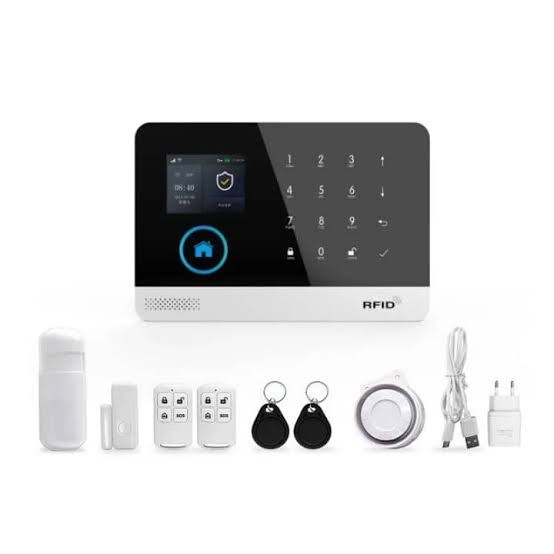
Security is a major concern for homeowners, business owners, property managers and institutions across Uganda. Whether you own a family home in Kampala, manage an office in an urban business district, operate a retail shop or oversee a large commercial facility, protecting your property against unauthorised entry and burglary is essential.
A reliable burglar alarm system helps detect suspicious activity and alert occupants or designated security personnel when an intrusion occurs. When properly selected and installed, it can strengthen your property’s security, support faster responses to potential threats and complement other security measures such as CCTV cameras, access control systems, security lighting and electric fencing.
At Daltrevco, we recognise the importance of choosing security solutions that match the layout, use and risk level of each property. This guide explains how burglar alarm systems work, the available technologies, their benefits, installation considerations and how to choose a suitable solution for your home, office or commercial property in Uganda.
What Is a Burglar Alarm System?
A burglar alarm system is an electronic security solution designed to detect unauthorised entry or suspicious movement within a protected property. It uses sensors installed at strategic locations to identify possible intrusion and communicate alerts through an alarm control panel.
When a sensor detects an event that meets the system’s programmed conditions, it sends a signal to the control panel. The panel processes the signal and activates the configured response. This may include sounding an internal or external siren, sending a notification to a mobile device or communicating with a monitoring service, depending on the system’s features.
Burglar alarm systems can protect different areas of a property, including:
- Main entrance doors and secondary access points.
- Windows, sliding doors and other vulnerable openings.
- Offices, reception areas and management rooms.
- Retail shops, storerooms and cash-handling areas.
- Warehouses, workshops and storage facilities.
- Server rooms, equipment rooms and restricted spaces.
- Outdoor areas, boundary approaches and selected perimeter zones.
The best system depends on the property’s size, building design, occupancy patterns, security risks and preferred alert arrangements.
How Do Burglar Alarm Systems Work?
Most burglar alarm systems operate through a combination of detection devices, a central control panel and alert equipment.
The basic process involves the following stages:
1. Detection of suspicious activity
Sensors monitor doors, windows, rooms or designated outdoor areas. When a protected door opens, glass breaks or movement is detected, the relevant sensor sends a signal to the alarm panel.
2. Signal processing
The control panel receives the signal and determines the appropriate response based on the system’s configuration. For example, it may recognise whether the alarm is armed, which security zone has been triggered and what alert procedure applies.
3. Alarm activation
If the event meets the programmed alarm conditions, the system can activate a siren or other warning device. Some systems also provide visual indicators or identify the affected zone on a keypad or monitoring interface.
4. Alert notification
Depending on the equipment and communication setup, the system may send an alert through a mobile application, SMS, telephone connection, internet connection or monitoring platform.
5. Response and investigation
The property owner, authorised user or designated security team can investigate the alert and follow the agreed response procedure. Where CCTV is integrated, camera footage may help verify what happened.
An alarm system does not physically prevent every burglary. Its purpose is to detect possible intrusion and provide timely warnings that support an appropriate response.
Types of Burglar Alarm Systems Available
Different properties require different alarm technologies. Understanding the main options helps property owners select a solution that provides suitable protection without unnecessary complexity.
1. Wired Burglar Alarm Systems
Wired burglar alarm systems connect sensors and other devices to the control panel through physical cables.
They are commonly considered for new buildings, major renovations and properties where cables can be installed neatly during construction or refurbishment.
Key features include:
- Physical connections between system components.
- Reliable communication when correctly installed and maintained.
- Reduced dependence on individual wireless sensor batteries.
- Suitability for larger installations with planned cable routes.
- Potential integration with other wired security equipment.
Wired systems require proper cable routing and installation planning. Existing buildings may need additional work to conceal or protect cables.
2. Wireless Burglar Alarm Systems
Wireless burglar alarm systems use radio communication to connect sensors and other devices to the control panel.
They can be suitable for completed homes, offices and commercial properties where installing cables would be disruptive or expensive.
Key features include:
- Wireless communication between compatible devices.
- Flexible placement of supported sensors.
- Reduced need for extensive alarm cabling.
- Easier expansion in some system designs.
- Battery-powered sensors that require periodic checks and replacement.
Wireless performance depends on signal strength, building materials, distance, interference and equipment quality. Battery condition and communication supervision should also be considered.
3. Hybrid Burglar Alarm Systems
Hybrid systems combine wired and wireless components. They can be useful where some areas already have alarm cabling while other parts of the property require wireless devices.
For example, a commercial building may use wired sensors in its main office areas and wireless detectors in a separate storeroom or section that is difficult to cable.
Hybrid technology offers flexibility, but compatibility between components must be confirmed before installation.
4. Smart Burglar Alarm Systems
Smart burglar alarms connect to compatible digital platforms, allowing authorised users to manage selected functions remotely.
Depending on the model and configuration, features may include:
- Mobile notifications when an alarm event occurs.
- Remote arming and disarming.
- System status checks.
- Alerts for selected zones.
- User management.
- Integration with compatible CCTV or smart security equipment.
Some smart features require internet connectivity, mobile applications, subscriptions or compatible communication modules. Property owners should confirm which functions remain available during internet or power interruptions.
5. Monitored Burglar Alarm Systems
A monitored alarm system communicates with a designated monitoring service or security control centre when configured alarm events occur.
The monitoring provider follows an agreed procedure for receiving and handling alerts. The exact response depends on the service agreement, communication availability and the provider’s operating arrangements.
Before choosing a monitored system, establish:
- Whether monitoring is available for your location.
- Which events are monitored.
- How alerts are verified.
- Who receives notifications.
- What response actions are included.
- Whether recurring monitoring charges apply.
A monitored alarm should not be assumed to guarantee police attendance or a particular emergency response.
6. Perimeter Burglar Alarm Systems
Perimeter alarm systems are designed to detect intrusion attempts around selected external areas of a property.
Depending on the site, they may use outdoor motion detectors, infrared beams, gate contacts or other compatible detection technologies.
They can provide an additional warning layer before an intruder reaches a building. However, outdoor detectors require careful positioning to reduce false alarms caused by animals, vegetation, weather and other environmental conditions.
Main Components of a Burglar Alarm System
A complete burglar alarm installation involves several components working together. The equipment selected depends on the property’s security requirements.
Alarm Control Panel
The control panel is the central unit that receives signals from sensors and manages the alarm system. It controls programmed zones, user access, alarm activation and communication with supported devices.
Motion Detectors
Motion detectors identify movement within a designated area. Passive infrared (PIR) detectors commonly respond to changes in infrared energy within their detection area.
Some installations use dual-technology detectors that combine more than one detection method to help reduce false alarms. Correct positioning is essential, particularly in rooms with pets, direct sunlight, air-conditioning outlets or changing temperatures.
Door and Window Contact Sensors
Magnetic contact sensors are commonly installed on doors and windows. They detect when a protected opening is opened while the alarm system is armed.
These sensors are useful for:
- Main entrance doors.
- Back doors and service entrances.
- Ground-floor windows.
- Sliding doors.
- Storeroom entrances.
- Restricted office areas.
Glass-Break Detectors
Glass-break detectors are designed to recognise sound or other characteristics associated with breaking glass, depending on the technology used.
They can provide additional detection for rooms with large windows or glass doors. Their placement and compatibility with the building environment should be assessed to avoid unnecessary activations.
Outdoor Motion Detectors and Infrared Beams
Outdoor detection equipment can monitor selected approaches, corridors, entrances or perimeter sections.
Infrared beam systems detect interruptions to a beam between compatible units. Outdoor equipment must be selected and positioned for the environmental conditions at the installation site.
Alarm Sirens
Sirens provide an audible warning when the alarm system is triggered. They may be installed inside the building, outside the property or in both locations.
External sirens should be positioned to provide visibility and warning while protecting the equipment from tampering and environmental damage.
Keypads and Access Devices
Keypads allow authorised users to arm, disarm and manage selected alarm functions using a PIN or other supported credentials.
Some systems also support remote controls, key tags or mobile applications. User permissions should be configured carefully so that each person has only the access they need.
Backup Battery and Power Supply
Alarm systems need a suitable power arrangement. Backup batteries can help keep compatible systems operating during temporary power interruptions.
Battery capacity, condition, charging and replacement schedules should be checked regularly. The actual backup duration depends on the equipment, battery condition and connected load.
Communication Module
Some systems use an internet, cellular or telephone communication module to transmit alerts to authorised users or a monitoring service.
The correct communication option depends on network availability, system compatibility and the required notification method.
Benefits of Burglar Alarm Systems for Homes
A home burglar alarm system helps homeowners strengthen security around their living spaces and protect belongings.
1. Early Warning of Possible Intrusion
Door contacts and motion detectors can identify suspicious activity in protected areas and activate an alert when the system is armed.
2. Improved Household Security
An alarm system adds another layer of protection alongside strong doors, secure windows, perimeter lighting and responsible key management.
3. Protection of Valuable Belongings
Homeowners can protect areas containing electronics, appliances, important documents and other valuable possessions by selecting appropriate detection zones.
4. Remote Security Awareness
Compatible smart alarm systems can notify authorised users when configured events occur. This can help homeowners remain informed when they are away, provided the system’s communication services are available.
5. Support for Other Security Measures
Burglar alarms can complement CCTV cameras, electric fencing, security lighting and suitable access control arrangements.
Benefits of Burglar Alarm Systems for Offices
Offices contain computers, documents, communication equipment, business records and other assets that may be targeted by intruders.
A suitable office alarm system can help protect these assets and strengthen security outside normal working hours.
Important benefits include:
- Protection of office equipment: Motion detectors and door contacts can monitor selected rooms and entrances.
- Restricted-area monitoring: Sensitive spaces such as server rooms, records offices and management offices can have dedicated alarm zones.
- After-hours security: The system can monitor selected areas when employees have left the premises.
- Improved security procedures: Different user codes and permissions can support more organised alarm management.
- Integration with CCTV: Compatible systems can help security personnel investigate alarm events using camera footage.
For offices with several departments or floors, a zoned alarm arrangement can help identify where an alarm has been triggered.
Benefits of Burglar Alarm Systems for Commercial Properties
Commercial properties often have more complex security requirements than ordinary residential buildings. They may contain multiple entrances, public areas, storage rooms, offices, loading bays and restricted spaces.
A well-planned commercial burglar alarm system can support security operations across these different areas.
Retail Shops and Supermarkets
Retail businesses can use alarm sensors to monitor entrances, display areas, cash offices, stockrooms and other vulnerable sections after closing time.
Warehouses and Storage Facilities
Warehouses may require detection at loading doors, emergency exits, windows and selected internal zones. The system should account for large open spaces, high ceilings and normal movement by authorised staff.
Hotels and Hospitality Facilities
Hotels may use alarm systems to protect administrative offices, stores, equipment rooms and restricted service areas without unnecessarily disrupting guest access.
Factories and Industrial Facilities
Industrial sites may require alarm coverage around offices, stores, equipment rooms and selected perimeter areas. Installation planning should consider machinery, dust, temperature, vibration and operational activity.
Shopping Complexes and Commercial Buildings
Large commercial buildings may need zoned alarm systems that allow different tenants, departments or security teams to manage designated areas according to agreed procedures.
How to Choose the Best Burglar Alarm System for Your Property
Choosing the right burglar alarm system requires more than comparing equipment prices. The system should match the property’s layout, security risks and daily operations.
Consider the following factors before making a decision.
1. Assess the Size and Layout of the Property
A small home may need a relatively simple arrangement of door contacts and motion detectors. A large commercial property may require multiple zones, several control devices and a more advanced communication setup.
Identify all entrances, windows, vulnerable rooms and areas that need additional protection.
2. Identify Your Main Security Risks
Consider the risks associated with the property. These may include unauthorised entry through rear doors, vulnerable ground-floor windows, after-hours access, theft from storerooms or intrusion into restricted offices.
The alarm design should respond to the risks that matter most.
3. Select the Appropriate Detection Technology
Choose between wired, wireless or hybrid equipment based on the building and installation requirements.
Consider whether the property needs:
- Motion detection.
- Door and window contacts.
- Glass-break detection.
- Outdoor detection.
- Perimeter beams.
- Panic or emergency alert devices.
Not every property needs every type of sensor.
4. Consider the Number of Security Zones
A zone is a designated area or group of detection devices managed by the alarm system.
Zoning can allow different sections of a building to be armed or monitored separately. This is useful for businesses that operate in some areas while other sections remain closed.
5. Check Alert and Communication Options
Decide how alerts should be delivered. Options may include local sirens, mobile notifications, cellular communication or a monitoring service.
Confirm whether the selected system requires internet access, a SIM card, a subscription or another communication service.
6. Consider Power Backup
Power interruptions should be considered when selecting an alarm system. Ask about backup battery capacity, battery monitoring and the expected operating time under the proposed configuration.
7. Check Integration Requirements
If you already use CCTV cameras, access control, intercoms or other security equipment, check whether the alarm system can integrate with them.
Compatibility should be verified at equipment and software level rather than assumed.
8. Consider Maintenance and Technical Support
A good security installation should be maintainable. Ask how sensors are tested, how batteries are replaced, how faults are reported and whether system expansion is possible.
Burglar Alarm System Installation in Uganda
Professional installation is important because alarm performance depends on equipment selection, sensor positioning, wiring, configuration and testing.
For properties in Kampala, Wakiso, Entebbe and other parts of Uganda, the installation process should be adapted to the building’s design and operating conditions.
A typical installation involves the following stages.
Step 1: Site Assessment
The installer examines the property, identifies vulnerable entry points and discusses the owner’s security objectives.
The assessment should consider building size, room layout, occupancy, existing security equipment, power availability and communication options.
Step 2: System Design
The installer recommends suitable equipment and determines the location of the control panel, sensors, keypads, sirens and communication devices.
For larger properties, the design should also define security zones and user permissions.
Step 3: Equipment Selection
The system components are selected according to the site requirements. This may include wired or wireless sensors, motion detectors, magnetic contacts, control panels, sirens and backup power equipment.
Step 4: Installation of Sensors and Devices
Sensors are installed at suitable locations to provide the intended detection coverage.
Motion detectors should be positioned to minimise blind spots and reduce false alarms. Door and window contacts must be correctly aligned, while outdoor devices need protection from unsuitable environmental exposure.
Step 5: Wiring and System Configuration
Where wired equipment is used, cables are routed and connected appropriately. Wireless devices are paired with the control panel and checked for communication reliability.
The installer configures zones, user codes, entry delays, alarm responses and communication settings as required.
Step 6: Testing and Commissioning
Each sensor and alarm function should be tested. This includes checking detection coverage, siren operation, communication alerts, backup power and the correct response to different alarm events.
Step 7: User Training and Handover
Property owners and authorised users should be shown how to arm and disarm the system, respond to alerts, manage user codes and recognise common fault indicators.
A clear handover helps prevent accidental activations and operating errors.
How Much Does a Burglar Alarm System Cost in Uganda?
The cost of installing a burglar alarm system in Uganda depends on the property’s size, security requirements, equipment type and installation complexity.
There is no single price that applies to every home, office or commercial property. A small residential installation will generally have different requirements from a warehouse, factory or multi-storey office building.
The main factors affecting the cost include:
Type of Alarm System
Wired, wireless and hybrid systems have different equipment and installation requirements. The most suitable option depends on the building and the intended coverage.
Number of Sensors and Detection Zones
A property with many doors, windows, rooms and restricted areas may need more sensors and a larger control panel.
Quality and Features of Equipment
Equipment with advanced detection, remote management, communication or integration features may affect the overall investment.
Property Size and Building Structure
Large buildings, multi-storey properties and facilities with difficult cable routes may require additional installation work.
Communication and Monitoring Services
Mobile notifications, cellular communication and professional monitoring may involve additional equipment, data or recurring service charges.
Backup Power Requirements
The required battery capacity and backup arrangements can affect the system design and total cost.
Integration with Other Security Systems
Connecting a burglar alarm to CCTV, access control, electric fencing or other security equipment may require compatible hardware, software and configuration.
For an accurate estimate, arrange a site assessment and request a quotation based on the actual number of doors, windows, sensors, zones and required features.
Common Burglar Alarm System Problems and Their Solutions
Like other electronic security systems, burglar alarms need regular checks to remain dependable. Understanding common faults can help property owners identify when maintenance or technical attention is needed.
1. Frequent False Alarms
False alarms may be caused by poorly positioned motion detectors, pets, insects, unstable mounting, temperature changes or incorrect configuration.
Solution: Review sensor placement, check the surrounding environment and have the system configuration inspected by a qualified technician.
2. Sensors Not Detecting Movement
A detector may fail to respond because of a depleted battery, incorrect positioning, obstruction, communication failure or a faulty sensor.
Solution: Check the device status and detection area. Replace batteries where required and arrange professional testing if the problem continues.
3. Alarm System Not Sending Notifications
Mobile alerts may fail because of internet problems, weak cellular signal, incorrect application settings or communication-module faults.
Solution: Check the communication connection, system settings and notification permissions. Confirm that the selected alert service is active.
4. Keypad or Control Panel Faults
A keypad may display an error because of a power problem, communication fault, low battery or component failure.
Solution: Check the displayed fault information and power supply. Avoid repeatedly resetting the system without identifying the underlying problem.
5. Backup Battery Problems
An old or damaged battery may fail to support the alarm during a power interruption.
Solution: Inspect the battery condition regularly and replace it according to the manufacturer’s recommendations.
6. Wireless Signal Problems
Wireless sensors may experience communication difficulties because of distance, interference or obstacles such as thick walls and metal structures.
Solution: Test signal strength and reposition or supplement equipment where necessary.
Integrating Burglar Alarm Systems with CCTV and Access Control
A burglar alarm becomes more useful when it forms part of a coordinated security arrangement.
For properties with more demanding security requirements, integration with other systems can improve monitoring and help security personnel understand what is happening on site.
Burglar Alarms and CCTV Cameras
CCTV cameras record activity in selected areas, while burglar alarms detect configured intrusion events.
When compatible systems are integrated, an alarm event may be linked to relevant camera views or recorded footage. This can help authorised personnel investigate the event.
Burglar Alarms and Access Control
Access control systems manage who is permitted to enter designated doors or areas. Burglar alarms monitor selected spaces for unauthorised activity.
Together, they can support a more organised security arrangement for offices, institutions and commercial facilities.
Burglar Alarms and Electric Fencing
Electric fencing can provide a perimeter security layer, while an alarm system monitors selected building entrances and internal areas.
The two systems serve different purposes and can complement one another when properly designed.
Burglar Alarms and Intercom Systems
Intercom and video door phone systems help occupants communicate with visitors before granting access. An alarm system provides a separate intrusion-detection function.
Integrating compatible equipment can help improve entrance management and overall security coordination.
Best Practices for Maintaining a Burglar Alarm System
Installing an alarm system is only the first step. Regular maintenance helps identify faults, maintain detection performance and keep the equipment in suitable working condition.
Follow these practices:
- Test the alarm regularly: Check that sensors, keypads, sirens and communication devices operate as intended.
- Inspect batteries: Monitor wireless sensor batteries and the main backup battery.
- Keep sensors unobstructed: Do not cover motion detectors or place furniture and equipment where they block detection areas.
- Review user access: Remove or update codes belonging to people who no longer need access.
- Check communication services: Confirm that internet or cellular connections used for notifications remain active.
- Inspect outdoor equipment: Check external detectors, beams and sirens for damage, dirt, vegetation or water exposure.
- Investigate repeated alerts: Do not ignore recurring false alarms or fault warnings.
- Arrange professional servicing: Have the system inspected when it develops persistent faults or when the property layout changes.
- Keep operating instructions: Ensure authorised users understand how to operate the alarm and respond to alerts.
Why Professional Burglar Alarm Installation Matters
The effectiveness of a burglar alarm system depends on more than the equipment itself. Poor sensor placement, incorrect configuration, unsuitable equipment and inadequate testing can reduce its performance.
Professional installation helps ensure that:
- Detection devices are selected for the property’s requirements.
- Vulnerable access points receive appropriate coverage.
- Sensors are positioned to reduce blind spots and false alarms.
- Wired and wireless components communicate correctly.
- User permissions and alarm zones are configured appropriately.
- Backup power and alert communication are tested.
- The property owner understands how to operate the system.
For homes, offices and commercial properties in Uganda, a properly planned installation can provide a more dependable security arrangement and make future maintenance easier.
Burglar Alarm Systems from Daltrevco
Choosing the right burglar alarm system is an important step towards protecting your home, business or commercial property. The ideal solution should reflect your building’s design, the areas that need protection, the level of risk and the way occupants use the property.
Daltrevco provides a point of contact for property owners and organisations exploring security and building protection solutions. Whether you are considering an alarm system for a home, office, shop, warehouse or commercial facility, the starting point is to identify your security requirements and select equipment suited to the site.
If you are planning a new installation or upgrading an existing security arrangement, contact Daltrevco to discuss your project and the available options.
A well-designed burglar alarm system, supported by suitable CCTV, access control and perimeter security measures, can help create a more secure property.
Frequently Asked Questions About Burglar Alarm Systems
1. What is the main purpose of a burglar alarm system?
The main purpose is to detect possible unauthorised entry or suspicious activity in protected areas and alert occupants, property owners or designated security personnel.
2. Which burglar alarm system is best for a home in Uganda?
The best system depends on the home’s size, layout, access points and security requirements. A smaller home may need door contacts and motion detectors, while a larger property may benefit from additional zones, outdoor detection and remote notifications.
3. Are wireless burglar alarm systems reliable?
Wireless systems can provide dependable performance when properly selected, installed and maintained. Reliability depends on signal strength, equipment quality, battery condition and the building environment.
4. Can a burglar alarm system work without internet?
Some alarm systems can detect intrusion and activate local sirens without an internet connection. However, remote notifications and cloud-based features may require internet or another communication service. Confirm the capabilities of the specific system before installation.
5. Do burglar alarm systems work during power outages?
Systems with suitable backup batteries can continue operating during some power interruptions. The operating time depends on battery capacity, condition and the power requirements of connected devices.
6. Can I monitor my burglar alarm using a mobile phone?
Some systems support mobile applications, allowing authorised users to receive notifications and manage selected functions remotely. This depends on the alarm model, communication equipment, network availability and any required subscription.
7. Can burglar alarm systems be installed in offices?
Yes. Office alarm systems can monitor entrances, windows, reception areas, server rooms, records offices and other selected spaces. Larger offices may benefit from separate security zones.
8. Are burglar alarms suitable for warehouses?
Yes. Warehouses can use alarm systems to monitor loading bays, doors, windows, storage areas and selected internal spaces. The design should account for building size, ceiling height, environmental conditions and normal staff movement.
9. What is the difference between a burglar alarm and a CCTV system?
A burglar alarm detects configured intrusion events and generates alerts. CCTV cameras capture video footage for monitoring and review. The two systems perform different functions and can complement each other.
10. Can burglar alarms be connected to CCTV cameras?
Compatible alarm and CCTV systems can be integrated so that alarm events are associated with relevant camera views or recordings. The exact functionality depends on the equipment and software.
11. What causes frequent false alarms?
Common causes include poor sensor positioning, pets, insects, environmental movement, unstable mounting, low batteries and incorrect configuration. A technical inspection can help identify the cause.
12. How often should a burglar alarm system be serviced?
The inspection schedule depends on the manufacturer’s recommendations, system type and operating conditions. Regular functional checks should be carried out, with professional servicing when faults occur or when the equipment requires maintenance.
13. Can one burglar alarm system protect an entire commercial building?
A suitably designed system can cover multiple areas of a commercial building. The number of zones, sensors and control devices depends on the building’s layout and security requirements.
14. How much does burglar alarm installation cost in Uganda?
The cost varies according to the system type, number of sensors, property size, installation complexity, communication features, backup power and integration requirements. A site assessment is the best way to obtain an accurate quotation.
15. Can a burglar alarm system prevent every burglary?
No security system can guarantee that burglary will never occur. An alarm system is designed to detect possible intrusion and provide warnings that support an appropriate response. It is most effective as part of a wider security plan.
Conclusion
Burglar alarm systems are valuable security solutions for homes, offices, shops, warehouses and commercial properties in Uganda. By detecting unauthorised entry and generating alerts, they help property owners become aware of potential security incidents and respond appropriately.
The right solution depends on the building’s layout, vulnerable access points, detection requirements, communication options and available power backup. Whether you choose a wired, wireless, hybrid, smart or monitored system, correct installation and regular maintenance are essential.
For a stronger security arrangement, consider combining burglar alarms with CCTV surveillance, access control, intercom systems and suitable perimeter protection.
Contact Daltrevco to discuss burglar alarm and security system requirements for your property in Uganda.

