
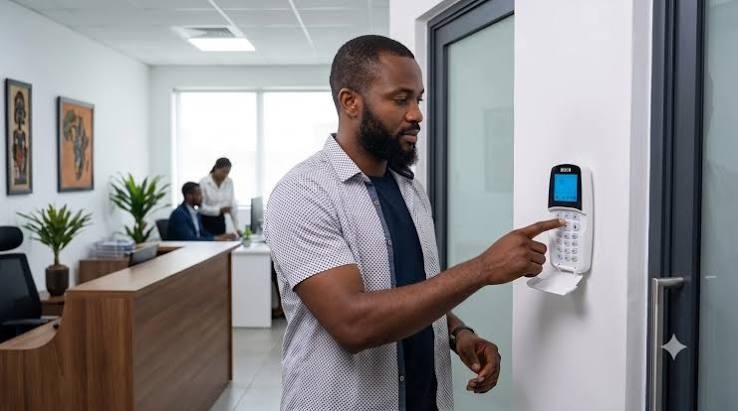
Protecting a property against unauthorised entry is an important responsibility for homeowners, business owners, property developers and facility managers. Whether you own a private residence, manage an office, operate a warehouse or oversee a commercial building, an intrusion can result in stolen property, financial losses, business disruption and concerns about personal safety. Installing a reliable intruder alarm system is one practical way to strengthen your property’s security.
Intruder alarm system installation in Uganda is becoming an important consideration for residential and commercial properties that need better protection against burglary, unauthorised entry and suspicious activity. Modern alarm systems use technologies such as motion detectors, magnetic door contacts, glass-break sensors, perimeter detectors and central control panels to identify possible intrusions and trigger alerts.
Depending on the system selected, alarms can activate indoor or outdoor sirens, notify designated users through mobile applications, communicate with a monitoring centre or work alongside CCTV cameras and access control systems.
However, installing an effective intruder alarm requires more than purchasing sensors and placing them around a building. The system must be designed around the property’s layout, likely entry points, security risks, power supply and daily activities.
At Daltrevco, we understand the importance of selecting security solutions that meet the practical requirements of different properties. This guide explains how intruder alarm systems work, the available technologies, their benefits, installation procedures, cost factors and how to choose a suitable alarm system in Uganda.
What Is an Intruder Alarm System?
An intruder alarm system is an electronic security solution designed to detect unauthorised entry or suspicious activity within or around a protected property.
The system uses sensors installed at selected locations to identify events such as doors or windows opening, movement in restricted areas, glass breaking or attempts to enter protected spaces.
When a sensor detects an event that meets the system’s alarm conditions, it sends a signal to a control panel. The panel processes the signal and activates the configured response.
Depending on the system, this response may include:
- Activating an internal or external siren.
- Sending a notification to a property owner’s smartphone.
- Alerting designated security personnel.
- Communicating with a professional alarm monitoring service.
- Triggering selected CCTV recording or camera events.
- Activating connected security equipment.
Intruder alarms are suitable for homes, offices, shops, warehouses, factories, schools, hotels, healthcare facilities and other properties that require additional protection against unauthorised access.
Why Install an Intruder Alarm System in Uganda?
Properties face different security risks depending on their location, design, occupancy and operating hours. A home may need protection when residents are away, while a business may require security outside normal working hours.
An intruder alarm provides an additional layer of protection by detecting selected intrusion events and alerting the relevant people.
1. Protection Against Burglary
An intruder alarm can detect unauthorised entry through protected doors, windows and other access points. When an alarm condition occurs, the system can activate a siren or send alerts to designated users.
2. Early Detection of Unauthorised Entry
Sensors can identify activity at selected locations before an intruder reaches sensitive areas of a property. This gives occupants or security personnel an opportunity to respond.
3. Improved Residential Security
Homeowners can protect entrances, windows, garages, corridors and other vulnerable areas. Alarm systems are particularly useful when a house is unoccupied for extended periods.
4. Protection for Businesses and Offices
Offices contain computers, documents, equipment, cash and other valuable assets. An intruder alarm helps detect unauthorised access outside business hours.
5. Warehouse and Industrial Security
Warehouses and factories may contain expensive machinery, stock, tools and materials. Intruder detection can help protect selected storage areas, loading entrances and restricted sections.
6. Deterrence Through Visible Security Equipment
Visible alarm keypads, sirens and security signage may discourage opportunistic intrusion. However, deterrence depends on the overall security arrangement and should not be treated as a guarantee against burglary.
7. Remote Security Notifications
Compatible smart alarm systems can notify authorised users through mobile applications or other communication channels when an alarm event occurs.
8. Improved Security Management
Commercial property managers can use alarm events and system reports to understand when protected areas are activated, when alarms occur and whether the system needs attention.
Types of Intruder Alarm Systems Available in Uganda
There are different alarm technologies available for residential and commercial applications. The most suitable option depends on the building layout, security requirements, installation conditions and preferred method of communication.
1. Wired Intruder Alarm Systems
Wired alarm systems connect sensors, keypads, sirens and other devices to a central control panel using physical cables.
They are often considered for new buildings, major renovations and properties where cable routes can be planned during construction.
Advantages include:
- Reliable wired communication when correctly installed.
- Reduced dependence on wireless signal conditions.
- Suitable for larger installations with planned cabling.
- Centralised management through the control panel.
- No need to replace individual wireless sensor batteries, although other components may still require maintenance.
Wired systems require careful cable routing and may involve additional installation work in completed buildings.
2. Wireless Intruder Alarm Systems
Wireless alarm systems use radio communication to connect sensors and other devices to the control panel.
They are useful where installing cables would be difficult, expensive or disruptive.
Advantages include:
- Flexible sensor placement.
- Reduced need for extensive cabling.
- Suitable for many existing properties.
- Easier expansion where the system supports additional devices.
- Less disruption to walls and finishes during installation.
Wireless systems require appropriate signal coverage, interference assessment and battery maintenance. The operating range and reliability depend on the equipment and installation environment.
3. Hybrid Intruder Alarm Systems
Hybrid systems combine wired and wireless devices within one alarm installation.
For example, a building may use wired sensors in areas where cables are easy to install and wireless detectors in locations where wiring would be difficult.
Hybrid systems can be useful for existing buildings undergoing security upgrades or larger properties with different installation conditions.
4. Monitored Intruder Alarm Systems
A monitored alarm system communicates alarm events to a designated monitoring centre or security service.
When an alarm is triggered, the monitoring provider receives the event and follows an agreed response procedure.
The exact response may involve contacting designated property representatives, notifying security personnel or arranging a response in accordance with the service agreement.
Property owners should confirm monitoring hours, communication arrangements, escalation procedures and any recurring service fees before subscribing.
5. Smart Intruder Alarm Systems
Smart alarm systems connect to compatible mobile applications or network services.
Depending on the model, users may be able to:
- Arm or disarm the alarm remotely.
- Receive intrusion notifications.
- Review selected alarm events.
- Manage authorised users.
- Check system status.
- Integrate selected sensors and smart devices.
Some smart systems rely on internet or cloud services for remote features, while local alarm functions may continue operating independently. This varies by product and should be confirmed before purchase.
6. Perimeter Intrusion Detection Systems
Perimeter detection systems identify attempts to enter a protected outdoor boundary or approach selected areas.
Technologies may include outdoor motion detectors, beam sensors, fence-mounted detection equipment and other perimeter sensors.
These systems can be useful for warehouses, factories, commercial compounds, farms and large residential properties.
Outdoor detection requires careful planning to reduce false alarms caused by animals, vegetation, weather and environmental movement.
Main Components of an Intruder Alarm System
A properly designed alarm installation combines several components that work together to detect intrusion events and communicate alerts.
1. Alarm Control Panel
The control panel is the central processing unit of the alarm system. It receives information from connected sensors and determines the appropriate response.
It may also manage user codes, alarm zones, communication devices, arming schedules and system settings.
2. Motion Detectors
Motion detectors identify movement within a protected area.
Common technologies include:
- Passive infrared (PIR) detectors.
- Dual-technology detectors.
- Microwave motion detectors.
- Outdoor motion detectors.
PIR detectors identify changes in infrared energy within their detection area. Dual-technology detectors combine detection methods to help reduce unwanted activations in suitable environments.
Detector placement is important. Poor positioning, unsuitable sensitivity settings or environmental interference can cause false alarms.
3. Magnetic Door and Window Contacts
Magnetic contacts are installed on doors and windows to detect when they are opened.
They normally consist of two parts: one mounted on the frame and another on the moving door or window.
When the two parts separate, the system detects a change in the contact state and can generate an alarm if the relevant zone is armed.
These devices are commonly installed on main entrances, ground-floor windows, storage rooms and other vulnerable openings.
4. Glass-Break Detectors
Glass-break detectors are designed to identify acoustic or vibration patterns associated with breaking glass.
They can provide additional protection for rooms with large windows, glass doors and display areas.
Their performance depends on the detector type, room acoustics, installation position and the surrounding environment.
5. Outdoor Sirens and Indoor Sounders
Sirens produce an audible warning when the alarm system detects a configured intrusion event.
Indoor sounders alert occupants, while external sirens can draw attention to an alarm condition outside the building.
The location and volume should be selected carefully to meet practical requirements and applicable regulations.
6. Alarm Keypads
Keypads allow authorised users to arm, disarm and manage the alarm system.
They are commonly installed near entrances or in security offices.
Some systems also support key fobs, access cards or mobile applications.
7. Panic Buttons
Panic buttons allow authorised users to manually trigger an emergency alert.
They may be installed in reception areas, cash offices, security desks or other locations where occupants may need to request assistance quickly.
The response procedure should be clearly defined so that users understand who receives the alert and what action follows.
8. Communication Modules
Communication modules allow the alarm panel to send notifications or transmit alarm events.
Depending on the system, communication may use:
- Wired telephone connections.
- Cellular networks.
- Ethernet connections.
- Internet-based services.
- Dedicated alarm communication technologies.
For critical properties, a backup communication path may be considered to reduce reliance on a single connection.
9. Backup Battery
A backup battery can keep selected alarm components operating during a power interruption.
Battery capacity should be matched to the control panel, connected devices and required operating time.
Regular testing and replacement according to manufacturer recommendations are important.
10. Monitoring and Management Software
Some alarm systems include software that allows authorised users or security teams to monitor alarm conditions, review events and manage system settings.
The features available depend on the product and any associated monitoring service.
How Does an Intruder Alarm System Work?
An intruder alarm system works by monitoring selected areas and detecting events that may indicate unauthorised entry.
A typical operating process includes the following stages:
Step 1: System activation
An authorised user arms the alarm using a keypad, key fob, card or supported mobile application.
Step 2: Sensor monitoring
The control panel monitors connected sensors, including motion detectors, door contacts and glass-break detectors.
Step 3: Intrusion detection
When a sensor detects an event that meets the configured alarm conditions, it sends a signal to the control panel.
Step 4: Alarm verification and processing
The panel processes the signal according to the programmed zone settings, entry delays and other configured rules.
Step 5: Alarm activation
If the event qualifies as an alarm, the system activates the relevant sirens and communication functions.
Step 6: Alert transmission
The system may send notifications to authorised users, transmit an event to a monitoring centre or alert designated security personnel.
Step 7: Response
The property owner, security team or monitoring provider follows the agreed response procedure.
The system should be configured to distinguish between normal authorised activity and events that require an alarm response.
Areas Where Intruder Alarm Sensors Should Be Installed
The location of sensors has a major influence on alarm performance. A site assessment helps identify vulnerable openings, movement paths and sensitive areas.
Main Entrances
Door contacts and suitable motion detectors can protect the primary entrance and surrounding areas.
Windows and Glass Doors
Magnetic contacts and glass-break detectors can be used to protect vulnerable windows and glass entrances.
Reception and Office Areas
Businesses can protect reception areas, private offices, records rooms and other locations containing valuable equipment or confidential information.
Storage Rooms and Warehouses
Motion detectors and door contacts can protect stockrooms, loading areas and selected storage sections.
Server Rooms and IT Facilities
Restricted technical rooms can be protected with dedicated alarm zones to detect unauthorised access.
Garages and Parking Areas
Suitable detectors can monitor garages, vehicle storage spaces and access routes.
Perimeter Areas
Outdoor motion detectors, beam sensors and other perimeter technologies can protect selected boundaries and external approaches.
The final sensor arrangement should avoid blind spots while considering normal movement, pets, ventilation, sunlight, temperature changes and other possible sources of unwanted alarms.
Residential Intruder Alarm Installation in Uganda
Home security requirements vary depending on property size, building design, occupancy and location.
A residential alarm system may be designed to protect a small house, a large private residence, an apartment or a gated property.
Security for Private Homes
A home alarm may include door contacts, window sensors, motion detectors, an indoor keypad, a control panel and an external siren.
Apartment Security
Apartment systems can protect individual entrance doors, selected windows and internal areas. Shared building security may require a separate system for common entrances and facilities.
Gated Residential Properties
Larger homes may benefit from a combination of perimeter detection, building-entry sensors, CCTV and controlled gate access.
Remote Home Monitoring
Compatible smart alarm systems can send notifications to authorised users when an alarm event occurs, helping homeowners stay informed while away.
For homes with pets, sensor selection and placement should account for normal animal movement to reduce unwanted alarms.
Commercial Intruder Alarm Installation in Uganda
Commercial properties often need more advanced alarm arrangements because they may contain valuable stock, equipment, cash, records and restricted operational areas.
Offices and Corporate Buildings
Alarm systems can protect reception areas, offices, meeting rooms, server rooms and other restricted departments outside normal working hours.
Retail Shops and Supermarkets
Retail premises may require protection for entrances, stockrooms, cash offices, display areas and storage sections.
Warehouses and Distribution Centres
Large storage facilities can use multiple alarm zones to protect loading entrances, stock areas, office sections and other vulnerable points.
Hotels and Hospitality Facilities
Hotels may use alarms to protect back offices, cash-handling areas, storage rooms and staff-only sections while maintaining appropriate guest safety and privacy.
Schools and Educational Institutions
Educational facilities can protect administrative offices, laboratories, stores, computer rooms and selected restricted areas.
Hospitals and Healthcare Facilities
Healthcare premises may require protection for pharmacies, medical stores, records areas and other restricted departments. Alarm planning should account for patients, staff, emergency operations and privacy.
Factories and Industrial Facilities
Industrial sites may use intruder detection to protect machinery, materials, stores, control rooms and external access points.
Wired vs Wireless Intruder Alarm Systems: Which Is Better?
Both wired and wireless alarm systems can provide effective intrusion detection when correctly selected and installed. The best option depends on the building and installation requirements.
| Feature | Wired Alarm System | Wireless Alarm System |
|---|---|---|
| Communication | Physical cables | Radio communication |
| Installation | May require more cabling work | Often less intrusive |
| Existing buildings | Cable routes may be challenging | Useful where cabling is difficult |
| Signal considerations | Cable quality and connections | Wireless coverage and interference |
| Power | Sensors may be powered through wiring or batteries | Wireless sensors commonly use batteries |
| Expansion | Depends on panel capacity and wiring | Depends on device compatibility and wireless capacity |
| Maintenance | Cable and component inspection | Includes battery and signal checks |
Which should you choose?
A wired system may be suitable for new construction or properties where cables can be installed conveniently. Wireless systems may be preferable for existing buildings where extensive wiring would cause disruption.
Hybrid systems offer another option where both wired and wireless devices are needed.
How to Choose the Best Intruder Alarm System in Uganda
Selecting an alarm system should begin with an assessment of the property’s security risks rather than simply comparing product prices.
Consider the following factors before making a decision.
1. Assess the Property’s Security Risks
Identify vulnerable doors, windows, perimeter boundaries, storage areas and other locations that require protection.
A house, shop, office and warehouse will not necessarily need the same sensor arrangement.
2. Determine the Size of the Property
The number of rooms, entrances, floors and protected areas affects the number of sensors, control panel capacity and installation requirements.
3. Select the Appropriate Alarm Technology
Decide whether a wired, wireless, hybrid, monitored or smart alarm system is most appropriate.
The choice should reflect the building’s infrastructure and the required level of monitoring.
4. Check Sensor Compatibility
Confirm that the control panel supports the required motion detectors, door contacts, glass-break sensors, panic buttons and other devices.
5. Consider Mobile Notifications
If remote notifications are important, choose a system that supports the required communication method and mobile application.
Confirm whether remote features require internet access, cellular connectivity or a subscription.
6. Evaluate Backup Power
Consider how the alarm system will operate during electricity interruptions.
The control panel and communication equipment should have suitable backup arrangements for the intended operating period.
7. Consider Monitoring Services
If a professional monitoring service is required, establish whether it is available, how alerts are transmitted and what response arrangements are included.
8. Review False Alarm Prevention Features
Look for appropriate sensor technologies, alarm verification options, zone configuration and event reporting.
Proper installation and user training are just as important as the detector specifications.
9. Check System Expandability
Choose equipment that can accommodate additional sensors, zones, users or communication devices if the property’s security needs change.
10. Consider Maintenance and Technical Support
Check the availability of replacement components, battery servicing, software updates and technical assistance.
11. Evaluate Privacy and Cybersecurity
Network-connected alarm systems should use secure passwords, controlled user permissions and supported software updates.
Where cameras, personal information or access records are involved, appropriate privacy and data protection practices should be followed.
Intruder Alarm System Installation Process
Professional installation helps ensure that sensors are positioned correctly, communication devices work reliably and the system responds appropriately to different alarm events.
A typical installation project follows these stages.
Step 1: Site Assessment
The property is inspected to identify vulnerable entry points, internal movement areas, outdoor boundaries and locations requiring protection.
The assessment also considers the building layout, power supply, network connectivity and existing security equipment.
Step 2: Security System Design
An alarm design is prepared showing sensor locations, alarm zones, keypad positions, sirens, control panel placement and communication arrangements.
The design should account for normal building activities to reduce unnecessary alarm activations.
Step 3: Equipment Selection
Suitable control panels, motion detectors, magnetic contacts, glass-break detectors, keypads, sirens and communication devices are selected.
Equipment specifications should match the property’s requirements.
Step 4: Cabling and Infrastructure Preparation
For wired systems, cables are routed through suitable conduits or protected pathways.
Wireless systems require assessment of signal coverage and possible interference.
Step 5: Installation of the Control Panel
The control panel is installed in a secure and accessible location. It should be protected against unauthorised interference while remaining practical for authorised servicing.
Step 6: Installation of Sensors
Sensors are installed at selected doors, windows, rooms, corridors and perimeter locations.
Their positions and sensitivity settings are adjusted according to the manufacturer’s recommendations and site conditions.
Step 7: Installation of Keypads and Sirens
Keypads are installed at suitable operating points, while indoor and external sounders are positioned to provide the intended alerts.
Step 8: Power and Communication Configuration
The system is connected to the appropriate power source, backup battery and communication equipment.
Mobile notifications or monitoring connections are configured where required.
Step 9: Programming and Zone Configuration
The installer assigns zones, user codes, entry delays, alarm responses and other required settings.
Different areas may be configured for different operating schedules.
Step 10: Testing and Commissioning
Each detector and communication function is tested. Testing should include authorised arming and disarming, sensor activation, siren operation, notification delivery, power backup and communication failure conditions.
Step 11: User Training and Handover
Users are shown how to arm and disarm the system, manage access codes, respond to alerts and report faults.
The property owner should also receive relevant operating and maintenance guidance.
How Much Does Intruder Alarm System Installation Cost in Uganda?
The cost of intruder alarm system installation in Uganda depends on the type of alarm, property size, number of sensors, installation complexity and additional monitoring or integration requirements.
A basic residential alarm will have different requirements from a monitored commercial installation covering several floors, entrances and storage areas.
The main factors that influence the total installation cost include:
1. Type of alarm system: Wired, wireless, hybrid, smart and monitored systems have different equipment and installation requirements.
2. Number of sensors: More doors, windows, rooms and protected areas may require additional motion detectors, magnetic contacts and other devices.
3. Control panel capacity: Larger properties may need a control panel that supports more zones, users and connected devices.
4. Property size and layout: Large or complex buildings may require longer cable routes, additional equipment and more installation work.
5. Sensor technology: Standard PIR detectors, dual-technology detectors, outdoor sensors and glass-break detectors have different specifications and costs.
6. Communication requirements: Cellular modules, network connections, mobile notifications and monitoring services may add to the overall cost.
7. Backup power: The required battery capacity and backup arrangement affect the system design and investment.
8. Sirens and warning devices: The number and type of indoor and outdoor sounders influence equipment requirements.
9. CCTV and access control integration: Connecting the alarm system to other security equipment may require compatible interfaces, additional devices and configuration.
10. Installation and maintenance: Labour, cable routing, programming, testing, servicing and replacement components should be considered.
For an accurate quotation, property owners should arrange a site assessment and provide information about the building size, number of entrances, rooms requiring protection and preferred alarm features. Daltrevco can discuss suitable options based on the property’s requirements.
Common Intruder Alarm Problems and Their Solutions
Even a properly installed alarm system requires regular checks. Some problems can occur because of environmental conditions, damaged components, configuration errors or power interruptions.
1. Frequent False Alarms
False alarms may result from incorrectly positioned motion detectors, moving curtains, insects, pets, unstable mounting or unsuitable sensitivity settings.
Recommended solution: Inspect the affected detector, review its location and adjust settings according to manufacturer recommendations.
2. Sensors Not Detecting Movement
A detector may fail to identify movement because of incorrect positioning, a depleted battery, poor wiring or a damaged sensor.
Recommended solution: Test the detector, inspect its power supply and check its coverage area.
3. Alarm System Fails to Send Notifications
This may be caused by internet interruptions, cellular network problems, incorrect application settings or a communication module fault.
Recommended solution: Check the communication connection, account configuration and backup communication arrangements.
4. Keypad Not Responding
A keypad may stop responding because of power supply problems, damaged cables or a faulty device.
Recommended solution: Check the control panel and keypad connections before arranging technical inspection.
5. Low Battery Warnings
Wireless sensors and backup batteries require periodic replacement.
Recommended solution: Replace batteries according to the manufacturer’s instructions and test the system after replacement.
6. Siren Does Not Activate
A siren may fail because of damaged wiring, a faulty sounder, an incorrect configuration or a power issue.
Recommended solution: Inspect the siren circuit and confirm the alarm panel is configured correctly.
7. System Stops Working During Power Outages
An undersized, depleted or faulty backup battery may fail to support the system.
Recommended solution: Test the battery and ensure its capacity matches the connected equipment and required backup duration.
8. Outdoor Sensors Trigger Unnecessarily
Animals, vegetation, wind, sunlight and environmental conditions can affect some outdoor detection technologies.
Recommended solution: Use sensors designed for the installation environment and position them carefully.
Integrating Intruder Alarm Systems with CCTV and Access Control
An intruder alarm provides greater value when it forms part of a coordinated security arrangement.
Combining alarm systems with CCTV, access control, intercoms and perimeter protection can help property owners manage different security functions more effectively.
Intruder Alarms and CCTV Cameras
CCTV cameras provide visual monitoring, while intruder alarms detect configured intrusion events.
Depending on equipment compatibility, an alarm event may trigger camera recording, generate a notification or help security personnel identify the affected area.
Intruder Alarms and Access Control Systems
Access control systems manage who is authorised to enter a property, while intruder alarms monitor protected areas for unauthorised activity.
The systems may be configured to coordinate selected arming and disarming functions, access events and alarm responses.
Careful configuration is important so that normal authorised entry does not unnecessarily trigger an alarm.
Intruder Alarms and Intercom Systems
Intercoms allow occupants or security personnel to communicate with visitors before granting entry. When combined with an alarm system, they can support a more coordinated entrance security arrangement.
Intruder Alarms and Electric Fencing
For properties with perimeter protection, electric fencing can form part of a wider security strategy.
An appropriately designed arrangement may combine perimeter protection, intrusion detection, CCTV monitoring and access control.
Each system should be installed and configured to work with the others without creating unnecessary false alarms.
Maintenance Tips for Intruder Alarm Systems
Regular maintenance helps ensure that an intruder alarm remains operational and can respond correctly when needed.
Property owners should follow these recommended practices:
- Test motion detectors and door contacts periodically.
- Check that indoor and external sirens operate correctly.
- Inspect visible cables and sensor housings for damage.
- Test backup batteries according to manufacturer guidance.
- Replace wireless sensor batteries when required.
- Check communication and mobile notification functions.
- Review alarm zones and user permissions.
- Remove access codes belonging to former employees or occupants.
- Keep control panels and detectors clean.
- Update supported software and firmware.
- Review false alarm incidents and correct their causes.
- Arrange professional inspection and servicing.
Commercial properties should maintain a documented inspection schedule and ensure that responsible personnel understand the alarm response procedures.
How to Reduce False Alarms in Residential and Commercial Properties
False alarms can inconvenience occupants, reduce confidence in the security system and create unnecessary response costs.
Several practical measures can help reduce them.
Correct sensor positioning: Detectors should be installed in suitable locations with appropriate coverage.
Appropriate detector selection: Select sensors designed for the environment, particularly in areas with pets, changing temperatures or outdoor movement.
Proper system configuration: Entry delays, alarm zones and sensitivity settings should reflect normal building activities.
User training: Occupants should understand how to arm and disarm the system and avoid triggering unnecessary alarms.
Regular maintenance: Faulty sensors, loose connections and depleted batteries should be addressed promptly.
Secure access codes: Users should not share alarm codes unnecessarily, and access should be withdrawn when no longer required.
Why Professional Intruder Alarm Installation Matters
The effectiveness of an intruder alarm depends on the quality of its design, equipment, installation and configuration.
A poorly positioned sensor may leave an important entrance unprotected. Incorrect settings may cause repeated false alarms, while weak communication arrangements may prevent alerts from reaching the intended recipients.
Professional installation helps ensure:
- Proper assessment of the property’s security risks.
- Suitable alarm equipment selection.
- Correct placement of sensors and detectors.
- Reliable wiring and wireless communication.
- Appropriate alarm zone configuration.
- Effective siren and notification operation.
- Suitable backup power arrangements.
- Compatibility with CCTV and access control systems.
- Testing of all connected devices.
- Clear user training and system handover.
For new buildings, alarm infrastructure should ideally be considered during construction so that wiring routes, equipment locations and protected areas can be planned before finishing works are completed.
Intruder Alarm System Solutions from Daltrevco
Daltrevco recognises that every property has different security requirements. A private home may need a straightforward alarm arrangement, while an office tower, warehouse or industrial facility may require multiple zones, perimeter detection and integration with other security technologies.
Choosing a suitable intruder alarm system involves understanding the building layout, vulnerable entry points, number of occupants, operating hours and preferred alert arrangements.
Whether you are considering a wired alarm, wireless alarm, hybrid system or a more advanced solution integrated with CCTV and access control, careful planning is essential.
Contact Daltrevco to discuss intruder alarm system installation in Uganda. A properly selected and professionally configured alarm system can strengthen your property’s security arrangements and provide an additional layer of protection against unauthorised entry.
Frequently Asked Questions About Intruder Alarm System Installation in Uganda
1. What is an intruder alarm system?
An intruder alarm system is an electronic security solution that uses sensors to detect configured intrusion events, such as unauthorised door openings, movement or glass breaking. It can activate sirens and send alerts to designated users.
2. How much does intruder alarm installation cost in Uganda?
The cost depends on the property size, number of sensors, type of alarm, control panel capacity, communication features, backup power and installation complexity. A site assessment is required for an accurate quotation.
3. Which intruder alarm system is best for a home?
A suitable home alarm may include door contacts, window sensors, motion detectors, a control panel, keypad and external siren. Wireless or hybrid systems may be useful where extensive cabling is difficult.
4. Which alarm system is best for commercial buildings?
Commercial properties may benefit from zoned alarm systems with multiple detectors, controlled user permissions, reliable communication and integration with CCTV or access control where required.
5. What is the difference between wired and wireless alarm systems?
Wired systems connect devices through physical cables, while wireless systems communicate using radio signals. Wired systems are often considered where cabling can be planned, while wireless systems can simplify installation in existing buildings.
6. Can an intruder alarm send alerts to my phone?
Yes. Compatible smart alarm systems can send notifications to authorised smartphones through supported applications or communication services. The required network or subscription depends on the equipment.
7. Do intruder alarms work during power outages?
Many systems include backup batteries that maintain selected functions during electricity interruptions. The backup duration depends on battery capacity, equipment load and system condition.
8. Can intruder alarms be connected to CCTV cameras?
Yes. Compatible systems can coordinate alarm events with CCTV recording or monitoring functions, helping security personnel review relevant activity.
9. Can an intruder alarm detect someone opening a window?
Yes. Magnetic contacts can detect when a protected window opens. Glass-break detectors and suitable motion sensors can provide additional protection.
10. What causes false alarms?
Common causes include incorrect detector placement, moving objects, pets, environmental interference, faulty sensors, low batteries and user errors.
11. Can I install an alarm system in an existing building?
Yes. Wired, wireless and hybrid systems can be considered depending on the building structure, available cable routes and installation conditions.
12. What is a monitored intruder alarm system?
A monitored alarm sends event information to a designated monitoring centre or security service, which follows an agreed procedure when an alarm is received.
13. How many sensors does a property need?
The number depends on the property’s size, layout, number of entrances, vulnerable windows and areas requiring protection. A site assessment helps determine the appropriate arrangement.
14. How often should an intruder alarm be serviced?
Testing and maintenance should follow manufacturer recommendations and the property’s risk requirements. Regular checks should cover sensors, sirens, batteries, communication equipment and control panels.
15. Can an intruder alarm work with electric fencing?
Yes. Compatible perimeter protection and alarm systems can form part of a coordinated security solution. The equipment should be designed and configured to avoid unnecessary alarm activations.
Conclusion
Intruder alarm system installation is an important consideration for homeowners, businesses, property developers and institutions seeking to strengthen security in Uganda. By combining motion detectors, door and window contacts, glass-break sensors, control panels, sirens and reliable communication equipment, an alarm system can detect selected intrusion events and alert the relevant people.
The best solution depends on the property’s size, security risks, number of access points, preferred technology and monitoring requirements. Wired, wireless, hybrid and smart alarm systems each offer different advantages for residential and commercial applications.
For the best results, property owners should invest in a properly planned system, professional installation, appropriate user training and regular maintenance.
Looking for reliable intruder alarm system installation in Uganda? Contact Daltrevco to discuss a security alarm solution suited to your home, office, warehouse or commercial property.

