
Installing an air conditioning system is an important investment for homeowners, businesses, property developers and commercial building owners in Uganda. Whether you are cooling a residential house, office, hotel, shopping centre or industrial facility, understanding air conditioning installation costs before starting your project helps you plan your budget and choose the right equipment.
However, the cost of installing an air conditioner in Uganda is not determined by the price of the equipment alone. Several factors influence the total installation cost, including the type of air conditioning system, cooling capacity, building size, installation complexity, electrical requirements, refrigerant piping, drainage and maintenance considerations.
A small split air conditioner installed in a residential bedroom will generally have different cost requirements from a central air conditioning system designed for a large commercial building.
Choosing equipment based only on the lowest purchase price can also result in poor cooling performance, excessive electricity consumption and expensive repairs.
For property owners and businesses, the best approach is to understand the different air conditioning options, assess the cooling requirements of the building and obtain a professional installation quotation.
At Daltrevco, we understand the importance of reliable air conditioning and properly planned building utility systems. This guide explains air conditioning installation costs in Uganda, the factors that determine the price, different system options and how to make a cost-effective investment.
How Much Does Air Conditioning Installation Cost in Uganda?
Air conditioning installation costs in Uganda vary depending on the type of system, equipment capacity, installation materials and the complexity of the project.
There is no single installation price that applies to every building because different properties have different cooling requirements.
For example, installing a wall-mounted split air conditioner in a small bedroom is generally less complicated than installing multiple cassette units in an office building or a central HVAC system in a commercial development.
The total project cost may include:
- Purchase of the air conditioning unit.
- Installation labour.
- Indoor and outdoor unit mounting.
- Refrigerant copper piping.
- Electrical wiring and protective devices.
- Condensate drainage.
- Wall openings and installation materials.
- Ductwork where required.
- Equipment supports and brackets.
- Testing and commissioning.
- Additional ventilation or control equipment.
Property owners should request a detailed quotation that separates equipment costs from installation costs and any additional building modifications.
Types of Air Conditioning Systems and Their Installation Costs
The type of air conditioning system selected is one of the biggest factors determining the overall installation budget.
Different systems have different equipment requirements, installation procedures and maintenance needs.
1. Split Air Conditioning Systems
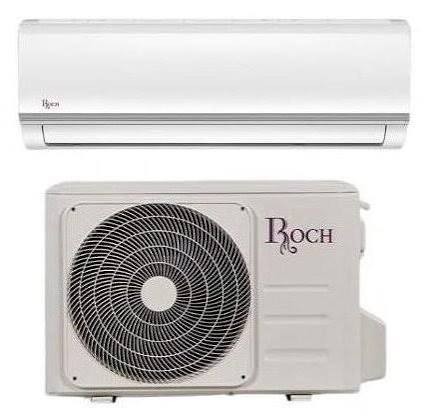
Split air conditioners are among the most common cooling solutions for residential properties, small offices and individual commercial rooms.
They consist of an indoor unit and an outdoor unit connected through refrigerant piping and electrical connections.
Split air conditioning systems are generally less complex to install than large central HVAC systems.
Factors affecting their installation costs include:
- Cooling capacity.
- Equipment brand and model.
- Length of refrigerant piping.
- Indoor unit mounting position.
- Outdoor unit installation location.
- Electrical connection requirements.
- Condensate drainage arrangements.
Split air conditioners are suitable for bedrooms, living rooms, private offices, small shops and meeting rooms.
2. Multi-Split Air Conditioning Systems
Multi-split systems allow several indoor air conditioning units to connect to one outdoor unit.
They are suitable for properties with multiple rooms requiring individual temperature control.
They are commonly used in:
- Residential apartments.
- Small commercial buildings.
- Offices with multiple rooms.
- Hotels.
- Professional service premises.
Their installation costs depend on the number of indoor units, outdoor unit capacity, refrigerant pipe routes, control arrangements and installation complexity.
3. Cassette Air Conditioning Systems
Cassette air conditioners are commonly installed in suspended ceilings and distribute cooled air into the room.
They are particularly suitable for commercial buildings, conference rooms, restaurants and open-plan offices.
Installation costs may be influenced by:
- Ceiling design.
- Equipment capacity.
- Ceiling reinforcement requirements.
- Refrigerant piping.
- Condensate drainage.
- Electrical connections.
- Ceiling modifications.
Cassette systems provide a neat installation appearance and are useful where wall-mounted equipment is unsuitable.
4. Ducted Air Conditioning Systems
Ducted air conditioning systems distribute conditioned air through concealed ductwork and ceiling outlets.
They are commonly used in modern homes, hotels, offices and commercial developments where centralised air distribution is required.
Their installation costs can be higher because the project may involve:
- Air conditioning equipment.
- Ductwork fabrication.
- Duct insulation.
- Air distribution outlets.
- Refrigerant piping.
- Drainage.
- Ceiling coordination.
- Air balancing and commissioning.
The final cost depends heavily on the size of the building and the complexity of the ductwork design.
5. Central Air Conditioning Systems
Central air conditioning systems are designed to cool large buildings using centralised equipment and air distribution networks.
They are commonly installed in:
- Large office buildings.
- Shopping centres.
- Hotels.
- Hospitals.
- Commercial complexes.
- Large residential developments.
These systems require detailed engineering design, cooling load calculations, equipment selection, ductwork, controls and professional commissioning.
Their installation budgets are therefore determined by the scale and technical requirements of the entire project.
6. VRF and VRV Air Conditioning Systems
Variable Refrigerant Flow (VRF) and Variable Refrigerant Volume (VRV) systems provide flexible temperature control across multiple indoor units.
They are suitable for large homes, hotels, corporate offices and multi-storey commercial buildings.
Installation costs depend on:
- Number of indoor units.
- Outdoor unit capacity.
- Refrigerant pipe network.
- Control systems.
- Building layout.
- Equipment specifications.
- Installation complexity.
Although the initial investment may be higher than for basic split systems, these systems can offer flexible zoning and efficient operation when properly designed.
10 Major Factors That Determine Air Conditioning Installation Costs in Uganda
Understanding the factors affecting installation prices helps property owners prepare realistic budgets and avoid unexpected expenses.
1. Air Conditioning Unit Capacity
The cooling capacity of an air conditioner is one of the most important factors influencing its purchase and installation price.
Air conditioning capacity is commonly measured in British Thermal Units per hour (BTU/h) or kilowatts (kW).
Higher-capacity units are generally designed for spaces with greater cooling requirements and may cost more than smaller units.
The required capacity depends on:
- Room dimensions.
- Ceiling height.
- Number of occupants.
- Windows and glass surfaces.
- Sunlight exposure.
- Electrical equipment.
- Lighting.
- Building insulation.
- Heat generated by internal activities.
Choosing the correct capacity is important because an undersized air conditioner may struggle to cool a room, while an oversized unit may cycle inefficiently and provide poor humidity control.
A professional cooling load calculation is more reliable than selecting equipment using floor area alone.
2. Size of the Building or Room
The size of the area being cooled directly affects the amount of equipment required.
A small residential bedroom may require one air conditioning unit, while a large office may need multiple indoor units or a centralised HVAC installation.
Larger buildings may also require additional ductwork, refrigerant piping, ventilation equipment and control systems.
When assessing building size, installers should consider:
- Total floor area.
- Ceiling height.
- Number of rooms.
- Open-plan or enclosed layouts.
- Number of floors.
- Internal partitions.
3. Type and Brand of Air Conditioner
Different air conditioning brands and models have different purchase prices, features, energy ratings and technical specifications.
The choice of equipment affects the initial investment and long-term operating expenses.
When comparing air conditioners, consider:
- Cooling performance.
- Energy efficiency.
- Inverter or fixed-speed technology.
- Warranty coverage.
- Availability of spare parts.
- Local servicing support.
- Equipment durability.
- Manufacturer specifications.
Choosing a reliable air conditioner with suitable technical support can provide better long-term value than purchasing equipment based only on the lowest price.
4. Installation Complexity
Not every air conditioning installation is straightforward.
A simple wall-mounted split air conditioner may require relatively limited installation work, while installations involving difficult access, long pipe routes or extensive building modifications require additional labour and materials.
Installation complexity may be influenced by:
- Height of installation.
- Wall construction.
- Distance between indoor and outdoor units.
- Accessibility of the installation location.
- Ceiling configuration.
- Structural support requirements.
- Existing building infrastructure.
Commercial installations may also require specialised access equipment and additional safety arrangements.
5. Refrigerant Copper Piping
Air conditioning systems require refrigerant piping to connect indoor and outdoor components.
The length, diameter, insulation and routing of these pipes influence installation costs.
Longer pipe routes may require additional materials and labour.
Installers must also follow manufacturer specifications regarding maximum piping lengths, vertical separation and refrigerant charge adjustments.
Proper pipe insulation and secure installation help maintain cooling performance and prevent condensation problems.
6. Electrical Installation Requirements
Air conditioners require an appropriate electrical supply to operate safely and reliably.
Depending on equipment capacity and the existing building infrastructure, installation may require:
- Dedicated electrical circuits.
- Appropriate circuit breakers.
- Correctly sized cables.
- Isolation switches.
- Earthing arrangements.
- Surge protection where appropriate.
- Electrical distribution upgrades.
Larger commercial systems may require more extensive electrical infrastructure.
The electrical requirements should be evaluated before installation to avoid unexpected costs.
7. Condensate Drainage
Air conditioning systems remove moisture from indoor air during cooling.
This moisture collects as condensate and must be drained appropriately.
Installation costs may increase where long drainage routes, additional piping, condensate pumps or modifications to existing drainage systems are necessary.
Poor drainage can cause water leakage, wall damage and ceiling deterioration.
8. Ductwork and Air Distribution
Ductwork is required in ducted and many central HVAC installations.
The total ductwork cost depends on:
- Building dimensions.
- Number of rooms.
- Duct sizes.
- Duct materials.
- Insulation requirements.
- Number of air outlets.
- Installation accessibility.
- Air balancing requirements.
A professionally designed duct network helps distribute conditioned air effectively and reduces unnecessary airflow losses.
9. Building Design and Construction
The architectural design of a building can significantly influence air conditioning installation expenses.
For example, installing a cassette air conditioner in a building with a suitable suspended ceiling may be easier than modifying a completed ceiling to accommodate the equipment.
Other building-related considerations include:
- Wall thickness.
- Roof construction.
- Ceiling height.
- Structural supports.
- Outdoor unit locations.
- Access to service areas.
- Existing electrical and drainage installations.
Planning air conditioning during the early construction stages can help reduce modifications and installation expenses.
10. Testing, Commissioning and Maintenance Requirements
Professional installation should include testing and commissioning to confirm that the system operates correctly.
This may involve refrigerant leak checks, electrical inspections, drainage testing, airflow checks and cooling performance verification.
The quotation should also clarify whether it includes system commissioning, operational guidance and warranty support.
Although these activities add to the project scope, they are important for reliable long-term operation.
Estimated Air Conditioning Installation Budget: What Should You Include?
Rather than relying on a single price for every installation, property owners should prepare a project budget that accounts for all major cost categories.
| Cost category | What it covers |
|---|---|
| Equipment | Air conditioning units and accessories |
| Labour | Installation and technical work |
| Piping | Copper refrigerant pipes and insulation |
| Electrical | Wiring, breakers and isolation switches |
| Drainage | Condensate pipes and pumps where required |
| Mounting | Brackets, supports and installation materials |
| Ductwork | Duct fabrication, insulation and outlets where applicable |
| Commissioning | Testing and performance verification |
| Additional works | Ceiling, wall or electrical modifications |
The actual amounts should be established through a site assessment and a detailed bill of quantities.
For commercial and large residential developments, requesting a complete HVAC design and itemised quotation is particularly important.
Air Conditioning Installation Costs for Different Types of Buildings
The cost of air conditioning installation also varies according to the intended use of the building.
1. Residential Houses
Residential installations commonly use split or multi-split air conditioning systems.
The total cost depends on the number of bedrooms, living areas, equipment capacity and preferred level of temperature control.
Large modern houses may require ducted or VRF systems.
2. Apartments and Residential Complexes
Apartment developments may require individual air conditioning systems for each unit or a coordinated HVAC solution.
The design should consider outdoor unit locations, refrigerant pipe routes, drainage, noise and maintenance access.
3. Office Buildings
Office air conditioning requirements depend on the number of employees, room layout, equipment loads and operating hours.
Split, cassette, ducted, central and VRF systems may be considered depending on building size.
4. Hotels and Guest Accommodation Facilities
Hotels require air conditioning in guest rooms and common areas such as reception spaces, restaurants and conference facilities.
Individual temperature controls, energy management and reliable maintenance are important considerations.
5. Shopping Centres and Commercial Complexes
Large commercial buildings often require central air conditioning or chiller-based HVAC systems.
The project may involve extensive ductwork, air handling units, cooling equipment, ventilation and automated controls.
6. Factories and Industrial Buildings
Industrial air conditioning and ventilation requirements depend on machinery, production processes, internal heat loads and air quality requirements.
These projects may require specialised cooling, industrial ventilation, exhaust extraction and environmental controls.
How to Reduce Air Conditioning Installation Costs Without Compromising Quality
Reducing installation expenses does not mean choosing the cheapest equipment or ignoring important technical requirements.
The best approach is to make informed decisions that reduce unnecessary spending while maintaining reliable system performance.
1. Plan HVAC Installation Early
For new buildings, incorporate air conditioning requirements into the architectural and electrical designs.
Early planning can reduce ceiling modifications, additional piping and unnecessary construction work.
2. Choose the Correct Equipment Capacity
Proper cooling load calculations help prevent overspending on oversized equipment and avoid performance problems associated with undersized units.
3. Compare Multiple Professional Quotations
Request quotations from qualified contractors and compare equipment specifications, materials, installation scope and warranty coverage.
Do not compare quotations based only on the final price.
4. Invest in Energy-Efficient Equipment
Efficient air conditioners can help reduce electricity consumption over their operating life.
Consider the equipment’s efficiency ratings, operating conditions and expected daily usage.
5. Improve Building Insulation
Suitable roof insulation, wall insulation, window shading and sealing of unwanted air leakage can reduce cooling demand.
This may allow the HVAC system to operate more efficiently.
6. Select Appropriate Installation Locations
Proper positioning of indoor and outdoor units can reduce unnecessary piping, improve airflow and simplify future servicing.
7. Establish a Preventive Maintenance Schedule
Regular maintenance helps prevent avoidable breakdowns and protects the performance of the equipment.
Cleaning filters, inspecting coils and checking drainage can help maintain efficient operation.
Why Professional Air Conditioning Installation Is Important
Professional installation is essential for achieving reliable cooling performance and protecting your investment.
Even high-quality equipment can perform poorly when incorrectly installed.
Common installation problems include refrigerant leakage, poor drainage, incorrect pipe sizing, inadequate electrical protection and improper equipment positioning.
A qualified installation team should:
- Assess the building’s cooling requirements.
- Recommend suitable equipment.
- Verify electrical infrastructure.
- Install refrigerant piping correctly.
- Provide proper drainage.
- Secure indoor and outdoor units.
- Test the system for leaks.
- Check cooling performance.
- Commission the equipment.
- Explain maintenance requirements.
Professional installation helps reduce technical problems and ensures that the selected system is appropriate for the building.
Common Mistakes to Avoid When Budgeting for Air Conditioning Installation
Property owners should avoid these common mistakes when planning an air conditioning project.
1. Budgeting for equipment only: Remember that piping, electrical work, drainage, mounting and labour also contribute to the final cost.
2. Choosing the cheapest contractor: Low quotations may exclude important materials, testing or commissioning.
3. Ignoring electricity consumption: The purchase price is only part of the total cost of owning an air conditioning system.
4. Failing to assess the building: Different rooms and buildings have different cooling requirements.
5. Overlooking maintenance expenses: Regular servicing should form part of the long-term operating budget.
6. Installing equipment without proper ventilation: Cooling and fresh-air ventilation requirements must both be considered.
7. Ignoring warranty conditions: Understand what is covered, the warranty period and the requirements for maintaining warranty validity.
8. Failing to plan for future expansion: Commercial properties may require additional cooling capacity as occupancy and business operations grow.
How to Choose the Right Air Conditioning Installation Company in Uganda
Selecting the right contractor is essential for controlling installation costs and achieving reliable system performance.
Before hiring an air conditioning installation company, consider the following factors.
Technical Experience
Choose a contractor with experience in residential and commercial air conditioning installations.
Proper Site Assessment
A professional contractor should inspect the building before recommending equipment and preparing a quotation.
Equipment Knowledge
The contractor should understand different air conditioning systems, their specifications, installation requirements and maintenance needs.
Transparent Quotations
The quotation should clearly explain equipment costs, labour, materials, electrical work and additional expenses.
Installation Quality
Confirm that the contractor follows manufacturer instructions and applicable electrical and mechanical safety requirements.
Maintenance and Technical Support
Reliable after-installation servicing is important for maintaining equipment performance and reducing unexpected repair expenses.
Warranty and Documentation
Request equipment documentation, warranty information and relevant installation records.
Choosing a capable contractor helps avoid unnecessary costs associated with poor equipment selection and improper installation.
Air Conditioning Installation Costs in Kampala, Wakiso and Other Parts of Uganda
Air conditioning installation requirements can vary depending on the location of the building and the conditions of the site.
In Kampala, many office buildings, apartments, hotels and commercial developments require air conditioning systems designed for urban building layouts and varying occupancy levels.
In Wakiso, Entebbe, Mukono and other developing areas, residential and commercial projects may require different equipment arrangements depending on building design, access and infrastructure.
For projects outside major urban centres, transportation, equipment availability and access to technical servicing may also influence the overall installation budget.
Property owners should therefore request quotations based on the actual project location, building specifications and installation requirements.
A site-specific assessment provides a more reliable estimate than general online price comparisons.
Frequently Asked Questions About Air Conditioning Installation Costs in Uganda
1. How much does it cost to install an air conditioner in Uganda?
The cost depends on the type of air conditioner, cooling capacity, equipment brand, installation materials, electrical requirements and complexity of the work. A site assessment is necessary to establish an accurate quotation.
2. What determines the price of air conditioning installation?
The main factors include equipment capacity, system type, building size, installation labour, refrigerant piping, electrical connections, drainage, ductwork and additional construction work.
3. Is air conditioning installation expensive in Uganda?
Costs vary depending on the project. Basic split-unit installations are generally less complex than central air conditioning, ducted HVAC and VRF installations for large buildings.
4. Which air conditioning system is cheapest to install?
A basic wall-mounted split air conditioning system is generally less complex to install than multi-split, ducted, central or chiller-based systems. However, the appropriate choice depends on the building’s cooling requirements.
5. How much does it cost to install air conditioning in an office?
Office installation costs depend on the number of rooms, floor area, occupancy, cooling capacity, selected system and installation complexity. Larger offices may require cassette, ducted, VRF or central air conditioning.
6. Does air conditioning installation include electrical wiring?
This depends on the contractor’s quotation. Some installations include basic electrical connections, while others require separate electrical work, dedicated circuits or distribution board upgrades.
7. How long does air conditioning installation take?
A straightforward split-unit installation may be completed relatively quickly, while multi-unit, ducted and central HVAC projects can take considerably longer depending on the building and installation scope.
8. Are inverter air conditioners more expensive?
Inverter models may have higher initial purchase prices than comparable fixed-speed models. However, they can provide energy savings under suitable operating conditions because they adjust compressor output according to cooling demand.
9. How can I reduce air conditioning installation costs?
Plan installation early, choose correctly sized equipment, compare professional quotations, minimise unnecessary piping and building modifications, and select energy-efficient systems.
10. Should I buy an air conditioner before contacting an installer?
It is generally better to consult an HVAC professional before purchasing equipment. A site assessment helps determine the correct capacity, system type and installation requirements.
11. What additional costs should I expect during installation?
Possible additional costs include copper piping, electrical upgrades, drainage materials, brackets, ceiling modifications, ductwork, access equipment and commissioning.
12. Does Daltrevco provide air conditioning solutions for commercial and residential buildings?
Daltrevco’s building utilities focus includes electrical and HVAC-related solutions. Contact the company to discuss your specific project requirements and confirm the available installation and technical services.
Conclusion: Get the Right Air Conditioning Installation at the Right Cost
Air conditioning installation costs in Uganda depend on several important factors, including the type of system, cooling capacity, building size, equipment quality, electrical infrastructure, refrigerant piping and installation complexity.
Understanding these factors helps property owners prepare realistic budgets, select suitable equipment and avoid unnecessary expenses.
Whether you are installing a split air conditioner in a residential house, upgrading office cooling equipment or planning a central HVAC system for a commercial development, professional assessment and installation are essential.
At Daltrevco, we understand the importance of reliable building utilities and properly planned HVAC systems in modern residential, commercial and industrial developments.
If you are planning an air conditioning project, upgrading an existing system or seeking guidance on suitable HVAC solutions, contact Daltrevco to discuss your requirements and obtain a project-specific quotation.
Daltrevco – Supporting reliable building infrastructure for residential, commercial and industrial developments in Uganda.

