
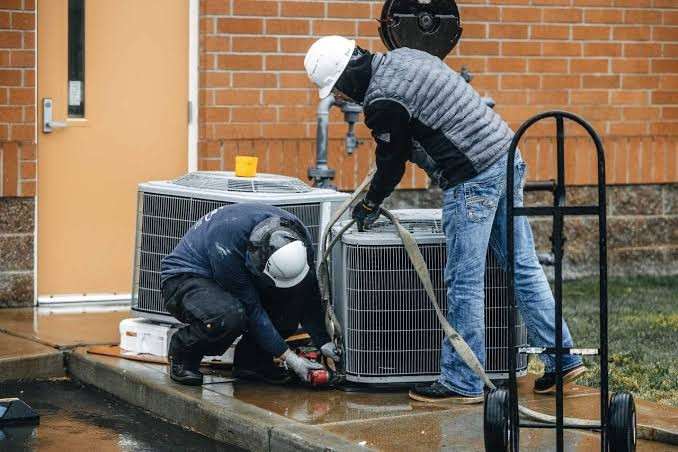
Heating, ventilation and air conditioning (HVAC) systems play an essential role in maintaining comfortable, healthy and productive indoor environments. Whether installed in an office, commercial building, hotel, hospital, factory, shopping centre or residential property, an HVAC system must operate efficiently to deliver reliable heating, cooling and ventilation.
However, even high-quality HVAC equipment can develop problems when it is not properly maintained. Dirty air filters, blocked drainage lines, refrigerant leaks, worn electrical components and neglected mechanical parts can reduce system performance, increase energy consumption and lead to unexpected breakdowns.
This is why professional HVAC maintenance services are essential for every property with an air conditioning or ventilation system.
Regular HVAC servicing helps identify potential faults before they become expensive problems, improves indoor air quality, reduces operating costs and extends equipment lifespan. For businesses and property owners in Uganda, preventive maintenance is particularly important because air conditioning and ventilation systems may operate for extended periods in offices, hotels, healthcare facilities, factories and other buildings.
At Daltrevco, we recognise the importance of reliable building utilities and professionally maintained HVAC systems. This guide explains why regular HVAC servicing matters, what maintenance involves, how frequently systems should be serviced and how to recognise signs that your equipment needs professional attention.
What Are HVAC Maintenance Services?
HVAC maintenance services involve the inspection, cleaning, testing, adjustment and servicing of heating, ventilation and air conditioning equipment to maintain safe, efficient and dependable operation.
An HVAC system consists of several interconnected components, including:
- Air conditioning units and cooling equipment.
- Heating equipment, where installed.
- Ventilation fans and air handling units.
- Air filters and filtration systems.
- Refrigerant pipes and associated components.
- Thermostats and control systems.
- Electrical connections and control panels.
- Condensate drainage systems.
- Ductwork, diffusers and air distribution components.
Professional maintenance focuses on ensuring that these components work together correctly.
Unlike emergency repairs, which are performed after equipment develops a fault, preventive HVAC maintenance is scheduled in advance to reduce the likelihood of equipment failure.
A properly planned maintenance programme helps building owners protect their investment and maintain consistent indoor comfort.
Why Is Regular HVAC Maintenance Important?
Regular HVAC servicing is not simply about cleaning air conditioners. It is an important investment in equipment performance, energy efficiency, indoor air quality and the long-term reliability of a building.
The following are the major benefits of maintaining your HVAC system.
1. Improves Energy Efficiency and Reduces Electricity Consumption
One of the most important benefits of regular HVAC maintenance is improved energy efficiency.
When air filters become clogged, condenser coils accumulate dirt or fans become obstructed, HVAC equipment must work harder to circulate air and maintain the required indoor temperature.
This increases operating time and may result in unnecessary electricity consumption.
During professional servicing, technicians inspect and clean important components, check airflow, examine electrical connections and verify system operation.
These activities help equipment operate under the conditions recommended by its manufacturer.
For commercial buildings in Uganda, including offices, hotels, shopping centres and factories, improving HVAC efficiency can help control electricity expenses.
Regular maintenance also helps identify inefficient operating conditions before they result in higher energy costs.
2. Extends the Lifespan of HVAC Equipment
HVAC systems represent a significant investment for residential and commercial property owners.
Replacing air conditioning units, ventilation equipment, compressors, air handling units and associated components can be expensive.
Without regular servicing, dust accumulation, restricted airflow, poor drainage, electrical faults and mechanical wear can place additional strain on equipment.
Over time, this may contribute to premature component failure.
Preventive maintenance helps reduce unnecessary stress by keeping components clean, checking operating conditions and identifying developing problems.
For example:
- Cleaning filters helps maintain proper airflow.
- Cleaning heat exchange coils supports efficient heat transfer.
- Inspecting electrical connections helps identify loose or damaged connections.
- Checking drainage systems helps prevent water accumulation.
- Inspecting fans and motors helps identify abnormal operation.
Although maintenance cannot prevent every equipment failure, it can significantly reduce avoidable wear and help extend the useful service life of HVAC systems.
3. Improves Indoor Air Quality
Indoor air quality is an important consideration in offices, homes, hospitals, schools, hotels and other occupied buildings.
HVAC systems circulate and condition indoor air. When filters, coils, drain pans and ventilation components are neglected, accumulated dust, dirt and moisture can affect system cleanliness and indoor air conditions.
Dirty filters can also restrict airflow, reducing the effectiveness of the ventilation and air conditioning system.
Professional HVAC maintenance helps address these problems through:
- Cleaning or replacing air filters as required.
- Inspecting air handling units.
- Cleaning accessible components where necessary.
- Checking condensate drainage and drain pans.
- Inspecting ventilation openings and air distribution components.
- Identifying conditions that may encourage microbial growth.
Proper maintenance supports cleaner indoor environments and helps ventilation systems operate as intended.
However, HVAC servicing alone does not guarantee healthy indoor air. Appropriate ventilation, filtration, humidity management and building cleanliness are also important.
4. Prevents Unexpected HVAC Breakdowns
An HVAC breakdown can disrupt business operations, inconvenience occupants and create uncomfortable working conditions.
For example, an air conditioning failure in a hotel can affect guest comfort, while ventilation problems in a factory may interfere with working conditions and certain production activities.
In offices, shopping centres and commercial buildings, equipment failure can affect employees, customers and visitors.
Regular servicing helps technicians identify early warning signs, including:
- Unusual noises and vibrations.
- Refrigerant leaks.
- Blocked condensate drainage.
- Dirty filters and restricted airflow.
- Damaged electrical connections.
- Abnormal temperature differences.
- Faulty thermostats and control systems.
- Worn fan belts, bearings or motors where applicable.
Addressing these issues early can reduce the likelihood of sudden equipment failure.
Preventive maintenance is generally more manageable than waiting for a complete system breakdown before arranging repairs.
5. Reduces Expensive HVAC Repair Costs
Small HVAC problems can become major faults when left unattended.
For example, restricted airflow may cause equipment to operate outside its intended conditions. A blocked drainage line can result in water leakage, while loose electrical connections may lead to overheating or intermittent operation.
If these problems are ignored, they may damage other components and increase repair costs.
Regular HVAC maintenance helps identify developing faults before they require extensive repairs.
It also allows property owners and facility managers to plan maintenance expenditure instead of dealing with repeated emergency repair expenses.
For commercial properties, this is particularly valuable because unexpected HVAC repairs may disrupt operations and require urgent replacement of components.
6. Maintains Consistent Indoor Temperature and Comfort
A properly functioning HVAC system should provide the required indoor temperature and distribute conditioned air effectively throughout the occupied space.
When equipment is poorly maintained, occupants may experience:
- Rooms that remain too warm despite running the air conditioner.
- Uneven cooling between different areas.
- Weak airflow from supply vents.
- Frequent temperature fluctuations.
- Excessive humidity.
- Air conditioning units that run continuously without achieving the desired temperature.
These problems may result from dirty filters, refrigerant-related faults, incorrect system settings, poor airflow, inadequate equipment capacity or other mechanical and control issues.
Professional maintenance helps identify the underlying causes and restore reliable operation where possible.
Consistent indoor comfort is especially important in offices, hotels, healthcare facilities, educational institutions and other buildings with regular occupancy.
7. Supports Reliable Ventilation and Humidity Control
HVAC systems do more than cool indoor spaces. They also support ventilation and, depending on their design, humidity management.
Ventilation helps introduce outdoor air and remove indoor air in accordance with the building’s design and applicable requirements.
Poorly maintained ventilation equipment may experience restricted airflow, fan problems, blocked filters or faulty controls.
Similarly, air conditioning systems with drainage or condensate problems may contribute to unwanted moisture accumulation.
Regular servicing helps ensure that ventilation fans, air handling units, filters, drainage systems and controls operate correctly.
This is important in buildings such as hospitals, laboratories, restaurants, hotels, offices and manufacturing facilities, where ventilation requirements may be more demanding.
8. Improves Workplace Productivity and Occupant Comfort
The indoor environment can influence how people work, learn, shop and conduct business.
Excessive heat, poor airflow and uncomfortable indoor conditions may affect concentration, employee satisfaction and the experience of customers and visitors.
In workplaces, properly maintained HVAC systems help maintain comfortable indoor conditions and support a more productive environment.
For businesses operating in Kampala, Wakiso, Entebbe and other parts of Uganda, reliable HVAC performance can be an important part of maintaining professional working conditions.
Regular servicing helps reduce disruptions associated with poorly performing air conditioning and ventilation equipment.
9. Helps Maintain Manufacturer Warranty Conditions
Some HVAC manufacturers specify maintenance requirements as part of their warranty terms.
Failure to follow recommended maintenance procedures may affect warranty coverage, depending on the manufacturer’s conditions and the circumstances of a particular claim.
Regular servicing also creates a useful maintenance history showing when equipment was inspected, cleaned, repaired and tested.
Property owners should therefore retain service records and follow the manufacturer’s maintenance instructions.
10. Helps Protect Your HVAC Investment
An HVAC system is a long-term building investment.
The initial cost of purchasing and installing equipment is only one part of its overall ownership cost. Electricity consumption, routine servicing, repairs, replacement components and eventual equipment replacement also contribute to total expenditure.
A planned maintenance programme helps protect this investment by supporting reliable operation and reducing avoidable damage.
For property developers, landlords, facility managers and business owners, regular servicing is an important part of responsible building management.
What Does Professional HVAC Maintenance Include?
The exact maintenance activities depend on the type, size, design and condition of the HVAC system.
A split air conditioner in a small office will require different maintenance procedures from a central air conditioning system serving a large commercial building.
Professional HVAC maintenance may include the following activities.
1. Inspection and Cleaning of Air Filters
Air filters capture dust and other airborne particles before they enter or circulate through parts of the HVAC system.
When filters become dirty, airflow may be restricted and equipment efficiency may decrease.
Technicians inspect filters and clean or replace them according to their type, condition and manufacturer recommendations.
2. Cleaning Evaporator and Condenser Coils
Evaporator and condenser coils are essential for transferring heat during the cooling process.
Dirt accumulation on these components can reduce heat transfer and affect system performance.
During maintenance, technicians inspect the coils and clean them using appropriate methods and products.
Care must be taken to avoid damaging delicate coil fins or electrical components.
3. Inspecting Refrigerant Levels and the Refrigeration Circuit
Air conditioning systems rely on refrigerant circulating through a closed refrigeration circuit.
A system that is not cooling properly may have a refrigerant leak, an airflow problem, a control fault or another mechanical issue.
Technicians inspect relevant refrigeration components and use appropriate diagnostic procedures to identify problems.
Refrigerant should not simply be added without investigating the cause of a suspected shortage. Leak detection and repair should be carried out before recharging where a leak is confirmed.
Refrigerant handling should be performed by appropriately qualified personnel using suitable equipment and safe procedures.
4. Checking Electrical Connections and Controls
Electrical problems can affect HVAC safety, performance and reliability.
Maintenance may include inspecting:
- Electrical terminals and connections.
- Contactors and relays.
- Capacitors where applicable.
- Circuit protection devices.
- Control wiring.
- Thermostats and sensors.
- Control panels.
- Equipment isolators.
Technicians should check for signs of overheating, loose connections, damaged insulation and abnormal electrical operation.
Electrical work should be performed by competent personnel using appropriate safety procedures.
5. Inspecting Fans, Motors and Moving Components
Fans and motors help circulate air and support heat transfer.
Technicians inspect fan blades, motor operation, bearings, mounts and associated components for abnormal noise, vibration, damage or wear.
Where applicable, belts and pulleys are checked and adjusted according to manufacturer instructions.
6. Cleaning and Checking Condensate Drainage
Air conditioning systems remove moisture from indoor air during cooling.
This moisture must drain correctly through the condensate drainage system.
Blocked drainage pipes, dirty drain pans and incorrect drainage arrangements can cause water leakage and unwanted moisture around the equipment.
Maintenance includes checking drainage flow, inspecting drain pans and cleaning accessible drainage components where necessary.
7. Inspecting Ductwork and Air Distribution
Ducted HVAC systems require attention to their air distribution components.
Maintenance may include inspecting duct connections, insulation, access panels, dampers, diffusers and grilles.
Technicians may also investigate air leakage, damaged insulation and airflow restrictions.
Duct cleaning should be recommended based on the actual condition of the system rather than performed unnecessarily.
8. Testing Thermostats and HVAC Controls
Thermostats and control systems regulate equipment operation according to temperature settings and other programmed conditions.
Incorrect settings, sensor faults and control failures can affect comfort and energy efficiency.
Technicians inspect and test the relevant controls to confirm that equipment responds correctly.
9. Checking System Performance
After maintenance, technicians should assess overall equipment operation.
Depending on the system, this may involve checking:
- Airflow.
- Supply and return air temperatures.
- Operating pressures and temperatures.
- Electrical operating conditions.
- Equipment response to control settings.
- Drainage performance.
- Abnormal sounds or vibrations.
Performance measurements should be interpreted according to the equipment manufacturer’s specifications and the system design.
10. Preparing a Maintenance Report
A professional maintenance visit should provide useful information about the condition of the HVAC system.
A maintenance report may include:
- Equipment inspected.
- Maintenance activities completed.
- Identified faults.
- Components requiring attention.
- Recommended repairs.
- General system condition.
- Suggested date for the next service.
This information helps property owners plan maintenance budgets and monitor equipment performance over time.
How Often Should an HVAC System Be Serviced?
The correct maintenance frequency depends on equipment type, operating hours, environmental conditions, occupancy and manufacturer recommendations.
A system operating continuously in a busy commercial building may require more frequent attention than one used occasionally in a residential property.
The following table provides general planning guidance. It is not a substitute for the maintenance schedule specified by the equipment manufacturer or a qualified HVAC professional.
| HVAC equipment or component | General maintenance guidance |
|---|---|
| Air filters | Inspect monthly; clean or replace as required |
| Split air conditioners | Professional servicing commonly every 3–6 months, depending on use and conditions |
| Commercial air conditioning systems | Establish a planned programme, often quarterly or more frequently for demanding environments |
| Ventilation fans | Inspect periodically according to operating hours and manufacturer guidance |
| Ductwork and air distribution | Inspect periodically and clean when condition or performance indicates a need |
| Central HVAC systems | Follow a documented preventive maintenance schedule based on equipment and building requirements |
| Refrigeration circuit | Inspect when servicing and investigate any signs of leakage or abnormal operation |
| Electrical components | Inspect during scheduled maintenance and whenever warning signs appear |
HVAC Maintenance in Uganda’s Operating Conditions
In Uganda, dust, humidity, building activities and long equipment operating hours can influence HVAC maintenance requirements.
For example, systems installed near busy roads, construction sites or dusty industrial environments may require more frequent filter inspection and cleaning.
Hotels, offices, restaurants and shopping centres with high occupancy may also place greater demands on their cooling and ventilation equipment.
Property owners should therefore adopt maintenance schedules that reflect actual operating conditions rather than relying on one timetable for every building.
Common Signs Your HVAC System Needs Maintenance
An HVAC system may show warning signs before developing a major fault.
Recognising these signs early can help property owners arrange professional inspection before the problem becomes more serious.
Look out for the following:
1. Weak Airflow
If air is coming out of vents or air conditioning units more slowly than usual, the system may have dirty filters, obstructed air passages, fan problems or other airflow restrictions.
2. Poor Cooling Performance
An air conditioner that runs but does not cool the room effectively may have dirty coils, refrigerant circuit problems, incorrect settings or insufficient airflow.
3. Unusual Noises
Grinding, rattling, buzzing and excessive vibration may indicate loose components, fan problems, motor wear or electrical issues.
4. Water Leakage
Water dripping from an indoor air conditioning unit may indicate blocked condensate drainage, an installation problem or another fault requiring inspection.
5. Unpleasant Odours
Unusual smells may originate from dirty components, moisture accumulation, drainage problems or electrical faults. Burning smells require prompt attention and the equipment should be switched off safely if it is suspected to be overheating.
6. Frequent System Cycling
An HVAC system that repeatedly switches on and off may have control issues, incorrect sizing, restricted airflow or other operating problems.
7. Unexpected Increases in Electricity Consumption
A noticeable increase in electricity use may be associated with inefficient HVAC operation, longer operating hours, equipment faults or changes in building conditions.
A professional assessment can help determine the cause.
HVAC Maintenance for Different Types of Buildings
Different buildings have different cooling, ventilation and operational requirements. Maintenance should therefore be tailored to the type of property and its HVAC installation.
HVAC Maintenance for Offices
Office buildings require reliable cooling and ventilation to maintain comfortable working conditions.
Maintenance commonly focuses on air conditioning units, ventilation equipment, filters, thermostats, electrical components and drainage systems.
Regular servicing helps minimise disruptions and maintain consistent indoor comfort.
HVAC Maintenance for Hotels and Restaurants
Hotels and restaurants depend on reliable HVAC systems to provide comfortable environments for guests, employees and customers.
Maintenance may cover guest room air conditioners, central cooling systems, kitchen ventilation, exhaust fans and air handling equipment.
For restaurants, kitchen extraction and ventilation equipment require particular attention because of grease, heat and airborne contaminants.
HVAC Maintenance for Hospitals and Healthcare Facilities
Healthcare buildings may have specialised ventilation, filtration, temperature and pressure-control requirements.
Maintenance must consider the building’s design, the function of each area and applicable healthcare requirements.
Critical ventilation systems should be serviced by appropriately qualified specialists using documented procedures. Routine maintenance should not compromise required operating conditions.
HVAC Maintenance for Factories and Manufacturing Facilities
Factories may operate HVAC equipment for long hours and in demanding environments.
Dust, heat, production processes and airborne contaminants can place additional demands on ventilation and cooling systems.
Maintenance may involve industrial air handling units, ventilation fans, cooling equipment, filters, controls and associated mechanical and electrical components.
HVAC Maintenance for Shopping Centres and Commercial Complexes
Large commercial buildings often use centralised or multiple-zone HVAC systems.
Maintenance must account for different occupied areas, operating schedules, air distribution systems and equipment loads.
A planned maintenance programme helps facility managers monitor system performance and reduce unexpected interruptions.
HVAC Maintenance for Residential Buildings
Homes with split air conditioners, multi-split systems or other cooling equipment also benefit from routine servicing.
Regular cleaning and inspection can help maintain cooling performance, improve equipment reliability and address drainage or electrical problems.
Preventive HVAC Maintenance vs Reactive HVAC Repairs
Property owners generally approach HVAC servicing in two ways: preventive maintenance and reactive repairs.
Preventive maintenance involves scheduled inspections and servicing before equipment develops a major fault.
Reactive maintenance involves repairing equipment after a problem has already occurred.
| Preventive HVAC maintenance | Reactive HVAC repairs |
|---|---|
| Scheduled inspections | Repairs after a fault develops |
| Helps identify problems early | Addresses existing problems |
| Supports consistent equipment performance | May involve unexpected downtime |
| Helps plan maintenance expenditure | Can create urgent repair costs |
| Supports longer equipment life | Delayed repairs may contribute to additional damage |
| Reduces avoidable interruptions | Operations may be disrupted |
Preventive maintenance is generally the better long-term approach because it allows building owners to manage equipment condition instead of waiting for failures.
However, even a well-maintained system may occasionally require repairs. A good maintenance programme should therefore include a clear process for reporting and addressing faults.
How to Choose the Right HVAC Maintenance Company in Uganda
Choosing a qualified HVAC maintenance provider is important for equipment safety, performance and reliability.
Before hiring a company, consider the following factors.
1. Relevant HVAC Experience
Choose a provider with experience maintaining the type of equipment installed in your building.
Maintaining a residential split air conditioner requires different skills from servicing a central HVAC installation or industrial ventilation system.
2. Qualified Technical Personnel
Check whether the technicians have appropriate training, practical experience and competence in the relevant HVAC and electrical work.
Refrigerant handling, electrical testing and specialised HVAC maintenance should be carried out by suitably qualified personnel.
3. Ability to Service Different HVAC Systems
A capable provider should understand the maintenance requirements of the equipment installed at your property.
Depending on the company’s capabilities, this may include split air conditioners, cassette units, ducted systems, central air conditioning, ventilation fans and air handling units.
4. Proper Tools and Diagnostic Equipment
Professional servicing requires suitable tools for inspection, cleaning, testing and fault diagnosis.
Ask whether the company has the equipment necessary to carry out the maintenance work required by your system.
5. Clear Maintenance Plans
For commercial and industrial properties, look for a provider that can develop a structured maintenance programme.
The plan should specify the equipment covered, service intervals, inspection activities, reporting procedures and arrangements for repairs.
6. Transparent Service Recommendations
A reliable maintenance company should explain the condition of your HVAC equipment and distinguish between routine servicing, necessary repairs and optional improvements.
Avoid providers who recommend replacing major components without explaining the findings or providing a clear technical justification.
7. Maintenance Reports and Follow-Up
Choose a provider that documents work completed and communicates outstanding issues.
A maintenance history makes it easier to monitor equipment condition, plan expenditure and organise future servicing.
What Happens When You Ignore HVAC Maintenance?
Neglecting HVAC servicing can create several avoidable problems.
These include:
- Reduced cooling and ventilation performance.
- Higher electricity consumption due to inefficient operation.
- Poor airflow and uneven indoor temperatures.
- Increased wear on mechanical and electrical components.
- Blocked condensate drainage and water leakage.
- Unexpected equipment breakdowns.
- More expensive repairs.
- Shorter equipment service life.
- Uncomfortable conditions for employees, customers and occupants.
For businesses, these problems may also affect productivity, customer satisfaction and continuity of operations.
The cost of routine servicing is generally easier to plan for than the financial and operational consequences of an unexpected system failure.
How to Reduce HVAC Maintenance Costs
Although maintenance is necessary, property owners can take practical steps to manage servicing expenses.
1. Follow a planned maintenance schedule. Avoid waiting until the system develops a fault before arranging an inspection.
2. Inspect filters regularly. Dirty filters should be cleaned or replaced according to their type and manufacturer instructions.
3. Keep outdoor units unobstructed. Ensure that condenser units have adequate clearance and are not blocked by vegetation, stored materials or other obstructions.
4. Respond to warning signs early. Arrange an inspection when the system develops unusual noises, weak airflow, water leakage or poor cooling performance.
5. Avoid unauthorised adjustments. Do not allow unqualified persons to interfere with refrigerant circuits, electrical controls or safety devices.
6. Maintain clear service records. Keep reports showing previous inspections, repairs, replaced components and outstanding recommendations.
7. Use qualified HVAC professionals. Proper servicing helps avoid damage caused by incorrect cleaning, unsuitable replacement parts or poor repair practices.
Why Businesses Should Have an HVAC Maintenance Contract
For properties with several air conditioning units or complex HVAC installations, arranging maintenance only when needed may be inefficient.
A planned HVAC maintenance contract provides a structured way to manage equipment servicing throughout the year.
Depending on the agreement, a maintenance contract may include:
- Scheduled preventive maintenance visits.
- Inspection and cleaning of HVAC equipment.
- Filter inspection and replacement recommendations.
- Performance checks.
- Inspection of electrical and control components.
- Drainage system checks.
- Identification of developing faults.
- Written maintenance reports.
- Recommendations for repairs and equipment improvements.
For offices, hotels, factories, hospitals, shopping centres and other commercial properties, a maintenance agreement can help facility managers plan servicing and monitor equipment condition.
The scope, service frequency, response times, replacement parts and repair charges should be clearly agreed before signing a contract.
Frequently Asked Questions About HVAC Maintenance Services
1. What are HVAC maintenance services?
HVAC maintenance services involve inspecting, cleaning, testing and servicing heating, ventilation and air conditioning equipment to maintain efficient and reliable operation. They help identify faults, improve airflow, support indoor air quality and reduce unexpected breakdowns.
2. How often should an HVAC system be serviced?
Maintenance frequency depends on equipment type, usage, operating environment and manufacturer recommendations. Many air conditioning systems benefit from professional servicing every three to six months, while heavily used commercial and industrial systems may require more frequent inspections.
3. What is included in HVAC maintenance?
HVAC maintenance may include cleaning air filters and coils, inspecting electrical connections, checking refrigerant circuit conditions, testing thermostats, inspecting fans and motors, clearing condensate drainage and checking overall system performance.
4. Why is preventive HVAC maintenance important?
Preventive maintenance helps identify developing faults before they cause major breakdowns. It also supports energy efficiency, improves equipment reliability, reduces avoidable repair costs and helps extend the useful lifespan of HVAC systems.
5. Can HVAC maintenance reduce electricity bills?
Yes. Proper maintenance can help reduce unnecessary energy consumption by addressing restricted airflow, dirty coils, incorrect settings and other conditions that affect equipment efficiency. Actual savings depend on the system’s condition, design and operating practices.
6. What are the signs that an air conditioner needs servicing?
Common signs include weak airflow, poor cooling, unusual noises, water leakage, unpleasant odours, frequent cycling and unexpected increases in electricity consumption.
7. Is HVAC maintenance necessary for commercial buildings?
Yes. Commercial buildings often have multiple air conditioning units, ventilation systems or central HVAC installations that require regular inspection and servicing. Maintenance helps support occupant comfort, business continuity and reliable equipment operation.
8. What is the difference between HVAC maintenance and HVAC repair?
HVAC maintenance involves planned servicing to keep equipment in good working condition and identify potential problems. HVAC repair involves diagnosing and correcting faults that have already developed.
9. Can dirty air filters affect HVAC performance?
Yes. Dirty filters can restrict airflow, reduce system performance and increase operating strain. Filters should be inspected regularly and cleaned or replaced according to manufacturer instructions and actual conditions.
10. Do factories need specialised HVAC maintenance?
Factories may require specialised maintenance because industrial HVAC systems can operate for extended periods and work in demanding environments. Their servicing requirements depend on production activities, heat loads, dust levels, ventilation needs and equipment design.
11. What happens if an HVAC system is not maintained?
Neglected HVAC equipment may experience poor cooling, restricted airflow, higher energy consumption, drainage problems, component wear and unexpected breakdowns. Over time, these issues may increase repair costs and shorten equipment lifespan.
12. How do I choose an HVAC maintenance company in Uganda?
Look for a provider with relevant technical experience, qualified personnel, appropriate diagnostic equipment, transparent service recommendations and the ability to prepare a maintenance plan suited to your building.
Professional HVAC Maintenance Services for Reliable Building Performance
Regular HVAC servicing is essential for maintaining comfortable, energy-efficient and dependable indoor environments. Whether you operate a residential property, office, hotel, hospital, shopping centre or manufacturing facility, keeping your heating, ventilation and air conditioning equipment properly maintained can help protect your investment and reduce avoidable operating problems.
From cleaning filters and inspecting electrical components to checking refrigeration circuits, ventilation equipment and condensate drainage, professional maintenance helps keep HVAC systems operating as intended.
For property owners and businesses in Uganda, the best approach is to establish a preventive maintenance programme that reflects the equipment installed, building requirements and operating conditions.
Daltrevco provides building-related technical solutions and services for residential, commercial and industrial projects. If you are planning HVAC installation, maintenance or building utilities improvements, contact Daltrevco to discuss your project requirements and determine the appropriate technical solution.
Do not wait for your air conditioning or ventilation system to break down. Make regular HVAC maintenance part of your building management plan.

