
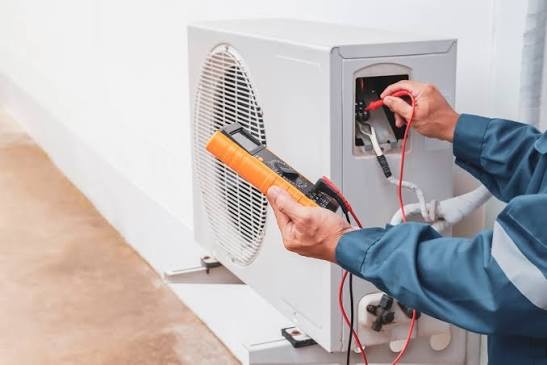
Air conditioning systems are essential for maintaining comfortable indoor temperatures in homes, offices, hotels, hospitals, shopping centres, factories and other commercial buildings. In Uganda, where warm temperatures and changing weather conditions can make indoor cooling important throughout the year, a properly functioning air conditioner helps create a comfortable and productive environment.
However, like other mechanical and electrical equipment, air conditioning systems can develop problems over time. An air conditioner may stop cooling, produce unusual noises, leak water, emit unpleasant smells, consume excessive electricity or fail to switch on completely.
Ignoring these warning signs can lead to reduced cooling performance, higher operating costs, expensive repairs and premature equipment failure.
Understanding common air conditioning problems and how to fix them helps property owners identify early warning signs, take appropriate action and know when professional HVAC services are necessary.
At Daltrevco, we understand the importance of reliable air conditioning systems in residential, commercial and industrial buildings. This guide explains the most common air conditioning faults, their causes, practical solutions and preventive maintenance measures to help keep your cooling equipment operating efficiently.
1. Air Conditioner Not Cooling Properly
One of the most common air conditioning problems is an air conditioner that runs but fails to cool the room effectively.
You may notice that the indoor unit is operating, but the room remains warm even after the system has been running for an extended period.
This problem can affect split air conditioners, cassette units, ducted systems and central air conditioning installations.
Possible causes:
- Dirty or clogged air filters.
- Dirty evaporator or condenser coils.
- Incorrect thermostat settings.
- Refrigerant leakage.
- Restricted airflow.
- Faulty compressor.
- Blocked outdoor condenser unit.
- Incorrectly sized air conditioning equipment.
How to fix it:
Start by checking that the air conditioner is set to cooling mode and that the thermostat temperature is appropriately adjusted.
Inspect the air filters and clean or replace them according to the manufacturer’s instructions. Ensure that the outdoor unit has sufficient clearance and is not obstructed by vegetation, dirt or stored materials.
If the system continues to provide poor cooling, arrange a professional inspection. A qualified technician can check refrigerant circuit conditions, airflow, electrical components, compressor operation and overall system performance.
Do not attempt to open the refrigeration circuit or add refrigerant yourself. A suspected refrigerant shortage requires proper diagnosis and leak investigation.
2. Air Conditioner Not Turning On
An air conditioner that refuses to start can be frustrating, especially in a busy office, hotel or commercial building.
Sometimes the problem is caused by a simple control or power supply issue. In other cases, it may indicate an electrical or mechanical fault.
Possible causes:
- Power supply interruption.
- Tripped circuit breaker.
- Faulty thermostat.
- Dead remote control batteries.
- Loose or damaged electrical connections.
- Faulty capacitor.
- Defective control board.
- Activated safety protection.
How to fix it:
First, check whether the building has a functioning power supply. Confirm that the air conditioner’s isolator and circuit breaker are in the correct operating position, provided there are no signs of electrical damage.
Check the remote control batteries and confirm that the thermostat settings are correct.
If the circuit breaker trips repeatedly, do not keep resetting it. Switch off the equipment safely and contact a qualified electrical or HVAC technician.
Electrical faults, damaged wiring, capacitors and control boards should be inspected and repaired by competent professionals.
3. Air Conditioner Leaking Water
Water leaking from an indoor air conditioning unit is another frequent problem.
During normal cooling operation, an air conditioner removes moisture from indoor air. This moisture collects as condensate and should flow safely through a drainage system.
When the drainage system becomes blocked or develops a fault, water may leak from the indoor unit.
Possible causes:
- Blocked condensate drainage pipe.
- Dirty drain pan.
- Incorrect drainage pipe slope.
- Damaged or disconnected drainage pipe.
- Frozen evaporator coil that later melts.
- Poor installation.
- Damaged drainage components.
How to fix it:
If water is leaking near electrical components or creating a safety risk, switch off the air conditioner using a safe method and arrange professional assistance.
A technician should inspect the drain pan, drainage pipe, evaporator coil and installation arrangement.
The drainage system may need cleaning, repair or adjustment to restore proper condensate flow.
Do not ignore water leakage. Continued moisture can damage ceilings, walls, floors, furniture and nearby electrical equipment.
4. Air Conditioner Producing Unusual Noises
Air conditioning systems normally produce some operating sound. However, sudden or unusually loud noises may indicate a mechanical or electrical problem.
Common sounds include rattling, buzzing, grinding, clicking, hissing and excessive vibration.
Possible causes:
- Loose screws or mounting brackets.
- Damaged fan blades.
- Worn motor bearings.
- Loose internal components.
- Compressor problems.
- Refrigerant circuit noise.
- Electrical component faults.
- Poorly supported refrigerant piping.
How to fix it:
Listen carefully to identify whether the noise comes from the indoor unit, outdoor unit or associated ductwork.
Switch off the equipment if the noise is severe, accompanied by burning smells or associated with visible damage.
A qualified technician can inspect fan assemblies, motors, mounting brackets, electrical components and compressor operation.
Avoid operating equipment with severe grinding or excessive vibration because continued operation may worsen the damage.
5. Air Conditioner Producing Unpleasant Smells
An unpleasant smell coming from an air conditioning unit can affect indoor comfort and may indicate contamination, moisture accumulation or an electrical fault.
Common odours include musty, damp, sour or burning smells.
Possible causes:
- Dirty air filters.
- Moisture accumulation in the drain pan.
- Dirty evaporator coils.
- Blocked condensate drainage.
- Microbial growth on damp components.
- Contaminated ductwork.
- Electrical overheating.
How to fix it:
Inspect and clean or replace air filters according to the manufacturer’s instructions.
If the smell persists, arrange professional cleaning and inspection of the evaporator coil, drain pan, condensate system and accessible air distribution components.
A burning or electrical smell requires immediate attention. Switch off the equipment safely and arrange an inspection before using it again.
Professional servicing is particularly important in offices, hotels, restaurants, hospitals and other buildings where indoor air quality matters.
6. Weak Airflow from Air Conditioning Vents
An air conditioner may produce cold air but still fail to cool a room effectively because insufficient air is being circulated.
Weak airflow can occur in individual split units or larger ducted and central HVAC systems.
Possible causes:
- Dirty air filters.
- Blocked air intake openings.
- Dirty evaporator coils.
- Faulty indoor fan motor.
- Damaged fan components.
- Blocked or leaking ductwork.
- Incorrectly positioned dampers.
- Obstructed supply or return air grilles.
How to fix it:
Check whether filters need cleaning or replacement. Ensure that furniture, curtains and stored items are not blocking air intake or supply openings.
For ducted and central systems, professional inspection may be required to assess duct condition, dampers, fan operation and airflow distribution.
If the airflow remains weak after basic filter maintenance, a qualified HVAC technician should investigate the cause.
7. Air Conditioner Freezing Up
Ice forming on an air conditioner’s evaporator coil or refrigerant pipes is a sign that the system is not operating normally.
A frozen air conditioner may provide little or no cooling and can leak water when the ice melts.
Possible causes:
- Restricted airflow.
- Dirty air filters.
- Dirty evaporator coils.
- Faulty indoor fan.
- Refrigerant circuit problems.
- Incorrect equipment operation.
- Faulty temperature sensors.
How to fix it:
Switch off the cooling function and allow the ice to melt. If the manufacturer permits fan-only operation and the fan is functioning correctly, this may help circulate air while the coil defrosts.
Do not scrape the ice using sharp objects or apply direct heat to the equipment.
Once the ice has melted, check the air filters and replace or clean them if necessary.
If freezing occurs again, arrange professional inspection. Repeated freezing may indicate an airflow, refrigerant or component fault that requires technical diagnosis.
8. Air Conditioner Switching On and Off Frequently
Frequent starting and stopping is commonly referred to as short cycling.
An air conditioner that switches on and off too frequently may struggle to maintain the desired indoor temperature.
Short cycling can increase equipment wear and affect energy consumption.
Possible causes:
- Incorrect thermostat location.
- Faulty thermostat or temperature sensor.
- Dirty air filters.
- Incorrectly sized air conditioning unit.
- Electrical control problems.
- Refrigeration circuit faults.
- Overheating components.
- Incorrect system configuration.
How to fix it:
Check thermostat settings and ensure that the thermostat is not exposed to direct sunlight or other unusual heat sources.
Inspect air filters and make sure the system has adequate airflow.
If frequent cycling continues, arrange a professional assessment of the thermostat, controls, electrical system, equipment capacity and refrigeration circuit.
Replacing an air conditioner without identifying the underlying problem may not solve the issue.
9. Air Conditioner Consuming Too Much Electricity
An unexpected increase in electricity consumption may indicate that an air conditioning system is operating inefficiently.
The equipment may run for longer periods, struggle to achieve the required temperature or consume more energy than expected.
Possible causes:
- Dirty filters and coils.
- Refrigerant circuit problems.
- Poor insulation.
- Incorrect temperature settings.
- Air leakage through doors and windows.
- Equipment that is incorrectly sized.
- Faulty controls.
- Lack of routine maintenance.
- Excessive heat entering the building.
How to fix it:
Start with routine maintenance. Clean or replace air filters as required and arrange professional inspection of the coils, fans, electrical components and refrigerant circuit.
Set reasonable cooling temperatures and keep doors and windows closed when the air conditioning system is operating.
Improve insulation and reduce unnecessary heat entering the building.
For larger commercial properties, consider an HVAC energy assessment to identify inefficient equipment, poor operating schedules and opportunities for system improvements.
10. Outdoor Air Conditioning Unit Not Working
The outdoor unit is an important part of many split and central air conditioning systems.
It contains components that support heat rejection, including the condenser coil, fan and compressor.
If the outdoor unit stops operating correctly, the indoor unit may fail to cool properly.
Possible causes:
- Power supply problems.
- Tripped circuit protection.
- Faulty capacitor.
- Damaged fan motor.
- Compressor fault.
- Control wiring problems.
- Dirty condenser coil.
- Blocked airflow around the unit.
How to fix it:
Check for obvious obstructions around the outdoor unit without opening its electrical enclosure.
Ensure that vegetation, rubbish and stored items are not blocking the airflow.
If the unit does not start, makes unusual noises or repeatedly trips electrical protection, switch it off safely and contact a qualified technician.
Outdoor unit electrical and mechanical components should only be repaired by appropriately trained personnel.
11. Air Conditioner Remote Control Not Working
Sometimes the air conditioning equipment is functioning properly, but the remote control fails to operate it.
This can prevent users from changing temperature settings, selecting cooling modes or switching the system on and off.
Possible causes:
- Weak or exhausted batteries.
- Incorrect operating mode.
- Damaged remote control.
- Blocked infrared signal path.
- Faulty infrared receiver.
- Control system malfunction.
How to fix it:
Replace the batteries and check that the remote control is configured for the correct air conditioning unit.
Make sure there is no obstruction between the remote and the indoor unit.
If the remote still fails, the receiver or control board may need inspection.
Use only a compatible replacement remote control.
12. Air Conditioner Not Maintaining the Set Temperature
An air conditioner may cool a room initially but fail to maintain the selected temperature.
This can make indoor conditions uncomfortable, particularly in offices, hotels and commercial buildings.
Possible causes:
- Faulty thermostat.
- Incorrect temperature sensor readings.
- Dirty filters or coils.
- Inadequate cooling capacity.
- Excessive heat entering the building.
- Poor insulation.
- Refrigerant circuit problems.
- Incorrect control settings.
How to fix it:
Check that the thermostat is set correctly and that air filters are clean.
Ensure doors and windows are properly closed and that the building’s cooling requirements have not changed because of additional occupants, equipment or heat-generating activities.
If the problem continues, a technician should inspect the temperature sensors, equipment capacity, airflow and refrigeration circuit.
13. Air Conditioner Making a Hissing Sound
A hissing sound from an air conditioning system can sometimes be associated with refrigerant movement, but a persistent or unusual hissing noise may indicate a problem.
Possible causes:
- Refrigerant leakage.
- Pressure-related problems.
- Air leakage from ductwork.
- Loose connections.
- Faulty refrigeration components.
How to fix it:
Do not attempt to tighten refrigeration connections or release refrigerant.
Arrange an inspection by a qualified HVAC technician who can determine whether the sound is normal operating noise or evidence of a fault.
If a refrigerant leak is confirmed, the leak should be repaired before the system is recharged.
14. Air Conditioner Not Draining Properly
An air conditioning system should remove condensate through a correctly installed drainage arrangement.
If water remains in the drain pan or drainage pipe, it may eventually overflow and cause water damage.
Possible causes:
- Blocked drainage pipe.
- Accumulated dirt or debris.
- Incorrect pipe installation.
- Damaged drain pan.
- Poor drainage slope.
- Faulty condensate pump where installed.
How to fix it:
Arrange inspection and cleaning of the condensate drainage system.
A technician should confirm that the drainage pipe is correctly positioned and that condensate can flow freely to the appropriate discharge point.
Regular maintenance helps prevent recurring drainage problems.
15. Air Conditioner Compressor Not Working
The compressor is one of the most important components in a conventional vapour-compression air conditioning system.
It circulates refrigerant through the refrigeration circuit, enabling the system to transfer heat.
A compressor fault can result in poor cooling or complete system failure.
Possible causes:
- Electrical supply problems.
- Faulty capacitor where applicable.
- Damaged contactor.
- Compressor overheating.
- Refrigerant circuit problems.
- Mechanical compressor failure.
- Faulty control systems.
How to fix it:
Compressor problems require professional diagnosis.
A qualified technician should check electrical supply conditions, controls, protective devices, refrigerant circuit operation and compressor performance before recommending repairs or replacement.
Replacing a compressor without identifying the cause of failure may lead to further problems.
Common Air Conditioning Problems, Causes and Solutions at a Glance
The following table summarises frequent air conditioning faults and the appropriate response.
| Air conditioning problem | Possible cause | Recommended solution |
|---|---|---|
| Air conditioner not cooling | Dirty filters, poor airflow or refrigerant fault | Inspect filters and arrange professional diagnosis |
| Unit not switching on | Power supply or electrical fault | Check safe external controls; call a technician if unresolved |
| Water leakage | Blocked condensate drainage | Inspect and clean the drainage system |
| Unusual noises | Loose or damaged components | Switch off if severe and arrange inspection |
| Bad smell | Dirty filters or moisture accumulation | Clean filters and inspect internal components |
| Weak airflow | Blocked filters or fan problems | Clean filters and inspect airflow |
| Ice formation | Restricted airflow or refrigeration fault | Stop cooling and arrange inspection if it persists |
| Frequent cycling | Thermostat, sizing or control problems | Check settings and arrange professional assessment |
| High electricity consumption | Inefficient operation or poor maintenance | Service equipment and assess operating conditions |
| Outdoor unit not working | Electrical, fan or compressor fault | Arrange qualified technical inspection |
| Remote control not working | Batteries or receiver fault | Replace batteries and check compatibility |
| Temperature fluctuations | Sensor, airflow or capacity issues | Inspect controls and system performance |
| Hissing noise | Possible refrigerant or air leakage | Arrange professional inspection |
| Poor drainage | Blocked or incorrectly installed drain pipe | Clean and correct the drainage arrangement |
| Compressor failure | Electrical or mechanical fault | Obtain professional diagnosis before replacement |
Common Air Conditioning Problems in Uganda’s Residential and Commercial Buildings
Air conditioning problems can vary depending on the building environment, equipment type, installation quality and operating conditions.
In Uganda, several factors may influence air conditioning performance.
1. Dust Accumulation
Dust from roads, construction activities and surrounding environments can accumulate on filters, coils and outdoor equipment.
This may restrict airflow and reduce heat transfer.
Regular filter inspections and appropriate cleaning are important, especially in dusty environments.
2. High Equipment Usage
Offices, hotels, shopping centres, hospitals and commercial buildings may operate air conditioning equipment for extended periods.
Long operating hours increase the importance of planned servicing and equipment inspections.
3. Poor Installation Practices
Incorrect equipment sizing, inadequate drainage, poor refrigerant piping arrangements and insufficient outdoor unit clearance can contribute to recurring faults.
Professional installation is important for long-term equipment reliability.
4. Inadequate Electrical Infrastructure
Unstable electrical supply conditions, incorrectly selected circuit protection and poor electrical connections may affect air conditioning equipment.
Electrical installations should be properly designed and inspected by competent professionals.
5. Lack of Preventive Maintenance
Many air conditioning problems develop gradually because equipment is not inspected and serviced regularly.
A planned maintenance programme helps address minor issues before they develop into expensive faults.
How to Prevent Common Air Conditioning Problems
Preventing air conditioning problems is generally more cost-effective than repeatedly repairing equipment after it fails.
The following measures help maintain reliable system performance.
1. Schedule Regular Professional Servicing
Arrange routine HVAC maintenance according to the equipment manufacturer’s recommendations, operating hours and environmental conditions.
Professional servicing helps identify developing faults and maintain system efficiency.
2. Clean or Replace Air Filters
Dirty filters restrict airflow and can affect cooling performance.
Inspect filters regularly and clean or replace them as required.
3. Keep Outdoor Units Clean and Unobstructed
Outdoor condenser units require adequate airflow.
Remove vegetation, rubbish and other obstructions from the surrounding area while maintaining the clearance recommended by the manufacturer.
4. Avoid Incorrect Temperature Settings
Extremely low temperature settings do not necessarily make an air conditioner cool a room faster.
Use reasonable settings that suit the building’s comfort requirements and equipment design.
5. Check Condensate Drainage
Have drainage pipes and drain pans inspected during routine servicing to prevent water leakage.
6. Ensure Correct Installation
Choose appropriately sized air conditioning equipment and ensure that installation follows the manufacturer’s instructions and relevant technical requirements.
7. Address Minor Faults Early
Do not ignore unusual noises, poor cooling, water leakage or electrical warning signs.
Early diagnosis may prevent additional equipment damage.
8. Maintain Proper Building Insulation
Good insulation, suitable shading and properly sealed doors and windows help reduce unnecessary heat entering the building.
This can reduce the cooling demand placed on air conditioning equipment.
9. Use Qualified HVAC Technicians
Professional maintenance and repairs help ensure that equipment is handled correctly.
This is especially important for electrical components, refrigerant circuits, compressors and central HVAC installations.
When Should You Call a Professional Air Conditioning Technician?
Some basic checks can be performed safely by property owners or building occupants. However, many air conditioning problems require specialist tools, technical knowledge and proper safety procedures.
Contact a professional HVAC technician when:
- The air conditioner repeatedly fails to cool.
- Water continues leaking from the indoor unit.
- The circuit breaker trips repeatedly.
- The outdoor unit does not operate.
- The compressor makes unusual noises.
- Ice repeatedly forms on the equipment.
- There is a suspected refrigerant leak.
- The system produces a burning smell.
- The air conditioner frequently switches off unexpectedly.
- Cooling performance remains poor after filter maintenance.
Electrical faults, refrigerant handling, compressor repairs and major component replacement should not be attempted by unqualified individuals.
If you notice smoke, burning smells or signs of electrical overheating, stop using the equipment and arrange immediate professional attention.
Why Professional Air Conditioning Maintenance and Repair Services Matter
Modern air conditioning systems contain electrical, mechanical, refrigeration and electronic control components that must operate together correctly.
Attempting repairs without the appropriate technical knowledge can damage equipment, create safety hazards and increase future repair costs.
Professional air conditioning technicians can provide:
- Accurate fault diagnosis.
- Inspection of electrical and mechanical components.
- Air filter and coil cleaning.
- Refrigerant leak investigation.
- Condensate drainage maintenance.
- Thermostat and control system testing.
- Fan and motor inspection.
- Compressor assessment.
- Airflow and cooling performance checks.
- Recommendations for repairs and replacement.
For commercial and industrial properties, professional HVAC support is especially important because equipment faults may affect large occupied areas and interrupt business operations.
How to Choose the Right Air Conditioning Repair and Maintenance Company in Uganda
Choosing the right HVAC service provider can make a significant difference in equipment performance and long-term maintenance costs.
Before engaging a company, consider these factors:
1. Technical experience: Select a company with experience in the specific air conditioning systems installed at your property.
2. Qualified technicians: Confirm that personnel are competent to carry out the required electrical, mechanical and refrigeration work.
3. Diagnostic equipment: Professional fault identification requires suitable testing and inspection tools.
4. Transparent recommendations: The company should explain identified faults and provide clear reasons for recommended repairs.
5. Maintenance services: Choose a provider that can offer preventive servicing as well as fault diagnosis and repairs.
6. Commercial and industrial capability: If your building uses central air conditioning, ducted systems or industrial ventilation, confirm that the provider has relevant experience.
7. Service documentation: Ask for maintenance reports and records of completed repairs.
Property owners in Kampala, Wakiso, Entebbe and other parts of Uganda should prioritise service providers who understand the requirements of local buildings and operating conditions.
Frequently Asked Questions About Common Air Conditioning Problems
1. What are the most common air conditioning problems?
The most common air conditioning problems include poor cooling, water leakage, weak airflow, unusual noises, unpleasant smells, frozen evaporator coils, electrical faults, frequent cycling and increased electricity consumption.
2. Why is my air conditioner running but not cooling?
This may be caused by dirty filters, blocked airflow, dirty coils, incorrect thermostat settings, refrigerant leakage or compressor problems. Check the basic settings and filters, then arrange professional diagnosis if the problem continues.
3. Why is my air conditioner leaking water inside the house?
Indoor water leakage is commonly associated with blocked condensate drainage, a dirty drain pan, incorrect drainage installation or a frozen evaporator coil. A technician should inspect and correct the underlying problem.
4. How do I fix an air conditioner that is not turning on?
Check the power supply, remote control batteries and thermostat settings. If the unit still does not start, or its circuit breaker trips, arrange professional electrical and HVAC inspection.
5. Why does my air conditioner make a loud noise?
Loud noises may result from loose components, damaged fan blades, worn motors, excessive vibration or compressor problems. Severe or unusual noises should be investigated by a qualified technician.
6. Why does my air conditioner smell bad?
Unpleasant smells may be caused by dirty filters, moisture accumulation, contaminated internal components or drainage problems. Burning or electrical smells require immediate attention and the equipment should not be used until inspected.
7. How often should an air conditioner be serviced?
The recommended frequency depends on the system, operating hours and environmental conditions. Many residential and commercial air conditioning systems benefit from professional servicing every three to six months, but manufacturer instructions and actual operating conditions should determine the maintenance schedule.
8. Can dirty air filters cause an air conditioner to stop cooling?
Yes. Dirty filters restrict airflow and may reduce cooling performance. In some systems, restricted airflow can contribute to evaporator coil freezing.
9. Why does my air conditioner consume too much electricity?
High electricity consumption may result from dirty filters, inefficient operation, poor insulation, refrigerant circuit problems, incorrect settings or a lack of maintenance.
10. Is it better to repair or replace a faulty air conditioner?
The decision depends on the equipment’s age, condition, repair cost, energy efficiency, availability of replacement components and the extent of the fault. A professional assessment can help determine the most practical option.
11. Can an air conditioner work without refrigerant?
No. Conventional refrigerant-based air conditioning systems require the correct refrigerant charge to operate as designed. If refrigerant is leaking, the leak should be identified and repaired before recharging.
12. Why does an air conditioner freeze up?
Freezing can result from restricted airflow, dirty filters, dirty evaporator coils, fan problems or refrigeration circuit faults. Stop cooling operation and arrange professional inspection if the problem persists.
Reliable Air Conditioning Solutions for Homes and Commercial Buildings in Uganda
Air conditioning problems can affect comfort, energy efficiency, equipment reliability and business operations. From poor cooling and water leakage to electrical faults and compressor failure, identifying the underlying cause is essential for achieving a lasting solution.
Regular servicing, correct installation, proper equipment sizing and timely professional repairs help prevent many common air conditioning problems.
Whether you manage a home, office, hotel, hospital, shopping centre or industrial facility, maintaining your HVAC system should be an important part of your building management strategy.
Daltrevco supports residential, commercial and industrial building projects with technical building solutions. If you are planning air conditioning installation, HVAC maintenance or improvements to your building utilities, contact Daltrevco to discuss your requirements.
Invest in proper air conditioning maintenance and professional technical support to keep your building comfortable, efficient and dependable throughout the year.Common Air Conditioning Problems and How to Fix Them: A Complete Guide for Property Owners
Air conditioning systems are essential for maintaining comfortable indoor temperatures in homes, offices, hotels, hospitals, shopping centres, factories and other commercial buildings. In Uganda, where warm temperatures and changing weather conditions can make indoor cooling important throughout the year, a properly functioning air conditioner helps create a comfortable and productive environment.
However, like other mechanical and electrical equipment, air conditioning systems can develop problems over time. An air conditioner may stop cooling, produce unusual noises, leak water, emit unpleasant smells, consume excessive electricity or fail to switch on completely.
Ignoring these warning signs can lead to reduced cooling performance, higher operating costs, expensive repairs and premature equipment failure.
Understanding common air conditioning problems and how to fix them helps property owners identify early warning signs, take appropriate action and know when professional HVAC services are necessary.
At Daltrevco, we understand the importance of reliable air conditioning systems in residential, commercial and industrial buildings. This guide explains the most common air conditioning faults, their causes, practical solutions and preventive maintenance measures to help keep your cooling equipment operating efficiently.
1. Air Conditioner Not Cooling Properly
One of the most common air conditioning problems is an air conditioner that runs but fails to cool the room effectively.
You may notice that the indoor unit is operating, but the room remains warm even after the system has been running for an extended period.
This problem can affect split air conditioners, cassette units, ducted systems and central air conditioning installations.
Possible causes:
- Dirty or clogged air filters.
- Dirty evaporator or condenser coils.
- Incorrect thermostat settings.
- Refrigerant leakage.
- Restricted airflow.
- Faulty compressor.
- Blocked outdoor condenser unit.
- Incorrectly sized air conditioning equipment.
How to fix it:
Start by checking that the air conditioner is set to cooling mode and that the thermostat temperature is appropriately adjusted.
Inspect the air filters and clean or replace them according to the manufacturer’s instructions. Ensure that the outdoor unit has sufficient clearance and is not obstructed by vegetation, dirt or stored materials.
If the system continues to provide poor cooling, arrange a professional inspection. A qualified technician can check refrigerant circuit conditions, airflow, electrical components, compressor operation and overall system performance.
Do not attempt to open the refrigeration circuit or add refrigerant yourself. A suspected refrigerant shortage requires proper diagnosis and leak investigation.
2. Air Conditioner Not Turning On
An air conditioner that refuses to start can be frustrating, especially in a busy office, hotel or commercial building.
Sometimes the problem is caused by a simple control or power supply issue. In other cases, it may indicate an electrical or mechanical fault.
Possible causes:
- Power supply interruption.
- Tripped circuit breaker.
- Faulty thermostat.
- Dead remote control batteries.
- Loose or damaged electrical connections.
- Faulty capacitor.
- Defective control board.
- Activated safety protection.
How to fix it:
First, check whether the building has a functioning power supply. Confirm that the air conditioner’s isolator and circuit breaker are in the correct operating position, provided there are no signs of electrical damage.
Check the remote control batteries and confirm that the thermostat settings are correct.
If the circuit breaker trips repeatedly, do not keep resetting it. Switch off the equipment safely and contact a qualified electrical or HVAC technician.
Electrical faults, damaged wiring, capacitors and control boards should be inspected and repaired by competent professionals.
3. Air Conditioner Leaking Water
Water leaking from an indoor air conditioning unit is another frequent problem.
During normal cooling operation, an air conditioner removes moisture from indoor air. This moisture collects as condensate and should flow safely through a drainage system.
When the drainage system becomes blocked or develops a fault, water may leak from the indoor unit.
Possible causes:
- Blocked condensate drainage pipe.
- Dirty drain pan.
- Incorrect drainage pipe slope.
- Damaged or disconnected drainage pipe.
- Frozen evaporator coil that later melts.
- Poor installation.
- Damaged drainage components.
How to fix it:
If water is leaking near electrical components or creating a safety risk, switch off the air conditioner using a safe method and arrange professional assistance.
A technician should inspect the drain pan, drainage pipe, evaporator coil and installation arrangement.
The drainage system may need cleaning, repair or adjustment to restore proper condensate flow.
Do not ignore water leakage. Continued moisture can damage ceilings, walls, floors, furniture and nearby electrical equipment.
4. Air Conditioner Producing Unusual Noises
Air conditioning systems normally produce some operating sound. However, sudden or unusually loud noises may indicate a mechanical or electrical problem.
Common sounds include rattling, buzzing, grinding, clicking, hissing and excessive vibration.
Possible causes:
- Loose screws or mounting brackets.
- Damaged fan blades.
- Worn motor bearings.
- Loose internal components.
- Compressor problems.
- Refrigerant circuit noise.
- Electrical component faults.
- Poorly supported refrigerant piping.
How to fix it:
Listen carefully to identify whether the noise comes from the indoor unit, outdoor unit or associated ductwork.
Switch off the equipment if the noise is severe, accompanied by burning smells or associated with visible damage.
A qualified technician can inspect fan assemblies, motors, mounting brackets, electrical components and compressor operation.
Avoid operating equipment with severe grinding or excessive vibration because continued operation may worsen the damage.
5. Air Conditioner Producing Unpleasant Smells
An unpleasant smell coming from an air conditioning unit can affect indoor comfort and may indicate contamination, moisture accumulation or an electrical fault.
Common odours include musty, damp, sour or burning smells.
Possible causes:
- Dirty air filters.
- Moisture accumulation in the drain pan.
- Dirty evaporator coils.
- Blocked condensate drainage.
- Microbial growth on damp components.
- Contaminated ductwork.
- Electrical overheating.
How to fix it:
Inspect and clean or replace air filters according to the manufacturer’s instructions.
If the smell persists, arrange professional cleaning and inspection of the evaporator coil, drain pan, condensate system and accessible air distribution components.
A burning or electrical smell requires immediate attention. Switch off the equipment safely and arrange an inspection before using it again.
Professional servicing is particularly important in offices, hotels, restaurants, hospitals and other buildings where indoor air quality matters.
6. Weak Airflow from Air Conditioning Vents
An air conditioner may produce cold air but still fail to cool a room effectively because insufficient air is being circulated.
Weak airflow can occur in individual split units or larger ducted and central HVAC systems.
Possible causes:
- Dirty air filters.
- Blocked air intake openings.
- Dirty evaporator coils.
- Faulty indoor fan motor.
- Damaged fan components.
- Blocked or leaking ductwork.
- Incorrectly positioned dampers.
- Obstructed supply or return air grilles.
How to fix it:
Check whether filters need cleaning or replacement. Ensure that furniture, curtains and stored items are not blocking air intake or supply openings.
For ducted and central systems, professional inspection may be required to assess duct condition, dampers, fan operation and airflow distribution.
If the airflow remains weak after basic filter maintenance, a qualified HVAC technician should investigate the cause.
7. Air Conditioner Freezing Up
Ice forming on an air conditioner’s evaporator coil or refrigerant pipes is a sign that the system is not operating normally.
A frozen air conditioner may provide little or no cooling and can leak water when the ice melts.
Possible causes:
- Restricted airflow.
- Dirty air filters.
- Dirty evaporator coils.
- Faulty indoor fan.
- Refrigerant circuit problems.
- Incorrect equipment operation.
- Faulty temperature sensors.
How to fix it:
Switch off the cooling function and allow the ice to melt. If the manufacturer permits fan-only operation and the fan is functioning correctly, this may help circulate air while the coil defrosts.
Do not scrape the ice using sharp objects or apply direct heat to the equipment.
Once the ice has melted, check the air filters and replace or clean them if necessary.
If freezing occurs again, arrange professional inspection. Repeated freezing may indicate an airflow, refrigerant or component fault that requires technical diagnosis.
8. Air Conditioner Switching On and Off Frequently
Frequent starting and stopping is commonly referred to as short cycling.
An air conditioner that switches on and off too frequently may struggle to maintain the desired indoor temperature.
Short cycling can increase equipment wear and affect energy consumption.
Possible causes:
- Incorrect thermostat location.
- Faulty thermostat or temperature sensor.
- Dirty air filters.
- Incorrectly sized air conditioning unit.
- Electrical control problems.
- Refrigeration circuit faults.
- Overheating components.
- Incorrect system configuration.
How to fix it:
Check thermostat settings and ensure that the thermostat is not exposed to direct sunlight or other unusual heat sources.
Inspect air filters and make sure the system has adequate airflow.
If frequent cycling continues, arrange a professional assessment of the thermostat, controls, electrical system, equipment capacity and refrigeration circuit.
Replacing an air conditioner without identifying the underlying problem may not solve the issue.
9. Air Conditioner Consuming Too Much Electricity
An unexpected increase in electricity consumption may indicate that an air conditioning system is operating inefficiently.
The equipment may run for longer periods, struggle to achieve the required temperature or consume more energy than expected.
Possible causes:
- Dirty filters and coils.
- Refrigerant circuit problems.
- Poor insulation.
- Incorrect temperature settings.
- Air leakage through doors and windows.
- Equipment that is incorrectly sized.
- Faulty controls.
- Lack of routine maintenance.
- Excessive heat entering the building.
How to fix it:
Start with routine maintenance. Clean or replace air filters as required and arrange professional inspection of the coils, fans, electrical components and refrigerant circuit.
Set reasonable cooling temperatures and keep doors and windows closed when the air conditioning system is operating.
Improve insulation and reduce unnecessary heat entering the building.
For larger commercial properties, consider an HVAC energy assessment to identify inefficient equipment, poor operating schedules and opportunities for system improvements.
10. Outdoor Air Conditioning Unit Not Working
The outdoor unit is an important part of many split and central air conditioning systems.
It contains components that support heat rejection, including the condenser coil, fan and compressor.
If the outdoor unit stops operating correctly, the indoor unit may fail to cool properly.
Possible causes:
- Power supply problems.
- Tripped circuit protection.
- Faulty capacitor.
- Damaged fan motor.
- Compressor fault.
- Control wiring problems.
- Dirty condenser coil.
- Blocked airflow around the unit.
How to fix it:
Check for obvious obstructions around the outdoor unit without opening its electrical enclosure.
Ensure that vegetation, rubbish and stored items are not blocking the airflow.
If the unit does not start, makes unusual noises or repeatedly trips electrical protection, switch it off safely and contact a qualified technician.
Outdoor unit electrical and mechanical components should only be repaired by appropriately trained personnel.
11. Air Conditioner Remote Control Not Working
Sometimes the air conditioning equipment is functioning properly, but the remote control fails to operate it.
This can prevent users from changing temperature settings, selecting cooling modes or switching the system on and off.
Possible causes:
- Weak or exhausted batteries.
- Incorrect operating mode.
- Damaged remote control.
- Blocked infrared signal path.
- Faulty infrared receiver.
- Control system malfunction.
How to fix it:
Replace the batteries and check that the remote control is configured for the correct air conditioning unit.
Make sure there is no obstruction between the remote and the indoor unit.
If the remote still fails, the receiver or control board may need inspection.
Use only a compatible replacement remote control.
12. Air Conditioner Not Maintaining the Set Temperature
An air conditioner may cool a room initially but fail to maintain the selected temperature.
This can make indoor conditions uncomfortable, particularly in offices, hotels and commercial buildings.
Possible causes:
- Faulty thermostat.
- Incorrect temperature sensor readings.
- Dirty filters or coils.
- Inadequate cooling capacity.
- Excessive heat entering the building.
- Poor insulation.
- Refrigerant circuit problems.
- Incorrect control settings.
How to fix it:
Check that the thermostat is set correctly and that air filters are clean.
Ensure doors and windows are properly closed and that the building’s cooling requirements have not changed because of additional occupants, equipment or heat-generating activities.
If the problem continues, a technician should inspect the temperature sensors, equipment capacity, airflow and refrigeration circuit.
13. Air Conditioner Making a Hissing Sound
A hissing sound from an air conditioning system can sometimes be associated with refrigerant movement, but a persistent or unusual hissing noise may indicate a problem.
Possible causes:
- Refrigerant leakage.
- Pressure-related problems.
- Air leakage from ductwork.
- Loose connections.
- Faulty refrigeration components.
How to fix it:
Do not attempt to tighten refrigeration connections or release refrigerant.
Arrange an inspection by a qualified HVAC technician who can determine whether the sound is normal operating noise or evidence of a fault.
If a refrigerant leak is confirmed, the leak should be repaired before the system is recharged.
14. Air Conditioner Not Draining Properly
An air conditioning system should remove condensate through a correctly installed drainage arrangement.
If water remains in the drain pan or drainage pipe, it may eventually overflow and cause water damage.
Possible causes:
- Blocked drainage pipe.
- Accumulated dirt or debris.
- Incorrect pipe installation.
- Damaged drain pan.
- Poor drainage slope.
- Faulty condensate pump where installed.
How to fix it:
Arrange inspection and cleaning of the condensate drainage system.
A technician should confirm that the drainage pipe is correctly positioned and that condensate can flow freely to the appropriate discharge point.
Regular maintenance helps prevent recurring drainage problems.
15. Air Conditioner Compressor Not Working
The compressor is one of the most important components in a conventional vapour-compression air conditioning system.
It circulates refrigerant through the refrigeration circuit, enabling the system to transfer heat.
A compressor fault can result in poor cooling or complete system failure.
Possible causes:
- Electrical supply problems.
- Faulty capacitor where applicable.
- Damaged contactor.
- Compressor overheating.
- Refrigerant circuit problems.
- Mechanical compressor failure.
- Faulty control systems.
How to fix it:
Compressor problems require professional diagnosis.
A qualified technician should check electrical supply conditions, controls, protective devices, refrigerant circuit operation and compressor performance before recommending repairs or replacement.
Replacing a compressor without identifying the cause of failure may lead to further problems.
Common Air Conditioning Problems, Causes and Solutions at a Glance
The following table summarises frequent air conditioning faults and the appropriate response.
| Air conditioning problem | Possible cause | Recommended solution |
|---|---|---|
| Air conditioner not cooling | Dirty filters, poor airflow or refrigerant fault | Inspect filters and arrange professional diagnosis |
| Unit not switching on | Power supply or electrical fault | Check safe external controls; call a technician if unresolved |
| Water leakage | Blocked condensate drainage | Inspect and clean the drainage system |
| Unusual noises | Loose or damaged components | Switch off if severe and arrange inspection |
| Bad smell | Dirty filters or moisture accumulation | Clean filters and inspect internal components |
| Weak airflow | Blocked filters or fan problems | Clean filters and inspect airflow |
| Ice formation | Restricted airflow or refrigeration fault | Stop cooling and arrange inspection if it persists |
| Frequent cycling | Thermostat, sizing or control problems | Check settings and arrange professional assessment |
| High electricity consumption | Inefficient operation or poor maintenance | Service equipment and assess operating conditions |
| Outdoor unit not working | Electrical, fan or compressor fault | Arrange qualified technical inspection |
| Remote control not working | Batteries or receiver fault | Replace batteries and check compatibility |
| Temperature fluctuations | Sensor, airflow or capacity issues | Inspect controls and system performance |
| Hissing noise | Possible refrigerant or air leakage | Arrange professional inspection |
| Poor drainage | Blocked or incorrectly installed drain pipe | Clean and correct the drainage arrangement |
| Compressor failure | Electrical or mechanical fault | Obtain professional diagnosis before replacement |
Common Air Conditioning Problems in Uganda’s Residential and Commercial Buildings
Air conditioning problems can vary depending on the building environment, equipment type, installation quality and operating conditions.
In Uganda, several factors may influence air conditioning performance.
1. Dust Accumulation
Dust from roads, construction activities and surrounding environments can accumulate on filters, coils and outdoor equipment.
This may restrict airflow and reduce heat transfer.
Regular filter inspections and appropriate cleaning are important, especially in dusty environments.
2. High Equipment Usage
Offices, hotels, shopping centres, hospitals and commercial buildings may operate air conditioning equipment for extended periods.
Long operating hours increase the importance of planned servicing and equipment inspections.
3. Poor Installation Practices
Incorrect equipment sizing, inadequate drainage, poor refrigerant piping arrangements and insufficient outdoor unit clearance can contribute to recurring faults.
Professional installation is important for long-term equipment reliability.
4. Inadequate Electrical Infrastructure
Unstable electrical supply conditions, incorrectly selected circuit protection and poor electrical connections may affect air conditioning equipment.
Electrical installations should be properly designed and inspected by competent professionals.
5. Lack of Preventive Maintenance
Many air conditioning problems develop gradually because equipment is not inspected and serviced regularly.
A planned maintenance programme helps address minor issues before they develop into expensive faults.
How to Prevent Common Air Conditioning Problems
Preventing air conditioning problems is generally more cost-effective than repeatedly repairing equipment after it fails.
The following measures help maintain reliable system performance.
1. Schedule Regular Professional Servicing
Arrange routine HVAC maintenance according to the equipment manufacturer’s recommendations, operating hours and environmental conditions.
Professional servicing helps identify developing faults and maintain system efficiency.
2. Clean or Replace Air Filters
Dirty filters restrict airflow and can affect cooling performance.
Inspect filters regularly and clean or replace them as required.
3. Keep Outdoor Units Clean and Unobstructed
Outdoor condenser units require adequate airflow.
Remove vegetation, rubbish and other obstructions from the surrounding area while maintaining the clearance recommended by the manufacturer.
4. Avoid Incorrect Temperature Settings
Extremely low temperature settings do not necessarily make an air conditioner cool a room faster.
Use reasonable settings that suit the building’s comfort requirements and equipment design.
5. Check Condensate Drainage
Have drainage pipes and drain pans inspected during routine servicing to prevent water leakage.
6. Ensure Correct Installation
Choose appropriately sized air conditioning equipment and ensure that installation follows the manufacturer’s instructions and relevant technical requirements.
7. Address Minor Faults Early
Do not ignore unusual noises, poor cooling, water leakage or electrical warning signs.
Early diagnosis may prevent additional equipment damage.
8. Maintain Proper Building Insulation
Good insulation, suitable shading and properly sealed doors and windows help reduce unnecessary heat entering the building.
This can reduce the cooling demand placed on air conditioning equipment.
9. Use Qualified HVAC Technicians
Professional maintenance and repairs help ensure that equipment is handled correctly.
This is especially important for electrical components, refrigerant circuits, compressors and central HVAC installations.
When Should You Call a Professional Air Conditioning Technician?
Some basic checks can be performed safely by property owners or building occupants. However, many air conditioning problems require specialist tools, technical knowledge and proper safety procedures.
Contact a professional HVAC technician when:
- The air conditioner repeatedly fails to cool.
- Water continues leaking from the indoor unit.
- The circuit breaker trips repeatedly.
- The outdoor unit does not operate.
- The compressor makes unusual noises.
- Ice repeatedly forms on the equipment.
- There is a suspected refrigerant leak.
- The system produces a burning smell.
- The air conditioner frequently switches off unexpectedly.
- Cooling performance remains poor after filter maintenance.
Electrical faults, refrigerant handling, compressor repairs and major component replacement should not be attempted by unqualified individuals.
If you notice smoke, burning smells or signs of electrical overheating, stop using the equipment and arrange immediate professional attention.
Why Professional Air Conditioning Maintenance and Repair Services Matter
Modern air conditioning systems contain electrical, mechanical, refrigeration and electronic control components that must operate together correctly.
Attempting repairs without the appropriate technical knowledge can damage equipment, create safety hazards and increase future repair costs.
Professional air conditioning technicians can provide:
- Accurate fault diagnosis.
- Inspection of electrical and mechanical components.
- Air filter and coil cleaning.
- Refrigerant leak investigation.
- Condensate drainage maintenance.
- Thermostat and control system testing.
- Fan and motor inspection.
- Compressor assessment.
- Airflow and cooling performance checks.
- Recommendations for repairs and replacement.
For commercial and industrial properties, professional HVAC support is especially important because equipment faults may affect large occupied areas and interrupt business operations.
How to Choose the Right Air Conditioning Repair and Maintenance Company in Uganda
Choosing the right HVAC service provider can make a significant difference in equipment performance and long-term maintenance costs.
Before engaging a company, consider these factors:
1. Technical experience: Select a company with experience in the specific air conditioning systems installed at your property.
2. Qualified technicians: Confirm that personnel are competent to carry out the required electrical, mechanical and refrigeration work.
3. Diagnostic equipment: Professional fault identification requires suitable testing and inspection tools.
4. Transparent recommendations: The company should explain identified faults and provide clear reasons for recommended repairs.
5. Maintenance services: Choose a provider that can offer preventive servicing as well as fault diagnosis and repairs.
6. Commercial and industrial capability: If your building uses central air conditioning, ducted systems or industrial ventilation, confirm that the provider has relevant experience.
7. Service documentation: Ask for maintenance reports and records of completed repairs.
Property owners in Kampala, Wakiso, Entebbe and other parts of Uganda should prioritise service providers who understand the requirements of local buildings and operating conditions.
Frequently Asked Questions About Common Air Conditioning Problems
1. What are the most common air conditioning problems?
The most common air conditioning problems include poor cooling, water leakage, weak airflow, unusual noises, unpleasant smells, frozen evaporator coils, electrical faults, frequent cycling and increased electricity consumption.
2. Why is my air conditioner running but not cooling?
This may be caused by dirty filters, blocked airflow, dirty coils, incorrect thermostat settings, refrigerant leakage or compressor problems. Check the basic settings and filters, then arrange professional diagnosis if the problem continues.
3. Why is my air conditioner leaking water inside the house?
Indoor water leakage is commonly associated with blocked condensate drainage, a dirty drain pan, incorrect drainage installation or a frozen evaporator coil. A technician should inspect and correct the underlying problem.
4. How do I fix an air conditioner that is not turning on?
Check the power supply, remote control batteries and thermostat settings. If the unit still does not start, or its circuit breaker trips, arrange professional electrical and HVAC inspection.
5. Why does my air conditioner make a loud noise?
Loud noises may result from loose components, damaged fan blades, worn motors, excessive vibration or compressor problems. Severe or unusual noises should be investigated by a qualified technician.
6. Why does my air conditioner smell bad?
Unpleasant smells may be caused by dirty filters, moisture accumulation, contaminated internal components or drainage problems. Burning or electrical smells require immediate attention and the equipment should not be used until inspected.
7. How often should an air conditioner be serviced?
The recommended frequency depends on the system, operating hours and environmental conditions. Many residential and commercial air conditioning systems benefit from professional servicing every three to six months, but manufacturer instructions and actual operating conditions should determine the maintenance schedule.
8. Can dirty air filters cause an air conditioner to stop cooling?
Yes. Dirty filters restrict airflow and may reduce cooling performance. In some systems, restricted airflow can contribute to evaporator coil freezing.
9. Why does my air conditioner consume too much electricity?
High electricity consumption may result from dirty filters, inefficient operation, poor insulation, refrigerant circuit problems, incorrect settings or a lack of maintenance.
10. Is it better to repair or replace a faulty air conditioner?
The decision depends on the equipment’s age, condition, repair cost, energy efficiency, availability of replacement components and the extent of the fault. A professional assessment can help determine the most practical option.
11. Can an air conditioner work without refrigerant?
No. Conventional refrigerant-based air conditioning systems require the correct refrigerant charge to operate as designed. If refrigerant is leaking, the leak should be identified and repaired before recharging.
12. Why does an air conditioner freeze up?
Freezing can result from restricted airflow, dirty filters, dirty evaporator coils, fan problems or refrigeration circuit faults. Stop cooling operation and arrange professional inspection if the problem persists.
Reliable Air Conditioning Solutions for Homes and Commercial Buildings in Uganda
Air conditioning problems can affect comfort, energy efficiency, equipment reliability and business operations. From poor cooling and water leakage to electrical faults and compressor failure, identifying the underlying cause is essential for achieving a lasting solution.
Regular servicing, correct installation, proper equipment sizing and timely professional repairs help prevent many common air conditioning problems.
Whether you manage a home, office, hotel, hospital, shopping centre or industrial facility, maintaining your HVAC system should be an important part of your building management strategy.
Daltrevco supports residential, commercial and industrial building projects with technical building solutions. If you are planning air conditioning installation, HVAC maintenance or improvements to your building utilities, contact Daltrevco to discuss your requirements.
Invest in proper air conditioning maintenance and professional technical support to keep your building comfortable, efficient and dependable throughout the year.

