
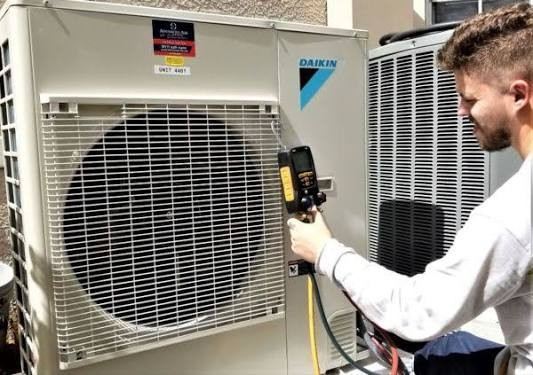
Air conditioning systems are an important part of modern residential, commercial and industrial buildings. They help maintain comfortable indoor temperatures, support ventilation, improve working environments and create suitable conditions for business operations.
However, installing a high-quality air conditioning system is only the beginning. To keep it operating efficiently for many years, property owners must invest in proper maintenance, timely servicing and responsible system operation.
Without regular maintenance, air conditioners can develop problems such as poor cooling, restricted airflow, water leakage, refrigerant faults, unusual noises, increased electricity consumption and unexpected equipment breakdowns.
For businesses, these problems can disrupt operations, affect employee productivity and increase building management costs. For homeowners, neglected air conditioning equipment can lead to uncomfortable indoor conditions and expensive repairs.
Understanding how to maintain air conditioning systems for long-term performance helps property owners protect their investment, improve energy efficiency and reduce the likelihood of premature equipment failure.
At Daltrevco, we understand the importance of reliable building utilities and properly maintained HVAC installations. This guide explains the essential air conditioning maintenance practices, recommended servicing intervals, common maintenance mistakes and professional solutions that help keep cooling systems operating reliably.
Why Is Regular Air Conditioning Maintenance Important?
Air conditioning systems contain several interconnected mechanical, electrical and refrigeration components. These components must work together to remove heat, circulate air and maintain the required indoor temperature.
Over time, dust, dirt, moisture, mechanical wear and electrical problems can affect system performance.
Regular maintenance helps keep equipment in suitable operating condition and allows technicians to identify developing faults before they cause major damage.
The main benefits of air conditioning maintenance include:
- Improved cooling performance.
- Reduced unnecessary electricity consumption.
- Longer equipment service life.
- Better airflow and indoor air quality.
- Fewer unexpected breakdowns.
- Reduced avoidable repair expenses.
- More reliable temperature control.
- Improved operation of mechanical and electrical components.
- Better protection of your HVAC investment.
For residential and commercial property owners in Uganda, preventive maintenance is an important part of responsible building management.
1. Clean or Replace Air Conditioning Filters Regularly
One of the simplest and most important air conditioning maintenance practices is keeping air filters clean.
Air filters capture dust and other airborne particles before they enter or circulate through parts of the system. When filters become clogged, airflow becomes restricted.
Restricted airflow can reduce cooling performance, increase operating strain and, in some systems, contribute to evaporator coil freezing.
Dirty filters may also affect indoor air quality.
How to maintain air conditioning filters:
- Locate the air filters according to the equipment manufacturer’s instructions.
- Inspect their condition regularly.
- Clean reusable filters using the recommended procedure.
- Replace disposable filters when necessary.
- Confirm that replacement filters are compatible with the equipment.
- Reinstall filters correctly before operating the system.
In dusty environments, such as areas near busy roads, construction sites and industrial activities, filters may require more frequent inspection.
For offices, hotels, restaurants and commercial buildings with long operating hours, regular filter inspections should form part of the maintenance programme.
2. Keep Evaporator and Condenser Coils Clean
Evaporator and condenser coils are essential components of a conventional air conditioning system.
The evaporator coil absorbs heat from indoor air, while the condenser coil releases heat to the outdoor environment.
When these coils become covered with dust and dirt, heat transfer becomes less effective. The system may then operate for longer periods to achieve the required indoor temperature.
This can affect cooling performance and energy efficiency.
How to maintain air conditioning coils:
- Inspect coils during scheduled servicing.
- Remove accumulated dirt using appropriate cleaning methods.
- Protect electrical components during cleaning.
- Avoid bending or damaging delicate coil fins.
- Ensure outdoor condenser units have adequate airflow.
- Arrange professional cleaning when dirt accumulation is significant.
Coil cleaning should be performed using suitable products and procedures recommended for the equipment. Harsh chemicals or inappropriate pressure washing can damage components.
Regular coil inspection is particularly important for systems installed in dusty or heavily used commercial environments.
3. Maintain Proper Airflow Around Indoor and Outdoor Units
Airflow is essential for effective air conditioning operation.
Indoor units need an unobstructed air intake and discharge path, while outdoor condenser units require sufficient space for heat rejection.
Blocked airflow can reduce cooling efficiency and place additional strain on equipment.
Common causes of restricted airflow include:
- Dirty air filters.
- Furniture blocking indoor air outlets.
- Curtains covering air intake openings.
- Dust accumulation around equipment.
- Vegetation growing around outdoor units.
- Materials stored too close to condenser units.
- Blocked supply and return air grilles.
- Obstructions within ductwork.
Maintenance recommendations:
Keep indoor air intake and discharge openings clear. Ensure outdoor units have the clearance recommended by the manufacturer.
Remove leaves, rubbish and other obstructions around outdoor equipment.
For ducted and central air conditioning systems, arrange periodic inspections of ductwork, dampers, diffusers and return air openings.
Proper airflow supports efficient cooling and helps maintain consistent indoor temperatures.
4. Inspect and Clean Condensate Drainage Systems
Air conditioners remove moisture from indoor air during the cooling process. The moisture collects as condensate and must drain away through a designated drainage system.
If the drainage pipe becomes blocked, water may accumulate in the drain pan and eventually leak from the indoor unit.
Water leakage can damage ceilings, walls, floors, furniture and nearby electrical installations.
How to maintain condensate drainage:
- Inspect drain pans for dirt and standing water.
- Check that drainage pipes are correctly connected.
- Ensure that water flows freely through the drainage system.
- Clean accessible drainage components using suitable methods.
- Inspect condensate pumps where installed.
- Check for signs of water damage around indoor units.
If water leakage continues, arrange professional inspection to identify the underlying cause.
Correct drainage installation and regular servicing are important for preventing recurring condensate problems.
5. Monitor Refrigerant Circuit Performance
Refrigerant is essential to the cooling process in conventional air conditioning systems.
It circulates through the refrigeration circuit, absorbing heat indoors and releasing it outside.
A system with an incorrect refrigerant charge or a refrigerant leak may experience poor cooling, abnormal operating conditions and increased equipment strain.
Signs of possible refrigerant problems include:
- Reduced cooling performance.
- Ice forming on refrigerant pipes or evaporator coils.
- Unusual system operating conditions.
- Longer cooling cycles.
- Signs of leakage around refrigeration connections.
How to maintain the refrigeration system:
Arrange professional inspection of the refrigeration circuit during servicing and whenever abnormal cooling performance is detected.
Technicians should use appropriate diagnostic equipment to assess operating conditions and investigate suspected leaks.
Refrigerant should not simply be added whenever cooling performance decreases. If a leak is confirmed, it should be identified and repaired before the system is recharged.
Refrigerant handling must be performed by appropriately trained personnel using suitable equipment and safety procedures.
6. Inspect Electrical Connections and Components
Air conditioning systems depend on electrical components to operate compressors, fans, control boards and other equipment.
Loose connections, damaged wiring, faulty capacitors and defective contactors can affect system reliability and create safety risks.
Electrical problems may also cause intermittent operation, unexpected shutdowns or repeated circuit breaker trips.
Important electrical maintenance checks include:
- Inspecting electrical connections.
- Checking wiring insulation.
- Examining contactors and relays.
- Inspecting capacitors where applicable.
- Checking circuit protection devices.
- Inspecting control panels.
- Testing relevant electrical operating conditions.
- Looking for signs of overheating or electrical damage.
These activities should be performed by competent electrical or HVAC professionals.
If an air conditioner repeatedly trips a circuit breaker, produces a burning smell or shows signs of electrical overheating, stop using it and arrange professional inspection.
Never bypass safety devices to keep an air conditioning system operating.
7. Maintain Fans, Motors and Moving Components
Fans and motors are responsible for circulating air and supporting heat transfer within an air conditioning system.
Over time, mechanical components may experience wear, vibration, dirt accumulation or damage.
If fan blades become obstructed or motors develop faults, airflow and cooling performance may decrease.
Maintenance activities may include:
- Inspecting fan blades.
- Checking motor operation.
- Examining bearings and mounting arrangements.
- Checking for unusual vibration.
- Inspecting belt condition where applicable.
- Checking fan alignment.
- Investigating abnormal operating noises.
Proper maintenance helps identify developing mechanical problems before they cause equipment failure.
8. Check Thermostats and Temperature Controls
Thermostats and control systems regulate the operation of air conditioning equipment.
They monitor temperature conditions and communicate with the system to maintain the selected settings.
A faulty thermostat or incorrectly configured control system may cause inconsistent cooling, frequent switching or unnecessary energy consumption.
How to maintain temperature controls:
- Confirm that temperature settings are appropriate.
- Inspect thermostat operation during servicing.
- Check sensor condition and positioning.
- Ensure controls are not exposed to unusual heat sources.
- Verify that the system responds correctly to temperature adjustments.
- Arrange repairs when controls produce inaccurate readings.
For commercial buildings, programmed controls and building management systems should also be inspected according to the manufacturer’s recommendations.
Correct control settings help maintain comfort and avoid unnecessary equipment operation.
9. Keep Outdoor Condenser Units Clean and Protected
Outdoor condenser units are exposed to environmental conditions such as dust, rain, vegetation and airborne debris.
If the surrounding area becomes obstructed, the unit may struggle to release heat effectively.
This can affect system performance and place additional operating strain on the compressor.
Outdoor unit maintenance tips:
- Keep the surrounding area clean.
- Remove leaves and loose debris.
- Trim vegetation that obstructs airflow.
- Maintain manufacturer-recommended clearance.
- Inspect the unit casing for visible damage.
- Check that the equipment is securely mounted.
- Arrange professional coil and fan cleaning.
Outdoor units should not be enclosed in a way that restricts airflow.
Where protective covers or enclosures are installed, they should be designed to accommodate the equipment’s ventilation requirements.
10. Use the Correct Temperature Settings
Operating an air conditioner at extremely low temperature settings does not necessarily make a room cool faster.
It may simply cause the system to operate for longer periods than necessary.
Correct temperature settings help balance occupant comfort and equipment operating requirements.
Good operating practices include:
- Select a comfortable temperature suitable for the building.
- Avoid constantly changing thermostat settings.
- Use programmed schedules where available.
- Switch off cooling in unused areas when appropriate.
- Keep doors and windows closed while cooling is operating.
- Use blinds or curtains to reduce excessive solar heat gain.
For commercial buildings, temperature settings should reflect occupancy, equipment loads, building design and the intended indoor environment.
11. Maintain Proper Building Insulation and Ventilation
The performance of an air conditioning system is influenced by the building in which it is installed.
Poor insulation, air leakage and excessive heat entering the building can increase cooling demand.
When hot air enters continuously, the air conditioner may need to operate for longer periods to maintain the required temperature.
Building maintenance measures include:
- Inspecting doors and windows for air leakage.
- Maintaining suitable roof and ceiling insulation.
- Sealing unnecessary openings.
- Using suitable shading to reduce direct solar heat gain.
- Maintaining appropriate ventilation.
- Ensuring that air distribution systems are correctly configured.
Good building insulation and appropriate ventilation help reduce unnecessary cooling loads and support efficient HVAC operation.
12. Schedule Professional Air Conditioning Servicing
Although property owners can perform simple tasks such as checking filters and keeping outdoor areas clear, professional servicing is necessary for detailed system inspection and maintenance.
Air conditioning systems contain specialised electrical, mechanical and refrigeration components that require technical knowledge and appropriate tools.
Professional servicing may include:
- Inspection of indoor and outdoor units.
- Cleaning of filters and coils.
- Checking condensate drainage.
- Inspecting electrical connections.
- Testing fan and motor operation.
- Checking refrigeration circuit conditions.
- Inspecting thermostats and control systems.
- Assessing airflow and cooling performance.
- Identifying worn or damaged components.
- Preparing maintenance recommendations.
Professional servicing helps detect developing problems and maintain equipment in accordance with manufacturer recommendations.
Recommended Air Conditioning Maintenance Schedule
The frequency of maintenance depends on equipment type, operating hours, environmental conditions, building occupancy and manufacturer instructions.
The following is a general maintenance planning guide.
| Maintenance activity | Suggested frequency |
|---|---|
| Visual inspection of indoor and outdoor units | Monthly |
| Air filter inspection | Monthly or more frequently in dusty environments |
| Filter cleaning or replacement | As required by filter condition and manufacturer instructions |
| Inspection of outdoor unit clearance | Monthly |
| Inspection of condensate drainage | During routine servicing and whenever leakage occurs |
| Professional servicing of residential split systems | Commonly every 3–6 months, depending on usage |
| Commercial HVAC maintenance | Based on a documented programme, often quarterly or more frequently where required |
| Electrical and control system inspection | During scheduled professional maintenance |
| Coil cleaning | According to inspection findings and operating conditions |
| Central HVAC system inspection | According to equipment requirements and manufacturer guidance |
These intervals are planning recommendations, not universal requirements. Manufacturer instructions and the actual condition of the equipment should determine the final maintenance schedule.
Air Conditioning Maintenance in Uganda
In Uganda, air conditioning maintenance requirements may be influenced by dust, humidity, building activities and extended equipment operating hours.
For example, systems installed near busy roads or construction sites may accumulate dust more quickly than equipment in cleaner environments.
Hotels, offices, shopping centres and factories may also operate their air conditioning systems for long periods, increasing the need for structured servicing.
Property owners in Kampala, Wakiso, Entebbe and other locations should therefore develop maintenance programmes that reflect their building environment and equipment usage.
Air Conditioning Maintenance for Different Types of Buildings
Different properties have different cooling and ventilation requirements. Maintenance should be tailored to the type of building and the HVAC equipment installed.
1. Residential Buildings
Homes commonly use split air conditioners and other smaller cooling systems.
Important maintenance activities include filter cleaning, coil inspection, drainage checks, outdoor unit cleaning and thermostat testing.
Regular servicing helps maintain cooling performance and reduce unexpected repair costs.
2. Office Buildings
Offices may contain several split units, cassette air conditioners, ducted systems or central cooling equipment.
Maintenance should cover air filters, air distribution, electrical components, thermostats, condensate drainage and system performance.
A planned programme helps maintain comfortable working conditions and minimise interruptions.
3. Hotels and Hospitality Facilities
Hotels require reliable air conditioning to provide comfortable conditions for guests and staff.
Maintenance may cover guest room units, central HVAC systems, ventilation equipment, kitchen exhaust systems and common-area cooling.
Because hotel operations often continue throughout the day and night, servicing schedules should be planned to minimise disruption.
4. Hospitals and Healthcare Facilities
Healthcare facilities may have specialised ventilation, filtration, temperature and pressure-control requirements.
Maintenance must follow the facility’s design requirements and relevant healthcare standards.
Critical systems should be maintained by appropriately qualified specialists using documented procedures that preserve the required operating conditions.
5. Factories and Manufacturing Facilities
Factories may operate air conditioning and ventilation equipment for extended periods under demanding conditions.
Dust, production heat and airborne contaminants can place additional demands on HVAC systems.
Maintenance may include industrial air handling units, ventilation fans, filtration systems, cooling equipment and associated controls.
6. Shopping Centres and Commercial Complexes
Large commercial properties often use central air conditioning or multiple HVAC systems serving different areas.
Maintenance should cover equipment performance, air distribution, controls, electrical components, filters and ventilation systems.
A documented programme helps facility managers monitor equipment condition and plan maintenance expenditure.
Common Air Conditioning Maintenance Mistakes to Avoid
Even when property owners understand the importance of servicing, incorrect maintenance practices can damage equipment or reduce performance.
Avoid these common mistakes.
1. Ignoring Dirty Air Filters
Dirty filters restrict airflow and can contribute to poor cooling performance.
Inspect them regularly instead of waiting until the system develops a problem.
2. Delaying Professional Servicing
Waiting until an air conditioner breaks down before arranging maintenance can result in avoidable repairs and operational disruptions.
Follow a planned servicing schedule.
3. Adding Refrigerant Without Finding the Cause of Low Charge
Repeatedly adding refrigerant without investigating a suspected leak does not solve the underlying problem.
A qualified technician should identify and repair confirmed leaks before recharging.
4. Blocking Outdoor Units
Placing stored materials, vegetation or other obstructions around condenser units can restrict heat rejection.
Maintain the required clearance around outdoor equipment.
5. Using Incorrect Cleaning Products
Harsh chemicals or unsuitable cleaning methods may damage filters, coils, plastic components and protective coatings.
Use products and procedures appropriate for the equipment.
6. Allowing Unqualified Persons to Repair Electrical Components
Improper electrical repairs can damage equipment and create serious safety hazards.
Electrical and control faults should be handled by competent professionals.
7. Ignoring Unusual Noises and Smells
Unusual operating sounds, burning smells and persistent water leakage are warning signs that require investigation.
Do not continue operating equipment with serious warning signs.
8. Choosing the Wrong Replacement Parts
Incorrect filters, electrical components, sensors or other replacement parts may affect system performance.
Use compatible components that meet the manufacturer’s requirements.
How Regular Maintenance Extends Air Conditioning System Lifespan
Air conditioning systems are designed to provide reliable cooling when installed and operated correctly.
However, poor maintenance can accelerate wear on important components.
Regular servicing helps extend equipment life through several important measures.
Reducing operating strain: Clean filters and coils support proper airflow and heat transfer.
Preventing avoidable damage: Early inspection helps identify drainage, electrical and mechanical problems before they become more serious.
Maintaining correct operation: Proper control settings and system checks help equipment operate within intended conditions.
Reducing unnecessary breakdowns: Preventive servicing helps identify developing faults before they interrupt normal operation.
Protecting major components: Routine inspection can identify warning signs affecting fans, motors, compressors and other important equipment.
Although maintenance cannot eliminate normal wear or guarantee a specific equipment lifespan, it helps protect the system and improve the likelihood of dependable long-term operation.
How Much Does Air Conditioning Maintenance Cost in Uganda?
The cost of air conditioning maintenance in Uganda depends on several factors.
There is no single price that applies to every air conditioning system because servicing requirements vary according to equipment size, type, condition and complexity.
Important cost factors include:
- Type of air conditioning system.
- Cooling capacity of the equipment.
- Number of indoor and outdoor units.
- Condition of filters and coils.
- Accessibility of installed equipment.
- Complexity of the refrigeration circuit.
- Required electrical repairs.
- Drainage system condition.
- Availability of replacement components.
- Whether maintenance is routine or involves major repairs.
For example, maintaining a single residential split air conditioner will generally involve a different scope of work from servicing a large commercial central HVAC installation.
Property owners should request a clear maintenance quotation showing the equipment covered, work included, replacement parts if required and any additional repair charges.
For commercial and industrial properties, a planned maintenance contract may help make servicing expenditure more predictable.
Benefits of Having an Air Conditioning Maintenance Contract
Businesses with several air conditioning units or large HVAC installations can benefit from structured maintenance agreements.
A maintenance contract helps organise servicing activities and provides a documented approach to managing equipment condition.
Depending on the agreement, it may include:
- Scheduled maintenance visits.
- Filter and coil inspections.
- Cleaning of accessible components.
- Electrical and control inspections.
- Condensate drainage checks.
- Cooling performance assessments.
- Identification of developing faults.
- Maintenance reports.
- Repair recommendations.
- Follow-up inspections.
For offices, hotels, hospitals, factories and shopping centres, a maintenance contract can help facility managers coordinate servicing while reducing the risk of neglected equipment.
The service scope, frequency, response times, spare parts and repair costs should be clearly defined before entering an agreement.
How to Choose the Right Air Conditioning Maintenance Company in Uganda
Choosing the right maintenance provider is essential for protecting your HVAC equipment.
Before hiring an air conditioning maintenance company, consider the following factors.
1. Relevant Technical Experience
Choose a provider with experience maintaining the type of air conditioning equipment installed at your property.
The requirements for servicing a split air conditioner differ from those of a central cooling system or industrial HVAC installation.
2. Qualified Technicians
Confirm that technicians have appropriate technical training and experience in the electrical, mechanical and refrigeration work required.
3. Appropriate Tools and Equipment
Professional servicing requires suitable diagnostic tools and equipment for inspection, testing, cleaning and fault identification.
4. Clear Maintenance Procedures
A reliable provider should explain the maintenance activities required and provide a clear schedule for future servicing.
5. Transparent Recommendations
Choose a company that explains identified problems and provides reasonable technical recommendations before carrying out additional repairs.
6. Experience with Commercial and Industrial Systems
If your property has central air conditioning, ducted systems or industrial ventilation, confirm that the company has relevant experience.
7. Maintenance Reports
Professional maintenance should be documented so that property owners can monitor equipment condition and plan future work.
Frequently Asked Questions About Air Conditioning Maintenance
1. How do I maintain an air conditioning system for long-term performance?
Maintain your air conditioning system by cleaning or replacing filters regularly, keeping indoor and outdoor units unobstructed, checking condensate drainage, monitoring system performance and arranging professional servicing according to manufacturer recommendations.
2. How often should an air conditioner be serviced?
The frequency depends on equipment type, usage and operating conditions. Many residential and commercial air conditioners benefit from professional servicing every three to six months, while heavily used systems may require more frequent attention.
3. Does regular air conditioning maintenance reduce electricity consumption?
Yes. Proper maintenance can improve energy efficiency by addressing dirty filters, restricted airflow, dirty coils and other conditions that cause equipment to operate inefficiently. Actual savings depend on system condition and operating practices.
4. What happens if an air conditioner is not maintained?
Poorly maintained air conditioners may develop reduced cooling performance, increased electricity consumption, water leakage, mechanical wear, electrical faults and unexpected breakdowns.
5. How long can an air conditioning system last with proper maintenance?
Equipment lifespan varies according to system quality, installation, usage, environmental conditions and maintenance. Regular servicing helps reduce avoidable wear, but no maintenance programme can guarantee a fixed lifespan.
6. Should I clean my air conditioner filters myself?
Some accessible filters are designed for routine user cleaning. Follow the manufacturer’s instructions and ensure the equipment is safely switched off before accessing them. Internal components should be cleaned by qualified technicians where necessary.
7. Why is my air conditioner consuming too much electricity?
Possible causes include dirty filters, dirty coils, restricted airflow, incorrect temperature settings, poor insulation, control faults and refrigeration circuit problems. A professional inspection can help identify the actual cause.
8. Is professional air conditioning servicing necessary?
Yes. Professional servicing is important for inspecting electrical connections, refrigeration components, motors, controls, drainage systems and overall equipment performance.
9. Can poor maintenance damage an air conditioning compressor?
Yes. Conditions such as restricted airflow, abnormal refrigeration circuit operation and other unresolved system faults may contribute to compressor stress or failure. Proper diagnosis and timely maintenance help reduce avoidable risks.
10. What is included in air conditioning maintenance?
Routine maintenance may include filter cleaning, coil inspection, drainage checks, electrical inspection, fan and motor assessment, thermostat testing and cooling performance checks.
11. Is air conditioning maintenance important for commercial buildings?
Yes. Commercial buildings often contain multiple air conditioning units or complex HVAC installations. Regular servicing helps maintain occupant comfort, equipment reliability and business continuity.
12. What is the difference between air conditioning maintenance and repair?
Maintenance involves planned inspection, cleaning and servicing to keep equipment operating properly. Repair involves diagnosing and correcting an existing fault or replacing a damaged component.
Maintain Your Air Conditioning System with Professional HVAC Support from Daltrevco
Maintaining an air conditioning system properly is essential for achieving reliable cooling, reducing unnecessary operating costs and protecting your investment over the long term.
From cleaning filters and inspecting coils to maintaining condensate drainage, checking electrical components and monitoring refrigeration circuit performance, every maintenance activity contributes to the overall condition of the system.
Whether you own a home, manage an office, operate a hotel or oversee a factory, a planned maintenance programme can help prevent avoidable equipment problems and maintain comfortable indoor conditions.
Daltrevco supports residential, commercial and industrial building projects with technical building solutions. If you are planning air conditioning installation, HVAC maintenance or building utilities improvements, contact Daltrevco to discuss your project requirements and identify an appropriate technical solution.
Do not wait until your air conditioning system breaks down. Invest in regular maintenance to support dependable performance, improved efficiency and long-term equipment reliability.

