
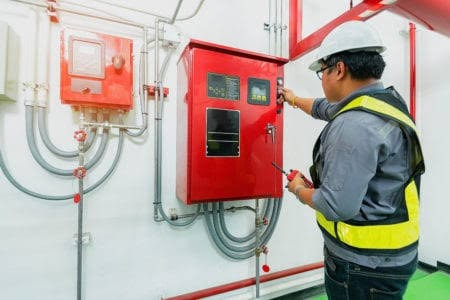
Security alarm systems play an important role in protecting homes, offices, shops, warehouses, factories, schools and other commercial properties. They help detect suspicious activity, alert occupants to potential security threats and notify designated individuals when an intrusion or other monitored event occurs.
However, installing an alarm system is not enough to guarantee reliable protection. Alarm sensors can become faulty, backup batteries can deteriorate, control panels may develop communication problems and detection devices can become less effective because of dust, environmental conditions or incorrect positioning.
Without regular inspection and maintenance, an alarm system may fail to detect certain events, produce repeated false alarms or stop communicating with its monitoring equipment.
Alarm system maintenance in Uganda is therefore essential for property owners who depend on burglar alarms and intruder detection systems to protect people, buildings, equipment and valuable assets.
At Daltrevco, we recognise the importance of dependable electronic security solutions. This guide explains why alarm system maintenance matters, which components require inspection, common problems to watch for and how to establish a suitable maintenance programme for residential and commercial properties.
What Is Alarm System Maintenance?
Alarm system maintenance is the process of inspecting, testing, cleaning, servicing and repairing the equipment used to detect and report security events.
A typical intruder alarm system consists of several interconnected components that work together to detect unauthorised activity and activate an alert.
Depending on the installation, these components may include:
- Alarm control panels.
- Motion detectors and passive infrared sensors.
- Door and window magnetic contacts.
- Glass break detectors.
- Outdoor perimeter sensors.
- Sirens and sounders.
- Keypads and remote controls.
- Backup batteries and power supplies.
- Communication modules.
- Monitoring and notification software.
Maintenance involves checking that these components remain in good working condition and that the alarm system responds correctly to the events it is designed to detect.
It may also include reviewing alarm settings, checking user permissions, inspecting communication links and confirming that backup power arrangements are suitable.
The maintenance requirements depend on the alarm technology, equipment specifications, property layout and security risks.
Why Is Regular Alarm System Maintenance Important?
An alarm system is only useful when its detection devices, control equipment and communication functions operate as intended.
Regular inspection helps identify faults that might otherwise remain unnoticed until the system is needed.
1. Maintains Reliable Intrusion Detection
Alarm sensors are designed to detect specific events, such as movement within a protected room, the opening of a secured door or the breaking of glass.
Dust, physical damage, incorrect positioning and configuration problems can affect detection performance.
Routine testing helps confirm that sensors respond appropriately to the events they are intended to monitor.
2. Reduces False Alarms
Repeated false alarms can inconvenience occupants, disrupt business operations and reduce confidence in the security system.
False alarms may be caused by poorly positioned motion detectors, loose door contacts, environmental interference, damaged sensors or incorrect settings.
Regular inspection helps identify these problems and improve system reliability.
3. Helps Prevent Unexpected System Failures
An alarm system may develop problems gradually.
For example, a deteriorating backup battery may continue operating normally under everyday conditions but fail to provide sufficient power during an electricity interruption.
Periodic maintenance helps identify these developing faults before they cause complete system failure.
4. Protects Homes and Commercial Assets
Residential and commercial properties have different security requirements.
Homes may need protection for entrances, windows, garages and outdoor areas. Commercial buildings may require additional monitoring for warehouses, offices, server rooms, storage facilities and restricted departments.
Regular inspection helps ensure that the installed detection devices remain appropriate for the property’s security requirements.
5. Supports Business Continuity
Alarm system failure can create operational problems for businesses that depend on security alerts to protect equipment, stock and restricted areas.
A malfunctioning system may leave a warehouse, shop or office without the intended level of intrusion detection.
Preventive maintenance helps reduce avoidable interruptions and supports more consistent security operations.
6. Extends Equipment Lifespan
Alarm control panels, sensors, sirens and power supplies can deteriorate through age, environmental exposure and repeated operation.
Cleaning, inspection and timely replacement of damaged components can help maintain equipment in suitable operating condition.
7. Maintains Reliable Alarm Communication
Modern alarm systems may send notifications through telephone lines, cellular networks, internet connections or dedicated monitoring communication channels.
If communication fails, the system may still detect an intrusion locally but fail to send the intended remote notification.
Maintenance helps identify communication faults and confirm that the configured alert pathways are working.
Main Alarm System Components That Require Regular Inspection
A complete alarm inspection should cover the main components of the installation rather than focusing only on the control panel.
1. Alarm Control Panel
The control panel is the central unit that receives signals from connected sensors and manages the alarm system’s operation.
Depending on the model, it may also manage user codes, communication settings, zones, notifications and event records.
Inspection should include:
- Checking the panel’s physical condition.
- Reviewing warning indicators and fault messages.
- Confirming that connected zones are recognised.
- Checking power supply connections.
- Reviewing system time and configuration.
- Checking communication status.
- Confirming that authorised users can operate the system.
The control panel should be inspected according to manufacturer instructions. Internal electrical work should be performed by appropriately qualified personnel.
2. Motion Detectors
Motion detectors identify movement within monitored areas. Passive infrared (PIR) detectors are widely used in residential and commercial intruder alarm installations.
They are commonly installed in corridors, reception areas, offices, storage rooms and other spaces.
Maintenance should include:
- Cleaning the detector exterior.
- Checking for physical damage.
- Confirming that the device remains securely mounted.
- Checking that its field of view is not obstructed.
- Inspecting for environmental factors that may cause false alarms.
- Testing detection using the manufacturer’s approved procedure.
Furniture, partitions, curtains and other changes to a room may affect the detector’s coverage.
3. Door and Window Magnetic Contacts
Magnetic contacts detect whether a protected door or window has been opened.
They usually consist of two parts positioned close together when the door or window is closed.
Maintenance should involve:
- Checking the alignment of the two components.
- Inspecting mounting points.
- Checking for damaged cables.
- Confirming that opening the protected door triggers the intended system response.
- Reviewing zone status on the alarm control panel.
Loose or misaligned contacts may cause false alarms or prevent the system from detecting an opening correctly.
4. Glass Break Detectors
Glass break detectors are designed to identify sounds or other signals associated with glass breaking, depending on the technology used.
They may be installed in offices, shops, reception areas and properties with large glass windows or doors.
Inspection should include:
- Checking the detector’s mounting position.
- Cleaning the external surface.
- Inspecting for physical damage.
- Confirming that the device remains within its intended coverage area.
- Testing it using an approved manufacturer procedure.
A glass break detector should not be assumed to protect every window in a building. Coverage depends on the detector model, installation position, room layout and manufacturer’s specifications.
5. Outdoor Perimeter Sensors
Outdoor detection devices can help monitor property boundaries, access routes, yards and other exposed areas.
They may include outdoor motion detectors, beam sensors and other perimeter intrusion detection technologies.
Maintenance should include:
- Checking protective housings.
- Inspecting mounting arrangements.
- Removing vegetation or objects that obstruct detection.
- Checking for water or moisture ingress.
- Inspecting visible wiring.
- Testing detection and alert functions.
- Reviewing environmental conditions that may cause unwanted activations.
Outdoor sensors require particular attention because rainfall, vegetation, insects, dust and changing environmental conditions can affect performance.
6. Alarm Sirens and Sounders
Sirens provide audible warnings when an alarm event occurs.
They may be installed indoors, outdoors or in both locations.
Inspection should confirm:
- The siren is securely mounted.
- The housing is undamaged.
- Power and wiring connections are in suitable condition.
- The sounder activates during an approved functional test.
- The configured sound duration and operation are appropriate.
Testing should be planned to avoid unnecessary disruption to neighbours, employees and building occupants.
7. Backup Batteries and Power Supplies
Alarm systems require a dependable power supply to operate correctly.
Many installations include backup batteries that help keep the alarm operational during a mains electricity interruption.
Maintenance should include:
- Checking power supply indicators.
- Inspecting battery condition.
- Reviewing battery warning messages.
- Checking connections for visible damage.
- Testing backup operation according to manufacturer instructions.
- Replacing batteries when they reach the end of their service life.
Battery performance depends on age, temperature, equipment load and charging conditions.
A backup battery should not be assumed to provide a fixed operating period without checking the system’s actual requirements and battery condition.
8. Keypads and Remote Controls
Keypads and remote controls allow authorised users to arm, disarm and manage alarm functions.
Maintenance should include:
- Checking keypad responsiveness.
- Inspecting buttons and display screens.
- Testing authorised user codes.
- Checking remote control batteries.
- Reviewing user access permissions.
- Replacing damaged devices where necessary.
Lost or stolen remote controls should be deactivated or removed from the system according to the manufacturer’s procedure.
9. Communication Modules
Communication equipment allows an alarm system to send notifications or connect to a monitoring service.
Depending on the installation, this may use cellular communication, internet connectivity, telephone lines or another supported channel.
Maintenance should verify:
- Communication signal or connection status.
- Correct configuration of notification destinations.
- Operation of the configured communication pathway.
- Relevant fault indicators.
- Compatibility with the monitoring platform.
A system that produces a local siren but cannot send remote alerts may not be providing the full level of service expected by the property owner.
Alarm System Inspection Checklist for Homes and Commercial Buildings
A structured inspection helps property owners and maintenance personnel check important components consistently.
| Component | Inspection activity | What to look for |
|---|---|---|
| Alarm control panel | Check indicators and fault messages | Warning lights, communication errors and zone faults |
| Motion detectors | Inspect and test detection | Obstructions, physical damage and inconsistent operation |
| Door contacts | Check alignment and response | Loose magnets, damaged cables and false alerts |
| Glass break detectors | Inspect and test | Damage, incorrect positioning and detection problems |
| Outdoor sensors | Check housing and coverage | Moisture, vegetation, dirt and obstructions |
| Sirens | Conduct an approved functional test | Failure to activate or unusual sound |
| Backup batteries | Inspect condition and test according to instructions | Low-battery warnings and poor backup performance |
| Keypads | Test buttons and user access | Unresponsive keys and display problems |
| Communication modules | Check connection and notification pathways | Failed transmissions and network errors |
| Software and logs | Review configuration and event records | Incorrect settings and repeated faults |
The inspection should be documented, with any faults assigned for corrective action.
Common Alarm System Problems and How to Resolve Them
Even properly installed alarm systems can develop technical faults. Recognising common symptoms can help property owners arrange the correct response.
1. Alarm System Fails to Arm
A system may refuse to arm when a user enters the correct code or attempts to activate the alarm.
Possible causes:
- A door or window remains open.
- A sensor is reporting a fault.
- A zone has been configured incorrectly.
- The keypad has a communication problem.
- User permissions are incorrect.
- The control panel has a system fault.
How to resolve it:
Check the keypad display or control application for messages identifying the affected zone.
Confirm that protected doors and windows are properly closed. If the system continues to reject arming commands, review the relevant sensor and control panel status.
Do not bypass a faulty zone permanently simply to arm the system. Arrange an inspection to identify the underlying problem.
2. Alarm System Produces Frequent False Alarms
False alarms occur when a system activates without the intended security event.
Possible causes:
- Incorrect motion detector positioning.
- Loose door or window contacts.
- Environmental interference.
- Insects or dust inside detector housings.
- Damaged sensors.
- Incorrect sensitivity settings.
- Unstable power supply.
How to resolve it:
Review the event history to identify which sensor or zone repeatedly triggers the alarm.
Inspect the affected detector, its surroundings and mounting position. Check whether recent changes to furniture, partitions or building use may have affected detection.
A qualified technician should investigate repeated activations and adjust or replace faulty equipment where necessary.
3. Alarm System Does Not Detect Movement
A motion detector may fail to respond when someone moves through a protected area.
Possible causes:
- Sensor malfunction.
- Obstructed field of view.
- Incorrect detector positioning.
- Power supply problems.
- Faulty zone wiring.
- Incorrect system configuration.
How to resolve it:
Inspect the detector and confirm that its field of view is not obstructed.
Check its status on the control panel and arrange a functional test following manufacturer instructions.
If the detector remains unresponsive, have its wiring, power and configuration examined.
4. Alarm System Siren Does Not Sound
A system may register an alarm event without activating the expected siren.
Possible causes:
- Damaged siren.
- Disconnected wiring.
- Power supply problems.
- Incorrect sounder configuration.
- Faulty control panel output.
How to resolve it:
Check the system’s event history and fault indicators.
Arrange an approved sounder test and inspect the siren connections. If the control panel registers the alarm but the sounder remains inactive, the output circuit or siren may require servicing.
5. Alarm System Battery Keeps Running Low
A low-battery warning may indicate that the backup battery is deteriorating or is not charging correctly.
Possible causes:
- Battery ageing.
- Incorrect battery specifications.
- Charging circuit fault.
- Loose battery connections.
- Excessive equipment load.
- Prolonged power interruption.
How to resolve it:
Check the battery warning and inspect the manufacturer’s recommended battery specifications.
A qualified technician should test the battery and charging arrangement before replacement.
Using an incompatible battery can cause further problems or affect system performance.
6. Alarm System Does Not Send Notifications
An alarm may activate locally without sending a notification to the property owner or monitoring service.
Possible causes:
- Internet connection failure.
- Cellular signal problems.
- Incorrect notification settings.
- Communication module fault.
- Incorrect contact details.
- Monitoring account or service interruption.
How to resolve it:
Check the communication status and verify that the notification details are correct.
Test the configured alert pathway using the system’s approved procedure. If remote alerts remain unavailable, investigate the communication module and relevant network connection.
7. Motion Sensors Trigger During Bad Weather
Outdoor alarm sensors may activate unexpectedly during rainfall, strong wind or changing environmental conditions.
Possible causes:
- Moving vegetation.
- Poor sensor positioning.
- Water entering the housing.
- Environmental interference.
- Incorrect sensitivity settings.
- Equipment unsuitable for the installation location.
How to resolve it:
Inspect the outdoor sensor and remove vegetation or objects interfering with its coverage.
Check protective housings and mounting arrangements. If the problem continues, review the device’s environmental suitability and configuration.
8. Alarm Keypad Is Unresponsive
A keypad may stop accepting commands or display incorrect information.
Possible causes:
- Power interruption.
- Damaged keypad.
- Communication failure.
- Faulty wiring.
- Control panel problem.
How to resolve it:
Check the system’s power indicators and visible keypad condition.
If other system components remain operational, the fault may be isolated to the keypad or its connection.
Avoid repeatedly entering incorrect codes, as some systems have lockout settings.
9. Alarm System Displays a Zone Fault
A zone fault means the system has identified an abnormal condition in a monitored area or connected device.
Possible causes:
- Open door or window.
- Damaged sensor.
- Loose wiring.
- Faulty magnetic contact.
- Incorrect zone configuration.
How to resolve it:
Identify the affected zone using the control panel or system software.
Inspect the associated door, window or detector and confirm that it is in the expected condition.
If the zone remains faulty, arrange technical inspection rather than disabling it without understanding the security implications.
10. Alarm System Stops Working After Electricity Is Restored
Some systems may not return to normal operation immediately after a power interruption.
Possible causes:
- Discharged backup battery.
- Power supply damage.
- Controller restart problem.
- Electrical surge damage.
- Loose connections.
How to resolve it:
Check the control panel’s power and battery indicators.
Review fault messages and arrange an inspection if the system does not return to normal operation.
Where power instability is common, consider suitable power protection and backup arrangements.
Recommended Alarm System Maintenance Schedule
The ideal maintenance frequency depends on the manufacturer’s instructions, system complexity, property risk and operating environment.
The following schedule provides a practical starting point.
| Frequency | Recommended maintenance activities |
|---|---|
| Daily or during routine operations | Observe fault indicators and report unusual alarm behaviour |
| Monthly | Check visible sensor condition, review system warnings and inspect keypad operation |
| Quarterly | Test selected detection devices, inspect door contacts and review recurring alarm events |
| Every six months | Review backup batteries, communication pathways, sirens and system configuration |
| Annually | Conduct a comprehensive system inspection, review equipment condition and assess whether upgrades are needed |
For commercial properties with large installations, critical security requirements or outdoor detection equipment, more frequent inspections may be appropriate.
The schedule should be adjusted to match manufacturer recommendations and any applicable requirements for the specific type of alarm system.
Alarm System Maintenance for Residential Properties
Residential alarm systems protect homes, families, personal belongings and important household assets.
A home security installation may include door and window contacts, motion detectors, outdoor sensors, sirens and remote notifications.
Important residential maintenance activities include:
Inspect Doors and Window Sensors
Check that magnetic contacts remain properly aligned and that protected doors and windows are detected when opened.
Test Motion Detectors
Confirm that motion detectors remain securely mounted and that furniture or household changes have not obstructed their coverage.
Check Remote Controls and Keypads
Test authorised access devices and replace batteries where required.
Review Household User Permissions
Remove outdated access codes and deactivate lost remote controls.
Check Backup Power
Confirm that the alarm’s backup battery is in suitable condition and that the system provides the intended operation during power interruptions.
Review Notification Settings
Ensure that the correct people receive alerts and that notification destinations remain active.
A well-maintained residential alarm system can support more dependable home security and reduce the likelihood of unnoticed equipment faults.
Alarm System Maintenance for Commercial Buildings
Commercial properties often require more extensive alarm installations because they contain multiple rooms, departments, entrances, storage facilities and restricted areas.
Businesses may use alarm systems to protect:
- Office entrances and reception areas.
- Warehouses and storage rooms.
- Retail shops and cash-handling areas.
- Factories and production facilities.
- Server rooms and equipment rooms.
- Staff-only areas.
- External building perimeters.
Commercial alarm maintenance should consider the number of detection zones, system configuration, access permissions, monitoring arrangements and operational requirements.
Inspect All Protected Zones
A large building may have multiple zones, each assigned to a different area. Inspect every relevant zone to confirm that sensors remain operational.
Review Staff Access Codes
Remove codes belonging to former employees and update permissions when staff responsibilities change.
Test Communication and Monitoring
Where an alarm system is connected to a monitoring service, verify the communication pathway using an agreed test procedure.
Inspect Outdoor Detection Equipment
Warehouses, factories and large commercial properties may rely on perimeter sensors. Check their condition, coverage and environmental protection.
Document Maintenance Activities
Keep records of faults, inspections, repairs, battery replacements and configuration changes.
Plan Maintenance Around Business Operations
Schedule testing to minimise disruption to staff, customers, tenants and building activities.
Important Environmental Considerations for Alarm Systems in Uganda
Alarm systems installed in Uganda may operate in different environmental and electrical conditions. These factors should be considered when choosing equipment and planning maintenance.
1. Dust and Construction Activity
Dust can accumulate on motion detectors, outdoor sensors, control panels and other exposed equipment.
Buildings near construction sites, busy roads and industrial areas may require more frequent cleaning and inspection.
2. Rainfall and Moisture
Outdoor alarm sensors and sirens may be exposed to rain and moisture.
Inspect protective housings, cable entry points and mounting arrangements. Equipment should have suitable environmental protection for its installation location.
3. Electricity Interruptions
Power interruptions can affect alarm control panels, sensors, communication devices and sirens.
Suitable backup batteries and power protection can help maintain essential functions, provided they are correctly specified and maintained.
4. High Temperatures
Some alarm components may be affected by excessive heat or direct sunlight.
Check the manufacturer’s operating-temperature limits and install equipment in appropriate locations.
5. Large Commercial and Industrial Premises
Factories, warehouses and other large properties may require multiple detection zones and outdoor sensors.
Maintenance should account for the building layout, operating hours, equipment exposure and the consequences of a security system failure.
Alarm System Inspection vs Alarm System Maintenance: What Is the Difference?
Although inspection and maintenance are closely related, they serve slightly different purposes.
Alarm system inspection involves examining and testing equipment to establish whether it is in suitable operating condition.
Alarm system maintenance includes the wider work required to preserve or restore system performance, such as cleaning, adjustment, servicing, configuration checks and component replacement.
| Alarm system inspection | Alarm system maintenance |
|---|---|
| Identifies visible damage | Addresses identified damage |
| Checks sensor operation | Cleans, adjusts or replaces faulty sensors |
| Reviews fault indicators | Investigates and corrects system faults |
| Checks battery condition | Replaces unsuitable or deteriorated batteries |
| Tests communication pathways | Repairs or restores communication functions |
| Reviews alarm event history | Adjusts settings or addresses recurring faults |
Both activities are important. Inspection identifies problems, while maintenance helps correct them and reduce the likelihood of future failures.
When Should You Call a Professional Alarm System Technician?
Some basic checks can be performed by trained property personnel, but technical faults should be investigated by appropriately qualified professionals.
Arrange professional assistance when:
- The alarm system repeatedly fails to arm.
- Motion detectors do not respond during testing.
- The siren fails to activate.
- Backup batteries repeatedly show low-charge warnings.
- The system generates frequent unexplained false alarms.
- Multiple detection zones show faults.
- Remote notifications stop working.
- The control panel displays persistent technical warnings.
- Outdoor sensors are damaged or exposed to moisture.
- The alarm system requires rewiring, reconfiguration or component replacement.
Faults involving electrical connections, control panels, communication modules and monitored systems should be handled by personnel familiar with the equipment.
Where an alarm system is connected to a monitoring service, inform the provider before planned testing to avoid unnecessary response procedures.
How Much Does Alarm System Maintenance Cost in Uganda?
The cost of alarm system inspection and maintenance in Uganda depends on the size, technology and condition of the installation.
A residential alarm system with a few sensors has different maintenance requirements from a large commercial installation covering multiple buildings and perimeter areas.
The main cost factors include:
1. Number of Sensors and Detection Zones
A system with many motion detectors, door contacts, glass break detectors and outdoor sensors may require more inspection time.
2. Type of Alarm Technology
Wired, wireless and hybrid alarm systems have different servicing requirements.
Wireless systems may require additional attention to batteries and communication conditions, while wired installations require inspection of cabling and electrical connections.
3. Condition of Existing Equipment
An installation requiring routine inspection may need less work than one with damaged sensors, faulty control panels or repeated communication failures.
4. Backup Battery Requirements
Battery testing and replacement can contribute to maintenance costs, depending on the number and type of batteries installed.
5. Communication and Monitoring Equipment
Systems with cellular modules, internet communication or external monitoring arrangements may require additional testing and configuration checks.
6. Property Size and Layout
Large homes, commercial buildings, factories and warehouses may require more extensive inspection because of the number of protected areas and detection devices.
7. Replacement Components
The cost of repairs depends on the availability and compatibility of replacement sensors, control panels, sirens and other equipment.
For an accurate estimate, arrange an assessment of the existing installation. This helps establish the condition of the equipment and identify the actual maintenance work required.
How to Choose an Alarm System Maintenance Company in Uganda
Choosing an appropriate maintenance provider is important for keeping a security alarm system dependable.
Before engaging a company, consider these factors.
Relevant Technical Knowledge
Choose a provider familiar with the type of alarm system installed at your property.
Experience with Different Alarm Technologies
The provider should understand wired, wireless and hybrid systems, including motion detectors, door contacts, glass break sensors and control panels.
Proper Fault Diagnosis
A reliable maintenance process should identify the cause of recurring faults rather than repeatedly resetting the system or replacing components without investigation.
Suitable Replacement Parts
Replacement components should be compatible with the installed alarm equipment.
Clear Maintenance Reports
Request documentation showing which devices were inspected, which tests were performed, faults identified and any recommended corrective work.
Understanding of Communication and Monitoring
If the alarm is connected to a remote monitoring service, the maintenance provider should understand how the communication arrangements work and how testing should be coordinated.
Safety and Privacy Awareness
Maintenance should preserve the intended operation of the system and protect information such as user codes, access records and alarm event history.
How Daltrevco Can Help with Building Security Solutions
Reliable alarm systems are an important part of protecting residential and commercial properties. Whether a building uses motion detectors, door and window contacts, glass break sensors, outdoor perimeter detection or an integrated burglar alarm system, the equipment must be correctly selected, configured and maintained.
Daltrevco provides a point of contact for property owners and businesses exploring building security and electronic protection solutions.
If your home, office, warehouse, factory or commercial property requires alarm system assessment or improved security arrangements, contact Daltrevco to discuss your requirements and identify suitable options.
When reviewing an existing alarm installation, consider the number of protected areas, type of detection equipment, backup power arrangements, communication methods and the security risks associated with the property.
A properly assessed and maintained alarm system can support more dependable intrusion detection and help property owners manage security more effectively.
Frequently Asked Questions About Alarm System Maintenance and Inspection
1. What is alarm system maintenance?
Alarm system maintenance involves inspecting, testing, cleaning and servicing the equipment used to detect and report security events. It helps keep sensors, control panels, sirens, power supplies and communication devices functioning correctly.
2. Why is alarm system inspection important?
Inspection helps identify damaged sensors, low batteries, communication failures and other faults that may affect alarm performance. It allows property owners to address problems before they cause more serious disruption.
3. How often should a burglar alarm system be serviced?
The ideal frequency depends on the manufacturer’s instructions, system complexity and operating conditions. Many properties benefit from routine monthly checks and more comprehensive periodic inspections.
4. What components should be checked during alarm maintenance?
Important components include the alarm control panel, motion detectors, door and window contacts, glass break sensors, sirens, backup batteries, keypads and communication modules.
5. What causes frequent false alarms?
False alarms may result from faulty sensors, incorrect detector positioning, environmental interference, loose door contacts, dust, insects or unsuitable sensitivity settings.
6. Why does my alarm system keep showing a low-battery warning?
The backup battery may have deteriorated, become discharged or developed a charging problem. The battery and charging circuit should be inspected before replacement.
7. Can an alarm system work during a power outage?
Many systems have backup batteries that allow them to continue operating for a limited period without mains electricity. The actual operating time depends on battery condition and system load.
8. Why is my motion detector not detecting movement?
Possible causes include an obstructed detection area, incorrect positioning, damaged sensors, power problems or configuration faults.
9. How do I prevent false alarms from outdoor sensors?
Ensure that sensors are suitable for outdoor use, correctly positioned and protected from environmental interference. Remove vegetation or objects that obstruct their detection areas.
10. What is the difference between wired and wireless alarm maintenance?
Wired systems require inspection of cables, connections and power arrangements. Wireless systems require additional attention to batteries, signal strength and communication reliability.
11. Should alarm system batteries be replaced regularly?
Yes, where applicable. Batteries should be inspected and replaced according to manufacturer guidance, battery condition and system warnings.
12. Can an alarm system send notifications to a mobile phone?
Some systems support mobile notifications through internet or cellular communication. Availability depends on the alarm model, communication module, application and configuration.
13. Why does my alarm system fail to send notifications?
Possible causes include internet interruptions, cellular signal problems, incorrect notification settings, communication module faults or service interruptions.
14. What should be included in an alarm system inspection report?
A report should identify the equipment inspected, tests conducted, faults discovered, repairs completed, battery condition and recommendations for further maintenance.
15. Are home and commercial alarm maintenance requirements different?
Yes. Commercial systems often cover more areas, include more sensors and require additional attention to zone configuration, staff access, communication and operational continuity.
16. Can an alarm system be connected to CCTV?
Yes. Compatible systems can be integrated so that alarm events trigger related camera views, recordings or notifications. The available functions depend on the equipment and software.
17. What is preventive alarm system maintenance?
Preventive maintenance involves scheduled inspections, cleaning, testing and servicing intended to identify developing faults and reduce avoidable system failures.
18. What should I do if my alarm siren does not work?
Check the system’s fault indicators and arrange an approved sounder test. If the siren fails to activate, have its power supply, wiring and control panel output inspected.
19. Can an old alarm system be upgraded?
Yes, depending on the condition and compatibility of the existing equipment. Some installations can be upgraded by replacing selected sensors, control panels or communication modules.
20. Where can I get alarm system maintenance in Uganda?
Property owners and businesses can contact Daltrevco to discuss their security system requirements and explore suitable alarm and electronic security solutions.
Conclusion
Alarm systems are important for protecting homes, offices, warehouses, factories and other commercial properties. However, their reliability depends on the condition of their sensors, control panels, sirens, backup batteries and communication equipment.
Regular alarm system maintenance and inspection help identify faults, reduce false alarms, maintain detection performance and support more dependable security operations.
For property owners in Uganda, a structured maintenance programme is particularly valuable where alarm equipment is exposed to dust, rainfall, power interruptions and frequent daily use.
Whether you manage a residential property or a large commercial facility, ensuring that your alarm system is inspected and maintained is an important part of protecting people, buildings and valuable assets.
Contact Daltrevco to discuss suitable building security solutions for your property.

