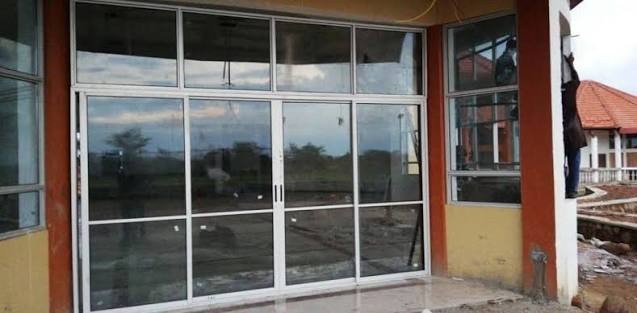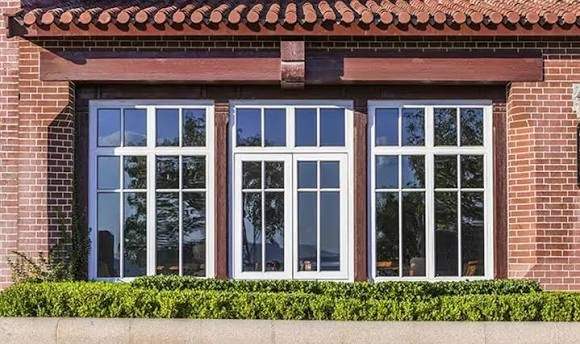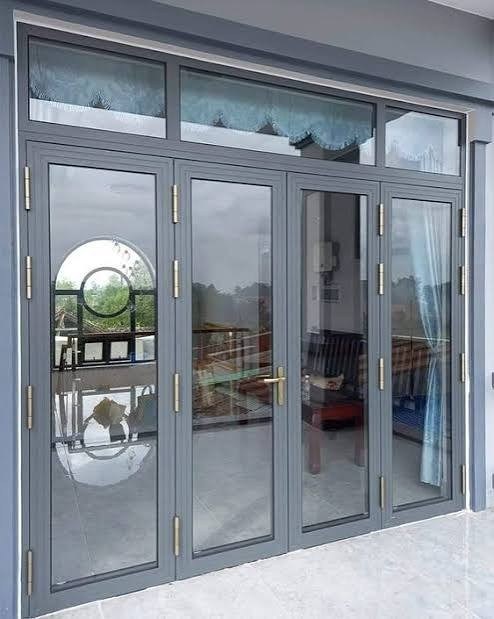
Aluminium doors have become an increasingly popular choice for modern homes, offices, hotels, shopping centres and commercial buildings across Uganda. Their attractive appearance, durability, low maintenance requirements and design flexibility make them suitable for different architectural styles and construction projects.
However, installing aluminium doors requires more than simply fitting a frame into a building opening. The quality of the aluminium profiles, glass, locking systems, hinges, rollers and installation workmanship all contribute to the performance and durability of the finished door.
Whether you are constructing a new home, renovating an existing property or developing a commercial building, understanding the aluminium door installation process can help you achieve better results and avoid unnecessary expenses.
Aluminium door installation in Uganda involves several important stages, including site inspection, accurate measurements, material selection, fabrication, frame preparation, fixing, glazing, sealing and final inspection.
In this comprehensive guide, we explain the steps involved in installing aluminium doors, the materials required, different door designs, installation best practices, common mistakes and important factors to consider before hiring an aluminium door installation company.
1. What Is Aluminium Door Installation?
Aluminium door installation is the process of fitting manufactured aluminium door frames, panels, glass and associated hardware into designated openings within a building.
The process involves technical measurements, material selection, fabrication, assembly and professional fixing to ensure that the door operates correctly and meets the intended design requirements.
Aluminium doors are commonly installed in:
- Residential houses and apartments.
- Commercial office buildings.
- Hotels and lodges.
- Shopping centres and retail shops.
- Restaurants and entertainment facilities.
- Schools and educational institutions.
- Hospitals and healthcare facilities.
- Industrial and warehouse offices.
- Apartment balconies and outdoor spaces.
Depending on the project, aluminium doors can be designed with glass panels, solid infill sections or combinations of different materials.
2. Types of Aluminium Doors Available in Uganda
Before beginning an installation project, it is important to understand the different aluminium door designs available.
Each type has unique operating mechanisms, installation requirements and applications.
2.1 Aluminium Sliding Doors
Aluminium sliding doors are among the most popular choices for modern residential and commercial buildings.
They operate horizontally along tracks, allowing the door panels to slide past one another.
Benefits of aluminium sliding doors:
- Save interior and exterior space.
- Provide convenient access to balconies and outdoor areas.
- Allow large glass panels and natural lighting.
- Offer a contemporary architectural appearance.
- Are available in different sizes and configurations.
They are commonly installed in living rooms, balconies, patios, hotels and commercial buildings.
2.2 Aluminium Hinged Doors
Aluminium hinged doors operate using hinges attached to one side of the frame.
They can open inward or outward depending on the building design and available space.
Common applications include:
- Main house entrances.
- Bedroom doors.
- Office entrances.
- Commercial access doors.
- Service entrances.
They can be manufactured with clear, tinted, frosted or other suitable glazing options.
2.3 Aluminium French Doors
Aluminium French doors consist of two door leaves that typically open from the centre.
They are suitable for residential homes, hotels and commercial buildings where a wide entrance and attractive architectural appearance are desired.
They are commonly used for:
- Garden entrances.
- Patio access.
- Living room openings.
- Balcony entrances.
- Hotel and restaurant spaces.
2.4 Aluminium Folding Doors
Aluminium folding doors consist of multiple interconnected panels that fold together when opened.
They are ideal for large openings where property owners want to create a wide connection between indoor and outdoor spaces.
Common applications include:
- Modern residential homes.
- Hotels and lodges.
- Restaurants.
- Conference facilities.
- Commercial entertainment spaces.
Because folding doors have several moving components, correct installation and adjustment of tracks, hinges and rollers are particularly important.
2.5 Aluminium Glass Entrance Doors
Aluminium glass entrance doors combine aluminium frames with glass panels to create attractive and functional entrances.
They are widely used in:
- Office buildings.
- Banks.
- Shopping centres.
- Hotels.
- Retail outlets.
- Reception areas.
Depending on the building’s requirements, these doors can incorporate reinforced profiles, safety glazing, quality locks and access-control systems.
3. Materials Required for Aluminium Door Installation
Successful aluminium door installation depends on selecting compatible, high-quality materials.
The exact materials required vary according to the door design, dimensions and installation conditions.
3.1 Aluminium Profiles
Aluminium profiles form the main frame and structural sections of the door.
They are available in different dimensions, configurations and finishes.
When selecting aluminium profiles, consider:
- Profile dimensions and wall thickness.
- Suitability for the door size.
- Structural strength.
- Compatibility with the selected glass.
- Resistance to environmental exposure.
- Availability of matching accessories.
Larger doors and commercial entrances may require heavier-duty profiles designed to support greater loads.
3.2 Glass Panels
Glass is commonly used in aluminium sliding doors, French doors, entrance doors and folding doors.
Common glass options include:
Clear glass: Allows natural light and visibility, making it suitable for many residential and commercial applications.
Tinted glass: Helps reduce glare and can provide additional privacy depending on its specification.
Toughened glass: Heat-treated to improve strength compared with ordinary annealed glass. When broken, it generally fragments into smaller pieces.
Laminated glass: Consists of multiple glass layers bonded with an interlayer that helps hold broken fragments together.
Frosted glass: Provides privacy while allowing natural light into the room.
The selected glass should meet applicable safety requirements and be suitable for the door’s dimensions and intended application.
3.3 Door Hinges
Hinges support the movement of aluminium hinged doors.
They should be selected according to the door’s weight, size, design and frequency of use.
Quality hinges help maintain smooth operation and reduce unnecessary stress on the frame.
3.4 Sliding Door Tracks and Rollers
Sliding and folding aluminium doors require suitable tracks and rollers.
These components support the door panels and allow them to move smoothly.
Choose accessories compatible with the selected door system and expected operating loads.
3.5 Locks and Handles
Locks and handles are essential for convenient operation and security.
Common accessories include:
- Multi-point locking systems.
- Deadbolt locks.
- Cylinder locks.
- Sliding door locks.
- Door handles.
- Security strike plates.
- Electronic access-control hardware.
The locking system should be compatible with the aluminium profile and provide an appropriate level of security.
3.6 Rubber Gaskets and Weather Seals
Rubber gaskets and weather seals help reduce water penetration, air leakage, vibration and unwanted movement.
They should be suitable for the selected door system and installed correctly.
3.7 Screws, Anchors and Fixing Accessories
Door frames must be securely fixed to the surrounding building structure.
Depending on the wall material and installation design, suitable mechanical anchors, screws, brackets and other fixing accessories may be required.
3.8 Silicone Sealants and Waterproofing Materials
Appropriate sealants help protect the junction between the aluminium frame and surrounding construction materials.
The sealant should be compatible with the aluminium finish and adjacent building materials.
4. Tools Used During Aluminium Door Installation
Professional aluminium door installers use specialised tools to achieve accurate measurements, alignment and fixing.
Common tools include:
- Measuring tape.
- Spirit level.
- Laser level.
- Drill and suitable drill bits.
- Screwdrivers.
- Allen keys.
- Rubber mallet.
- Cutting tools.
- Sealant gun.
- Installation wedges and packers.
- Glass handling equipment.
- Personal protective equipment.
Using appropriate tools helps improve installation accuracy, workmanship and safety.
5. Step-by-Step Aluminium Door Installation Process
Although installation methods vary depending on the door system, most aluminium door projects follow a similar sequence.
Step 1: Site Inspection and Assessment
The first stage involves inspecting the building opening and identifying the installation requirements.
The installer assesses:
- Opening width and height.
- Wall construction.
- Floor and threshold levels.
- Available installation space.
- Door operating direction.
- Accessibility.
- Security requirements.
- Drainage and weather exposure.
For new construction projects, the installer may also review architectural drawings and technical specifications.
A proper site assessment helps identify potential problems before fabrication begins.
Step 2: Taking Accurate Measurements
Accurate measurements are essential for ensuring that the aluminium door fits correctly.
The installer measures the width and height of the opening at multiple points to identify variations.
Important measurements include:
- Overall opening width.
- Overall opening height.
- Diagonal measurements.
- Wall thickness.
- Threshold dimensions.
- Installation clearances.
- Floor level differences.
The installer should also confirm the finished floor level because it affects door clearance and operation.
Incorrect measurements may result in poorly fitting doors, gaps and unnecessary fabrication expenses.
Step 3: Selecting the Door Design
After measuring the opening, the property owner and installer select the appropriate aluminium door design.
The choice should reflect the building’s architecture, available space and intended use.
For example:
- Sliding doors are suitable where space-saving operation is important.
- Hinged doors work well for conventional entrances.
- French doors provide wide access and an elegant appearance.
- Folding doors are suitable for large openings.
- Commercial glass entrance doors are useful for offices and retail buildings.
The design should also specify the preferred frame colour, glass type, handles and locking system.
Step 4: Selecting Aluminium Profiles and Accessories
The installer or fabricator selects suitable aluminium profiles, glass and hardware.
The selected materials should be compatible with one another and appropriate for the door dimensions and operating requirements.
For large doors, confirm that the system can support the weight of the glass panels and withstand expected wind and operating loads.
Step 5: Aluminium Door Fabrication
Once the specifications have been approved, the aluminium door is manufactured.
Fabrication generally involves:
- Cutting aluminium profiles to the required dimensions.
- Machining and drilling profile sections.
- Joining frame components.
- Installing connectors and reinforcement where required.
- Preparing glazing channels.
- Fitting compatible hardware.
- Assembling the door panels.
- Checking dimensions and alignment.
Quality fabrication ensures that the door components fit correctly and are ready for installation.
Step 6: Preparing the Door Opening
Before installing the aluminium frame, the building opening must be properly prepared.
The installer checks whether the opening is level, clean and suitable for the selected door system.
Preparation may include:
- Removing dust and loose mortar.
- Checking the opening dimensions.
- Correcting uneven surfaces.
- Confirming threshold levels.
- Preparing fixing points.
- Checking drainage arrangements.
The opening should be ready before the fabricated door is positioned.
Step 7: Positioning the Aluminium Door Frame
The frame is carefully placed into the building opening.
Installers use spirit levels, laser levels and suitable packers to ensure that it is correctly aligned.
The frame should be:
- Level horizontally.
- Plumb vertically.
- Square diagonally.
- Correctly positioned within the opening.
- Supported at appropriate fixing points.
Correct positioning is important because a misaligned frame can affect door operation, locking and weatherproofing.
Step 8: Fixing and Securing the Frame
After alignment, the frame is secured to the surrounding structure using suitable mechanical fixings.
The type and spacing of fixings depend on the door system, structural opening and manufacturer’s installation requirements.
Fixings should provide adequate support without damaging or distorting the aluminium profiles.
The installer should confirm that the frame remains correctly aligned after fixing.
Step 9: Installing Glass Panels and Door Leaves
The glass panels and door leaves are installed according to the selected system.
Appropriate glazing gaskets, setting blocks and glazing beads should be used to support and secure the glass.
For sliding doors, the panels are positioned on their tracks and adjusted to move smoothly.
For hinged doors, the panels are fitted to suitable hinges and adjusted to maintain correct clearances.
Large glass panels should be handled using appropriate lifting equipment and protective procedures.
Step 10: Installing Locks, Handles and Other Accessories
The next stage involves fitting the required hardware.
This may include:
- Handles.
- Locks.
- Hinges.
- Rollers.
- Multi-point locking systems.
- Door stops.
- Security accessories.
- Electronic access components.
All accessories should be compatible with the aluminium door system.
The locking mechanisms should engage correctly without requiring excessive force.
Step 11: Sealing and Weatherproofing
The gaps between the frame and building structure are sealed using suitable materials.
Weather seals and gaskets should also be checked to ensure that they are properly fitted.
For external aluminium doors, special attention should be given to:
- Water penetration protection.
- Threshold detailing.
- Drainage paths.
- Frame-to-wall sealing.
- Compatibility of sealants.
- Correct installation of weather strips.
Good weatherproofing helps protect the building interior from rainwater and unwanted air infiltration.
Step 12: Testing and Final Inspection
After installation, the entire door system should be inspected.
The installer checks:
- Smooth opening and closing.
- Correct lock operation.
- Proper handle movement.
- Sliding panel alignment.
- Hinge adjustment.
- Glass stability.
- Frame security.
- Weather seals.
- Overall finishing.
Any installation problems should be corrected before the door is handed over to the property owner.
6. Important Considerations When Installing Aluminium Doors in Uganda
Before installing aluminium doors, property owners should consider several factors that influence quality, performance and long-term value.
6.1 Quality of Aluminium Profiles
Choose aluminium profiles that are suitable for the intended door size and application.
For larger doors and commercial entrances, heavier-duty systems may be required.
Always request information about the profile specifications before approving fabrication.
6.2 Glass Type and Thickness
Glass should be selected according to the dimensions, location and intended use of the door.
For glazed doors, consider appropriate safety glazing, particularly where the glass is likely to be subjected to human impact.
Toughened and laminated glass provide different safety characteristics, so the choice should reflect the application.
6.3 Security and Locking Systems
Security is especially important for main entrances, ground-floor doors, commercial buildings and doors opening onto public areas.
Consider:
- High-quality locking systems.
- Multi-point locks where compatible.
- Reinforced frames.
- Secure hinges.
- Suitable security glazing.
- Anti-lift protection for sliding doors.
- Compatible electronic access control.
6.4 Accurate Measurements
Incorrect measurements can cause installation difficulties and additional expenses.
Always use experienced professionals who inspect and measure the opening before fabrication begins.
6.5 Weather Resistance
External aluminium doors should be designed to withstand local environmental conditions.
Consider appropriate weather seals, drainage arrangements, corrosion-resistant hardware and correct installation methods.
6.6 Door Operating Space
The door design should suit the available space.
For example, hinged doors require sufficient clearance to swing open, while sliding doors require appropriate wall and track space.
Folding doors require additional consideration for panel stacking and operating clearance.
6.7 Installation Quality
Proper frame alignment, secure fixing and suitable sealing are essential for long-term performance.
Choose an installation team with relevant experience in the selected aluminium door system.
6.8 Maintenance Requirements
Consider the availability and replacement cost of accessories such as rollers, hinges, handles and locks.
Choosing quality hardware can help reduce maintenance problems.
7. Best Practices for Professional Aluminium Door Installation
Following proper installation practices helps ensure that aluminium doors operate efficiently and provide reliable performance.
Use Accurate Measurements
Measure every opening carefully before fabrication. Never assume that openings with similar appearances have identical dimensions.
Follow Manufacturer Specifications
Install the aluminium door system according to the manufacturer’s recommended fixing methods, hardware arrangements and clearances.
Maintain Correct Frame Alignment
Always confirm that the frame is level, plumb and square before final fixing.
Use Compatible Hardware
Select locks, hinges, rollers and handles designed for the specific aluminium door system.
Protect Glass During Installation
Use suitable handling equipment and avoid direct impact on glass edges.
Ensure Proper Weatherproofing
Install suitable gaskets, weather seals and compatible sealants.
Allow for Correct Drainage
External door systems should have appropriate drainage paths to prevent water accumulation.
Test Every Moving Component
Check that panels slide smoothly, hinges operate correctly and locks engage properly.
Follow Health and Safety Procedures
Use protective equipment, safe lifting practices and suitable access equipment during installation.
Conduct a Final Quality Inspection
Inspect the complete installation before handover and correct any defects identified.
8. Common Aluminium Door Installation Mistakes to Avoid
Poor installation can affect the appearance, security and performance of aluminium doors.
Avoid the following mistakes:
Using incorrect measurements: Incorrect dimensions can result in gaps, poor fitting and additional costs.
Choosing low-quality aluminium profiles: Unsuitable profiles may not provide sufficient support for large or heavy doors.
Ignoring glass safety: Select glazing that meets the safety requirements of the door’s location and intended use.
Poor frame alignment: Misaligned frames can cause doors to stick, drag or fail to lock correctly.
Inadequate fixing: Weak frame anchoring can compromise the stability of the installation.
Using incompatible accessories: Poorly matched locks, hinges and rollers may cause operating problems.
Ignoring weather sealing: Poor sealing can allow rainwater and air infiltration.
Poor sliding track installation: Incorrectly positioned tracks can make sliding doors difficult to operate.
Failing to test the door: Every opening mechanism and lock should be checked before handover.
Hiring inexperienced installers: Poor workmanship can lead to expensive repairs and premature hardware failure.
9. How Much Does Aluminium Door Installation Cost in Uganda?
The cost of aluminium door installation in Uganda varies according to the design, dimensions, materials, hardware and complexity of the project.
There is no fixed installation price for all aluminium doors because every building has different requirements.
The main factors affecting the overall cost include:
1. Door design
Sliding, hinged, French and folding doors have different fabrication and installation requirements.
2. Door dimensions
Larger doors require more aluminium profiles, glass and hardware.
3. Aluminium profile specifications
Different profile systems vary in dimensions, strength, design and price.
4. Glass selection
Clear, tinted, toughened, laminated and other specialised glazing options have different costs.
5. Hardware and accessories
Locks, handles, hinges, rollers and security fittings contribute to the total project cost.
6. Finishing requirements
Powder-coated, anodised and specialised finishes may affect the quotation.
7. Installation complexity
High-level installations, difficult site access and specialised fixing requirements may increase labour costs.
8. Transportation and project location
The distance between the fabrication workshop and construction site can affect transportation expenses.
How to Get an Accurate Aluminium Door Installation Quotation
To obtain an accurate quotation, provide the aluminium door installer with:
- Project location.
- Number of doors required.
- Door dimensions.
- Preferred door designs.
- Aluminium profile specifications.
- Glass type and thickness.
- Frame colour and finish.
- Locking and hardware requirements.
- Installation details.
Request a quotation that clearly separates materials, fabrication, glass, accessories, transportation and installation costs where applicable.
10. Benefits of Installing Aluminium Doors
Aluminium doors offer several advantages for residential and commercial construction projects.
Durability
Aluminium naturally forms a protective oxide layer, making it resistant to ordinary rust. Suitable finishes and regular maintenance help preserve its performance.
Modern Appearance
Aluminium doors provide clean architectural lines and complement contemporary building designs.
Low Maintenance
They generally require less maintenance than many traditional door materials.
Design Flexibility
Aluminium can be fabricated into different door configurations, sizes, colours and finishes.
Natural Lighting
Glazed aluminium doors allow natural light into interior spaces and can create an attractive connection between indoor and outdoor areas.
Security Options
Aluminium door systems can accommodate suitable locking mechanisms, reinforced profiles and security glazing.
Recyclability
Aluminium is recyclable and can be reused in the production of new products.
11. Maintenance Tips for Aluminium Doors After Installation
Proper maintenance helps keep aluminium doors operating correctly and looking attractive.
Property owners should:
- Clean aluminium frames regularly using mild soap and water.
- Avoid abrasive cleaning materials that may damage the finish.
- Remove dust and debris from sliding tracks.
- Inspect locks and handles regularly.
- Check hinges and rollers for wear.
- Lubricate compatible moving components as recommended by the manufacturer.
- Inspect weather seals for damage.
- Check fixing points and handles for looseness.
- Keep drainage openings clear.
- Arrange professional servicing when doors become difficult to operate.
Regular maintenance helps extend the useful life of the door system and reduces avoidable repair expenses.
12. Aluminium Door Installation Standards and Safety Requirements in Uganda
Aluminium door installation should take into account applicable Ugandan building standards, glazing safety provisions and manufacturer specifications.
The Uganda National Bureau of Standards (UNBS) publishes US 1981:2020, covering alloy aluminium window and external pedestrian door sets, including constituent materials and glazing.
Uganda’s National Building (Building Standards) Code 2019 and applicable Building Control Regulations also contain provisions relevant to glazing safety and building performance.
Before installation, property owners, contractors and fabricators should consider:
- Appropriate aluminium profile specifications.
- Suitable safety glazing.
- Correct door dimensions and structural support.
- Secure frame anchoring.
- Safe door operation.
- Suitable access and emergency exit arrangements.
- Weatherproofing and drainage.
- Applicable building approval requirements.
For large commercial entrances, architects and other relevant professionals should ensure that the selected door systems meet the building’s structural, accessibility and safety requirements.
13. Frequently Asked Questions About Aluminium Door Installation in Uganda
1. How much does aluminium door installation cost in Uganda?
The cost depends on the door design, dimensions, aluminium profile quality, glass specifications, accessories and installation requirements. Request a customised quotation based on your project measurements.
2. How long does it take to install an aluminium door?
The installation time depends on the door size, design, site preparation and complexity. Standard residential installations may take less time than customised folding doors or large commercial entrance systems.
3. Which aluminium door is best for a modern home?
Sliding, hinged and folding aluminium doors are popular choices for modern homes. The best option depends on the available space, architectural design, ventilation and access requirements.
4. Are aluminium doors suitable for Uganda’s climate?
Yes. Aluminium is naturally corrosion-resistant and suitable for many outdoor applications. Proper finishing, suitable hardware, weather seals and professional installation are important for long-term performance.
5. What materials are required for aluminium door installation?
Common materials include aluminium profiles, glass panels, hinges, rollers, tracks, handles, locks, gaskets, screws, anchors and suitable sealants. The exact materials depend on the selected door design.
6. Are aluminium glass doors secure?
Yes. Properly designed aluminium glass doors can provide good security when fitted with suitable locking systems, secure frames, appropriate glazing and professional installation.
7. Can aluminium doors be customised?
Yes. Aluminium doors can be customised in different sizes, colours, opening configurations, glass types and finishes to match individual building requirements.
8. Can aluminium doors be installed in existing buildings?
Yes. Aluminium doors can be installed during renovations and replacement projects. The existing opening should first be inspected to determine whether modifications are required.
9. Do aluminium doors require regular maintenance?
Yes, although maintenance is generally minimal. Regular cleaning, track inspection, checking locks and hinges, and servicing moving components help maintain performance.
10. Why is professional aluminium door installation important?
Professional installation helps ensure correct measurements, frame alignment, secure fixing, proper weatherproofing and reliable operation. It also reduces the likelihood of costly installation defects.
Conclusion: Choose Professional Aluminium Door Installation in Uganda
Aluminium doors are an excellent investment for modern residential, commercial and institutional buildings. Their durability, contemporary appearance, low maintenance requirements and design flexibility make them suitable for different construction applications.
However, achieving quality results requires careful planning, appropriate materials, accurate measurements, professional fabrication and correct installation techniques.
From selecting the right aluminium profiles and glass to installing locks, hinges, tracks and weather seals, every stage contributes to the performance and longevity of the finished door.
Whether you are constructing a new home, renovating a property or developing a commercial building, prioritise quality materials and experienced aluminium door installers.
Looking for professional aluminium door installation services in Uganda?
Contact Daltrev Co. to discuss your aluminium door requirements, explore suitable door designs and request a quotation for your residential or commercial project.
Choose quality aluminium doors and professional installation to achieve attractive, secure and functional building entrances.