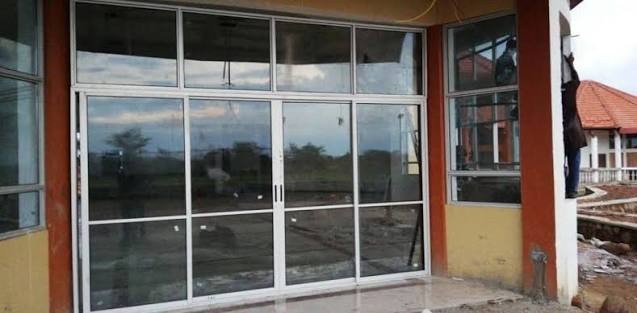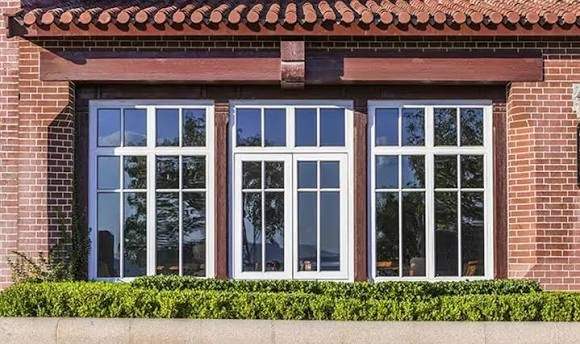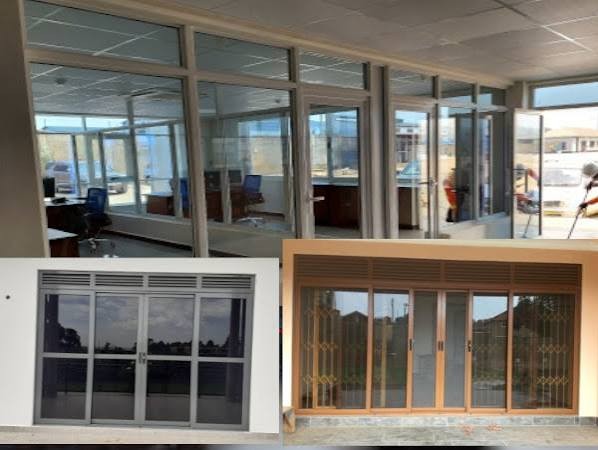
Aluminium fabrication has become an essential part of modern construction in Uganda. From residential homes and commercial buildings to hotels, shopping centres, offices and industrial facilities, aluminium products are widely used to create attractive, durable and functional spaces.
Whether you are constructing a new home, renovating an existing property or developing a commercial building, investing in professionally fabricated aluminium products can improve the appearance, functionality, security and long-term value of your property.
Aluminium fabrication services in Uganda involve designing, measuring, cutting, shaping, assembling and installing aluminium products according to specific building requirements. These services include aluminium windows, doors, office partitions, curtain walls, shopfronts, glass installations, shower cubicles, aluminium cladding and other customised architectural solutions.
With different aluminium designs, finishes, profiles and installation options available, choosing the right fabrication company is important for achieving quality results.
In this comprehensive guide, we explore everything you need to know about aluminium fabrication services in Uganda, including the different products, fabrication processes, benefits, applications, costs and factors to consider when hiring an aluminium fabricator.
1. What Are Aluminium Fabrication Services?
Aluminium fabrication refers to the process of transforming raw aluminium profiles and materials into finished products used in construction, architecture and interior design.
The process involves several technical activities, including measuring, cutting, drilling, machining, assembling, finishing and installing aluminium components.
Professional aluminium fabricators work with different aluminium profiles, glass types, accessories and hardware to manufacture products that meet specific project requirements.
In Uganda, aluminium fabrication services are commonly required for:
- Residential houses and apartments.
- Commercial office buildings.
- Hotels and hospitality facilities.
- Shopping malls and retail shops.
- Schools and educational institutions.
- Hospitals and healthcare facilities.
- Warehouses and industrial buildings.
- Restaurants and entertainment facilities.
Depending on the project, aluminium fabrication can involve standard products or customised designs developed to match architectural drawings and client specifications.
2. Types of Aluminium Fabrication Services in Uganda
Aluminium fabrication companies provide different products and installation solutions depending on the requirements of residential, commercial and industrial construction projects.
Below are some of the most common aluminium fabrication services in Uganda.
2.1 Aluminium Windows Fabrication
Aluminium windows are among the most popular products manufactured by aluminium fabrication companies.
They are suitable for modern homes, apartments, offices, hotels and commercial buildings because of their contemporary appearance, durability and design flexibility.
Common aluminium window designs include:
- Aluminium sliding windows.
- Aluminium casement windows.
- Top-hung aluminium windows.
- Side-hung aluminium windows.
- Fixed aluminium windows.
- Tilt-and-turn windows.
- Combination aluminium windows.
Professionally fabricated aluminium windows are designed to fit the building openings accurately while providing proper ventilation, natural lighting and weather protection.
Property owners can also select different glass options, frame colours, finishes and opening mechanisms depending on their preferences.
2.2 Aluminium Doors Fabrication
Aluminium doors provide a modern entrance solution for residential and commercial properties.
They are available in different configurations, allowing property owners and developers to select designs that complement their buildings.
Popular aluminium door fabrication options include:
- Aluminium sliding doors.
- Aluminium hinged doors.
- Aluminium French doors.
- Aluminium folding doors.
- Aluminium glass entrance doors.
- Commercial aluminium shopfront doors.
- Aluminium office doors.
These doors can be manufactured using different aluminium profiles, glass specifications, handles and locking systems.
For enhanced security, aluminium doors can incorporate multi-point locks, reinforced frames and suitable safety glazing.
2.3 Aluminium Office Partitions
Aluminium office partitions are widely used in modern commercial buildings to create organised and functional working environments.
They provide an effective way of dividing large office spaces into smaller sections without constructing permanent masonry walls.
Common applications include:
- Private office partitions.
- Boardroom partitions.
- Reception area partitions.
- Meeting room enclosures.
- Conference room divisions.
- Glass office partitions.
- Commercial interior partitions.
Aluminium partitions can be combined with clear, frosted, tinted or laminated glass depending on privacy and design requirements.
They are particularly suitable for businesses seeking modern office interiors with natural lighting and efficient space utilisation.
2.4 Aluminium Curtain Wall Fabrication
Curtain wall systems are non-load-bearing external building envelopes commonly used in modern commercial and high-rise buildings.
They consist of aluminium framing systems combined with suitable glazing or other approved infill materials.
Aluminium curtain walls improve the exterior appearance of buildings while allowing natural light into interior spaces.
They are commonly used in:
- Office towers.
- Shopping malls.
- Hotels.
- Commercial complexes.
- Institutional buildings.
- Modern apartment developments.
Proper curtain wall fabrication requires accurate engineering, suitable aluminium profiles, appropriate glazing specifications and professional installation.
For larger buildings, wind loads, water penetration, structural movement and thermal performance must be considered during system design.
2.5 Aluminium Composite Panel (ACP) Cladding
Aluminium Composite Panel cladding is a popular architectural finishing solution for commercial and residential buildings.
ACP consists of aluminium-faced panels bonded to a core material. The panels are installed over suitable supporting structures to create attractive exterior or interior finishes.
Common applications include:
- Commercial building facades.
- Office building exteriors.
- Shopping centre facades.
- Hotel exterior finishes.
- Reception walls.
- Decorative architectural features.
- Building entrance sections.
ACP cladding is available in different colours, textures and finishes, allowing architects and property developers to achieve contemporary building designs.
The panel core and complete assembly should be selected according to the building’s fire-safety, structural and regulatory requirements.
2.6 Aluminium Shopfronts and Commercial Entrances
Aluminium shopfront fabrication provides attractive and functional entrances for businesses and retail establishments.
These systems commonly combine aluminium framing with large glass panels to create visible and welcoming commercial spaces.
They are suitable for:
- Supermarkets.
- Shopping centres.
- Retail shops.
- Banks.
- Restaurants.
- Showrooms.
- Hotels.
- Office reception areas.
A professionally designed aluminium shopfront should provide visibility, accessibility, security and convenient operation.
2.7 Aluminium Shower Cubicles
Aluminium shower cubicles are widely used in modern bathrooms because they provide practical separation between showering and other bathroom areas.
They can be manufactured using aluminium framing and suitable glass panels.
Popular designs include:
- Sliding shower cubicles.
- Hinged shower cubicles.
- Corner shower enclosures.
- Frameless glass shower enclosures.
- Semi-frameless shower cubicles.
The correct choice depends on bathroom dimensions, available space, drainage arrangements and the preferred design.
2.8 Aluminium Balustrades and Railings
Aluminium balustrades and railings are used to improve safety and enhance the appearance of balconies, staircases, terraces and other elevated areas.
They can be combined with glass panels or other suitable infill materials to create modern architectural finishes.
Common applications include:
- Balcony railings.
- Staircase handrails.
- Terrace balustrades.
- Commercial building railings.
- Hotel balconies.
- Outdoor walkways.
Balustrade systems should be professionally designed and installed to meet applicable loading, safety and fall-protection requirements.
2.9 Aluminium Skylights and Canopies
Aluminium skylights and canopies are architectural features designed to improve natural lighting and provide protection from weather conditions.
Skylights allow daylight to enter interior spaces through roof openings, while canopies provide sheltered areas around entrances and outdoor spaces.
They are commonly installed in:
- Residential houses.
- Hotels.
- Shopping centres.
- Office buildings.
- Commercial entrances.
- Atriums and reception areas.
Proper design should consider drainage, waterproofing, structural support, glass specifications and exposure to sunlight.
3. The Aluminium Fabrication Process
Quality aluminium products require accurate measurements, suitable materials, skilled workmanship and professional installation.
Although the specific process varies depending on the product, most aluminium fabrication projects follow several important stages.
Step 1: Consultation and Project Assessment
The first stage involves understanding the client’s requirements and assessing the building or construction project.
The fabricator considers the intended application, architectural design, product dimensions, preferred finishes and available installation space.
For larger projects, the assessment may also involve reviewing architectural drawings and technical specifications.
Step 2: Measurements and Design
Accurate measurements are essential for producing aluminium products that fit correctly.
The fabricator measures the required openings and prepares designs according to the project’s specifications.
For customised products, shop drawings may be prepared to show dimensions, frame arrangements, opening configurations and installation details.
Step 3: Selection of Aluminium Profiles and Materials
The next stage involves selecting suitable aluminium profiles, glass, accessories and other materials.
Important considerations include:
- Aluminium profile dimensions and thickness.
- Structural requirements.
- Glass type and thickness.
- Frame colour and finish.
- Locking systems and handles.
- Hinges, rollers and other accessories.
- Weather sealing requirements.
Material selection should reflect the product’s intended use and expected performance.
Step 4: Cutting and Machining
Once the materials are selected, aluminium profiles are cut according to the required dimensions.
Fabricators use appropriate cutting and machining equipment to prepare the different components.
Accuracy during this stage is important because incorrect measurements can affect the assembly, appearance and operation of the finished product.
Step 5: Assembly and Fabrication
The prepared aluminium components are assembled to create the required product.
Depending on the design, this may involve:
- Joining aluminium frame sections.
- Installing corner cleats and connectors.
- Drilling fixing holes.
- Fitting reinforcement components.
- Preparing glazing sections.
- Installing compatible hardware.
The assembled product should be checked for dimensional accuracy, alignment and structural stability.
Step 6: Finishing and Quality Inspection
Aluminium products can be supplied in different finishes depending on the client’s preferences and the selected aluminium system.
Common finishes include:
- Natural aluminium finishes.
- Powder-coated finishes.
- Anodised finishes.
- Wood-effect finishes.
Before delivery, fabricated products should be inspected to ensure that the dimensions, finish, assembly and operating components meet the project requirements.
Step 7: Transportation and Installation
The finished aluminium products are transported to the project site for installation.
Professional installers position and secure the products, fit the necessary hardware, install the glass where applicable and apply suitable weather seals.
The final stage involves testing the products to confirm that doors, windows, locks and other moving components operate correctly.
4. Benefits of Aluminium Fabrication for Buildings in Uganda
Aluminium has become an important material in modern construction because it offers several practical advantages.
4.1 Durability and Long-Term Performance
Aluminium is naturally resistant to rust because it forms a protective oxide layer when exposed to air.
With appropriate finishes, suitable hardware and proper maintenance, aluminium products can provide long-term performance in residential and commercial buildings.
This makes aluminium a practical option for many construction applications in Uganda.
4.2 Modern Architectural Appearance
Aluminium fabrication allows architects, developers and property owners to achieve attractive contemporary building designs.
The material can be manufactured into different shapes, sizes and configurations to complement various architectural styles.
Its clean frame lines and compatibility with glass make it particularly popular in modern buildings.
4.3 Low Maintenance Requirements
Aluminium products generally require less maintenance than many traditional materials.
Regular cleaning, inspection of moving components and occasional servicing of locks, hinges and rollers can help maintain their performance.
Unlike untreated steel, aluminium does not develop ordinary red rust.
4.4 Design Flexibility and Customisation
One major advantage of aluminium fabrication is the ability to manufacture products according to specific project requirements.
Clients can choose different frame sizes, colours, opening systems, glass configurations and finishing options.
This makes aluminium suitable for both standard construction projects and customised architectural designs.
4.5 Improved Natural Lighting
Aluminium framing systems can accommodate large glass panels, allowing more natural light into residential and commercial spaces.
This can create brighter interiors and improve the overall appearance of rooms.
4.6 Resistance to Weather Conditions
Aluminium is suitable for many outdoor applications because of its natural corrosion resistance.
When combined with appropriate finishes, weather seals and properly designed drainage systems, aluminium windows and doors can provide reliable protection against rain and environmental exposure.
4.7 Recyclability
Aluminium is recyclable and can be reprocessed into new products.
This makes it a useful material for construction projects seeking to incorporate more recyclable building materials.
5. Aluminium Fabrication Applications in Different Buildings
Aluminium fabrication is suitable for different types of construction projects across Uganda.
Residential Buildings
Homeowners use aluminium fabrication for:
- Windows and entrance doors.
- Sliding patio doors.
- Balcony doors and railings.
- Shower cubicles.
- Kitchen and interior partitions.
- Skylights.
These installations improve functionality, appearance and natural lighting.
Commercial Buildings
Commercial developments commonly require:
- Aluminium shopfronts.
- Glass entrance doors.
- Office partitions.
- Curtain wall systems.
- ACP cladding.
- Commercial windows.
The products should be designed to accommodate frequent use, building occupancy and security requirements.
Hotels and Hospitality Facilities
Hotels, lodges and restaurants use aluminium fabrication for:
- Guest room windows and doors.
- Shower enclosures.
- Glass balustrades.
- Restaurant entrances.
- Reception partitions.
- Exterior glazing.
- Skylights and canopies.
The selected products should combine appearance, durability, privacy and ease of maintenance.
Institutional Buildings
Schools, hospitals and other institutional facilities require aluminium products designed for regular use and appropriate safety requirements.
Common applications include:
- Classroom windows.
- Hospital partitions.
- Office doors.
- Entrance glazing.
- Internal divisions.
- Safety railings.
Industrial and Warehouse Buildings
Industrial facilities may use aluminium products for:
- Office partitions.
- Administrative building windows.
- Entrance doors.
- Internal glazed divisions.
- Canopies and selected architectural installations.
Product specifications should reflect the operational environment and intended application.
6. How Much Do Aluminium Fabrication Services Cost in Uganda?
The cost of aluminium fabrication in Uganda varies depending on the product, dimensions, materials, design complexity and installation requirements.
There is no single price that applies to every aluminium fabrication project.
Some of the main factors influencing aluminium fabrication costs include:
1. Type of aluminium product
Standard aluminium windows may have different fabrication costs from large sliding doors, curtain walls, shopfronts and customised partitions.
2. Size and dimensions
Larger products generally require more aluminium profiles, glass and fabrication materials.
3. Aluminium profile quality
Different aluminium systems have different specifications, strengths and price levels.
4. Glass specifications
Clear, tinted, laminated, toughened and insulated glass have different costs depending on their specifications and availability.
5. Finishing options
Powder coating, anodising and specialised finishes can affect the overall project cost.
6. Hardware and accessories
Locks, handles, hinges, rollers, reinforcement and other accessories contribute to the final quotation.
7. Installation requirements
Site accessibility, building height, installation complexity and the need for specialised equipment may influence labour and installation costs.
8. Project quantity
Large construction projects may require bulk fabrication and coordinated installation, affecting the overall quotation.
How to Get an Accurate Aluminium Fabrication Quotation
To receive an accurate quotation, provide the aluminium fabrication company with:
- Project location.
- Type of aluminium products required.
- Approximate dimensions or architectural drawings.
- Preferred designs and finishes.
- Glass specifications.
- Required quantities.
- Installation requirements.
Request an itemised quotation that clearly explains material specifications, fabrication, transportation, installation and any additional charges.
This makes it easier to compare quotations based on quality and scope rather than price alone.
7. How to Choose the Best Aluminium Fabrication Company in Uganda
Choosing a reliable aluminium fabricator is important because workmanship and material quality directly influence the performance of the finished products.
Before hiring a company, consider the following factors.
Experience and Technical Expertise
Choose a company with relevant experience in the type of aluminium fabrication you require.
A fabricator experienced in residential windows may not necessarily have the same technical capabilities required for large commercial curtain wall installations.
Ask about previous projects and the team’s technical experience.
Quality of Aluminium Materials
Ask about the aluminium profiles and materials used during fabrication.
Check the profile specifications, suitability for the intended application and availability of appropriate hardware.
Avoid selecting products based only on appearance.
Range of Fabrication Services
Working with a company that can coordinate multiple aluminium fabrication requirements may simplify project management.
Depending on your needs, look for expertise in windows, doors, partitions, curtain walls, shopfronts and other architectural aluminium products.
Professional Measuring and Installation
Accurate measurements and correct installation are essential for achieving properly fitted aluminium products.
Choose a company that follows an organised process from site assessment and design to fabrication, installation and final inspection.
Portfolio of Completed Projects
Request photographs or visit completed projects where possible.
This helps you assess the company’s workmanship, product quality and ability to handle projects similar to yours.
Transparent Quotations
A professional aluminium fabrication company should provide a quotation that clearly explains the proposed products, materials, specifications and installation scope.
Compare quotations carefully to understand what is included.
Warranty and After-Sales Support
Ask about product warranties, installation guarantees and maintenance support.
A reliable service provider should be able to explain how defects, hardware problems and other installation issues are handled.
8. Common Aluminium Fabrication Mistakes to Avoid
Poor decisions during aluminium fabrication can lead to unnecessary expenses, installation problems and reduced product performance.
Avoid these common mistakes:
Choosing materials based only on price: Cheap profiles and accessories may compromise quality and durability.
Providing inaccurate measurements: Incorrect dimensions can result in poorly fitted products and additional modification costs.
Ignoring glass specifications: Glass should be selected according to safety, security and performance requirements.
Using unsuitable hardware: Locks, handles, hinges and rollers should be compatible with the selected aluminium system.
Overlooking weather sealing: Poor sealing can allow water and air infiltration.
Hiring inexperienced installers: Poor workmanship can affect alignment, operation and structural stability.
Ignoring maintenance: Regular inspection and cleaning help preserve the performance of aluminium products.
Failing to review specifications: Always confirm product dimensions, finishes, materials and installation requirements before approving fabrication.
9. Aluminium Fabrication vs Steel Fabrication: Which Is Better?
Aluminium and steel are both important materials in construction, but they have different characteristics and applications.
| Feature | Aluminium | Steel |
|---|---|---|
| Weight | Lightweight | Generally heavier |
| Corrosion resistance | Naturally corrosion-resistant | Usually requires protective treatment |
| Maintenance | Generally low | Depends on protective coating |
| Fabrication | Suitable for architectural profiles | Suitable for heavy structural applications |
| Appearance | Modern and versatile | Industrial and versatile |
| Common applications | Windows, doors, partitions and facades | Structural frames, gates and heavy fabrication |
Aluminium is particularly suitable for windows, doors, glazing systems, partitions and architectural finishing.
Steel is often preferred for heavy structural applications where high strength and load-bearing capacity are required.
The best material depends on the building design, engineering requirements, budget and intended application.
10. Aluminium Fabrication Trends in Modern Construction in Uganda
The construction industry continues to embrace modern materials and architectural designs that improve building appearance, comfort and functionality.
Several trends are influencing aluminium fabrication projects in Uganda.
Minimalist Aluminium Designs
Modern buildings increasingly incorporate clean lines, simple frame designs and large glass surfaces.
Large Sliding Glass Doors
Large aluminium sliding doors are popular in contemporary homes, hotels and commercial spaces because they create convenient connections between indoor and outdoor areas.
Energy-Efficient Glazing
Property owners are increasingly considering glazing options that help control heat transfer, solar gain and indoor comfort.
Modern Commercial Facades
Aluminium curtain walls and ACP cladding are used to create distinctive exterior finishes for commercial developments.
Customised Office Partitions
Businesses are adopting modern glass and aluminium partition systems to create functional workspaces while maintaining natural lighting.
Smart Access and Security Systems
Compatible aluminium doors are increasingly being integrated with electronic locks, access-control systems and other modern security solutions.
11. Why Professional Aluminium Fabrication and Installation Matter
Even high-quality aluminium materials may perform poorly when fabrication and installation are not properly executed.
Professional workmanship helps ensure that products meet their intended dimensions, function correctly and complement the building design.
A competent aluminium fabrication team should understand:
- Aluminium profile selection.
- Accurate measurements.
- Technical drawings.
- Glass compatibility.
- Frame assembly.
- Hardware installation.
- Weather sealing.
- Structural fixing requirements.
- Quality inspection.
For large commercial projects, technical coordination between architects, contractors, engineers and aluminium fabricators is particularly important.
Engaging experienced professionals from the early stages of construction can help prevent design conflicts, material wastage and unnecessary installation delays.
12. Frequently Asked Questions About Aluminium Fabrication Services in Uganda
1. What are aluminium fabrication services?
Aluminium fabrication services involve designing, cutting, machining, assembling and installing aluminium products for residential, commercial and industrial applications. These include windows, doors, partitions, curtain walls, shopfronts, cladding and other customised installations.
2. What aluminium products can be fabricated in Uganda?
Common products include aluminium windows, sliding doors, hinged doors, office partitions, shower cubicles, curtain walls, shopfronts, ACP cladding, skylights and aluminium balustrades.
3. How much do aluminium fabrication services cost in Uganda?
The cost depends on product type, dimensions, aluminium profile specifications, glass selection, finishing, hardware and installation requirements. Requesting a customised quotation is the best way to establish the actual project cost.
4. How long does aluminium fabrication take?
The fabrication period depends on the quantity, product design, material availability and complexity of the project. Standard windows and doors may take less time than customised commercial installations or large curtain wall systems.
5. Are aluminium products suitable for Uganda’s climate?
Yes. Aluminium is naturally corrosion-resistant and can be used in many residential and commercial applications in Uganda. Proper finishing, weather sealing, drainage and installation are important for long-term performance.
6. Can aluminium products be customised?
Yes. Aluminium products can be customised according to architectural drawings, dimensions, colours, glass specifications and functional requirements.
7. What is the difference between aluminium fabrication and aluminium installation?
Aluminium fabrication involves manufacturing the required products from aluminium profiles and other materials. Installation involves fitting and securing the fabricated products into the building openings or designated structural locations.
Many aluminium companies provide both services.
8. How do I find a reliable aluminium fabrication company in Uganda?
Look for a company with relevant experience, quality materials, skilled fabricators, professional installation teams, a portfolio of completed projects and transparent quotations.
9. Do aluminium doors and windows require regular maintenance?
Yes, although maintenance requirements are generally low. Clean the frames, inspect locks and hinges, check weather seals and keep sliding door tracks free from dust and debris.
10. Is aluminium suitable for large commercial buildings?
Yes. Properly designed aluminium systems are widely used in commercial buildings for curtain walls, windows, doors, shopfronts, partitions and architectural cladding. Larger installations require appropriate engineering and professional specifications.
Conclusion: Choose Quality Aluminium Fabrication Services in Uganda
Aluminium fabrication plays an important role in modern construction, providing durable, attractive and versatile solutions for residential, commercial and industrial buildings.
From aluminium windows and doors to office partitions, curtain walls, shopfronts and ACP cladding, professionally fabricated aluminium products can improve building functionality, appearance, security and long-term value.
However, achieving the best results requires more than selecting attractive designs. Property owners and developers should prioritise quality aluminium profiles, suitable glass specifications, reliable hardware, accurate measurements and professional installation.
Whether you are building a new home, renovating an office or developing a large commercial property, choosing the right aluminium fabrication partner is an important investment in the quality of your project.
Looking for professional aluminium fabrication services in Uganda?
Daltrev Co. is your point of contact for discussing your aluminium fabrication and building requirements. Get in touch to discuss your project, explore suitable aluminium solutions and request a quotation for your next construction or renovation project.
Invest in quality aluminium fabrication for durable, functional and modern buildings.