
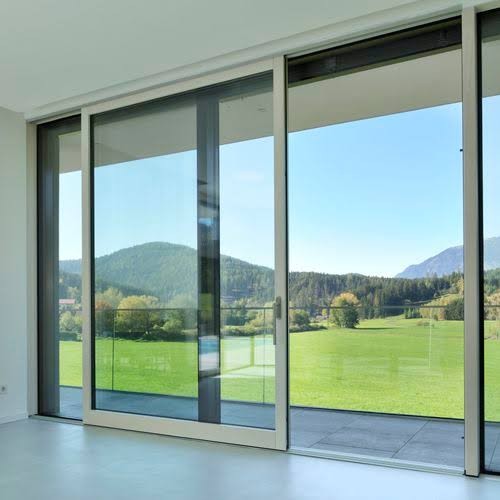
Aluminium sliding doors are an increasingly popular choice for modern homes, apartments, offices and commercial buildings in Uganda. Their sleek appearance, space-saving operation and ability to accommodate large glass panels make them suitable for property owners who want to combine contemporary design with everyday functionality.
Whether you are building a new house in Kampala, renovating a home in Wakiso, developing apartments in Mukono or upgrading a commercial property in Entebbe, aluminium sliding doors can improve the appearance, lighting and accessibility of your building.
Available in different sizes, colours, frame profiles and glass options, aluminium sliding doors can be customised to suit various architectural styles and project requirements.
But which design should you choose? What are the benefits of aluminium sliding doors? How much do they cost in Uganda, and what should you consider before installation?
This guide explains everything you need to know about aluminium sliding doors in Uganda, including popular designs, residential and commercial applications, installation considerations, maintenance and cost factors.
What Are Aluminium Sliding Doors?
Aluminium sliding doors are door systems constructed using aluminium frames and panels that move horizontally along specially designed tracks. Unlike traditional hinged doors, which swing inward or outward, sliding doors operate by moving one or more panels sideways.
Most residential sliding doors use two or more panels, with at least one panel designed to slide past another. Some larger systems have multiple sliding panels to create wider openings.
Aluminium is commonly used because it is lightweight compared with many traditional framing materials, durable when correctly specified and suitable for contemporary glass-door designs.
These doors are available in different configurations, including:
- Two-panel aluminium sliding doors.
- Three-panel aluminium sliding doors.
- Four-panel aluminium sliding doors.
- Large glass-panel sliding doors.
- Multi-track sliding door systems.
- Customised aluminium sliding doors.
The appropriate configuration depends on the opening size, available space, desired access width and intended application.
Popular Aluminium Sliding Door Designs in Uganda
Modern aluminium sliding doors come in different designs to suit residential and commercial buildings. The following are popular options worth considering.
1. Two-Panel Aluminium Sliding Doors
Two-panel sliding doors are among the most common designs for residential properties. They usually consist of one fixed panel and one movable panel.
They are suitable for:
- Small and medium-sized living rooms.
- Bedroom balconies.
- Kitchen access to outdoor spaces.
- Verandas.
- Compact residential entrances.
Their simple configuration makes them a practical option for homeowners who want a modern glass door without requiring a complicated opening system.
2. Three-Panel Aluminium Sliding Doors
Three-panel sliding doors provide a wider glazed opening than many standard two-panel designs. Depending on the system, one or more panels can move while the remaining panels stay fixed.
They are suitable for larger living rooms, dining areas and spaces that connect the interior of a home to a garden or veranda.
3. Four-Panel Aluminium Sliding Doors
Four-panel sliding doors are designed for wider openings and properties that require larger glass areas.
They can be installed in:
- Large residential living rooms.
- Luxury homes.
- Hotels and lodges.
- Conference facilities.
- Commercial buildings.
The exact opening arrangement depends on the selected track and panel configuration.
4. Black Aluminium Sliding Glass Doors
Black aluminium sliding doors are popular in contemporary architectural designs. Their dark frames create a strong contrast against light-coloured walls and complement modern finishes.
They work particularly well with:
- White or cream exterior walls.
- Grey tiled floors.
- Minimalist interiors.
- Modern balconies.
- Garden-facing living rooms.
Black frames can also be coordinated with matching aluminium windows to create a consistent architectural appearance.
5. Floor-to-Ceiling Aluminium Sliding Doors
Floor-to-ceiling sliding doors use tall glass panels that extend close to the floor and ceiling. They create an open, spacious appearance and allow substantial natural light into interior spaces.
These designs are suitable for large modern houses, luxury apartments, hotels and commercial spaces.
They require careful structural planning, suitable glass specifications, correctly designed frames and professional installation.
6. Aluminium Sliding Doors with Tinted Glass
Tinted-glass sliding doors are an option for property owners who want to reduce visibility into certain spaces and manage incoming sunlight.
They can be used in:
- Living rooms.
- Balconies.
- Offices.
- Commercial entrances.
- Selected bedroom openings.
The appropriate glass specification should consider visibility, daylight, solar performance, safety and the building’s orientation.
7. Aluminium Sliding Doors with Frosted Glass
Frosted-glass sliding doors provide privacy while allowing light to pass through. They are useful in locations where fully transparent glass may not be suitable.
Common applications include:
- Bathrooms.
- Private offices.
- Internal room divisions.
- Utility areas.
- Selected bedroom spaces.
Frosted finishes are available in different patterns and levels of opacity.
8. Large-Format Aluminium Sliding Doors
Large-format sliding doors are designed for wide residential and commercial openings. They can create a strong visual connection between indoor and outdoor spaces.
They are particularly suitable for modern villas, hotels, restaurants and large entertainment areas.
Because larger glass panels can be heavy, the selected frame system, rollers, tracks and supporting structure must be designed for the actual panel dimensions and weight.
Benefits of Installing Aluminium Sliding Doors in Uganda
Aluminium sliding doors offer several advantages when correctly designed and installed.
1. They Save Space
One of the biggest benefits of sliding doors is their space-saving operation.
Traditional hinged doors require clearance to swing open. Sliding doors move along tracks, making them useful in rooms where floor space is limited.
This makes them suitable for apartments, compact homes, balconies and areas with furniture positioned near the entrance.
2. They Improve Natural Lighting
Aluminium sliding doors often incorporate large glass panels that allow natural daylight into a building.
More natural light can make living rooms, dining areas and other interior spaces feel brighter and more welcoming.
The amount of light entering depends on the glass specification, panel size, building orientation and surrounding structures.
3. They Create a Modern Appearance
Sliding aluminium doors have a clean, contemporary appearance that complements many modern building designs.
Their slim-frame appearance and large glass surfaces can give homes and commercial buildings a more open architectural style.
4. They Connect Indoor and Outdoor Spaces
Sliding doors are an excellent option for connecting indoor living areas to verandas, patios, balconies and gardens.
When opened, they provide convenient access between spaces and can improve the layout of areas used for relaxation and entertainment.
5. They Are Resistant to Termite Damage
Unlike timber, aluminium is not affected by termites. It also does not rot in the same way as untreated wood.
This makes aluminium a practical framing material for properties where homeowners want to avoid termite-related damage to door frames.
6. They Require Relatively Low Maintenance
Aluminium sliding doors generally require straightforward maintenance.
Cleaning the frames, removing debris from the tracks and inspecting the rollers, locks and weather seals can help maintain proper operation.
However, low maintenance does not mean maintenance-free. Moving parts and seals still require periodic inspection.
7. They Offer Flexible Design Options
Aluminium sliding doors can be customised according to the building’s dimensions and appearance.
Property owners can select:
- Different frame colours.
- Various glass types.
- Two-, three- and four-panel configurations.
- Different handle and locking systems.
- Different track arrangements.
- Customised frame dimensions.
This flexibility makes them suitable for many residential and commercial projects.
8. They Can Provide Good Weather Protection
A properly designed and installed aluminium sliding door system can help reduce rainwater penetration, dust infiltration and unwanted air movement.
Its performance depends on the quality of the seals, drainage arrangements, tracks, frame design and installation workmanship.
For homes in areas exposed to heavy rainfall, weatherproofing should be discussed before fabrication.
Applications of Aluminium Sliding Doors in Uganda
Aluminium sliding doors are suitable for different building types. Their design flexibility makes them useful in residential, hospitality and commercial environments.
1. Modern Residential Houses
Sliding doors are commonly used in modern homes to connect living rooms, dining spaces and bedrooms to outdoor areas.
They can create an attractive entrance to a veranda, balcony or private garden while allowing natural light into the house.
2. Apartments and Flats
Apartments often have limited floor space. Sliding doors are useful because they do not require the same swinging clearance as conventional hinged doors.
They can be installed in living rooms, balconies and selected interior spaces.
3. Hotels and Lodges
Hotels and lodges can use aluminium sliding doors in guest rooms, dining areas, lounges and spaces overlooking gardens or outdoor facilities.
Large glass panels can improve views and create a contemporary guest environment.
4. Offices and Commercial Buildings
Aluminium sliding doors can be used in offices, reception areas and selected commercial entrances.
They can support modern interior designs while providing convenient access between different spaces.
The door system should be selected according to expected traffic, accessibility, security and applicable building requirements.
5. Restaurants and Cafés
Restaurants with outdoor seating areas can benefit from sliding doors that connect indoor dining spaces to patios or terraces.
This arrangement can provide flexibility in how the dining area is used.
6. Shopping Centres and Retail Spaces
Sliding aluminium doors can be used in selected retail entrances, internal divisions and commercial spaces.
For high-traffic entrances, the system must be appropriate for frequent operation, user safety and the building’s accessibility requirements.
7. Balconies and Verandas
Sliding doors are especially useful for balcony and veranda access because they provide a wide glazed opening without requiring a swinging panel.
They can also help create a consistent design between indoor rooms and outdoor spaces.
Aluminium Sliding Doors vs Hinged Doors: Which Is Better?
Both aluminium sliding doors and hinged doors have advantages. Your choice should depend on the opening, available space, design preference and intended use.
| Feature | Aluminium sliding doors | Hinged doors |
|---|---|---|
| Operation | Move horizontally along tracks | Swing inward or outward |
| Space requirements | Do not require swing clearance | Require clearance for opening |
| Design | Often feature large glass panels | Available in solid and glazed designs |
| Wide openings | Suitable for many wide openings | May require double-leaf arrangements |
| Maintenance | Tracks and rollers need inspection | Hinges and locks need inspection |
| Ventilation | Opening depends on the sliding configuration | Can open widely depending on design |
| Typical applications | Verandas, balconies and living rooms | Entrances, bedrooms and internal rooms |
Which should you choose?
Choose aluminium sliding doors when you want to save space, create a large glass opening or connect indoor and outdoor areas.
Choose hinged doors when you need a conventional opening arrangement, a particular entrance design or a door that opens fully without sliding panels occupying the track.
The best solution depends on the specific building requirements.
How to Choose Quality Aluminium Sliding Doors in Uganda
Choosing the right aluminium sliding door involves more than selecting a design. The frame system, glass, hardware and installation quality all affect the final result.
Consider these important factors before making a purchase.
1. Choose Suitable Aluminium Profiles
Aluminium profiles form the main framework of the door. Their dimensions, design and material quality affect the strength and suitability of the complete system.
Ask the supplier to explain the profile specification and whether it is suitable for the proposed panel sizes and glass weight.
2. Select the Right Glass Type
Glass is a major component of aluminium sliding doors. Different glass types provide different levels of privacy, safety and solar performance.
Common options include:
- Clear glass: Suitable where visibility and natural light are priorities.
- Tinted glass: Useful where reduced visibility and solar-control properties are desired.
- Frosted glass: Suitable for spaces requiring privacy.
- Toughened safety glass: Designed to break into smaller, less sharply edged fragments than ordinary annealed glass.
- Laminated safety glass: Designed to retain broken fragments within an interlayer.
The correct specification depends on the door’s location, dimensions, safety requirements and applicable standards. Toughened and laminated glass provide different safety characteristics and should not be treated as interchangeable.
3. Check the Sliding Rollers
Rollers allow the door panels to move along the tracks.
Poor-quality or incorrectly selected rollers can cause difficult operation, excessive noise and premature wear.
Choose rollers appropriate for the panel weight and intended frequency of use.
4. Inspect the Track System
The tracks guide the sliding panels and influence how smoothly the door operates.
A suitable track system should be correctly aligned, appropriately supported and designed for the selected panel arrangement.
The track should also be accessible for routine cleaning and maintenance.
5. Consider the Locking Mechanism
External sliding doors should have suitable locking arrangements.
Depending on the system, options may include secure sliding-door locks, hook locks and multi-point locking mechanisms.
The locking system should be compatible with the frame and panel design.
6. Choose the Right Frame Colour
The frame colour should complement the building’s architectural style.
Popular options include black, charcoal grey, white, bronze and selected custom finishes.
Consider coordinating sliding doors with the aluminium windows and other exterior finishes for a consistent appearance.
7. Check Weather Seals and Drainage
Weather seals help reduce water and air infiltration around the door panels.
External sliding doors should also have suitable drainage arrangements to manage water entering the track system.
This is particularly important for buildings in Uganda that experience seasonal heavy rainfall.
8. Consider Professional Fabrication and Installation
Even quality aluminium materials can perform poorly if the door is incorrectly measured, fabricated or installed.
Choose a provider who can inspect the opening, recommend a suitable system, explain the specifications and complete installation checks.
How Much Do Aluminium Sliding Doors Cost in Uganda?
The cost of aluminium sliding doors in Uganda depends on the size, design, materials, glass specification and installation requirements.
A small two-panel sliding door will generally have different material and hardware requirements from a large multi-panel glass system.
Rather than relying on a single advertised price, request a quotation based on the actual opening and preferred specifications.
Factors That Affect Aluminium Sliding Door Prices
1. Door Size
Larger doors require more aluminium profiles and glass. They may also need stronger rollers and supporting hardware.
2. Number of Panels
Two-panel, three-panel and four-panel systems have different material and fabrication requirements.
3. Aluminium Profile Quality
The profile design, dimensions, finish and suitability for the intended application affect the cost.
4. Glass Type
Clear, tinted, frosted, toughened and laminated glass have different specifications and prices.
5. Hardware and Accessories
Rollers, tracks, handles, locks, seals and other fittings contribute to the total quotation.
6. Frame Colour and Finish
Standard finishes and customised colours may have different costs depending on the selected system.
7. Installation Requirements
Site accessibility, opening preparation, floor levels, structural adjustments and installation complexity can influence labour costs.
How to Get an Accurate Quotation
When requesting an aluminium sliding door quotation, provide:
- The number of doors required.
- The opening width and height, if known.
- The preferred number of panels.
- Your preferred frame colour.
- The desired glass type.
- The installation location.
- Any special security, privacy or weatherproofing requirements.
A site inspection and final measurements should be completed before fabrication.
Aluminium Sliding Door Installation Process
Correct installation is essential for smooth movement, secure locking and suitable weather protection.
A professional installation process generally involves the following stages.
Step 1: Site Inspection
The installer examines the opening, wall condition, floor level and surrounding structure.
This helps identify potential problems before the door is fabricated.
Step 2: Taking Accurate Measurements
The width and height of the opening are measured carefully. The installer also considers frame dimensions, clearances and the required track arrangement.
Step 3: Selecting the Door Design
The homeowner confirms the number of panels, opening configuration, frame colour, glass type, handles and locking system.
Step 4: Aluminium Fabrication
The aluminium profiles are cut, assembled and prepared according to the approved design and measurements.
The glass and hardware specifications should match the intended system.
Step 5: Preparing the Opening
The opening is checked and prepared to receive the door frame. Any required adjustments should be completed before installation.
Step 6: Installing the Frame and Tracks
The frame and tracks are positioned, aligned and securely fixed according to the system requirements.
Correct alignment is important because poorly installed tracks can affect panel movement.
Step 7: Fitting the Sliding Panels
The panels are installed with the appropriate rollers, guides, handles and locking components.
Step 8: Sealing and Testing
The installer completes suitable sealing and drainage details, then tests the panels to confirm that they slide, close and lock properly.
The finished installation should be checked for alignment, smooth movement, security and visible defects.
Common Aluminium Sliding Door Problems and How to Prevent Them
Although aluminium sliding doors are practical, problems can develop when they are poorly fabricated, installed or maintained.
1. Sliding Doors Become Difficult to Open
This can happen because of dirty tracks, worn rollers, misalignment or damaged components.
Prevention: Clean the tracks regularly, avoid forcing the panels and arrange inspection when movement becomes difficult.
2. Water Enters During Rainfall
Water infiltration may result from damaged seals, blocked drainage channels, poor installation or unsuitable track detailing.
Prevention: Ensure external doors have appropriate drainage, weather seals and correct installation details.
3. Rollers Wear Out
Rollers can deteriorate due to frequent use, dirt accumulation, excessive panel weight or unsuitable hardware.
Prevention: Use rollers designed for the panel weight and maintain the track system.
4. Door Locks Stop Working Properly
Misalignment, worn locking components or loose fittings can affect the locking mechanism.
Prevention: Inspect the locks regularly and repair damaged components before they cause further problems.
5. Excessive Noise During Operation
Noise can result from dirt in the tracks, worn rollers, loose fittings or poor alignment.
Prevention: Keep the tracks clean and arrange professional adjustment when necessary.
6. Dust Enters Through Gaps
Damaged seals, incorrect panel alignment and poor installation can allow dust to enter the building.
Prevention: Inspect the seals and ensure the panels close correctly.
Maintenance Tips for Aluminium Sliding Doors
Regular maintenance helps preserve the appearance and operation of aluminium sliding doors.
Follow these simple practices:
- Clean aluminium frames using mild soapy water and a soft cloth.
- Remove dust, leaves and debris from sliding tracks.
- Inspect rollers for wear and damage.
- Check locks and handles for proper operation.
- Examine weather seals for cracks or deterioration.
- Keep drainage openings clear.
- Avoid slamming or forcing the sliding panels.
- Arrange professional servicing when the door becomes difficult to operate.
Avoid abrasive cleaning products that can damage the frame finish. Do not drill additional drainage holes or modify the track system without the manufacturer’s specifications.
Aluminium Sliding Doors and Building Requirements in Uganda
When installing aluminium sliding doors in Uganda, it is important to consider applicable building standards and safety requirements.
The National Building (Building Standards) Code, 2019, includes provisions relevant to building openings, glazing and building performance. The selection of glass should consider the door’s size, location, safety risks and relevant requirements.
Uganda’s UNBS standard US 1981:2020 – Alloy Aluminium Door Sets and Windows – Specification addresses the design, construction and performance of specified aluminium window and external pedestrian door systems. Confirm the current status and applicability of the standard with the Uganda National Bureau of Standards.
For new construction and major renovation projects, consult qualified building professionals and the relevant local authority to confirm applicable approvals and requirements.
Why Choose Daltrev Co. Ltd for Aluminium Works in Uganda?
Choosing the right aluminium sliding door provider is an important step in achieving a good-quality installation.
Daltrev Co. Ltd offers aluminium fabrication and installation solutions for residential and commercial projects in Uganda.
Whether you are planning a new home, upgrading an existing property or developing a commercial building, Daltrev can help you explore aluminium works options that suit your project requirements.
When planning your aluminium sliding doors, discuss:
- The most suitable sliding door design.
- Available aluminium profile options.
- Appropriate glass specifications.
- Frame colours and finishes.
- Door measurements and panel arrangements.
- Hardware and locking options.
- Installation requirements and quotation details.
For more information, visit the Daltrev Co. Ltd website or explore its works and services.
Get Professional Aluminium Sliding Door Solutions in Uganda
Aluminium sliding doors are an excellent option for property owners who want modern designs, space-saving operation and attractive glass openings.
From two-panel sliding doors for compact homes to large multi-panel systems for spacious residences, the right design can improve access, natural lighting and the overall appearance of a building.
However, the quality of the final installation depends on choosing suitable aluminium profiles, glass, rollers, tracks, locks and professional workmanship.
If you are looking for aluminium sliding doors in Uganda, contact Daltrev Co. Ltd to discuss your preferred design and request a quotation.
Daltrev Co. Ltd – Build for Legacy.
Contact Details:
- Phone: +256 744 702 773
- Email: daltrevco@gmail.com
- Location: Kampala, Uganda
- Website: https://www.daltrevco.com/
You can also visit the Daltrev contact page to make an enquiry about aluminium fabrication and installation.
Frequently Asked Questions About Aluminium Sliding Doors in Uganda
1. Are aluminium sliding doors suitable for homes in Uganda?
Yes. Aluminium sliding doors can be suitable for Ugandan homes when designed and installed with appropriate profiles, glass, hardware, weather seals and drainage arrangements.
2. What is the best aluminium sliding door design for a living room?
Two-panel, three-panel and large-format sliding doors are popular for living rooms. The best option depends on the opening size, available space and desired access to outdoor areas.
3. Are aluminium sliding doors better than wooden doors?
Aluminium sliding doors are often preferred for modern glass openings because they are resistant to termite damage, do not rot like timber and can accommodate large glass panels. The best material depends on the building design, budget and intended use.
4. Can aluminium sliding doors be customised?
Yes. They can be customised in different sizes, colours, panel configurations, glass types, handles and locking systems.
5. Are aluminium sliding doors secure?
They can provide good security when designed with suitable profiles, appropriate glazing, quality locks and correct installation. The security of the complete system should be considered rather than relying on the aluminium frame alone.
6. Which glass is best for aluminium sliding doors?
The appropriate glass depends on the door’s location, dimensions and safety requirements. Toughened and laminated safety glass are common options for certain applications, but the correct specification should be confirmed by a qualified professional.
7. Do aluminium sliding doors require regular maintenance?
Yes. They require periodic cleaning and inspection of tracks, rollers, locks, handles, seals and drainage channels to maintain proper operation.
8. Why does my aluminium sliding door become difficult to open?
Common causes include dirty tracks, worn rollers, poor alignment, damaged hardware and excessive panel weight for the selected system. A professional inspection can identify the problem.
9. How much do aluminium sliding doors cost in Uganda?
The price depends on the door size, number of panels, aluminium profile, glass specification, hardware, finish and installation requirements. Request a quotation based on confirmed measurements.
10. Where can I get aluminium sliding doors in Uganda?
Daltrev Co. Ltd provides aluminium fabrication and installation solutions for residential and commercial projects in Uganda. Visit https://www.daltrevco.com/contact-us/ to enquire about your project.

