Choosing the best building construction company in Uganda is one of the most important decisions you will make when planning a construction project. Whether you want to build a residential house, apartment block, office, hotel, school, warehouse or commercial property, the company you select can significantly influence the quality, cost, safety and successful completion of your project.
A construction project involves a considerable investment in land, building materials, labour, professional services and equipment. Hiring an unsuitable contractor can result in poor workmanship, construction delays, unexpected expenses, material wastage and unfinished buildings. In some cases, correcting construction mistakes may cost more than doing the work properly from the beginning.
Uganda has many construction companies offering different services, but not every company has the same capabilities, technical resources, professional qualifications or experience. It is therefore important to assess potential contractors carefully before signing an agreement.
So, how do you choose the best building construction company in Uganda?
The answer is to look beyond the cheapest quotation. You should evaluate the company’s legal and professional compliance, relevant experience, construction services, project supervision, material quality, financial transparency, communication and ability to deliver the agreed work.
At Daltrev Co. Ltd, we provide building and construction works, civil works, construction consultancy, project management support and construction-related products and solutions in Uganda. This guide explains the important things to consider when selecting a construction company and how to make a more informed decision for your project.
Why Choosing the Right Building Construction Company Matters
Building construction requires coordination between property owners, architects, engineers, quantity surveyors, contractors, suppliers and other professionals.
When these activities are not properly coordinated, projects can experience delays, budget overruns, design inconsistencies and quality problems.
Choosing an appropriate construction company can help you:
- Achieve construction work that follows approved drawings and specifications.
- Improve the management of construction costs.
- Reduce unnecessary material wastage.
- Coordinate labour, equipment and building materials.
- Monitor construction progress.
- Identify workmanship problems early.
- Improve communication between project stakeholders.
- Maintain attention to health and safety requirements.
- Organise inspections and project handover.
- Protect your investment through better project planning.
A suitable construction partner should understand your project requirements, explain the work involved and provide a clear approach to delivering the agreed services.
15 Important Things to Check When Choosing the Best Building Construction Company in Uganda
Before appointing a contractor, consider the following factors.
1. Verify the Company’s Legal Registration
The first step is to establish whether the construction company is a legally registered business.
A legitimate company should be able to provide relevant business registration information and official company details.
In Uganda, you can verify company registration information through the Uganda Registration Services Bureau (URSB).
Ask the company for:
- Its registered business name.
- Certificate of incorporation or registration, as applicable.
- Company registration details.
- Official business contact information.
- Tax registration information where relevant.
- Physical business location.
Make sure the company name appearing on the quotation and contract corresponds with the registered business or the legally authorised contracting party.
Do not rely entirely on a social media page, website or business card as proof of legal registration.
2. Check Relevant Professional Qualifications and Regulatory Compliance
Building construction involves technical activities that should be undertaken by appropriately qualified and registered professionals.
Depending on the project, these may include:
- Architects.
- Structural engineers.
- Civil engineers.
- Quantity surveyors.
- Land surveyors.
- Electrical engineers.
- Mechanical engineers.
- Other relevant technical specialists.
Ask which professionals will be responsible for the design, supervision, inspection and technical coordination of your project.
Where professional services are required, verify the relevant registration and current practising status through the appropriate Ugandan professional regulatory bodies.
These include:
- Architects Registration Board (ARB).
- Engineers Registration Board (ERB).
- Surveyors Registration Board (SRB).
You should also establish whether the construction company meets the contractor registration, licensing and statutory requirements applicable to the particular work.
Important: Company registration alone does not prove that a contractor has every professional qualification or statutory approval required for a construction project.
3. Evaluate Experience in Similar Construction Projects
Experience is an important consideration when comparing construction companies.
A company that has worked on projects similar to yours may be better positioned to understand the construction methods, materials, coordination requirements and potential challenges involved.
For example, building a residential bungalow is different from constructing a multi-storey office building, hotel, warehouse or industrial facility.
Ask whether the company has relevant experience in:
- Residential house construction.
- Apartment and estate developments.
- Commercial building construction.
- Office and institutional buildings.
- Industrial facilities and warehouses.
- Building renovation and maintenance.
- Structural construction and finishing works.
Request information about comparable projects, including the scope of work performed and the company’s actual responsibilities.
Do not assume that a company capable of one type of construction project automatically has the resources and expertise for every other type.
4. Review Previous Projects and Request References
One of the most useful ways to assess a contractor is to examine evidence of previous work.
Ask the company to provide photographs, project descriptions, completion information or references for projects it has undertaken.
Where possible, arrange to visit a completed project or an active construction site with the necessary permission.
During a site visit, observe:
- General workmanship.
- Quality of finishes.
- Alignment of walls and structural components.
- Material handling and storage.
- Site organisation.
- Health and safety arrangements.
- Progress compared with the agreed programme.
If the contractor provides previous clients as references, ask whether you may contact them.
Useful questions include:
- Was the agreed work completed?
- Were there significant delays?
- Were the costs managed transparently?
- How were changes and additional expenses handled?
- Were workmanship concerns addressed?
- Would the client consider working with the company again?
Remember that photographs alone do not prove the full quality, ownership or completion status of a project. Where possible, verify the information independently.
5. Confirm That the Company Offers the Services Your Project Requires
Not every construction company provides the same range of services.
Some specialise in building construction, while others focus on civil works, renovation, structural construction, finishes, infrastructure or specialist installations.
Before selecting a contractor, establish whether it can provide the work required for your project.
Common building construction services include:
| Construction service | What it involves |
|---|---|
| Residential construction | Houses, apartments and residential developments |
| Commercial construction | Offices, shopping centres and business premises |
| Industrial construction | Factories, warehouses and production facilities |
| Institutional construction | Schools, hospitals and other institutional buildings |
| Structural construction | Foundations, columns, beams, slabs and structural components |
| Roofing works | Roof structures, covering and waterproofing |
| Plastering and tiling | Internal and external surface finishes |
| Painting and decoration | Interior and exterior finishing |
| Aluminium and glass works | Windows, doors, partitions and glazing |
| Plumbing and electrical works | Water, drainage, wiring and electrical installations |
| Building renovation | Repairs, extensions and improvements |
| Construction project management | Scheduling, coordination and progress monitoring |
If your project requires multiple specialist activities, ask how the company will coordinate the relevant professionals and subcontractors.
6. Request a Detailed Construction Quotation
A professional construction quotation should clearly explain the work being priced.
Avoid accepting a quotation that simply provides one total figure without explaining the scope, materials, quantities and responsibilities.
For a properly developed project, request a detailed cost estimate or bill of quantities prepared from the approved drawings and specifications.
A quotation should ideally identify:
- Project description and location.
- Scope of work.
- Material specifications.
- Estimated material quantities.
- Labour costs.
- Machinery and equipment costs.
- Transportation expenses.
- Professional and supervision costs.
- Project duration.
- Applicable taxes.
- Payment terms.
- Excluded items.
- Procedures for handling variations.
A detailed quotation makes it easier to compare contractors and identify differences between their proposals.
A lower quotation is not automatically the best quotation. It may exclude important work, use different materials or underestimate the resources required to complete the project.
7. Compare Material Quality and Supply Arrangements
Building materials influence the durability, safety and appearance of a completed structure.
A contractor should understand the materials required by the project specifications and explain how they will be sourced, checked and used.
Common construction materials in Uganda include:
- Cement.
- Reinforcement steel.
- Sand.
- Aggregates.
- Bricks and concrete blocks.
- Roofing sheets and tiles.
- Timber.
- Glass and aluminium.
- Plumbing materials.
- Electrical components.
- Flooring and finishing materials.
- Waterproofing products.
When assessing a contractor, ask:
- Which brands or material specifications are proposed?
- Where will the materials be sourced?
- Who is responsible for purchasing them?
- How will deliveries be recorded?
- How will material quality be checked?
- How will wastage be monitored?
- Who approves material substitutions?
Avoid allowing unapproved substitutions simply because another material is cheaper or easier to obtain.
Material selection should follow the approved specifications and the recommendations of the responsible technical professionals.
8. Evaluate Project Management and Construction Supervision
Effective project management is essential for coordinating construction activities.
A building project may involve several workers, suppliers, subcontractors and technical professionals. Without clear coordination, work can become disorganised, materials may arrive at the wrong time and important activities may be delayed.
A suitable construction company should explain how it will manage:
- Work schedules.
- Labour allocation.
- Material procurement.
- Equipment requirements.
- Subcontractors.
- Site supervision.
- Construction progress.
- Quality observations.
- Project reporting.
- Completion and handover.
Ask who will be responsible for managing daily site activities and how often progress will be communicated to you.
For larger projects, establish whether there will be written progress reports, site meetings and documented inspections.
Daltrev Co. Ltd lists construction project management support covering planning, scheduling, contractor coordination, resource management, progress monitoring and project reporting.
9. Understand the Construction Timeline
Construction delays can affect your finances, business plans and intended occupation date.
Before signing a contract, request a realistic construction programme.
The programme should identify major activities and expected completion periods.
For example:
| Construction stage | Main activities |
|---|---|
| Planning and design | Project requirements, design and technical coordination |
| Approvals | Relevant building and development approvals |
| Site preparation | Clearing, setting out and excavation |
| Foundation works | Excavation, reinforcement and concrete |
| Structural works | Columns, beams, slabs and wall construction |
| Roofing | Roof structure and covering |
| Building services | Plumbing and electrical installations |
| Finishing | Plastering, tiling, painting and fittings |
| External works | Drainage, access, paving and landscaping |
| Inspection and handover | Testing, defect correction and documentation |
The actual duration depends on the size, design, complexity and location of the project, availability of materials, weather and approval processes.
Ask how the contractor intends to manage delays and whether the contract provides for schedule updates and agreed extension procedures.
10. Check Health and Safety Practices
Construction sites can expose workers, visitors and neighbouring properties to hazards.
A responsible contractor should explain the health and safety measures that will be applied throughout the project.
These may include:
- Personal protective equipment.
- Safe scaffolding and ladders.
- Excavation safety.
- Electrical safety.
- Fire prevention.
- First-aid arrangements.
- Site access controls.
- Safe material storage.
- Machinery operating procedures.
- Warning signs and restricted areas.
- Waste management.
Ask who is responsible for site safety and how incidents or unsafe conditions will be handled.
Health and safety arrangements should be appropriate to the size and nature of the construction project.
11. Assess Communication and Customer Service
Good communication helps prevent misunderstandings and makes it easier to resolve construction issues.
Before appointing a company, consider how its representatives respond to your questions and explain technical matters.
A suitable construction partner should:
- Understand your project requirements.
- Explain the proposed scope of work.
- Communicate changes clearly.
- Provide agreed progress updates.
- Discuss cost variations before implementation.
- Respond to reasonable project concerns.
- Maintain proper project records.
Agree on the main communication channels and identify the person responsible for providing updates.
Important project instructions and approvals should be documented rather than left to informal conversations.
12. Review the Contract Before Making Payments
A written construction contract protects both the property owner and the contractor by defining their responsibilities.
Before signing, ensure that the agreement explains:
- Names and details of the contracting parties.
- Project description and location.
- Scope of work.
- Approved drawings and specifications.
- Contract price.
- Payment schedule.
- Construction programme.
- Material responsibilities.
- Quality requirements.
- Site supervision arrangements.
- Variations and additional work.
- Delays and extensions of time.
- Dispute resolution procedures.
- Defect correction responsibilities.
- Handover requirements.
- Contract termination conditions.
For substantial projects, seek appropriate legal and professional advice before signing.
Never make large payments based only on verbal promises.
13. Understand the Payment Structure
Construction payments should be connected to clearly defined contractual terms and, where appropriate, verified progress.
Avoid paying the entire construction amount upfront without adequate contractual protection.
A payment arrangement may be based on:
- An agreed mobilisation payment.
- Completion of foundation works.
- Completion of structural milestones.
- Roofing completion.
- Building services installation.
- Finishing milestones.
- Final inspection and handover.
The actual arrangement should be negotiated and documented according to the project’s procurement and contract structure.
Before releasing a payment, confirm that the agreed work has been completed and any required supporting documentation has been provided.
14. Check Quality Control and Defect Management
Quality control helps ensure that the completed work follows the approved drawings, specifications and relevant standards.
Ask how the contractor will monitor:
- Foundation construction.
- Concrete quality.
- Reinforcement placement.
- Wall construction.
- Roofing installation.
- Plumbing and drainage.
- Electrical installations.
- Waterproofing.
- Floor and wall finishes.
For technically important activities, inspections and tests should be carried out by the appropriate professionals.
You should also establish how defects will be recorded and corrected.
A final inspection or snagging exercise before handover helps identify incomplete work, damaged fittings and workmanship issues.
15. Consider the Company’s Ability to Supply and Coordinate Construction Materials
Construction projects require a steady supply of materials, tools and equipment.
Delays in material procurement can interrupt work and increase project costs.
A company that can support construction supply requirements may help coordinate material sourcing and delivery alongside the wider project activities.
However, you should still compare prices, specifications, delivery terms and quality.
Daltrev Co. Ltd lists construction products, concrete materials, building supplies, tools and equipment among its offerings.
Explore its products and building supply solutions to learn more about the available construction-related products.
Questions to Ask Before Hiring a Building Construction Company in Uganda
Before signing a construction agreement, arrange a discussion with the potential contractor.
The following questions can help you evaluate whether the company is suitable for your project.
| Question | Why it matters |
|---|---|
| Is your company legally registered? | Helps establish the contracting business identity |
| What similar projects have you handled? | Helps assess relevant experience |
| Which professionals will work on the project? | Establishes technical responsibilities |
| Can I inspect previous or ongoing work? | Provides an opportunity to assess workmanship |
| What exactly is included in your quotation? | Clarifies the scope and cost |
| Which materials will you use? | Helps verify material specifications |
| Who will supervise the site? | Establishes responsibility for daily coordination |
| What is the expected project duration? | Helps establish realistic scheduling |
| How will additional costs be handled? | Reduces disputes over variations |
| What safety arrangements will be provided? | Helps assess site safety |
| How will completed work be inspected? | Establishes quality-control arrangements |
| What happens if defects are identified? | Clarifies defect correction responsibilities |
A professional contractor should be willing to discuss these questions and provide reasonable supporting information.
Warning Signs to Watch Out for When Choosing a Construction Company
Not every construction company that advertises its services is necessarily suitable for your project.
Be cautious if you encounter the following warning signs:
1. Unusually Low Quotations
A quotation that is significantly lower than comparable proposals may exclude important activities or underestimate material quantities.
Ask for an explanation before accepting it.
2. No Clear Company Details
Be careful when a contractor cannot provide a verifiable business identity, official contact details or a clear contracting arrangement.
3. Refusal to Provide a Written Contract
A refusal to document the scope, price and responsibilities is a serious warning sign.
4. Pressure to Make Immediate Large Payments
Avoid rushing into substantial payments without an agreement, supporting documents and appropriate safeguards.
5. Unclear Material Specifications
A contractor who cannot explain the proposed materials or accepts uncontrolled substitutions may expose the project to quality problems.
6. No Clear Supervision Arrangements
If nobody can explain who will coordinate and monitor the work, site activities may become disorganised.
7. Unsupported Claims About Previous Projects
Verify claims about completed buildings, clients, qualifications and awards rather than accepting marketing statements without evidence.
8. Poor Communication
Repeated failure to respond to questions, provide quotations or explain project changes may create difficulties once construction begins.
Why You Should Not Choose a Construction Company Based on Price Alone
Cost is an important consideration, but the cheapest construction quotation is not always the most economical option.
Two contractors may quote different prices for what appears to be the same building, but their proposals may contain different specifications, material quantities, construction methods and exclusions.
For example, one quotation may include site preparation, drainage, quality checks and specified finishes, while another may exclude several of these activities.
To compare quotations properly:
- Use the same approved drawings and specifications.
- Request comparable bills of quantities where appropriate.
- Compare material descriptions and quality.
- Review labour and equipment provisions.
- Check whether supervision is included.
- Identify excluded items.
- Review payment terms.
- Consider the contractor’s relevant experience and compliance.
The best decision should balance cost, quality, technical suitability, project management and contractual protection.
Legal Requirements to Consider Before Starting Building Construction in Uganda
Selecting a contractor is only one part of preparing a building project. The property owner should also ensure that the development complies with Uganda’s building control and planning requirements.
Important considerations include:
Building Plan Approval
Building operations generally require the relevant building permit issued through the applicable building control process.
The National Building Review Board provides guidance on building permit applications and supporting documents.
Qualified Professionals
Architectural and engineering designs should be prepared and signed by appropriately qualified and registered professionals as required by law.
Verify professional registration and practising status through the relevant regulatory bodies.
Land Ownership and Development Rights
Confirm that the land documentation, boundaries and intended development are in order before construction begins.
Local Planning Requirements
Depending on the project location, relevant local authorities may require development permission, building plan approval, inspections and other documentation.
Building Safety and Compliance
The building should comply with applicable structural, fire-safety, accessibility, sanitation and other technical requirements.
Important: Approval requirements can differ according to project type and location. Confirm the current requirements with the relevant local authority or building committee before commencing building operations.
How Daltrev Co. Ltd Supports Building and Construction Projects in Uganda
Choosing a construction company should involve assessing the actual services it provides and whether those services match your project requirements.
Daltrev Co. Ltd offers construction works, civil works, building solutions, construction consultancy, project management support and construction-related products in Uganda.
Its listed construction and building works include:
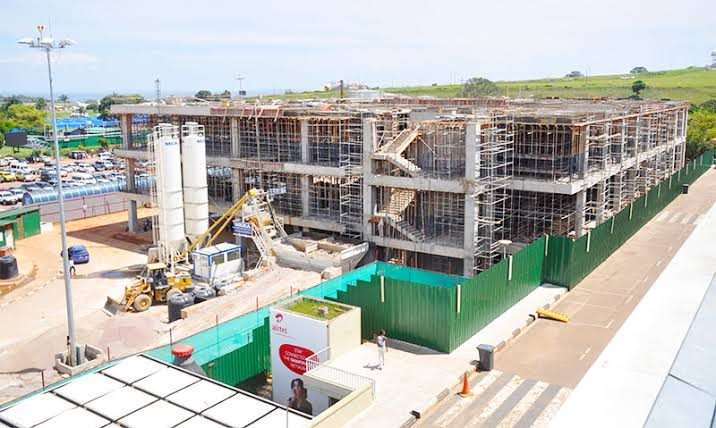
- Structural construction.
- Plastering and tiling.
- Painting and terrazzo works.
- Granite and marble works.
- Wood finishing.
- Gypsum and ceiling installations.
- Waterproofing works.
- Decorative stone works.
- Wall panel designs.
- Suspended ceilings.
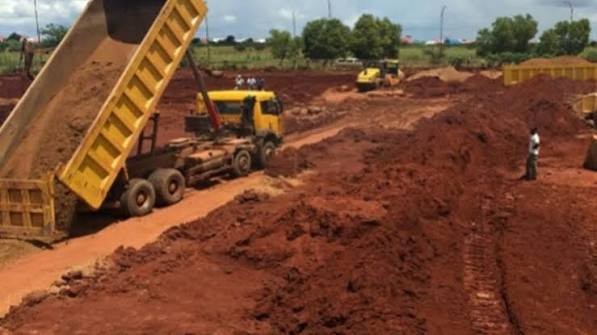
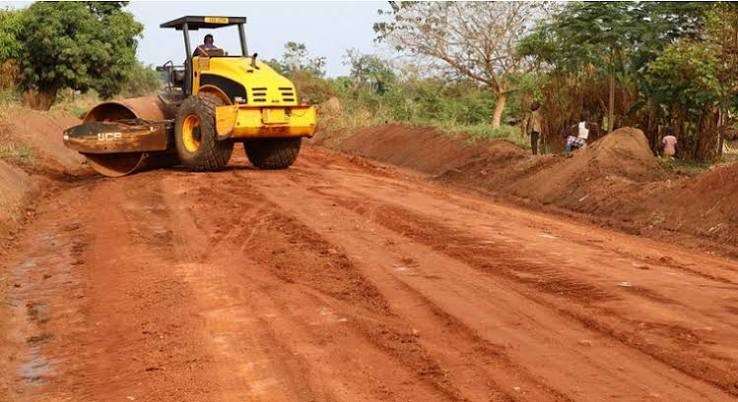
Daltrev also provides civil works such as land levelling, road opening, murram road construction, tarmac road construction, drainage works and bridge works.
Its construction consultancy services cover:
- Project planning and development.
- Preliminary cost estimates and budgeting.
- Material cost assessments.
- Technical advice and assessment.
- Construction coordination.
- Quality monitoring and site supervision support.
- Project documentation and reporting.
- Project completion and handover coordination.
The company’s construction project management services also support work scheduling, contractor coordination, resource planning, progress monitoring and project reporting.
These services are relevant to clients planning residential, commercial, institutional and industrial developments.
Before engaging any service, discuss your project scope, location, technical requirements and expected deliverables with the company.
Explore the following pages to learn more:
- Daltrev Building and Construction Works
- Daltrev Construction Consultancy
- Daltrev Construction Project Management
- Daltrev Civil Works
Frequently Asked Questions About Choosing a Building Construction Company in Uganda
1. How do I choose the best building construction company in Uganda?
Start by checking company registration, relevant professional compliance, experience, previous projects, service scope, material specifications, quotations, supervision, communication and written contract terms. Compare several suitable companies before making your decision.
2. What should I check before hiring a building contractor in Uganda?
Verify the company’s legal identity, relevant contractor requirements, professional team, similar project experience, quotation, material specifications, construction programme, safety arrangements and contract terms.
3. How can I verify whether a construction company is registered in Uganda?
You can request its business registration details and verify the company through the Uganda Registration Services Bureau. You should separately verify applicable professional registrations, practising certificates and statutory requirements.
4. Should I choose the cheapest building construction company?
Not necessarily. A very low quotation may exclude essential activities, use different material specifications or underestimate the resources required. Compare detailed quotations based on the same drawings and specifications before choosing.
5. What documents should a construction company provide?
Depending on the project, you may request business registration information, applicable licences or registrations, professional details, a detailed quotation, construction programme, written contract, insurance information where applicable and relevant project documentation.
6. Why is a bill of quantities important when hiring a contractor?
A bill of quantities helps identify construction work items, material quantities and estimated costs. It makes it easier to compare quotations and monitor project expenditure.
7. Can a construction company help with building plan approval?
A construction company may help coordinate the documentation and relevant professionals involved in the approval process. However, building plans and technical documents must be prepared and signed by appropriately qualified professionals, and approval must be obtained from the relevant authority.
8. How do I know if a building contractor uses quality materials?
Request material specifications, supplier information and supporting quality documents where applicable. You can also establish inspection and approval procedures before materials are incorporated into the building.
9. How can I avoid construction delays?
Use a realistic construction programme, agree on responsibilities, plan material procurement, monitor progress and document decisions. Ensure that necessary approvals and designs are available before work begins.
10. Is construction supervision necessary?
Yes. Appropriate supervision helps monitor workmanship, construction progress, materials and compliance with the approved drawings and specifications. The supervision arrangements should be suitable for the project’s size and complexity.
11. Does Daltrev Co. Ltd provide building construction services in Uganda?
Yes. Daltrev Co. Ltd lists construction and building works for residential, commercial, institutional and industrial developments, alongside civil works and related construction solutions.
12. Does Daltrev Co. Ltd offer construction consultancy and project management?
Yes. Its listed services include project planning, cost guidance, technical coordination, construction supervision support, project scheduling, progress monitoring and project reporting.
13. How can I request a construction quotation from Daltrev Co. Ltd?
Contact the company with your project location, type of building, approximate size, drawings if available, required services and expected timeline. This information helps the team understand your requirements and advise on the appropriate next steps.
Contact Daltrev Co. Ltd for Building Construction Services in Uganda
Choosing the right building construction company is an important step towards achieving a safe, functional and durable building.
Before making your final decision, assess the contractor’s legal and professional compliance, experience, construction capabilities, material quality, project supervision, quotation and contract terms.
A well-planned project supported by the right construction professionals can help reduce avoidable costs, improve workmanship and make the construction process more organised.
If you are planning a residential, commercial, institutional or industrial construction project, Daltrev Co. Ltd welcomes enquiries about its building works, civil works, construction consultancy, project management and construction supply services.
Contact Daltrev Co. Ltd to discuss your next building construction project in Uganda.
Company: Daltrev Co. Ltd
Location: Kampala, Uganda
Telephone: +256 744 702 773
Email: daltrevco@gmail.com
Website: https://www.daltrevco.com/
Looking for building construction services in Uganda? Speak to Daltrev Co. Ltd about your project requirements and the construction solutions available.