
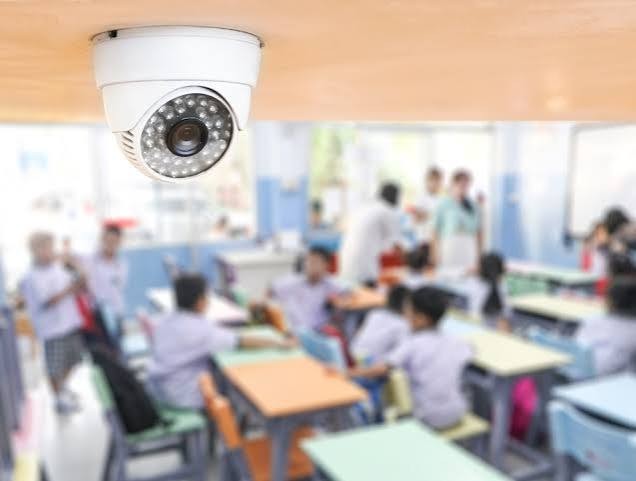
Educational institutions have a responsibility to provide safe learning environments for students, teachers, staff, parents and visitors. As schools, universities and other learning facilities grow, managing security across classrooms, administrative offices, laboratories, libraries, dormitories, playgrounds and entrances becomes increasingly important.
CCTV installation for schools and universities is an effective way to improve security visibility, monitor important areas, protect institutional property and support the management of daily activities. A professionally planned surveillance system helps administrators identify security incidents, investigate reported cases and monitor access to sensitive areas.
In Uganda, educational institutions face different security requirements depending on their size, location, infrastructure and number of learners. A small private school may need cameras at its main entrance, reception and compound, while a large university may require a more extensive CCTV network covering lecture blocks, hostels, parking areas, laboratories, libraries and perimeter boundaries.
At Daltrevco, we recognise the importance of reliable security infrastructure in modern buildings. This guide explains the benefits, camera types, installation requirements, suitable locations, costs and important considerations when planning CCTV systems for educational institutions in Uganda.
Why CCTV Systems Are Important for Schools and Universities
CCTV systems help educational institutions monitor their premises and strengthen existing security arrangements. They provide visual information that can assist security personnel and administrators in responding to incidents.
1. Improving Student and Staff Safety
Schools and universities accommodate large numbers of people every day. CCTV cameras installed in appropriate shared areas help security teams monitor movement, identify unusual activity and respond to reported incidents.
Surveillance can be particularly useful around:
- Main entrances and exits.
- Reception and administration areas.
- Corridors and shared passageways.
- School compounds and walkways.
- Parking areas.
- Common areas in student accommodation.
- External access points and perimeter gates.
CCTV should complement other safeguarding measures, including supervision, access management, emergency procedures and appropriate staffing.
2. Preventing Theft and Vandalism
Educational institutions often contain valuable equipment, including computers, projectors, laboratory instruments, furniture, networking equipment and teaching materials.
Without suitable monitoring, theft and vandalism can be difficult to investigate. CCTV cameras help administrators monitor vulnerable locations and review recorded footage when incidents occur.
Cameras can be strategically installed around computer laboratories, equipment stores, libraries, workshops, administrative offices and other authorised areas.
3. Monitoring Entry and Exit Points
Schools and universities receive students, parents, teachers, contractors, suppliers and other visitors. Controlling and monitoring access is therefore an important part of institutional security.
CCTV cameras at entrances and exits can help security personnel observe visitor movements, monitor vehicle access and review activity around reception areas.
For larger institutions, CCTV can also be integrated with access control systems to strengthen the management of restricted buildings and facilities.
4. Supporting Incident Investigations
When security incidents occur, administrators may need reliable information to understand what happened.
Depending on camera positioning, image quality and recording settings, CCTV footage may help investigate:
- Unauthorised entry.
- Theft of institutional property.
- Vandalism.
- Damage to school facilities.
- Unauthorised access to restricted areas.
- Security incidents involving visitors.
- Vehicle-related incidents within institutional premises.
Recorded footage should only be accessed by authorised personnel and handled in accordance with applicable privacy and data protection requirements.
5. Protecting Institutional Assets
Universities, colleges and schools invest in buildings, vehicles, laboratories, libraries, sports facilities and information technology equipment.
CCTV helps security teams monitor important assets and identify areas where additional protection may be necessary.
For example, cameras can be installed around server rooms, electrical installations, laboratory entrances, storage facilities and equipment rooms, provided the locations are appropriate for surveillance.
6. Improving Security Management Across Large Campuses
Large universities and boarding schools may have multiple buildings spread across extensive compounds. Monitoring every area manually can be challenging.
A centralised CCTV system allows authorised security personnel to view cameras from designated monitoring stations. Depending on the system design, administrators may also access selected camera feeds remotely through secure devices.
This makes it easier to coordinate security operations across different buildings and campus sections.
Best CCTV Camera Locations in Schools and Educational Institutions
Effective CCTV installation starts with identifying security risks and selecting suitable camera positions. Installing cameras without a clear coverage plan can create blind spots, unnecessary costs and privacy concerns.
The following areas are commonly considered during CCTV planning.
1. Main Entrances and Reception Areas
Main entrances are among the most important CCTV locations in an educational institution.
Cameras can help monitor people entering and leaving the premises, observe reception activity and provide footage for reviewing security incidents.
Where identification is important, cameras should be selected and positioned to capture usable images of people approaching the entrance.
2. School Corridors and Passageways
Corridors connect classrooms, offices, laboratories and other facilities. Cameras in appropriate shared corridors can help security personnel monitor movement and investigate reported incidents.
Camera positioning should avoid capturing private spaces and should be designed to minimise unnecessary recording of sensitive activities.
3. Computer Laboratories and Libraries
Computer laboratories and libraries contain equipment and resources that require protection.
CCTV can help monitor access points, equipment storage areas and shared spaces. Camera placement should respect the privacy of students and staff and should not interfere with normal learning activities.
4. Parking Areas and Vehicle Entrances
Schools and universities with parking facilities may experience vehicle congestion, unauthorised parking, theft and disputes involving vehicles.
Outdoor CCTV cameras can help monitor:
- Vehicle entrances and exits.
- Staff parking areas.
- Visitor parking.
- School bus parking.
- Loading and delivery areas.
Where vehicle number plate identification is required, dedicated ANPR cameras may be more appropriate than ordinary surveillance cameras.
5. Laboratories and Workshops
Science laboratories, engineering workshops and technical training facilities may contain specialised equipment, chemicals, tools and machinery.
CCTV cameras can monitor authorised entrances and suitable shared areas. However, surveillance must be planned carefully to avoid interfering with safety procedures or recording confidential activities.
6. Perimeter Boundaries and Outdoor Compounds
Large school compounds and university campuses may have multiple gates, boundary walls, open spaces and pedestrian access points.
Weather-resistant outdoor cameras can help monitor selected perimeter sections and vulnerable access routes.
Depending on the size of the compound, PTZ cameras may be useful for security personnel who need to adjust viewing direction. Fixed cameras should still be considered where continuous coverage of particular locations is required.
7. Administrative Offices and Records Areas
Administrative offices may contain confidential documents, financial records, computers and other important institutional assets.
CCTV can be installed at suitable entrances and shared office areas. Access to recorded footage should be restricted to authorised individuals.
8. Student Accommodation and Hostel Common Areas
Boarding schools, colleges and universities with student accommodation may require additional security monitoring.
Appropriate CCTV locations can include hostel entrances, external walkways, reception points and shared common areas where surveillance is justified.
CCTV cameras must not be installed in bedrooms, bathrooms, changing rooms or other spaces where individuals have a reasonable expectation of privacy. This is particularly important in institutions accommodating children and young people.
Types of CCTV Cameras Suitable for Schools and Universities
Different educational facilities require different camera technologies. Selecting the right equipment depends on the installation environment, required image quality, coverage area, lighting conditions and available infrastructure.
1. IP CCTV Cameras
<AsyncImage query=”modern IP CCTV security camera installed on university school building exterior” aspectRatio=”16:9″ />
IP cameras transmit digital video over a network and are commonly used in modern surveillance installations.
Their features may include:
- High-definition video recording.
- Network-based monitoring.
- Remote viewing where securely configured.
- Integration with network video recorders.
- Support for video analytics on compatible models.
IP CCTV systems are suitable for schools, colleges and universities that need scalable surveillance across multiple buildings.
2. Dome CCTV Cameras
<AsyncImage query=”white indoor dome CCTV security camera installed in school corridor ceiling” aspectRatio=”16:9″ />
Dome cameras are commonly installed indoors in corridors, reception areas, libraries and administrative buildings.
Their compact design makes them suitable for environments where a discreet camera installation is preferred.
Depending on the model, dome cameras may offer wide-angle viewing, infrared night vision and vandal-resistant housing.
3. Bullet CCTV Cameras
<AsyncImage query=”outdoor bullet CCTV security camera mounted on school building wall” aspectRatio=”16:9″ />
Bullet cameras are designed for visible surveillance and are often used outdoors.
They can be suitable for monitoring entrances, perimeter boundaries, parking areas and outdoor walkways.
When selecting outdoor bullet cameras, consider weather protection, infrared performance, viewing angle and mounting height.
4. PTZ CCTV Cameras
<AsyncImage query=”PTZ pan tilt zoom security camera installed on university campus pole” aspectRatio=”16:9″ />
PTZ cameras can pan horizontally, tilt vertically and zoom into selected areas.
They are useful in larger campuses, open compounds, sports facilities and parking areas where security personnel need to adjust the camera’s viewing direction.
However, a PTZ camera cannot continuously monitor every direction while it is moving or focused elsewhere. Fixed cameras may be needed to maintain uninterrupted coverage of important access points.
5. Night Vision CCTV Cameras
<AsyncImage query=”infrared night vision CCTV security camera outdoor campus entrance at night” aspectRatio=”16:9″ />
Educational institutions may require surveillance after normal learning hours, particularly around entrances, parking areas, hostels and perimeter boundaries.
Night vision cameras use infrared or other low-light technologies to capture images in dark conditions.
Their performance depends on camera specifications, lighting conditions, installation distance and the environment.
6. Panoramic CCTV Cameras
<AsyncImage query=”panoramic multi sensor CCTV camera installed in large university campus courtyard” aspectRatio=”16:9″ />
Panoramic cameras can provide wide-area coverage from a single installation point, depending on their lens or multi-sensor design.
They may be useful in large reception halls, open courtyards, shared facilities and selected campus spaces.
A panoramic camera should be evaluated for the level of detail it provides across the entire viewing area, not just its advertised field of view.
Important Features to Consider When Choosing School CCTV Cameras
Choosing CCTV cameras based only on price can lead to poor image quality, inadequate coverage and higher maintenance costs.
Educational institutions should evaluate the following technical features before purchasing surveillance equipment.
Image Resolution
Camera resolution affects the amount of visual detail captured.
High-resolution cameras may be useful at entrances, reception areas and locations where identifying people or observing specific activity is important.
However, resolution alone does not guarantee identification. Lens selection, viewing distance, lighting, camera positioning and recording quality also matter.
Night Vision and Low-Light Performance
Some incidents occur outside normal school hours. Cameras installed in outdoor locations should therefore have suitable low-light or infrared capabilities.
Where possible, evaluate night-time sample footage before selecting equipment.
Wide Dynamic Range
Entrances and corridors may have changing lighting conditions, particularly where bright outdoor light meets darker indoor spaces.
Wide Dynamic Range (WDR) technology helps cameras manage contrasting light levels and can improve image visibility in challenging conditions.
Motion Detection and Video Analytics
Some CCTV systems include motion detection and advanced video analytics.
Depending on the equipment, these features may help identify activity in restricted areas, detect line crossing or distinguish people and vehicles from other movement.
Analytics should be tested in the actual installation environment because lighting, weather, vegetation and other factors can cause false alerts.
Recording and Storage Capacity
Schools and universities should determine how long footage needs to be retained and how much storage is required.
Storage planning depends on:
- Number of cameras.
- Camera resolution.
- Frame rate.
- Video compression.
- Continuous or event-based recording.
- Required retention period.
- Applicable legal and institutional policies.
A properly sized network video recorder or approved storage solution helps ensure that important footage remains available when required.
Remote Monitoring
Secure remote monitoring allows authorised personnel to view selected cameras from approved devices.
This can be useful for administrators and security managers responsible for multiple buildings.
Remote access should use strong passwords, appropriate user permissions, secure network configurations and updated firmware.
Weather Resistance
Outdoor cameras should be selected according to the conditions in which they will operate.
Consider weather-resistant housing, dust protection, corrosion resistance and suitable mounting equipment, particularly for cameras exposed to rain and direct sunlight.
Wired vs Wireless CCTV Systems for Educational Institutions
Schools and universities can choose between wired and wireless CCTV installations depending on their infrastructure and security requirements.
| Feature | Wired CCTV | Wireless CCTV |
|---|---|---|
| Connection | Uses network or video cables | Uses wireless network for video transmission |
| Reliability | Generally stable when correctly installed | Depends on wireless coverage and interference |
| Installation | May require more cabling work | Can reduce video cabling requirements |
| Scalability | Can support large structured systems | Depends on network capacity |
| Power | Usually requires a separate power source or PoE | Still requires power or a suitable battery arrangement |
| Best suited for | Permanent, larger installations | Selected locations where cabling is difficult |
For large educational institutions, wired IP CCTV systems are often a practical option because they can provide structured network connectivity and centralised recording.
Wireless cameras may be suitable for selected locations where installing cables is difficult. However, wireless transmission does not remove the need for reliable power, secure networking and adequate signal coverage.
The most appropriate solution depends on the campus layout and the institution’s security objectives.
CCTV Installation Process for Schools and Universities
A successful CCTV installation requires more than mounting cameras on walls. It involves planning, equipment selection, cabling, configuration, testing and handover.
Step 1: Security Assessment and Site Survey
The installation process begins with assessing the institution’s security requirements.
The assessment should identify:
- Main access points.
- Vulnerable buildings and facilities.
- Areas with previous security incidents.
- Outdoor coverage requirements.
- Existing network and electrical infrastructure.
- Suitable monitoring locations.
- Privacy and safeguarding restrictions.
This information helps establish a CCTV plan based on actual institutional needs.
Step 2: CCTV Camera Layout and System Design
After the assessment, a camera layout is developed to determine the number, type and position of cameras required.
The design should consider camera viewing angles, mounting heights, lighting, potential obstructions, recording requirements and network connectivity.
It should also identify locations where additional lighting, network switches or infrastructure improvements may be necessary.
Step 3: Equipment Selection
The next stage involves selecting appropriate cameras, recording equipment, cables, network switches, power supplies and accessories.
Equipment should be compatible and suitable for the expected operating conditions.
For larger campuses, the design should also consider future expansion.
Step 4: Cabling and Network Infrastructure
Cabling connects cameras to the recording and monitoring infrastructure.
For IP systems, this may involve structured network cabling, PoE switches and fibre-optic links between buildings.
Where cameras are installed outdoors, appropriate cable protection and environmental safeguards should be considered.
Step 5: Camera Installation and Mounting
Cameras are mounted at positions selected during the design stage.
Installers should ensure that cameras are securely fixed, correctly angled and protected against avoidable damage.
The installation should avoid unnecessary obstruction of walkways, learning activities and building services.
Step 6: Recording and Software Configuration
After physical installation, the cameras are connected to the recording system.
Configuration may include:
- Camera names and locations.
- Recording schedules.
- Motion detection settings.
- Storage allocation.
- User permissions.
- Remote viewing.
- Time and date synchronisation.
- Network security settings.
Step 7: Testing and Commissioning
Every camera should be tested to confirm that it provides the required coverage.
Testing should include daytime and night-time image quality, recording, playback, network connectivity, motion alerts where applicable and remote access.
Any blind spots or configuration problems should be addressed before handover.
Step 8: Training and Handover
The institution’s authorised security personnel should understand how to operate the system.
Training may cover live viewing, playback, exporting footage, managing user accounts and responding to technical alerts.
The institution should also receive relevant system documentation and maintenance guidance.
Integrating CCTV with Access Control and Other Security Systems
Modern educational institutions may benefit from integrating CCTV with other building security technologies.
CCTV and Access Control Systems
Access control systems regulate entry into selected buildings and restricted areas using cards, PIN codes, credentials or other approved methods.
When integrated with CCTV, authorised security personnel may be able to review video associated with access events.
This can improve visibility around computer laboratories, administration blocks, server rooms and other restricted facilities.
CCTV and Intruder Alarm Systems
Intruder alarm systems detect unauthorised access or other defined security events.
Integration with CCTV can help security teams assess an alarm event by reviewing relevant camera footage.
CCTV and Vehicle Access Management
Larger universities may use automatic number plate recognition (ANPR) systems to support vehicle access management.
ANPR cameras can capture vehicle registration details under suitable conditions. Their effectiveness depends on camera positioning, vehicle speed, plate visibility, lighting and local plate compatibility.
CCTV and Building Management Systems
Some institutions use Building Management Systems (BMS) to monitor and manage building services.
CCTV may be incorporated into a broader building security or monitoring environment where compatible systems and appropriate integration are available.
CCTV Installation Costs for Schools and Universities in Uganda
The cost of installing CCTV in an educational institution depends on the size of the premises, the number of cameras, the required technology and the complexity of the installation.
A small school with a few key entrances will have different requirements from a university with multiple buildings, hostels, laboratories and extensive outdoor spaces.
Rather than relying on a standard price, institutions should request a site assessment and a detailed quotation based on their security requirements.
Factors That Determine CCTV Installation Costs
1. Number of cameras
The number of cameras required is one of the main cost considerations. Larger institutions generally need more cameras to cover different buildings and access points.
2. Camera type and specifications
Basic indoor cameras, outdoor cameras, PTZ cameras, panoramic cameras and specialised ANPR systems have different equipment requirements and costs.
3. Size and layout of the institution
A campus with widely separated buildings may require additional cabling, fibre-optic connections, network equipment and installation work.
4. Recording and storage capacity
The cost of recording equipment depends on the number of channels, required storage capacity, recording quality and footage retention requirements.
5. Network infrastructure
Existing network infrastructure may reduce installation work. Institutions without suitable infrastructure may need additional switches, cabling, cabinets or fibre connections.
6. Power supply and backup
Reliable power is essential for continuous surveillance. Depending on the institution’s requirements, the project may need backup power, UPS equipment or other suitable power arrangements.
7. Monitoring facilities
Some institutions require a central security control room with monitors, recording equipment, workstations and appropriate furniture.
8. Installation complexity
High mounting positions, long cable routes, difficult building layouts and outdoor installations can increase labour and equipment requirements.
9. Integration with other systems
Connecting CCTV to access control, alarms and other security technologies can affect the overall project cost.
10. Maintenance and technical support
Institutions should also consider ongoing maintenance, software updates, equipment inspection and replacement of faulty components.
Data Protection, Privacy and Safeguarding Considerations
CCTV installation in educational institutions requires careful attention to privacy, especially where children and young people are involved.
In Uganda, institutions should consider their obligations under the Data Protection and Privacy Act, 2019, together with applicable regulations and guidance.
Important considerations include:
Avoid Recording Private Spaces
Cameras should not be installed in toilets, bathrooms, changing rooms, bedrooms or other areas where individuals reasonably expect privacy.
In boarding schools and universities, this is particularly important in student accommodation.
Inform Students, Staff and Visitors
Appropriate notices should explain that CCTV monitoring is taking place.
Institutions should provide clear information about the purpose of surveillance and how individuals can obtain further information.
Limit Access to Recorded Footage
Only authorised personnel should be permitted to view or export recorded footage.
User accounts should have appropriate permissions, and access should be reviewed when staff responsibilities change.
Establish a Retention Policy
Institutions should determine how long recordings are retained based on legitimate security needs and applicable legal requirements.
Footage should not be kept indefinitely without a justified purpose.
Protect CCTV Systems Against Cybersecurity Risks
Network-connected CCTV systems can introduce cybersecurity risks if poorly configured.
Institutions should use strong passwords, secure networks, updated firmware, restricted remote access and appropriate user permissions.
Assess the Use of Facial Recognition and Other Biometrics Carefully
Facial recognition and biometric technologies raise additional privacy and data protection considerations.
Schools and universities should not assume that these technologies are automatically appropriate simply because a CCTV system supports them. Any proposed use should undergo a proper legal, privacy and safeguarding assessment.
Common CCTV Installation Mistakes Educational Institutions Should Avoid
A poorly designed surveillance system may leave important areas unmonitored or create unnecessary costs.
The following mistakes should be avoided.
Installing Cameras Without a Security Plan
Buying cameras before assessing the premises can result in poor coverage, duplicated views and unnecessary equipment.
A site survey should guide the design.
Choosing Cameras Based Only on Price
Low-cost cameras may not provide the image quality, reliability or environmental protection required.
Institutions should compare specifications, compatibility, warranty terms and long-term operating requirements.
Ignoring Night-Time Surveillance
Some security incidents happen after normal school hours.
Outdoor cameras should be selected and tested for the actual lighting conditions in which they will operate.
Failing to Plan Storage Capacity
Insufficient storage can result in footage being overwritten before it is needed.
Storage should be calculated according to camera quantity, recording settings and the institution’s retention policy.
Ignoring Network and Power Reliability
CCTV cameras depend on reliable power and connectivity.
Institutions should consider backup power, network capacity and appropriate protection for outdoor infrastructure.
Neglecting Privacy Requirements
Installing cameras in sensitive areas can violate privacy and damage trust.
A surveillance plan must clearly identify where cameras are justified and where monitoring is inappropriate.
Failing to Maintain the System
Dirty lenses, damaged cables, outdated firmware and faulty storage equipment can affect CCTV performance.
Regular maintenance is essential for dependable operation.
CCTV Maintenance for Schools and Universities
CCTV systems should be inspected regularly to ensure that they continue working as intended.
A maintenance programme may include:
- Cleaning camera lenses and protective covers.
- Checking camera positioning and mounting brackets.
- Inspecting cables and network connections.
- Testing night vision and image quality.
- Checking recording and playback functions.
- Reviewing storage capacity and recording retention.
- Testing backup power equipment.
- Updating firmware and security settings.
- Reviewing user accounts and access permissions.
- Replacing damaged or unreliable components.
Maintenance schedules should reflect the size of the installation, equipment requirements and operating environment.
For institutions with several buildings, a documented maintenance plan can help identify recurring faults and reduce unexpected system interruptions.
How to Choose the Best CCTV Installation Company for a School or University in Uganda
Selecting a suitable CCTV installer is an important decision because the quality of the design and installation affects the performance of the entire security system.
Before engaging a contractor, educational institutions should consider the following factors.
1. Experience with commercial and institutional installations: Look for a provider that understands the requirements of larger buildings, multi-camera systems and complex premises.
2. Site assessment and planning: A reliable provider should assess the property before recommending camera quantities and equipment.
3. Knowledge of CCTV technologies: The installer should understand IP cameras, recording systems, network infrastructure, outdoor cameras and other relevant technologies.
4. System compatibility: Cameras, recorders, network equipment and software should work together correctly.
5. Data protection awareness: The installer should understand the importance of privacy-conscious camera positioning and secure system configuration.
6. Testing and commissioning: The project should include testing of camera views, recording, playback, connectivity and other agreed functions.
7. Maintenance arrangements: Ask about available maintenance support, troubleshooting and replacement of faulty equipment.
8. Clear project documentation: The institution should receive relevant camera layouts, equipment information, user guidance and system handover documents.
Why Plan Your Educational Institution’s CCTV Installation with Daltrevco?
A CCTV system should be designed around the actual security needs of the property rather than simply installing cameras wherever space is available.
Daltrevco is a point of contact for property owners, developers and institutions planning building and security infrastructure projects in Uganda.
When planning CCTV installation for a school, university, college or other educational facility, it is important to consider the institution’s layout, access points, security priorities, network infrastructure, power requirements and future expansion.
Contact Daltrevco through www.daltrevco.com to discuss your project requirements and explore suitable solutions for your premises.
Whether you are planning CCTV for a new school building, upgrading an existing surveillance system or considering security infrastructure for a larger campus, proper planning can help create a more organised and effective security environment.
Frequently Asked Questions About CCTV Installation for Schools and Universities
1. Why do schools need CCTV cameras?
Schools use CCTV cameras to monitor entrances, protect institutional property, improve security visibility and support investigations into reported incidents. CCTV also helps security personnel monitor selected shared areas.
2. Where should CCTV cameras be installed in schools?
Common locations include main entrances, reception areas, corridors, parking areas, external walkways, libraries, computer laboratory entrances and perimeter access points. Camera placement should be based on a security assessment and privacy requirements.
3. Can CCTV cameras be installed in school classrooms?
Cameras may be considered in certain classrooms where there is a justified security or operational need. However, institutions should assess privacy, safeguarding, educational requirements and applicable data protection obligations before installing them.
4. Can schools install CCTV cameras in student hostels?
Cameras may be installed in appropriate hostel entrances, reception areas and shared external spaces. They should not be installed in bedrooms, bathrooms, changing rooms or other private spaces.
5. Which CCTV cameras are best for universities?
IP CCTV cameras are often suitable for larger university installations because they can support network-based monitoring and centralised recording. Dome, bullet, PTZ and panoramic cameras may also be used depending on the location and coverage requirements.
6. Is wired or wireless CCTV better for schools?
Wired CCTV is often suitable for permanent, large-scale installations because it provides structured connectivity. Wireless cameras can be useful in selected locations where cabling is difficult. The best option depends on network coverage, power availability and campus layout.
7. Can CCTV cameras monitor a university campus at night?
Yes. Cameras with suitable infrared night vision or low-light capabilities can monitor selected areas after dark. Actual performance depends on lighting, camera specifications and installation conditions.
8. Can CCTV systems be monitored remotely?
Yes. Compatible CCTV systems can allow authorised users to view camera feeds remotely through approved devices. Remote access should be securely configured and restricted to authorised personnel.
9. How long can schools keep CCTV footage?
Retention depends on the institution’s legitimate security requirements, storage capacity and applicable data protection obligations. Schools should establish a documented retention policy rather than keeping recordings indefinitely.
10. Can CCTV be integrated with school access control systems?
Yes. Compatible CCTV and access control systems can work together to help administrators review activity around restricted entrances and authorised access events.
11. What determines the cost of CCTV installation in a school?
The cost depends on the number and type of cameras, property size, cable routes, storage requirements, network infrastructure, power arrangements, monitoring facilities and installation complexity.
12. Do universities need a central CCTV control room?
A central monitoring room can be useful for larger universities with multiple buildings and extensive camera networks. Smaller institutions may use a more compact monitoring arrangement.
13. Can CCTV cameras identify visitors entering a school?
Suitable cameras can capture images of visitors at entrances. Identification quality depends on camera resolution, lens selection, lighting, viewing distance and positioning.
14. Do CCTV cameras need internet access to work?
Many CCTV systems can record locally without an internet connection. Internet connectivity is generally needed for certain remote monitoring and cloud-based features, depending on the system design.
15. How often should school CCTV systems be maintained?
Maintenance frequency depends on equipment, operating conditions and system size. Institutions should follow manufacturer recommendations and establish routine inspections and testing.
16. Can CCTV cameras monitor school buses and parking areas?
Yes. Suitable cameras can monitor school bus parking, vehicle entrances, visitor parking and other authorised vehicle areas. Specialised ANPR cameras may be considered where number plate recognition is required.
17. Are CCTV systems suitable for small private schools?
Yes. Small schools can begin with cameras covering priority locations such as entrances, reception areas, administration offices and selected outdoor spaces. The system can be expanded as requirements change.
18. Can CCTV improve security in boarding schools?
CCTV can support security monitoring in appropriate shared areas, entrances and external walkways. It should complement staff supervision and safeguarding procedures rather than replace them.
19. What is the difference between CCTV and access control?
CCTV captures and records video, while access control manages who can enter designated areas. Both technologies can be integrated to strengthen institutional security.
20. How can an educational institution plan a CCTV installation project?
Start with a security assessment, identify priority locations, develop a camera layout, select compatible equipment, plan cabling and storage, address privacy requirements, and arrange professional installation, testing and maintenance.
Conclusion
CCTV installation for schools, universities and educational institutions is an important part of creating safer, better-managed learning environments. A well-planned surveillance system can help protect students, staff, visitors and institutional property while supporting security operations across classrooms, offices, laboratories, libraries, hostels and outdoor facilities.
The most effective CCTV solution depends on the institution’s size, layout, security priorities, camera requirements, network infrastructure and privacy obligations. Careful planning, suitable equipment and professional installation are essential for achieving reliable surveillance coverage.
For educational institutions planning new CCTV installations or upgrading existing systems in Uganda, Daltrevco can be contacted to discuss project requirements and suitable building security solutions.
Visit Daltrevco to learn more and discuss your next project.

