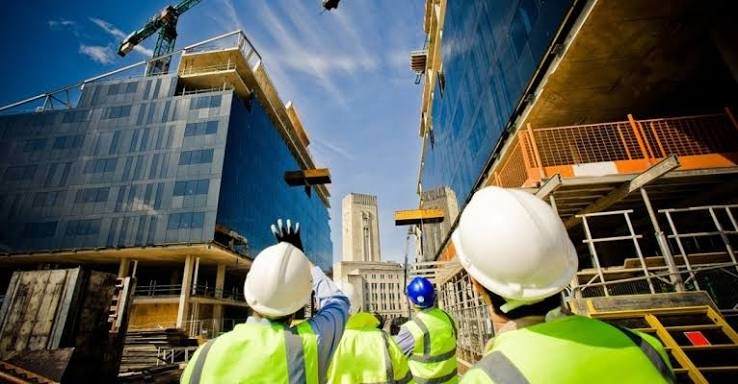
Choosing the right contractor for a commercial building project is one of the most important decisions a property developer, business owner or investor will make. Whether you are planning to construct an office block, shopping centre, warehouse, hotel, industrial facility or retail complex, the contractor you appoint can significantly influence the project’s cost, quality, safety and completion time.
Commercial building projects involve substantial financial commitments, technical requirements and coordination between different professionals, suppliers and construction teams. A contractor who lacks the necessary experience, resources or management systems can expose a project to poor workmanship, budget overruns, construction delays and avoidable disputes.
In Uganda, where commercial property development continues to create opportunities for investors and businesses, selecting a suitable construction contractor requires more than comparing quotations. You need to evaluate professional qualifications, previous projects, technical capacity, material quality, financial arrangements, safety procedures and the contractor’s ability to deliver the agreed scope.
Before signing a construction agreement, it is important to understand exactly what the contractor will provide, how the project will be managed and how quality will be monitored.
This guide explains 15 important things to check when choosing the right contractor for commercial building projects in Uganda, helping you make a more informed decision and protect your construction investment.
1. Verify the Contractor’s Business Registration and Legal Identity
Before discussing prices or signing an agreement, establish that the construction company is a genuine business operating under a verifiable legal identity.
A commercial building project can involve substantial payments, contractual obligations and long-term responsibilities. You should therefore know exactly which company or individual you are engaging.
Ask the contractor to provide relevant business information, including:
- Registered business or company name.
- Certificate of incorporation or business registration details, where applicable.
- Registered business address and contact information.
- Tax identification information where relevant.
- Details of the company’s authorised representatives.
- Applicable contractor licences, registrations or approvals required for the particular work.
You can independently verify company registration information through the Uganda Registration Services Bureau (URSB), where applicable.
Do not rely entirely on a company profile, social media page, business card or verbal assurance. Confirm that the legal entity named in the construction agreement is the same entity you have evaluated.
Practical tip: Make sure the company name, payment details, quotation and contract information are consistent before making any significant payment.
2. Check the Contractor’s Experience in Commercial Building Construction
Commercial building construction requires experience that may differ considerably from ordinary residential construction.
An office block, hotel, warehouse, shopping centre and industrial facility each have different structural, operational and building-services requirements.
For example, an office building may require carefully coordinated electrical installations, lifts, ventilation, fire protection and internal partitions. A warehouse may require large open spaces, suitable floor loading capacity, loading bays and specialised roofing systems.
Ask the contractor:
- How long have you been undertaking construction projects?
- Have you completed projects similar to mine?
- What types of commercial buildings have you worked on?
- What construction activities did your company undertake?
- Can you provide evidence of completed projects?
Prioritise contractors whose demonstrated experience matches the complexity and intended use of your proposed building.
A company with extensive experience in small residential houses may not automatically have the technical capacity to manage a large commercial development.
3. Request Evidence of Previous Construction Projects
A contractor’s previous projects can help you assess workmanship, experience and the ability to deliver similar construction assignments.
Do not select a contractor based only on attractive photographs in a company brochure. Request verifiable project information.
Useful evidence includes:
- Photographs of completed commercial buildings.
- Project descriptions and construction scope.
- Locations of previous projects.
- Completion dates.
- References from previous clients.
- Details of the contractor’s actual role in each project.
Where possible, arrange to visit completed buildings or active construction sites.
During a site visit, examine:
- General workmanship and finishing quality.
- Structural and architectural coordination.
- Quality of doors, windows and other installations.
- Flooring, ceilings and wall finishes.
- Drainage and external works.
- General site organisation and safety.
It is also important to establish whether the contractor was the main contractor, a subcontractor, a materials supplier or a specialist service provider.
This prevents you from assuming that a company delivered an entire project when it may only have completed a specific section of the work.
4. Verify the Qualifications of the Professionals Responsible for the Project
A commercial building project requires competent professionals to handle its design, technical assessment, supervision and other regulated responsibilities.
Depending on the building’s complexity, the project team may include:
- Registered architect.
- Registered structural engineer.
- Quantity surveyor.
- Civil engineer.
- Electrical engineer.
- Mechanical engineer.
- Construction project manager.
- Other specialists required by the project.
Ask who will prepare and approve the architectural and structural designs, who will supervise construction and who will be responsible for the relevant technical decisions.
Verify professional registration with the appropriate professional bodies where applicable.
For example, architectural registration can be checked through the Architects Registration Board, while engineering registration can be checked through the Engineers Registration Board.
A contractor should not claim that its company registration automatically authorises every employee or representative to undertake regulated professional duties.
In Uganda, the Building Control (Amendment) Act, 2026 introduced additional requirements concerning structural engineering designs and submissions for multi-storied buildings as defined by the amended law. These requirements make it particularly important to confirm the qualifications and responsibilities of the professionals involved in applicable projects. Read the amended law.
5. Evaluate the Contractor’s Technical Capacity and Resources
A contractor may have an attractive portfolio but still lack the equipment, skilled workforce or organisational capacity required for your particular project.
Before appointment, assess whether the contractor can realistically undertake the proposed scope of work.
Consider the following:
Skilled workforce: Does the company have access to qualified supervisors, technicians, masons, carpenters, electricians, plumbers and other required workers?
Construction equipment: Does it have access to the machinery, tools, scaffolding, formwork and lifting equipment needed for the project?
Technical supervision: Is there an appropriate structure for managing site activities and checking workmanship?
Material procurement: Can the contractor source and coordinate the delivery of materials according to project specifications?
Project management: Does the company have systems for scheduling, resource allocation, progress reporting and cost monitoring?
Subcontractor coordination: Can the contractor manage specialist activities such as electrical installations, plumbing, lifts, fire systems and aluminium works?
The resources required will depend on the size and complexity of the development. Some contractors own equipment, while others hire it when needed. What matters is whether the resources are available, suitable and properly managed.
6. Ask for a Detailed Construction Quotation
One of the most important steps when selecting a commercial building contractor is evaluating the quotation.
Do not choose a contractor simply because they offer the lowest price. A quotation that appears cheap may exclude essential construction activities, use unclear material specifications or contain costs that will later be added as variations.
A professional quotation should clearly explain the proposed scope of work and the associated costs.
Check whether it includes:
- Site preparation and excavation.
- Foundation and substructure works.
- Structural construction.
- Walling and roofing.
- Electrical and plumbing installations.
- Doors, windows and glazing.
- Flooring, ceilings and painting.
- Fire protection and other building services.
- External works and drainage.
- Labour and equipment costs.
- Material specifications.
- Applicable exclusions and provisional sums.
Where appropriate, request a detailed Bill of Quantities (BOQ) prepared or reviewed by a qualified quantity surveyor.
The quotation should also clarify whether taxes, professional fees, statutory charges and other project expenses are included or excluded.
A detailed quotation makes it easier to compare contractors fairly and identify possible financial risks before signing the agreement.
7. Compare Contractors Based on Value, Not Just Price
Comparing several quotations is useful, but the comparison must be based on equivalent construction specifications.
A contractor may quote a lower price because the proposed materials, finishes, labour allowances or scope of work differ from those of other contractors.
For example, two quotations for the same commercial building may have different provisions for:
- Reinforcement steel specifications.
- Concrete grades and quantities.
- Roofing systems.
- Aluminium windows and glazing.
- Electrical installations.
- Plumbing fixtures.
- Flooring and ceiling finishes.
- Waterproofing systems.
Before making a decision, compare the quotations line by line.
| Evaluation area | Contractor A | Contractor B | Contractor C |
|---|---|---|---|
| Total quoted cost | Review | Review | Review |
| Scope of work | Review | Review | Review |
| Material specifications | Review | Review | Review |
| Similar project experience | Review | Review | Review |
| Professional team | Review | Review | Review |
| Construction programme | Review | Review | Review |
| Payment terms | Review | Review | Review |
| Quality control | Review | Review | Review |
| Safety arrangements | Review | Review | Review |
| Contract conditions | Review | Review | Review |
The best choice is not necessarily the contractor with the lowest quotation. It is the contractor whose verified capacity, technical proposal, price and contractual commitments provide the best overall value for your project.
8. Examine the Contractor’s Project Management Approach
Commercial building projects involve multiple activities that must be carefully coordinated.
Poor project management can result in material shortages, idle workers, conflicting construction activities, unnecessary expenditure and delayed completion.
Ask the contractor how the project will be organised from commencement to handover.
A suitable project management approach should address:
- Project planning and scheduling.
- Work sequencing and construction milestones.
- Labour and equipment allocation.
- Material procurement and delivery.
- Coordination of subcontractors.
- Site supervision.
- Progress monitoring and reporting.
- Cost control and variation management.
- Quality inspections.
- Completion and handover arrangements.
Request a preliminary construction programme showing the main activities and expected timelines.
You should also know who will be your main point of contact and how frequently you will receive progress reports.
A contractor who cannot explain how the project will be managed may struggle to coordinate a complex commercial development.
9. Assess Material Quality and Supply Arrangements
Construction materials have a direct influence on building strength, durability, safety and appearance.
A suitable contractor should understand the materials required for the project and be able to demonstrate how quality will be checked.
Important materials may include:
- Cement and concrete products.
- Reinforcement and structural steel.
- Sand and aggregates.
- Bricks and concrete blocks.
- Roofing materials.
- Timber and formwork materials.
- Aluminium and glazing products.
- Plumbing and electrical components.
- Tiles, paints and other finishing products.
- Waterproofing and insulation materials.
Ask the contractor:
- Which material specifications will be followed?
- Where will the materials be sourced?
- How will material quality be verified?
- Are samples or technical data available for approval?
- How will materials be stored on site?
- Who will approve material substitutions?
Where applicable, materials should meet relevant Uganda Standards and the project’s approved specifications.
Uganda’s National Building Code and applicable standards provide important guidance for building materials and construction practices. The Uganda National Bureau of Standards (UNBS) also provides testing and standards information for construction and engineering materials.
Do not allow cheaper, unapproved materials to be substituted without the appropriate technical review and approval.
10. Check the Contractor’s Health and Safety Procedures
Commercial building sites can involve significant risks, particularly where construction includes multiple floors, heavy machinery, electrical installations, excavation and lifting operations.
A responsible contractor should demonstrate how workers, visitors, neighbouring properties and members of the public will be protected.
Ask to review the contractor’s site safety arrangements.
These should address:
- Personal protective equipment.
- Working at height.
- Scaffolding and temporary platforms.
- Excavation safety.
- Electrical safety.
- Lifting equipment and machinery.
- Fire prevention and emergency response.
- Safe storage of materials.
- Site access control.
- First aid and incident reporting.
For larger projects, request a project-specific health and safety plan and ask who will be responsible for monitoring its implementation.
A contractor who ignores safety requirements can expose the developer to accidents, interruptions, financial losses and legal consequences.
Safety should therefore be treated as an essential part of contractor evaluation, not an optional additional service.
11. Confirm the Construction Timeline and Ability to Meet Deadlines
Commercial developments often have financial and operational deadlines.
An office building may need to be ready before a business relocates. A hotel may have planned opening dates, while a shopping centre may depend on tenant occupation and rental income.
Delays can affect financing, revenue, procurement and other business commitments.
Before appointing a contractor, request a realistic construction schedule.
The schedule should identify:
- Project commencement date.
- Site preparation and excavation.
- Foundation and structural works.
- Walling and roofing.
- Electrical and plumbing installations.
- Internal and external finishes.
- Testing and commissioning.
- Final inspections and handover.
Ask what assumptions the proposed timeline depends on, including approval status, availability of funding, material procurement and access to the site.
The contract should explain how delays will be reported and managed, how extensions of time may be considered and what remedies apply where agreed contractual obligations are not met.
Avoid contractors who promise unrealistic completion dates without explaining how they intend to achieve them.
12. Understand the Payment Terms and Financial Arrangements
A construction agreement should clearly explain how and when payments will be made.
Commercial construction projects can require substantial financial resources. Poorly structured payment arrangements may expose the developer to unnecessary financial risks.
Before making payments, establish:
- The agreed contract price.
- The required initial payment, if any.
- Payment milestones.
- Supporting documents for payment applications.
- Valuation and certification arrangements.
- Procedures for approving variations.
- Retention arrangements, where agreed.
- Final payment and handover conditions.
Where appropriate, payments should be linked to verified progress and the contractual payment procedure.
Avoid paying the full construction price in advance without adequate contractual safeguards.
Keep records of quotations, invoices, receipts, payment approvals, site instructions and variations.
For large commercial developments, involve a qualified quantity surveyor or other appropriate professional in reviewing payment applications and valuations.
13. Insist on a Clear Written Construction Contract
A written contract protects both the property developer and the contractor by explaining their responsibilities and the agreed conditions of the project.
Never rely entirely on verbal promises when undertaking a significant commercial building project.
The construction agreement should clearly state:
- Names and legal details of the parties.
- Project description and location.
- Scope of work.
- Approved drawings and specifications.
- Contract price and payment terms.
- Construction programme.
- Responsibilities of each party.
- Quality requirements.
- Variation and change procedures.
- Insurance and safety responsibilities, as applicable.
- Defects and rectification arrangements.
- Dispute resolution procedures.
- Termination conditions.
- Handover requirements.
For major projects, obtain advice from an appropriate construction or commercial legal professional before signing.
The contract should also explain how changes to the original scope will be priced, approved and documented.
A clear written agreement helps prevent misunderstandings and provides a reference point when disagreements arise.
14. Verify Insurance, Liability and Risk Management Arrangements
Commercial building construction involves risks that may affect workers, contractors, visitors, neighbouring properties and the developer.
Before appointing a contractor, discuss the insurance and risk-management arrangements relevant to the project.
Depending on the nature of the works and applicable requirements, these may include:
- Workers’ compensation cover.
- Public liability insurance.
- Contractors’ all-risk insurance.
- Insurance for construction equipment.
- Professional indemnity insurance for relevant design professionals.
- Other project-specific insurance arrangements.
Request copies of applicable insurance documents and verify their validity, coverage limits, exclusions and policy periods with the insurer or broker where appropriate.
Also establish who is responsible for protecting materials, temporary works, neighbouring properties and completed sections of the building.
Do not assume that every contractor has the same insurance coverage. The required arrangements should be agreed according to the project’s risks, contract and applicable law.
15. Evaluate Communication, Accountability and After-Construction Support
A successful commercial construction project requires continuous communication between the developer, contractor, consultants, suppliers and other stakeholders.
Before appointing a contractor, establish how communication and decision-making will work.
Ask:
- Who will be responsible for communicating with the developer?
- How often will progress meetings take place?
- How will delays and technical problems be reported?
- Who can approve changes to the scope?
- How will complaints and disagreements be handled?
- What documentation will be provided at handover?
You should also discuss the contractor’s responsibilities after practical completion.
Depending on the contract, these may include:
- Rectification of identified defects.
- Completion of outstanding work.
- Handover documentation.
- Operating and maintenance information.
- Product warranties and relevant certificates.
- Support during the agreed defects liability period.
A contractor who provides clear communication and accepts accountability throughout the project can make the construction process easier to manage.
Important Questions to Ask Before Hiring a Commercial Building Contractor
Before signing a contract, arrange a meeting with the shortlisted contractors and ask direct questions about their ability to deliver the proposed project.
| Question | What you should establish |
|---|---|
| Have you completed similar commercial projects? | Relevant construction experience |
| Can you provide evidence of previous work? | Verifiable project history |
| Who will manage the construction site? | Site supervision arrangements |
| Which professionals will be involved? | Technical and professional responsibilities |
| Can you provide a detailed BOQ? | Cost transparency |
| Which materials will you use? | Material quality and specifications |
| What is the proposed construction period? | Programme and milestones |
| How will payments be structured? | Financial and contractual arrangements |
| How do you manage safety? | Site risk management |
| What happens if defects are identified? | Quality and rectification procedures |
| How are variations approved? | Change management |
| What happens at handover? | Completion documents and after-construction responsibilities |
Do not be afraid to ask for written answers or supporting documents. A serious contractor should be willing to explain its proposed approach.
Warning Signs to Watch Out for When Choosing a Commercial Building Contractor
Some warning signs may indicate that a contractor is not suitable for your project.
Be cautious when a contractor:
- Refuses to provide verifiable business information.
- Cannot demonstrate relevant construction experience.
- Presents project photographs without identifying their actual role.
- Offers a quotation without a clear scope of work.
- Gives unusually low prices without explaining the specifications.
- Demands large advance payments without suitable safeguards.
- Cannot identify the professionals responsible for technical work.
- Avoids signing a written construction agreement.
- Makes unrealistic promises about completion dates.
- Has no clear site safety or quality-control arrangements.
- Is unwilling to provide references from previous clients.
- Refuses to document changes and additional costs.
One warning sign does not automatically prove that a contractor is unsuitable, but several unresolved warning signs should make you reconsider the appointment.
Understanding Building Approval and Regulatory Requirements in Uganda
Before selecting a contractor, understand the building approval process applicable to your proposed commercial development.
Uganda’s building control framework includes the Building Control Act, the National Building (Building Standards) Code, 2019, the Building Control Regulations, 2020 and the Building Control (Amendment) Act, 2026.
The 2026 amendment commenced on 19 March 2026 and introduced changes relating to Building Committees, enforcement powers, permit procedures and structural design requirements.
For multi-storied buildings as defined by the amended law, the amendment provides specific requirements for structural engineering designs and supporting submissions, including stamped plans and engineering design calculations.
Developers should confirm that the contractor understands the importance of working from approved drawings and coordinating with appropriately registered professionals.
Depending on the project’s location and nature, the developer may need to address:
- Land ownership and permitted land use.
- Architectural and structural design approvals.
- Building permit requirements.
- Environmental assessment requirements, where applicable.
- Fire and life-safety requirements.
- Construction inspections.
- Completion and occupation approval.
In Kampala, KCCA has its own development permission and building plan approval procedures. Other locations are subject to the relevant local authority and Building Committee requirements.
The contractor should understand its contractual responsibilities, but the developer should also ensure that statutory obligations are fulfilled by the appropriate parties.
For current regulatory information, consult the National Building Review Board and the Building Control (Amendment) Act, 2026.
Why Proper Contractor Selection Matters for Commercial Building Projects
Selecting the right contractor is not simply about finding a company that can provide labour and construction materials.
It is about identifying a suitable construction partner with the experience, resources, technical understanding and management capacity to deliver the agreed work.
A well-evaluated contractor can help a developer:
- Improve construction quality.
- Reduce avoidable rework.
- Manage project costs more effectively.
- Coordinate workers and suppliers.
- Maintain construction schedules.
- Improve site safety.
- Follow approved drawings and specifications.
- Manage variations and project documentation.
- Prepare for testing, completion and handover.
These benefits depend on the contractor’s actual capabilities, the quality of the project team and clear contractual arrangements.
How Daltrev Co. Ltd Supports Commercial Construction Projects in Uganda
Choosing a suitable contractor is only one part of preparing a successful commercial building project. Developers also need reliable support in construction works, materials, technical consultancy and project coordination.
Daltrev Co. Ltd provides construction-related works, building supplies and professional services that support residential, commercial and infrastructure developments in Uganda.
Depending on the project scope and agreed requirements, Daltrev’s services include:
Construction Works
Daltrev undertakes construction and civil engineering works, road works, infrastructure development, building maintenance and related project activities.
Construction Consultancy
The company provides consultancy support in project planning, preliminary cost estimates, budgeting, material assessments, technical advice, construction methods and project coordination.
Construction Project Management
Daltrev provides support in project planning, contractor coordination, work scheduling, resource management, progress monitoring and reporting.
Construction Materials and Building Supplies
Daltrev supplies construction products, concrete materials, building supplies, tools and equipment to support different construction requirements.
Civil and Utilities Works
The company’s services also cover civil works, drainage, road-related activities and selected building utility installations, depending on the agreed scope.
If you are planning an office building, warehouse, hotel, retail complex or another commercial development, discuss your requirements with Daltrev Co. Ltd to establish the construction-related services and support appropriate for your project.
Explore the company’s services:
- Construction Works
- Civil Works
- Construction Consultancy
- Construction Project Management
- Construction Materials
Planning a commercial building project in Uganda?
Contact Daltrev Co. Ltd to discuss your project requirements and explore the construction-related support available.
Phone: +256 744 702 773
Email: daltrevco@gmail.com
Website: www.daltrevco.com
Contact page: Get in touch with Daltrev Co. Ltd
Frequently Asked Questions About Choosing a Commercial Building Contractor
1. How do I choose the right contractor for a commercial building project?
Evaluate the contractor’s business registration, relevant experience, previous projects, professional team, technical capacity, quotation, material quality, project management, safety procedures, insurance and contractual arrangements.
2. What qualifications should a commercial building contractor have in Uganda?
The contractor should have the legal business status, applicable licences or registrations and technical capacity required for the particular construction work. The professionals responsible for regulated architectural, structural and engineering duties should also hold the appropriate qualifications and registrations.
3. How many quotations should I obtain before hiring a contractor?
Obtaining at least three comparable quotations is a useful starting point for many commercial projects. However, the quality of the scope, specifications and supporting information matters more than the number of quotations received.
4. Should I choose the cheapest commercial building contractor?
Not necessarily. A low quotation may exclude important activities, use different material specifications or underestimate labour and project requirements. Compare quotations based on equivalent specifications, experience, technical capacity and contractual terms.
5. Why is a Bill of Quantities important when hiring a contractor?
A Bill of Quantities provides a structured breakdown of construction work, quantities and pricing. It helps developers compare quotations, assess costs and monitor payments and variations.
6. What documents should a commercial building contractor provide?
Depending on the project, request business registration details, applicable licences or registrations, project references, relevant insurance documents, a detailed quotation, construction programme, material specifications, professional team details and a proposed construction contract.
7. How can I verify a contractor’s previous construction projects?
Request project locations, photographs, descriptions of the contractor’s actual role and client references. Where possible, visit completed buildings or active sites and speak with previous clients.
8. What should be included in a commercial construction contract?
A construction contract should cover the project scope, drawings, specifications, contract price, payment terms, programme, responsibilities, quality requirements, variation procedures, insurance arrangements, dispute resolution and handover conditions.
9. How can I prevent construction delays?
Start with complete designs, appropriate approvals, realistic scheduling, adequate funding and timely procurement. Select a contractor with effective site supervision, resource management and progress reporting procedures.
10. Why is construction project management important?
Construction project management coordinates contractors, consultants, suppliers, resources, costs, schedules and quality checks. It helps identify potential problems and keep construction activities aligned with project objectives.
11. Should a commercial building contractor provide a warranty?
The contract should clearly state the applicable defects liability arrangements, responsibilities for rectifying defects, product warranties and any other agreed after-completion obligations. The terms should be documented before construction begins.
12. What are the most important warning signs when hiring a contractor?
Be cautious of unverifiable experience, unclear quotations, unrealistic completion promises, unexplained low prices, large unsecured advance payments, missing contractual documentation and an inability to explain site safety or quality-control procedures.
Conclusion: Choose Your Commercial Building Contractor Carefully
Choosing the right contractor for commercial building projects requires careful research, verification and comparison.
Before making your final decision, evaluate the contractor’s legal identity, commercial construction experience, previous work, technical team, equipment, materials, quotation, project management systems, safety procedures and contractual commitments.
Do not allow price alone to determine your choice. A suitable contractor should demonstrate the ability to deliver the agreed scope of work according to the required specifications, quality expectations, budget and construction programme.
For commercial property developers and investors in Uganda, careful contractor selection can help protect construction investments, reduce avoidable risks and support the successful delivery of office buildings, warehouses, hotels, shopping centres and other commercial developments.
Daltrev Co. Ltd provides construction works, civil works, consultancy, project management and construction-material support for projects in Uganda. Contact the company to discuss your commercial construction requirements and the support your development may need.