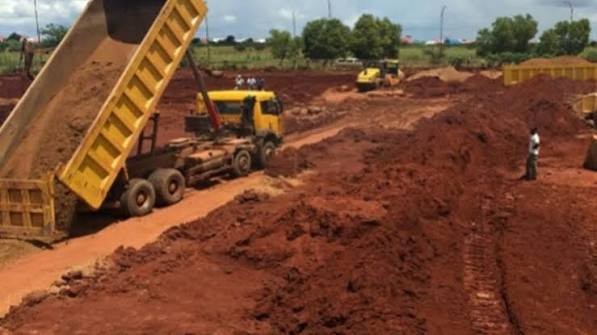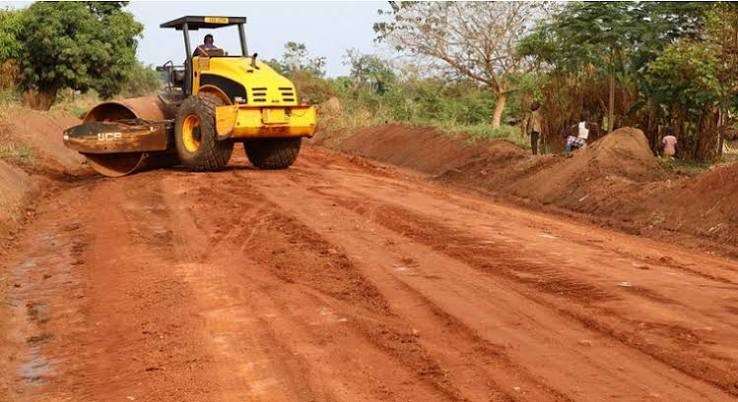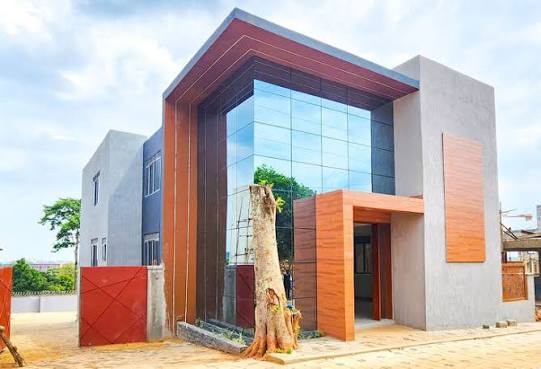
Commercial property development in Uganda offers opportunities for investors, business owners and property developers seeking to create income-generating assets. From office buildings and shopping centres to warehouses, hotels, retail complexes and mixed-use developments, commercial properties provide infrastructure for businesses while creating potential long-term investment value.
However, successful commercial property development involves more than buying land and constructing a building. It requires market research, proper land verification, financial planning, professional design, regulatory approvals, construction management and an effective strategy for attracting tenants or buyers.
A commercial property can be beautifully designed but still perform poorly if it is located in an unsuitable area, has the wrong mix of facilities or costs more to develop than the expected income can justify.
That is why every developer should understand the complete property development process before committing significant capital.
This guide explains commercial property development in Uganda step by step, including the types of commercial properties, land selection, feasibility studies, construction costs, building approvals, financing, construction, property management and common mistakes to avoid.
What Is Commercial Property Development?
Commercial property development is the process of acquiring or preparing land, planning, designing, financing and constructing buildings intended for business activities or investment.
The completed property may be rented, leased, sold or operated by the developer.
Unlike residential property development, which primarily provides housing, commercial developments are designed to support business operations, retail activities, industrial processes, hospitality, professional services and other commercial uses.
Common commercial property developments in Uganda include:
- Office buildings and business centres.
- Shopping malls and retail complexes.
- Warehouses and distribution centres.
- Hotels and hospitality facilities.
- Restaurants and entertainment centres.
- Industrial buildings and factories.
- Medical and healthcare facilities.
- Commercial rental buildings.
- Mixed-use developments combining residential, retail and office spaces.
Each development type has different design, construction, investment and operational requirements.
Why Invest in Commercial Property Development in Uganda?
Uganda’s growing urban centres, business activity, infrastructure development and demand for suitable commercial space create opportunities for property investors.
The potential benefits include the following.
1. Rental Income Opportunities
Commercial buildings can generate rental income through offices, retail shops, warehouses, restaurants and other leasable spaces.
A well-located property with suitable facilities may attract businesses seeking long-term premises.
However, rental income depends on market demand, occupancy, tenant quality, lease terms and property management.
2. Long-Term Property Investment
Land and buildings can form part of a long-term investment portfolio. A commercially viable property may retain or increase its value over time, although property values can also fall depending on market conditions.
3. Supporting Business Growth
Commercial properties provide spaces where businesses can operate, serve customers, store products and manage their activities.
This creates opportunities for developers who understand the needs of businesses in their target locations.
4. Multiple Development Opportunities
Investors can choose from several property types, depending on their financial capacity, market research and investment objectives.
For example, one developer may specialise in warehouses, while another may focus on office buildings, retail complexes or hospitality properties.
5. Potential for Property Expansion
Some developments can be designed to accommodate future expansion, additional floors, new facilities or changes in tenant requirements, subject to structural design and approvals.
Types of Commercial Properties You Can Develop in Uganda
Before starting a project, identify the type of commercial property that best matches your investment objectives and the demand in your intended location.
1. Office Building Development
Office buildings provide working spaces for companies, government institutions, professional service providers and other organisations.
<IMAGE_PLACEHOLDER_OFFICE>
Important design considerations include:
- Office sizes and flexible layouts.
- Reception and waiting areas.
- Meeting and conference rooms.
- Parking facilities.
- Lifts and staircases where required.
- Internet and communication infrastructure.
- Electrical installations.
- Ventilation and air conditioning.
- Security and access control.
- Shared facilities and washrooms.
The office market should be researched carefully before development. In Kampala, Knight Frank’s 2025 market review reported pressure on office occupancy, with demand increasingly concentrated in smaller and more flexible office spaces. This highlights the importance of understanding tenant preferences before constructing a large office block.
2. Shopping Mall and Retail Complex Development
<IMAGE_PLACEHOLDER_RETAIL>
Shopping centres provide spaces for retail shops, supermarkets, restaurants, entertainment facilities and other businesses.
Successful shopping centre development requires attention to:
- Catchment population and customer demand.
- Accessibility and visibility.
- Parking and traffic circulation.
- Retail unit sizes.
- Anchor tenants.
- Food courts and restaurants.
- Washrooms and public facilities.
- Security and fire protection.
- Loading and delivery areas.
- Maintenance and waste management.
Developers should research competing shopping centres and establish what makes the proposed development attractive to customers and tenants.
3. Warehouse and Distribution Centre Development
<IMAGE_PLACEHOLDER_WAREHOUSE>
Warehouses support storage, logistics, distribution, manufacturing and wholesale businesses.
Their design should consider:
- Storage capacity.
- Building height.
- Floor loading requirements.
- Truck access and turning space.
- Loading and unloading bays.
- Ventilation and lighting.
- Security.
- Fire safety.
- Office and staff facilities.
- Future expansion.
Industrial and logistics property has shown comparatively strong performance in recent Kampala market reporting. Knight Frank’s H2 2025 review reported occupancy above 80% across key industrial zones and continued demand for modern warehouse space. These findings suggest opportunities, but developers should still verify demand in the specific location and warehouse category they intend to serve.
4. Hotel and Hospitality Development
Hotels, serviced accommodation and hospitality facilities provide accommodation and related services to visitors, tourists and business travellers.
Important considerations include:
- Location and accessibility.
- Target customer group.
- Room sizes and layouts.
- Reception and guest facilities.
- Restaurants and kitchens.
- Parking.
- Water and electricity supply.
- Laundry and storage facilities.
- Fire protection and emergency access.
- Operational management requirements.
Hotel development requires careful financial and market analysis because occupancy, room rates and operating expenses influence profitability.
5. Mixed-Use Property Development
Mixed-use developments combine two or more property uses within one development.
Examples include:
- Retail shops with offices above.
- Commercial buildings with residential apartments.
- Shopping facilities with restaurants and entertainment spaces.
- Office complexes with supporting retail services.
Mixed-use developments can diversify potential income sources, but they require careful zoning, circulation, parking, service coordination and management arrangements.
Commercial Property Development in Uganda: A Step-by-Step Process
A successful commercial development follows a structured process. The following stages help investors move from an initial idea to a completed and operational property.
Step 1: Define Your Commercial Property Investment Objectives
<IMAGE_PLACEHOLDER_PLANNING>
Start by establishing what you want to achieve through the development.
Are you planning to construct a commercial building for rental income, develop a shopping centre for sale or lease, build a warehouse for your own business, or establish a mixed-use property?
Your investment objectives will influence the location, design, size, financing and management strategy.
Consider the following questions:
- What type of commercial property do you want to develop?
- Who are your target tenants or customers?
- Will you rent, lease, sell or operate the property?
- What is your available investment budget?
- What return do you expect from the project?
- How long can you hold the property before expecting income?
- Will the development be completed in one phase or several phases?
Having clear objectives makes it easier to evaluate development opportunities.
Step 2: Conduct Commercial Property Market Research
Market research helps determine whether there is sufficient demand for the proposed property.
Do not select a property type simply because another investor has constructed a similar building successfully. The demand in your chosen location may be different.
Research should examine:
Target customers: Identify the businesses, organisations or individuals likely to rent or purchase space.
Competition: Study existing commercial buildings and developments under construction.
Rental rates: Compare current asking rents and, where possible, actual achieved rents for similar properties.
Occupancy: Establish whether competing properties are fully occupied or experiencing vacancies.
Tenant requirements: Understand preferred unit sizes, parking, utilities, access and other facilities.
Future demand: Examine planned infrastructure, population growth, business activity and development patterns.
For example, a developer considering a warehouse near an industrial corridor should research logistics companies, manufacturers, distributors and storage businesses rather than relying only on general property trends.
Step 3: Choose the Right Location for Your Commercial Development
<IMAGE_PLACEHOLDER_LOCATION>
Location is one of the most important factors influencing commercial property performance.
A good building in an unsuitable location may struggle to attract tenants, customers or buyers.
When evaluating land, consider:
- Proximity to major roads and transport routes.
- Accessibility for employees and customers.
- Visibility from busy roads where relevant.
- Nearby businesses and commercial activity.
- Availability of electricity, water and internet.
- Parking and vehicle access.
- Security and neighbourhood conditions.
- Drainage and flood risks.
- Land size and expansion opportunities.
- Compatibility with the intended land use.
Potential commercial development locations may include parts of Kampala, Wakiso, Mukono, Entebbe, Jinja, Mbarara and other growing urban and industrial centres.
However, location suitability must be assessed at the individual site level. A busy area does not automatically make every commercial property investment profitable.
Step 4: Verify Land Ownership and Conduct Legal Due Diligence
Before purchasing or committing to land, conduct proper legal and physical due diligence.
Land disputes, ownership irregularities, boundary conflicts and restrictions on land use can delay or prevent commercial development.
Important checks include:
- Obtain an official search of the land title.
- Confirm the registered landowner.
- Check for mortgages, caveats, encumbrances and other registered interests.
- Verify the land boundaries and measurements.
- Engage a qualified surveyor where necessary.
- Investigate occupants, tenants and possible claims.
- Confirm the land tenure and applicable transfer requirements.
- Check the permitted land use and planning restrictions.
- Have a qualified legal professional review the transaction documents.
Uganda’s property registration process includes title searches, transfer documentation, assessment and payment of applicable stamp duty, and registration of the transfer through the Ministry of Lands.
Do not rely only on a photocopy of a title or assurances from a seller. Obtain appropriate official records and professional advice before paying for the property.
Step 5: Conduct a Site Assessment and Feasibility Study
A feasibility study determines whether the proposed development is practical, financially viable and suitable for the selected location.
It should examine several aspects.
Technical feasibility: Can the land accommodate the proposed development? Are the soil conditions, drainage, access and utilities suitable?
Market feasibility: Is there sufficient demand for the intended commercial space?
Financial feasibility: Can the project generate adequate income or business value compared with its development and operating costs?
Legal feasibility: Is the proposed development compatible with land use, planning requirements and applicable regulations?
Environmental feasibility: Are there environmental risks or assessment requirements that could affect the project?
A feasibility study may also compare alternative designs, building sizes and development phases.
For larger projects, it should include professional site investigations, market analysis, financial projections and risk assessments.
Step 6: Prepare a Commercial Property Development Business Plan
A business plan explains how the proposed property will be developed, financed, operated and expected to generate value.
It should include:
- Project description.
- Location and land details.
- Target tenants or customers.
- Market research findings.
- Proposed building design and size.
- Estimated development costs.
- Financing arrangements.
- Expected rental or sales income.
- Operating and maintenance expenses.
- Marketing and tenant acquisition strategy.
- Development schedule.
- Risk management plan.
- Exit or long-term investment strategy.
The business plan should use realistic assumptions. Do not base expected returns only on the highest advertised rental rates in the area.
Step 7: Prepare Architectural and Engineering Designs
<IMAGE_PLACEHOLDER_DESIGN>
Once the feasibility assessment supports the project, engage appropriately qualified professionals to prepare the designs.
The design team may include architects, structural engineers, electrical engineers, mechanical engineers, quantity surveyors, physical planners and other specialists depending on the project.
Design considerations include:
- Building layout and floor areas.
- Structural system and foundation requirements.
- Parking and access.
- Natural lighting and ventilation.
- Fire protection and emergency exits.
- Plumbing and drainage.
- Electrical installations.
- Lifts and accessibility where required.
- Security systems.
- Energy efficiency.
- Future maintenance and expansion.
Commercial designs should reflect the intended tenants and business activities.
For example, an office building may need flexible office layouts and meeting facilities, while a warehouse may prioritise loading bays, floor capacity and vehicle movement.
Step 8: Prepare the Bill of Quantities and Development Budget
A detailed Bill of Quantities (BOQ) helps establish the expected construction cost based on the approved design and specifications.
The BOQ should cover:
- Site preparation and earthworks.
- Excavation and foundations.
- Concrete and reinforcement steel.
- Structural frames.
- Walling and partitions.
- Roofing and waterproofing.
- Doors and windows.
- Electrical installations.
- Plumbing and drainage.
- Mechanical systems.
- Lifts and specialist equipment where applicable.
- Internal and external finishes.
- External works and landscaping.
The overall development budget should also include costs beyond physical construction.
These may include land acquisition, legal and professional fees, surveys, planning approvals, environmental assessments where applicable, utility connections, financing costs, insurance, marketing and property management setup.
Include a contingency allowance based on the project’s risks and design maturity.
Step 9: Arrange Financing for the Development
Commercial property projects can require substantial capital. Developers should establish a financing strategy before construction begins.
Potential financing sources include:
Personal investment capital: Funds provided directly by the developer.
Bank financing: Commercial loans or property development finance, subject to lender requirements.
Equity partnerships: Investors contribute capital in exchange for an agreed share of ownership or returns.
Joint ventures: Two or more parties combine land, capital, expertise or other resources.
Phased development: The property is constructed in manageable stages where financially and technically feasible.
Pre-leasing or pre-sales: Agreements with prospective tenants or buyers may help demonstrate demand and support financing discussions. Such arrangements should be properly documented and must not be treated as guaranteed funding.
Before taking a loan, evaluate repayment obligations, interest costs, construction timelines, expected income and the possibility of delays or vacancies.
Step 10: Obtain the Necessary Development Approvals and Permits
Before construction begins, developers must obtain the applicable planning and building approvals.
The requirements depend on the location, building classification, size, intended use and environmental characteristics of the project.
In Kampala, KCCA handles relevant development permission and building plan approval processes.
Applications may require:
- Land ownership documentation.
- Architectural drawings.
- Structural plans and calculations.
- Supporting professional information.
- Application documents.
- Other technical information requested by the authority.
The Building Control (Amendment) Act, 2026 commenced on 19 March 2026 and strengthened Uganda’s building control framework, including the powers of Building Committees and the National Building Review Board.
Developers should ensure that plans are prepared by appropriately qualified professionals and that the required building permit is obtained before construction starts.
Depending on the project, additional approvals may be required for environmental matters, fire safety, public health, utility connections, access roads or other regulated activities.
For developments falling within the applicable environmental assessment categories, NEMA may require a project brief or Environmental and Social Impact Assessment before implementation.
Do not assume that every commercial project has identical approval requirements. Confirm the applicable process with the relevant authorities before committing to construction.
Step 11: Select the Right Construction Company and Project Team
Choosing the right construction partner is essential for managing costs, quality and project timelines.
Before engaging a company, evaluate:
- Relevant experience with commercial developments.
- Previous project evidence.
- Technical capacity and qualified professionals.
- Ability to manage the required scope.
- Material procurement arrangements.
- Construction methodology.
- Project management procedures.
- Health and safety arrangements.
- Cost estimates and payment terms.
- Written contractual responsibilities.
Request a detailed quotation and compare it with the approved BOQ.
Do not select a construction company based only on the lowest price. A low quotation that excludes essential activities may result in additional expenses later.
Step 12: Begin Construction and Monitor Progress
<IMAGE_PLACEHOLDER_CONSTRUCTION>
Once approvals, designs, financing and construction arrangements are in place, the project can proceed.
Commercial building construction generally involves the following stages:
- Site preparation and clearing.
- Setting out and excavation.
- Foundation construction.
- Structural frame construction.
- Walling and partitions.
- Roofing and waterproofing.
- Plumbing and drainage installation.
- Electrical and mechanical installations.
- Internal and external finishes.
- Parking, access roads and external works.
- Inspection, testing and completion.
Construction should follow approved drawings, specifications and agreed schedules.
Regular monitoring helps identify delays, cost variations, material shortages and workmanship issues before they become more difficult to correct.
Step 13: Inspect, Complete and Obtain Occupation Approval
A commercial building should not be considered ready for use simply because construction appears complete.
The developer should arrange the required inspections, testing and correction of defects.
Depending on the building, this may include:
- Structural and workmanship inspections.
- Electrical testing.
- Plumbing and drainage checks.
- Fire protection testing.
- Lift and mechanical system commissioning.
- Roof and waterproofing inspections.
- Access and safety checks.
- Completion documentation.
- Applicable occupation approval.
Uganda’s building control framework provides for an occupation permit process. Developers should confirm the relevant requirements and obtain the necessary approval before putting the completed building into use.
Step 14: Market the Property and Attract Tenants or Buyers
<IMAGE_PLACEHOLDER_LEASING>
After construction, the next important task is to attract suitable tenants, buyers or business operators.
Marketing should begin early enough to help assess demand and, where appropriate, secure tenant interest before completion.
Effective strategies include:
- Professional property photography.
- Online property listings.
- Direct engagement with businesses.
- Commercial real estate agents.
- Social media marketing.
- Corporate partnerships.
- Signage and on-site marketing.
- Pre-leasing discussions.
- Clear property specifications and rental terms.
Provide accurate information about unit sizes, parking, facilities, utilities, access and lease conditions.
For retail developments, tenant mix is particularly important. A balanced mix of businesses can help attract customers and support the commercial performance of the property.
Step 15: Manage the Commercial Property After Completion
Property development does not end when the building is occupied.
Effective property management protects the building, supports tenant satisfaction and helps maintain income.
Important management activities include:
- Tenant selection and lease administration.
- Rent collection and financial reporting.
- Building maintenance.
- Security management.
- Cleaning and waste management.
- Utility monitoring.
- Repairs and defect management.
- Fire safety and inspections.
- Common-area maintenance.
- Long-term asset planning.
Property owners should also maintain accurate records of rental income, expenditure, tenancy agreements and relevant tax obligations.
The Uganda Revenue Authority provides guidance on rental income tax for persons earning income from leased immovable property. Developers should obtain current tax advice for their ownership structure and circumstances.
How Much Does Commercial Property Development Cost in Uganda?
The cost of commercial property development in Uganda varies according to the type, size, location, design and quality of the project.
An office block, shopping centre, hotel and warehouse have different construction and operational requirements. It is therefore misleading to apply one construction price per square metre to every commercial property.
Main Factors Affecting Commercial Property Development Costs
1. Land acquisition: Location, size, tenure, accessibility and market value influence the cost of acquiring land.
2. Site conditions: Weak soils, steep slopes, poor drainage and difficult access may increase site preparation and foundation expenses.
3. Building size: Larger buildings generally require more materials, labour and services.
4. Architectural design: Complex layouts, facades, structural spans and specialist features may increase costs.
5. Structural requirements: Foundations, reinforced concrete, steel structures and other structural systems affect the construction budget.
6. Construction materials: Cement, reinforcement steel, aggregates, roofing, glass, aluminium and finishing products influence expenditure.
7. Building services: Electrical systems, plumbing, air conditioning, lifts, fire protection and security installations can contribute significantly to total project costs.
8. External works: Parking, access roads, drainage, landscaping, boundary works and utility connections must be budgeted for.
9. Professional and regulatory expenses: Architectural and engineering fees, surveys, quantity surveying, permits, inspections and applicable environmental assessments should be included.
10. Financing and project duration: Interest, insurance, delays and changes in material prices can affect the final development cost.
How to Prepare a Realistic Commercial Property Development Budget
A reliable budget should be based on the actual project rather than a general market estimate.
Developers should:
- Define the intended commercial property.
- Verify land and site conditions.
- Conduct market and feasibility studies.
- Prepare preliminary architectural and engineering designs.
- Obtain a detailed BOQ.
- Request quotations from relevant suppliers and contractors.
- Include professional fees and statutory costs.
- Budget for utilities and external infrastructure.
- Include financing and operating expenses.
- Provide a contingency allowance.
For large developments, consider preparing separate budgets for land acquisition, professional services, construction, equipment, marketing and property operations.
Common Mistakes to Avoid in Commercial Property Development
Commercial property development involves significant financial commitments. The following mistakes can reduce profitability and create avoidable delays.
1. Buying Land Without Proper Due Diligence
Failure to verify ownership, boundaries, encumbrances and land use can expose developers to legal and financial risks.
2. Choosing a Location Without Market Research
A property may struggle if there is insufficient demand for the intended commercial space.
3. Ignoring Feasibility Studies
Starting construction without assessing market demand, costs and expected income can lead to an unviable investment.
4. Underestimating Development Costs
Failing to budget for approvals, professional fees, utilities, external works and financing costs can create financial pressure.
5. Designing Without Considering Tenants
A building may be attractive but unsuitable for the businesses expected to occupy it.
6. Starting Construction Without the Required Approvals
Unapproved development can result in enforcement action, delays and additional expenses.
7. Choosing Contractors Based Only on Price
Low quotations may exclude essential activities or involve unsuitable specifications.
8. Failing to Monitor Construction
Poor supervision can allow defects, cost overruns and delays to go unnoticed.
9. Ignoring Property Management
A poorly maintained building may lose tenants, experience higher repair costs and become less competitive.
10. Overestimating Rental Income
Using unrealistic rental assumptions can make a financially weak development appear profitable on paper.
How to Evaluate the Profitability of a Commercial Property Development
Before investing, developers should estimate the property’s potential financial performance.
One useful measure is the gross rental yield.
Gross rental yield formula:
Gross rental yield = (Annual gross rental income ÷ Total property investment cost) × 100
For example, suppose a commercial building has a total development investment of UGX 2 billion and is expected to generate UGX 240 million in annual gross rent.
The gross rental yield would be:
(UGX 240 million ÷ UGX 2 billion) × 100 = 12%
This is an illustrative calculation, not a forecast or guaranteed return.
Gross rental yield does not account for vacancies, operating expenses, repairs, management costs, financing, taxes or other deductions.
Developers should also evaluate net operating income, cash flow, financing costs, expected vacancy periods and the time required to recover the investment.
For larger projects, a professional financial feasibility assessment can compare different development scenarios and investment options.
Commercial Property Development Trends in Uganda
Uganda’s commercial property market is not uniform. Different property sectors can perform differently depending on location, tenant demand, infrastructure and economic conditions.
Recent market reporting by Knight Frank provides useful examples:
- Kampala’s office market has faced supply pressure, with demand concentrated in smaller and more flexible office spaces.
- Retail performance has remained relatively stable in monitored property portfolios, although performance varies between locations and shopping centres.
- The industrial and logistics sector has shown comparatively strong demand, with occupancy above 80% across key industrial zones in the H2 2025 review.
- More than 50,000 square metres of warehouse space were reported as delivered within Greater Kampala Metropolitan Area during that review period.
These findings suggest that developers should study the specific market segment they intend to enter rather than assuming that every commercial property type has equal demand.
Emerging development considerations include:
Flexible commercial spaces: Businesses may prefer office layouts that can adapt to changing staffing and operational needs.
Modern warehouses: Logistics, distribution and storage businesses require suitable access, floor capacity and loading facilities.
Mixed-use developments: Combining complementary property uses can diversify potential income streams when supported by market research.
Energy-efficient buildings: Efficient lighting, ventilation, cooling and water systems can help control operating costs.
Technology-enabled properties: Reliable internet, security, access control and building management systems are increasingly important to many commercial tenants.
How Daltrev Co. Ltd Supports Commercial Property Development in Uganda
Daltrev Co. Ltd provides construction-related works, civil works, construction materials, construction consultancy and project management support for development projects in Uganda.
These services can support different stages of commercial property development, depending on the agreed project scope.
Construction and Building Works
Daltrev undertakes construction and building works, including structural construction, plastering, tiling, painting, terrazzo, ceilings, waterproofing, decorative finishes and related building activities.
Explore Daltrev Construction and Building Works.
Civil Works and Site Infrastructure
Commercial developments often require site preparation, access roads, drainage and other infrastructure works.
Daltrev provides civil works services including land levelling, road opening, murram road construction, tarmac road works, drainage and bridge works.
Learn more about Daltrev Civil Works.
Construction Consultancy
Daltrev provides consultancy support covering project planning, preliminary cost estimates, budgeting, material assessments, technical advice, construction coordination and quality monitoring.
These services can help developers assess project requirements and make informed construction decisions.
Visit Daltrev Construction Consultancy.
Construction Project Management
Project management support includes project scheduling, contractor coordination, resource planning, progress monitoring, reporting and quality oversight.
This helps organise construction activities and monitor implementation against the agreed project requirements.
Explore Daltrev Construction Project Management.
Construction Materials and Building Supplies
Daltrev supports construction projects with material enquiries covering cement, reinforcement steel, sand, aggregates, roofing products, plumbing and electrical supplies, doors, windows and finishing materials.
Product specifications, quantities, availability and supply arrangements should be confirmed for each enquiry.
Explore Daltrev Construction Materials.
Frequently Asked Questions About Commercial Property Development in Uganda
1. What is commercial property development?
Commercial property development is the process of acquiring land, conducting feasibility studies, designing, financing and constructing buildings intended for business use or investment.
2. Is commercial property development profitable in Uganda?
It can be profitable when the development meets genuine market demand, is appropriately located, has manageable construction and operating costs, and attracts suitable tenants or buyers. Profitability is not guaranteed and should be assessed through a feasibility study.
3. What types of commercial properties can I develop in Uganda?
Common options include office buildings, shopping centres, warehouses, hotels, industrial facilities, retail complexes, business centres and mixed-use developments.
4. How much capital do I need to develop commercial property in Uganda?
The required capital depends on land costs, project size, design, construction materials, building services, approvals, professional fees and financing arrangements. A detailed project budget is necessary to establish the amount.
5. What is the first step in commercial property development?
The first step is to define the investment objectives and conduct market research. This helps establish the type of property, target tenants, suitable location and likely demand.
6. How do I choose the right location for commercial property?
Evaluate accessibility, land use, customer demand, surrounding businesses, infrastructure, security, utilities, competition and future development opportunities.
7. Do I need a building permit for commercial property development in Uganda?
Yes. Developers must obtain the applicable building approvals and permits from the relevant authorities before construction. Requirements depend on the location and nature of the proposed development.
8. What is a feasibility study in commercial property development?
A feasibility study assesses whether a proposed development is technically possible, legally permissible, commercially viable and financially practical.
9. How long does commercial property development take in Uganda?
The timeline depends on land acquisition, planning, design, approvals, financing, building size, construction complexity and procurement. Large commercial developments can take substantially longer than smaller projects.
10. What professionals are involved in commercial property development?
Depending on the project, the team may include architects, structural engineers, quantity surveyors, physical planners, land surveyors, electrical engineers, mechanical engineers, environmental practitioners, lawyers and project managers.
11. What is a Bill of Quantities?
A Bill of Quantities is a document that lists construction work items, descriptions and quantities to support cost estimation, procurement, tendering and cost control.
12. Can I develop commercial property in phases?
Yes, where the site, design, approvals, financing and structural planning allow it. Phased development can help manage capital requirements, but future phases must be considered in the original design and approvals.
13. What taxes should commercial property developers consider?
Depending on the transaction and ownership structure, developers may need to consider stamp duty, rental income tax, corporate tax, VAT and other applicable tax obligations. Consult the Uganda Revenue Authority or a qualified tax adviser for current requirements.
14. Why is property management important after construction?
Property management supports rent collection, tenant relations, building maintenance, security, repairs and financial reporting. It helps protect the property and maintain its long-term performance.
Conclusion: Plan Your Commercial Property Development Project Properly
Commercial property development in Uganda can create valuable investment opportunities, but success depends on making informed decisions at every stage.
From defining your investment objectives and researching market demand to verifying land, preparing designs, obtaining approvals, managing construction and attracting tenants, each step contributes to the performance of the completed property.
The most important principle is to plan before investing. A commercially successful development should meet real market demand, fit its location, remain within a realistic budget and provide facilities that businesses and tenants actually need.
Daltrev Co. Ltd provides construction works, civil works, construction materials, consultancy and project management support for commercial development projects in Uganda.
Planning to develop commercial property in Uganda? Contact Daltrev Co. Ltd to discuss your project requirements and identify the construction services and support that may be suitable for your development.
Phone: +256 744 702 773
Email: daltrevco@gmail.com
Website: www.daltrevco.com