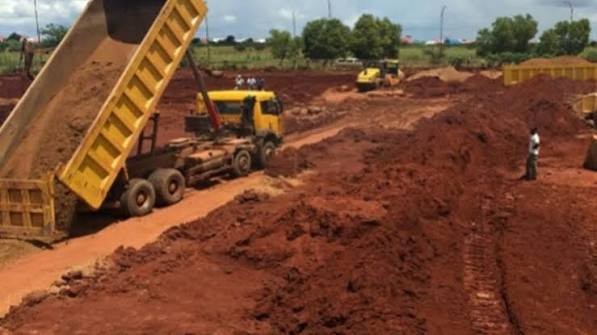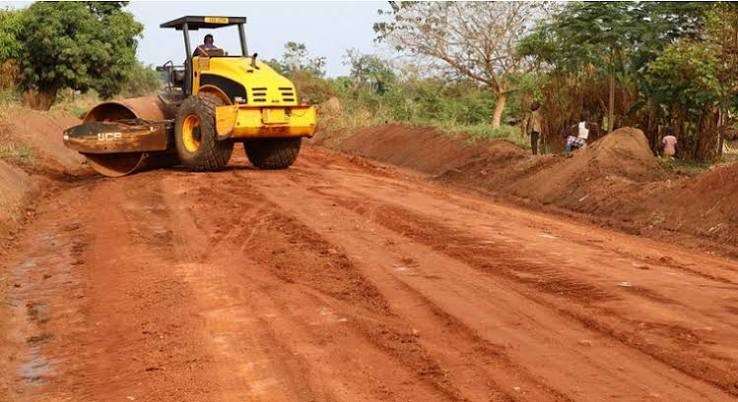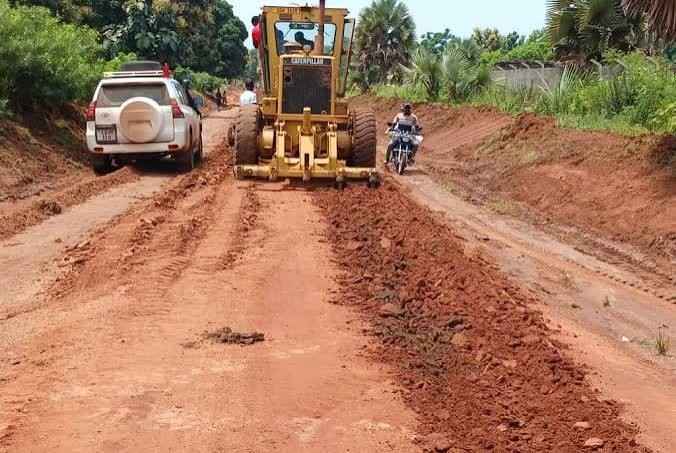
Murram road construction is an important part of infrastructure development in Uganda. From rural access roads and agricultural properties to residential estates, commercial developments and industrial sites, properly constructed gravel roads provide practical access for vehicles, workers, machinery and transportation.
However, not every murram road delivers the durability and performance expected by the property owner. Some roads develop potholes shortly after construction, while others become muddy during rainy seasons, develop deep wheel ruts, lose gravel or suffer serious erosion.
In many cases, these problems are caused by mistakes made during planning, material selection, site preparation, drainage installation, gravel placement and compaction.
A durable murram road requires more than spreading gravel over existing ground. It needs suitable materials, a stable foundation, effective drainage, correct construction procedures and regular maintenance.
Whether you are planning a new access road, rehabilitating an existing gravel road or developing internal roads for a farm, estate or industrial property, understanding common construction mistakes can help you protect your investment.
Daltrev Co. Ltd provides civil works services in Uganda, including murram road construction, road opening, road grading and improvement, drainage works, land levelling and related construction services.
This guide explains the most common mistakes to avoid when constructing murram roads in Uganda, why they happen and how to prevent them.
Why Do Murram Roads Fail?
Murram roads can deteriorate for several reasons. The most common causes include poor material quality, weak road foundations, inadequate drainage, insufficient compaction and inappropriate road design.
Rainwater is particularly damaging when it is allowed to collect on the road surface or enter the underlying layers. Traffic then acts on the weakened material, creating potholes, ruts and surface deformation.
Other problems develop when contractors construct roads without properly assessing the site or considering the vehicles that will use them.
The most effective way to prevent road failure is to identify potential problems before construction begins and follow suitable engineering specifications throughout the project.
1. Constructing a Road Without Proper Site Assessment
One of the biggest mistakes in murram road construction is starting work without inspecting and understanding the site.
Every road project has different conditions. A route passing through firm, well-drained ground requires a different construction approach from one crossing swampy land, soft soils, steep slopes or rocky terrain.
Without an adequate site assessment, important construction challenges may be overlooked.
Problems caused by poor site assessment
- Unexpected excavation requirements.
- Construction over weak or unstable soil.
- Inadequate drainage planning.
- Incorrect road alignment.
- Unexpected material requirements.
- Increased construction costs.
- Premature road deterioration.
How to avoid this mistake
Before construction begins, assess the proposed road route and identify:
- Existing ground conditions.
- Soil strength and stability.
- Terrain and slope.
- Natural water-flow paths.
- Existing drainage structures.
- Vegetation and other obstructions.
- Access for construction machinery.
- Expected vehicle traffic.
Where necessary, carry out surveying, soil investigation and material testing to guide the construction design.
A proper assessment helps establish a realistic budget, construction programme and suitable road specification.
2. Using Poor-Quality Murram or Gravel
The quality of gravel used in road construction has a major influence on the strength and durability of the finished road.
A common mistake is selecting materials simply because they are cheap, available nearby or visually attractive.
Not all materials described as murram are suitable for road construction. Some contain excessive clay, others have unsuitable particle-size distributions, while some lack sufficient strength for the intended traffic.
Problems caused by poor-quality materials
- Excessive mud during rainy seasons.
- Loose gravel surfaces.
- Poor compaction.
- Pothole formation.
- Surface erosion.
- Excessive dust.
- Premature road deterioration.
How to avoid this mistake
Select materials according to the requirements of the specific road layer.
Where required, test representative samples to assess:
- Particle-size distribution.
- Plasticity characteristics.
- California Bearing Ratio (CBR).
- Compaction properties.
- Moisture sensitivity.
- Durability.
A material that is suitable for general filling may not be suitable for a subbase, base course or wearing course.
Do not assume that all gravel from the same geographical area has identical properties. Material quality should be established through appropriate assessment and testing.
3. Ignoring Drainage Requirements
Poor drainage is one of the most common reasons murram roads deteriorate in Uganda.
Rainwater can weaken the road formation, wash away gravel and create potholes when it is not properly controlled.
Some road projects focus heavily on gravel placement but overlook side drains, culverts, drainage outlets and the natural movement of water around the site.
This can result in a road that looks good immediately after construction but deteriorates rapidly during heavy rainfall.
Problems caused by poor drainage
- Water accumulating on the road surface.
- Erosion along road edges.
- Potholes and muddy sections.
- Weakening of the road foundation.
- Damage to culverts and drainage channels.
- Increased maintenance costs.
How to avoid this mistake
Include drainage planning in the initial road design.
Depending on the site, drainage works may involve:
- Side drains.
- Mitre drains and suitable outlets.
- Culverts.
- Cross-drainage structures.
- Catchwater drains.
- Erosion protection.
- Appropriate road camber or crossfall.
The drainage system should safely direct water away from the road without causing erosion or transferring water problems to neighbouring properties.
Important: Good gravel alone cannot compensate for poor drainage. Both must be considered together.
4. Building on a Weak or Unprepared Foundation
The road foundation supports the materials placed above it. If the underlying ground is weak, unstable or unsuitable, the finished road may fail even when good gravel is used.
A common mistake is placing gravel directly over soft soil, organic material, vegetation or inadequately prepared ground.
Problems caused by a weak foundation
- Uneven settlement.
- Deep wheel ruts.
- Surface cracking or deformation.
- Potholes.
- Repeated repairs.
- Poor performance under heavy vehicles.
How to avoid this mistake
Prepare the road formation before placing the pavement materials.
This may involve:
- Removing vegetation and organic topsoil.
- Excavating unsuitable materials where required.
- Shaping the formation.
- Improving weak sections according to the design.
- Ensuring the formation is properly drained.
- Checking the prepared surface before placing subsequent layers.
Where weak soils are present, an engineer may recommend excavation and replacement, stabilisation, reinforcement or another suitable ground improvement method.
The appropriate treatment depends on the actual soil conditions and project requirements.
5. Failing to Remove Vegetation and Organic Material
Vegetation, roots, topsoil and decomposing organic matter should not be left beneath structural road layers.
Some contractors may overlook this step when attempting to reduce construction time or excavation costs.
However, organic materials can decompose, retain moisture and contribute to settlement.
Problems caused by inadequate clearing
- Uneven road surfaces.
- Settlement and depressions.
- Weak road foundations.
- Poor bonding between construction layers and the formation.
- Increased maintenance requirements.
How to avoid this mistake
Clear the construction area properly before road formation begins.
Remove unsuitable vegetation, roots and organic topsoil from the areas specified for construction. Dispose of unsuitable materials appropriately and prepare the formation according to the design.
Proper clearing helps create a more stable foundation for the road.
6. Failing to Consider the Road’s Intended Use
Not every murram road should be constructed to the same specification.
A farm access road, residential estate road and industrial access road may experience very different traffic conditions.
A road mainly used by motorcycles and light vehicles may have different requirements from one carrying loaded trucks, tractors, trailers or heavy industrial machinery.
Problems caused by ignoring traffic requirements
- Excessive rutting.
- Surface deformation.
- Premature gravel loss.
- Weak pavement layers.
- Increased repair costs.
- Restricted access for heavy vehicles.
How to avoid this mistake
Establish the intended use of the road before selecting materials and designing its layers.
Consider:
- Types of vehicles expected.
- Vehicle axle loads.
- Traffic frequency.
- Seasonal access requirements.
- Turning and loading areas.
- Future traffic growth.
Industrial roads carrying frequent heavy vehicles require a suitable pavement design based on the expected loading. A basic specification intended for light traffic should not automatically be used.
7. Constructing Incorrect Road Widths and Levels
Road dimensions influence accessibility, safety, material quantities and construction costs.
Some road projects begin without clearly establishing the required width, alignment, levels and drainage characteristics.
This can result in roads that are too narrow, difficult for larger vehicles to use or poorly connected to surrounding infrastructure.
Problems caused by poor road dimensions
- Difficult vehicle passing.
- Limited turning space.
- Poor access to buildings and properties.
- Uneven road levels.
- Drainage problems.
- Additional earthworks and reconstruction.
How to avoid this mistake
Establish the road dimensions during the planning and design stage.
The design should consider:
- Road length.
- Carriageway width.
- Road alignment.
- Vertical levels.
- Shoulders where required.
- Junctions and turning areas.
- Pedestrian facilities where appropriate.
- Drainage arrangements.
For residential estates, consider access to individual plots and shared facilities. For farms, consider tractors and agricultural machinery. For industrial sites, allow for the turning movements of trucks and other commercial vehicles.
8. Placing Gravel in Layers That Are Too Thick
A road layer must be placed and compacted according to the project specification.
One common mistake is spreading a thick layer of loose gravel and attempting to compact the entire depth in one operation.
Depending on the material, equipment and construction method, the roller may not achieve the required density throughout the layer.
Problems caused by excessive layer thickness
- Inadequate compaction at lower levels.
- Uneven density.
- Settlement after construction.
- Wheel-track rutting.
- Premature road deterioration.
How to avoid this mistake
Place gravel in controlled layers suitable for the material and compaction equipment.
Each layer should be spread, conditioned and compacted according to the approved construction method and specification.
The required compacted layer thickness should be determined by the road design rather than assumed to be the same for every project.
Quality checks should confirm that the constructed layers meet the required standards before subsequent layers are placed.
9. Neglecting Moisture Conditioning Before Compaction
Moisture content affects how gravel responds during compaction.
A common mistake is compacting material when it is excessively dry or too wet.
When the moisture content is unsuitable, the material may fail to achieve the required density even when appropriate machinery is used.
Problems caused by incorrect moisture conditions
- Poor compaction.
- Loose gravel.
- Surface instability.
- Excessive deformation.
- Uneven density.
- Additional reworking.
How to avoid this mistake
Use the laboratory compaction results to guide moisture conditioning.
The material should be brought towards the appropriate moisture content before compaction. Water may be added using a water bowser where necessary, while excessively wet material may need to dry or be otherwise treated according to the approved method.
Field density testing should be carried out where required to confirm that the specified compaction has been achieved.
10. Using Inadequate Compaction Equipment
Suitable machinery is essential for producing a stable murram road.
Some projects use equipment that is unsuitable for the material, layer thickness or site conditions. Others do not provide sufficient compaction passes or fail to check the results.
Problems caused by inadequate compaction
- Loose road material.
- Settlement.
- Deep wheel ruts.
- Uneven surfaces.
- Premature potholes.
- Reduced road strength.
How to avoid this mistake
Select compaction equipment according to the material and project requirements.
Common equipment includes:
- Smooth-drum rollers.
- Appropriate vibratory rollers.
- Pneumatic-tyred rollers where suitable.
- Motor graders for shaping and finishing.
- Water bowsers for moisture conditioning.
The equipment, number of passes and operating method should follow the construction specification and material characteristics.
Do not assume that using a large road roller automatically guarantees proper compaction. Testing and inspection are important.
11. Constructing Roads Without Proper Camber or Crossfall
A murram road should be shaped to allow rainwater to drain away from its surface.
Camber or crossfall provides the required surface slope for water movement.
A common mistake is finishing the road with a flat surface or uneven depressions that allow water to collect.
Problems caused by poor road shaping
- Standing water.
- Surface erosion.
- Pothole formation.
- Muddy sections.
- Loss of gravel.
- Deterioration of road edges.
How to avoid this mistake
Use suitable surveying and grading procedures to establish the required road profile and crossfall.
The finished surface should direct water towards the intended drainage system.
The appropriate crossfall depends on the road design, material and drainage arrangements. It should not be selected using a universal value without considering the project requirements.
12. Ignoring Culverts and Water Crossings
Some road routes cross natural drainage channels, seasonal streams and low-lying areas.
Failing to identify these crossings before construction can create serious problems.
Simply placing gravel across a watercourse without suitable drainage arrangements may result in washouts, erosion and road failure.
Problems caused by inadequate water crossings
- Water cutting through the road.
- Damaged road foundations.
- Flooding.
- Washed-away gravel.
- Blocked access.
- Damage to neighbouring land.
How to avoid this mistake
Identify water crossings during site assessment.
Where necessary, include appropriately designed culverts, headwalls, drainage channels or bridges.
The structure should be designed according to the catchment, expected water flow, ground conditions and relevant engineering requirements.
Drainage structures should also be installed and protected properly to reduce blockage and erosion.
13. Choosing the Cheapest Contractor Without Comparing Quality
Choosing a contractor based only on the lowest quotation can be a costly mistake.
Two contractors may provide very different prices because their quotations include different materials, equipment, drainage work, labour and construction standards.
A quotation that excludes essential activities may appear cheaper but result in additional costs later.
Problems caused by choosing based only on price
- Poor-quality materials.
- Incomplete drainage.
- Inadequate site preparation.
- Insufficient compaction.
- Unexpected additional charges.
- Delays and poor workmanship.
How to avoid this mistake
Compare contractors based on the full scope of work.
Ask for:
- A clear description of the proposed work.
- Road dimensions and specifications.
- Material sources and quality requirements.
- Drainage arrangements.
- Equipment and labour provisions.
- Project duration.
- Quality-control procedures.
- Exclusions and additional costs.
- Payment terms.
Ask for evidence of relevant experience, appropriate qualifications and any registrations or approvals required for the project.
A good contractor should be able to explain how the work will be carried out and how construction quality will be checked.
14. Failing to Plan for Rainy-Season Conditions
Rainfall can affect nearly every stage of murram road construction.
Constructing a road during unsuitable wet conditions can create difficulties with excavation, gravel transportation, spreading, compaction and access for machinery.
Problems caused by poor weather planning
- Waterlogged construction areas.
- Delays in gravel delivery.
- Weak road formation.
- Poor compaction.
- Increased equipment hire.
- Damage to unfinished road sections.
How to avoid this mistake
Prepare a realistic construction programme that considers local weather patterns and site drainage.
Where possible:
- Plan major earthworks during suitable conditions.
- Provide temporary drainage where necessary.
- Protect exposed road formations.
- Avoid placing gravel over unsuitable wet ground.
- Monitor weather and site conditions.
- Complete critical drainage works at the appropriate stage.
Construction planning should also allow for unavoidable weather-related interruptions.
15. Failing to Test Materials and Inspect Completed Layers
Using materials without appropriate testing is a serious risk in road construction.
A material may look suitable but fail to meet the requirements of the intended pavement layer.
Similarly, a road may appear compacted on the surface while deeper sections remain insufficiently compacted.
Problems caused by inadequate quality control
- Unsuitable materials being incorporated into the road.
- Inconsistent layer thicknesses.
- Poor compaction.
- Weak pavement sections.
- Expensive remedial works.
How to avoid this mistake
Introduce quality-control procedures throughout construction.
Depending on the project, these may include:
- Material sampling.
- Sieve analysis.
- Atterberg limits.
- CBR testing.
- Laboratory compaction tests.
- Field density tests.
- Inspection of layer thickness.
- Checking road levels and dimensions.
- Drainage inspections.
The required tests and acceptance criteria should be defined by the applicable project specification.
Do not wait until the entire road is completed before inspecting its quality. Check each important stage before proceeding to the next.
16. Neglecting Road Shoulders and Edge Protection
Road shoulders support the edges of the carriageway and may provide space for recovery, maintenance and drainage-related functions, depending on the design.
A common mistake is focusing only on the centre of the road while leaving the edges poorly finished or unsupported.
Problems caused by poor shoulder construction
- Edge erosion.
- Gravel loss.
- Road-edge settlement.
- Water damage.
- Reduced usable road width.
How to avoid this mistake
Construct shoulders according to the road design and ensure they are properly shaped and stable.
Where necessary, provide appropriate drainage and erosion protection.
The finished shoulders should not obstruct the intended flow of water.
17. Failing to Budget for Road Maintenance
Murram roads require maintenance throughout their service life.
Even a properly constructed gravel road can experience surface wear, potholes, erosion and gravel loss due to traffic and weather.
Some property owners focus only on construction costs and fail to plan for routine maintenance.
Problems caused by inadequate maintenance planning
- Small potholes becoming larger.
- Blocked drainage channels.
- Deepening wheel ruts.
- Loss of gravel.
- Reduced accessibility.
- More expensive rehabilitation work.
How to avoid this mistake
Prepare a maintenance plan that includes:
- Regular road inspections.
- Clearing blocked drains.
- Repairing potholes.
- Grading damaged sections.
- Restoring surface shape.
- Replacing gravel where necessary.
- Inspecting culverts after heavy rainfall.
- Repairing erosion damage.
The frequency of maintenance depends on traffic, rainfall, material quality, road design and the condition of the road.
Early repairs are generally easier to manage than waiting until extensive damage develops.
18. Making Changes to the Road Design Without Proper Assessment
Another common mistake is changing the road alignment, width, levels, drainage or pavement construction during the project without checking the technical and financial implications.
For example, widening a road may require additional excavation, gravel, drainage work and land preparation.
Changing the alignment may introduce steep sections, difficult ground or new water crossings.
How to avoid this mistake
Agree on the construction scope before work begins.
Any proposed changes should be reviewed to determine their effects on:
- Road dimensions.
- Material quantities.
- Drainage.
- Ground conditions.
- Construction time.
- Project cost.
- Road performance.
Where engineering design or approval is required, changes should be reviewed by the responsible technical professional before implementation.
A Practical Checklist for Avoiding Murram Road Construction Mistakes
Before starting a murram road project, use this checklist to confirm that the important requirements have been considered.
| Construction requirement | What to check |
|---|---|
| Site assessment | Ground conditions, terrain and access |
| Road alignment | Route, levels and dimensions |
| Foundation | Removal of unsuitable material and formation preparation |
| Material selection | Gravel suitability and testing |
| Drainage | Side drains, culverts and water outlets |
| Gravel placement | Suitable materials and controlled layers |
| Moisture conditioning | Appropriate moisture before compaction |
| Compaction | Suitable machinery and required density |
| Road shaping | Correct profile and crossfall |
| Quality control | Testing and inspection at each stage |
| Finishing | Shoulders, junctions and drainage outlets |
| Maintenance | Inspection and repair arrangements |
This checklist can help property owners, developers and project managers identify important issues before construction begins.
How Construction Requirements Differ for Farms, Estates and Industrial Roads
Although the basic construction principles are similar, the intended use of the road influences the design and construction approach.
Farm Access Roads
Farm roads should consider tractors, agricultural machinery, delivery vehicles and seasonal transportation requirements.
Important considerations include:
- Access to fields and storage buildings.
- Drainage during rainy seasons.
- Suitable turning areas.
- Road stability under agricultural vehicle loads.
- Connections to existing access routes.
Residential Estate Roads
Estate roads should provide convenient access to residential plots and shared facilities.
Important considerations include:
- Road layout and width.
- Resident and visitor traffic.
- Pedestrian safety.
- Stormwater drainage.
- Future development.
- Coordination with water, electricity and other utilities.
Industrial Access Roads
Industrial roads may carry loaded trucks and other heavy commercial vehicles.
Important considerations include:
- Expected axle loads.
- Strong road foundations.
- Suitable pavement materials.
- Heavy-vehicle turning areas.
- Loading and unloading zones.
- Drainage and erosion control.
- More demanding quality-control requirements where specified.
A road specification designed for light farm traffic should not automatically be used for an industrial site carrying frequent heavy trucks.
What Equipment Helps Prevent Murram Road Construction Problems?
Using suitable machinery helps improve construction efficiency and achieve the required road finish.
Common equipment includes:
| Equipment | Main function |
|---|---|
| Motor grader | Spreading, shaping and finishing gravel |
| Bulldozer | Clearing and earthmoving |
| Excavator | Excavation and drainage construction |
| Wheel loader | Loading and handling gravel |
| Tipper trucks | Transporting construction materials |
| Road roller | Compaction of road layers |
| Water bowser | Moisture conditioning and dust control |
| Backhoe loader | Smaller excavation and drainage activities |
The correct machinery depends on the project size, ground conditions, construction method and specification.
Equipment should be selected based on the work required rather than simply using the largest available machine.
Why Consider Daltrev Co. Ltd for Murram Road Construction in Uganda?
Avoiding construction mistakes requires proper planning, suitable materials, effective drainage and careful execution.
Choosing a civil works provider that can discuss these requirements is an important step when planning a new road or improving an existing one.
Daltrev Co. Ltd provides civil works services in Uganda, including:
- Murram road construction.
- Road opening.
- Road grading and improvement.
- Land levelling and landscaping.
- Tarmac road construction.
- Drainage works.
- Bridge construction.
The company also provides construction consultancy and construction project management support.
Whether you are planning a farm access road, a residential estate development, an industrial access route or a private gravel road, you can contact Daltrev Co. Ltd to discuss your project requirements and the next steps for obtaining a quotation.
Explore the Daltrev Civil Works page for information about the company’s road construction and related services.
You can also visit the Daltrev Works page to learn more about its services.
Frequently Asked Questions About Murram Road Construction Mistakes
1. What are the most common mistakes in murram road construction?
Common mistakes include using poor-quality gravel, ignoring drainage, constructing on weak foundations, inadequate compaction, incorrect road shaping, failing to test materials and neglecting maintenance.
2. Why do murram roads develop potholes?
Potholes may develop because of poor drainage, unsuitable gravel, weak foundations, inadequate compaction, excessive traffic or a combination of these factors. Water entering the road layers can weaken the material and allow traffic to displace it.
3. What causes murram roads to become muddy during rainy seasons?
Muddy conditions may result from excessive clay or unsuitable fines, poor drainage, weak road foundations, waterlogged ground or insufficiently compacted materials.
4. Is it necessary to test gravel before using it for road construction?
Testing is important where required by the project specification and helps establish whether the material is suitable for its intended layer. Common tests include grading, plasticity, CBR and compaction tests.
5. Why is compaction important in murram road construction?
Compaction helps increase the density and stability of the placed material. Poor compaction can result in settlement, loose gravel, rutting and premature road deterioration.
6. Can a murram road be constructed without drainage?
A road without suitable drainage is at greater risk of water damage. Drainage requirements depend on the site, but surface water must be managed to protect the road formation and pavement layers.
7. What is the correct thickness for a murram road?
There is no single thickness suitable for every murram road. The required layer thickness depends on the pavement design, ground conditions, material properties and expected traffic.
8. What machinery is required for murram road construction?
Common equipment includes motor graders, bulldozers, excavators, tipper trucks, wheel loaders, road rollers and water bowsers. The machinery required depends on the construction activities and project size.
9. How can I make a murram road last longer?
Use suitable materials, prepare a stable foundation, provide effective drainage, place gravel in controlled layers, achieve the specified compaction and carry out regular maintenance.
10. Are murram roads suitable for industrial sites?
They can be suitable where the road design and material specification meet the expected traffic requirements. Industrial roads carrying heavy trucks may need stronger pavement layers and additional quality control.
11. Is grading enough to repair a damaged murram road?
Not always. Grading may improve surface shape and remove minor irregularities, but roads with weak foundations, poor drainage or significant gravel loss may require drainage repairs, re-gravelling or more extensive rehabilitation.
12. Does Daltrev Co. Ltd provide murram road construction services?
Daltrev Co. Ltd lists murram road construction, road opening, road grading and improvement, drainage works and other civil works among its services. Contact the company to discuss your project location and requirements.
Contact Daltrev Co. Ltd for Murram Road Construction in Uganda
Are you planning to construct a new murram road, improve an existing gravel road or develop access routes for a farm, residential estate or industrial property?
Avoiding common construction mistakes begins with proper planning, suitable materials, effective drainage and quality control.
Contact Daltrev Co. Ltd to discuss your road construction and civil works requirements in Uganda.
Daltrev Co. Ltd Contact Details
- Website: https://www.daltrevco.com/
- Civil Works: https://www.daltrevco.com/civil-works/
- Contact Page: https://www.daltrevco.com/contact-us/
- Phone: +256 744 702 773
- Email: daltrevco@gmail.com
Daltrev Co. Ltd – Civil Works and Road Construction Solutions in Uganda.