
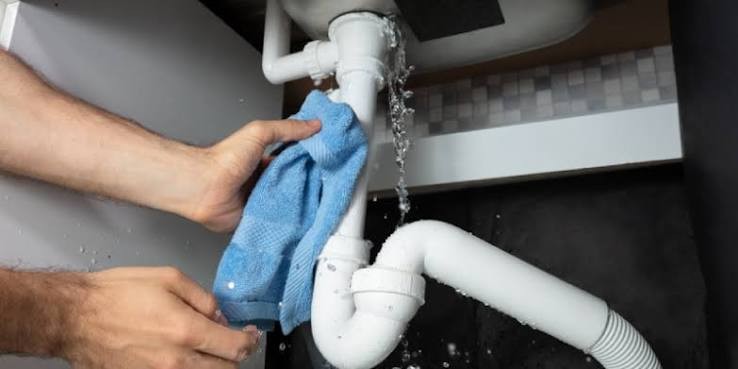
Plumbing problems are among the most common challenges affecting residential and commercial buildings. From leaking water pipes and blocked drainage systems to low water pressure, faulty taps and damaged toilets, plumbing issues can disrupt daily activities, increase water bills and cause expensive property damage if they are not addressed promptly.
Whether you own a residential house, apartment complex, office building, hotel, school, hospital or industrial facility, maintaining a reliable plumbing system is essential for the safety, comfort and functionality of your property.
In Uganda, plumbing problems can arise from poor installation practices, ageing pipework, unsuitable plumbing materials, water pressure fluctuations, inadequate maintenance and improper wastewater disposal. Seasonal rainfall, changing water supply conditions and building construction challenges can also contribute to plumbing and drainage failures.
Understanding common plumbing problems and how to prevent them helps property owners identify early warning signs, reduce repair expenses and maintain efficient water supply and drainage systems.
At Daltrevco, we recognise the importance of reliable plumbing infrastructure in residential and commercial construction. Proper plumbing design, professional installation and routine maintenance help prevent recurring problems and improve the long-term performance of building services.
This guide explores the most common plumbing problems in buildings, their causes, warning signs, prevention measures and the importance of professional plumbing maintenance.
Why Is Plumbing Maintenance Important in Buildings?
A building’s plumbing system plays a vital role in supplying clean water, distributing hot and cold water, removing wastewater and supporting essential sanitation facilities.
When plumbing systems are poorly maintained, minor faults can develop into serious problems that affect the entire property.
Regular plumbing maintenance is important because it:
- Prevents water leaks and unnecessary water wastage.
- Reduces the risk of flooding and water damage.
- Maintains reliable water pressure.
- Improves drainage and sanitation.
- Extends the lifespan of plumbing pipes and fixtures.
- Reduces emergency repair expenses.
- Protects walls, ceilings, floors and foundations.
- Improves water efficiency.
- Maintains comfortable and hygienic building conditions.
For commercial buildings, proper plumbing maintenance is particularly important because plumbing failures can interrupt business operations and affect employees, customers and visitors.
15 Common Plumbing Problems in Buildings and How to Prevent Them
Understanding the most frequent plumbing problems makes it easier to identify faults early and take appropriate preventive action.
1. Leaking Water Pipes
Leaking pipes are among the most common plumbing problems in residential and commercial buildings.
They may occur in concealed wall pipes, underground water supply lines, bathroom connections, kitchen plumbing and exposed pipework.
Pipe leaks can result from corrosion, damaged joints, excessive water pressure, poor installation, physical damage and ageing plumbing materials.
Common warning signs include:
- Unexpected increases in water bills.
- Damp patches on walls and ceilings.
- Water stains around pipe connections.
- Reduced water pressure.
- Persistent moisture around plumbing installations.
- Unexplained water accumulation.
How to prevent leaking pipes:
- Use quality plumbing pipes and fittings.
- Ensure pipes are installed by qualified plumbers.
- Inspect exposed pipework regularly.
- Avoid excessive water pressure.
- Repair damaged connections immediately.
- Protect underground pipes during construction activities.
- Replace deteriorated pipes before they fail.
Early leak detection can prevent significant water damage and expensive structural repairs.
2. Blocked Drainage Pipes
Blocked drainage pipes occur when materials accumulate inside wastewater pipes and restrict the movement of water.
Common causes include grease, food particles, hair, soap residue, sanitary products, foreign objects and other inappropriate waste.
Blocked drains can affect kitchen sinks, bathrooms, toilets, floor drains and underground drainage systems.
Warning signs include:
- Water draining slowly.
- Unpleasant smells from drains.
- Gurgling sounds in pipes.
- Wastewater backing up into sinks or floor drains.
- Repeated drainage blockages.
How to prevent blocked drains:
- Avoid pouring cooking oil and grease into sinks.
- Install suitable drain covers.
- Do not flush sanitary products or solid waste into toilets.
- Remove hair and debris from bathroom drains.
- Clean drainage outlets regularly.
- Arrange professional drain cleaning when necessary.
For commercial kitchens, suitable grease management systems should be installed and maintained to reduce the accumulation of fats, oils and grease.
3. Low Water Pressure
Low water pressure occurs when water flows through taps, showers and other outlets at a lower rate than expected.
This problem can affect homes, apartment buildings, hotels, offices and other commercial properties.
Common causes include:
- Partially blocked pipes.
- Pipe leaks.
- Faulty pressure regulators.
- Inadequate water supply.
- Undersized distribution pipes.
- Poorly designed plumbing networks.
- Insufficient pump capacity.
- Excessive simultaneous water demand.
How to prevent low water pressure:
- Ensure plumbing pipes are correctly sized.
- Inspect pipes for leaks and blockages.
- Install suitable water pumps where necessary.
- Maintain water storage tanks.
- Check pressure regulators and control valves.
- Design distribution systems according to building demand.
In multi-storey buildings, professionally designed booster pump systems may be necessary to maintain suitable water pressure on upper floors.
4. Leaking Taps and Faucets
Leaking taps are common in kitchens, bathrooms, washrooms and utility areas.
They often result from worn washers, damaged cartridges, deteriorated seals, loose fittings or excessive water pressure.
Although a dripping tap may appear minor, continuous leakage wastes water and increases utility expenses.
How to prevent leaking taps:
- Install quality taps and fittings.
- Avoid excessive force when closing taps.
- Replace worn washers and cartridges.
- Inspect tap connections periodically.
- Repair dripping taps immediately.
Choosing durable plumbing fixtures during construction can reduce the frequency of replacements and repairs.
5. Running Toilets
A running toilet occurs when water continues flowing into the toilet bowl after flushing.
This usually results from a faulty flushing mechanism, worn flapper, damaged flush valve, incorrect float adjustment or leaking cistern components.
Running toilets can waste substantial amounts of water over time.
How to prevent running toilets:
- Install quality toilet flushing systems.
- Inspect cistern components regularly.
- Replace damaged valves and seals.
- Ensure the float mechanism is correctly adjusted.
- Repair continuous water flow promptly.
Commercial buildings with many toilets should include toilet inspections in their routine plumbing maintenance schedules.
6. Faulty Water Pumps
Water pumps are important components of plumbing systems in buildings that rely on pumped water distribution.
Pump failures may result from electrical faults, worn mechanical components, dry running, blocked filters, inadequate maintenance and incorrect pump selection.
Common signs include unusual noises, overheating, inconsistent water supply and failure to deliver sufficient pressure.
How to prevent water pump problems:
- Select pumps according to actual building water demand.
- Ensure correct pump installation.
- Protect pumps against dry running.
- Inspect electrical connections.
- Clean filters and strainers.
- Monitor unusual vibration and noise.
- Schedule professional servicing.
For large residential and commercial buildings, properly designed pumping systems can improve water distribution reliability.
7. Water Heater Problems
Water heaters provide hot water for bathrooms, kitchens, laundry facilities and other building services.
Common problems include inconsistent water temperature, heating element failure, thermostat faults, leaks and excessive mineral accumulation.
How to prevent water heater problems:
- Install appropriately sized water heaters.
- Follow manufacturer maintenance recommendations.
- Inspect electrical and plumbing connections.
- Check pressure relief and safety devices.
- Address unusual noises or leaks promptly.
- Arrange periodic servicing by qualified technicians.
Commercial facilities such as hotels, hospitals and apartment complexes may require centralised hot water systems with planned maintenance arrangements.
8. Sewer Line Problems
Sewer line problems affect the pipes responsible for transporting wastewater from buildings to public sewer networks or approved on-site treatment systems.
Common causes include tree root intrusion, pipe deterioration, ground movement, poor installation and accumulation of inappropriate materials.
Warning signs include:
- Multiple blocked drains.
- Persistent sewer odours.
- Wastewater backing up.
- Wet patches around underground sewer lines.
- Repeated drainage problems.
How to prevent sewer line problems:
- Use suitable underground drainage pipes.
- Ensure correct pipe gradients.
- Install inspection chambers at appropriate locations.
- Avoid planting trees with aggressive roots near sewer lines.
- Do not dispose of solid waste through toilets.
- Arrange periodic professional inspections.
Recurring sewer problems should be investigated professionally to identify the underlying cause rather than relying on repeated temporary clearing.
9. Burst Water Pipes
Burst pipes can cause sudden water loss and extensive damage to building interiors, electrical installations and structural components.
They may result from excessive pressure, corrosion, physical damage, poor pipe connections and defective materials.
How to prevent burst pipes:
- Install quality pipes suitable for the operating pressure.
- Use appropriate pressure control devices.
- Protect exposed pipework from physical damage.
- Inspect old plumbing installations.
- Ensure correct pipe support and installation.
- Install accessible isolation valves.
In the event of a burst pipe, shut off the main water supply immediately and contact a qualified plumber.
10. Bad Smells from Drains
Unpleasant smells from bathroom drains, kitchen sinks and floor outlets can indicate problems within the drainage system.
Common causes include dry traps, blocked pipes, damaged seals, poor ventilation and accumulated organic waste.
How to prevent drainage odours:
- Ensure drainage traps contain water.
- Clean floor drains regularly.
- Maintain proper drainage ventilation.
- Repair defective pipe joints.
- Remove accumulated waste.
- Investigate persistent sewer smells.
If the smell continues despite cleaning, professional inspection may be necessary to identify hidden drainage defects.
11. Faulty Plumbing Valves
Plumbing valves control the flow of water through supply and distribution systems.
Faulty valves can cause water leakage, difficulty isolating sections of pipework and problems regulating water pressure.
Common causes include corrosion, worn internal components, sediment accumulation and poor-quality fittings.
How to prevent valve problems:
- Use appropriate quality valves.
- Install accessible isolation points.
- Operate and inspect valves periodically.
- Replace damaged valves promptly.
- Avoid forcing seized valve handles.
- Ensure correct valve selection for each application.
Accessible isolation valves are particularly important in commercial buildings because they allow repairs without shutting down the entire water supply.
12. Water Tank Problems
Water storage tanks are widely used in residential and commercial buildings to maintain water availability.
Common problems include leaking tanks, damaged float valves, contaminated stored water, blocked outlets and overflowing storage systems.
How to prevent water tank problems:
- Install tanks on properly designed supports.
- Use suitable inlet and outlet connections.
- Install appropriate overflow arrangements.
- Maintain functional float valves.
- Inspect tanks for cracks and leakage.
- Clean and maintain tanks appropriately.
- Keep tanks properly covered to prevent contamination.
Water storage systems should be designed to meet the building’s actual demand.
13. Corroded Plumbing Pipes
Pipe corrosion occurs when plumbing materials deteriorate through chemical or environmental reactions.
It may lead to leaks, reduced internal pipe diameter, water discolouration and eventual pipe failure.
The likelihood of corrosion depends on pipe material, water chemistry, installation conditions and the surrounding environment.
How to prevent pipe corrosion:
- Select materials suitable for the water supply conditions.
- Avoid incompatible metal connections.
- Use appropriate protective measures.
- Inspect ageing pipework.
- Replace severely deteriorated pipes.
- Ensure professional material selection during construction.
Modern plumbing materials can offer improved resistance to corrosion when properly selected and installed.
14. Poor Bathroom Waterproofing and Drainage
Bathrooms are frequently exposed to water from showers, basins, bathtubs and cleaning activities.
Poor waterproofing and inadequate floor drainage can cause water infiltration, dampness, damaged finishes and mould growth.
How to prevent bathroom water damage:
- Install suitable waterproofing membranes.
- Provide appropriate floor gradients.
- Position floor drains correctly.
- Seal pipe penetrations.
- Test waterproofing before installing finishes.
- Ensure shower and bathroom drainage outlets function properly.
Waterproofing and plumbing installation should be coordinated during construction rather than treated as separate activities.
15. Stormwater Drainage Problems
Stormwater problems commonly occur when rainwater cannot flow away from a property efficiently.
They may result from blocked channels, undersized drainage pipes, poor ground grading, inadequate roof gutters and poorly planned discharge points.
In Uganda, heavy seasonal rainfall can expose weaknesses in poorly designed stormwater systems.
How to prevent stormwater drainage problems:
- Install properly sized stormwater pipes and channels.
- Clean roof gutters and downpipes.
- Maintain drainage channels.
- Provide suitable ground slopes.
- Keep stormwater outlets clear.
- Design drainage systems according to site conditions and expected rainfall.
- Prevent roof and surface water from accumulating near foundations.
Effective stormwater management protects buildings, compounds, parking areas and surrounding infrastructure.
Common Causes of Plumbing Problems in Buildings
Although individual plumbing problems may have different symptoms, many originate from similar underlying causes.
Understanding these causes helps property owners prevent recurring faults.
1. Poor Plumbing Installation
Incorrect pipe connections, unsuitable materials, poor pipe gradients and inadequate sealing can cause repeated plumbing failures.
Professional installation is essential for achieving a reliable plumbing system.
2. Low-Quality Plumbing Materials
Cheap or unsuitable pipes, valves, fittings and fixtures may deteriorate prematurely.
Using materials appropriate for the application improves system durability.
3. Lack of Regular Maintenance
Plumbing systems require periodic inspection to identify deteriorating components, leaks, blockages and pressure problems.
Neglecting maintenance allows small faults to develop into expensive repairs.
4. Incorrect Pipe Sizing
Undersized pipes may restrict water flow, while poorly designed drainage pipes may fail to accommodate wastewater demand.
Pipe sizes should be determined through proper plumbing design.
5. Excessive Water Pressure
High water pressure places unnecessary stress on pipes, fittings, valves and plumbing fixtures.
Pressure regulation helps protect the system against premature failure.
6. Improper Waste Disposal
Disposing of grease, sanitary products, food waste and other unsuitable materials through drains can cause serious blockages.
Occupants should be educated about proper waste disposal practices.
7. Ageing Plumbing Infrastructure
Older buildings may have deteriorated pipes, outdated fittings and drainage systems that no longer meet current building requirements.
Periodic plumbing assessments help determine when repairs or replacements are necessary.
How to Prevent Plumbing Problems in Residential and Commercial Buildings
Preventing plumbing problems is more cost-effective than repeatedly repairing damaged systems.
Property owners and building managers can reduce plumbing failures by adopting the following practices.
1. Invest in Professional Plumbing Installation
Proper plumbing installation provides the foundation for a reliable water supply and drainage system.
Work with qualified plumbing professionals who understand building layouts, pipe sizing, pressure requirements and applicable installation standards.
2. Use Quality Plumbing Materials
Choose durable pipes, fittings, valves and fixtures suitable for their intended applications.
Material selection should consider water quality, operating pressure, temperature and installation conditions.
3. Conduct Routine Plumbing Inspections
Inspect visible pipework, taps, toilets, water tanks, pumps and drainage outlets regularly.
Early identification of faults helps prevent major plumbing failures.
4. Monitor Water Consumption
Unexpected increases in water consumption may indicate hidden leaks or malfunctioning plumbing fixtures.
Regular water meter monitoring can help identify unusual consumption patterns.
5. Maintain Water Pumps and Storage Tanks
Pumps and storage tanks should be inspected and serviced according to manufacturer recommendations and operational requirements.
6. Keep Drainage Systems Clean
Remove debris from drainage channels, gutters and accessible drains.
Avoid disposing of inappropriate materials through toilets and sinks.
7. Install Suitable Pressure Control Systems
Where necessary, use pressure regulators and properly designed pumping systems to maintain appropriate operating pressure.
8. Address Plumbing Faults Immediately
Small leaks, slow drains and unusual noises should not be ignored.
Prompt repairs prevent further deterioration and reduce the likelihood of emergency maintenance.
9. Keep Plumbing Maintenance Records
Commercial property owners should maintain records of inspections, repairs, replacements and servicing activities.
These records help identify recurring problems and support effective maintenance planning.
10. Plan Plumbing Systems During Construction
The most effective way to prevent plumbing problems is to incorporate proper plumbing design into the original building construction process.
This ensures that water supply, hot water, drainage and sanitation systems are correctly coordinated before walls, floors and ceilings are completed.
Plumbing Maintenance Checklist for Building Owners
A structured maintenance schedule helps property owners identify problems before they become serious.
Monthly checks:
- Inspect visible pipes for leaks.
- Check taps and toilets for continuous water flow.
- Monitor water bills and consumption.
- Check drainage outlets for blockages.
- Inspect water pumps for unusual noise.
Quarterly checks:
- Inspect accessible plumbing connections.
- Check water tank inlet and outlet fittings.
- Examine drainage channels and gutters.
- Inspect pressure control devices.
- Check exposed pipes for corrosion or damage.
Annual checks:
- Arrange a professional plumbing inspection.
- Assess the condition of ageing pipes.
- Inspect underground drainage where necessary.
- Service pumps and water heaters according to manufacturer requirements.
- Review the performance of the entire plumbing system.
The inspection frequency should be adjusted according to building usage, system condition and manufacturer recommendations. High-occupancy commercial buildings may require more frequent inspections.
Plumbing Problems in Residential vs Commercial Buildings
Residential and commercial properties experience many similar plumbing problems, but the scale and consequences may differ.
| Plumbing issue | Residential buildings | Commercial buildings |
|---|---|---|
| Leaking pipes | Household water damage | Large-scale water damage and operational disruption |
| Blocked drains | Kitchen and bathroom blockages | Multiple washroom and commercial drainage blockages |
| Low water pressure | Poor shower and tap performance | Disruption to multiple facilities |
| Faulty water pumps | Interrupted household supply | Disruption to building-wide water distribution |
| Sewer problems | Household sanitation issues | Larger wastewater management challenges |
| Stormwater problems | Flooded compounds | Flooded parking areas and commercial premises |
Commercial buildings often need more structured plumbing maintenance because of higher occupancy, greater water demand and more extensive plumbing networks.
When Should You Call a Professional Plumber?
Some plumbing issues can be addressed through basic maintenance, but more complex problems require professional diagnosis and repair.
Contact a qualified plumbing professional when you experience:
- Repeatedly blocked drainage pipes.
- Persistent water leaks.
- Burst underground pipes.
- Continuous low water pressure.
- Wastewater backflow.
- Sewer line failures.
- Water pump breakdowns.
- Water heater faults.
- Unexplained water consumption increases.
- Persistent drainage odours.
- Extensive water damage.
Professional plumbers can identify the underlying causes, recommend appropriate repairs and help prevent recurring problems.
For serious leaks or burst pipes, isolate the affected water supply immediately where it is safe to do so.
Why Professional Plumbing Services Matter in Building Construction
Plumbing systems should be professionally designed and installed during the construction of new buildings.
This helps prevent common problems associated with poor pipe routing, incorrect gradients, unsuitable materials and inaccessible plumbing connections.
Professional plumbing services support:
- Proper water supply system design.
- Correct pipe sizing and installation.
- Reliable hot and cold water distribution.
- Efficient wastewater drainage.
- Appropriate water storage and pumping arrangements.
- Correct installation of sanitary fixtures.
- Testing and commissioning.
- Easier long-term maintenance.
For developers constructing apartments, offices, hotels, schools, hospitals and other commercial facilities, professional plumbing coordination is particularly important.
Why Choose Daltrevco for Building and Plumbing Solutions?
Reliable plumbing infrastructure is essential for the successful operation of every residential and commercial property.
Daltrevco understands the importance of quality construction, proper building services coordination and durable infrastructure.
Whether you are constructing a new house, developing apartments, building commercial premises or improving an existing property, careful attention to plumbing and drainage systems helps protect your investment.
Daltrevco is committed to supporting construction projects through quality workmanship, proper project planning and practical building solutions.
When planning your next construction project, consider the importance of:
- Proper plumbing and drainage planning.
- Quality construction materials.
- Reliable water supply infrastructure.
- Effective wastewater management.
- Professional installation practices.
- Long-term building maintenance.
Working with an experienced construction partner helps ensure that essential building systems are considered from the beginning of the project.
Frequently Asked Questions About Common Plumbing Problems in Buildings
1. What are the most common plumbing problems in buildings?
The most common plumbing problems include leaking pipes, blocked drains, low water pressure, leaking taps, running toilets, faulty water pumps, water heater failures, sewer line problems and stormwater drainage issues.
2. What causes plumbing problems in residential buildings?
Common causes include poor installation, ageing pipes, low-quality fittings, excessive water pressure, blocked drainage systems and lack of regular maintenance.
3. How can plumbing problems be prevented?
Plumbing problems can be prevented through professional installation, quality materials, routine inspections, proper waste disposal, pressure control and timely repairs.
4. Why do drainage pipes become blocked?
Drainage pipes commonly become blocked because of accumulated grease, food particles, hair, soap residue, foreign objects and inappropriate waste disposal.
5. What causes low water pressure in buildings?
Low water pressure may result from leaking pipes, blocked plumbing lines, inadequate supply pressure, undersized pipes, faulty pressure regulators or insufficient pump capacity.
6. How often should plumbing systems be inspected?
Basic visual checks should be conducted regularly, while comprehensive inspections should be scheduled according to building usage and system condition. Commercial properties may require more frequent professional inspections.
7. What should I do when a water pipe bursts?
Immediately shut off the main water supply if it is safe to do so. Protect nearby electrical equipment from water exposure and contact a qualified plumber to identify and repair the damaged pipe.
8. How can I identify hidden water leaks?
Warning signs include unexplained increases in water bills, damp walls, ceiling stains, mould growth, reduced water pressure and water meter movement when all outlets are switched off.
9. Are plumbing problems different in commercial buildings?
Yes. Commercial buildings generally have larger plumbing networks, higher water demand and more users. Their systems may require additional maintenance and specialised wastewater management arrangements.
10. Why is professional plumbing installation important for new buildings?
Professional installation ensures correct pipe sizing, suitable materials, proper water pressure, effective drainage and accessible maintenance points. It also helps prevent expensive plumbing problems after construction.
Conclusion
Common plumbing problems in buildings can cause water wastage, property damage, poor sanitation and unnecessary maintenance expenses. However, most of these problems can be prevented through proper plumbing design, professional installation, quality materials and regular maintenance.
From leaking pipes and blocked drains to faulty pumps, low water pressure and stormwater drainage failures, identifying warning signs early is essential for protecting residential and commercial properties.
For homeowners, landlords, property developers and commercial building managers in Uganda, investing in reliable plumbing infrastructure is one of the most effective ways to maintain building performance and protect long-term property value.
Planning a new construction project or experiencing plumbing challenges in your building? Contact Daltrevco to discuss professional construction and building infrastructure solutions. Invest in quality workmanship and properly planned building systems for lasting performance.

