
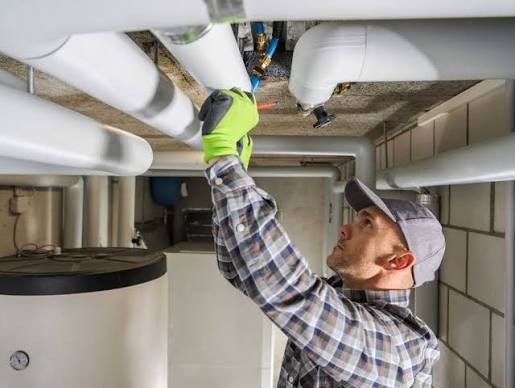
Plumbing maintenance is essential for keeping residential and commercial buildings safe, functional and efficient. A properly maintained plumbing system ensures a reliable water supply, effective wastewater disposal, consistent water pressure and dependable operation of essential building facilities.
Whether you own a residential house, apartment complex, office building, hotel, school, hospital, shopping centre or industrial facility, regular plumbing maintenance helps prevent leaks, blocked drainage pipes, faulty water pumps, damaged water heaters and other problems that can lead to expensive repairs.
In Uganda, plumbing systems face various challenges, including ageing pipework, fluctuating water pressure, poor installation practices, water wastage, drainage blockages and inadequate maintenance. Without proper inspection and servicing, minor plumbing faults can develop into serious problems that affect building operations, occupant comfort and property value.
Professional plumbing maintenance services help identify potential problems early, improve water efficiency, extend the lifespan of plumbing infrastructure and reduce unexpected repair expenses.
At Daltrevco, we understand that reliable plumbing infrastructure is an important part of every successful building. Proper maintenance and timely repairs help ensure that water supply, drainage and sanitation systems continue operating efficiently.
This comprehensive guide explains plumbing maintenance services, their importance, common plumbing problems, maintenance procedures, costs and how property owners in Uganda can keep their building water systems in excellent condition.
What Are Plumbing Maintenance Services?
Plumbing maintenance services involve the regular inspection, servicing, cleaning, repair and replacement of components within a building’s water supply and drainage systems.
The purpose is to ensure that plumbing installations operate efficiently, safely and reliably while reducing the likelihood of unexpected breakdowns.
A complete plumbing maintenance programme may cover:
- Inspection and repair of leaking water pipes.
- Maintenance of water supply systems.
- Cleaning and inspection of drainage pipes.
- Repair of leaking taps and faucets.
- Toilet and sanitary fixture maintenance.
- Water pump servicing.
- Water storage tank inspection.
- Water heater maintenance.
- Pressure control system inspection.
- Sewer line inspection.
- Stormwater drainage maintenance.
- Replacement of damaged plumbing fittings.
Maintenance requirements vary depending on building size, plumbing system design, water consumption and the age of the installation.
Why Plumbing Maintenance Is Important for Residential and Commercial Buildings
Regular plumbing maintenance is not simply about fixing leaking taps or blocked drains. It is an important investment in the long-term performance of a property.
Here are the major benefits of professional plumbing maintenance.
1. Prevents Expensive Plumbing Repairs
Minor plumbing problems can become major failures when left unattended.
A small pipe leak may eventually damage ceilings, walls, floors and electrical installations. Similarly, a partially blocked drainage pipe can develop into a complete blockage that requires extensive repair work.
Routine inspections help identify these problems before they become expensive.
2. Improves Water Efficiency
Leaking pipes, faulty taps, running toilets and inefficient plumbing fixtures waste water.
Regular maintenance helps identify unnecessary water consumption and ensures that plumbing components operate correctly.
This is particularly important for hotels, apartment complexes, schools and commercial buildings with high water demand.
3. Maintains Reliable Water Pressure
Water pressure affects the performance of showers, taps, toilets and other plumbing fixtures.
Blocked pipes, faulty valves, damaged pumps and leaking connections can reduce water pressure.
Professional maintenance helps identify the underlying causes and restore reliable water distribution.
4. Extends the Lifespan of Plumbing Systems
Pipes, valves, pumps, water heaters and sanitary fixtures deteriorate over time.
Regular servicing, timely repairs and appropriate component replacement help extend their useful service life.
5. Improves Hygiene and Sanitation
Properly functioning plumbing and drainage systems are essential for maintaining clean and hygienic buildings.
Maintenance helps prevent wastewater leaks, blocked toilets, drainage odours and other sanitation problems.
6. Protects Building Structures
Uncontrolled water leaks can damage plaster, paint, ceilings, flooring and structural components.
Plumbing maintenance helps detect hidden leaks and prevent prolonged moisture exposure.
7. Reduces Operational Disruptions
For commercial buildings, plumbing failures can interrupt business activities and inconvenience employees, customers and visitors.
Planned maintenance reduces unexpected breakdowns and supports continuous building operations.
8. Supports Sustainable Water Management
Efficient plumbing systems reduce unnecessary water wastage and help property owners use available water resources responsibly.
Types of Plumbing Maintenance Services for Buildings
Different plumbing components require different maintenance procedures.
The following are the main plumbing maintenance services required in residential and commercial buildings.
1. Water Pipe Inspection and Repair
Water pipes distribute clean water throughout a building.
Over time, pipes may develop leaks, corrosion, damaged joints, pressure problems or physical deterioration.
Professional pipe maintenance involves:
- Inspecting exposed water pipes.
- Checking pipe joints and connections.
- Identifying visible and hidden leaks.
- Assessing pipe corrosion.
- Repairing damaged sections.
- Replacing deteriorated pipes.
- Checking water pressure.
Early pipe maintenance helps prevent water wastage and property damage.
2. Drainage System Cleaning and Maintenance
Drainage systems remove wastewater from toilets, kitchens, bathrooms, laundry areas and other building facilities.
Blocked or damaged drains can cause unpleasant smells, slow drainage and wastewater overflow.
Drainage maintenance may include:
- Cleaning floor drains.
- Removing accumulated debris.
- Inspecting drainage pipes.
- Clearing blocked waste pipes.
- Checking inspection chambers.
- Inspecting manholes.
- Identifying damaged underground pipes.
- Testing drainage flow.
Commercial properties with restaurants and kitchens may require additional grease trap cleaning and maintenance.
3. Water Pump Maintenance
Water pumps are important for buildings that rely on pumped water distribution or storage tank systems.
Poorly maintained pumps may experience reduced performance, overheating, unusual noise, vibration and mechanical failure.
Water pump maintenance includes:
- Checking pump operation.
- Inspecting electrical connections.
- Checking for leaks.
- Cleaning filters and strainers.
- Monitoring vibration and unusual noise.
- Checking pressure performance.
- Inspecting control systems.
- Servicing mechanical components according to manufacturer instructions.
Correct pump maintenance helps maintain consistent water supply and reduces unexpected breakdowns.
4. Water Tank Cleaning and Inspection
Water storage tanks provide a reserve water supply for residential and commercial buildings.
However, poorly maintained tanks may develop leaks, sediment accumulation, damaged fittings and contamination risks.
Professional water tank maintenance involves:
- Inspecting tank structures.
- Checking inlet and outlet connections.
- Inspecting float valves.
- Checking overflow pipes.
- Cleaning tanks appropriately.
- Examining covers and access points.
- Checking tank supports and foundations.
- Inspecting associated pumping systems.
Water storage tanks should be maintained according to water quality requirements and appropriate cleaning recommendations.
5. Toilet and Bathroom Plumbing Maintenance
Bathrooms and toilets contain several plumbing components that require regular inspection.
These include flushing mechanisms, taps, shower mixers, washbasins, traps, floor drains and water supply connections.
Maintenance activities include:
- Repairing leaking toilet cisterns.
- Replacing faulty flush valves.
- Fixing leaking taps.
- Inspecting shower connections.
- Clearing blocked bathroom drains.
- Checking floor drainage.
- Repairing damaged pipe connections.
- Inspecting bathroom fixtures.
Proper bathroom maintenance helps prevent water wastage and maintain hygienic conditions.
6. Kitchen Plumbing Maintenance
Kitchen plumbing systems support water supply, food preparation, cleaning and wastewater disposal.
Common maintenance requirements include:
- Cleaning sink drainage pipes.
- Repairing leaking kitchen taps.
- Inspecting water supply connections.
- Cleaning traps.
- Checking waste pipe joints.
- Maintaining grease management systems where installed.
- Replacing damaged sink fittings.
Regular maintenance is particularly important in restaurants, hotels, commercial kitchens and institutional facilities.
7. Water Heater Maintenance
Water heaters supply hot water to bathrooms, kitchens, laundry facilities and other areas.
Common problems include heating element failure, thermostat faults, leaks, mineral accumulation and electrical connection problems.
Maintenance may involve:
- Inspecting heating elements.
- Checking thermostats.
- Inspecting water connections.
- Checking pressure relief devices.
- Examining electrical connections.
- Checking for leakage.
- Servicing components according to manufacturer guidance.
Water heaters should be serviced by appropriately qualified technicians, especially where electrical or pressurised components are involved.
8. Plumbing Valve and Pressure Control Maintenance
Valves regulate water flow and allow individual sections of plumbing systems to be isolated during repairs.
Faulty valves can cause leakage, poor pressure control and difficulties during maintenance.
Maintenance involves:
- Inspecting isolation valves.
- Checking pressure regulators.
- Identifying leaking valve connections.
- Replacing damaged valve components.
- Checking water flow control.
- Ensuring valves remain accessible.
9. Sewer Line Inspection and Maintenance
Sewer lines transport wastewater from buildings to public sewer networks or approved on-site treatment facilities.
Problems may arise from pipe damage, tree root intrusion, blockages and ground movement.
Sewer maintenance may involve:
- Inspecting inspection chambers.
- Clearing blockages.
- Checking underground pipe conditions.
- Identifying leaks.
- Examining drainage connections.
- Conducting specialist camera inspections where necessary.
Regular sewer line maintenance helps prevent wastewater backflow and sanitation problems.
10. Stormwater Drainage Maintenance
Stormwater systems protect buildings and surrounding compounds by collecting and removing rainwater.
In Uganda, seasonal rainfall makes stormwater maintenance especially important.
Maintenance activities include:
- Cleaning roof gutters.
- Clearing downpipes.
- Removing debris from drainage channels.
- Inspecting surface drains.
- Cleaning catch pits.
- Checking underground stormwater pipes.
- Inspecting discharge outlets.
- Identifying areas affected by water accumulation.
Effective stormwater maintenance reduces flooding risks and protects building foundations.
Plumbing Maintenance for Residential Buildings
Residential properties require regular plumbing maintenance to ensure comfortable living conditions and reliable water supply.
Whether you own a bungalow, maisonette, apartment or multi-storey residential development, the plumbing system should be inspected periodically.
Important residential plumbing maintenance activities include:
1. Kitchen Maintenance
Check taps, sinks, waste pipes and water supply connections for leakage and blockages.
2. Bathroom Maintenance
Inspect showers, toilets, washbasins, floor drains and bathroom pipe connections.
3. Water Storage Maintenance
Check tanks, float valves, water outlets and associated pumps.
4. External Plumbing Maintenance
Inspect outdoor taps, underground connections and drainage channels.
5. General Water Supply Inspection
Monitor water pressure, visible leaks and unusual changes in water consumption.
Regular maintenance helps homeowners avoid unnecessary water bills and emergency plumbing repairs.
Plumbing Maintenance for Commercial Buildings
Commercial properties often require more extensive plumbing maintenance because of their size, occupancy and water consumption.
A well-planned maintenance programme helps prevent operational disruptions and maintains safe building conditions.
1. Office Buildings
Office plumbing systems require regular inspection of washrooms, kitchens, water supply pipes, toilets and drainage connections.
2. Hotels and Guest Houses
Hotels require dependable plumbing for guest bathrooms, kitchens, laundry facilities, swimming pools and hot water systems.
Because of their continuous occupancy and high water demand, planned maintenance is particularly important.
3. Schools and Universities
Educational institutions require properly maintained toilets, washrooms, kitchens, laboratories and water storage facilities.
4. Hospitals and Healthcare Facilities
Healthcare facilities require reliable water supply, sanitation and wastewater systems to support hygiene and daily operations.
Their plumbing maintenance programmes should follow applicable healthcare, infection prevention and water safety requirements.
5. Shopping Centres and Commercial Complexes
Shopping centres require maintenance of public washrooms, restaurant drainage, water distribution networks and stormwater systems.
6. Industrial Buildings and Warehouses
Industrial properties may require specialised maintenance depending on production activities, wastewater characteristics, water demand and installed plumbing equipment.
Step-by-Step Plumbing Maintenance Process
Professional plumbing maintenance follows a structured process to identify problems, assess system performance and complete necessary repairs.
Step 1: Initial Plumbing System Inspection
The maintenance team examines the building’s plumbing infrastructure to identify visible damage, leaks, blockages and equipment problems.
The inspection may cover:
- Water supply pipes.
- Drainage networks.
- Toilets and bathroom fixtures.
- Kitchen plumbing.
- Water pumps.
- Water storage tanks.
- Water heaters.
- Valves and pressure control systems.
Step 2: Identify Plumbing Problems
After the inspection, existing problems are identified and assessed.
These may include leaking connections, blocked pipes, faulty valves, damaged fixtures and poor water pressure.
Step 3: Assess the Condition of Plumbing Components
The condition of individual components is evaluated to determine whether cleaning, repair, adjustment or replacement is necessary.
Step 4: Prepare a Maintenance Plan
A maintenance plan is developed according to the building’s needs, urgency of repairs and available resources.
Priority should be given to serious leaks, sanitation problems and failures that could cause property damage.
Step 5: Perform Cleaning and Servicing
Maintenance work is carried out on relevant plumbing components.
This may include clearing blocked drains, cleaning tanks, servicing pumps and cleaning accessible pipework.
Step 6: Repair or Replace Damaged Components
Faulty pipes, taps, valves, fittings and other components are repaired or replaced using suitable materials.
Step 7: Test the Plumbing System
After maintenance, the system is tested to verify water flow, pressure, drainage performance and the integrity of repaired connections.
Step 8: Prepare a Maintenance Report
A maintenance report should record completed work, identified problems, replaced components and recommendations for future servicing.
This is particularly useful for landlords, commercial property managers and facility management teams.
Plumbing Maintenance Schedule for Residential and Commercial Buildings
A maintenance schedule helps ensure that essential plumbing components receive attention before problems become serious.
The following is a general guide. Actual frequencies should be adjusted according to system condition, manufacturer instructions and building usage.
| Maintenance activity | Suggested frequency |
|---|---|
| Inspect visible pipes for leaks | Monthly |
| Check taps and toilet flushing systems | Monthly |
| Monitor water consumption | Monthly |
| Inspect accessible drainage outlets | Monthly |
| Check water pumps | Quarterly |
| Inspect water tank fittings | Quarterly |
| Clean gutters and stormwater channels | Before and during rainy seasons, as needed |
| Inspect plumbing valves and pressure controls | Quarterly |
| Professional plumbing inspection | Annually or as required |
| Water heater servicing | Manufacturer-recommended schedule |
| Water tank cleaning | According to water quality and applicable guidance |
Commercial properties with high occupancy or continuous water usage may need more frequent inspections.
Common Signs Your Building Needs Plumbing Maintenance
Many plumbing problems develop gradually before becoming serious.
Property owners and building managers should watch for the following warning signs:
- Unexplained increases in water bills.
- Dripping taps and leaking pipes.
- Slow-draining sinks and showers.
- Unpleasant smells from drainage outlets.
- Reduced water pressure.
- Unusual noises from water pumps.
- Running toilets.
- Water stains on walls and ceilings.
- Frequent drainage blockages.
- Overflowing water storage tanks.
- Inconsistent hot water supply.
- Damp areas around underground pipe routes.
If these symptoms appear, professional inspection can help establish the cause and prevent further damage.
Factors That Affect the Cost of Plumbing Maintenance in Uganda
The cost of plumbing maintenance in Uganda depends on the size of the building, condition of the plumbing system, nature of the problem and materials required.
There is no fixed maintenance price for every property because residential and commercial plumbing systems have different requirements.
The main cost factors include:
1. Size of the Building
Large buildings generally have more pipes, fixtures, bathrooms, drainage outlets and water distribution equipment to maintain.
2. Type of Plumbing Problem
Routine inspections and minor repairs generally require less work than underground pipe replacement, major drainage repairs or pump system rehabilitation.
3. Materials and Replacement Parts
The cost of pipes, valves, taps, fittings, pumps and other components influences the overall maintenance budget.
4. Accessibility of Plumbing Installations
Exposed pipes are generally easier to inspect than concealed pipes located behind walls, beneath floors or underground.
5. Labour Requirements
Complex plumbing problems may require specialised technicians, additional equipment and more working time.
6. Building Usage
Hotels, hospitals, commercial kitchens and large residential developments may require more frequent maintenance because of higher water consumption.
7. Emergency Repairs
Emergency plumbing work may require additional labour, equipment and urgent material procurement.
For an accurate quotation, property owners should arrange a plumbing inspection and request a detailed breakdown of the required maintenance work.
Preventive Plumbing Maintenance vs Emergency Plumbing Repairs
Preventive maintenance and emergency repairs serve different purposes.
Preventive maintenance focuses on identifying and correcting potential problems before system failure occurs, while emergency repairs address unexpected plumbing breakdowns.
| Feature | Preventive Maintenance | Emergency Repairs |
|---|---|---|
| Purpose | Prevent plumbing failures | Fix existing failures |
| Timing | Planned and scheduled | Unplanned |
| Cost management | Easier to budget | May involve unexpected expenses |
| System inspection | Routine | Usually problem-specific |
| Building disruption | Generally lower | Can be significant |
| Long-term benefit | Improves system reliability | Restores immediate functionality |
For most residential and commercial properties, preventive plumbing maintenance is a more effective long-term management approach than relying entirely on emergency repairs.
How to Keep Building Water Systems Efficient
Efficient plumbing systems require more than fixing damaged pipes. They also need proper water management and responsible building practices.
Property owners can improve plumbing efficiency through the following measures:
1. Install Water-Efficient Fixtures
Choose suitable taps, showers and toilet flushing systems designed to reduce unnecessary water consumption without compromising functionality.
2. Repair Leaks Promptly
Even small leaks can waste significant quantities of water over time.
3. Monitor Water Consumption
Regularly reviewing water bills and meter readings can help identify unexpected changes in water usage.
4. Maintain Water Pumps
Ensure pumps are correctly selected, serviced and operated according to manufacturer recommendations.
5. Inspect Water Storage Systems
Keep tanks properly maintained and ensure that float valves, covers and overflow systems function correctly.
6. Maintain Drainage Systems
Regularly remove debris from accessible drains and maintain stormwater channels.
7. Upgrade Outdated Plumbing Components
Older pipes, inefficient fixtures and deteriorated valves may need replacement to improve reliability and water efficiency.
8. Use Professional Plumbing Services
Professional assessment helps identify inefficiencies and recommend suitable improvements based on the actual building requirements.
Challenges of Plumbing Maintenance in Uganda
Building owners in Uganda may encounter several challenges when maintaining plumbing infrastructure.
1. Ageing Plumbing Systems
Older residential and commercial buildings may have deteriorating pipes, worn fittings and outdated installations.
2. Inadequate Maintenance Planning
Some property owners only arrange plumbing services after a major failure has occurred.
3. Poor Installation Practices
Incorrect pipe sizing, poor connections and unsuitable materials can result in recurring plumbing problems.
4. Water Pressure Fluctuations
Changes in water supply pressure may affect the performance of plumbing fixtures and equipment.
5. Limited Access to Concealed Pipes
Pipes installed behind walls, under floors and underground can be difficult to inspect without appropriate equipment.
6. Seasonal Rainfall and Drainage Problems
Heavy rainfall can expose weaknesses in stormwater drainage systems, particularly where gutters and channels are not maintained.
Addressing these challenges requires professional installation, regular inspections, appropriate maintenance schedules and quality plumbing materials.
Why Choose Professional Plumbing Maintenance Services?
Professional plumbing maintenance provides a structured approach to managing building water systems.
Experienced plumbing technicians can identify faults, assess equipment performance, carry out repairs and recommend preventive measures.
The major benefits include:
- Accurate identification of plumbing problems.
- Professional leak detection and repair.
- Reliable drainage system maintenance.
- Proper water pump servicing.
- Improved water distribution.
- Reduced water wastage.
- Extended plumbing equipment lifespan.
- Better building hygiene and sanitation.
- Reduced emergency repair risks.
- Improved long-term maintenance planning.
For large residential and commercial properties, professional plumbing maintenance is particularly important because plumbing failures can affect many occupants and disrupt essential operations.
Why Choose Daltrevco for Building and Plumbing Solutions?
A reliable plumbing system is essential for maintaining the functionality, safety and value of any property.
Daltrevco understands the importance of quality construction, properly planned building services and dependable infrastructure.
Whether you are developing a residential property, apartment complex, office building, hotel, school or industrial facility, plumbing systems should be installed and maintained with attention to quality and long-term performance.
Daltrevco is committed to supporting construction projects through professional building solutions, quality workmanship and practical construction approaches.
When planning your building project or improving an existing property, consider the importance of:
- Proper plumbing system planning.
- Quality water supply installations.
- Reliable drainage infrastructure.
- Appropriate water storage solutions.
- Effective maintenance arrangements.
- Long-term building performance.
Investing in quality building infrastructure helps reduce maintenance challenges and protects your property investment.
Frequently Asked Questions About Plumbing Maintenance Services
1. What are plumbing maintenance services?
Plumbing maintenance services involve inspecting, cleaning, servicing, repairing and replacing components of building water supply and drainage systems to ensure reliable performance.
2. How often should plumbing systems be maintained?
Visible plumbing components should be checked regularly, while professional inspections should be scheduled according to the building’s size, system condition and usage. Commercial buildings may require more frequent maintenance.
3. What does a plumbing maintenance service include?
It may include pipe inspections, leak repairs, drain cleaning, water pump servicing, water tank inspections, toilet repairs, water heater maintenance and drainage system inspections.
4. Why is preventive plumbing maintenance important?
Preventive maintenance helps identify problems early, reduce water wastage, prevent property damage, extend equipment lifespan and minimise emergency repair costs.
5. How much do plumbing maintenance services cost in Uganda?
Costs depend on the building size, nature of the plumbing problem, labour requirements, accessibility and replacement materials. A professional inspection helps determine the actual maintenance requirements.
6. What causes frequent plumbing problems in buildings?
Common causes include poor installation, ageing pipes, low-quality fittings, excessive water pressure, drainage blockages and lack of routine maintenance.
7. How can I improve water efficiency in my building?
Repair leaks, install water-efficient fixtures, maintain pumps, monitor consumption, inspect storage tanks and ensure that plumbing systems are correctly designed.
8. What is the difference between plumbing maintenance and plumbing installation?
Plumbing installation involves setting up new water supply and drainage systems, while plumbing maintenance focuses on inspecting, servicing, repairing and preserving existing installations.
9. Do commercial buildings need regular plumbing maintenance?
Yes. Commercial buildings generally have larger plumbing networks and higher water demand. Regular maintenance helps prevent disruptions and maintain reliable sanitation facilities.
10. Can regular plumbing maintenance reduce water bills?
Yes. Repairing leaks, correcting faulty fixtures and improving water distribution can reduce unnecessary water consumption and help control water expenses.
Conclusion
Plumbing maintenance services are essential for keeping residential and commercial building water systems efficient, reliable and durable. Regular inspection, timely repairs, proper cleaning and professional servicing help prevent common plumbing failures and reduce unnecessary operating expenses.
From water supply pipes and drainage networks to water pumps, storage tanks, toilets and hot water systems, every plumbing component requires appropriate attention to maintain dependable performance.
For homeowners, landlords, developers and commercial building managers in Uganda, investing in preventive plumbing maintenance is a practical way to protect property, improve water efficiency and avoid costly emergency repairs.
Looking for reliable construction and building infrastructure solutions? Contact Daltrevco to discuss your project requirements and discover how proper plumbing planning, installation and maintenance can contribute to a more efficient and durable building.

