Concrete pavers are among the most practical, attractive and durable paving solutions for residential, commercial and industrial properties. Whether you are constructing a modern residential driveway, a pedestrian walkway, a commercial parking area or an access path around an industrial facility, concrete pavers provide a strong, versatile and visually appealing surface.
In Uganda, where properties experience different levels of traffic, seasonal rainfall and changing weather conditions, choosing the right paving material is essential. A properly designed and installed concrete paving system can improve property accessibility, enhance outdoor appearance, manage surface water and provide long-term performance.
Concrete pavers are available in different shapes, colours, sizes, thicknesses and surface finishes, making them suitable for projects ranging from small residential compounds to large commercial developments.
At Daltrevco, we recognise the importance of quality construction materials, proper site preparation and professional workmanship in delivering durable outdoor surfaces. Understanding the available concrete paving options can help property owners, contractors and developers make informed decisions when planning their projects.
This guide explores concrete pavers for driveways, walkways and parking areas, including their benefits, types, applications, installation processes, maintenance requirements and the factors that influence their cost in Uganda.
What Are Concrete Pavers?
Concrete pavers are individual precast concrete units manufactured in specific shapes, sizes and thicknesses for constructing paved outdoor surfaces. They are produced using a controlled mixture of cement, sand, aggregates, water and, where necessary, approved additives or pigments.
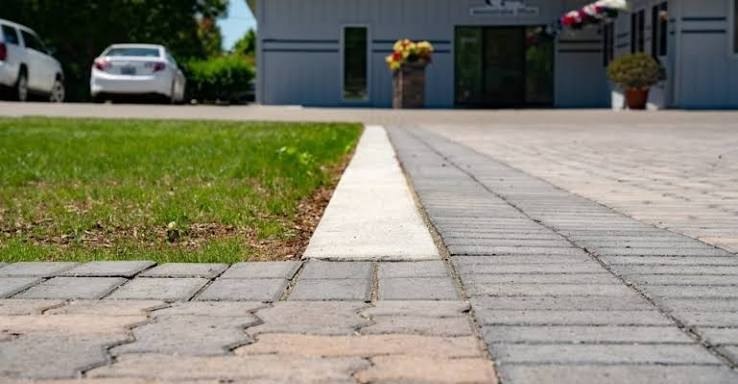
Unlike conventional concrete slabs, which are poured and finished as one continuous surface, concrete pavers are installed as separate units over a properly prepared foundation. The individual units are arranged in a selected pattern and joined using suitable jointing material.
This paving method creates a strong and attractive surface that can accommodate different traffic requirements when correctly designed and installed.
Concrete pavers are commonly used for:
- Residential driveways and vehicle parking spaces.
- Pedestrian walkways and garden paths.
- Commercial parking areas.
- Shopping centres and office compounds.
- Hotel and hospitality outdoor spaces.
- Institutional compounds and school pathways.
- Industrial yards and loading areas.
- Residential estates and apartment developments.
- Outdoor recreational and landscaped areas.
Their flexibility in design and installation makes concrete pavers suitable for projects requiring both functionality and attractive finishes.
Benefits of Concrete Pavers for Driveways, Walkways and Parking Areas
Concrete pavers offer several advantages that make them a popular choice for residential, commercial and industrial paving projects.
1. Strength and Durability
One of the main advantages of concrete pavers is their ability to provide a durable surface when manufactured to appropriate specifications and installed on a properly prepared foundation.
High-quality concrete pavers can withstand pedestrian movement, vehicle traffic and normal outdoor exposure. Their performance depends on factors such as concrete strength, paver thickness, bedding material, base preparation and installation quality.
For driveways and parking areas, selecting pavers designed for the expected vehicle loads is particularly important.
2. Attractive Designs and Finishes
Concrete pavers are available in numerous shapes, colours, textures and patterns. This gives property owners the flexibility to select paving designs that complement their buildings, landscaping and overall property appearance.
Popular options include rectangular, square, hexagonal and interlocking pavers.
Different colours can also be combined to create decorative borders, pathways, parking bay markings and distinctive outdoor designs.
3. Easy Maintenance and Repairs
Concrete paving blocks are relatively easy to maintain. Routine sweeping, occasional washing and timely removal of weeds or accumulated debris help preserve their appearance.
Another important advantage is that individual damaged or sunken pavers can be removed and replaced without necessarily disturbing the entire paved surface.
This can make repairs more manageable than repairing certain continuous paving surfaces.
4. Suitable for Different Traffic Requirements
Concrete pavers can be manufactured in different thicknesses and strengths to suit different applications.
For example:
- Pedestrian walkways require pavers designed for foot traffic.
- Residential driveways require pavers suitable for regular vehicle movement.
- Commercial parking areas need pavers capable of supporting the expected vehicle loads.
- Industrial yards may require specially designed paving systems for heavier vehicles and equipment.
The correct product specification should always be determined by the intended use and engineering requirements.
5. Flexible Installation Patterns
Concrete pavers can be installed in different arrangements depending on the design requirements and expected traffic conditions.
Common patterns include herringbone, basket weave, stretcher bond and running bond.
For vehicle-access areas, herringbone patterns are particularly useful because their interlocking arrangement helps resist horizontal movement when properly installed.
6. Effective Surface Water Management
Concrete paving can be incorporated into a drainage plan to help control rainwater runoff around buildings and paved areas.
Proper surface gradients, drainage channels, kerbs and suitable stormwater outlets help prevent water accumulation.
Permeable concrete paving systems are also available. These allow water to pass through specially designed joints or openings into a prepared underlying drainage layer.
For properties in Uganda that experience heavy seasonal rainfall, proper drainage design is essential regardless of the paving material selected.
7. Cost-Effective Long-Term Paving Solution
Although the initial cost of concrete paving depends on the quality of materials, site preparation, labour and design, properly installed pavers can provide long-term value.
Their durability, replaceable individual units and relatively straightforward maintenance can help reduce the disruption and expense associated with future repairs.
Types of Concrete Pavers for Different Applications
Selecting the right type of concrete paver is important because different paving projects have different functional and aesthetic requirements.
1. Interlocking Concrete Pavers
Interlocking concrete pavers are designed with shapes that fit together to create a stable paved surface.
Their interlocking arrangement helps distribute loads across adjacent units and improves resistance to movement when combined with proper edge restraints and jointing materials.
Common applications include:
- Residential driveways.
- Commercial parking areas.
- Access roads.
- Pedestrian walkways.
- Shopping centre compounds.
Interlocking pavers are particularly suitable for areas that experience regular vehicle movement.
2. Rectangular Concrete Pavers
Rectangular pavers are widely used because they offer a simple and versatile appearance.
They can be installed in running bond, herringbone and basket weave patterns, depending on the intended application.
Common applications include:
- Residential walkways.
- Driveways.
- Garden paths.
- Courtyards.
- Outdoor entertainment areas.
3. Square Concrete Pavers
Square concrete pavers provide a neat and symmetrical appearance. They are available in different dimensions and can be arranged in simple or decorative patterns.
Common applications include:
- Garden walkways.
- Residential compounds.
- Patios.
- Outdoor seating areas.
- Landscaped commercial spaces.
4. Heavy-Duty Concrete Pavers
Heavy-duty concrete pavers are designed for areas exposed to higher traffic loads and demanding operating conditions.
They generally require appropriate thickness, strength and base construction to accommodate the intended loading.
Common applications include:
- Commercial vehicle parking.
- Industrial compounds.
- Loading and unloading areas.
- Warehouse yards.
- Transport facilities.
The specification should be based on traffic type, axle loads, ground conditions and expected usage rather than appearance alone.
5. Decorative Concrete Pavers
Decorative pavers are manufactured to enhance the appearance of outdoor spaces while providing a functional paved surface.
They may feature coloured finishes, textured surfaces, unique shapes or combinations of different paving patterns.
Common applications include:
- Hotel entrances.
- Residential gardens.
- Commercial landscapes.
- Outdoor hospitality spaces.
- Pedestrian courtyards.
6. Permeable Concrete Pavers
Permeable concrete paving systems are specially designed to allow rainwater to infiltrate through joints or openings into a prepared stone reservoir below.
They can help reduce surface runoff when properly designed, constructed and maintained.
Common applications include:
- Residential parking spaces.
- Landscaped pedestrian areas.
- Selected commercial parking facilities.
- Stormwater-sensitive developments.
Their suitability depends on soil infiltration capacity, groundwater conditions, maintenance requirements and the overall drainage design.
Concrete Pavers for Driveways
Driveways are among the most common applications of concrete paving. They provide access between public roads, garages, parking spaces and residential or commercial buildings.
A properly paved driveway improves accessibility while creating an attractive entrance to a property.
Why Choose Concrete Pavers for Driveways?
Concrete pavers are suitable for driveways because they offer:
- Resistance to normal vehicle traffic when correctly specified.
- Different colours and patterns for attractive finishes.
- Individual unit replacement when repairs are necessary.
- Flexible design options for different driveway layouts.
- Compatibility with properly designed drainage systems.
Important Considerations When Paving a Driveway
Before installing concrete pavers on a driveway, consider the following:
Paver thickness: Select pavers suitable for the expected vehicle loads. Pedestrian-grade products should not automatically be used for vehicle-access areas.
Ground preparation: Weak, loose or poorly compacted soil can cause settlement and uneven paving.
Base construction: A properly designed and compacted base provides the necessary support for the paving system.
Drainage: The driveway should have appropriate gradients to direct rainwater away from buildings and prevent standing water.
Edge restraints: Properly installed edge restraints help prevent the paving units from spreading or moving under traffic.
Paving pattern: Select a pattern that complements the driveway layout and supports the expected traffic movements.
Concrete Pavers for Walkways and Pedestrian Paths
Walkways connect different sections of residential, commercial and institutional properties. They provide safe and convenient pedestrian access while contributing to the overall appearance of outdoor spaces.
Concrete pavers are an excellent option for constructing functional and attractive pedestrian pathways.
Benefits of Concrete Pavers for Walkways
- They provide defined pedestrian routes.
- They are available in attractive colours and patterns.
- Individual units can be replaced when damaged.
- They can complement landscaping and building designs.
- They can be installed around gardens, buildings and recreational spaces.
Common Walkway Applications
Concrete pavers are suitable for:
- Residential garden paths.
- Apartment compound walkways.
- Hotel and resort pathways.
- School and university pedestrian routes.
- Hospital outdoor walkways.
- Shopping centre pedestrian areas.
- Office building compounds.
- Public recreational spaces.
For pedestrian areas, surface texture and levelness should receive particular attention. Pavers should be installed with even joints and minimal unevenness to reduce tripping hazards.
Where appropriate, accessible routes should also comply with applicable accessibility requirements, including suitable gradients and clear walking widths.
Concrete Pavers for Commercial and Industrial Parking Areas
Commercial and industrial parking areas require paving systems that can withstand regular traffic while maintaining a functional and professional appearance.
Concrete pavers can be used for parking areas at shopping centres, office buildings, hotels, warehouses, institutions and industrial facilities.
Advantages of Concrete Pavers for Parking Areas
Load-bearing performance: Properly specified paving systems can support different categories of vehicle traffic.
Organised parking layouts: Different paver colours can help distinguish parking bays, pedestrian zones and vehicle movement routes.
Ease of maintenance: Damaged or sunken sections can be repaired by lifting and reinstalling individual pavers.
Professional appearance: Well-designed paving improves the overall presentation of commercial properties.
Flexible layouts: Concrete pavers can accommodate different parking configurations and site designs.
Important Requirements for Parking Area Paving
Before undertaking a commercial or industrial parking project, consider:
- Expected traffic volumes and vehicle types.
- Soil conditions and ground-bearing capacity.
- Paver thickness and concrete quality.
- Sub-base and base material specifications.
- Stormwater drainage arrangements.
- Edge restraints and kerb installation.
- Traffic circulation and parking bay layouts.
- Accessibility and pedestrian safety.
For areas exposed to heavy trucks, buses or frequent turning movements, the paving design should be supported by appropriate engineering assessment.
Popular Concrete Paving Patterns and Designs
The appearance of a paved surface depends not only on the colour and shape of the pavers but also on the installation pattern.
Choosing the right pattern can improve the visual appeal of a property while supporting the functional requirements of the paved area.
1. Herringbone Pattern
The herringbone pattern involves arranging rectangular pavers in a distinctive interlocking arrangement, usually at 45-degree or 90-degree angles.
It is a popular choice for driveways and parking areas because the arrangement helps resist horizontal movement under vehicle traffic.
2. Basket Weave Pattern
Basket weave involves arranging rectangular pavers in alternating pairs to create a woven appearance.
It is commonly used for patios, pedestrian walkways and decorative outdoor areas.
3. Running Bond Pattern
Running bond is created by arranging rectangular pavers in parallel rows, with the joints offset between adjacent rows.
It provides a clean and straightforward appearance suitable for walkways and selected driveway applications.
4. Stack Bond Pattern
Stack bond involves placing pavers in straight, aligned rows and columns.
It creates a modern, symmetrical appearance and is often used in decorative pedestrian areas. Its suitability for vehicle areas should be evaluated based on the paver system and design requirements.
5. Mixed-Colour Paving Designs
Combining different paver colours can create attractive patterns, borders and designated zones.
For example, a residential driveway can feature a main paving colour with darker borders, while a commercial parking area can use contrasting colours to distinguish pedestrian pathways and parking bays.
Concrete Pavers vs Cast-in-Place Concrete: Which Is Better?
Property owners often compare concrete pavers with conventional cast-in-place concrete when selecting a paving solution.
Both materials have advantages, and the most suitable option depends on the intended application, budget, site conditions and maintenance expectations.
| Comparison | Concrete Pavers | Cast-in-Place Concrete |
|---|---|---|
| Installation | Individual units installed over a prepared base | Concrete poured and finished on-site |
| Appearance | Multiple colours, shapes and patterns | Various finishes, but generally less modular |
| Repairs | Individual units can be replaced | Repairs may involve cutting or patching |
| Surface flexibility | Individual units accommodate minor movement | More susceptible to visible cracking |
| Drainage | Can incorporate permeable systems | Generally requires surface gradients and drainage |
| Installation requirements | Requires careful base preparation and jointing | Requires formwork, reinforcement where specified and curing |
| Design flexibility | High | Depends on finishing and construction method |
Concrete pavers are particularly attractive for properties where decorative finishes, modular repairs and flexible designs are important.
Cast-in-place concrete may be more appropriate for certain large continuous surfaces or projects where a monolithic finish is preferred.
The best choice should be determined by the project requirements rather than initial appearance alone.
Concrete Paver Installation Process: Step-by-Step Guide
The quality of a concrete paving project depends heavily on proper installation. Even high-quality pavers can fail prematurely when installed over a weak foundation or without adequate drainage.
Below is the typical process involved in installing concrete pavers.
Step 1: Site Inspection and Planning
The first stage involves assessing the site and understanding the intended use of the paved surface.
Important considerations include:
- Existing ground conditions.
- Soil stability and bearing capacity.
- Expected pedestrian and vehicle traffic.
- Surface water drainage requirements.
- Paving dimensions and layout.
- Access points and surrounding structures.
For larger commercial or industrial projects, engineering assessments may be necessary.
Step 2: Site Clearing and Excavation
The installation area is cleared of vegetation, debris, unsuitable soil and other obstructions.
Excavation is then undertaken to the depth required for the paving system, including the pavers, bedding layer and supporting base.
The excavation depth depends on soil conditions, traffic requirements and the selected paving design.
Step 3: Ground Preparation and Compaction
The exposed ground is shaped, levelled and compacted to provide a stable foundation.
Where weak or unsuitable soils are encountered, additional ground improvement or replacement may be required.
This stage is critical because inadequate ground preparation can result in settlement and uneven paving.
Step 4: Installation of the Sub-Base and Base Layers
Suitable granular materials are placed and compacted in layers to provide structural support.
The material specifications and layer thicknesses should reflect the expected loading and ground conditions.
For driveways and parking areas, a properly constructed base is essential for long-term performance.
Step 5: Drainage Installation
Drainage channels, gullies, kerbs and other required drainage components are installed as part of the paving system.
The paved surface is given suitable gradients to direct water towards designated drainage outlets.
This helps minimise water accumulation and potential damage to the supporting layers.
Step 6: Bedding Sand Installation
A suitable bedding layer is spread and screeded to achieve the required level and profile.
The bedding material must be appropriate for the selected paving system and should be prepared evenly to support the pavers.
Step 7: Laying the Concrete Pavers
The pavers are arranged according to the approved design and selected pattern.
Installers maintain consistent joint spacing and alignment throughout the work.
Cutting may be required around drainage channels, kerbs, corners and other site features.
Step 8: Joint Filling
Suitable jointing sand or specified jointing material is brushed into the spaces between the paving units.
Correct joint filling helps maintain the integrity of the paving system and reduces movement between individual units.
Step 9: Final Compaction and Finishing
Where the selected paver system permits, the paved surface is compacted using appropriate equipment and protective measures.
Additional jointing material is applied where necessary.
The completed paving is inspected for alignment, levelness, edge stability, drainage and overall finish.
Factors That Determine the Cost of Concrete Pavers in Uganda
The cost of concrete paving in Uganda varies depending on the project size, material specifications, ground conditions, design and installation requirements.
There is no single price that applies to every driveway, walkway or parking area.
Understanding the main cost factors helps property owners prepare realistic budgets and compare quotations more effectively.
1. Quality and Thickness of Concrete Pavers
Pavers manufactured to higher strength specifications or in greater thicknesses may cost more.
Heavy-duty paving products generally require different specifications from those used for pedestrian pathways.
2. Size of the Paving Area
The total area to be paved has a direct influence on material quantities and installation costs.
Larger projects may benefit from economies of scale, although site access, drainage and ground conditions can affect the final price.
3. Site Preparation Requirements
Some sites require minimal excavation, while others need extensive clearing, soil removal, filling and compaction.
Ground improvement and additional base construction can significantly influence project costs.
4. Type of Paving Design
Simple paving patterns may require less cutting and installation time than complex decorative layouts.
Special colours, shapes, borders and custom designs can also influence material and labour costs.
5. Base Materials and Construction
The type and quantity of supporting materials depend on the intended traffic loads and ground conditions.
Driveways and commercial parking areas generally require more substantial preparation than ordinary pedestrian walkways.
6. Drainage Requirements
Projects requiring drainage channels, stormwater pipes, catch pits, kerbs and additional surface shaping may involve higher construction costs.
However, proper drainage is an essential investment in protecting the paved surface.
7. Transportation and Labour
The distance between the supplier and construction site, material handling requirements, labour rates and site accessibility can all affect the total project cost.
8. Additional Construction Features
Other features that may influence the overall budget include:
- Concrete kerbs.
- Drainage channels.
- Parking bay markings.
- Decorative paving borders.
- Steps and ramps.
- Landscaping integration.
- Entrance aprons and access connections.
Important: When requesting quotations, compare the complete scope of work rather than looking at the price of concrete pavers per square metre alone. A professional quotation should clearly identify material specifications, excavation, base preparation, bedding, installation, jointing, drainage and finishing requirements.
Common Concrete Paving Problems and How to Prevent Them
Although concrete pavers can provide durable surfaces, poor materials, inadequate installation and neglected maintenance can cause problems.
Understanding these issues helps property owners protect their investment.
1. Uneven or Sunken Pavers
Causes:
- Poor ground compaction.
- Weak sub-base materials.
- Inadequate excavation.
- Water erosion beneath the paving.
Prevention: Ensure proper ground preparation, suitable base materials and thorough compaction before installing the pavers.
2. Movement of Paving Blocks
Causes:
- Missing or poorly installed edge restraints.
- Inadequate joint filling.
- Incorrect installation patterns.
- Heavy turning movements from vehicles.
Prevention: Use appropriate edge restraints, correct jointing materials and suitable paving patterns for the expected traffic.
3. Poor Surface Drainage
Causes:
- Incorrect surface gradients.
- Blocked drainage channels.
- Poorly planned stormwater outlets.
- Improper paving levels.
Prevention: Incorporate effective drainage into the initial design and inspect drainage outlets regularly.
4. Weed Growth Between Pavers
Causes:
- Accumulation of organic material.
- Inadequate joint maintenance.
- Seeds settling in paving joints.
Prevention: Remove weeds promptly, keep joints properly maintained and clean accumulated debris.
5. Cracked or Damaged Pavers
Causes:
- Poor-quality concrete units.
- Inadequate paver thickness.
- Excessive loading.
- Weak supporting layers.
Prevention: Select quality pavers with suitable strength and thickness for the intended application, and ensure the supporting foundation is properly designed.
Maintenance Tips for Concrete Paved Surfaces
Regular maintenance helps preserve the appearance and performance of concrete pavers.
Property owners should adopt the following practices:
- Sweep regularly: Remove dust, soil, leaves and other debris before they accumulate.
- Wash the surface: Use suitable cleaning methods to remove dirt and surface stains.
- Inspect paving joints: Check for missing or displaced jointing material and replenish where necessary.
- Remove weeds: Address weed growth before roots become established.
- Check drainage systems: Keep channels, gullies and drainage outlets free from obstructions.
- Replace damaged pavers: Remove and replace broken or severely damaged units promptly.
- Inspect for settlement: Investigate areas that become uneven or develop depressions.
- Avoid unsuitable chemicals: Use cleaning products appropriate for concrete paving to prevent surface damage or discolouration.
For commercial and industrial properties, periodic inspections are particularly important because heavy traffic can accelerate surface deterioration.
How to Choose the Right Concrete Pavers for Your Project
Choosing concrete pavers requires more than selecting an attractive colour or design. The paving material must be suitable for the intended application and the conditions of the construction site.
Consider the following factors before making a decision.
Determine the Intended Application
Establish whether the paving will be used for pedestrian movement, residential vehicle access, commercial parking or industrial traffic.
This determines the required product specifications and supporting foundation.
Check Concrete Quality
Choose pavers manufactured using appropriate materials and controlled production processes.
Where applicable, request product specifications and relevant test results to confirm compliance with the project requirements.
Select the Appropriate Thickness
Paver thickness should be selected according to expected traffic loads, ground conditions and the overall pavement design.
Avoid choosing products based on price without confirming their suitability.
Consider the Surface Finish
The finish should be appropriate for the location and intended use.
For pedestrian areas, consider slip resistance and ease of movement, particularly in wet conditions.
Evaluate Colour and Design
Choose paving colours and patterns that complement the building, landscaping and surrounding environment.
For larger commercial projects, consistency in colour, dimensions and finish is particularly important.
Assess the Supplier and Contractor
Work with reputable suppliers and experienced paving contractors who understand material quality, site preparation, drainage and installation requirements.
A professional contractor should be able to explain the proposed paving system and provide a clear scope of work.
Why Professional Concrete Paving Services Matter
Concrete paving is a construction activity that requires proper planning, suitable materials and skilled installation.
Using an inexperienced contractor or overlooking important preparation stages can result in uneven surfaces, poor drainage, premature deterioration and unnecessary repair costs.
Professional concrete paving services help ensure that:
- The correct paving materials are selected.
- Ground conditions are properly assessed.
- Excavation and compaction are carried out correctly.
- Supporting layers are suitable for the expected traffic.
- Drainage systems are properly incorporated.
- Pavers are installed according to the approved design.
- Finishing and quality inspections are completed.
For residential developers, commercial property owners and industrial investors, professional workmanship helps protect the long-term value and functionality of paved outdoor spaces.
Concrete Pavers for Residential, Commercial and Industrial Developments in Uganda
The versatility of concrete pavers makes them suitable for many types of construction and property development projects across Uganda.
Residential properties: Concrete pavers can be used for home driveways, garden pathways, parking spaces, entrance areas and outdoor entertainment spaces.
Commercial properties: Shopping centres, office buildings, hotels, restaurants and retail developments can use concrete pavers to create organised parking areas and attractive pedestrian environments.
Industrial facilities: Warehouses, factories and logistics facilities can incorporate appropriately designed concrete paving for selected access routes, yards and vehicle parking areas.
Institutional developments: Schools, universities, hospitals and other institutions can use concrete pavers for pedestrian pathways, outdoor circulation areas and designated parking spaces.
Real estate developments: Residential estates, apartment complexes and mixed-use developments can benefit from consistent paving designs that improve accessibility and enhance the appearance of shared outdoor spaces.
Why Choose Daltrevco for Your Construction and Paving Project?
Choosing the right construction partner is important when developing durable and functional outdoor spaces.
Daltrevco provides construction-related solutions with a focus on quality, practical project requirements and professional service.
Whether you are planning a residential driveway, commercial parking facility, pedestrian walkway or wider property development, the right planning and construction approach can help deliver a paving solution that meets your expectations.
When planning a concrete paving project, Daltrevco can help you consider important requirements such as:
- Suitable paving materials for the intended application.
- Site preparation and ground conditions.
- Paving design and layout.
- Drainage and surface water management.
- Construction quality and finishing requirements.
- Project-specific construction solutions.
Visit Daltrevco to learn more about the company’s construction services and discuss your project requirements.
Frequently Asked Questions About Concrete Pavers
1. Are concrete pavers suitable for driveways?
Yes. Concrete pavers are suitable for residential and commercial driveways when the correct paver strength, thickness, base construction and installation method are selected for the expected vehicle traffic.
2. What is the best concrete paver thickness for a driveway?
The appropriate thickness depends on the vehicle loads, soil conditions and pavement design. Common product specifications include approximately 60 mm for certain residential applications and 80 mm for many vehicle-access applications. Heavier commercial and industrial traffic may require thicker or specially engineered paving systems. The final specification should be confirmed by the project designer.
3. Are concrete pavers suitable for parking areas?
Yes. Concrete pavers can be used for residential, commercial and selected industrial parking areas. Their specifications should be based on the expected vehicle types, traffic frequency and ground conditions.
4. How long do concrete pavers last?
Concrete pavers can provide many years of service when manufactured to suitable standards, installed correctly and maintained regularly. Their actual lifespan depends on product quality, traffic loads, drainage, ground conditions and maintenance.
5. Are concrete pavers better than poured concrete?
Neither option is universally better. Concrete pavers offer flexible designs and individual unit replacement, while poured concrete provides a continuous surface. The best solution depends on the project requirements, budget and maintenance expectations.
6. Do concrete pavers require regular maintenance?
Yes. Maintenance generally involves sweeping, washing, weed removal, joint inspection, drainage cleaning and replacing damaged units when necessary.
7. Can concrete pavers be used for commercial developments?
Yes. They are suitable for selected commercial applications, including shopping centre compounds, hotel entrances, office parking areas, pedestrian walkways and outdoor landscaped spaces.
8. Do concrete pavers allow rainwater to pass through?
Standard concrete pavers are generally not designed to allow significant water infiltration through the units. However, specially designed permeable paving systems allow water to pass through their joints or openings into an underlying drainage layer.
9. What determines the cost of concrete paving in Uganda?
The cost depends on the paving area, paver specifications, site preparation, base materials, drainage requirements, design complexity, transportation and installation labour.
10. Can damaged concrete pavers be replaced?
Yes. One advantage of modular concrete paving is that individual damaged units can generally be lifted and replaced without removing the entire paved surface.
Conclusion: Invest in Quality Concrete Pavers for Durable and Attractive Outdoor Spaces
Concrete pavers provide a practical, attractive and versatile solution for constructing driveways, walkways and parking areas in Uganda. Their availability in different shapes, colours, thicknesses and patterns makes them suitable for residential, commercial and industrial developments.
However, achieving a durable paved surface requires more than purchasing quality concrete pavers. Proper site assessment, ground preparation, suitable base construction, effective drainage, correct installation and regular maintenance are equally important.
Whether you are improving a residential compound, developing a commercial property or constructing an industrial facility, selecting the right concrete paving system can improve accessibility, functionality and the overall appearance of your property.
Planning a concrete paving project in Uganda?
Contact Daltrevco for professional guidance on your construction requirements and explore suitable solutions for your next residential, commercial or industrial development.
Visit www.daltrevco.com to learn more about Daltrevco and its construction solutions.