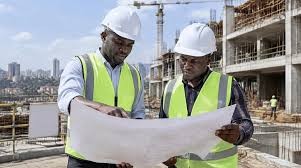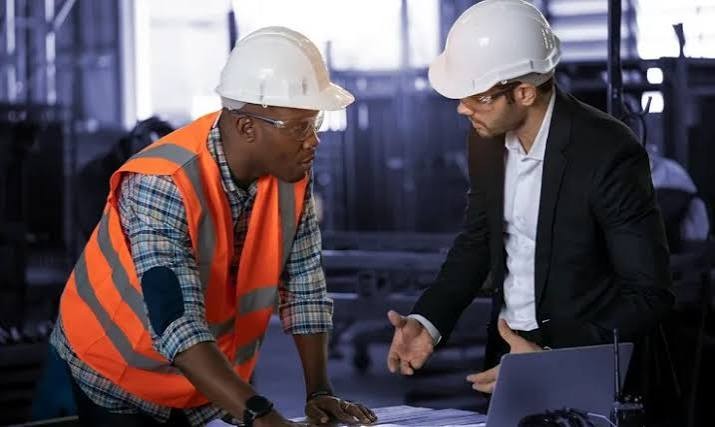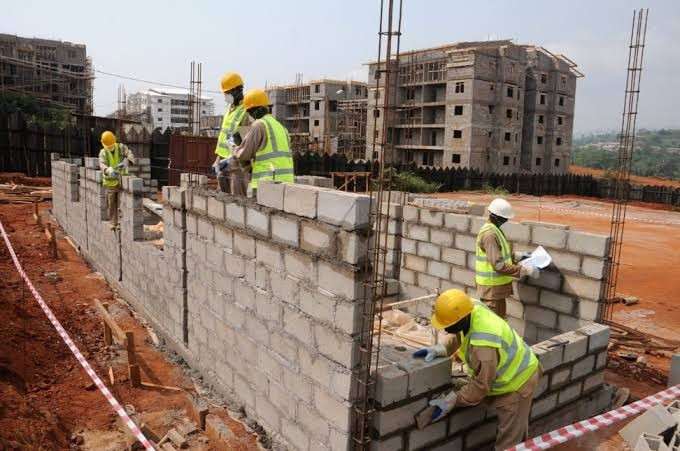
Construction projects require careful financial planning, effective coordination and continuous monitoring to ensure that available resources are used efficiently. Whether developing a residential house, commercial building, warehouse, factory or infrastructure project, controlling construction costs is essential for achieving the intended results without unnecessary financial pressure.
However, construction budget overruns remain a common challenge for property owners and developers. A project that initially appears affordable can become significantly more expensive because of inaccurate cost estimates, changes in design, rising material costs, poor procurement decisions, construction delays, material wastage and inadequate financial monitoring.
For property developers in Uganda, these challenges can affect project completion, cash flow, investment returns and overall construction quality. Without a reliable cost control strategy, even a well-designed building project can experience financial difficulties.
Construction cost control involves planning, monitoring, analysing and managing project expenditure throughout the construction process. It helps project owners understand where money is being spent, identify potential financial problems early and take corrective action before costs exceed the approved budget.
At Daltrevco, we recognise the importance of proper construction planning, cost awareness and effective project coordination in delivering successful developments. This guide explains how construction cost control works, why budget overruns happen and the practical steps property owners can take to keep building projects financially manageable in Uganda.
1. What Is Construction Cost Control?
Construction cost control is the process of managing and monitoring all financial resources used during a building or infrastructure project to ensure expenditure remains within the approved budget.
It begins during the early planning stages and continues through design, procurement, construction, monitoring and project completion.
The process involves comparing actual expenditure against planned costs, reviewing financial commitments, identifying variations and making informed decisions whenever spending begins to exceed expectations.
Construction cost control typically covers:
- Preparation of realistic construction budgets.
- Estimation of labour and material requirements.
- Monitoring contractor payments.
- Managing procurement and material purchases.
- Tracking project expenditure.
- Reviewing design changes and variations.
- Controlling material wastage.
- Monitoring construction progress against spending.
- Managing unforeseen expenses.
- Preparing financial reports.
- Forecasting the estimated cost of completing the project.
Effective cost control does not simply mean spending as little money as possible. It means achieving the required construction quality, functionality and performance while using the available budget responsibly.
2. Why Is Construction Cost Control Important?
Construction projects involve multiple activities, suppliers, contractors, professionals and financial commitments. Without a clear system for managing these activities, expenditure can quickly become difficult to track.
Professional construction cost control helps property owners maintain financial discipline and make informed decisions throughout the project.
2.1 Prevents Construction Budget Overruns
The most obvious benefit is reducing the risk of spending more than the approved project budget.
By monitoring expenses regularly, project owners can identify cost increases before they become serious financial problems.
For example, if the cost of roofing materials increases beyond the original estimate, the project team can review procurement options, quantities and specifications before placing additional orders.
2.2 Improves Financial Planning
A construction project requires money at different stages. Foundations, structural works, roofing, installations and finishes do not all require funding at the same time.
Cost control helps developers understand when payments will be required and how much money should be available at each stage.
This makes it easier to plan cash flow and avoid interruptions caused by insufficient funds.
2.3 Supports Better Procurement Decisions
Construction materials account for a substantial part of many project budgets.
Effective cost control helps project teams compare suppliers, assess quotations, plan purchases and avoid unnecessary expenditure.
It also helps prevent emergency purchases, which may be more expensive than properly planned procurement.
2.4 Reduces Material Wastage
Poor storage, inaccurate measurements, careless handling and inadequate supervision can result in significant material losses.
Monitoring material usage helps identify wastage and encourages better inventory management.
2.5 Improves Project Decision-Making
Cost reports provide useful information about the financial position of a construction project.
Developers can use this information to decide whether to proceed with proposed changes, revise specifications, adjust procurement plans or allocate additional resources.
2.6 Protects Construction Quality
Reducing costs should not mean using unsuitable materials or compromising structural safety.
Cost control helps distinguish between unnecessary expenditure and essential project requirements.
It encourages informed decisions that balance affordability, durability, compliance and performance.
2.7 Improves Accountability
Clear budgets, procurement records, payment approvals and expenditure reports make it easier to understand how project funds are being used.
This improves transparency between property owners, contractors, consultants and suppliers.
3. What Causes Construction Budget Overruns in Uganda?
Understanding the causes of construction budget overruns is the first step towards preventing them.
Several factors can increase construction costs beyond the original estimates.
3.1 Inaccurate Initial Cost Estimates
A construction budget is only useful when it reflects the actual scope and requirements of the project.
If the original estimate is prepared without adequate drawings, specifications, site information or quantity assessments, important costs may be overlooked.
For example, a preliminary estimate for a commercial building may fail to account adequately for:
- Foundation requirements.
- Drainage installations.
- Electrical infrastructure.
- Plumbing systems.
- Fire safety provisions.
- External paving.
- Professional fees.
- Testing and commissioning.
When these items are identified later, the developer may need additional funding.
How to prevent it: Prepare estimates using appropriate project information, including architectural drawings, structural designs, specifications, site investigations and measured quantities where available.
3.2 Frequent Design Changes
Changes made after construction has started can increase expenditure.
A property owner may decide to enlarge rooms, change window designs, introduce additional floors, modify the roof or upgrade finishing materials.
These changes may affect several interconnected construction activities.
For instance, changing the position of a staircase may affect structural work, electrical installations, walling and finishing.
How to prevent it: Finalise the main design requirements before construction begins. Review drawings carefully and assess the cost and programme implications of proposed changes before approving them.
3.3 Rising Material Prices
Construction material prices can change because of supplier conditions, transportation expenses, exchange-rate movements, availability and wider market conditions.
Materials such as cement, steel reinforcement, roofing sheets, timber, tiles, glass, electrical equipment and plumbing products can affect project budgets when their prices change.
How to prevent it: Obtain current supplier quotations, identify price validity periods, plan purchases and monitor important material costs throughout the project.
3.4 Poor Procurement Planning
Purchasing materials without a coordinated procurement plan can lead to emergency orders, high transportation expenses, unsuitable quantities and unnecessary storage costs.
Poor supplier selection may also result in inconsistent quality or unreliable deliveries.
How to prevent it: Prepare a procurement schedule that identifies what is needed, the required quantities, delivery dates, specifications and responsible purchasing parties.
3.5 Construction Delays
Delays can increase project expenditure through additional labour costs, equipment hire, site management expenses, security requirements and extended project overheads.
They can also disrupt supplier arrangements and cause materials or labour to become more expensive.
Common causes include:
- Late delivery of materials.
- Inadequate project scheduling.
- Insufficient funding.
- Poor coordination between contractors.
- Delayed design decisions.
- Unfavourable weather conditions.
- Equipment breakdowns.
- Unforeseen site conditions.
How to prevent it: Develop a realistic construction programme, monitor progress and address delays as soon as they arise.
3.6 Poor Contractor Management
When contractors are not properly coordinated, construction activities may overlap unnecessarily, materials may be misused and work may need to be repeated.
Unclear responsibilities can also create disputes about costs and payment obligations.
How to prevent it: Establish clear contractual responsibilities, reporting procedures, work schedules and approval processes before construction starts.
3.7 Material Wastage and Theft
Materials may be lost through poor storage, damage, theft, incorrect measurements or uncontrolled usage.
This can create additional purchasing requirements that were not included in the original budget.
How to prevent it: Maintain stock records, secure storage areas, inspect deliveries and compare material consumption against the quantities allowed in the project estimates.
3.8 Unforeseen Site Conditions
Construction sites do not always have the conditions anticipated during initial planning.
Unexpected ground conditions, poor drainage, underground obstructions, unstable soil and difficult access can require additional work.
For example, a site with weak soil may require a different foundation solution from the one initially anticipated.
How to prevent it: Conduct appropriate site investigations before finalising the design and construction budget. Include a suitable contingency allowance for genuine uncertainties.
3.9 Inadequate Financial Monitoring
A project may appear to be progressing well while spending exceeds the approved budget.
This happens when payments, commitments and actual costs are not recorded or reviewed regularly.
How to prevent it: Maintain an up-to-date cost report that compares the approved budget, actual expenditure, outstanding commitments and forecast costs to completion.
4. How to Establish an Effective Construction Cost Control System
A successful cost control system should be established before construction begins.
The following steps provide a practical framework for managing building project expenditure.
Step 1: Define the Project Scope Clearly
Start by identifying exactly what the project is expected to deliver.
The project scope should describe:
- The type and purpose of the building.
- The required floor area.
- Number of floors.
- Room arrangements and functional requirements.
- Structural requirements.
- Building services.
- Finishing standards.
- External works.
- Completion expectations.
A clearly defined scope reduces misunderstandings and makes it easier to prepare a realistic budget.
For example, the cost requirements for a residential bungalow are different from those of a multi-storey commercial building or industrial warehouse.
Step 2: Prepare Detailed Construction Drawings and Specifications
Drawings and specifications provide the technical information needed to estimate quantities and identify the materials and work required.
The project team should coordinate architectural, structural, civil and building services information as appropriate.
Incomplete drawings can result in missing work items, inaccurate estimates and expensive changes during construction.
Engaging appropriately qualified professionals helps ensure that technical requirements are properly developed.
Step 3: Develop a Realistic Construction Budget
Prepare a comprehensive budget covering the full project scope.
Typical budget components include:
| Cost category | Examples |
|---|---|
| Preliminary works | Site preparation, temporary facilities and setting out |
| Substructure | Excavation, foundations and ground floor construction |
| Structural works | Columns, beams, slabs and reinforcement |
| Walling | Blocks, bricks, mortar and associated labour |
| Roofing | Roof structure, covering, gutters and rainwater goods |
| Doors and windows | Frames, glazing, fittings and installation |
| Building services | Plumbing, electrical and mechanical installations |
| Finishes | Plastering, painting, flooring and ceilings |
| External works | Drainage, paving, access roads and landscaping |
| Professional fees | Applicable design, engineering and consultancy fees |
| Other project costs | Approvals, testing, logistics and contingency |
The budget should distinguish between estimated costs, approved amounts and actual expenditure.
Step 4: Break the Budget into Work Packages
A single total project figure is not sufficient for effective cost management.
Divide the overall budget into smaller work packages that correspond to construction activities.
For example:
- Site preparation.
- Excavation and foundations.
- Reinforced concrete works.
- Wall construction.
- Roofing.
- Electrical installation.
- Plumbing installation.
- Internal finishes.
- External works.
This makes it easier to monitor the financial performance of each stage.
Step 5: Establish a Baseline Budget
A cost baseline is the approved budget used to measure and control project expenditure.
It should be based on an agreed project scope, coordinated designs, realistic estimates and the approved procurement and implementation approach.
Changes to the baseline should be documented and authorised through an agreed change-control process.
This prevents informal decisions from gradually increasing the project budget.
Step 6: Prepare a Procurement Plan
Identify the materials, equipment and services required at each stage.
The procurement plan should include:
- Material descriptions and specifications.
- Estimated quantities.
- Required delivery dates.
- Supplier quotations.
- Transportation arrangements.
- Storage requirements.
- Payment terms.
- Responsible procurement personnel.
Obtaining quotations from multiple suitable suppliers can help developers compare value, quality, delivery reliability and commercial terms.
Step 7: Establish a Construction Cash Flow Forecast
A cash flow forecast estimates when project funds will be needed.
It should consider expected payments for materials, labour, contractors, professional services, equipment and other project expenses.
A cash flow forecast helps prevent situations where construction work stops because funds are unavailable when payments become due.
It also allows property owners to plan financing and avoid unnecessary delays.
Step 8: Monitor Actual Expenditure Regularly
Record every relevant project expense.
The monitoring process should include:
- Material purchases.
- Labour payments.
- Contractor invoices.
- Equipment hire.
- Transportation costs.
- Approved variations.
- Professional fees.
- Site overheads.
- Other authorised expenses.
Compare these figures against the approved budget and investigate significant differences.
Step 9: Forecast the Final Project Cost
Do not monitor only the money already spent.
A project may have spent less than expected during the foundation stage but still face substantial costs during roofing, services and finishing.
Regularly forecast the estimated total cost at completion by considering actual expenditure, outstanding commitments and the estimated cost of remaining work.
This helps identify possible overruns before the project reaches its final stages.
Step 10: Take Corrective Action
When spending exceeds expectations, identify the underlying reason.
Possible corrective measures include:
- Reviewing procurement arrangements.
- Reducing avoidable material wastage.
- Improving work sequencing.
- Addressing delays.
- Reassessing non-essential specifications.
- Clarifying contractor responsibilities.
- Reviewing approved construction methods.
- Updating cash flow forecasts.
Any proposed changes should be evaluated for their effect on quality, safety, compliance, functionality and the project programme.
5. Practical Construction Cost Control Techniques
Beyond establishing a budget, developers need practical techniques for controlling expenditure during implementation.
5.1 Cost Planning and Cost Forecasting
Cost planning involves estimating and allocating the expected expenditure required for different project elements.
Cost forecasting involves regularly updating the expected final cost based on actual project performance and new information.
Together, these techniques help project teams understand whether the development remains financially achievable.
5.2 Quantity Take-Offs
Quantity take-offs involve measuring and calculating the quantities of materials and construction work required.
They may cover:
- Concrete volumes.
- Reinforcement quantities.
- Walling areas.
- Roofing materials.
- Floor finishes.
- Paint quantities.
- Electrical and plumbing installations.
Accurate quantities help reduce over-ordering, under-ordering and purchasing errors.
A quantity surveyor or other appropriately qualified professional may assist with preparing and reviewing these measurements, depending on the project requirements.
5.3 Schedule of Rates and Bills of Quantities
Where appropriate, a bill of quantities provides a structured breakdown of construction work items, quantities and pricing information.
It supports tender preparation, quotation comparisons, valuation and cost monitoring.
A schedule of rates can also help establish consistent pricing for defined work items.
These documents are particularly useful for projects with multiple contractors or substantial construction scopes.
5.4 Earned Value Management
Earned Value Management (EVM) is a project control technique that compares planned work, completed work and actual expenditure.
It helps project teams understand whether spending is consistent with the progress achieved.
Three important measures are:
- Planned Value (PV): The budgeted value of work scheduled to be completed by a particular date.
- Earned Value (EV): The budgeted value of work actually completed.
- Actual Cost (AC): The actual expenditure incurred for the completed work.
Two useful calculations are:
Cost Variance (CV) = EV − AC
Cost Performance Index (CPI) = EV ÷ AC
A positive cost variance indicates that completed work has cost less than its budgeted value. A negative variance indicates that it has cost more.
A cost performance index below 1 indicates that the project is spending more than planned for the value of work completed.
For example, if completed work has a budgeted value of UGX 80 million but the actual cost is UGX 100 million:
CPI = 80 ÷ 100 = 0.80
This indicates that the project is delivering UGX 0.80 of budgeted work value for every UGX 1 spent.
EVM is most useful when the project has a reliable baseline budget, measurable progress and accurate expenditure records.
5.5 Change Order Management
A change order is a formal record of an approved change to the original project scope, specifications, cost or programme.
Every proposed variation should be assessed before implementation.
The review should consider:
- Why the change is necessary.
- Additional material requirements.
- Labour implications.
- Equipment requirements.
- Effect on the construction programme.
- Effect on the overall project budget.
- Required approvals.
A proper change management process prevents uncontrolled scope expansion.
5.6 Material Inventory Management
Maintain accurate records of materials delivered, stored, issued and consumed.
This makes it easier to identify unusual consumption patterns and prevent losses.
For large projects, inventory controls can include designated storekeepers, delivery notes, material issue vouchers and periodic stock checks.
5.7 Regular Cost Reporting
Prepare cost reports at agreed intervals.
A useful report should show:
- Original approved budget.
- Approved budget changes.
- Revised budget.
- Actual expenditure.
- Outstanding commitments.
- Forecast cost to completion.
- Variances.
- Reasons for significant differences.
- Recommended corrective action.
These reports give developers a clearer understanding of their financial position.
6. How to Control Construction Material Costs
Materials are a major component of many building budgets, making procurement and usage management particularly important.
6.1 Purchase Materials According to Approved Quantities
Avoid buying materials based on guesswork.
Use project drawings, specifications and measured quantities to establish purchasing requirements.
Allow for reasonable cutting, handling and installation wastage where appropriate, but avoid excessive ordering.
6.2 Compare Supplier Quotations
Request quotations from suitable suppliers and compare more than the headline price.
Consider:
- Product quality.
- Technical specifications.
- Delivery charges.
- Availability.
- Payment conditions.
- Delivery reliability.
- Return and replacement policies.
The cheapest quotation may not provide the best overall value.
6.3 Plan Bulk Purchases Carefully
Bulk purchasing may reduce unit costs or transportation expenses, but it is not automatically economical.
Consider storage capacity, security, material shelf life, cash flow and the timing of construction activities.
For example, purchasing large quantities of cement before they are needed may create storage and quality risks if the material is not kept under suitable conditions.
6.4 Prevent Material Theft and Damage
Implement appropriate site security and material handling procedures.
Store materials according to their requirements, restrict unauthorised access and maintain delivery and stock records.
6.5 Use Materials Efficiently
Ensure that construction teams understand the approved specifications and material usage requirements.
Monitor cutting, mixing, installation and handling practices to reduce avoidable losses.
6.6 Avoid Unplanned Material Substitution
Replacing specified materials without proper technical review may create quality, safety or compliance problems.
Any proposed substitution should be reviewed by the relevant design professional and authorised through the project’s approval process.
7. How to Control Labour and Equipment Costs
Labour and equipment expenses can increase when construction activities are poorly planned or monitored.
7.1 Prepare a Labour Schedule
Estimate the labour required for each construction activity and coordinate workers according to the project programme.
This helps prevent unnecessary idle time and overlapping activities.
7.2 Monitor Labour Productivity
Review completed work against the labour resources used.
Unexpectedly low productivity may result from inadequate supervision, unsuitable equipment, poor work sequencing or insufficient materials.
Addressing these problems can improve efficiency without compromising workmanship.
7.3 Plan Equipment Usage
Equipment hire and operating costs can become expensive when machinery remains unused for long periods.
Plan equipment requirements according to construction activities and coordinate delivery, operation and return dates.
7.4 Reduce Rework
Poor workmanship and inadequate inspections can result in demolition, repairs and repeated installation.
Rework consumes additional materials, labour and time.
Establish quality checks at appropriate construction stages to identify defects before they affect subsequent work.
8. Managing Design Changes Without Increasing Costs Unnecessarily
Design changes are sometimes unavoidable, especially when new requirements or site conditions emerge.
However, uncontrolled changes are among the major causes of budget overruns.
A developer should establish a formal approval procedure for all proposed variations.
Before approving a change, consider the following:
- Is the change essential to the project?
- Does it improve safety, functionality or long-term performance?
- What additional materials will be required?
- Will labour or equipment costs increase?
- Will the change affect other construction activities?
- Will it delay completion?
- Does it require revised drawings or approvals?
- Is the additional expenditure affordable?
- Are there suitable alternatives?
- Who has contractual authority to approve the change?
For example, upgrading standard windows to specialised glazing may improve appearance or performance, but the decision should be assessed against the project budget and technical requirements.
The objective is not to prevent all changes. It is to ensure that changes are necessary, affordable, properly documented and approved before implementation.
9. The Role of Quantity Surveyors in Construction Cost Control
Quantity surveyors play an important role in managing the financial aspects of construction projects.
Their responsibilities depend on their appointment and the project requirements, but may include:
9.1 Preparing Cost Estimates
Quantity surveyors assess project information and prepare cost estimates to help developers understand expected expenditure.
9.2 Preparing Bills of Quantities
They measure construction work and prepare bills of quantities where required for tendering and cost management.
9.3 Tender Analysis
They help evaluate contractor quotations and compare proposed prices against the project scope and pricing requirements.
9.4 Monitoring Project Expenditure
They review financial information and identify differences between approved budgets and actual or projected costs.
9.5 Assessing Variations
They evaluate the financial implications of changes to the original construction scope.
9.6 Valuing Completed Work
Where appointed and authorised under the relevant contract, they may assess the value of work completed for interim payment purposes.
9.7 Preparing Financial Reports
They provide cost information that helps developers make informed decisions.
For projects in Uganda, engaging an appropriately qualified and registered professional where required can improve the reliability of construction cost management.
10. The Role of Construction Project Managers in Preventing Budget Overruns
Construction project managers coordinate project activities to support the achievement of agreed objectives.
Their work can contribute significantly to cost control by ensuring that construction activities are planned, coordinated and monitored.
Important responsibilities may include:
- Coordinating contractors and consultants.
- Monitoring construction progress.
- Tracking project milestones.
- Reviewing resource requirements.
- Identifying programme delays.
- Coordinating procurement activities.
- Managing communication between stakeholders.
- Monitoring project risks.
- Reporting financial and programme concerns.
- Coordinating responses to approved changes.
Project managers and quantity surveyors often perform complementary roles. The project manager focuses on overall project coordination and delivery, while the quantity surveyor typically concentrates on cost and commercial management within the agreed scope.
Their responsibilities should be clearly defined in their appointments and contracts.
11. Construction Cost Control for Different Types of Projects
Different construction developments have different financial requirements and cost risks.
11.1 Residential Construction Projects
Residential projects include bungalows, apartments, maisonettes and multi-storey homes.
Common cost control priorities include:
- Foundation and structural requirements.
- Roofing materials.
- Doors and windows.
- Plumbing and electrical installations.
- Kitchen and bathroom finishes.
- Labour costs.
- External drainage and paving.
Homeowners should establish a realistic budget before construction and avoid making frequent changes after work begins.
11.2 Commercial Building Projects
Commercial developments include office buildings, shopping complexes, retail facilities and mixed-use developments.
Cost control may focus on:
- Building services.
- Fire safety provisions.
- Lifts and vertical transportation.
- Glazing and external finishes.
- Mechanical and electrical systems.
- Parking and access infrastructure.
- Internal fit-outs.
- Compliance requirements.
Because commercial developments often involve multiple contractors and specialist systems, strong coordination and financial reporting are particularly important.
11.3 Industrial Construction Projects
Factories, warehouses and industrial facilities may require specialised structural systems, heavy-duty flooring, power infrastructure, ventilation and industrial equipment.
Cost control should consider:
- Site preparation.
- Structural capacity.
- Machinery requirements.
- Electrical infrastructure.
- Drainage and utilities.
- Safety systems.
- Equipment installation.
- Testing and commissioning.
Early coordination between technical professionals and suppliers can help reduce costly design changes and procurement problems.
11.4 Infrastructure Projects
Roads, drainage systems, access roads and other infrastructure developments may be affected by ground conditions, material availability, weather and transport requirements.
Cost control requires accurate quantities, site information, suitable construction methods and continuous monitoring of work progress.
12. Construction Cost Control Challenges in Uganda
Property owners and developers in Uganda may face several challenges that affect project budgets.
12.1 Fluctuating Material Prices
Changes in the prices of cement, steel, roofing products, fuel and imported materials can affect procurement costs.
Developers should use current quotations and review important price assumptions during implementation.
12.2 Transportation and Delivery Expenses
Transport costs may vary depending on the project location, supplier distance, road conditions and material quantities.
Projects outside major supply centres may require additional logistics planning.
12.3 Weather Conditions
Rainfall can affect excavation, earthworks, road access, concrete activities and material delivery.
Construction programmes should account for seasonal conditions where relevant.
12.4 Site Accessibility
Difficult access roads may increase the cost and time required to transport materials and equipment.
This is particularly important for developments in remote locations or areas with limited road infrastructure.
12.5 Funding Interruptions
Some projects experience delays because funds are not available when required.
A realistic cash flow forecast and planned payment schedule can help reduce this risk.
12.6 Incomplete Project Documentation
Missing drawings, unclear specifications and inadequate contractual documents can create misunderstandings and additional costs.
Developers should ensure that important project information is properly prepared and communicated before construction begins.
13. Common Construction Cost Control Mistakes to Avoid
Even developers who prepare budgets can experience overruns when financial controls are not implemented properly.
Avoid the following mistakes:
1. Starting construction without a realistic budget: This makes it difficult to understand the full financial requirements of the project.
2. Using outdated material quotations: Prices may have changed since the original estimate was prepared.
3. Ignoring professional fees: Design, engineering, surveying and other relevant professional costs should be considered.
4. Failing to include contingency: Unforeseen but legitimate expenses may require additional funding.
5. Making frequent design changes: Uncontrolled changes can affect several construction activities and increase expenditure.
6. Selecting contractors based only on the lowest quotation: Incomplete quotations, unsuitable specifications and unreliable delivery arrangements may create additional costs.
7. Failing to monitor actual spending: Without regular reporting, financial problems may remain hidden.
8. Purchasing excessive materials: Over-ordering can increase storage costs, wastage and the risk of theft.
9. Delaying payments without proper planning: Payment problems may disrupt labour, suppliers and construction progress.
10. Ignoring quality control: Defective work can require expensive repairs and replacement.
11. Failing to document variations: Unrecorded changes make it difficult to establish the true financial position.
12. Using contingency funds for unnecessary upgrades: Contingency should be reserved for identified project uncertainties and legitimate unforeseen requirements.
14. How to Reduce Construction Costs Without Compromising Quality
Cost reduction should focus on improving efficiency and avoiding unnecessary expenditure rather than reducing essential construction standards.
Consider these practical strategies:
14.1 Optimise the Building Design
Work with the relevant design professionals to develop an efficient design that meets the project’s requirements.
Simple, coordinated layouts may reduce unnecessary structural complexity and material consumption.
14.2 Select Appropriate Materials
Choose materials that meet technical specifications, durability requirements and the intended use of the building.
Compare their purchase prices, installation requirements, maintenance needs and expected service life.
14.3 Plan Construction Activities Properly
Coordinate work schedules to reduce idle labour, equipment downtime and unnecessary delays.
14.4 Improve Procurement Efficiency
Compare suitable suppliers, consolidate deliveries where economical and purchase materials according to the construction programme.
14.5 Reduce Rework
Use appropriate inspections, supervision and quality assurance procedures to identify defects early.
14.6 Control Scope Changes
Assess proposed upgrades and modifications before approving additional expenditure.
14.7 Monitor Resource Usage
Track labour, materials and equipment against planned requirements.
14.8 Maintain the Construction Site Properly
Organised storage, good housekeeping and appropriate security can reduce damage, losses and unnecessary replacement costs.
14.9 Use Professional Advice Early
Engaging relevant construction professionals during planning can help identify design, procurement and cost risks before they become expensive problems.
15. Construction Cost Control Checklist for Property Developers
Before starting a construction project, developers should confirm that the following items have been addressed.
Project planning
- The project scope is clearly defined.
- Site conditions have been appropriately investigated.
- Required designs and specifications have been prepared.
- Project requirements and priorities have been agreed.
Budget preparation
- A realistic construction cost estimate is available.
- Major construction activities have been costed.
- Professional fees and applicable approvals have been considered.
- A suitable contingency allowance has been included.
- A cash flow forecast has been prepared.
Procurement
- Material specifications are clear.
- Supplier quotations have been reviewed.
- Procurement responsibilities have been assigned.
- Delivery and storage arrangements are planned.
Construction implementation
- Contractors have clearly defined responsibilities.
- A construction programme is available.
- Expenditure is recorded regularly.
- Material usage is monitored.
- Work quality is inspected.
- Variations are documented and approved.
Financial monitoring
- Actual expenditure is compared with the budget.
- Outstanding commitments are tracked.
- Forecast costs to completion are reviewed.
- Significant cost variances are investigated.
- Corrective actions are documented.
This checklist provides a starting point for establishing financial discipline throughout the construction process.
16. How Technology Supports Construction Cost Control
Technology can make construction financial management more efficient by improving the accuracy and accessibility of project information.
Depending on project size and complexity, developers may use:
Spreadsheet-based cost tracking: Useful for recording budgets, invoices, payments, material purchases and cost variances.
Construction project management software: Helps coordinate schedules, budgets, tasks, procurement and progress reporting.
Building Information Modelling (BIM): Can support design coordination and quantity assessment when appropriate information and workflows are available.
Digital procurement records: Help maintain supplier quotations, purchase orders, delivery notes and payment information.
Project dashboards: Present important cost and progress indicators in a format that makes it easier to identify emerging problems.
Technology does not replace professional judgement or proper financial controls. Its value depends on accurate information, consistent record-keeping and clear responsibility for updating project data.
17. How to Monitor Construction Budget Performance
Monitoring should be continuous rather than limited to the end of the project.
A practical cost monitoring system should compare several financial indicators.
| Financial indicator | What it shows |
|---|---|
| Original budget | The initial approved financial plan |
| Revised budget | The approved budget after authorised changes |
| Actual expenditure | Money already spent |
| Outstanding commitments | Approved costs not yet fully paid |
| Cost variance | Difference between budgeted and actual or forecast costs |
| Forecast cost to completion | Expected total expenditure when the project finishes |
| Contingency balance | Remaining allowance for eligible unforeseen costs |
For example, a project may have an approved revised budget of UGX 500 million. If actual spending is UGX 250 million and outstanding commitments are UGX 120 million, the project has already committed or spent UGX 370 million.
The remaining uncommitted budget is UGX 130 million, before considering the estimated cost of work not yet contracted or completed.
This illustrates why reviewing expenditure alone is insufficient. Developers must also consider commitments and the likely cost of outstanding work.
18. What Should You Do When a Construction Project Exceeds Its Budget?
A budget overrun requires prompt investigation and a structured response.
The first step is to establish the actual financial position. Review invoices, payment records, approved variations, outstanding commitments and remaining work.
Next, identify the main reasons for the overrun.
Possible causes include:
- Inaccurate original estimates.
- Material price increases.
- Unapproved variations.
- Unexpected site conditions.
- Delays and additional labour costs.
- Procurement inefficiencies.
- Rework and defective construction.
- Changes in project requirements.
After identifying the causes, update the cost forecast and develop corrective actions.
Possible responses include revising procurement arrangements, improving resource planning, reassessing non-essential finishes, resolving delays and reviewing the construction sequence.
If additional funding is required, the developer should understand the amount, reason and likely effect of the additional expenditure before committing to it.
Do not respond to budget overruns by automatically reducing structural requirements, safety measures or essential quality standards.
19. Why Early Construction Cost Management Matters
The most effective time to prevent construction budget overruns is before work begins.
During early planning, developers have more flexibility to review designs, compare materials, assess construction methods and adjust project requirements.
Once construction is underway, changes may become more expensive because they can affect completed work, contractor arrangements, procurement and project schedules.
Early cost management helps property owners:
- Understand the financial implications of their project.
- Identify potential cost risks.
- Prepare realistic budgets.
- Coordinate designs and specifications.
- Compare contractor quotations.
- Plan material purchases.
- Establish suitable contingency allowances.
- Develop realistic cash flow forecasts.
A project that begins with coordinated planning and reliable cost information is generally easier to monitor than one that relies on informal estimates and decisions.
20. How Daltrevco Can Help You Plan Your Construction Project
Successful construction requires more than obtaining materials and hiring contractors. Developers need to understand their project requirements, financial commitments, construction activities and potential risks.
Daltrevco provides a point of contact for property owners, developers and organisations seeking to discuss construction and development requirements in Uganda.
Whether you are planning a residential building, commercial development, industrial facility or infrastructure project, proper planning and coordination can help you make more informed decisions before committing significant resources.
When discussing your project with Daltrevco, consider preparing the following information:
- Project location.
- Type of development.
- Available architectural drawings.
- Structural and engineering information, where available.
- Estimated project budget.
- Expected construction timeline.
- Main project requirements.
- Any existing cost estimates or contractor quotations.
This information can help establish the nature of the project and the support or professional input that may be required.
Contact Daltrevco through https://www.daltrevco.com/ to discuss your construction project requirements and explore suitable ways to approach your development.
21. Frequently Asked Questions About Construction Cost Control
1. What is construction cost control?
Construction cost control is the process of planning, monitoring and managing project expenditure to keep construction costs within an approved budget while meeting the required quality and performance standards.
2. Why is construction cost control important?
It helps prevent unnecessary expenditure, reduce budget overruns, improve cash flow planning, monitor procurement and support better financial decisions.
3. What causes construction budget overruns?
Common causes include inaccurate estimates, design changes, material price increases, poor procurement, construction delays, material wastage, unforeseen site conditions and inadequate financial monitoring.
4. How can I prevent construction budget overruns in Uganda?
Start with a realistic budget, complete the project designs, obtain current supplier quotations, plan procurement, monitor expenditure, control variations and review the expected cost of completing the project regularly.
5. What is the difference between cost estimation and cost control?
Cost estimation predicts the expected cost of a project, while cost control monitors and manages actual and projected expenditure during implementation.
6. When should construction cost control begin?
It should begin during project planning and continue through design, procurement, construction and completion.
7. Who is responsible for construction cost control?
Responsibility depends on the project structure and contractual appointments. The developer, project manager, quantity surveyor and contractor may all have specific cost management responsibilities.
8. What is a construction cost baseline?
A cost baseline is the approved budget used to measure project financial performance and assess cost variations.
9. What is a contingency allowance in construction?
A contingency allowance is an amount included in the budget to address identified uncertainties and unforeseen project requirements. It should be managed separately from routine expenditure.
10. How do quantity surveyors help control construction costs?
They may prepare estimates, measure work, prepare bills of quantities, analyse tenders, assess variations and monitor project costs according to their appointment.
11. Can construction costs be controlled without a quantity surveyor?
Small projects may use simpler cost tracking methods, but projects with substantial financial or technical complexity can benefit from appropriate professional cost management support.
12. How often should construction costs be monitored?
Costs should be monitored regularly throughout construction. The reporting frequency should reflect project size, complexity, expenditure levels and contractual requirements.
13. How do design changes affect construction costs?
Design changes may require additional materials, labour, equipment, professional work and time. Their financial implications should be assessed before approval.
14. How can material wastage increase construction costs?
Wasted materials need to be replaced, resulting in additional purchasing, transportation and handling expenses.
15. How can I control material costs during construction?
Use accurate quantities, compare supplier quotations, plan purchases, monitor stock and ensure materials are stored and handled properly.
16. Does choosing the cheapest contractor reduce construction costs?
Not necessarily. A low quotation may exclude important work, use different specifications or contain unrealistic assumptions. Contractors should be evaluated based on scope, quality, competence, resources and commercial terms.
17. What is a bill of quantities?
A bill of quantities is a document that lists measured construction work items and their quantities, usually with associated pricing information. It supports tendering and cost management.
18. How does project scheduling help control construction costs?
Good scheduling helps coordinate labour, materials and equipment, reduce idle time and limit delays that may increase project expenditure.
19. What is a construction cost variance?
A cost variance is the difference between a budgeted or planned amount and the corresponding actual or forecast cost.
20. What is Earned Value Management in construction?
Earned Value Management is a technique that compares planned work, completed work and actual expenditure to assess project performance.
21. How do construction delays affect the budget?
Delays can increase labour, equipment hire, site overheads, security and other time-related expenses. They may also affect supplier pricing and delivery arrangements.
22. How can I manage unexpected construction expenses?
Maintain a suitable contingency allowance, investigate unexpected costs, document their causes and approve additional expenditure through a defined process.
23. What is the difference between a project budget and cash flow forecast?
A project budget estimates the total financial resources required, while a cash flow forecast estimates when money will be received and spent during the project.
24. Can construction costs be reduced without compromising quality?
Yes. Better design coordination, efficient procurement, accurate quantities, proper scheduling, reduced wastage and effective supervision can lower unnecessary costs without weakening essential quality standards.
25. Why should construction cost control be handled professionally?
Professional input can improve cost estimates, procurement decisions, financial reporting, variation assessment and expenditure monitoring, particularly for complex or high-value projects.
26. How do I know if my construction project is going over budget?
Compare actual expenditure, outstanding commitments and forecast costs to completion against the approved budget. Significant negative variances or an increasing forecast final cost may indicate an emerging overrun.
27. What records should I maintain for construction cost control?
Maintain approved budgets, estimates, drawings, specifications, supplier quotations, purchase orders, invoices, delivery notes, payment records, variation approvals and regular cost reports.
28. How can technology improve construction cost management?
Spreadsheets, project management software, digital procurement systems and BIM-based workflows can improve record-keeping, quantity assessment, coordination and financial reporting.
29. Is construction cost control necessary for small residential projects?
Yes. Even relatively small residential developments can experience financial problems due to design changes, material wastage, poor planning and inadequate expenditure monitoring.
30. How can I get help with construction cost planning in Uganda?
Prepare your project information, drawings, available estimates and budget expectations, then contact Daltrevco through its website to discuss your development requirements and appropriate next steps.
Conclusion
Construction cost control is essential for preventing budget overruns and ensuring that building projects remain financially manageable. From residential homes and commercial buildings to factories, warehouses and infrastructure developments, effective financial management helps property owners use available resources responsibly.
The most important measures include preparing realistic cost estimates, defining the project scope, coordinating designs, planning procurement, monitoring material usage, controlling variations and regularly reviewing actual expenditure against the approved budget.
Developers should also understand that cost control is not simply about reducing spending. It is about achieving the required construction outcomes without unnecessary financial losses or compromising safety, quality and long-term building performance.
In Uganda’s construction environment, early planning, reliable cost information and continuous monitoring can make a significant difference to project financial performance.
If you are planning a building or development project, contact Daltrevco to discuss your construction requirements and take a more organised approach to planning and managing your investment.