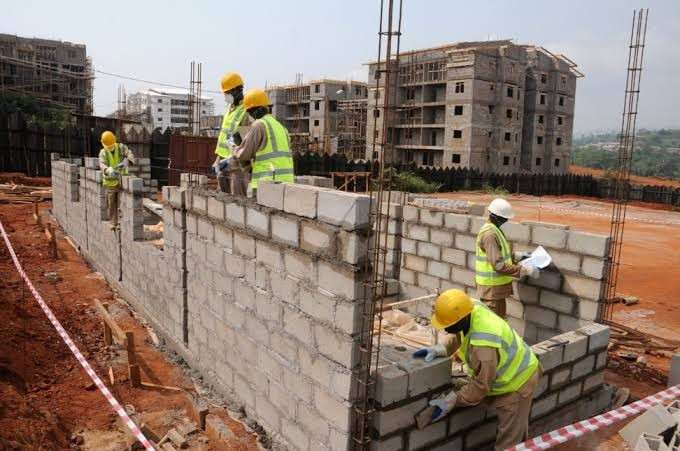
Planning to construct a house, commercial property, office building, warehouse or industrial facility in Uganda requires careful financial preparation. One of the first questions property owners and developers ask is how much the proposed building will cost. However, there is no single construction price that applies to every project because building costs depend on several technical, economic and site-related factors.
Understanding the factors that determine building construction costs in Uganda helps property owners prepare realistic budgets, select appropriate materials, evaluate contractor quotations and avoid unexpected financial challenges during construction.
A residential house in Kampala may have different construction costs from a similar-sized building in Wakiso, Entebbe, Mukono or another part of Uganda. Differences in soil conditions, transportation, architectural design, material specifications, labour availability and site accessibility can influence the final expenditure.
The cost of construction is also affected by the complexity of the building, the number of floors, the quality of finishes, the type of structural system and the professional services required.
Whether you are planning a modest family home, a multi-storey apartment building, a shopping complex, a school, a hotel or an industrial warehouse, understanding these cost factors is essential before starting work.
This guide explains the major factors affecting building construction costs in Uganda, how they influence project budgets and what property owners can do to manage expenses without compromising structural safety or building quality.
1. Building Size and Total Floor Area
One of the most important factors determining construction costs is the overall size of the proposed building.
The larger the building, the more construction materials, labour, equipment and building services are generally required.
Building size is commonly considered in terms of:
- Total floor area.
- Number of floors.
- Number of rooms.
- Building footprint.
- Ceiling heights.
- Internal and external wall lengths.
- Roof area.
- Number of bathrooms and kitchens.
For example, a small residential house requires fewer materials and less labour than a large apartment development with several floors and multiple residential units.
However, construction costs do not always increase in direct proportion to floor area. Some expenses, such as site establishment, design and utility connections, may be shared across different parts of the development.
How to manage this cost factor: Establish the building’s required floor area and functional spaces before finalising the design. Avoid unnecessary spaces that increase construction and long-term maintenance costs without adding meaningful value.
2. Architectural Design and Building Complexity
Architectural design has a major influence on construction costs.
A simple building with a practical layout may be easier and more economical to construct than a building with complicated shapes, unusual structural arrangements and extensive decorative features.
Design elements that may increase construction costs include:
- Complex roof structures.
- Large glass façades.
- Cantilevered sections.
- Large structural openings.
- Multiple balconies.
- Decorative exterior features.
- Unusual floor layouts.
- High ceilings.
- Curved walls.
- Complicated staircases.
- Extensive customised finishes.
Complex designs may require additional materials, specialised labour, more detailed engineering and longer construction periods.
For instance, a residential building with a simple roof design may require fewer roofing components and less installation work than a house with multiple roof levels, valleys and complicated junctions.
How to manage this cost factor: Work with appropriately qualified architects and engineers to develop a practical design that meets the intended requirements while avoiding unnecessary complexity. Good design should balance appearance, functionality, structural performance and affordability.
3. Type of Building and Intended Use
The purpose of a building influences its construction requirements and overall cost.
Residential, commercial, industrial and institutional buildings have different structural, architectural and building services requirements.
Residential Buildings
Residential projects include:
- Family houses.
- Bungalows.
- Maisonettes.
- Apartment buildings.
- Rental properties.
- Luxury homes.
Their costs depend on the size, layout, structural design, number of bedrooms, bathrooms, kitchen specifications and finishing standards.
Commercial Buildings
Commercial developments include:
- Office buildings.
- Shopping complexes.
- Retail premises.
- Hotels.
- Restaurants.
- Business centres.
They may require additional systems such as commercial ventilation, air conditioning, fire protection, security infrastructure, accessibility facilities and larger electrical installations.
Industrial Buildings
Industrial developments include:
- Factories.
- Warehouses.
- Workshops.
- Manufacturing facilities.
- Storage buildings.
- Processing facilities.
These projects may require specialised foundations, large-span structures, industrial floors, loading areas, machinery foundations and higher-capacity electrical installations.
Institutional Buildings
Institutional projects include:
- Schools.
- Hospitals.
- Churches.
- Training centres.
- Public facilities.
Their construction requirements depend on the intended occupancy, specialist services, safety provisions, accessibility and applicable technical standards.
How to manage this cost factor: Define the intended use of the building early. This helps professionals identify the appropriate design, materials, services and construction requirements before preparing the budget.
4. Location of the Construction Project
The location of a construction project can significantly affect the total cost.
Building in Kampala, Wakiso, Entebbe, Mukono, Jinja or a more remote part of Uganda may involve different transportation, labour, supplier and site access costs.
Important location-related factors include:
Distance from Material Suppliers
Projects located far from construction material suppliers may incur higher transportation and delivery expenses.
Materials such as cement, reinforcement steel, roofing sheets, aggregates, bricks and finishing products may need to be transported over considerable distances.
Availability of Skilled Labour
The availability of skilled workers and specialist contractors varies by location.
Where qualified labour is difficult to access, the project may require additional mobilisation and accommodation arrangements.
Road Access
Poor road access can increase the cost of transporting construction materials, machinery and equipment.
Difficult site access may also affect delivery schedules and construction productivity.
Availability of Utilities
The availability of water, electricity, drainage and other services can influence site preparation and connection expenses.
Local Site Restrictions
Some locations may have environmental, planning, access or other site-related restrictions that require additional investigation and professional input.
How to manage this cost factor: Assess the location before finalising the construction budget. Obtain realistic delivery quotations and investigate the availability of labour, utilities and construction materials near the project site.
5. Soil Conditions and Site Characteristics
The physical condition of the land is another important factor affecting building construction costs.
Different sites have different soil characteristics, drainage conditions, slopes and groundwater levels.
These conditions influence excavation, foundation design, earthworks and structural requirements.
Weak or Unstable Soil
Some sites may have soils with insufficient bearing capacity for the proposed building without additional engineering measures.
Depending on the investigation results and structural design, additional foundation work or ground improvement may be required.
Rocky Ground
Rocky sites may require specialised excavation equipment and additional time to prepare.
Sloping Land
A sloping site may require:
- Additional excavation.
- Cut-and-fill operations.
- Retaining structures.
- Special drainage arrangements.
- More complex foundations.
- Improved access roads.
High Groundwater Levels
High groundwater levels can complicate excavation, foundation construction and drainage.
Poor Drainage
Sites with inadequate natural drainage may require additional stormwater management measures to protect the building and surrounding property.
How to manage this cost factor: Conduct appropriate site surveys and investigations before finalising the design and budget. For projects where ground conditions are uncertain or technically complex, a geotechnical investigation may be necessary.
Do not assume that a foundation design used on another property will be suitable for your site.
6. Quality and Type of Construction Materials
The materials selected for a building have a direct effect on construction costs.
Different materials have different purchase prices, installation requirements, durability, maintenance needs and performance characteristics.
Common construction materials include:
- Cement.
- Sand.
- Aggregates.
- Bricks.
- Concrete blocks.
- Reinforcement steel.
- Roofing sheets.
- Roofing tiles.
- Timber.
- Aluminium.
- Glass.
- Floor tiles.
- Paint.
- Plumbing fittings.
- Electrical accessories.
Standard Versus Premium Materials
Standard materials may be more affordable initially, while premium products may have higher purchase and installation costs.
However, a material’s long-term value should also be considered.
For example, a durable roofing system may have a higher initial cost but lower maintenance and replacement requirements over its useful life.
Locally Available Versus Imported Materials
Imported materials may attract additional expenses associated with shipping, import charges, exchange rate changes and inland transportation.
Locally available materials may reduce some logistical expenses, although suitability and quality must still be evaluated.
Material Specifications
Materials with similar appearances may have different technical properties.
The correct specification should consider structural performance, durability, safety, environmental conditions and intended building use.
How to manage this cost factor: Select materials based on technical suitability, quality, availability, installation requirements and long-term value. Compare supplier quotations using matching specifications rather than choosing products based only on their prices.
7. Labour Costs and Availability of Skilled Workers
Labour is another major component of building construction costs in Uganda.
The amount spent on labour depends on the type of work, required skills, workforce availability, project location and construction duration.
Construction labour may involve:
- Masons.
- Carpenters.
- Steel fixers.
- Electricians.
- Plumbers.
- Welders.
- Roofers.
- Painters.
- Tilers.
- Machine operators.
- General construction workers.
- Specialist technicians.
Complex projects may require specialised workers with experience in structural steel, electrical systems, mechanical installations, glazing or industrial construction.
Labour costs may also increase when construction activities take longer than expected.
Poor workmanship can create additional expenses through material wastage, defective installations and rework.
How to manage this cost factor: Use suitable skilled workers for the relevant activities, define responsibilities clearly and coordinate work properly. Monitor productivity and workmanship to reduce unnecessary delays and rework.
8. Foundation Design and Structural Requirements
Foundation and structural works can significantly influence a building’s construction budget.
The required structural system depends on several factors, including:
- Soil conditions.
- Building height.
- Structural loads.
- Span lengths.
- Building layout.
- Intended use.
- Applicable engineering requirements.
Foundation Costs
Foundation costs may include:
- Excavation.
- Concrete.
- Reinforcement steel.
- Formwork.
- Foundation masonry.
- Ground beams.
- Hardcore filling.
- Compaction.
- Damp-proofing.
- Ground-floor slabs.
Structural Costs
Structural costs may include:
- Columns.
- Beams.
- Suspended slabs.
- Reinforcement.
- Concrete.
- Formwork.
- Staircases.
- Structural steelwork.
A multi-storey building generally requires more detailed structural planning than a small single-storey building.
However, foundation and structural requirements should never be reduced simply to lower the budget.
How to manage this cost factor: Obtain appropriate structural designs and site information. Ensure that structural cost-saving decisions are reviewed and approved by the relevant qualified professionals.
9. Number of Floors and Building Height
The number of floors affects the quantities, construction methods and equipment required.
Multi-storey buildings may involve:
- More complex foundations.
- Additional structural elements.
- Suspended concrete slabs.
- Staircases.
- Lifts where required.
- Vertical plumbing and electrical systems.
- Scaffolding.
- Lifting equipment.
- Additional safety arrangements.
Higher buildings may also require more complex construction coordination and specialised technical services.
The building’s height can affect both direct construction costs and project duration.
How to manage this cost factor: Evaluate the financial and functional implications of building height during the design stage. Consider the intended occupancy, land size, structural requirements and long-term operating needs before choosing the number of floors.
10. Roofing Design and Roofing Materials
Roofing contributes to both the appearance and protection of a building.
The total roofing cost depends on the roof area, design complexity, material selection and installation requirements.
Common roofing considerations include:
- Timber or steel trusses.
- Roofing sheets.
- Roof tiles.
- Insulation.
- Waterproofing.
- Underlay.
- Gutters.
- Downpipes.
- Fascia boards.
- Roofing accessories.
- Installation labour.
A simple roof design may require fewer materials and less labour than a complicated roof with multiple slopes, valleys and junctions.
The selected roofing material also affects the budget.
How to manage this cost factor: Select a suitable roofing system based on durability, weather protection, appearance, maintenance and structural requirements. Finalise the roof design before procurement.
11. Doors, Windows and Glazing Specifications
The type, size, quantity and design of doors and windows can influence construction costs.
Common options include:
- Aluminium windows.
- Steel windows.
- Timber windows.
- Sliding windows.
- Casement windows.
- Aluminium doors.
- Glass doors.
- Timber doors.
- Security doors.
- Folding doors.
Large glass openings and customised glazing systems may increase material and installation costs.
Additional considerations include:
- Glass thickness and specification.
- Frame material.
- Security requirements.
- Hardware quality.
- Weather resistance.
- Installation details.
- Maintenance requirements.
Commercial buildings may require specialised glazing and entrance systems to meet their functional and architectural requirements.
How to manage this cost factor: Choose door and window systems that suit the building’s design, security requirements, ventilation needs and available budget. Specify sizes and materials early to obtain accurate quotations.
12. Plumbing, Electrical and Mechanical Installations
Building services are essential to the operation and functionality of a completed building.
Their costs depend on the building’s size, intended use, number of occupants and technical requirements.
Plumbing Systems
Plumbing costs may include:
- Water supply pipes.
- Wastewater pipes.
- Water storage tanks.
- Pumps.
- Sanitary fittings.
- Water heaters.
- Drainage systems.
- Inspection chambers.
- Septic systems or other approved wastewater solutions where applicable.
Electrical Systems
Electrical costs may include:
- Cables.
- Conduits.
- Distribution boards.
- Circuit breakers.
- Switches.
- Sockets.
- Lighting fixtures.
- Earthing.
- Protective devices.
- Testing and commissioning.
Mechanical Systems
Depending on the building, mechanical costs may include:
- Air conditioning.
- Ventilation.
- Mechanical extraction.
- Lifts.
- Pumps.
- Specialist equipment.
Commercial and industrial developments may have more extensive building services requirements than ordinary residential buildings.
How to manage this cost factor: Coordinate building services designs early and ensure that the budget includes the complete installation scope, testing and commissioning requirements.
13. Finishing Standards and Interior Design
Finishing choices can have a significant influence on the final cost of a building.
Property owners can choose from a wide range of finishing materials, each with different prices, installation requirements and maintenance characteristics.
Common finishing items include:
- Floor tiles.
- Wall tiles.
- Plastering.
- Painting.
- Ceiling systems.
- Kitchen cabinets.
- Bathroom fittings.
- Joinery.
- Decorative lighting.
- Wall cladding.
- Staircase finishes.
- Interior doors.
- External wall finishes.
A building with premium finishes, customised cabinetry, imported tiles and specialised lighting will generally require a different budget from one with simpler specifications.
How to manage this cost factor: Establish finishing specifications before construction begins. Prioritise durable and functional finishes, and compare products based on their quality and total installed cost.
14. External Works and Landscaping
Many construction budgets focus mainly on the building itself and overlook the surrounding site.
However, external works may account for a significant part of the overall development cost.
These may include:
- Access roads.
- Parking areas.
- Boundary walls.
- Gates.
- Paving.
- Stormwater drainage.
- Landscaping.
- Outdoor lighting.
- Walkways.
- External water connections.
- Wastewater infrastructure.
For commercial properties, parking, access and external circulation areas may be particularly important.
Industrial sites may require heavy-duty access roads, loading areas and drainage infrastructure.
How to manage this cost factor: Include external works in the project brief and cost estimate from the beginning. Do not treat them as optional expenses if they are necessary for the intended operation of the property.
15. Transportation and Material Delivery Costs
Construction materials need to be transported to the project site.
Transportation costs depend on:
- Distance from suppliers.
- Material weight and volume.
- Road conditions.
- Delivery frequency.
- Vehicle availability.
- Fuel and handling charges.
- Site access.
Heavy materials such as sand, aggregates, blocks and cement may require substantial transport arrangements.
Remote sites or properties with difficult access may experience additional delivery costs.
How to manage this cost factor: Obtain quotations that clearly identify delivery and handling charges. Plan procurement in advance and coordinate deliveries to reduce unnecessary transport and storage expenses.
16. Construction Duration and Project Scheduling
The length of time required to complete a building can affect the overall project cost.
Longer construction periods may increase expenses associated with:
- Site supervision.
- Security.
- Equipment hire.
- Temporary facilities.
- Labour.
- Administration.
- Material storage.
- Contractor mobilisation.
Delays may also expose a project to material price changes and additional contractual costs.
Poor coordination between contractors, consultants and suppliers can create idle time and unnecessary expenditure.
How to manage this cost factor: Prepare a realistic construction programme before starting work. Coordinate procurement with construction activities and monitor progress regularly.
17. Government Approvals, Statutory Requirements and Compliance
Construction projects in Uganda must be planned with applicable legal, planning, building and safety requirements in mind.
Depending on the location, project type and scale, the owner may need to account for:
- Land and site documentation.
- Planning and building approval requirements.
- Applicable statutory charges.
- Environmental requirements where applicable.
- Required inspections.
- Professional design and certification requirements.
- Fire and life-safety requirements where applicable.
- Other sector-specific approvals.
Failure to identify relevant requirements early may result in additional expenses, delays or changes to the proposed development.
Approval requirements are not identical for every project or location.
How to manage this cost factor: Confirm the applicable requirements with the relevant authorities and appropriately qualified professionals before construction begins. Include the associated costs and time requirements in the project plan.
18. Professional Consultancy and Project Management Fees
Construction projects may require several professionals to plan, design, estimate, coordinate and monitor the work.
Professional services may include:
- Architectural design.
- Structural engineering.
- Civil engineering.
- Electrical engineering.
- Mechanical engineering.
- Quantity surveying.
- Land surveying.
- Project management.
- Specialist consultancy.
Their fees depend on the scope of services, project complexity, appointment terms and duration of involvement.
A detailed construction project may require more professional coordination than a simple building.
Professional fees should not be overlooked simply because they are not physical construction materials.
How to manage this cost factor: Define the required professional services early. Request written fee proposals explaining the deliverables, payment arrangements, exclusions and responsibilities of each consultant.
19. Market Conditions and Changes in Material Prices
Construction costs can change over time because of market conditions.
Material prices may be affected by:
- Supply and demand.
- Transport costs.
- Fuel prices.
- Exchange rate movements.
- Import costs.
- Supplier availability.
- Seasonal market conditions.
- Manufacturing and distribution expenses.
Projects that take several months or years may experience changes in the prices of important materials.
Quotations obtained during early planning may become outdated before procurement takes place.
How to manage this cost factor: Record the date of cost estimates and supplier quotations. Confirm price validity periods and review important material rates before major purchases. For longer projects, include appropriate risk allowances and procurement planning.
20. Contractor Selection and Procurement Strategy
The way a project is procured can influence its overall cost.
Different procurement arrangements affect how work is priced, coordinated, supervised and delivered.
Important considerations include:
- Contractor capability.
- Scope of work.
- Tender documentation.
- Material specifications.
- Subcontracting arrangements.
- Equipment requirements.
- Payment terms.
- Contract duration.
- Risk allocation.
- Price adjustment provisions.
A low contractor quotation may exclude important activities or rely on assumptions that could result in additional costs later.
Similarly, unclear contracts may lead to disagreements over variations, payment obligations and responsibility for specific activities.
How to manage this cost factor: Prepare clear tender documents and compare quotations on a like-for-like basis. Review exclusions, payment terms, construction methods and contractual responsibilities before appointing a contractor.
21. Material Wastage and Construction Quality
Material wastage can increase construction expenditure without improving the building.
Common causes include:
- Poor material storage.
- Incorrect measurements.
- Damaged materials.
- Theft.
- Poor workmanship.
- Unnecessary cutting and offcuts.
- Incorrect mixing.
- Repeated demolition and rework.
- Inadequate supervision.
Defective work can also result in additional labour, replacement materials and programme delays.
How to manage this cost factor: Establish proper material storage, maintain purchase and delivery records, monitor material usage and carry out appropriate quality inspections.
22. Security, Safety and Temporary Site Facilities
Construction sites require suitable arrangements to protect workers, materials, equipment and the surrounding environment.
Depending on the project, the budget may include:
- Site fencing.
- Security personnel.
- Temporary storage.
- Site offices.
- Sanitation facilities.
- Personal protective equipment.
- Safety signage.
- First-aid arrangements.
- Temporary water and electricity.
- Waste management.
- Site access controls.
Large and complex projects may require more extensive site establishment and safety arrangements.
These costs should be considered during the initial budget preparation rather than added unexpectedly after construction begins.
23. Contingency Allowances and Unforeseen Construction Expenses
Even a detailed construction estimate may not predict every expense.
Unforeseen conditions can arise during excavation, procurement and implementation.
Examples include:
- Unexpected ground conditions.
- Hidden site obstacles.
- Minor design changes.
- Unforeseen utility conflicts.
- Material availability problems.
- Additional work required by site conditions.
- Other identified project risks.
A contingency allowance provides financial provision for suitable unforeseen expenses.
The appropriate allowance depends on the maturity of the design, site investigation information, project complexity and risk assessment.
Contingency is not a substitute for accurate estimating and should not be used to cover uncontrolled variations or unnecessary spending.
How to manage this cost factor: Identify project risks before work begins, include a suitable contingency allowance and establish a written process for approving changes.
24. How to Estimate Building Construction Costs in Uganda
Understanding the factors that affect building costs is important, but property owners also need a reliable method of estimating the expected project expenditure.
A structured cost estimation process may involve the following steps.
Step 1: Define the Project Scope
Identify the building type, intended use, floor area, number of floors, functional requirements and expected quality.
Step 2: Assess the Site
Obtain relevant site information, including surveys, ground conditions, access and drainage.
Step 3: Prepare Coordinated Designs
Obtain the architectural, structural and engineering drawings needed for cost estimation.
Step 4: Measure Quantities
Measure the quantities of materials and construction activities required.
Step 5: Apply Relevant Cost Rates
Use current supplier quotations, labour rates, contractor prices and other applicable cost information.
Step 6: Include Indirect Costs
Add professional fees, approval expenses, temporary facilities, project administration and other supporting costs.
Step 7: Include Contingency
Provide an appropriate allowance for identified risks and unforeseen expenses.
Step 8: Prepare the Final Cost Estimate
Organise all estimated costs into a clear financial document that can guide budgeting and project decisions.
For complex projects, a quantity surveyor can help prepare detailed measurements, bills of quantities and cost estimates.
25. How to Reduce Building Construction Costs Without Compromising Quality
Controlling construction costs does not mean selecting the cheapest materials or reducing essential structural requirements.
The objective is to obtain good value while maintaining safety, durability, functionality and quality.
Consider the following strategies:
- Choose a practical architectural design: Avoid unnecessary structural and decorative complexity.
- Complete the design before construction: Reduce late changes and expensive rework.
- Use accurate cost estimates: Identify all major expenses before committing funds.
- Compare supplier quotations: Evaluate matching specifications, delivery costs and payment terms.
- Select suitable materials: Balance initial cost, durability and maintenance.
- Plan procurement: Order materials according to the construction programme.
- Control material wastage: Maintain proper handling and storage procedures.
- Use qualified workers: Reduce defects and repeated work.
- Coordinate construction activities: Avoid delays caused by poor communication.
- Monitor contractor performance: Compare actual work with the agreed scope and quality requirements.
- Control design variations: Review the financial impact of changes before approval.
- Maintain a realistic schedule: Reduce unnecessary equipment, supervision and site running costs.
Good cost management should protect the building’s structural integrity and long-term performance.
26. Why Construction Cost Estimation Should Begin Before Work Starts
Many construction cost problems arise because financial planning begins too late.
Starting work with incomplete designs or informal cost estimates can result in:
- Inaccurate material quantities.
- Missing construction activities.
- Inadequate funding.
- Unplanned design changes.
- Poor contractor comparisons.
- Cash flow difficulties.
- Incomplete developments.
Early cost estimation gives property owners an opportunity to assess affordability and make adjustments before substantial expenditure is committed.
It also helps the project team coordinate design, procurement, construction scheduling and financial management.
27. The Role of Daltrevco in Better Construction Project Planning
Understanding the factors that determine building construction costs in Uganda is essential when planning a residential, commercial or industrial development.
Daltrevco provides a point of contact for property owners, developers and organisations seeking to discuss their building and construction project requirements.
Before starting a construction project, it is important to understand the intended scope, site conditions, design requirements, material specifications, construction activities and financial considerations.
A carefully planned development is better positioned to make informed decisions about resources, project implementation and cost management.
Whether you are planning a home, office building, warehouse, factory or another development, take time to establish your requirements before committing to construction.
Visit www.daltrevco.com to discuss your building and construction project requirements and explore suitable solutions for your proposed development.
28. Frequently Asked Questions About Building Construction Costs in Uganda
1. What factors determine building construction costs in Uganda?
Building construction costs depend on building size, architectural design, location, soil conditions, material specifications, labour, foundation requirements, structural design, finishing standards, building services, transportation and project duration.
2. What is the biggest factor affecting construction costs?
There is no single biggest factor for every project. Building size, design complexity, structural requirements, material specifications and site conditions can all have a significant influence on total expenditure.
3. Does location affect the cost of building in Uganda?
Yes. Location can influence material transportation, labour availability, supplier access, road conditions, utility connections and site preparation requirements.
4. How does building size affect construction costs?
Larger buildings generally require more materials, labour and services. However, cost per square metre may vary depending on the design, building type and how fixed costs are distributed.
5. Does architectural design affect construction costs?
Yes. Complex layouts, customised features, large openings, unusual roof structures and specialised finishes may increase material, labour and engineering requirements.
6. How do soil conditions affect building construction costs?
Soil conditions influence excavation, foundation design, ground improvement and drainage requirements. Weak or unstable soils may require additional engineering measures.
7. Are multi-storey buildings more expensive to construct?
They often involve more complex structural systems, vertical services, lifting arrangements and construction coordination. Their actual cost depends on design, floor area, specifications and site conditions.
8. Do construction materials determine the total building cost?
Yes. Materials influence a substantial part of construction expenditure. Their cost depends on type, quality, quantity, availability, delivery and installation requirements.
9. Does using imported materials increase construction costs?
Imported materials may involve shipping, import charges, exchange rate movements and inland transportation. However, the overall value should be assessed against quality, availability and technical suitability.
10. How do labour costs affect building construction costs?
Labour costs depend on the skills required, number of workers, project duration, location, work complexity and productivity.
11. Why are foundation costs different from one building to another?
Foundation costs vary because of differences in soil conditions, building loads, foundation design, excavation requirements and site characteristics.
12. How does the number of floors influence construction costs?
Additional floors can increase structural requirements, foundations, vertical circulation, building services, safety arrangements and construction equipment needs.
13. Do finishing materials affect the cost of construction?
Yes. Floor tiles, paint, ceilings, kitchen fittings, bathroom fixtures, doors and windows can significantly influence the final project budget.
14. How does roofing design affect building costs?
Roof size, shape, complexity, material selection, insulation and installation requirements influence the overall roofing cost.
15. Do plumbing and electrical installations increase construction costs?
Yes. These systems require materials, skilled labour, installation, testing and commissioning. Their costs depend on the building’s size, intended use and service requirements.
16. How does transportation affect construction costs in Uganda?
Transportation influences the cost of delivering cement, steel, aggregates, roofing materials, blocks and other supplies. Long distances and difficult site access may increase delivery expenses.
17. Can weather conditions affect construction costs?
Yes. Heavy rainfall and other adverse weather conditions can interrupt certain construction activities, affect site access, damage materials and extend project duration.
18. Do government approvals affect building construction costs?
Applicable planning, building, inspection and other statutory requirements may involve charges, professional services and additional time. Requirements depend on the project and its location.
19. How do contractor quotations influence construction costs?
Contractor quotations determine the proposed price for specified work. Their accuracy depends on the scope, quantities, specifications, construction methods, exclusions and commercial terms.
20. Why is project duration important when estimating construction costs?
Longer construction periods may increase labour, equipment hire, supervision, security, temporary facilities and administration costs. Delays may also expose the project to market price changes.
21. What is the role of a quantity surveyor in construction cost management?
A quantity surveyor helps estimate costs, measure quantities, prepare bills of quantities, evaluate tenders, assess variations and monitor project expenditure.
22. How can I reduce building construction costs in Uganda?
Use practical designs, obtain accurate cost estimates, compare quotations, select suitable materials, plan procurement, reduce wastage and control design changes without compromising safety or quality.
23. Should external works be included in a construction budget?
Yes, where applicable. External works such as boundary walls, drainage, parking, paving, landscaping and access roads should be included in the project estimate.
24. Why should I include contingency funds in a construction budget?
Contingency funds provide financial provision for unforeseen expenses and identified risks that may arise during construction.
25. How can I estimate the cost of building a house in Uganda?
Obtain the architectural and engineering designs, assess the site, measure construction quantities, apply current cost rates and include professional fees, external works and contingency. A quantity surveyor can assist with detailed cost estimation.
26. Is construction cost per square metre always accurate?
No. Cost per square metre is useful for preliminary comparisons, but it does not fully account for differences in design, foundations, materials, building services, site conditions and external works.
27. Does the type of building affect construction costs?
Yes. Residential, commercial, industrial and institutional buildings have different structural, architectural, service and operational requirements.
28. Can changing the design during construction increase costs?
Yes. Design changes can require additional materials, labour, professional services, demolition, rework and extra construction time.
29. When should I prepare a construction cost estimate?
Cost estimation should begin during the early planning stage and be refined as site information, designs and specifications become available. A sufficiently detailed estimate should be reviewed before major construction commitments are made.
30. Why is professional construction cost planning important?
Professional cost planning helps identify project expenses, improve estimates, assess contractor quotations, monitor variations and make informed financial decisions throughout construction.
Conclusion: Understand Construction Cost Factors Before Starting Your Project
Building construction costs in Uganda are influenced by many interconnected factors, including building size, architectural design, location, soil conditions, material quality, labour, structural requirements, building services and project duration.
Understanding these factors before construction begins helps property owners and developers prepare realistic budgets, choose appropriate materials and make informed financial decisions.
Every construction project is different. A cost estimate prepared for one building may not accurately reflect the requirements of another, even when the buildings have similar floor areas.
For this reason, proper site assessment, coordinated designs, accurate quantity measurements and reliable cost information are essential.
Whether you are planning a residential house, commercial development, office block, warehouse, factory or institutional building, take time to understand the cost drivers before committing your resources.
Visit www.daltrevco.com to discuss your building and construction project requirements and take informed steps towards a well-planned development.