Constructing a factory is a major investment that requires careful planning, proper engineering, adequate financial preparation and a clear understanding of industrial operations. Whether you are establishing a manufacturing plant, food processing facility, textile factory, packaging plant or industrial production facility, making the right decisions before construction begins is essential for long-term success.
Uganda’s growing industrial, manufacturing and commercial sectors have created opportunities for investors seeking to establish production facilities across the country. However, constructing a factory involves more than acquiring land and putting up a building. Investors must consider location, land suitability, building regulations, construction materials, machinery requirements, electricity, water supply, transportation and future expansion.
A factory that is poorly planned can experience unnecessary construction expenses, operational delays, maintenance challenges and difficulties meeting production targets.
At Daltrev Co. Ltd, we recognise the importance of proper planning and quality construction in developing reliable industrial facilities. This guide explores the major factors to consider before constructing a factory in Uganda and how to prepare for a successful industrial construction project.
1. Determine the Purpose and Type of Factory
Before starting any factory construction project, clearly identify the type of manufacturing or industrial activities the building will accommodate.
Different factories have different structural, operational and environmental requirements. For example, a food processing factory may require specialised hygiene areas, adequate drainage and controlled storage conditions, while a metal fabrication factory may require heavy-duty floors, machinery foundations and specialised ventilation.
Start by identifying:
- The products the factory will manufacture.
- The production processes involved.
- The machinery and equipment required.
- The expected daily or monthly production capacity.
- The number of employees.
- The amount of raw material and finished-product storage space needed.
- The transportation and distribution requirements.
Understanding these requirements helps architects and engineers develop a factory design that supports the intended operations.
It also prevents expensive modifications after construction has started.
2. Choose the Right Location for Factory Construction
Location is one of the most important factors to consider before constructing a factory in Uganda. The selected site can influence construction costs, transportation expenses, access to utilities and the overall efficiency of manufacturing operations.
A suitable factory location should provide convenient access to suppliers, employees, customers and distribution networks.
When selecting industrial land, consider the following:
Accessibility and Transportation
The factory should have convenient access to major roads and transportation networks. This makes it easier to transport raw materials, machinery and finished products.
Businesses that depend on heavy trucks should ensure that the site has adequate road access and sufficient space for vehicle movement.
Proximity to Suppliers and Markets
Locating a factory near suppliers can reduce the cost of transporting raw materials. Similarly, proximity to major markets can improve product distribution and delivery efficiency.
Availability of Utilities
Factories require reliable electricity, water, telecommunications and other essential services. Before purchasing land, establish whether the necessary utilities are available and whether additional infrastructure will be required.
Space for Future Expansion
Choose land that can accommodate additional production areas, storage facilities, offices, parking and other infrastructure as the business grows.
In Uganda, investors may consider industrial and commercial locations such as Namanve, Mukono, Kampala, Jinja and other areas with suitable infrastructure, depending on their business requirements.
3. Conduct a Professional Land and Soil Investigation
Before beginning factory construction, conduct a thorough assessment of the proposed construction site.
A professional geotechnical investigation helps establish whether the ground can support the proposed factory structure, machinery and other anticipated loads.
This is particularly important because industrial buildings may carry heavier structural and operational loads than ordinary residential buildings.
A proper site investigation should assess:
- Soil type and bearing capacity.
- Groundwater conditions.
- Soil stability.
- Site topography and slope.
- Flooding risks.
- Drainage conditions.
- Existing underground services where applicable.
The findings help structural engineers determine the appropriate foundation design and ground improvement requirements.
Ignoring soil investigations can result in foundation settlement, structural cracks, excessive construction costs and other problems that may be difficult to correct after the factory is completed.
4. Understand Factory Construction Costs and Prepare a Realistic Budget
Factory construction in Uganda requires substantial financial planning. The total project cost depends on the factory’s size, location, structural design, materials, machinery requirements and level of industrial infrastructure.
Before construction begins, develop a comprehensive budget that accounts for the entire project rather than focusing only on the cost of erecting the building.
Important cost components include:
- Land acquisition and associated legal costs.
- Architectural and engineering design fees.
- Soil investigation and site surveys.
- Building approval and permit expenses.
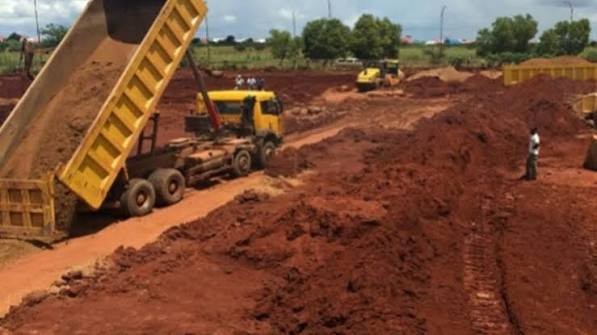
- Site preparation and excavation.
- Foundation construction.
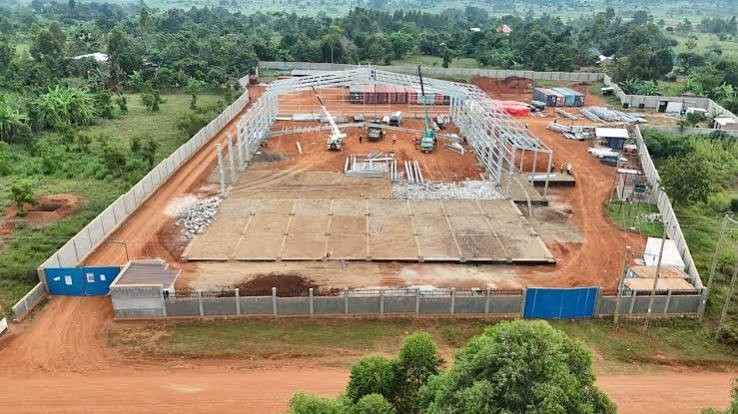
- Structural steel or reinforced concrete works.
- Roofing and wall installations.
- Industrial flooring.
- Electrical and mechanical installations.
- Water supply and drainage systems.
- Fire protection and security systems.
- Machinery installation and commissioning.
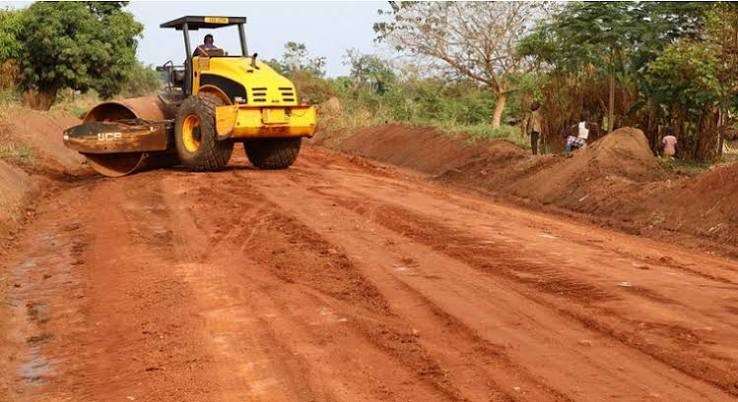
- External works and access roads.
- Contingency provisions.
It is also important to consider inflation, material price fluctuations, transportation costs and possible construction delays.
Obtaining a professional cost estimate from a qualified quantity surveyor helps investors establish a realistic project budget.
5. Obtain the Necessary Building Approvals and Environmental Permits
Factory construction in Uganda must comply with applicable building, planning, environmental and occupational safety requirements.
Investors should establish the approvals required for their specific factory before commencing construction.
Important regulatory considerations include:
Building Approvals
The proposed factory design should comply with the Building Control Act, 2013, and the National Building (Building Standards) Code, 2019.
Developers should consult the relevant local building authority regarding planning permission, building permit requirements, approved drawings and construction inspections.
Environmental Approval
Industrial developments may have environmental impacts associated with wastewater, air emissions, noise, solid waste and the use of natural resources.
Depending on the proposed project and its environmental risk classification, an environmental screening, project brief or environmental and social impact assessment may be required under Uganda’s environmental legislation.
The National Environment Management Authority (NEMA) should be consulted to establish the applicable assessment and approval requirements.
Workplace Health and Safety
Factory owners should consider the Occupational Safety and Health Act, 2006, and other applicable workplace safety requirements.
The design should provide appropriate ventilation, safe access, emergency exits, sanitation, machinery safety arrangements and other necessary worker protection measures.
Other Operational Licences
Depending on the type of factory, additional approvals may be required from relevant authorities responsible for public health, product quality, food safety, industrial operations and specialised activities.
Obtaining the necessary approvals before construction helps prevent regulatory complications, unnecessary delays and additional expenses.
6. Design a Strong and Durable Factory Structure
The structural design determines the factory’s ability to support its own weight, machinery, production equipment, stored materials and other operational loads.
A factory should be designed according to its intended industrial activities rather than using a standard building design without considering production requirements.
Important structural considerations include:
Strong Foundations
Factory foundations must be designed based on soil conditions and the expected structural and equipment loads.
Heavy machinery may require specially designed reinforced concrete foundations or isolated machine bases.
Durable Structural Frames
Depending on the factory’s design, structural steel or reinforced concrete may be used to create a strong supporting framework.
Steel structures are particularly useful for industrial facilities requiring large open spaces, while reinforced concrete provides durability and can be suitable for heavily loaded structural elements.
Industrial Roofing Systems
The roof should provide adequate protection against rainfall, sunlight, wind and other environmental conditions.
Roofing materials should be selected according to durability, thermal performance, maintenance requirements and the nature of the factory’s operations.
High-Quality Building Materials
Use materials that meet the relevant engineering specifications and applicable standards.
Professional supervision and quality control should be maintained throughout construction to ensure the completed factory meets the approved design.
7. Consider Electricity Supply and Power Requirements
Reliable electricity is essential for most manufacturing operations.
Factories often operate heavy machinery, industrial motors, processing equipment, lighting systems, compressors, refrigeration units and other electrical installations.
Before constructing a factory, determine the total expected power demand.
Consider:
- The number and type of machines.
- The electrical capacity required for production.
- Three-phase power requirements where applicable.
- Transformer and electrical distribution needs.
- Backup generator requirements.
- Solar power integration where practical.
- Electrical safety and earthing systems.
- Future increases in electricity demand.
Investors should consult the relevant electricity supplier and qualified electrical engineers to establish the feasibility, capacity and cost of connecting the proposed factory to the required power supply.
Planning for electricity requirements early helps avoid expensive electrical modifications after construction.
8. Ensure Adequate Water Supply and Wastewater Management
Water is an essential resource for many industrial activities, including food processing, beverage production, cleaning, cooling and manufacturing.
Before selecting a factory location, determine the quantity and quality of water required for production and general operations.
Important considerations include:
- Availability of a reliable water source.
- Water storage tanks and distribution systems.
- Water treatment requirements.
- Industrial wastewater collection.
- Wastewater treatment facilities where required.
- Stormwater drainage.
- Proper disposal of industrial effluent.
Factories that generate wastewater must plan for appropriate treatment and disposal in accordance with applicable environmental requirements.
A well-designed water and drainage system protects workers, equipment, the surrounding environment and the long-term operation of the facility.
9. Plan the Factory Layout for Efficient Production
An effective factory layout improves productivity, reduces unnecessary movement and creates a safer working environment.
The layout should be developed around the actual manufacturing process, from receiving raw materials to dispatching finished products.
A well-planned factory may include:
- Raw material receiving areas.
- Raw material storage facilities.
- Production and processing sections.
- Machinery installation areas.
- Quality control and inspection rooms.
- Finished product storage.
- Packaging sections.
- Loading and unloading bays.
- Administrative offices.
- Staff changing rooms and sanitation facilities.
- Maintenance and equipment storage areas.
The arrangement should minimise unnecessary movement of materials and employees.
Where possible, production activities should follow a logical sequence to improve workflow and reduce congestion.
The layout should also allow sufficient access for machinery maintenance, emergency response and future changes in production processes.
10. Provide Proper Ventilation, Lighting and Temperature Control
Industrial production activities can generate heat, dust, fumes, moisture and other airborne contaminants.
Poor ventilation can affect workers’ health, damage certain products and reduce productivity.
The factory design should provide ventilation systems that are appropriate for the type of manufacturing activity.
Possible solutions include:
- Natural ventilation openings.
- Industrial exhaust systems.
- Mechanical ventilation.
- Dust extraction systems.
- Air conditioning where necessary.
- Temperature and humidity control systems.
- Appropriate roof insulation.
Lighting should also be designed according to the activities performed in different sections of the factory.
Production areas, inspection stations, storage rooms, workshops and loading bays may require different lighting arrangements.
Energy-efficient lighting systems can help reduce operating expenses while maintaining suitable working conditions.
11. Incorporate Fire Protection and Emergency Safety Measures
Fire safety is an essential consideration when constructing a factory in Uganda.
Industrial facilities may contain combustible materials, electrical equipment, fuels, chemicals and machinery that can create fire risks.
Fire protection should therefore be incorporated into the factory design from the beginning.
Depending on the factory’s risk classification and applicable requirements, important features may include:
- Fire detection and alarm systems.
- Suitable fire extinguishers.
- Fire hose reels or hydrants where required.
- Automatic sprinkler systems where appropriate.
- Emergency exits.
- Clearly marked escape routes.
- Emergency lighting.
- Fire-resistant construction elements.
- Safe storage arrangements for flammable materials.
- Access for emergency response vehicles.
Factory owners should also develop emergency procedures and ensure employees receive appropriate fire safety training.
Working with qualified fire safety professionals helps ensure that the building has suitable protection for its intended industrial activities.
12. Consider Machinery Installation and Equipment Requirements
Factory construction should be coordinated with machinery and equipment requirements.
Some industrial machines are extremely heavy and require specially designed foundations, adequate floor capacity, sufficient installation space and appropriate utility connections.
Before construction, identify:
- Machinery dimensions and weight.
- Equipment foundation requirements.
- Electrical power requirements.
- Water and compressed air connections.
- Ventilation and exhaust requirements.
- Maintenance access.
- Equipment delivery and installation routes.
- Space for future machinery upgrades.
Planning these requirements early helps prevent costly structural modifications and installation challenges.
Where possible, machinery suppliers should be involved in the factory design process to provide accurate technical specifications.
13. Plan Adequate Storage, Loading and Transportation Facilities
Efficient storage and transportation systems are important for factories that receive raw materials and distribute finished products.
The factory should provide enough space for storage, vehicle movement and loading activities.
Consider the following facilities:
Raw Material Storage: Provide suitable storage areas that protect incoming materials against moisture, contamination, damage and unauthorised access.
Finished Product Storage: Design storage facilities according to the nature, size and handling requirements of the manufactured products.
Loading and Unloading Bays: Provide sufficient space for delivery trucks, forklifts and other material-handling equipment.
Internal Access Roads: Ensure roads can accommodate the expected vehicle sizes and operational traffic.
Parking Areas: Provide suitable parking for employees, visitors and company vehicles.
A well-planned transportation and storage system improves production efficiency and reduces delays.
14. Consider Future Expansion and Technological Improvements
A factory should be designed to accommodate future business growth and changes in manufacturing technology.
As production increases, a business may need additional machinery, larger storage facilities, new production lines or expanded administrative offices.
Planning for future development can reduce the cost of modifying the building later.
Consider:
- Reserving land for additional buildings.
- Designing structures that can accommodate planned extensions.
- Providing additional electrical capacity where justified.
- Allowing for future water and drainage requirements.
- Planning flexible production areas.
- Providing room for additional machinery.
- Considering automation and modern manufacturing technologies.
A flexible factory design makes it easier for businesses to adapt to changing market demands and production requirements.
15. Choose an Experienced Factory Construction Company
Selecting the right construction company is one of the most important decisions in any industrial development project.
Factory construction requires technical expertise, proper project management, structural knowledge and the ability to coordinate different construction activities.
Before engaging a contractor, consider:
- Previous industrial construction experience.
- Quality of completed projects.
- Availability of qualified technical personnel.
- Project management capabilities.
- Understanding of construction standards.
- Ability to follow approved architectural and engineering drawings.
- Health and safety management.
- Quality control procedures.
- Transparency in cost estimates and project timelines.
An experienced contractor helps coordinate the construction process, manage resources and maintain the required quality standards.
Working with reliable construction professionals also reduces the risk of poor workmanship, unnecessary delays and expensive repairs.
Common Mistakes to Avoid Before Constructing a Factory in Uganda
Although factory construction presents valuable investment opportunities, poor planning can create significant challenges.
Here are some common mistakes investors should avoid:
1. Buying unsuitable industrial land: Failing to investigate soil conditions, drainage and accessibility can create serious construction challenges.
2. Underestimating the construction budget: Ignoring machinery foundations, utilities, external works and approval costs can lead to financial difficulties.
3. Starting construction without the necessary approvals: This may result in enforcement action, project delays and additional expenses.
4. Ignoring electricity requirements: Insufficient power capacity can limit production and increase the cost of upgrading electrical infrastructure.
5. Poor factory layout planning: An inefficient arrangement can increase material handling costs and reduce productivity.
6. Using substandard construction materials: Poor-quality materials can compromise structural performance and increase maintenance requirements.
7. Neglecting environmental management: Inadequate wastewater treatment, emissions control and waste management can create regulatory and environmental problems.
8. Failing to plan for expansion: A factory without room for future growth may require costly modifications as the business develops.
Avoiding these mistakes helps investors establish factories that are safer, more efficient and better prepared for long-term operation.
Benefits of Proper Factory Planning and Construction
Investing in proper factory planning offers several important advantages.
Lower Long-Term Operating Costs
Efficient building layouts, reliable utilities and durable construction materials can reduce avoidable operating and maintenance expenses.
Improved Production Efficiency
A well-designed factory supports smooth movement of materials, machinery and employees.
Enhanced Workplace Safety
Appropriate ventilation, lighting, fire protection and access arrangements help create a safer working environment.
Better Product Protection
Proper storage, roofing, drainage and environmental controls help protect raw materials and finished products.
Long-Term Structural Durability
Professional engineering and quality construction help ensure that the factory can support its intended operational requirements.
Business Growth and Expansion
A flexible industrial facility provides opportunities to increase production capacity and introduce new manufacturing processes.
Conclusion: Plan Your Factory Construction Project Properly With Daltrev Co. Ltd
Constructing a factory in Uganda requires careful consideration of several technical, financial, environmental and operational factors.
From selecting suitable industrial land and conducting soil investigations to obtaining approvals, designing strong structures, installing reliable utilities and planning efficient production areas, every stage contributes to the success of the project.
Investors should prioritise proper planning, professional engineering, quality construction materials and experienced contractors to develop factories that deliver long-term value.
Daltrev Co. Ltd is committed to delivering construction and civil works solutions for commercial and industrial developments in Uganda. Whether you are planning a manufacturing plant, industrial warehouse, production facility or other commercial building, professional planning and quality construction are essential.
Are you planning to construct a factory in Uganda?
Contact Daltrev Co. Ltd today to discuss your industrial construction project and request a quotation.
Website: https://www.daltrevco.com/
Phone/WhatsApp: +256 744 702 773
Email: daltrevco@gmail.com
Daltrev Co. Ltd – Build for Legacy.