
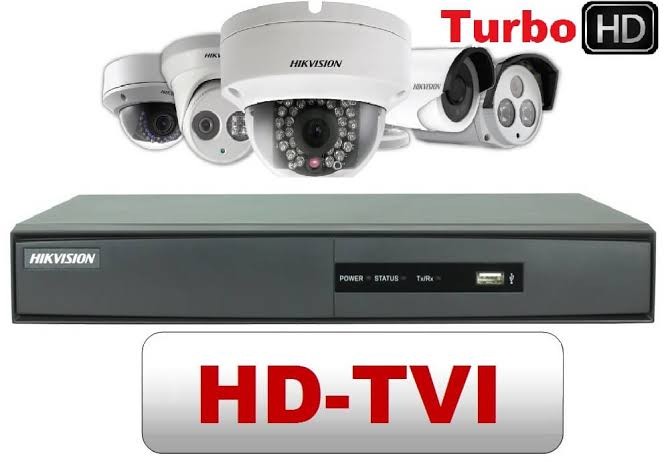
Security is an important consideration for homeowners, business owners, property developers and industrial operators. Whether you are protecting a family home, managing a commercial building or securing a warehouse, having a reliable surveillance system can help you monitor activities, deter potential intruders and improve overall security management.
HD CCTV cameras are among the most widely used surveillance solutions because they provide clearer video footage than traditional standard-definition cameras. With improved image quality, night vision, motion detection and flexible recording options, HD CCTV systems make it easier to monitor important areas and review recorded events when necessary.
In Uganda, HD CCTV cameras are suitable for residential properties, offices, retail shops, schools, hotels, factories, warehouses and other facilities that require dependable video surveillance.
However, choosing the right HD CCTV camera involves more than selecting a camera with a high resolution. Factors such as camera type, installation position, lighting conditions, recording equipment, storage capacity, cabling and maintenance all influence the performance of the system.
This guide explains what HD CCTV cameras are, their key features and benefits, installation requirements, applications and how to choose the right system for your property in Uganda.
What Are HD CCTV Cameras?
HD CCTV cameras are surveillance cameras designed to capture video footage at high-definition resolutions. They provide more image detail than traditional standard-definition CCTV cameras, making it easier to identify people, observe activities and monitor property entrances and other important locations.
Common HD CCTV resolutions include:
- 720p (HD): Provides 1,280 × 720 pixels and is suitable for basic surveillance requirements.
- 1080p (Full HD): Provides 1,920 × 1,080 pixels and delivers clearer images for many residential and commercial applications.
- 4MP: Provides approximately 2,560 × 1,440 pixels, offering additional image detail.
- 5MP: Provides approximately 2,592 × 1,944 pixels, depending on the camera format.
- 4K (Ultra HD): Provides 3,840 × 2,160 pixels and is suitable for locations where greater image detail is important.
The higher the resolution, the more image detail a camera can potentially capture. However, actual image quality also depends on the camera sensor, lens, lighting, installation position, compression settings and recording equipment.
HD CCTV systems can use different technologies, including HD analogue formats and network-based IP cameras. The appropriate option depends on the property’s security requirements, existing infrastructure and budget.
Key Features of HD CCTV Cameras
Modern HD CCTV cameras offer several features that improve surveillance quality and make security management more effective.
1. High-Definition Video Resolution
The main feature of HD CCTV cameras is their ability to capture clearer video footage.
High-definition images help security personnel observe activities around entrances, corridors, parking areas, reception points and other monitored locations.
Higher-resolution cameras can also provide more detail when reviewing recorded footage. Nevertheless, the camera must be positioned correctly and have sufficient lighting to capture useful images.
2. Night Vision and Infrared Technology
Security monitoring is necessary during both daytime and nighttime. Many HD CCTV cameras include infrared night vision, allowing them to capture images in low-light or completely dark environments.
Infrared cameras use built-in infrared LEDs to illuminate the monitored area without requiring visible lighting.
Some advanced models also provide colour night vision, which can produce colour images in suitable low-light conditions.
Night vision is particularly useful for:
- Residential compounds
- Building entrances
- Parking areas
- Warehouses
- Industrial facilities
- Perimeter security
- Outdoor walkways
When selecting an HD CCTV camera, consider its night vision range and the lighting conditions of the installation location.
3. Wide Dynamic Range (WDR)
Wide Dynamic Range helps cameras manage scenes containing both very bright and very dark areas.
For example, a camera facing a building entrance may experience strong sunlight outside while the interior remains relatively dark. Without suitable image processing, important details may become difficult to see.
WDR helps balance these differences, improving visibility in challenging lighting conditions.
This feature is particularly useful for entrances, reception areas, glass-fronted buildings and locations exposed to direct sunlight.
4. Motion Detection
Motion detection allows a CCTV system to identify movement within the camera’s field of view.
Depending on the system, motion detection can trigger recording, generate notifications or highlight relevant footage for easier review.
Some advanced systems offer intelligent video analytics, such as human or vehicle detection. These features can help reduce unnecessary alerts compared with basic motion detection, although their effectiveness depends on camera positioning and system configuration.
5. Weatherproof Housing
Outdoor HD CCTV cameras should have suitable protection against rain, dust and other environmental conditions.
The Ingress Protection (IP) rating indicates the level of protection against solid objects and water. For example, an IP66-rated camera is designed to provide strong protection against dust and powerful water jets when correctly installed.
Outdoor cameras should also be positioned and mounted to reduce exposure to damage, water accumulation and direct physical interference.
6. Remote Viewing and Monitoring
Many modern HD CCTV systems allow authorised users to view live camera footage through a smartphone, tablet or computer.
Remote monitoring can be useful for business owners, property managers and homeowners who need to check their properties while away.
Depending on the system, remote viewing may require:
- A compatible CCTV recorder or network camera
- A properly configured local network
- Internet connectivity for viewing from outside the property
- A compatible mobile application or computer software
- Secure user accounts and access permissions
Remote access should be configured carefully to prevent unauthorised access to surveillance footage.
7. Digital Video Recording and Network Video Recording
HD CCTV cameras require compatible recording equipment if footage is to be stored and reviewed.
Two common recording devices are:
Digital Video Recorder (DVR): Commonly used with HD analogue CCTV cameras. It receives video through compatible coaxial connections and stores the footage on installed storage drives.
Network Video Recorder (NVR): Commonly used with IP cameras. It receives video over a network and records footage from compatible network cameras.
The recorder must support the cameras’ resolution, video format, channels and other relevant specifications.
8. Two-Way Audio
Some HD CCTV cameras include microphones and speakers that allow users to listen to audio and communicate through the camera.
This feature can be useful at reception areas, entrances, delivery points and other locations where communication is required.
Audio recording and monitoring should be configured in accordance with applicable privacy and legal requirements.
9. Wide-Angle and Adjustable Lenses
HD CCTV cameras are available with different lens configurations.
Fixed lenses provide a set viewing angle, while varifocal lenses allow installers to adjust the field of view and image framing.
Some cameras also offer pan, tilt and zoom functionality, allowing operators to monitor wider areas and adjust the camera’s viewing direction remotely.
Selecting the correct lens is important because a high-resolution camera may still produce poor identification results if it is installed too far from the area of interest.
Benefits of Installing HD CCTV Cameras
Installing HD CCTV cameras can improve security and monitoring for residential, commercial and industrial properties.
1. Clearer Security Footage
One of the biggest benefits of HD CCTV cameras is improved video clarity.
Clearer footage makes it easier to observe people, vehicles and activities within monitored areas. It can also support investigations when reviewing recorded incidents.
For businesses, this can be particularly useful when monitoring entrances, payment areas, loading zones and customer service points.
2. Improved Property Security
Visible CCTV cameras can discourage opportunistic theft, trespassing, vandalism and other unwanted activities.
When strategically installed, they help monitor vulnerable areas and improve visibility across a property.
However, CCTV should form part of a wider security strategy that may include access control, perimeter protection, lighting, alarms and security personnel.
3. Remote Property Monitoring
Remote monitoring allows authorised users to check their properties without being physically present.
A business owner can review activities at a shop, while a homeowner can monitor entrances and outdoor areas through a compatible application.
This can improve convenience and provide better oversight of daily operations.
4. Evidence and Incident Investigation
Recorded CCTV footage can help establish what happened during a security incident.
For example, footage may assist with reviewing:
- Unauthorised property access
- Theft and attempted theft
- Workplace incidents
- Vehicle movement
- Damage to property
- Disputes involving business operations
The usefulness of recorded evidence depends on image quality, camera positioning, recording continuity, time synchronisation and footage retention.
5. Better Business and Workplace Monitoring
Businesses can use HD CCTV cameras to monitor operational areas, staff access points, customer-facing spaces and storage facilities.
This may help management identify security weaknesses, investigate incidents and improve accountability.
CCTV should be deployed responsibly, with appropriate access restrictions and respect for employees’ and customers’ privacy.
6. Flexible Installation Options
HD CCTV cameras are available in different designs and configurations.
This makes them suitable for small homes, retail outlets, office buildings, hotels, schools, factories and large commercial facilities.
A system can be designed around the property’s layout, security priorities and future expansion requirements.
7. Integration with Other Security Systems
Depending on compatibility, HD CCTV systems can be integrated with other security technologies, including:
- Access control systems
- Intruder alarm systems
- Video intercoms
- Security monitoring platforms
- Building management systems
Integration can improve coordination between different security functions and make property management more efficient.
8. Scalable Security Infrastructure
A CCTV system can be designed to accommodate additional cameras when security needs increase.
For example, a growing business may initially monitor its main entrance and reception area before expanding coverage to offices, storage rooms, parking areas and external boundaries.
Planning for future expansion helps avoid unnecessary replacement of major system components.
Types of HD CCTV Cameras
Different HD CCTV camera designs serve different surveillance requirements. Choosing the right type helps ensure that the system provides suitable coverage.
1. HD Dome CCTV Cameras
<AsyncImage query=”HD dome CCTV security camera installed on modern office ceiling” aspectRatio=”16:9″ width=”100%”/>
Dome cameras have a rounded housing and are commonly installed on ceilings or walls.
They are suitable for:
- Offices
- Shops
- Reception areas
- Hotels
- Schools
- Indoor corridors
Their compact design makes them suitable for locations where a discreet installation is preferred.
2. HD Bullet CCTV Cameras
<AsyncImage query=”HD bullet CCTV security camera mounted on exterior building wall” aspectRatio=”16:9″ width=”100%”/>
Bullet cameras have a visible cylindrical design and are commonly used for outdoor surveillance.
They are suitable for:
- Building entrances
- Perimeter walls
- Parking areas
- Driveways
- Warehouses
- External walkways
Many outdoor bullet cameras include infrared night vision and weather-resistant housings.
3. HD PTZ CCTV Cameras
<AsyncImage query=”HD PTZ pan tilt zoom CCTV security camera installed outdoors” aspectRatio=”16:9″ width=”100%”/>
PTZ cameras provide pan, tilt and zoom functionality.
They allow authorised operators to adjust the viewing direction and zoom in on specific areas. Some models also support automatic patrol patterns and preset viewing positions.
PTZ cameras are useful for large compounds, industrial facilities, commercial premises and locations that require flexible monitoring.
4. HD Turret CCTV Cameras
<AsyncImage query=”HD turret eyeball CCTV security camera close up” aspectRatio=”16:9″ width=”100%”/>
Turret cameras have a compact design and are often used for indoor and outdoor surveillance.
They can provide effective image capture in low-light conditions, depending on the model, and are suitable for homes, shops, offices and commercial buildings.
5. HD Wireless CCTV Cameras
<AsyncImage query=”wireless HD CCTV security camera mounted outside modern house” aspectRatio=”16:9″ width=”100%”/>
Wireless HD CCTV cameras transmit video over a wireless network rather than requiring a dedicated video cable to the recorder.
They can be useful where running video cables is difficult. However, wireless does not automatically mean cable-free. Many wireless cameras still require a power connection unless they use batteries or solar power.
Reliable wireless coverage, power supply and network security must be considered before installation.
Where Can HD CCTV Cameras Be Installed?
HD CCTV cameras are suitable for many types of properties in Uganda.
Residential Properties
Homeowners can install HD CCTV cameras to monitor:
- Main entrances
- Gates and driveways
- Parking areas
- Perimeter walls
- Outdoor compounds
- Garages
- Access points
A properly planned residential system can improve visibility around the property and allow homeowners to review recorded events.
Offices and Commercial Buildings
Commercial buildings often have several access points and shared spaces that require surveillance.
HD CCTV cameras can be installed in:
- Reception areas
- Main entrances
- Corridors
- Staircases
- Parking facilities
- Server and equipment rooms
- Loading and delivery zones
Camera placement should consider building operations, visitor movement and privacy requirements.
Retail Shops and Supermarkets
Retail businesses can use HD CCTV cameras to monitor customer areas, entrances, checkout counters, stockrooms and delivery points.
Clear video footage can support investigations involving theft, stock losses and other incidents.
Warehouses and Industrial Facilities
Warehouses and factories often have large spaces, valuable equipment and multiple operational zones.
HD CCTV systems can help monitor:
- Loading bays
- Storage areas
- Production sections
- Vehicle entrances
- Perimeter boundaries
- Equipment access points
- Staff entrances
Industrial installations may require specialised cameras with suitable environmental protection and mounting arrangements.
Schools and Educational Institutions
Schools can use CCTV cameras to monitor entrances, reception areas, corridors, parking facilities and selected common areas.
The system should be designed to protect students and staff while respecting privacy. Cameras should not be placed in private spaces such as toilets or changing rooms.
Hotels and Hospitality Facilities
Hotels, lodges and hospitality facilities can use HD CCTV cameras to monitor reception areas, entrances, parking facilities, service corridors and external access points.
Camera placement should support guest safety without compromising private accommodation areas.
HD CCTV Camera Installation Requirements
Installing HD CCTV cameras involves more than mounting cameras on walls or ceilings. A reliable system requires proper planning, suitable equipment, appropriate cabling, correct configuration and testing.
The following are important installation requirements.
1. Security Assessment and Site Inspection
The first step is to assess the property and identify areas that require surveillance.
A professional site assessment should consider:
- Property size and layout
- Number of entrances and exits
- Areas vulnerable to unauthorised access
- Existing lighting conditions
- Indoor and outdoor monitoring requirements
- Available power and network infrastructure
- Existing CCTV equipment, if any
- Future expansion plans
This assessment helps determine the appropriate number of cameras, camera types and recording requirements.
2. Correct Camera Placement
Camera positioning has a direct impact on surveillance effectiveness.
Cameras should be placed to provide useful coverage of important areas while minimising blind spots.
Common installation locations include:
- Main gates
- Building entrances
- Reception areas
- Corridors
- Parking areas
- Loading bays
- Perimeter access points
- Storage areas
Installers should consider the camera’s field of view, mounting height, viewing angle and distance from the target area.
Cameras should not be positioned where direct sunlight, reflective surfaces or obstructions significantly reduce image quality.
3. Choosing the Correct Camera Resolution
The resolution should match the purpose of each camera.
For general monitoring, 1080p may be sufficient in many situations. Areas requiring more image detail, such as vehicle entrances or important access points, may benefit from higher-resolution cameras.
However, higher resolution also increases storage and bandwidth requirements.
The best approach is to select camera resolution based on the level of detail required rather than choosing the highest specification for every location.
4. Appropriate Cabling and Network Infrastructure
The cabling requirements depend on the CCTV technology selected.
HD analogue systems: These commonly use compatible coaxial video cable, often with separate power connections or suitable combined cable solutions.
IP CCTV systems: These commonly use Ethernet cabling, such as Cat5e or Cat6, to transmit video and network data.
Some IP cameras support Power over Ethernet (PoE), allowing both power and data to travel through one compatible Ethernet cable.
For larger properties, installers may also need network switches, fibre-optic links, suitable cable pathways and network equipment.
Cables should be protected from physical damage, moisture, excessive heat and electrical interference.
5. Reliable Power Supply
CCTV cameras and recording equipment require dependable power.
Depending on the system, power may be provided through:
- Dedicated power adapters
- Centralised CCTV power supplies
- Power over Ethernet
- Battery-powered camera systems
- Solar-powered solutions
For properties that experience power interruptions, an Uninterruptible Power Supply (UPS) can help keep selected CCTV equipment operating temporarily during an outage.
The required backup capacity depends on the number of devices, their power consumption and the expected backup duration.
6. DVR or NVR Recording Equipment
The recording equipment must be compatible with the selected cameras.
A DVR is generally used with compatible HD analogue cameras, while an NVR is commonly used with IP cameras.
Before selecting a recorder, consider:
- Number of camera channels
- Supported video resolution
- Camera compatibility
- Storage capacity
- Network connectivity
- Remote viewing functionality
- Recording and playback features
- Future expansion requirements
Using incompatible equipment can prevent cameras from operating correctly or limit their available features.
7. Adequate Video Storage Capacity
CCTV systems need enough storage to retain recorded footage for the required period.
Storage requirements depend on:
- Number of cameras
- Camera resolution
- Frame rate
- Video compression
- Recording schedule
- Motion-based or continuous recording
- Required retention period
Higher-resolution cameras generally require more storage, although modern compression technologies can reduce file sizes.
A professional installation should calculate storage requirements before selecting the recording hard drive.
8. Internet and Remote Monitoring Configuration
Internet connectivity is useful when users need to view their CCTV cameras remotely.
However, local recording and remote viewing are different functions. A compatible CCTV system can continue recording locally without an internet connection, provided that the cameras, recorder and power supply remain operational.
Remote viewing from outside the property generally requires internet connectivity and secure network configuration.
Installers should configure strong passwords, authorised user accounts, appropriate access permissions and supported security updates.
9. Suitable Lighting Conditions
Even HD cameras need sufficient light to capture useful images.
Installers should evaluate the lighting conditions during both daytime and nighttime.
Where necessary, additional lighting may improve image quality around entrances, parking facilities and outdoor access points.
For cameras with night vision, the infrared range and possible reflections from nearby walls or surfaces should also be considered.
10. Proper Mounting and Environmental Protection
Cameras should be mounted securely using suitable brackets and installation materials.
Outdoor equipment should have appropriate weather protection and should be installed in locations that reduce the risk of tampering or accidental damage.
The installation should also allow reasonable access for cleaning, inspection and maintenance.
11. System Configuration and Testing
After installation, the CCTV system should be configured and tested to confirm that it works as intended.
Testing should include:
- Live video display
- Image resolution and clarity
- Night vision performance
- Motion detection settings
- Recording and playback
- Date and time configuration
- Remote viewing, where required
- Camera coverage and blind spots
- Storage operation
- Power backup, where installed
The property owner or responsible operator should also receive basic guidance on accessing footage and managing the system.
HD CCTV Cameras vs Standard CCTV Cameras
HD CCTV cameras generally provide more image detail than traditional standard-definition CCTV cameras.
| Feature | HD CCTV Cameras | Standard-Definition CCTV Cameras |
|---|---|---|
| Image quality | Higher resolution | Lower resolution |
| Image detail | More visible detail | Less visible detail |
| Footage review | Better detail when correctly installed | Limited detail |
| Storage needs | Generally higher | Generally lower |
| Equipment | Requires compatible HD equipment | Uses compatible standard-definition equipment |
| Applications | Homes, businesses and industrial properties | Basic surveillance requirements |
The right choice depends on the property’s security objectives, equipment compatibility and available budget.
For new installations, HD CCTV is often a practical choice where clearer footage is required. Existing systems may also be upgraded, but compatibility between cameras, recorders, cabling and other equipment should be checked first.
How Much Do HD CCTV Cameras Cost in Uganda?
The cost of installing HD CCTV cameras in Uganda varies depending on the type of system, number of cameras, recording equipment and complexity of the installation.
There is no single price that applies to every property because residential, commercial and industrial installations have different requirements.
The main factors affecting the cost include:
1. Number of cameras: A property requiring eight cameras will generally need more equipment and installation work than one requiring four.
2. Camera resolution: Higher-resolution cameras may cost more and may require additional storage capacity.
3. Camera type: Dome, bullet, turret, PTZ and specialised outdoor cameras have different specifications and prices.
4. Recording equipment: The DVR or NVR must support the selected cameras and required recording features.
5. Storage capacity: Larger hard drives may be necessary where longer footage retention is required.
6. Cabling and installation materials: Cable length, conduit, trunking, brackets and network equipment can affect the overall project cost.
7. Building design: Multi-storey buildings, large compounds and industrial facilities may require more complex installation work.
8. Remote monitoring: Internet configuration, network equipment and system integration may add to the project requirements.
9. Power backup: UPS units and other backup solutions may increase the initial installation cost but can improve system availability during power interruptions.
For an accurate quotation, the property should be assessed to determine the required equipment, coverage and installation work.
Common Mistakes to Avoid When Installing HD CCTV Cameras
Even high-quality HD CCTV cameras may deliver poor results if the system is incorrectly designed or installed.
Avoid these common mistakes:
Installing Too Few Cameras
A small number of cameras may leave important entrances, corridors or external areas unmonitored.
Plan coverage around the property’s security priorities rather than selecting cameras based only on quantity.
Choosing Cameras Based on Resolution Alone
A high-resolution camera cannot compensate for poor lighting, an unsuitable lens or incorrect positioning.
Consider the complete camera specification and the intended surveillance purpose.
Ignoring Nighttime Surveillance
Some locations are adequately lit during the day but become difficult to monitor at night.
Always assess nighttime conditions and choose suitable infrared or low-light cameras.
Using Incompatible Equipment
Cameras, recorders and other components must support compatible video formats and technical specifications.
Check compatibility before purchasing or installing equipment.
Underestimating Storage Requirements
Insufficient storage can result in shorter footage retention than expected.
Calculate storage requirements based on camera count, resolution, recording settings and retention needs.
Poor Cable Management
Exposed or poorly protected cables can be damaged, disconnected or affected by environmental conditions.
Use suitable cable routes, protective conduits and secure terminations.
Neglecting CCTV Cybersecurity
Network-connected CCTV equipment can be exposed to unauthorised access if security settings are weak.
Use strong passwords, update supported firmware, restrict user permissions and secure remote access.
Failing to Maintain the System
Dust, moisture, damaged cables and storage problems can affect camera performance.
Schedule regular inspections and confirm that cameras are recording correctly.
HD CCTV Camera Maintenance and Care
Regular maintenance helps keep an HD CCTV system reliable and effective.
Property owners should arrange periodic checks that include:
- Cleaning camera lenses and protective covers
- Checking camera mounting brackets
- Inspecting cables and connections
- Confirming that all cameras are recording
- Reviewing playback quality
- Testing infrared night vision
- Checking storage health and available capacity
- Reviewing user accounts and access permissions
- Checking UPS and backup power equipment
- Updating supported software and firmware
Outdoor cameras may require more frequent cleaning because they are exposed to dust, rain and other environmental conditions.
Any camera that produces unclear footage, loses connection or stops recording should be inspected promptly.
Why Choose Professional HD CCTV Camera Installation?
Professional installation helps ensure that the CCTV system is designed around the actual security requirements of the property.
An experienced installation team can assist with site assessment, camera selection, equipment compatibility, cable routing, recording configuration and system testing.
Professional installation can also help reduce common problems such as blind spots, poor image quality, insufficient storage, unreliable power connections and incorrect remote access settings.
For residential, commercial and industrial properties, a properly planned system provides a more dependable foundation for long-term surveillance.
HD CCTV Camera Installation Services by Daltrevco
Daltrevco provides building-related and technical installation solutions for property owners and organisations in Uganda. When planning a CCTV project, choosing a system that matches the property’s layout, security priorities and operational needs is essential.
Whether you are securing a home, office, shop, hotel, warehouse or industrial facility, Daltrevco can be contacted to discuss your CCTV installation requirements and the appropriate solution for your property.
A well-designed HD CCTV system should provide suitable camera coverage, clear footage, reliable recording, secure access and room for future expansion.
Contact Daltrevco to discuss your HD CCTV camera installation requirements in Uganda and plan a surveillance system suited to your property.
Frequently Asked Questions About HD CCTV Cameras
1. What are HD CCTV cameras?
HD CCTV cameras are surveillance cameras that record video at high-definition resolutions, providing clearer images and more detail than traditional standard-definition cameras.
2. What is the best resolution for HD CCTV cameras?
The best resolution depends on the monitoring requirements. Full HD 1080p is suitable for many general surveillance applications, while 4MP, 5MP and 4K cameras may be useful where greater detail is required.
3. Are HD CCTV cameras suitable for homes?
Yes. HD CCTV cameras can be installed at home entrances, gates, driveways, garages, parking areas and other locations that require monitoring.
4. Can HD CCTV cameras record at night?
Yes. Many HD CCTV cameras include infrared night vision or low-light technology that allows them to capture footage in dark or poorly lit environments.
5. Do HD CCTV cameras require internet?
No. Compatible CCTV systems can record footage locally without an internet connection. However, internet access is generally needed for remote viewing from outside the property.
6. Can I view HD CCTV cameras on my phone?
Yes. Many modern systems support remote viewing through compatible smartphone applications, provided the recorder or cameras and network are configured correctly.
7. What is the difference between HD CCTV and IP CCTV?
HD CCTV is a general description of high-definition surveillance cameras and can include HD analogue and IP systems. IP CCTV cameras transmit video over a network, while HD analogue cameras use compatible analogue video transmission technologies.
8. What is the difference between a DVR and an NVR?
A DVR is generally used to record video from compatible HD analogue cameras, while an NVR records video from compatible IP cameras over a network.
9. How many HD CCTV cameras do I need for my property?
The number depends on the property’s size, layout, number of access points and security requirements. A site assessment helps determine the appropriate camera quantity and positioning.
10. Are HD CCTV cameras waterproof?
Some HD CCTV cameras are designed for outdoor use and have weather-resistant housings. Always check the camera’s IP rating and installation requirements before exposing it to rain or dust.
11. Can HD CCTV cameras detect movement?
Yes. Many HD CCTV cameras support motion detection. Some advanced models also offer intelligent detection features for people and vehicles.
12. How long can HD CCTV cameras store footage?
Footage retention depends on storage capacity, camera resolution, recording settings, number of cameras and compression technology. Storage should be calculated according to the required retention period.
13. Can HD CCTV cameras work without electricity?
Most conventional HD CCTV cameras require an electrical power source. Battery-powered or solar-powered models are alternatives, depending on the installation requirements.
14. Can I upgrade my old CCTV system to HD?
In many cases, yes. However, the existing recorder, cameras, cabling and power arrangements must be checked for compatibility before upgrading.
15. Are HD CCTV cameras suitable for businesses?
Yes. They are commonly used in offices, retail shops, hotels, warehouses, factories and other commercial premises to monitor access points and operational areas.
16. What is the best HD CCTV camera for outdoor installation?
The best option depends on the location and required coverage. Outdoor bullet, turret and suitable dome cameras may be appropriate, provided they have adequate weather protection and the required night vision performance.
17. What is WDR in CCTV cameras?
Wide Dynamic Range is a camera feature that helps balance very bright and dark areas within the same scene, improving visibility in challenging lighting conditions.
18. How often should HD CCTV cameras be maintained?
Maintenance should be performed periodically, with more frequent checks where cameras are exposed to dust, rain or harsh environmental conditions. Recording, storage and camera operation should also be checked regularly.
19. Can HD CCTV cameras be connected to an alarm system?
Some CCTV systems can integrate with compatible alarm systems and other security technologies. Compatibility and integration requirements should be assessed before installation.
20. Where can I get HD CCTV camera installation services in Uganda?
Property owners and businesses can contact Daltrevco to discuss their CCTV installation requirements and determine a suitable surveillance solution for their premises.
Conclusion
HD CCTV cameras provide an effective way to improve property surveillance through clearer video footage, night vision, motion detection, remote monitoring and flexible recording options.
However, the performance of a CCTV system depends on more than camera resolution. Correct camera positioning, compatible recording equipment, sufficient storage, reliable power, appropriate cabling and regular maintenance are all essential.
Whether you are securing a residential property, commercial building, retail shop, warehouse or industrial facility, choosing the right HD CCTV system can improve visibility and support better security management.
For professional guidance on planning your surveillance requirements, contact Daltrevco and discuss an HD CCTV camera installation solution suited to your property in Uganda.

