Petrol station construction in Uganda is an important investment opportunity for entrepreneurs, fuel distributors, property developers and businesses seeking to establish fuel retail outlets. With increasing demand for transportation, commercial activities and petroleum products, strategically located and professionally constructed petrol stations can serve motorists, businesses and surrounding communities.
However, constructing a petrol station is more complex than building an ordinary commercial property. Fuel stations involve the storage and dispensing of highly flammable petroleum products, making proper site selection, engineering design, environmental protection, fire safety and regulatory compliance essential.
Whether you are planning to establish a small fuel station, a modern roadside petrol station or a large fuel retail complex with additional commercial facilities, careful planning is necessary to protect your investment, workers, customers and the surrounding environment.
This guide explains the important considerations for petrol station construction in Uganda, including site selection, architectural design, underground fuel tanks, construction materials, safety systems, regulatory approvals, project costs and construction stages.
1. Understanding Petrol Station Construction in Uganda
Petrol station construction involves planning, designing and building a facility for receiving, storing and dispensing petroleum products such as petrol, diesel and kerosene.
Unlike ordinary commercial buildings, petrol stations require specialised infrastructure and safety systems to manage the risks associated with flammable liquids and petroleum vapours.
A modern petrol station may include:
- Fuel dispensing pumps.
- Underground or approved above-ground storage tanks, depending on the applicable design and approvals.
- Fuel delivery and offloading areas.
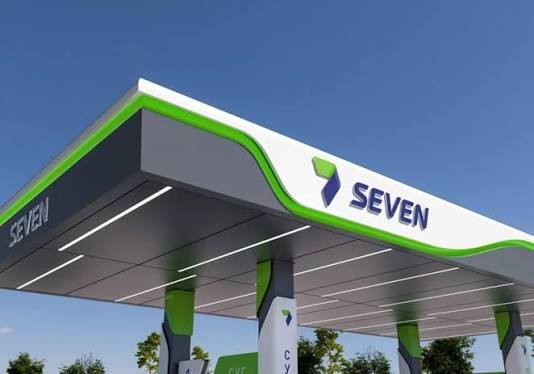
- Canopies covering dispensing areas.
- A cashier and service building.
- Customer washrooms.
- Lubricant and automotive product shops.
- Staff facilities.
- Fire protection equipment.
- Drainage and wastewater management systems.
- Security and surveillance installations.
- Vehicle access roads and parking spaces.
Some developments may also include car washes, convenience stores, restaurants, tyre services and vehicle maintenance facilities. These additional activities must be assessed separately for their planning, safety and licensing implications.
The design should ensure that all facilities operate safely without creating unnecessary risks for customers, employees, neighbouring properties or road users.
2. Choosing the Right Location for Petrol Station Construction
Location is one of the most important factors determining the suitability and commercial potential of a petrol station.
A site may appear attractive because of high traffic volumes, but it must also meet applicable planning, environmental, access and safety requirements.
Before purchasing land, developers should consider the following factors.
Road Accessibility and Traffic Flow
A petrol station should be accessible to its intended customers without creating unnecessary traffic congestion or road safety risks.
Consider:
- Traffic volumes along the proposed road.
- Road width and condition.
- Entry and exit arrangements.
- Visibility for approaching motorists.
- Space for vehicles to queue safely.
- Access for fuel delivery trucks.
- Applicable road authority requirements.
The design must provide safe vehicle circulation within the property and avoid obstructing public roads.
Distance from Sensitive Facilities
Uganda’s Physical Planning (Planning Conditions for Location of Fuel Stations) Regulations, 2022 establish specific location restrictions.
The regulations include a minimum separation distance of 200 metres from facilities such as schools, places of worship, public libraries, auditoriums, hospitals, markets and public playgrounds. They also address separation from high-density residential areas and sensitive ecosystems.
The regulations provide a minimum distance of 100 metres from an industry or factory.
These are important statutory planning conditions, not simply optional design recommendations. Developers should have the proposed site assessed against the full regulations and confirm how distances are measured before purchasing land or committing to construction. <Cite refs={[“turn656465search1″,”turn656465search18”]}/>
Land Size and Shape
The land must accommodate the required fuel storage, dispensing areas, vehicle circulation, safety clearances, buildings, drainage and other facilities.
A qualified design team should establish whether the site can support the proposed station layout and applicable planning conditions.
Availability of Utilities
Check the availability of electricity, water, telecommunications and suitable drainage arrangements.
Surrounding Development
Consider neighbouring homes, businesses, schools, public facilities, environmentally sensitive areas and future land-use developments.
Land Ownership and Planning Status
Verify land ownership, title documentation, boundaries, access rights and permitted land use before committing to the investment.
Important: Do not purchase land for a petrol station based only on its roadside position. Confirm its suitability under the applicable fuel station location regulations and obtain guidance from the relevant authorities first.
3. Conducting a Feasibility Study Before Construction
Before starting a petrol station project, developers should conduct a feasibility study to determine whether the proposed development is technically, legally and financially viable.
A feasibility study helps identify risks before major investment is made.
Important considerations include:
- Land acquisition costs.
- Site accessibility and traffic volumes.
- Fuel demand in the surrounding area.
- Existing petrol stations and competition.
- Potential fuel suppliers.
- Proposed fuel storage capacity.
- Construction and equipment costs.
- Environmental and statutory requirements.
- Electricity and water availability.
- Expected operating expenses.
- Financing arrangements.
- Additional commercial opportunities.
Developers should also establish whether the station will operate independently or under an arrangement with an established oil marketing company.
This decision may influence branding, fuel supply agreements, equipment specifications, operational procedures and investment requirements.
A detailed feasibility study helps determine the appropriate station size, layout and investment strategy.
4. Petrol Station Architectural Design and Site Planning
Professional architectural design is essential for creating a safe, efficient and functional petrol station.
The design should coordinate vehicle movement, fuel storage, dispensing equipment, customer facilities, emergency access and environmental protection.
A qualified design team should work with petroleum installation specialists and relevant engineers to prepare the required drawings and technical specifications.
Important Areas to Include in Petrol Station Design
Fuel dispensing area: Provide adequate space for dispensing pumps, vehicle positioning and safe movement around the forecourt.
Fuel storage area: Allocate an approved location for storage tanks and associated equipment in accordance with applicable petroleum safety and engineering requirements.
Canopy: A properly designed canopy protects dispensing areas from weather and improves the appearance of the station.
Service building: This may accommodate the cashier, management office, convenience shop and other approved commercial facilities.
Customer washrooms: Provide appropriate sanitation facilities with reliable water supply and drainage.
Fuel delivery area: Design a safe area for petroleum delivery vehicles to access the tanks and complete offloading operations.
Vehicle circulation: Arrange entrances, exits and internal driveways to minimise vehicle conflicts.
Fire protection facilities: Include appropriate locations for firefighting equipment and emergency response arrangements.
Waste management area: Provide designated facilities for managing general waste and other waste streams.
Security facilities: Include suitable lighting, CCTV and access control.
The design should clearly separate incompatible activities and provide safe movement for vehicles, pedestrians, employees and delivery trucks.
5. Underground Fuel Storage Tank Installation
Fuel storage is one of the most technically sensitive parts of petrol station construction.
Many conventional petrol stations use underground storage tanks to store fuel before it is dispensed to customers.
These tanks must be selected, installed, tested and maintained according to approved designs and applicable technical standards.
Important Considerations for Fuel Storage Tanks
Tank capacity: Determine the appropriate storage capacity based on expected sales, delivery arrangements, available land and approved design requirements.
Tank materials: Use suitable tanks designed for petroleum storage and compliant with applicable standards.
Corrosion protection: Underground tanks and associated metal components require appropriate protection against corrosion.
Leak detection: Provide suitable monitoring and leak detection arrangements to identify possible fuel losses.
Secondary containment: Incorporate approved containment and protection measures to reduce the risk of petroleum escaping into surrounding soil or groundwater.
Tank installation: Installation should be undertaken by competent specialists following approved engineering specifications.
Testing and commissioning: Storage systems should undergo the required inspections and tests before operation.
Why Proper Tank Installation Matters
Poorly installed or inadequately protected tanks can cause fuel leakage, soil contamination, groundwater pollution, fire hazards and expensive repairs.
Developers should therefore engage qualified petroleum installation specialists and ensure that tank installation is inspected and documented.
6. Fuel Dispensing Pumps and Equipment Installation
Fuel dispensing equipment is essential to the daily operation of a petrol station.
The number, type and arrangement of dispensers should reflect the expected customer demand and the approved station layout.
Important equipment may include:
- Petrol dispensing pumps.
- Diesel dispensing pumps.
- Fuel hoses and nozzles.
- Flow meters.
- Fuel delivery and connection systems.
- Automatic tank gauging equipment.
- Emergency shut-off systems.
- Electrical control equipment.
- Fuel monitoring systems.
Equipment should be appropriate for the petroleum products being handled and comply with applicable national standards and regulatory requirements.
Installation, testing and calibration should be completed by competent professionals.
Developers should also consider maintenance access and the availability of replacement parts to reduce future operational interruptions.
7. Electrical Installation and Hazardous Areas
Electrical installations at petrol stations require special attention because flammable petroleum vapours may be present around fuel storage, delivery and dispensing areas.
Electrical equipment should be selected and installed according to the hazardous-area classification and applicable safety standards.
Important considerations include:
- Suitable electrical equipment for classified hazardous areas.
- Proper earthing and bonding arrangements.
- Electrical protection devices.
- Safe cable routing.
- Appropriate lighting.
- Emergency power isolation.
- Protection against electrical faults.
- Suitable equipment for fuel pumps and tank monitoring systems.
- Lightning protection where required by the design.
Electrical installations should be designed and inspected by qualified professionals familiar with petroleum facility requirements.
Ordinary electrical equipment should not be installed in hazardous areas unless it is approved for the relevant classification and conditions.
8. Fire Safety Requirements for Petrol Stations
Fire safety is one of the most important aspects of petrol station construction in Uganda.
Petrol and other petroleum products can release flammable vapours that may ignite when exposed to suitable ignition sources.
A properly designed petrol station must incorporate fire prevention, detection, emergency shutdown and firefighting arrangements.
Important Fire Safety Measures
Appropriate fire extinguishers: Provide suitable firefighting equipment in locations determined by the approved fire safety design.
Emergency shutdown systems: Install suitable emergency controls to stop dispensing operations and isolate relevant equipment when required.
Fire safety signage: Display clear warnings, emergency instructions and restrictions, including prohibitions on smoking and naked flames.
Emergency access: Provide suitable access for emergency response vehicles and personnel.
Safe electrical installations: Ensure electrical equipment is appropriate for the hazardous areas in which it is installed.
Vehicle movement control: Maintain safe circulation and prevent unnecessary congestion around dispensing and delivery areas.
Emergency exits: Service buildings should have appropriate escape routes based on their occupancy and approved design.
Staff training: Employees should understand emergency procedures, fire prevention and the correct use of firefighting equipment.
Why Fire Safety Must Be Planned Early
Fire safety should be incorporated into the original architectural and engineering designs. Adding emergency systems after construction may require expensive modifications and may not adequately address the risks.
The fire safety arrangements should be reviewed by the relevant authorities and qualified specialists before the station is commissioned.
9. Environmental Protection and Fuel Spill Management
Petrol stations can create environmental risks if fuel is improperly stored, transferred or handled.
Fuel spills and leaks can contaminate soil, groundwater, drainage systems and nearby water sources.
Environmental protection should therefore be considered throughout site selection, design, construction and operation.
Important Environmental Protection Measures
Fuel containment: Provide approved containment arrangements for tanks, delivery connections and areas where fuel spills could occur.
Leak detection: Install appropriate monitoring systems for fuel storage and transfer infrastructure.
Stormwater management: Design drainage to prevent contaminated water from entering public drains, wetlands or water bodies.
Oil and water separation: Where required by the design and applicable approvals, provide suitable oil-water separation systems for contaminated runoff.
Waste management: Establish safe arrangements for collecting and disposing of contaminated materials and petroleum-related waste.
Soil protection: Use appropriate construction methods and protective systems to reduce the risk of fuel entering the ground.
Emergency spill response: Develop procedures and provide suitable equipment for containing and managing spills.
Environmental Assessment
The Physical Planning (Planning Conditions for Location of Fuel Stations) Regulations, 2022 require compliance with the National Environment Act, 2019, including environmental and social impact assessment requirements for fuel station construction.
Developers should engage an appropriately qualified environmental practitioner and confirm the required assessment and approval process with NEMA and the responsible petroleum authorities before commencing construction. <Cite refs={[“turn656465search1″,”turn656465search0”]}/>
10. Drainage, Water Supply and Sanitation
A petrol station requires properly designed drainage and sanitation systems to support daily operations and protect the surrounding environment.
Surface Water Drainage
The site should have suitable drainage to prevent rainwater accumulation around fuel pumps, buildings and vehicle circulation areas.
Contaminated Runoff
Drainage from areas exposed to petroleum products may require specialised collection and treatment arrangements.
It should not be allowed to flow directly into ordinary stormwater drains or nearby water bodies without appropriate assessment and treatment.
Water Supply
Provide reliable water for sanitation, cleaning, staff facilities and other approved uses.
Customer and Staff Washrooms
Install suitable washrooms with proper ventilation, plumbing and drainage.
Wastewater Management
Provide appropriate wastewater connections or approved on-site treatment systems where public sewer services are unavailable.
Drainage and wastewater arrangements should be designed by qualified professionals and included in the approved project documentation.
11. Construction Materials and Structural Requirements
The quality of construction materials influences the safety, durability and maintenance requirements of a petrol station.
Developers should select materials that are suitable for the facility’s structural and operational requirements.
Common construction materials include:
- Cement and concrete.
- Reinforcement steel.
- Sand and aggregates.
- Structural steel.
- Concrete blocks and masonry materials.
- Roofing materials.
- Canopy construction materials.
- Aluminium and glass fittings.
- Floor finishes.
- Plumbing materials.
- Electrical cables and accessories.
- Waterproofing products.
- Protective coatings.
Important Structural Considerations
Fuel forecourt: The dispensing area should have a durable surface designed to withstand vehicle traffic, fuel exposure and expected loading.
Canopy structure: The canopy should be structurally designed to withstand relevant wind and other environmental loads.
Service building: Foundations, walls, floors and roofing should follow approved architectural and engineering designs.
Fuel delivery areas: Pavement and access routes should accommodate the expected movement and loading of delivery vehicles.
Drainage surfaces: Forecourt levels and surface gradients should support the approved drainage arrangements.
Materials should be checked for quality before installation. Construction should follow approved technical specifications and relevant standards.
12. Security and Lighting Requirements
Security is another important consideration in petrol station construction.
Fuel facilities may operate for extended hours and handle valuable petroleum products and cash transactions.
A well-planned security system helps protect customers, employees, equipment and stored fuel.
Recommended security provisions include:
- CCTV surveillance.
- Adequate forecourt lighting.
- Secure fuel storage infrastructure.
- Controlled access to restricted areas.
- Secure cashier and office facilities.
- Perimeter protection where appropriate.
- Emergency communication arrangements.
- Secure equipment and electrical control areas.
Lighting should provide good visibility around dispensing areas, entrances, exits, walkways and parking spaces without creating unnecessary glare for road users.
13. Legal Requirements and Regulatory Approvals for Petrol Station Construction in Uganda
Petrol station construction in Uganda is subject to specific petroleum, physical planning, environmental, building and safety requirements.
Developers should identify the applicable approvals before purchasing land or beginning construction.
Important regulatory considerations include the following.
A. Petroleum Supply Act, 2003, as Amended
The Petroleum Supply Act provides the legal framework for regulating petroleum supply operations and installations in Uganda.
It addresses the licensing and control of petroleum facilities, including construction permits and operating licences.
Under the Act, a person must obtain the required petroleum construction permit before constructing or undertaking a major modification to a petroleum supply installation. Petroleum supply operations also require an appropriate operating licence. <Cite refs={[“turn656465search0”]}/>
B. Physical Planning (Planning Conditions for Location of Fuel Stations) Regulations, 2022
These regulations establish planning conditions for fuel station locations.
They cover matters such as:
- Development permission.
- Building permit applications and building plans.
- Environmental compliance.
- Petroleum facility construction permits.
- Location restrictions near sensitive facilities and ecosystems.
- Conditions relating to road junctions and intersections.
- General site planning requirements.
Developers should review the complete regulations before committing to a site. <Cite refs={[“turn656465search1″,”turn656465search18”]}/>
C. Building Approval from the Relevant Local Authority
The developer must obtain the applicable building and development approvals from the responsible local authority.
Depending on the site, this may involve Kampala Capital City Authority or the relevant city, municipal or district authority.
Building plans and supporting technical documents should be prepared by appropriately qualified professionals.
D. Environmental Approval from NEMA
Fuel station development must comply with the National Environment Act, 2019 and the applicable environmental assessment requirements.
The required environmental assessment and approval should be established before construction begins.
E. Occupational Health and Safety Requirements
Construction activities must comply with applicable workplace safety legislation, including the Occupational Safety and Health Act, 2006.
The construction site should have suitable safety procedures, protective equipment, supervision and emergency arrangements.
F. Petroleum Operating Licence
A construction permit does not automatically authorise the sale of fuel.
Before beginning petroleum supply operations, the developer or operator must obtain the appropriate petroleum operating licence from the responsible Ministry of Energy and Mineral Development department.
The relevant licensing process may require inspection and supporting documents demonstrating compliance with the applicable requirements. <Cite refs={[“turn656465search0″,”turn656465search19″,”turn656465search20”]}/>
Important: Do not begin construction or operate a petrol station without the relevant permits and licences. Confirm the current application process, required documents and technical standards with the responsible authorities before proceeding.
14. How Much Does It Cost to Construct a Petrol Station in Uganda?
The cost of constructing a petrol station in Uganda varies depending on the location, land size, fuel storage capacity, number of dispensing pumps, design complexity, construction materials and safety systems.
A small fuel station with limited dispensing facilities will have different requirements from a large modern petrol station with multiple fuel products, a convenience store, a large canopy and additional commercial facilities.
For this reason, developers should obtain a project-specific cost estimate rather than relying on a general construction price.
Major Factors Affecting Petrol Station Construction Costs
1. Land acquisition: Land costs depend on location, accessibility, size, ownership status and commercial potential.
2. Site preparation: Clearing, excavation, soil improvement and other site works may affect the budget.
3. Fuel storage tanks: Tank capacity, materials, installation and monitoring systems influence the cost.
4. Dispensing equipment: Fuel pumps, meters, hoses, control systems and accessories contribute to the investment.
5. Canopy construction: The size, structural design and finishing requirements of the canopy affect expenditure.
6. Civil and structural works: Foundations, concrete forecourts, service buildings and other structural components require appropriate budgeting.
7. Electrical installations: Hazardous-area electrical equipment, lighting, earthing and emergency controls may add significant costs.
8. Fire safety systems: Firefighting equipment, emergency shutdown systems and other safety installations must be included.
9. Environmental protection: Spill containment, drainage, monitoring and wastewater management require specialised systems.
10. Professional fees and approvals: Architectural, engineering, environmental and other consultancy costs should be included.
11. External works: Access roads, parking, landscaping, drainage and perimeter protection also contribute to the total cost.
How to Prepare an Accurate Petrol Station Construction Budget
Property developers should:
- Confirm that the proposed site meets applicable planning requirements.
- Conduct a professional site investigation.
- Prepare the required architectural and engineering designs.
- Establish the proposed fuel storage and dispensing capacity.
- Obtain a detailed bill of quantities.
- Request quotations from qualified contractors and equipment suppliers.
- Include statutory approvals and environmental assessment costs.
- Budget for testing, commissioning and safety inspections.
- Allow a reasonable contingency for project-specific risks.
A detailed budget helps investors manage their finances and avoid unexpected construction expenses.
15. Main Stages of Petrol Station Construction in Uganda
Petrol station construction requires a structured approach because different activities involve specialised technical and regulatory requirements.
Stage 1: Site Identification and Verification
Identify suitable land and verify ownership, boundaries, access rights and compliance with fuel station location restrictions.
Stage 2: Feasibility Study
Assess traffic demand, competition, fuel supply arrangements, investment requirements and commercial viability.
Stage 3: Environmental Assessment
Engage qualified environmental practitioners to complete the required environmental and social assessment process.
Stage 4: Architectural and Engineering Design
Prepare site layouts, structural designs, fuel storage plans, electrical drawings, drainage plans and fire safety documentation.
Stage 5: Development and Building Approvals
Submit the required documentation to the relevant local authority and obtain the applicable planning and building approvals.
Stage 6: Petroleum Facility Construction Permit
Apply for and obtain the petroleum facility construction permit from the responsible Ministry of Energy and Mineral Development department before beginning construction, as required by the applicable regulations.
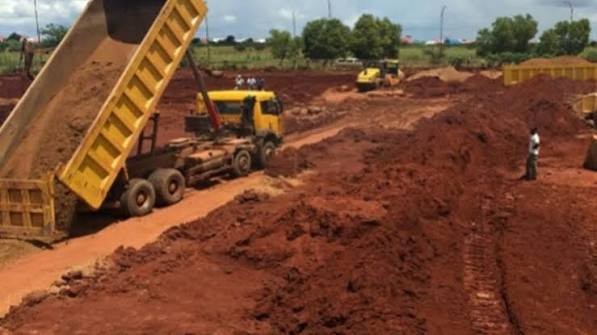
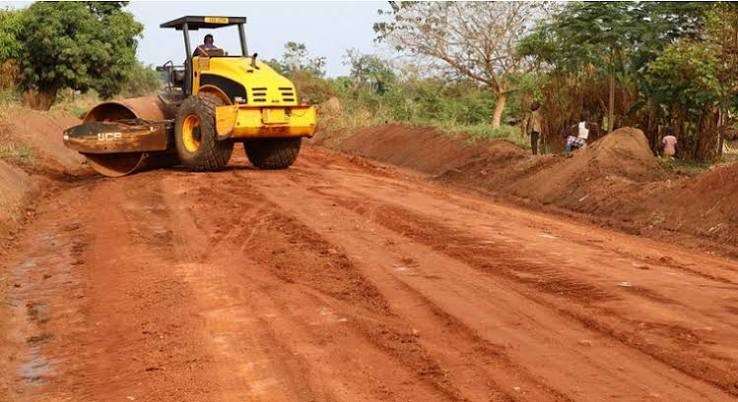
Stage 7: Site Preparation and Civil Works
Clear the site, undertake excavation, prepare foundations and complete other approved civil engineering activities.
Stage 8: Fuel Storage Tank Installation
Install the approved storage tanks, associated pipework, monitoring equipment and required protective systems.
Stage 9: Structural Construction
Construct the canopy, service building, forecourt and other approved structures.
Stage 10: Equipment and Building Services Installation
Install dispensing pumps, electrical systems, lighting, drainage, security and fire protection equipment.
Stage 11: Testing and Inspection
Complete the required testing, inspection and commissioning of tanks, dispensing equipment, electrical installations and safety systems.
Stage 12: Completion and Operating Licence
Complete the required regulatory inspections and documentation and obtain the applicable petroleum operating licence before commencing fuel sales.
Following the correct sequence helps reduce delays and ensures that the facility is constructed and commissioned in accordance with applicable requirements.
16. Common Mistakes to Avoid During Petrol Station Construction
Poor planning can result in regulatory problems, construction delays, environmental damage and serious safety risks.
Developers should avoid the following mistakes:
Buying land without checking location regulations: A site may be commercially attractive but unsuitable under fuel station planning restrictions.
Beginning construction without permits: Petroleum facility construction requires specific authorisation in addition to ordinary building approvals.
Ignoring environmental assessment: Failure to address environmental requirements can delay or prevent project approval.
Poor tank installation: Incorrect installation may cause fuel leakage, contamination and safety hazards.
Using unsuitable electrical equipment: Ordinary electrical installations may be inappropriate in hazardous areas.
Inadequate fire protection: Insufficient firefighting equipment and emergency arrangements can increase the consequences of an incident.
Poor drainage design: Uncontrolled runoff can spread petroleum contamination into surrounding areas.
Ignoring delivery vehicle access: Inadequate space for fuel delivery trucks can create operational and traffic risks.
Using unqualified contractors: Specialised petroleum installations require competent technical professionals.
Underestimating the budget: Developers should include tanks, pumps, safety equipment, environmental systems and professional fees in the project budget.
Avoiding these mistakes helps protect the investment, surrounding community and future station operations.
17. Why Hire Professional Petrol Station Construction Services in Uganda?
Petrol station construction involves specialised civil, structural, electrical, environmental and petroleum engineering activities.
Working with experienced construction professionals helps ensure that these activities are properly coordinated.
Quality Construction Workmanship
Professional teams understand the importance of durable foundations, concrete forecourts, structural systems and building finishes.
Better Project Coordination
Proper coordination helps manage materials, equipment, contractors, technical teams and construction schedules.
Improved Cost Management
Professional planning and supervision help reduce unnecessary material wastage, rework and avoidable delays.
Attention to Safety
Qualified specialists help incorporate appropriate safety measures into the design and construction process.
Regulatory Compliance Support
Experienced professionals can assist in coordinating technical drawings, construction documentation and inspections required for regulatory compliance.
Long-Term Durability
Correct construction methods and suitable materials improve the performance and maintenance life of the facility.
Because petroleum facilities involve specialised hazards, developers should ensure that the appointed team includes appropriately qualified petroleum installation specialists in addition to general construction professionals.
18. How to Choose the Right Petrol Station Construction Company in Uganda
Choosing the right construction company is an important decision when investing in a petroleum facility.
Before appointing a contractor, consider the following:
- Relevant experience: Look for experience in commercial, industrial, civil or comparable infrastructure construction.
- Technical expertise: Confirm that the project will involve qualified structural, electrical and petroleum installation specialists.
- Previous projects: Review completed projects and assess the quality of workmanship.
- Regulatory understanding: Establish whether the contractor understands the approval and safety requirements for petroleum facilities.
- Detailed quotations: Request a clear breakdown of construction activities, materials, labour and exclusions.
- Project programme: Ensure that the proposed construction schedule is realistic.
- Safety management: Assess the company’s approach to site supervision and occupational safety.
- Written contract: Clearly document project scope, payment terms, responsibilities, deadlines and defect correction arrangements.
Do not select a contractor based on the lowest quotation alone. Consider competence, safety, quality, accountability and the ability to coordinate specialised work.
19. Why Choose Daltrev Co. Ltd for Construction Projects in Uganda?
Petrol station development requires careful planning, quality civil works, reliable construction methods and close attention to safety.
Daltrev Co. Ltd provides building and construction services for clients undertaking construction and infrastructure projects in Uganda.
For developers planning commercial, industrial or infrastructure-related developments, professional construction planning and execution are essential to achieving durable results.
Daltrev Co. Ltd focuses on important construction priorities such as:
- Professional construction planning and coordination.
- Quality workmanship.
- Appropriate construction materials.
- Attention to site safety.
- Effective management of construction activities.
- Durable and functional building solutions.
Explore Daltrev Co. Ltd’s construction projects to learn more about its work.
You can also explore its civil works services and safety tools and machinery for additional information.
For a petrol station development, ensure that the construction team works alongside the qualified petroleum engineers, tank installers and other specialists required for the project.
Contact Daltrev Co. Ltd to discuss your construction requirements.
Conclusion: Plan Your Petrol Station Construction Project Properly
Petrol station construction in Uganda requires more than building a service station and installing fuel pumps. It involves careful site selection, professional engineering, approved fuel storage systems, environmental protection, fire safety and compliance with petroleum regulations.
From land verification and feasibility studies to construction permits, installation and final commissioning, every stage must be properly planned and supervised.
By investing in professional design, quality construction materials and appropriate technical expertise, developers can establish safer, more reliable and durable petroleum facilities.
Planning to construct a petrol station in Uganda?
Contact Daltrev Co. Ltd to discuss your construction and civil works requirements and take the next step towards your proposed development.
Website: https://www.daltrevco.com/
Phone/WhatsApp: +256 744 702 773
Email: daltrevco@gmail.com
Daltrev Co. Ltd – Build for Legacy.