
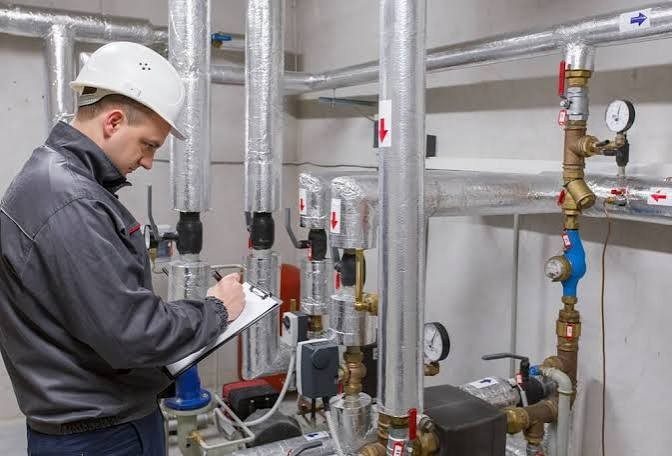
Plumbing installation is one of the most important stages of constructing a new residential or commercial building. A properly designed and professionally installed plumbing system ensures reliable water supply, efficient drainage, proper sanitation and long-term building functionality. Whether you are constructing a family home, apartment complex, office block, hotel, hospital, school, shopping centre or industrial facility, investing in quality plumbing installation is essential for protecting your property and ensuring comfortable, hygienic and safe working or living conditions.
In Uganda, the demand for professional plumbing installation continues to grow as residential developments, commercial buildings and infrastructure projects expand across Kampala, Wakiso, Entebbe and other urban and rural areas. Modern buildings require well-planned plumbing systems that can handle water consumption, wastewater disposal, sanitation requirements and future maintenance needs.
Choosing experienced plumbing contractors during the construction stage helps prevent water leaks, drainage failures, pipe blockages, low water pressure and expensive repairs after occupation.
At Daltrevco, we recognise the importance of reliable building utility installations in creating functional, durable and efficient properties. This guide explains the plumbing installation process for new residential and commercial buildings, the materials involved, important design considerations and the benefits of professional plumbing services.
What Is Plumbing Installation in Building Construction?
Plumbing installation is the process of designing, supplying, fitting, testing and commissioning the pipework, fixtures and equipment required to distribute clean water and remove wastewater from a building.
A complete plumbing system consists of several interconnected components designed to ensure that water reaches the required points while wastewater is safely discharged.
The main components include:
- Water supply pipes: Distribute clean water to bathrooms, kitchens, toilets, laundry areas and other fixtures.
- Drainage pipes: Carry wastewater away from sinks, showers, toilets and other plumbing outlets.
- Sanitary fixtures: Include toilets, washbasins, urinals, showers, bathtubs and kitchen sinks.
- Water storage tanks: Store water for domestic, commercial and emergency requirements where applicable.
- Pumps and pressure systems: Maintain adequate water pressure and distribute water throughout the building.
- Valves and fittings: Control water flow and allow isolation during maintenance.
- Hot water systems: Provide heated water for bathrooms, kitchens, laundries and other applications.
- Vent pipes: Help maintain proper drainage flow and prevent sewer gases from entering occupied spaces.
For new construction projects, these components should be planned and installed before walls, floors and ceilings are completed.
Importance of Professional Plumbing Installation in New Buildings
Installing plumbing systems correctly during construction provides several long-term advantages.
1. Reliable Water Supply
A professionally designed plumbing system ensures that water reaches all required areas of a building at suitable pressure. Proper pipe sizing, water storage and distribution planning help prevent inconsistent water flow.
This is particularly important in multi-storey apartments, hotels, office buildings and commercial facilities where several plumbing fixtures may operate simultaneously.
2. Effective Wastewater Disposal
Proper drainage installation ensures that wastewater flows efficiently from toilets, bathrooms, kitchens and other outlets into approved drainage or sewerage systems.
Correct pipe gradients, suitable pipe diameters and appropriate ventilation help prevent blockages, unpleasant odours and wastewater backflow.
3. Prevention of Water Leaks and Structural Damage
Poor plumbing installation can cause concealed leaks that damage walls, floors, ceilings and foundations.
Professional installation involves selecting suitable materials, using correct jointing techniques and pressure-testing water supply systems before concealing pipes.
4. Improved Hygiene and Sanitation
Properly installed plumbing systems support clean water distribution, effective toilet facilities and safe wastewater disposal.
This is especially important in hospitals, schools, restaurants, hotels, residential apartments and other buildings where sanitation directly affects occupants and visitors.
5. Reduced Maintenance and Repair Costs
Installing plumbing systems correctly from the beginning reduces the likelihood of recurring leaks, pipe failures, drainage problems and expensive replacements.
It also allows maintenance access points, isolation valves and inspection chambers to be positioned strategically.
6. Increased Property Value
Buildings with reliable water supply, modern sanitary fixtures and efficient drainage systems are more attractive to buyers, tenants, investors and commercial property occupants.
Types of Plumbing Systems Installed in Residential and Commercial Buildings
Different buildings require different plumbing arrangements depending on their size, occupancy, water consumption and intended use.
1. Water Supply Systems
Water supply systems distribute clean water from the available source to plumbing fixtures throughout the building.
Depending on the project, water may come from a municipal connection, borehole, protected water source or another approved supply.
A typical water supply installation may include:
- Main water connection.
- Water meters where required.
- Underground and internal distribution pipes.
- Water storage tanks.
- Booster pumps where necessary.
- Isolation and control valves.
- Cold and hot water distribution lines.
For large buildings, plumbing engineers must calculate expected demand to ensure that the system provides adequate water without unnecessary pressure losses.
2. Sanitary Drainage Systems
Sanitary drainage systems remove wastewater generated by toilets, bathrooms, kitchens, laundry areas and other facilities.
These systems require properly sized pipes, suitable gradients, ventilation and accessible inspection points.
Drainage installations should connect to an approved public sewer or an appropriately designed on-site wastewater treatment and disposal system, depending on the property’s location and available infrastructure.
3. Hot Water Plumbing Systems
Hot water systems provide heated water for bathing, washing, cleaning and other building activities.
Common hot water solutions include:
- Electric water heaters.
- Solar water heating systems.
- Heat pump water heaters.
- Centralised commercial hot water systems.
Hotels, hospitals, apartments and other high-occupancy buildings may require centralised hot water distribution to serve multiple users efficiently.
4. Rainwater Drainage Systems
Rainwater drainage systems collect and direct roof and surface runoff away from the building.
Their components may include gutters, downpipes, stormwater drains, drainage channels and soakaways where appropriate.
Proper stormwater management helps prevent flooding, water accumulation around foundations, soil erosion and damage to external building surfaces.
Rainwater drainage should be planned separately from sanitary wastewater drainage unless an approved system specifically provides otherwise.
5. Fire Protection Water Systems
Some commercial and industrial buildings require dedicated fire water installations, depending on their occupancy, size, design and applicable fire safety requirements.
These may include fire hydrants, hose reels, sprinkler systems, dedicated storage tanks and pumps.
Fire protection systems require specialist design and installation in accordance with applicable fire safety standards.
Plumbing Installation for New Residential Buildings
Residential plumbing systems are designed to provide reliable water supply, sanitation and drainage for everyday household activities.
Whether constructing a bungalow, maisonette, townhouse, apartment or multi-storey residential development, plumbing should be incorporated into the architectural and structural plans before construction progresses.
Important residential plumbing installations include:
Bathroom Plumbing Installation
Bathrooms require carefully coordinated water supply and drainage connections for toilets, showers, washbasins and bathtubs.
Professional installation ensures that fixtures are positioned correctly, drainage connections are properly graded and waterproofing details are coordinated with plumbing work.
Kitchen Plumbing Installation
Kitchen plumbing provides water connections for sinks, dishwashers, refrigerators with water dispensers and other appliances where required.
Waste pipes, traps and accessible isolation valves should be installed correctly to support efficient drainage and future maintenance.
Toilet and Sanitary Installation
Toilet installation involves connecting water supply lines, flushing mechanisms, soil pipes and ventilation arrangements.
Proper installation prevents leaks, unpleasant smells, weak flushing and drainage failures.
Laundry and Outdoor Plumbing
Residential buildings may also require plumbing connections for washing machines, outdoor taps, garden irrigation and external cleaning points.
These facilities should be included in the original plumbing plan to avoid expensive modifications later.
Plumbing Installation for Commercial Buildings
Commercial buildings generally require more extensive plumbing infrastructure than ordinary residential properties because they serve larger populations and often have higher water consumption.
Their plumbing systems must accommodate operational demands, sanitation requirements and building-specific regulations.
1. Office Buildings
Office plumbing installations include washrooms, kitchenettes, staff facilities, water storage and drainage systems.
Large office blocks may require separate water distribution zones, booster pumps and multiple sanitary facilities to maintain consistent performance.
2. Hotels and Hospitality Facilities
Hotels require extensive plumbing infrastructure to serve guest bathrooms, restaurants, kitchens, laundries, swimming pools and staff facilities.
Their systems must provide reliable hot and cold water while supporting efficient wastewater disposal.
3. Hospitals and Healthcare Facilities
Healthcare facilities require carefully designed plumbing systems that support patient sanitation, handwashing, cleaning and specialised clinical operations.
Design considerations include water quality, backflow prevention, appropriate drainage, hot water management and specialist systems for areas with particular hygiene requirements.
4. Schools and Educational Institutions
Schools require durable plumbing systems that can serve students, teachers, staff kitchens, laboratories and sanitation facilities.
Plumbing designs should consider peak usage periods, adequate toilet facilities, handwashing stations and reliable water storage.
5. Shopping Centres and Retail Buildings
Shopping malls and commercial centres require plumbing systems for public washrooms, restaurants, food outlets, cleaning facilities and management offices.
Proper drainage capacity and accessible maintenance points are important for uninterrupted operations.
6. Industrial Buildings and Warehouses
Industrial facilities may require specialised plumbing systems for staff sanitation, process water, equipment cleaning, production activities and wastewater management.
The design must consider the type of industrial operation, water quality requirements and the characteristics of wastewater generated.
Step-by-Step Plumbing Installation Process for New Buildings
A successful plumbing installation project follows a systematic process that coordinates plumbing work with architectural, structural and electrical construction activities.
Step 1: Site Assessment and Project Planning
The first stage involves assessing the building site, architectural drawings, available water sources and proposed drainage arrangements.
Plumbing contractors establish the locations of bathrooms, kitchens, water storage tanks, drainage routes and other plumbing facilities.
The assessment also considers the number of occupants, expected water consumption, building height and future maintenance requirements.
Step 2: Plumbing Design and Layout
After assessing the project, the plumbing system is designed to determine pipe routes, sizes, fixture positions and equipment requirements.
The design should include:
- Cold and hot water distribution layouts.
- Soil and waste pipe arrangements.
- Rainwater drainage routes.
- Water storage and pumping requirements.
- Inspection chambers and access points.
- Ventilation arrangements.
- Sanitary fixture schedules.
For complex commercial developments, qualified plumbing and building services professionals should coordinate the design with other engineering disciplines.
Step 3: Selection of Plumbing Materials
Selecting appropriate plumbing materials is essential for long-term system performance.
Materials should be chosen according to water pressure, temperature, installation environment, chemical compatibility and intended application.
Common materials include:
- PVC pipes: Commonly used for suitable drainage and wastewater applications.
- uPVC pipes: Used for water supply and drainage applications where the product is appropriately rated.
- PPR pipes: Commonly used for hot and cold water distribution.
- HDPE pipes: Suitable for various underground water supply and distribution applications.
- Copper pipes: Used in selected hot and cold water installations.
- Stainless steel components: Used in specialised plumbing applications requiring particular corrosion resistance.
All pipes, fittings and accessories should meet the relevant product specifications and applicable standards.
Step 4: Underground Plumbing Installation
Underground plumbing is installed before foundation slabs, floors and other structural elements are completed.
This stage may include:
- Underground water supply pipes.
- Soil and waste drainage pipes.
- External drainage connections.
- Inspection chambers.
- Connections to approved sewerage or treatment systems.
- Sleeves and provisions for future service access.
Underground pipework must be correctly positioned, supported and tested before being covered.
Step 5: Internal Pipework Installation
Once the building structure reaches the appropriate construction stage, internal plumbing pipes are installed through walls, floors, service ducts and ceilings.
Separate hot and cold water lines are routed to the required fixtures.
Drainage pipes are installed with suitable gradients, ventilation and access for inspection and cleaning.
Coordination with electrical installations and structural elements is important to prevent service conflicts.
Step 6: Installation of Water Storage Tanks and Pumps
Where required, water tanks and pumping equipment are installed to provide reliable water distribution.
The capacity and location of storage tanks should be determined by the building’s water demand, available supply and operational requirements.
Pump selection should consider flow rate, required pressure, building height and system characteristics.
Step 7: Installation of Sanitary Fixtures and Plumbing Accessories
After major construction and finishing work reaches the appropriate stage, sanitary fixtures and accessories are installed.
These may include:
- Toilets and urinals.
- Washbasins.
- Kitchen sinks.
- Showers and bathtubs.
- Water heaters.
- Kitchen and bathroom taps.
- Floor drains.
- Valves and other accessories.
All fixtures must be connected securely and checked for leaks and proper operation.
Step 8: Plumbing Testing and Inspection
Before the building is handed over, the plumbing installation must undergo appropriate testing and inspection.
Testing may include:
- Water supply pressure testing.
- Leak detection.
- Drainage flow testing.
- Water storage and pump performance checks.
- Fixture operation checks.
- Inspection of pipe connections.
- Verification of drainage gradients and access points.
Any identified defects should be corrected before the system is commissioned.
Step 9: Final Commissioning and Handover
The final stage involves confirming that all plumbing systems operate correctly and meet the project specifications.
The contractor should provide relevant installation information, equipment instructions, maintenance recommendations and as-built drawings where applicable.
Factors to Consider When Planning Plumbing Installation
Several factors influence the design, cost and performance of plumbing systems in new buildings.
Building Size and Number of Occupants
A large apartment complex or commercial building requires more extensive plumbing infrastructure than a small residential house.
The number of occupants determines water demand, sanitary fixture requirements, pipe sizing and drainage capacity.
Water Availability and Pressure
The available water supply affects the design of storage tanks, pumps and distribution networks.
Buildings in areas with inconsistent water supply may require additional storage capacity and suitable pumping arrangements.
Building Height
Multi-storey buildings require special attention to water pressure management and vertical drainage systems.
Pressure zoning, booster pumps and pressure-reducing valves may be necessary depending on the building design.
Quality of Plumbing Materials
Using low-quality pipes, fittings and accessories can result in leaks, corrosion, premature failures and expensive repairs.
Quality materials suitable for their intended applications improve system reliability.
Drainage and Sewerage Availability
The availability of public sewer connections influences how wastewater is managed.
Where a public sewer is unavailable, an appropriately designed and approved on-site wastewater treatment system may be necessary.
Future Maintenance Requirements
Plumbing systems should be designed to allow easy access to valves, inspection chambers, cleanouts, pumps and other equipment.
Good maintenance access reduces repair time and helps protect finished building surfaces.
Compliance with Building and Safety Requirements
Plumbing designs and installations should comply with applicable Ugandan building, public health, environmental and water-related requirements.
Where approvals or inspections are required, they should be obtained from the relevant authorities before the system is put into service.
Common Plumbing Installation Mistakes to Avoid
Poor plumbing decisions during construction can create problems that are expensive and difficult to correct after a building is occupied.
Some common mistakes include:
1. Poor plumbing planning: Installing pipes without proper coordination with architectural and structural drawings can lead to unnecessary pipe bends, service conflicts and inaccessible connections.
2. Incorrect pipe sizing: Undersized pipes can cause low water pressure, restricted flow and poor drainage performance.
3. Using unsuitable materials: Pipes and fittings that are not rated for their intended pressure, temperature or application may fail prematurely.
4. Poor drainage gradients: Incorrectly installed drainage pipes can cause slow wastewater flow, blockages and unpleasant odours.
5. Inadequate ventilation: Poor drainage ventilation can affect trap performance and allow sewer gases to enter occupied spaces.
6. Failing to test concealed pipes: Covering pipes before conducting appropriate tests can leave hidden leaks that damage the building.
7. Poor waterproofing coordination: Inadequate coordination between plumbing and bathroom waterproofing can result in water penetration and structural damage.
8. Inadequate access for repairs: Concealing valves, joints and inspection points without suitable access can make maintenance unnecessarily expensive.
Avoiding these mistakes requires proper design, quality materials, experienced installers and thorough inspection throughout construction.
How Much Does Plumbing Installation Cost in Uganda?
The cost of plumbing installation in Uganda varies depending on the size, design, complexity and intended use of the building.
A small residential house will generally require a different plumbing budget from a multi-storey apartment, hotel, hospital or commercial office block.
The main factors affecting plumbing installation costs include:
- Size and number of floors in the building.
- Number of bathrooms, toilets and kitchen facilities.
- Type and quality of plumbing pipes and fittings.
- Number and type of sanitary fixtures.
- Water storage tank capacity.
- Pumps and pressure management equipment.
- Hot water installation requirements.
- Underground drainage and sewer connections.
- Labour and installation complexity.
- Testing, commissioning and specialist requirements.
How to Obtain an Accurate Plumbing Installation Quotation
For a reliable quotation, property owners and developers should provide plumbing contractors with architectural drawings, building dimensions and details of the intended plumbing facilities.
A professional assessment should establish the required materials, labour, equipment and installation activities.
Rather than selecting a contractor based only on the lowest price, compare the quality of materials, scope of work, technical experience and testing procedures included in the quotation.
Benefits of Hiring Professional Plumbing Contractors
Professional plumbing contractors bring technical knowledge and practical experience to new building projects.
Working with qualified and experienced professionals offers several advantages.
- Proper system design: Plumbing layouts are planned according to building requirements and expected water demand.
- Quality installation: Pipes, fittings and fixtures are installed using appropriate methods.
- Reduced construction errors: Professional coordination helps prevent mistakes that could affect other building services.
- Efficient water distribution: Properly designed systems support reliable water flow and pressure.
- Effective drainage: Correctly installed drainage systems support safe wastewater disposal.
- Long-term reliability: Quality workmanship reduces the risk of recurring plumbing failures.
- Professional testing: Systems are inspected and tested before building handover.
- Better maintenance planning: Accessible valves and inspection points simplify future servicing.
For developers constructing residential estates, apartments, commercial properties and industrial facilities, professional plumbing installation is an important investment in the long-term performance of the building.
Why Choose Daltrevco for Building Plumbing and Utility Projects?
Selecting the right building services contractor is an important decision when constructing a new property.
Daltrevco focuses on providing construction-related solutions that support the development of functional, durable and professionally completed buildings.
When planning plumbing installation as part of a new construction project, property owners and developers should prioritise proper technical planning, quality materials, skilled workmanship and coordination with other building services.
Whether you are developing a residential property, commercial building or industrial facility, ensure that plumbing requirements are incorporated into the construction programme from the beginning.
Contact Daltrevco to discuss your building and construction requirements and explore professional solutions for your next project.
Website: https://www.daltrevco.com/
Frequently Asked Questions About Plumbing Installation
1. When Should Plumbing Installation Begin in a New Building?
Plumbing planning should begin during the architectural and engineering design stage. Underground drainage and concealed pipework are generally installed during the foundation and structural construction stages, while fixtures and final connections are completed later.
2. What Are the Main Stages of Plumbing Installation?
The main stages include site assessment, plumbing design, material selection, underground pipe installation, internal pipework, equipment installation, sanitary fixture fitting, testing and commissioning.
3. Which Pipes Are Best for New Building Plumbing?
The appropriate pipe depends on the application. PPR and suitably rated uPVC or HDPE systems are commonly used in different water supply applications, while PVC and other approved drainage materials are used for wastewater systems. Material selection should consider pressure, temperature, water quality and applicable standards.
4. Does a New Building Need a Water Storage Tank?
Not every building has the same storage requirements. However, water storage can provide an important backup supply where the mains supply is inconsistent or where building demand requires additional storage.
5. How Do You Prevent Plumbing Leaks in New Buildings?
Use suitable quality pipes and fittings, employ experienced installers, follow manufacturer installation instructions and conduct appropriate pressure and leak tests before concealing pipework.
6. Is Commercial Plumbing Different from Residential Plumbing?
Yes. Commercial plumbing systems generally serve more occupants, fixtures and water consumption points. They may also require larger distribution networks, specialised hot water systems, pumping equipment and more complex drainage arrangements.
7. How Long Does Plumbing Installation Take?
The installation period depends on building size, plumbing complexity, availability of materials and coordination with other construction activities. A small house may require considerably less time than a large commercial or multi-storey development.
8. Can Plumbing Be Installed After a Building Is Completed?
Yes, but installing concealed pipework after construction is complete may require breaking walls, floors or ceilings. Planning plumbing during the initial construction stage is generally more efficient and cost-effective.
9. Why Is Plumbing Testing Important Before Occupation?
Testing helps identify leaks, drainage problems, pressure issues and faulty connections before occupants begin using the building. It reduces the likelihood of expensive repairs and water damage.
10. Should Plumbing and Electrical Installations Be Coordinated?
Absolutely. Plumbing and electrical systems often share walls, ceilings, service ducts and plant rooms. Proper coordination helps prevent clashes, improves safety and supports efficient building maintenance.
Conclusion
Plumbing installation is a fundamental part of constructing reliable, safe and functional residential and commercial buildings. From water supply and drainage to sanitary fixtures, storage tanks and hot water systems, every component must be carefully planned, correctly installed and thoroughly tested.
For property developers, homeowners, construction companies and commercial investors in Uganda, investing in professional plumbing installation from the beginning helps prevent costly construction mistakes, improves sanitation and ensures long-term building performance.
Whether you are constructing a residential house, apartment complex, hotel, office block, school, hospital or industrial facility, quality plumbing installation should never be overlooked.
Plan your plumbing systems early, choose suitable materials, work with experienced professionals and ensure every installation is properly tested before occupation.

