
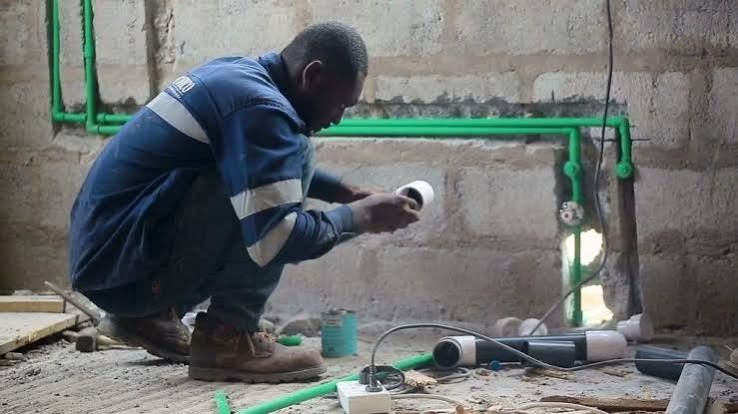
A properly installed plumbing system is essential for every residential, commercial and industrial building. From supplying clean water to kitchens and bathrooms to removing wastewater safely, plumbing installations play a major role in maintaining hygiene, sanitation, convenience and the overall functionality of a property.
Whether you are constructing a new house, developing an apartment complex, building an office, renovating a commercial property or setting up an industrial facility, professional plumbing installation is essential for ensuring reliable water distribution and effective drainage.
In Uganda, the demand for dependable plumbing installation services continues to grow as residential developments, commercial buildings, hotels, schools, hospitals and industrial facilities expand. Property owners increasingly need plumbing systems that can handle daily water demand, minimise leakages, support proper sanitation and remain reliable over the long term.
However, poor plumbing installation can lead to leaking pipes, blocked drainage, low water pressure, water contamination, damaged walls, unpleasant odours and expensive repairs. These problems can often be avoided through proper planning, suitable materials, professional workmanship and thorough system testing.
At Daltrevco, we recognise the importance of properly coordinated building services in construction projects. This guide explains everything you need to know about plumbing installation services in Uganda, including plumbing system types, materials, installation procedures, drainage requirements, costs, maintenance and how to choose a suitable plumbing contractor.
What Are Plumbing Installation Services?
Plumbing installation services involve the planning, supply, fitting, connection, testing and commissioning of pipes, fittings, fixtures, valves, pumps, water storage equipment and drainage components within a building.
A complete plumbing installation normally covers three major functions:
- Water supply: Delivering clean water from an approved source to different parts of the building.
- Sanitary drainage: Collecting and safely removing wastewater and sewage from plumbing fixtures.
- Stormwater drainage: Collecting and directing rainwater away from roofs, buildings and surrounding areas.
Depending on the property, plumbing installations may also include hot water systems, water storage tanks, booster pumps, rainwater harvesting systems, irrigation connections and specialised industrial water installations.
Professional plumbing installation ensures that these components work together safely and efficiently.
Why Professional Plumbing Installation Is Important
Plumbing is one of the most important building services because it directly affects water availability, hygiene, sanitation and building maintenance.
Here are the main reasons to invest in professional plumbing installation.
1. Reliable Water Supply
A properly designed plumbing system distributes water to kitchens, bathrooms, toilets, laundry areas, utility rooms and other required locations.
Correct pipe sizing, suitable pumps and properly positioned storage tanks help maintain reliable water delivery.
2. Proper Wastewater Disposal
An effective drainage system removes wastewater from sinks, showers, toilets, floor drains and other plumbing fixtures.
Correct pipe gradients, ventilation and drainage connections help prevent blockages, slow drainage and unpleasant smells.
3. Protection Against Water Leakage
Poorly connected pipes, unsuitable fittings and incorrect installation techniques can cause leaks.
Professional installation uses suitable joining methods, secure supports and appropriate pressure testing to reduce the risk of leakage.
4. Improved Hygiene and Sanitation
Reliable plumbing helps provide clean water for drinking, cooking, bathing, cleaning and other daily activities.
Proper wastewater disposal also helps reduce sanitation problems and protect the surrounding environment.
5. Better Water Pressure
Correct pipe dimensions, pump selection and system configuration help deliver appropriate water pressure to different outlets.
6. Reduced Maintenance Costs
A properly installed plumbing system is easier to inspect, maintain and repair.
Using suitable materials and following approved installation practices can reduce avoidable breakdowns.
7. Increased Property Value
A building with reliable water supply, functional bathrooms, quality sanitary fittings and effective drainage is more attractive to occupants, tenants and potential buyers.
Types of Plumbing Installation Services in Uganda
Plumbing installations vary depending on the building’s size, design, water requirements and intended use.
The following are the main plumbing services required in residential, commercial and industrial construction projects.
1. Domestic Water Supply Installation
Domestic water supply installation involves connecting a building to an approved water source and distributing water to different fixtures.
The system may include:
- Water supply pipes.
- Main water connections.
- Isolation valves.
- Water meters.
- Storage tanks.
- Booster pumps.
- Pressure control equipment.
- Pipe fittings and connectors.
- Distribution manifolds.
- Taps and water outlets.
The installation should provide adequate water for the building’s expected occupancy and activities.
2. Bathroom Plumbing Installation
Bathroom plumbing involves installing the water supply and drainage connections required for bathroom fixtures.
Typical installations include:
- Toilets.
- Washbasins.
- Showers.
- Bathtubs.
- Bathroom taps.
- Floor drains.
- Shower mixers.
- Water heaters.
- Bathroom drainage pipes.
Correct fixture positioning and drainage gradients are important for preventing leaks, blockages and standing water.
3. Kitchen Plumbing Installation
Kitchen plumbing provides water and drainage connections for sinks, dishwashing equipment and other appliances.
Common components include:
- Kitchen sink connections.
- Hot and cold water pipes.
- Sink taps.
- Waste pipes.
- Traps.
- Dishwasher connections where required.
- Water filtration connections where specified.
- Isolation valves.
Kitchen drainage should be properly designed to reduce grease accumulation and blockage risks.
4. Drainage and Sewerage Installation
Drainage installation involves laying and connecting pipes that carry wastewater away from a building.
Depending on the available infrastructure, the system may discharge into an approved public sewer or an appropriately designed on-site wastewater treatment or disposal arrangement.
Typical components include:
- Soil pipes.
- Wastewater pipes.
- Underground drainage pipes.
- Inspection chambers.
- Manholes.
- Drainage fittings.
- Vent pipes.
- Traps.
- Anti-backflow protection where required.
Proper drainage design is essential for preventing sewage backups, unpleasant odours and sanitation problems.
5. Hot Water System Installation
Hot water installations supply heated water to bathrooms, kitchens, laundry areas and other designated locations.
Common hot water equipment includes:
- Electric water heaters.
- Solar water heaters.
- Storage water heaters.
- Instantaneous water heaters.
- Hot water storage cylinders.
- Circulation pumps.
- Hot water distribution pipes.
- Temperature and pressure control devices.
The appropriate system depends on water demand, energy availability, installation space and operating costs.
6. Water Tank Installation
Water storage tanks help buildings maintain water availability when supply is intermittent or when additional storage capacity is required.
Common installations include:
- Ground-level storage tanks.
- Underground water tanks.
- Elevated water tanks.
- Roof-mounted tanks.
- Commercial water storage systems.
Tank capacity should be selected according to occupancy, water demand, available supply and the building’s operational requirements.
Tanks should be installed on suitable supports and protected against contamination.
7. Water Pump Installation
Water pumps help move water through a plumbing system where gravity or available supply pressure is insufficient.
Common pump applications include:
- Pumping water into elevated tanks.
- Boosting pressure in multi-storey buildings.
- Transferring water between storage tanks.
- Supplying commercial buildings.
- Supporting irrigation systems.
- Providing water for selected industrial applications.
Pump selection should consider flow rate, total head, pressure requirements, electrical supply and the system’s operating conditions.
8. Rainwater Harvesting and Drainage Installation
Rainwater harvesting systems collect and store rainwater from roofs and other suitable surfaces.
They may include:
- Roof gutters.
- Downpipes.
- Leaf screens.
- First-flush diverters.
- Storage tanks.
- Filters.
- Overflow pipes.
- Distribution pumps.
Harvested rainwater should be used for suitable purposes and treated appropriately if it is intended for drinking or other potable applications.
9. Sanitary Fittings Installation
Sanitary fittings are the fixtures used for personal hygiene, washing and wastewater collection.
Examples include:
- Water closets.
- Washbasins.
- Urinals.
- Showers.
- Bathtubs.
- Kitchen sinks.
- Utility sinks.
- Floor drains.
- Bidets.
Correct installation ensures that fixtures are stable, properly connected and compatible with the water supply and drainage systems.
10. Commercial and Industrial Plumbing Installation
Commercial and industrial properties often have more complex plumbing requirements than ordinary houses.
These systems may involve:
- Large water distribution networks.
- Multiple storage tanks.
- Booster pump systems.
- Commercial washrooms.
- Industrial process water connections.
- Hot water circulation.
- Specialised drainage.
- Grease management.
- Water treatment connections.
The design must reflect the building’s operations, occupancy, water demand and wastewater characteristics.
Plumbing Installation for Different Types of Buildings
Every building has unique plumbing requirements. The system should be designed according to its purpose, size and expected water consumption.
1. Residential Buildings
Residential plumbing installations provide water supply and drainage for everyday household activities.
Typical requirements include:
- Kitchen plumbing.
- Bathroom installations.
- Toilet connections.
- Water storage.
- Hot water systems.
- Laundry connections.
- Roof drainage.
- Wastewater disposal.
For homes in Kampala, Wakiso, Entebbe and other parts of Uganda, the system should also consider the reliability of the available water supply and the property’s drainage conditions.
2. Apartment Buildings
Apartment developments require plumbing systems that serve multiple residential units.
Important considerations include:
- Main water distribution pipes.
- Individual apartment connections.
- Water meters where required.
- Storage tanks.
- Booster pumps.
- Vertical soil and waste stacks.
- Vent pipes.
- Inspection chambers.
- Maintenance access.
Properly designed plumbing helps distribute water fairly and makes it easier to isolate and maintain individual units.
3. Office Buildings
Office plumbing systems serve employees, visitors and building management facilities.
Common requirements include:
- Washroom installations.
- Kitchenette connections.
- Drinking water points.
- Water storage.
- Pump systems.
- Wastewater drainage.
- Rainwater drainage.
The number of sanitary fixtures should reflect the building’s occupancy and applicable requirements.
4. Hotels and Guest Houses
Hotels have significant water requirements because they serve guests, staff, restaurants, laundry facilities and other operations.
Plumbing installations may include:
- Guest bathroom systems.
- Central hot water distribution.
- Water storage tanks.
- Booster pumps.
- Commercial kitchen plumbing.
- Laundry plumbing.
- Swimming pool connections where applicable.
- Wastewater management systems.
The design should provide reliable water supply while supporting efficient water use.
5. Hospitals and Healthcare Facilities
Healthcare facilities require carefully planned water supply, sanitary installations and wastewater systems.
Important considerations include:
- Reliable potable water supply.
- Patient bathroom installations.
- Clinical handwashing facilities.
- Hot water systems.
- Laboratory water requirements.
- Drainage and sanitation.
- Specialised wastewater management.
- Maintenance and access provisions.
Certain clinical and laboratory activities may require specialised water quality and treatment systems.
6. Schools and Educational Institutions
Schools require plumbing systems that support students, teachers and support staff.
Typical installations include:
- Classroom and administration washrooms.
- Student toilets.
- Handwashing stations.
- Kitchen plumbing.
- Water storage.
- Drinking water points.
- Laboratory water connections.
- Drainage and wastewater disposal.
The number and arrangement of sanitary facilities should reflect occupancy and applicable standards.
7. Shopping Centres and Commercial Complexes
Shopping centres contain multiple businesses and public facilities with varying water requirements.
Plumbing systems may include:
- Public washrooms.
- Restaurant connections.
- Food preparation sinks.
- Water storage.
- Pumping equipment.
- Grease traps where required.
- Wastewater networks.
- Stormwater drainage.
The design should allow for future maintenance and changes in tenant requirements.
8. Factories and Industrial Facilities
Industrial plumbing requirements depend on production processes and the type of materials handled.
Systems may include:
- Process water supply.
- Cooling water connections.
- Industrial washdown points.
- Compressed or treated water systems where applicable.
- Chemical-resistant drainage.
- Wastewater treatment connections.
- Equipment supply lines.
Industrial wastewater must be assessed according to its composition and applicable discharge requirements. It should not automatically be connected to ordinary domestic drainage without appropriate evaluation.
Common Plumbing Materials Used in Uganda
Selecting suitable plumbing materials is essential for ensuring durability, water quality and reliable system performance.
Different materials are used for water supply, hot water distribution, drainage and specialised installations.
1. PVC Pipes
Polyvinyl chloride (PVC) pipes are commonly used in selected cold-water and drainage applications, depending on the product specification.
Advantages include:
- Relatively lightweight construction.
- Resistance to corrosion.
- Ease of handling.
- Availability in different sizes.
- Suitable joining systems.
The correct pressure class and product specification must be selected for the intended use.
Not every PVC product is suitable for potable water or hot water applications.
2. uPVC Pipes
Unplasticised polyvinyl chloride pipes are used in suitable water supply and drainage applications.
They are valued for their rigidity, corrosion resistance and relatively low maintenance requirements.
The product must meet the pressure, temperature and water-quality requirements of the installation.
3. PPR Pipes
Polypropylene Random Copolymer (PPR) pipes are commonly used in hot and cold water distribution systems.
Advantages include:
- Corrosion resistance.
- Suitable temperature performance when correctly specified.
- Smooth internal surfaces.
- Heat-fusion joining.
- Suitability for concealed installations where appropriately designed.
Proper fusion techniques and compatible fittings are important to prevent joint failures.
4. HDPE Pipes
High-Density Polyethylene (HDPE) pipes are used in water supply networks, underground installations and other applications where their flexibility and durability are suitable.
Common applications include:
- External water supply.
- Underground distribution.
- Water transfer.
- Selected industrial installations.
The correct pressure rating, jointing method and installation conditions must be observed.
5. Galvanised Steel Pipes
Galvanised steel pipes have historically been used in water supply and other plumbing installations.
They provide mechanical strength but may be susceptible to internal corrosion and scaling over time.
Their suitability should be assessed carefully against the water quality, expected service life and project requirements.
6. Copper Pipes
Copper pipes are used in selected hot and cold water systems.
They offer good temperature resistance and durability when properly installed.
However, their cost, water chemistry compatibility and joining requirements should be considered.
7. Cast Iron and Other Drainage Materials
Cast iron pipes may be used in selected soil, waste and drainage installations where strength, fire performance or acoustic characteristics are important.
Other approved drainage materials may include suitable PVC and HDPE systems.
The selection depends on the building design, drainage conditions, installation environment and applicable specifications.
How to Choose the Right Plumbing Pipes and Fittings
The correct material should be selected according to the intended function of each pipe.
Before choosing plumbing materials, consider:
- Whether the pipe carries potable water, hot water or wastewater.
- Operating pressure.
- Water temperature.
- Underground or exposed installation.
- Soil and environmental conditions.
- Chemical exposure.
- Corrosion resistance.
- Pipe diameter.
- Jointing method.
- Manufacturer specifications.
- Availability of compatible fittings.
- Expected maintenance requirements.
Use products that meet applicable Ugandan standards and project specifications. Avoid mixing incompatible materials or joining different pipe systems without approved transition fittings.
Plumbing Installation Process: Step-by-Step Guide
Professional plumbing installation should follow a planned process to ensure that all water supply and drainage components work correctly.
Step 1: Site Inspection and Assessment
The first step is to inspect the building and assess its plumbing requirements.
The inspection should identify:
- Building size and layout.
- Number of bathrooms.
- Kitchen locations.
- Water source.
- Water storage requirements.
- Drainage arrangements.
- Soil and ground conditions.
- Available sewer connections.
- Pumping requirements.
- Hot water demand.
For renovation projects, the existing plumbing system should also be inspected.
Step 2: Plumbing Design and Planning
A plumbing layout is prepared to show the positions and routes of water supply pipes, drainage pipes, fixtures, valves, pumps and storage equipment.
The design should consider water demand, pipe sizing, drainage gradients, maintenance access and coordination with other building services.
For larger or more complex projects, detailed plumbing drawings and engineering calculations are important.
Step 3: Material Selection
Suitable pipes, fittings, valves, fixtures and equipment are selected according to the approved design.
Materials should be checked for quality, compatibility, pressure ratings and suitability for their intended application.
Step 4: Setting Out Pipe Routes
The pipe routes are marked according to the plumbing drawings.
This helps identify the positions of:
- Water supply pipes.
- Soil pipes.
- Wastewater pipes.
- Vent pipes.
- Water tank connections.
- Pump connections.
- Fixture outlets.
- Inspection chambers.
Coordination with structural, electrical and other building services helps prevent installation conflicts.
Step 5: Installing Water Supply Pipes
Water supply pipes are installed from the main connection or storage system to the required outlets.
Installers should ensure that:
- Pipes are correctly sized.
- Joints are properly formed.
- Pipe supports are adequate.
- Valves are accessible.
- Pipes are protected against damage.
- Hot and cold water routes are correctly identified.
Step 6: Installing Drainage Pipes
Drainage pipes are laid with appropriate gradients to allow wastewater to flow by gravity where the system is designed for gravity drainage.
The installation should include suitable traps, inspection points, connections and ventilation provisions.
Drainage pipes should be properly supported and protected against movement or damage.
Step 7: Installing Water Tanks and Pumps
Where required, storage tanks and pumps are installed according to the design.
Tank foundations or supports must be suitable for the full operating load.
Pumps should be selected according to flow and pressure requirements and connected with suitable valves and electrical protection.
Step 8: Installing Sanitary Fixtures
Toilets, sinks, showers, taps, washbasins and other fixtures are installed in their designated locations.
Each fixture must be properly connected to the water supply and drainage network.
Step 9: Installing Hot Water Systems
Where hot water is required, the selected water heater, distribution pipes, valves and safety components are installed.
Hot water systems should include suitable temperature and pressure protection according to the equipment requirements.
Step 10: Connecting the Plumbing System
The different sections of the plumbing network are connected and checked.
Installers should verify that all connections are compatible, secure and accessible for inspection.
Step 11: Testing the Water Supply System
Water supply pipes should undergo the specified pressure or leakage tests before being concealed or placed into service.
The test procedure should follow the pipe manufacturer’s instructions and project specifications.
Step 12: Testing the Drainage System
Drainage pipes and connections should be inspected and tested using appropriate methods to identify leaks, blockages and incorrect gradients.
Water should flow properly through the drainage system without unwanted leakage or backflow.
Step 13: Flushing and Cleaning
Water supply pipes should be flushed before use.
Potable water installations should be cleaned and disinfected where required by the project specifications and applicable water-quality requirements.
Step 14: Final Inspection and Handover
The completed installation should be inspected to confirm that the system operates correctly.
The handover should include relevant drawings, equipment information, test records, operating instructions and maintenance guidance.
Water Supply System Design: Important Considerations
A reliable plumbing system begins with proper water supply planning.
1. Water Source
The building may receive water from a public network, an approved private source, a borehole or a properly managed rainwater system for suitable uses.
The source should be assessed for availability, reliability and water quality.
Where water is intended for drinking, appropriate quality testing and treatment may be necessary.
2. Water Demand
The system should be designed according to the expected number of occupants and the building’s activities.
A residential house, hotel, hospital and factory have different daily water requirements.
3. Pipe Sizing
Pipe sizes should be determined using expected flow rates, pressure conditions, pipe material and system configuration.
Undersized pipes can cause low pressure and inadequate flow.
Oversized pipes can increase installation costs and may create unnecessary water storage and circulation issues.
4. Water Pressure
The plumbing system should provide suitable pressure at the required outlets.
Multi-storey buildings may require booster pumps, pressure-reducing valves or other pressure-control arrangements.
5. Water Storage
Storage capacity should be based on expected demand, supply reliability, building use and applicable requirements.
Tanks should be protected against contamination and maintained properly.
6. Backflow Prevention
Backflow can allow contaminated water to enter a clean water supply.
Suitable backflow prevention measures should be selected according to the level of risk and the plumbing arrangement.
7. Water Quality Protection
Potable water pipes, tanks and fittings should be suitable for drinking-water applications.
Cross-connections between potable and non-potable systems must be prevented through appropriate design and installation.
Drainage and Sewerage Installation: What You Need to Know
An effective drainage system is just as important as the water supply system.
Its purpose is to collect wastewater and remove it safely without creating sanitation hazards.
1. Soil Drainage
Soil pipes carry wastewater from toilets and other sanitary fixtures that discharge sewage.
They must be correctly sized, connected and ventilated.
2. Wastewater Drainage
Waste pipes carry wastewater from sinks, showers, baths and other fixtures.
Suitable traps help prevent sewer gases and unpleasant odours from entering occupied spaces.
3. Drainage Gradients
Gravity drainage pipes require suitable gradients to maintain effective wastewater flow.
Incorrect gradients can contribute to blockages, deposits or poor drainage performance.
4. Inspection Chambers
Inspection chambers provide access to drainage connections for inspection, cleaning and maintenance.
They should be positioned at suitable locations, such as changes in direction, junctions and other points identified by the design.
5. Ventilation Pipes
Drainage ventilation helps manage air pressure within the drainage network and protects the operation of traps.
Proper venting reduces the risk of trap seal loss and sewer gas entering the building.
6. Sewer Connections
Where a public sewer is available, connections should be made according to the requirements of the relevant authority.
Where no suitable sewer connection exists, an approved on-site wastewater management solution may be required.
7. Stormwater Drainage
Rainwater from roofs, paved areas and surrounding surfaces should be directed to suitable drainage outlets.
Poor stormwater management can cause flooding, soil erosion, foundation moisture problems and damage to external surfaces.
Plumbing Installation for Multi-Storey Buildings
Multi-storey buildings require more complex plumbing systems because water must be distributed to several floors while maintaining appropriate pressure and drainage performance.
Important considerations include:
Water pressure management: Higher floors may experience inadequate pressure without suitable pumping or system zoning.
Vertical pipe distribution: Water supply and drainage risers should be properly sized and positioned.
Pressure control: Pressure-reducing valves may be required in lower floors to protect fixtures and pipework.
Water storage: Storage arrangements should reflect occupancy and supply conditions.
Drainage ventilation: Soil and waste stacks require appropriate ventilation arrangements.
Maintenance access: Isolation valves, inspection chambers and serviceable components should remain accessible.
Noise control: Pipe supports and suitable installation methods help reduce noise transmission through building structures.
A coordinated plumbing design is especially important in apartments, hotels, hospitals and commercial buildings.
Common Plumbing Installation Problems and How to Avoid Them
Poor plumbing installation can cause problems that affect both the building and its occupants.
1. Leaking Pipes
Leaks may result from poor jointing, damaged pipes, excessive pressure or incompatible fittings.
Prevention: Use appropriate materials, follow manufacturer installation instructions and conduct the specified leakage tests.
2. Low Water Pressure
Low pressure can result from undersized pipes, inadequate supply, blocked filters, faulty pumps or excessive demand.
Prevention: Carry out proper hydraulic calculations and select suitable pumps and pipe dimensions.
3. Blocked Drainage Pipes
Drainage blockages may be caused by grease, solid waste, debris, incorrect gradients or unsuitable pipe connections.
Prevention: Design suitable drainage routes, provide inspection access and educate building occupants about proper waste disposal.
4. Unpleasant Drainage Odours
Odours can enter buildings through dry traps, poor venting, damaged connections or defective drainage systems.
Prevention: Install appropriate traps, provide proper drainage ventilation and maintain the system.
5. Water Contamination
Contamination may occur through damaged storage tanks, backflow, unsuitable materials or cross-connections.
Prevention: Protect potable water systems, install appropriate backflow prevention and maintain water storage equipment.
6. Pipe Corrosion
Unsuitable materials and aggressive water conditions can contribute to pipe deterioration.
Prevention: Select materials compatible with the water quality and installation environment.
7. Poor Hot Water Performance
Insufficient hot water may result from incorrect heater sizing, poor insulation, inadequate pressure or unsuitable system configuration.
Prevention: Calculate hot water demand and select suitable equipment and distribution arrangements.
8. Water Tank Overflow
Faulty float valves, incorrect connections or inadequate overflow arrangements can cause tank overflow.
Prevention: Install suitable valves, overflow pipes and accessible inspection points.
9. Poor Stormwater Drainage
Blocked gutters, incorrectly positioned downpipes and inadequate site drainage can cause water accumulation around buildings.
Prevention: Plan roof and surface drainage properly and maintain drainage outlets.
Plumbing Installation Costs in Uganda: What Determines the Price?
The cost of plumbing installation in Uganda depends on the building’s size, number of fixtures, materials, design complexity and labour requirements.
A small residential house will have different plumbing costs from a hotel, apartment block, hospital or factory.
The following factors influence the overall installation budget.
1. Building Size
Larger buildings generally require more pipework, fittings, fixtures and drainage connections.
2. Number of Bathrooms and Toilets
Each bathroom and toilet requires water supply connections, drainage pipes, fixtures and installation labour.
3. Pipe Materials
PVC, uPVC, PPR, HDPE, copper and other approved materials have different purchase and installation costs.
4. Water Storage Requirements
The number, size and location of water tanks affect material, transport, support and installation costs.
5. Pumping Equipment
Buildings that require booster pumps or water transfer systems have additional equipment and installation requirements.
6. Hot Water Systems
The type and number of water heaters, hot water pipes and associated fittings affect the total project cost.
7. Drainage Complexity
Long underground drainage routes, multiple inspection chambers, difficult ground conditions and complex sewer connections can increase costs.
8. Building Height
Multi-storey buildings may require additional risers, pumps, pressure controls and installation coordination.
9. Quality of Sanitary Fixtures
Basic sanitary fittings and premium fixtures have different purchase and installation costs.
10. Renovation vs New Construction
Installing plumbing during new construction may be more straightforward than replacing pipes in an occupied building with finished walls and floors.
11. Testing and Commissioning
Pressure testing, drainage testing, flushing, disinfection where required and final inspection should be included in the project scope.
12. Labour and Site Conditions
Installation costs may increase where access is restricted, excavation is difficult or work must be completed around existing building operations.
For an accurate plumbing installation quotation, the contractor should inspect the site, review the building plans and prepare a detailed scope of work.
How to Choose the Best Plumbing Installation Company in Uganda
Choosing a suitable plumbing contractor is essential for achieving a reliable installation.
Before appointing a plumbing company, consider the following factors.
1. Relevant Experience
Look for a contractor with experience in the type of building you are developing.
Residential plumbing requires different planning from large commercial, healthcare and industrial installations.
2. Technical Knowledge
The contractor should understand water supply design, pipe sizing, drainage gradients, pumps, sanitary fixtures and water pressure management.
3. Quality of Materials
Ask about the pipe brands, fittings, valves and equipment proposed for the project.
Materials should meet the required specifications and be suitable for their intended use.
4. Plumbing Drawings and Planning
For larger projects, confirm that the contractor can work from coordinated plumbing drawings and technical specifications.
5. Installation Workmanship
Check that the proposed installation methods include appropriate pipe supports, jointing, protection, sealing and accessibility.
6. Testing and Inspection
A reliable installation should include the specified water supply and drainage tests before the system is handed over.
7. Compliance with Applicable Requirements
Confirm that the proposed work follows relevant Ugandan building, water supply, sanitation and drainage requirements.
8. Transparent Quotation
A detailed quotation should explain the materials, fixtures, labour, equipment, testing, exclusions and project scope.
9. Maintenance Support
Consider whether the contractor can provide guidance on inspections, repairs and future maintenance.
10. Coordination with Other Contractors
Plumbing work must be coordinated with structural, electrical, mechanical and architectural installations.
Early coordination reduces costly changes and construction delays.
Plumbing Regulations and Building Requirements in Uganda
Plumbing installation in Uganda should follow applicable building, water supply, sanitation and drainage requirements.
One important reference is The National Building (Standards for Mechanical Installations in Buildings) Code, 2019, which addresses plumbing, sanitary fittings, drainage works and domestic water supply and distribution. Its provisions include requirements relating to pipes and fittings, water quality, preservation of water quality, valves, pumps, hot water supply and pipe sizing. Read the National Building Code.
Other relevant considerations include:
- Applicable requirements of the National Water and Sewerage Corporation or the relevant local water authority.
- Building approval and inspection requirements.
- Approved sewer connection arrangements.
- Sanitation and public health requirements.
- Suitable wastewater treatment and disposal.
- Water quality protection.
- Approved plumbing materials and workmanship.
The Uganda Building Control Act also covers plumbing and drainage as building operations and sets out building permit requirements for applicable works. Read the Building Control Act.
Requirements should be confirmed with the relevant Building Committee, water authority and project professionals before work begins. The applicable technical specifications should also be checked for the particular building.
Plumbing Maintenance: How to Keep Your System in Good Condition
Even a professionally installed plumbing system requires regular inspection and maintenance.
Preventive maintenance helps identify problems before they cause significant damage.
Recommended activities include:
- Inspecting visible pipes for leakage.
- Checking taps and valves for damage.
- Inspecting water storage tanks.
- Cleaning gutters and roof drainage outlets.
- Checking water pumps.
- Inspecting pressure control equipment.
- Checking drainage traps.
- Cleaning accessible inspection chambers.
- Monitoring water pressure.
- Inspecting hot water systems.
- Checking for unusual water consumption.
- Repairing damaged pipes and fittings promptly.
Commercial and industrial properties should have planned plumbing maintenance programmes that reflect their water demand and operational requirements.
Benefits of Installing a Proper Plumbing System During Construction
Plumbing installation should be considered from the earliest stages of a construction project.
Integrating plumbing into the building design provides several benefits.
Better coordination: Plumbing routes can be planned alongside electrical, structural and mechanical services.
Reduced modifications: Early planning helps avoid cutting finished walls and floors to accommodate pipes.
Improved accessibility: Valves, inspection chambers and serviceable components can be positioned for easier maintenance.
Better cost management: Materials and equipment can be specified before construction progresses.
Improved building functionality: Bathrooms, kitchens, laundry areas and other facilities can be designed around their plumbing requirements.
Long-term reliability: Properly installed systems are easier to test, operate and maintain.
Frequently Asked Questions About Plumbing Installation Services in Uganda
1. What do plumbing installation services include?
Plumbing installation services include water supply pipe installation, drainage systems, sanitary fittings, bathroom and kitchen plumbing, water tanks, pumps, hot water systems and other building water services.
2. How much does plumbing installation cost in Uganda?
The cost depends on building size, pipe materials, number of bathrooms, water storage, pumping equipment, drainage complexity and labour. A site assessment and detailed quotation are necessary to establish the actual project cost.
3. Which pipes are best for plumbing installation?
The best pipe depends on its intended application. PPR may be suitable for hot and cold water distribution, while approved PVC, uPVC or HDPE products may be suitable for selected cold-water and drainage applications. Material selection should follow project specifications and applicable standards.
4. How long does plumbing installation take?
The duration depends on building size, the number of plumbing fixtures, pipework complexity, excavation requirements and construction progress. A small house may require less installation time than a large commercial building.
5. Why is proper drainage installation important?
Proper drainage removes wastewater safely, prevents sewage backups, reduces unpleasant odours and supports hygienic building conditions.
6. What is the difference between water supply pipes and drainage pipes?
Water supply pipes deliver clean water to plumbing fixtures, while drainage pipes carry wastewater away from the building.
7. Do I need a water storage tank for my building?
A storage tank may be necessary where water supply is intermittent, where additional storage is required or where the building design depends on stored water. Its capacity should be based on expected demand and supply conditions.
8. What causes low water pressure in a building?
Low water pressure can result from undersized pipes, inadequate supply pressure, blocked filters, faulty pumps, leakage or excessive simultaneous water demand.
9. What is the purpose of a plumbing inspection chamber?
An inspection chamber provides access to underground drainage connections for inspection, cleaning and maintenance.
10. Can plumbing be installed in an existing building?
Yes. Plumbing systems can be installed, repaired or upgraded in existing buildings. The work begins with inspecting the existing pipework, drainage arrangement and available installation routes.
11. What is the difference between plumbing and drainage installation?
Plumbing generally covers water supply, sanitary fixtures, hot water and associated pipework. Drainage installation specifically focuses on collecting and removing wastewater and stormwater.
12. How can I prevent plumbing leaks?
Use suitable pipes and fittings, follow correct jointing procedures, avoid excessive pressure, protect exposed pipework and carry out the specified pressure tests before concealing installations.
13. How often should plumbing systems be inspected?
Inspection frequency depends on the building type, age, usage and operating conditions. Commercial and industrial facilities may require more structured inspection programmes than ordinary residential buildings.
14. Can rainwater be used in a building plumbing system?
Yes. Harvested rainwater can be used for suitable applications such as irrigation and selected non-potable uses. If intended for drinking, it requires appropriate treatment, testing and a properly designed potable-water system.
15. What should I check before hiring a plumbing contractor?
Check relevant experience, technical knowledge, material quality, installation procedures, testing arrangements, compliance with applicable requirements and quotation transparency.
16. Does plumbing installation include water pump installation?
It can. Depending on the project scope, plumbing installation may include water transfer pumps, booster pumps, associated valves, connections and control equipment.
17. What causes bad smells from bathroom drains?
Common causes include dry or defective traps, blocked drains, damaged pipes, poor drainage ventilation and incorrect connections.
18. Why should plumbing be planned before construction begins?
Early planning allows pipe routes, fixture locations, drainage gradients, water storage and equipment connections to be coordinated with the building design, reducing modifications and unnecessary costs.
Choose Proper Plumbing Planning for Your Next Building Project
A reliable plumbing system is essential for the performance, hygiene and long-term functionality of any building.
From water supply and sanitary fittings to drainage, water storage and pumping equipment, every component must be properly selected, installed and tested.
Whether you are constructing a residential house, developing apartments, building commercial premises, renovating a hotel or planning an industrial facility, professional plumbing planning helps prevent avoidable problems and supports dependable building operations.
Daltrevco supports building and construction projects with practical building solutions. If you are planning a construction project in Uganda and need to discuss building-services requirements, contact Daltrevco to explore your project needs.
Visit Daltrevco to learn more about building and construction solutions in Uganda and make an enquiry.
Invest in properly planned plumbing installations to support reliable water supply, effective drainage, improved sanitation and long-term building performance.

