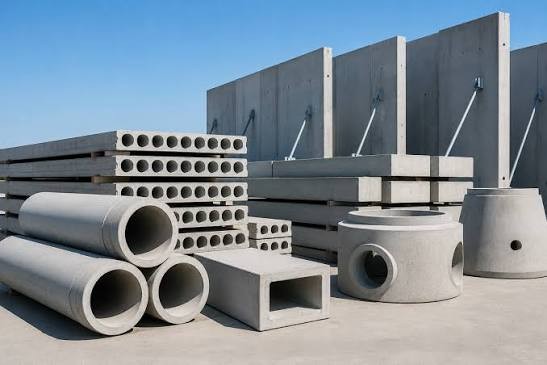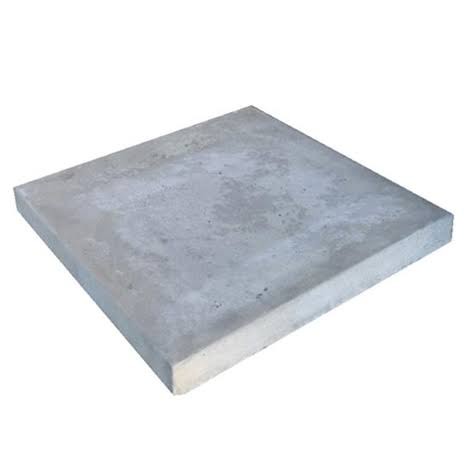
Precast concrete slabs are widely used in modern construction, landscaping and infrastructure development because of their durability, versatility and ease of installation. They provide strong, stable and attractive surfaces for outdoor spaces, including walkways, patios, driveways, garden paths, parking areas, courtyards and commercial compounds.
In Uganda, where residential developments, commercial buildings, industrial facilities and infrastructure projects continue to expand, the demand for durable outdoor construction materials is increasing. Property owners and developers need paving and surfacing solutions that can withstand regular use, changing weather conditions and demanding site environments while maintaining an attractive appearance.
Precast concrete slabs offer a practical solution for these requirements. Manufactured under controlled conditions before being transported to construction sites, these concrete products are available in different sizes, thicknesses, finishes, colours and designs to suit various applications.
Whether you are improving a residential compound, developing a commercial property, constructing pedestrian walkways or landscaping an outdoor entertainment area, selecting the right precast concrete slabs can significantly improve the functionality, appearance and durability of your project.
This guide explains everything you need to know about precast concrete slabs for outdoor landscaping and construction in Uganda, including their types, applications, benefits, manufacturing processes, installation procedures, maintenance requirements and factors to consider when choosing quality concrete slabs.
What Are Precast Concrete Slabs?
Precast concrete slabs are concrete construction products manufactured and cured in a controlled environment before being transported to the construction site for installation.
Unlike cast-in-situ concrete, which is mixed and poured directly at the project location, precast concrete slabs are produced in advance using prepared moulds and specified concrete mixes.
After production, the slabs undergo appropriate curing and quality checks to achieve the required strength, dimensions and surface finish.
They are manufactured in different configurations depending on their intended applications. Some are designed for pedestrian walkways and landscaping, while others are engineered for driveways, parking areas, platforms and structural construction.
Common characteristics of precast concrete slabs include:
- Consistent dimensions and shapes.
- Durable concrete construction.
- Different surface finishes and textures.
- Various thicknesses and sizes.
- Options for reinforced and unreinforced designs.
- Faster installation compared with extensive on-site concrete casting.
- Suitability for different outdoor construction applications.
The correct slab specification depends on the expected loading, ground conditions, environmental exposure and intended use.
Types of Precast Concrete Slabs for Outdoor Landscaping and Construction
Precast concrete slabs are available in several designs to meet different construction and landscaping requirements. Understanding the available options helps property owners and contractors select suitable products.
1. Plain Precast Concrete Slabs
Plain precast concrete slabs have simple, smooth or lightly textured surfaces without decorative patterns.
They are commonly selected for projects where functionality, strength and a clean appearance are more important than elaborate decorative finishes.
Applications include:
- Outdoor walkways.
- Residential compounds.
- Utility areas.
- Service yards.
- General outdoor paving.
- Commercial premises.
Plain concrete slabs are a practical choice for projects requiring straightforward, functional surfaces.
2. Decorative Precast Concrete Slabs
Decorative precast concrete slabs are manufactured with attractive surface patterns, colours, textures or finishes to enhance the appearance of outdoor spaces.
They provide an opportunity to combine the functional advantages of concrete with different landscaping styles.
Applications include:
- Residential patios.
- Garden pathways.
- Outdoor entertainment spaces.
- Hotel compounds.
- Commercial courtyards.
- Landscape design projects.
Decorative slabs can complement modern, traditional and contemporary architectural designs.
3. Reinforced Precast Concrete Slabs
Reinforced precast concrete slabs incorporate steel reinforcement to improve their structural performance under specified loading conditions.
They are suitable for applications where slabs must withstand greater structural demands than ordinary pedestrian landscaping products.
Applications include:
- External platforms.
- Access areas.
- Certain parking applications.
- Industrial facilities.
- Structural flooring systems.
- Specialised construction projects.
Reinforcement requirements should be determined through structural design based on slab dimensions, support conditions and anticipated loading.
4. Heavy-Duty Precast Concrete Slabs
Heavy-duty precast concrete slabs are designed for applications involving higher loads and demanding operating conditions.
Their specifications may include greater thickness, appropriate reinforcement, stronger concrete and carefully designed support arrangements.
Applications include:
- Industrial compounds.
- Loading and unloading areas.
- Warehouse yards.
- Commercial access areas.
- Service platforms.
- Selected vehicle circulation areas.
The load-bearing capacity must be verified for the intended application rather than assumed from appearance or thickness alone.
5. Textured Precast Concrete Slabs
Textured concrete slabs have specially finished surfaces designed to improve appearance and, where properly specified, provide additional slip resistance.
They are useful in outdoor environments where surface safety and aesthetics are important.
Applications include:
- Swimming pool surroundings.
- Garden walkways.
- Outdoor stair landings.
- Pedestrian pathways.
- Recreational facilities.
- Public outdoor spaces.
The surface texture should be selected according to the exposure conditions and intended use.
6. Coloured Precast Concrete Slabs
Coloured concrete slabs are manufactured using suitable pigments or decorative finishing techniques to achieve different appearances.
They can help create visually appealing outdoor spaces and complement surrounding buildings and landscaping features.
Applications include:
- Residential gardens.
- Decorative courtyards.
- Hotel landscapes.
- Commercial walkways.
- Outdoor recreational spaces.
- Architectural landscaping projects.
Pigments and finishing materials should be suitable for concrete applications and environmental exposure.
7. Large-Format Precast Concrete Slabs
Large-format concrete slabs are produced in larger dimensions than conventional small paving units.
They are commonly used in modern landscape designs where clean lines, spacious layouts and minimal visible joints are preferred.
Applications include:
- Modern patios.
- Outdoor dining spaces.
- Commercial courtyards.
- Garden terraces.
- Contemporary residential landscapes.
- Pedestrian plazas.
Because of their size and weight, large-format slabs require suitable handling equipment, proper bedding and a stable supporting base.
Applications of Precast Concrete Slabs in Outdoor Landscaping and Construction
Precast concrete slabs are versatile construction products used across residential, commercial, industrial and public infrastructure projects.
1. Residential Landscaping
Precast concrete slabs are popular in residential landscaping because they help create attractive and functional outdoor spaces.
Homeowners can use them to construct garden pathways, patios, outdoor seating areas, courtyards and access routes.
They provide organised walking surfaces while helping separate landscaped areas from other parts of a compound.
2. Garden Walkways and Pathways
Garden pathways improve accessibility and make outdoor spaces easier to navigate.
Precast concrete slabs can be arranged in straight, curved or stepping-stone layouts to create attractive walking routes.
They can also be combined with grass, gravel, decorative stones and landscaping features to achieve different designs.
3. Driveways and Vehicle Access Areas
Appropriately designed precast concrete slabs can be used in certain driveway and vehicle access applications.
However, slabs used for vehicle traffic must have adequate structural capacity, thickness, reinforcement where necessary and suitable ground support.
Proper installation is particularly important because vehicle loading can cause cracking, settlement or displacement if the supporting base is inadequate.
4. Commercial Building Compounds
Commercial properties often require durable outdoor surfaces that can accommodate pedestrians, visitors, staff and maintenance activities.
Precast concrete slabs can be installed around office buildings, retail developments, hotels and other commercial facilities.
They help create organised outdoor spaces that are easier to access and maintain.
5. Industrial Facilities and Warehouses
Industrial properties require outdoor surfaces that can support operational activities and withstand regular use.
Heavy-duty precast concrete slabs may be suitable for selected industrial applications, depending on their structural specifications.
They can be used for designated external platforms, access areas and other appropriately designed surfaces.
6. Public Walkways and Institutional Developments
Schools, hospitals, universities, churches and public institutions require reliable pedestrian surfaces.
Precast concrete slabs provide a practical option for constructing walkways, outdoor gathering spaces and landscaped areas.
Properly selected surfaces help improve accessibility and outdoor functionality.
7. Hotel and Hospitality Landscaping
Hotels, lodges, resorts and recreational facilities often invest in attractive outdoor environments to improve guest experiences.
Decorative precast concrete slabs can be used for garden paths, outdoor seating areas, courtyards, terraces and pedestrian routes.
Different colours, finishes and arrangements can complement the property’s architectural design.
8. Parking Areas and Outdoor Courtyards
Precast concrete slabs can also be used in selected parking and courtyard applications.
The appropriate product must be designed for the anticipated loads and installed on a properly prepared foundation.
Drainage must also be considered to prevent standing water and premature deterioration.
Benefits of Using Precast Concrete Slabs
Precast concrete slabs offer several advantages for outdoor landscaping and construction projects.
1. Durability and Strength
Concrete is a durable construction material capable of performing under various environmental and loading conditions when properly specified and installed.
Precast slabs manufactured using quality materials and appropriate production methods can provide long-lasting outdoor surfaces.
2. Faster Installation
Because precast slabs are manufactured before delivery, construction teams do not need to cast every individual slab on-site.
This can reduce installation time and minimise activities such as extensive formwork and on-site concrete casting.
3. Consistent Quality
Precast concrete production takes place in a controlled manufacturing environment.
This allows better control over mould dimensions, concrete batching, compaction, finishing and curing procedures.
Consistent production practices help achieve uniform products.
4. Design Flexibility
Precast concrete slabs are available in different dimensions, colours, textures and finishes.
This makes them suitable for a wide range of landscaping and architectural designs.
5. Low Maintenance Requirements
Properly manufactured and installed concrete slabs generally require less maintenance than some alternative outdoor surfacing materials.
Routine cleaning, joint maintenance and occasional repairs can help preserve their appearance and performance.
6. Resistance to Outdoor Conditions
Quality concrete slabs can withstand outdoor exposure when their concrete mix, curing, detailing and installation are appropriate for the environmental conditions.
Proper drainage and surface finishing are important for limiting water-related deterioration.
7. Ease of Replacement
Individual precast slabs can often be lifted and replaced without removing an entire paved area.
This is particularly useful for installations involving modular slab layouts and accessible joints.
8. Improved Property Appearance
Decorative and well-arranged concrete slabs can improve the appearance of gardens, courtyards, walkways and building compounds.
They help create neat and organised outdoor environments.
9. Versatility Across Construction Projects
Precast concrete slabs can be used in residential, commercial, industrial, institutional and selected infrastructure projects.
Their availability in different specifications makes them adaptable to varying construction requirements.
Precast Concrete Slabs vs Cast-in-Situ Concrete: Which Is Better?
Precast and cast-in-situ concrete are both widely used construction methods. The most appropriate option depends on the project requirements, design, budget and construction conditions.
| Feature | Precast Concrete Slabs | Cast-in-Situ Concrete |
|---|---|---|
| Production | Manufactured before delivery | Poured at the construction site |
| Installation | Positioned on a prepared base or supports | Placed and finished on-site |
| Construction speed | Often faster for repetitive layouts | Requires casting and curing on-site |
| Quality control | Controlled manufacturing environment | Depends heavily on site controls |
| Design flexibility | Available in specified sizes and finishes | Can be formed into customised shapes |
| Site requirements | Requires transport and handling | Requires mixing, placement and curing facilities |
| Replacement | Individual units may be replaceable | Repairs may require cutting or breaking concrete |
| Best suited for | Modular paving and specified structural applications | Continuous surfaces and customised concrete works |
Which should you choose?
Precast concrete slabs are particularly suitable for outdoor landscaping, modular paving and construction projects requiring consistent dimensions and efficient installation.
Cast-in-situ concrete may be more appropriate where continuous surfaces, complex geometries or customised on-site construction are required.
The decision should be based on the intended application and engineering requirements.
How Precast Concrete Slabs Are Manufactured
The quality of precast concrete slabs depends significantly on the materials, production process and curing procedures used during manufacturing.
The typical manufacturing process involves the following stages.
Step 1: Material Selection
Suitable raw materials are selected before production begins.
These commonly include:
- Cement.
- Clean sand.
- Graded coarse aggregates, where required.
- Clean mixing water.
- Approved admixtures, where specified.
- Reinforcement steel for designed reinforced products.
Material quality should comply with the applicable project specifications.
Step 2: Concrete Mix Design
The concrete mix is prepared according to the required strength, workability, durability and intended application.
The mix proportions should be controlled rather than estimated casually.
Step 3: Mould Preparation
Moulds are cleaned, inspected and prepared for concrete placement.
The mould determines the dimensions, shape and surface characteristics of the finished slab.
Step 4: Concrete Mixing
The selected materials are accurately batched and mixed to achieve a uniform concrete mixture.
Consistent mixing is important for achieving reliable product quality.
Step 5: Concrete Placement and Compaction
The concrete is placed into the prepared moulds.
Appropriate compaction methods are used to reduce air voids and improve the density and quality of the finished product.
Step 6: Reinforcement Installation
Where reinforced slabs are required, the specified reinforcement is positioned in accordance with the approved design.
Correct reinforcement placement and concrete cover are important for structural performance and durability.
Step 7: Finishing
The exposed surface is finished according to the required product specification.
Finishes may include smooth, textured, decorative or coloured surfaces.
Step 8: Curing
The slabs undergo appropriate curing to support cement hydration and strength development.
Curing methods and duration depend on the concrete specification and production conditions.
Step 9: Quality Inspection
Finished slabs are inspected to check their dimensions, surface quality, visible defects and compliance with relevant specifications.
Strength testing should be undertaken where required by the product specification and quality-control programme.
Step 10: Storage and Transportation
After achieving the required handling strength, the slabs are stored and transported carefully to prevent cracking, chipping and other damage.
Step-by-Step Installation of Precast Concrete Slabs
Proper installation is essential for ensuring that precast concrete slabs remain stable, attractive and durable.
Although installation methods vary according to the application, the following procedure provides a general guide for outdoor landscaping and paving projects.
Step 1: Site Assessment and Planning
The installation process begins with an assessment of the proposed area.
Important considerations include:
- Existing ground conditions.
- Soil stability.
- Intended use of the paved surface.
- Expected pedestrian or vehicle loading.
- Surface levels and gradients.
- Drainage requirements.
- Slab dimensions and thickness.
- Accessibility for transportation and installation.
The site assessment helps determine the most suitable installation method.
Step 2: Setting Out the Area
The installation area is measured and marked according to the approved layout.
Accurate setting out helps achieve straight edges, consistent spacing and the desired paving arrangement.
Step 3: Excavation and Ground Preparation
The existing surface is excavated to the required depth.
The depth depends on slab thickness, bedding material, sub-base requirements and anticipated loading.
Unsuitable soil and organic materials should be removed.
Step 4: Subgrade Compaction
The exposed ground is prepared and compacted to provide a stable foundation.
Where weak or unsuitable soils are encountered, additional ground improvement may be necessary.
Proper compaction helps reduce future settlement and movement.
Step 5: Installation of the Sub-Base
A suitable granular sub-base may be installed depending on the application and ground conditions.
The material is spread in layers and compacted to provide a stable supporting foundation.
Vehicle-access areas generally require more demanding foundation preparation than ordinary pedestrian pathways.
Step 6: Preparation of the Bedding Layer
A suitable bedding layer is installed according to the slab system and design.
Depending on the application, this may involve a specified sand bed, mortar bed or another engineered support arrangement.
The bedding must provide uniform support and accommodate the required levels.
Step 7: Positioning the Precast Concrete Slabs
The slabs are carefully positioned according to the planned layout.
Installers should maintain the required spacing, alignment and surface levels.
Large or heavy slabs may require suitable lifting and handling equipment.
Step 8: Levelling and Jointing
Each slab is checked to ensure that it is properly supported and aligned.
Joints are completed using the specified materials and detailing.
The jointing method should be suitable for the intended slab installation and expected movement.
Step 9: Drainage and Surface Finishing
The completed surface should have appropriate falls to direct water towards designated drainage points.
Drainage channels, gullies or other stormwater management components should be integrated where required.
Poor drainage can lead to water accumulation, staining, movement and premature deterioration.
Step 10: Final Inspection
The completed installation is inspected for:
- Alignment and spacing.
- Surface level differences.
- Slab stability.
- Cracks and chipped edges.
- Joint quality.
- Drainage performance.
- Compliance with the intended loading requirements.
Any installation defects should be corrected before the area is handed over.
Factors to Consider When Choosing Precast Concrete Slabs in Uganda
Selecting the right precast concrete slabs requires more than comparing prices. Property owners, developers and contractors should consider the following factors.
1. Intended Application
Determine whether the slabs will be used for pedestrian walkways, gardens, patios, driveways, parking areas or industrial surfaces.
Different applications require different concrete specifications and installation methods.
2. Slab Thickness
Slab thickness influences structural capacity and suitability for particular applications.
Pedestrian landscaping slabs may have different thickness requirements from slabs designed for vehicle loading.
The appropriate thickness should be established based on engineering requirements and support conditions.
3. Concrete Strength
Concrete strength is an important consideration when selecting slabs for construction and outdoor paving.
Ask about the specified concrete strength and whether suitable quality-control testing is available.
4. Reinforcement Requirements
Some slabs require steel reinforcement depending on their dimensions, support conditions and anticipated loads.
Reinforcement should be specified through appropriate engineering design.
5. Surface Finish
Choose a surface finish that complements the property’s design and intended use.
Outdoor surfaces should also provide suitable slip resistance, especially in areas exposed to rainwater.
6. Dimensions and Design
Consider the dimensions, shape and appearance of the slabs.
Consistent dimensions simplify installation and help achieve a professional finish.
7. Ground Conditions
The soil beneath the slabs influences the stability and performance of the completed installation.
Weak or poorly compacted ground may require additional foundation preparation.
8. Drainage Requirements
Outdoor paving should be designed to prevent water accumulation.
Consider the natural direction of water flow, surface gradients and connections to drainage systems.
9. Quality of Manufacturing
Examine the slabs for visible cracks, inconsistent dimensions, damaged edges and poor surface finishing.
Reliable production processes and appropriate curing are important indicators of product quality.
10. Transportation and Handling
Precast concrete slabs can be heavy and vulnerable to damage if handled incorrectly.
Consider delivery arrangements, loading equipment, transport distance and safe offloading.
11. Overall Project Cost
Compare the total installed cost rather than the unit price alone.
The overall budget may include:
- Concrete slabs.
- Transportation and delivery.
- Excavation.
- Sub-base materials.
- Bedding materials.
- Installation labour.
- Cutting and finishing.
- Drainage provisions.
- Maintenance requirements.
Precast Concrete Slab Prices in Uganda: What Determines the Cost?
The cost of precast concrete slabs in Uganda varies depending on the product specification, manufacturing process, intended application and quantity required.
There is no single price suitable for every project because different slabs have different dimensions, thicknesses, finishes and structural requirements.
The following factors influence the overall cost.
1. Slab Dimensions
Larger slabs generally require more concrete and may involve additional handling and transportation considerations.
2. Slab Thickness
Thicker slabs use more concrete and may require additional reinforcement depending on their intended application.
3. Concrete Grade
Higher specified concrete strength may require different mix proportions and production controls, affecting manufacturing costs.
4. Reinforcement
Reinforced concrete slabs generally involve additional materials, fabrication and production processes.
5. Surface Finishing
Decorative finishes, colours and specialised textures can influence manufacturing costs.
6. Order Quantity
The total quantity required can influence production planning, transportation and delivery costs.
7. Transportation Distance
Delivery costs depend on the distance between the manufacturing location and construction site, as well as loading and offloading requirements.
8. Installation Requirements
Projects involving excavation, extensive sub-base preparation, difficult access or specialised lifting equipment may require higher installation budgets.
How to obtain an accurate quotation
Before requesting a quotation, establish the approximate area to be covered, intended application, required slab dimensions and project location.
Where possible, provide drawings or photographs of the proposed installation area.
A site assessment and clear product specifications help contractors prepare more accurate cost estimates.
Common Problems with Precast Concrete Slabs and How to Prevent Them
Although precast concrete slabs are durable construction products, poor manufacturing, inadequate installation and insufficient maintenance can lead to problems.
1. Cracking
Cracking may result from excessive loading, inadequate slab design, poor concrete quality, handling damage or uneven ground support.
Prevention: Select slabs designed for the intended loads, prepare stable foundations and handle products carefully.
2. Uneven Settlement
Slabs may become uneven when the supporting soil or sub-base is poorly prepared or inadequately compacted.
Prevention: Remove unsuitable soil, install an appropriate sub-base and compact the foundation properly.
3. Water Accumulation
Poor surface gradients can cause rainwater to collect on paved surfaces.
Prevention: Incorporate appropriate drainage gradients and connect the paved area to suitable stormwater drainage infrastructure.
4. Slab Movement
Individual slabs may move when bedding materials are inadequate, joints are poorly detailed or the foundation is unstable.
Prevention: Use the correct bedding system, provide uniform support and follow the specified installation procedure.
5. Surface Deterioration
Poor concrete quality, inadequate curing and unsuitable environmental exposure conditions may contribute to surface deterioration.
Prevention: Purchase quality-manufactured products and follow appropriate concrete specifications and curing practices.
6. Edge Chipping
Concrete slab edges may become damaged during transportation, storage, installation or heavy use.
Prevention: Use suitable handling equipment and protect slabs during delivery and installation.
Maintenance of Precast Concrete Slabs
Regular maintenance helps preserve the appearance, stability and service life of precast concrete slab installations.
Recommended maintenance activities include:
- Sweeping and washing outdoor surfaces.
- Removing accumulated soil and organic debris.
- Inspecting slabs for cracks and chipped edges.
- Checking for uneven settlement.
- Replacing damaged individual slabs where practical.
- Maintaining joints and jointing materials.
- Clearing nearby drainage channels.
- Removing weeds growing between joints.
- Avoiding loads beyond the slab’s design capacity.
- Inspecting surfaces after heavy rainfall.
For commercial and industrial installations, a planned inspection and maintenance programme is particularly important.
How to Identify Quality Precast Concrete Slabs
Choosing quality products is essential for achieving durable outdoor surfaces and reliable construction results.
Before purchasing precast concrete slabs, consider the following checks:
Consistent dimensions: Slabs should have dimensions that meet the specified tolerances.
Good surface finish: The surfaces should be free from significant defects, excessive voids and poor finishing.
No major visible cracks: Inspect products for cracks that may compromise their performance.
Proper curing: Confirm that the manufacturer follows suitable curing procedures.
Appropriate strength specification: Ensure the product is suitable for the anticipated loading conditions.
Sound edges and corners: Check for damage that may affect installation and appearance.
Suitable reinforcement: Where reinforcement is required, verify that it follows the approved design.
Reliable supplier: Choose a supplier or manufacturer capable of providing consistent quality and clear product specifications.
Where structural performance is important, request relevant test results and product documentation.
Why Professional Installation Matters
Even high-quality precast concrete slabs can fail prematurely when installation is poorly executed.
An inadequate foundation, incorrect bedding, poor alignment and insufficient drainage can reduce the performance and service life of the completed surface.
Professional installation helps ensure that:
- The ground is properly assessed.
- Excavation depths are appropriate.
- Sub-base materials are correctly selected.
- Foundations are adequately compacted.
- Slabs are positioned accurately.
- Joints are properly completed.
- Surface levels and drainage gradients are maintained.
- The finished installation meets project requirements.
Working with experienced construction professionals helps reduce avoidable installation defects and protects the long-term value of your investment.
Why Choose Daltrevco for Concrete and Outdoor Construction Solutions?
Choosing the right construction partner is important when planning outdoor landscaping, paving and infrastructure improvements.
Daltrevco provides construction solutions in Uganda for clients undertaking residential, commercial, industrial and infrastructure development projects.
From concrete construction and outdoor improvements to broader civil works, successful project delivery requires proper planning, suitable materials and quality workmanship.
When planning a project involving precast concrete slabs, it is important to consider the intended application, slab specifications, ground conditions, drainage requirements and installation method.
Daltrevco can help you assess your construction requirements and identify appropriate solutions for your project.
Whether you are developing a residential compound, improving a commercial property, constructing outdoor walkways or undertaking broader site development, professional construction planning helps achieve durable and functional results.
Contact Daltrevco to discuss your construction project and request guidance on suitable construction solutions.
Frequently Asked Questions About Precast Concrete Slabs
1. What are precast concrete slabs used for?
Precast concrete slabs are used for outdoor landscaping, walkways, patios, garden paths, courtyards, platforms, selected driveway applications and various construction projects. Their specific applications depend on their dimensions, structural specifications and installation requirements.
2. Are precast concrete slabs suitable for outdoor use?
Yes. Properly manufactured precast concrete slabs are suitable for many outdoor applications. Their durability depends on concrete quality, curing, environmental exposure, drainage and correct installation.
3. What is the difference between precast and ordinary concrete slabs?
Precast concrete slabs are manufactured in moulds before being transported to the construction site. Ordinary cast-in-situ concrete slabs are formed and poured directly at the project location.
4. Are precast concrete slabs strong?
Yes. Precast concrete slabs can provide considerable strength when manufactured using appropriate materials, mix designs, compaction and curing procedures. Their load-bearing capacity depends on their dimensions, reinforcement and support conditions.
5. Can precast concrete slabs be used for driveways?
Yes, but the slabs must be specifically designed and installed for vehicle loading. Adequate thickness, reinforcement where required, sub-base preparation and uniform support are essential.
6. Can precast concrete slabs be used for garden landscaping?
Yes. They are suitable for garden pathways, patios, stepping-stone arrangements, seating areas and decorative outdoor spaces.
7. How long do precast concrete slabs last?
Their service life depends on concrete quality, manufacturing standards, installation workmanship, loading conditions, drainage and maintenance. Properly manufactured and installed slabs can provide many years of service.
8. Are precast concrete slabs cheaper than cast-in-situ concrete?
The cost depends on the project size, product specifications, transportation, installation requirements and site conditions. Precast slabs may reduce on-site construction time, but a project-specific cost comparison is necessary to determine the more economical option.
9. Do precast concrete slabs require reinforcement?
Not all precast concrete slabs require steel reinforcement. The need for reinforcement depends on slab dimensions, structural requirements, support conditions and anticipated loading.
10. How are precast concrete slabs installed?
Installation generally involves site preparation, excavation, ground compaction, sub-base installation where required, bedding preparation, slab positioning, jointing, levelling and final inspection.
11. Can damaged precast concrete slabs be replaced?
Yes. Individual slabs can often be removed and replaced without reconstructing the entire paved area, particularly when installed as a modular paving system.
12. What determines precast concrete slab prices in Uganda?
Prices depend on slab dimensions, thickness, concrete strength, reinforcement, surface finish, quantity, transportation and installation requirements.
13. How do I choose the right precast concrete slabs for my project?
Start by identifying the intended application and expected loading. Consider slab dimensions, thickness, concrete strength, surface finish, ground conditions, drainage and the manufacturer’s quality standards.
14. Are precast concrete slabs suitable for commercial properties?
Yes. They can be used in commercial walkways, courtyards, landscaped spaces, outdoor seating areas and appropriately designed access surfaces.
Conclusion: Choose Quality Precast Concrete Slabs for Durable Outdoor Construction
Precast concrete slabs provide a versatile and durable solution for outdoor landscaping and construction projects in Uganda. Their consistent dimensions, different surface finishes, installation flexibility and suitability for various applications make them valuable materials for residential, commercial, industrial and institutional developments.
From decorative garden pathways and residential patios to commercial walkways, courtyards and selected heavy-duty outdoor surfaces, precast concrete slabs can improve both the functionality and appearance of developed spaces.
However, achieving long-lasting results requires selecting the right slab specifications, using quality concrete products, preparing stable foundations, ensuring proper installation and providing effective drainage.
For homeowners, property developers, contractors and institutions planning outdoor construction projects, investing in quality precast concrete slabs is a practical way to improve property functionality and long-term durability.
Are you planning an outdoor landscaping, paving or construction project in Uganda? Contact Daltrevco for professional construction solutions and assistance with your project requirements.
Daltrevco – Building Reliable Construction Solutions in Uganda.