
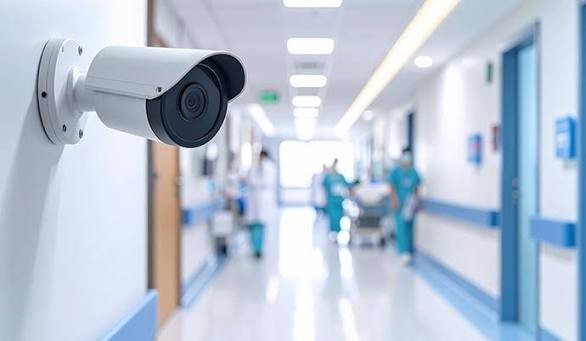
Hotels, hospitals and shopping complexes are among the busiest and most complex commercial properties to secure. They accommodate large numbers of visitors, employees, customers, patients, suppliers and contractors every day. Their different activities, operating hours and security requirements make reliable protection essential.
In Uganda, the growth of hospitality facilities, healthcare institutions, shopping centres and mixed-use commercial developments has increased the importance of professionally planned security systems. Property owners and facility managers need solutions that help monitor activities, control access, detect suspicious behaviour and protect people, buildings, equipment and valuable assets.
Security system installation for hotels, hospitals and shopping complexes involves combining appropriate technologies such as CCTV surveillance cameras, access control systems, intruder alarms, visitor management systems, perimeter security and centralised monitoring. These technologies can work independently or be integrated into a coordinated security solution, depending on the property’s requirements.
At Daltrevco, we recognise the importance of selecting security solutions that match the design, operations and protection requirements of commercial properties. This guide explains the essential security systems for hotels, hospitals and shopping complexes, how they work, where they should be installed and what property owners should consider when planning an installation.
1. Why Hotels, Hospitals and Shopping Complexes Need Professional Security Systems
Large commercial buildings have multiple entry points, restricted areas, public spaces, parking facilities and valuable equipment. Managing security manually across an entire property can be difficult, particularly where activities continue throughout the day and night.
A professionally planned security system helps improve visibility, regulate access and support faster responses to security incidents.
Protecting people and property
Hotels accommodate guests and employees, hospitals receive patients and visitors, while shopping complexes attract shoppers, tenants and service providers. CCTV cameras, alarms and access control systems help property managers monitor important areas and identify security concerns.
Controlling access to restricted areas
Not every person should have access to every part of a commercial building. Hospitals may restrict access to pharmacies, medical stores and records departments. Hotels may restrict access to staff offices, kitchens and plant rooms. Shopping centres may have secure management offices, electrical rooms and storage facilities.
Electronic access control systems help determine who can enter specific areas and when.
Monitoring activities across large premises
Large facilities can contain numerous corridors, entrances, staircases, loading bays and parking areas. CCTV surveillance makes it easier for authorised security personnel to monitor selected locations from a central monitoring point.
Improving incident investigation
Recorded CCTV footage and access logs can help authorised personnel review events, establish timelines and investigate reported incidents, subject to applicable privacy and data protection requirements.
Supporting business continuity
Security incidents can disrupt operations, damage property and affect customer confidence. Integrated security solutions can help identify potential problems and support more organised incident management.
2. Essential Security Systems for Hotels, Hospitals and Shopping Complexes
A complete commercial security solution may combine several technologies. The final selection should depend on the property’s size, layout, security risks, operational requirements and available infrastructure.
A. CCTV Camera Installation and Surveillance Systems
<PRIVATE_PERSON>
CCTV surveillance is one of the most important components of commercial property security. It allows authorised personnel to monitor selected areas and review recorded footage when investigating incidents.
Modern CCTV systems may use analogue high-definition cameras or IP network cameras, depending on the installation requirements.
Important CCTV installation areas include:
- Main entrances and exits.
- Reception and customer service areas.
- Corridors and common walkways.
- Parking areas and vehicle entrances.
- Loading and delivery zones.
- Building perimeters.
- Staircases and selected lift lobby areas.
- Cash handling and transaction areas.
- Storage facilities and restricted operational areas.
Important CCTV features include:
- High-resolution video recording.
- Infrared or low-light surveillance.
- Motion-based recording.
- Remote viewing where supported.
- Video analytics where appropriate.
- Network video recording and storage.
- Centralised monitoring.
- Secure user permissions.
Camera placement should be carefully planned to provide useful coverage without creating unnecessary blind spots. Camera resolution, lens selection, lighting, viewing angle and storage capacity should all be considered.
CCTV cameras should also be positioned responsibly in areas where privacy is expected. Sensitive locations such as hospital examination rooms, toilets, changing rooms and private accommodation areas require particular care and should not be treated like ordinary surveillance zones.
B. Electronic Access Control Systems
Access control systems regulate who can enter particular rooms, departments, buildings or restricted operational areas.
They are particularly useful in hotels, hospitals and shopping complexes where employees, contractors, visitors and customers have different access requirements.
Common access control technologies include:
- RFID card readers.
- Keypad access systems.
- Fingerprint biometric readers.
- Facial recognition access systems.
- Electronic door locks.
- Smart card access systems.
- Turnstile access control.
- Vehicle access control.
- Centralised access management software.
For example, a hospital can issue authorised credentials to medical personnel, administrative staff and maintenance workers while limiting access to sensitive departments.
A hotel can use electronic access control to secure staff-only areas, offices and selected operational rooms. Shopping complexes can use access control to regulate entry into management offices, tenant service areas and technical facilities.
Access rights should be assigned according to job responsibilities and reviewed whenever employees change roles or leave an organisation.
C. Intruder Alarm Systems
Intruder alarm systems help detect unauthorised entry and suspicious activity within protected areas.
They can use different sensors to identify activity such as door opening, window opening, movement or glass breakage.
Common alarm system components include:
- Motion detectors.
- Door and window magnetic contacts.
- Glass-break detectors.
- Alarm control panels.
- Internal and external sirens.
- Panic buttons.
- Communication modules.
- Backup batteries.
In hotels, alarms can help protect administrative offices, stores and restricted service areas. Hospitals can use suitable alarm arrangements to protect pharmacies, medical stores and sensitive departments. Shopping complexes can use intruder alarms in individual shops, stockrooms, management offices and other restricted areas.
The alarm design should account for normal movement within the building to minimise false alarms.
D. Visitor Management Systems
Hotels, hospitals and shopping complexes receive different categories of visitors. Managing access manually can create congestion and make it difficult to maintain accurate visitor records.
Visitor management systems help organise visitor registration, authorisation and access procedures.
Depending on the software and hardware selected, a visitor management system may support:
- Visitor registration.
- Host or department identification.
- Visitor badge printing.
- Appointment verification.
- Visitor entry and exit records.
- Contractor registration.
- Access authorisation.
- Integration with compatible access control systems.
In hospitals, visitor management can support controlled access to sensitive departments. Hotels may use it for contractors, suppliers and authorised service personnel. Shopping complexes can use it for delivery personnel, maintenance teams and other authorised visitors.
Visitor records should be collected and retained responsibly, with appropriate access restrictions and data protection measures.
E. Perimeter Security Systems
Perimeter security protects the external boundaries of a property before an intruder reaches the main building.
This is particularly important for large hospitals, hotels with extensive grounds and shopping complexes with outdoor parking or delivery areas.
Possible perimeter security solutions include:
- Electric fence security systems.
- Outdoor motion sensors.
- Infrared beam detectors.
- Perimeter CCTV cameras.
- Security lighting.
- Gate access control.
- Vehicle barriers.
- Fence-mounted intrusion detection systems.
The appropriate solution depends on the property’s boundary design, surrounding environment, terrain and security risks.
Perimeter security should be planned alongside the building’s CCTV and alarm systems to provide coordinated detection and monitoring.
F. Intercom and Video Door Phone Systems
Intercom systems help security personnel and reception teams communicate with people seeking entry into controlled areas.
Audio intercoms allow voice communication, while video door phone systems also provide a visual view of the person requesting access.
They can be useful at:
- Staff entrances.
- Delivery entrances.
- Hospital service departments.
- Hotel staff access points.
- Management offices.
- Restricted building entrances.
- Security gates and reception areas.
Some systems support remote communication or door release, depending on their configuration and compatibility with electronic locking equipment.
3. Security System Installation for Hotels
Hotels require security systems that protect guests, employees, property and operational facilities without unnecessarily affecting the guest experience.
Security planning should consider reception areas, guest access, parking facilities, restaurants, conference spaces, staff entrances and restricted service areas.
Recommended hotel security systems
1. CCTV surveillance
Cameras can be installed at main entrances, reception areas, corridors, parking facilities, loading zones and selected public areas. Their placement should respect guest privacy.
2. Electronic hotel door locks
Electronic door locks help regulate access to guest rooms and selected restricted areas. Depending on the chosen solution, hotels may use key cards, mobile credentials or other electronic access technologies.
3. Staff access control
Access control can help restrict entry to offices, kitchens, laundry rooms, stores, maintenance areas and management departments.
4. Intruder alarm systems
Alarm sensors can protect stores, offices and restricted operational areas, particularly when the hotel is less active.
5. Parking and vehicle access control
Boom barriers, automatic gates and vehicle access systems can help regulate entry into hotel parking facilities.
6. Centralised security monitoring
A central monitoring station can allow authorised security personnel to view selected CCTV feeds, receive alerts and coordinate responses.
Important considerations when securing hotels
Hotel security should balance protection with convenience and hospitality. Systems should be easy for authorised employees to operate and should not create unnecessary delays for guests.
Electronic locks must also be selected and configured with appropriate emergency access and evacuation arrangements. Security systems should complement the hotel’s fire safety and emergency procedures rather than interfere with them.
4. Security System Installation for Hospitals and Healthcare Facilities
Hospitals have specialised security requirements because they accommodate patients, medical personnel, visitors, suppliers and emergency service providers.
They also contain sensitive departments, expensive medical equipment, pharmaceutical supplies and confidential information.
Security systems should protect these areas while supporting patient care, emergency access and privacy.
Recommended hospital security systems
1. CCTV surveillance in appropriate areas
CCTV cameras can monitor main entrances, reception areas, corridors, parking facilities, pharmacy access points and selected administrative areas.
Camera placement must be carefully considered to avoid inappropriate surveillance in examination rooms, treatment areas, toilets and other private spaces.
2. Access control for restricted departments
Electronic access control can help regulate entry into:
- Pharmacies and medicine stores.
- Medical records departments.
- Laboratories.
- Server and IT rooms.
- Administrative offices.
- Equipment storage rooms.
- Staff-only departments.
Access permissions should reflect staff responsibilities and operational needs.
3. Panic alarm systems
Suitable panic alarm or emergency alert systems can help authorised staff request assistance in designated locations. Their design should consider who receives the alert and how personnel are expected to respond.
4. Visitor management systems
Hospitals can use visitor management solutions to organise visitor registration and support controlled entry into selected departments.
5. Perimeter and parking security
CCTV, outdoor sensors, security lighting and controlled vehicle entrances can improve monitoring around hospital grounds.
6. Centralised monitoring
A central security monitoring point can help authorised personnel coordinate surveillance across multiple buildings, entrances and departments.
Special hospital security considerations
Hospital security installation requires careful coordination with clinical and operational teams.
Important considerations include:
- Maintaining emergency access for ambulances and authorised medical personnel.
- Avoiding delays in patient movement.
- Protecting confidential patient information.
- Restricting access to sensitive departments.
- Providing suitable access arrangements for staff working different shifts.
- Ensuring electronic locks do not obstruct emergency evacuation.
- Planning backup power for essential security equipment.
- Considering accessibility requirements for patients and visitors.
A security solution should support healthcare operations rather than create additional barriers to patient care.
5. Security System Installation for Shopping Complexes and Shopping Malls
Shopping complexes bring together shoppers, retail businesses, restaurants, service providers, employees, delivery teams and property management personnel.
Their open public environments and multiple access points create different security challenges from those found in offices or residential buildings.
A suitable security system should provide visibility across public spaces while protecting restricted facilities and individual business premises.
Recommended shopping complex security systems
1. CCTV surveillance across public areas
Cameras can monitor:
- Main entrances and exits.
- Shopping walkways.
- Parking areas.
- Food courts.
- Escalator and lift lobby areas.
- Loading and delivery zones.
- Building perimeters.
- Selected common service areas.
CCTV placement should be planned to provide useful coverage while respecting privacy and applicable data protection requirements.
2. Access control for management and service areas
Electronic access control can protect management offices, electrical rooms, server rooms, maintenance facilities, stockrooms and other restricted spaces.
3. Vehicle access control systems
Boom barriers, automatic gates and compatible vehicle identification technologies can help manage vehicle entry and exit at parking facilities.
4. Intruder alarm systems
Individual retail units, stockrooms, management offices and selected storage areas may require alarm protection.
5. Perimeter intrusion detection
Outdoor sensors, perimeter CCTV and suitable boundary protection can help identify suspicious activity around the shopping complex.
6. Centralised security monitoring
A central security control room can help authorised personnel monitor multiple cameras and receive alerts from compatible security systems.
Managing security across multiple tenants
Shopping complexes often accommodate several independent businesses. Security planning should establish clear responsibilities between the property management team and individual tenants.
For example, common-area CCTV may be managed centrally, while individual shops may have their own alarm systems and internal cameras.
The installation should define which systems are shared, which are independently operated and who is authorised to access recordings or security information.
6. Integrated Security Systems for Large Commercial Properties
Installing CCTV, alarms and access control as completely separate systems may create challenges for security management.
An integrated security solution connects compatible technologies so that authorised personnel can manage important security functions more efficiently.
For example, when an access-controlled door is forced open, a compatible integrated system may generate an alarm, display a nearby camera feed and record the event for later investigation.
Benefits of integrated security systems
- Coordinated monitoring of different security technologies.
- Faster identification of security events.
- Centralised management of compatible devices.
- Better visibility across multiple departments.
- Improved access management.
- Easier review of security incidents.
- More organised security reporting.
- Potential reduction in duplicated monitoring tasks.
Integration capabilities depend on equipment compatibility, supported communication interfaces, software and system configuration. Not every CCTV camera, alarm panel or access controller can automatically communicate with another manufacturer’s equipment.
Before installation, the system designer should confirm that the selected products support the intended integration functions.
7. Centralised Security Monitoring for Hotels, Hospitals and Shopping Complexes
Large facilities may have dozens or hundreds of security cameras and multiple access-controlled areas.
Centralised monitoring provides an organised location where authorised personnel can oversee selected security activities.
A monitoring room may include:
- CCTV monitoring screens.
- Video management software.
- Alarm monitoring interfaces.
- Access control management software.
- Network video recorders or recording servers.
- Communication equipment.
- Security event management tools.
- Appropriate backup power.
The monitoring arrangement should be designed around the number of cameras, operator responsibilities, building layout and expected security activities.
For multi-building facilities, monitoring may be organised by department, building, floor or security zone.
Centralised monitoring does not eliminate the need for trained security personnel, clear procedures or physical security measures. It provides tools to support their work.
8. How to Plan a Security System Installation for Large Commercial Buildings
Successful security installation begins with proper planning. Installing cameras and access control devices without understanding the property’s risks can result in blind spots, poor coverage, unnecessary equipment and operational difficulties.
The following steps help guide the planning process.
Step 1: Conduct a security risk assessment
Begin by identifying the property’s security concerns.
Consider:
- Number of entrances and exits.
- Public and restricted areas.
- Building occupancy.
- Operating hours.
- Parking and delivery facilities.
- Valuable equipment and inventory.
- Existing security infrastructure.
- Areas requiring controlled access.
- Previous security incidents, where relevant.
The assessment helps determine which security technologies are appropriate.
Step 2: Review the building layout
Study the architectural drawings, floor plans, access routes and external boundaries.
Identify suitable locations for cameras, access readers, alarm sensors, control panels, communication equipment and monitoring stations.
For existing buildings, a physical site inspection can help identify installation challenges such as cable routes, structural obstructions and available power supplies.
Step 3: Divide the property into security zones
Different parts of a commercial property require different levels of protection.
For example:
| Security zone | Recommended systems |
|---|---|
| Main entrances | CCTV, access control and visitor management |
| Reception areas | CCTV and visitor registration |
| Corridors and public spaces | Appropriate CCTV surveillance |
| Staff-only areas | Electronic access control and CCTV where appropriate |
| Pharmacies and medical stores | Restricted access control and suitable monitoring |
| Hotel guest access areas | CCTV in appropriate common areas and electronic room locks |
| Shopping complex parking | CCTV, lighting and vehicle access control |
| Loading and delivery areas | CCTV, access control and suitable alarms |
| Server and electrical rooms | Restricted access control and suitable intrusion detection |
| External boundaries | Perimeter CCTV, sensors and appropriate boundary protection |
Step 4: Select suitable equipment
Choose equipment according to the property’s requirements.
For CCTV, consider resolution, viewing angle, lighting conditions, recording capacity, network compatibility and environmental protection.
For access control, consider the number of users, credentials, door types, operating schedules and emergency egress requirements.
For alarms, consider the areas being protected, sensor types, communication methods and expected response procedures.
Step 5: Plan network infrastructure and power supply
IP CCTV cameras and many modern access control systems depend on network infrastructure.
The design should account for:
- Network switches and available ports.
- Ethernet cable routes.
- Power over Ethernet requirements.
- Bandwidth capacity.
- Network security.
- Recording storage.
- Backup power.
- Equipment room conditions.
Where appropriate, security devices should be placed on properly configured network segments with restricted access. Simply creating a separate network does not guarantee cybersecurity; firewalls, access permissions and secure device configuration are also important.
Step 6: Install and configure the equipment
Installation involves mounting devices, running cables, connecting equipment, configuring software and establishing user permissions.
The work should be coordinated with building management to minimise disruption to hotel guests, patients, shoppers and other occupants.
Step 7: Test and commission the system
Before handover, test the installed systems under realistic operating conditions.
Testing should include:
- CCTV image quality and camera coverage.
- Day and night camera performance.
- Recording and playback.
- Access card or biometric credential operation.
- Door locking and release functions.
- Alarm sensor detection.
- Alert communication.
- Network connectivity.
- Backup power operation.
- Compatible system integrations.
The property management team should receive appropriate operational instructions and system documentation.
9. Security System Installation for New and Existing Commercial Buildings
Security requirements should be considered early in the building development process.
Security installation in new buildings
For new hotels, hospitals and shopping complexes, security planning can be incorporated into the architectural and electrical design stages.
This makes it easier to plan:
- Concealed cable routes.
- Camera mounting locations.
- Equipment rooms.
- Network cabinets.
- Access-controlled doors.
- Power supply points.
- Monitoring rooms.
- Perimeter protection infrastructure.
Early planning can reduce the need for disruptive modifications after construction is complete.
Security upgrades in existing buildings
Existing properties may require upgrades to replace outdated equipment, improve camera coverage or introduce electronic access control.
A site assessment should identify which existing devices and cables can be retained and which need replacement.
Where possible, the installation can be completed in phases to reduce disruption to daily operations.
10. Common Security System Installation Mistakes to Avoid
Poor planning and incorrect equipment selection can reduce the effectiveness of even an expensive security system.
Common mistakes include:
1. Installing cameras without a coverage plan
Cameras may leave important entrances, corridors or parking areas unmonitored. Each camera should have a defined purpose and suitable viewing position.
2. Ignoring lighting conditions
Cameras installed in poorly lit areas may produce footage with insufficient detail. Select cameras and lighting arrangements according to the actual environment.
3. Choosing unsuitable access control technology
A card reader, biometric device or electronic lock should match the building’s operational needs and door requirements.
4. Failing to plan storage capacity
CCTV recording storage should be calculated according to the number of cameras, resolution, frame rate, compression settings, recording schedules and required retention period.
5. Ignoring backup power
Power interruptions can affect cameras, recorders, access controllers, network switches and alarms. Backup arrangements should be designed around the required equipment load and operating duration.
6. Overlooking cybersecurity
IP cameras, recorders and access control software can create network vulnerabilities if poorly configured. Strong passwords, firmware updates, restricted permissions and secure remote access are important.
7. Neglecting maintenance
Dust, moisture, loose connections, damaged cables, ageing batteries and software problems can affect system performance.
8. Failing to consider privacy
CCTV footage, visitor records, biometric information and access logs may contain personal data. Surveillance and data handling should comply with Uganda’s Data Protection and Privacy Act, 2019, and applicable regulations.
11. How Much Does Security System Installation Cost in Uganda?
The cost of installing security systems in hotels, hospitals and shopping complexes varies according to the property’s size, design, equipment requirements and level of integration.
A small hotel, a multi-storey hospital and a large shopping complex will have very different installation requirements.
Rather than relying on a general price estimate, property owners should consider the following cost factors.
Main factors affecting installation costs
Property size: Larger buildings may require more cameras, access readers, alarm sensors and network infrastructure.
Number of security devices: The number and type of cameras, electronic locks, sensors, barriers and other components affect the total equipment cost.
Equipment quality and specifications: Camera resolution, low-light performance, storage capacity, access control features and software capabilities influence equipment selection.
Building design: Complex structures, long cable routes, multiple floors and difficult installation locations can increase labour and infrastructure requirements.
Network infrastructure: IP-based systems may require switches, structured cabling, network cabinets, configuration and additional bandwidth planning.
Integration requirements: Connecting CCTV, alarms, access control and visitor management may require compatible equipment, software and additional configuration.
Backup power: UPS systems and other suitable backup arrangements add to the project requirements.
Maintenance and support: Ongoing inspections, servicing, repairs, software updates and replacement components should be considered when planning the long-term budget.
Why a site assessment is important
A professional site assessment helps establish the number of devices required, suitable installation locations, infrastructure requirements and appropriate system configuration.
It also helps avoid purchasing equipment that does not meet the property’s actual security needs.
Property owners and facility managers can contact Daltrevco to discuss their building’s requirements and explore suitable security system options.
12. Choosing the Right Security System Installation Company in Uganda
Selecting a suitable security system provider is an important part of protecting a commercial property.
Hotels, hospitals and shopping complexes require solutions that are properly planned, installed, tested and maintained.
Before engaging a provider, consider the following factors:
Understanding of commercial security requirements
The provider should understand the operational differences between hospitality facilities, healthcare institutions and retail environments.
Ability to assess the property
A proper site assessment should establish security risks, building layout, infrastructure requirements and suitable device locations.
Knowledge of different security technologies
The provider should be able to explain the advantages and limitations of CCTV, access control, alarm systems, visitor management and perimeter security.
Equipment compatibility
Where systems need to work together, the provider should confirm that the proposed devices and software support the intended integrations.
Installation quality
Cable routing, device positioning, configuration and equipment protection all contribute to long-term reliability.
Testing and commissioning
The provider should test the installed equipment and explain how the system operates.
Maintenance arrangements
Commercial security systems need regular inspection and servicing. Ask about maintenance options, repair procedures, replacement parts and support arrangements.
Documentation and training
The property management team should understand how to operate the equipment, manage authorised users and review security events.
13. Why Professional Security System Installation Matters
Security systems are only useful when they are suitable for the property and correctly installed.
Professional planning helps ensure that cameras are positioned appropriately, access control devices are configured correctly, alarm sensors cover the intended areas and network infrastructure supports the installed equipment.
It also helps reduce common installation problems such as poor camera angles, unreliable connections, incompatible devices and inadequate recording storage.
For large commercial properties, the objective should be to establish a coordinated security arrangement that supports daily operations while protecting people, assets and facilities.
14. Security System Installation Solutions from Daltrevco
Daltrevco focuses on practical building and security solutions for property owners, businesses and institutions.
Hotels, hospitals and shopping complexes require security systems that reflect their building layouts, operational activities and specific protection requirements.
When planning a new installation or upgrading an existing system, it is important to consider the relationship between CCTV surveillance, electronic access control, intruder alarms, perimeter protection and security monitoring.
Contact Daltrevco to discuss your commercial property’s security requirements and explore suitable solutions for your facility.
Whether you are planning security for a hotel, healthcare institution, shopping complex, office building or industrial facility, proper assessment and system planning are important steps towards a more organised security environment.
Frequently Asked Questions About Security System Installation for Hotels, Hospitals and Shopping Complexes
1. What security systems are needed in hotels?
Hotels may require CCTV surveillance, electronic guest room locks, staff access control, intruder alarms, visitor management, parking access control and centralised monitoring. The final selection depends on the hotel’s size, layout and operational requirements.
2. What security systems are suitable for hospitals?
Hospitals can benefit from CCTV in appropriate public areas, restricted access control, visitor management, intruder alarms, panic alert systems and perimeter security. Privacy, emergency access and patient safety must be considered throughout the design.
3. What security systems are needed in shopping complexes?
Shopping complexes commonly require CCTV surveillance, access control for restricted areas, vehicle access systems, intruder alarms, perimeter protection and centralised security monitoring.
4. Why is CCTV important in hotels and shopping malls?
CCTV helps authorised personnel monitor selected public and operational areas, identify security events and review recorded footage when investigating incidents.
5. Can CCTV cameras be installed throughout a hospital?
CCTV can be installed in suitable areas such as entrances, reception areas, corridors and parking facilities. However, camera placement must respect patient privacy and avoid inappropriate surveillance in private clinical and personal spaces.
6. What is the difference between CCTV and access control?
CCTV monitors and records selected areas, while access control regulates who can enter specific buildings, rooms or restricted areas. The technologies can be integrated when compatible equipment is used.
7. Can hotel security systems be integrated with electronic door locks?
Yes. Compatible hotel door locks and access management systems can be coordinated with other security technologies. The available functions depend on the selected equipment and software.
8. How does access control improve hospital security?
Access control helps restrict entry to sensitive departments such as pharmacies, laboratories, medical records rooms and equipment storage areas. It can also provide records of authorised access events.
9. What is a visitor management system?
A visitor management system helps register visitors, record entry and exit information, identify hosts and support controlled access to selected areas.
10. Can shopping mall CCTV cameras be monitored from one location?
Yes. A suitable centralised CCTV monitoring arrangement can allow authorised personnel to view cameras from different areas through compatible recording and video management systems.
11. What is an integrated commercial security system?
An integrated commercial security system connects compatible technologies such as CCTV, access control and intruder alarms to support coordinated monitoring and management.
12. Do commercial buildings need perimeter security?
Perimeter security is particularly useful for properties with large outdoor areas, boundary fences, parking facilities and multiple external access points. Suitable solutions may include CCTV, outdoor sensors, lighting and controlled gates.
13. Can security systems operate during power outages?
Some systems can continue operating through suitable backup power arrangements. The duration depends on the battery capacity, connected equipment load and system configuration.
14. Can CCTV cameras be accessed remotely?
Many modern CCTV systems support remote viewing through compatible applications or software. Remote access requires suitable connectivity and secure configuration.
15. How long should commercial CCTV footage be stored?
The appropriate retention period depends on the property’s operational requirements, available storage, security policies and applicable data protection obligations. Storage should be planned around these requirements.
16. What causes false alarms in commercial buildings?
False alarms can result from unsuitable sensor placement, incorrect sensitivity settings, environmental changes, equipment faults or normal building activities. Proper installation and configuration help reduce these problems.
17. How much does commercial security system installation cost in Uganda?
The cost depends on building size, equipment specifications, device quantities, cabling, network infrastructure, integration requirements and backup power. A site assessment provides a more reliable basis for preparing a quotation.
18. How often should commercial security systems be inspected?
Inspection frequency depends on the system type, operating conditions, manufacturer recommendations and the property’s risk profile. Regular checks should cover cameras, recording equipment, access controllers, alarms, power supplies and network connections.
19. Can an existing hotel or hospital upgrade its security system?
Yes. Existing facilities can upgrade cameras, recording systems, access control, alarms and network infrastructure. A site assessment helps determine which existing components can be retained and which need replacement.
20. How do I choose the best security system for a large commercial building?
Start with a security risk assessment, review the building layout, identify restricted areas and select compatible technologies that match the property’s operational needs. Also consider installation quality, cybersecurity, maintenance and future expansion.
Conclusion
Security system installation for hotels, hospitals and shopping complexes requires careful planning because these properties serve different users and have complex operational requirements.
Hotels need to protect guests, employees and operational areas. Hospitals must balance security with patient safety, privacy and emergency access. Shopping complexes need effective monitoring across public spaces, retail units, parking facilities and restricted management areas.
A well-designed solution can combine CCTV surveillance, access control, intruder alarms, visitor management, perimeter protection and centralised monitoring to support better security management.
For property developers, facility managers and business owners in Uganda, investing in appropriate security infrastructure is an important part of managing modern commercial buildings.
Contact Daltrevco to discuss suitable security system solutions for your hotel, hospital, shopping complex or other commercial property.

