
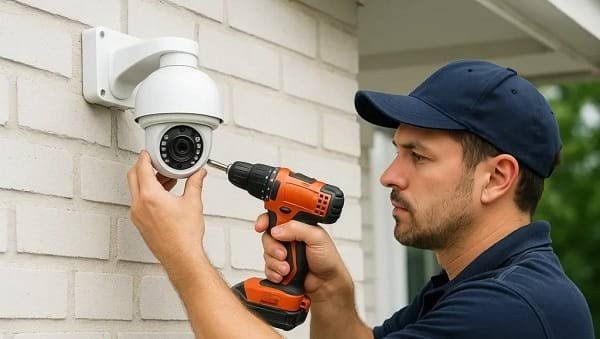
Security systems play an important role in protecting homes, offices, commercial buildings, warehouses, factories, schools, hotels and other properties. From CCTV surveillance cameras and burglar alarms to biometric access control systems and electric fences, modern security technology helps property owners monitor activities, control access and respond to potential security threats.
However, installing security equipment is only the beginning. Security systems require regular inspection, testing, servicing and occasional repairs to remain reliable. Without proper maintenance, cameras may stop recording, alarm sensors may fail to detect intrusions, access control devices may malfunction and electric fence systems may develop faults without being noticed.
This is why security system maintenance contracts in Uganda are becoming an important consideration for businesses, institutions and property owners seeking consistent protection.
A security system maintenance contract establishes an agreed arrangement between a property owner and a qualified security systems service provider to inspect, maintain and support installed security equipment over a defined period.
Whether you manage an office building in Kampala, a warehouse in an industrial area, a residential estate in Wakiso or a commercial facility in Entebbe, a structured maintenance arrangement can help reduce unexpected equipment failures and improve the long-term performance of your security investment.
In this guide, we explain how security system maintenance contracts work, their benefits, the equipment they can cover, what to include in an agreement and how to choose a suitable maintenance provider in Uganda.
What Is a Security System Maintenance Contract?
A security system maintenance contract is a formal agreement between a property owner, business or institution and a security systems maintenance provider. It outlines the inspection, servicing, troubleshooting and repair support that will be provided for installed security equipment.
Instead of waiting until a security system develops a problem, the property owner arranges scheduled maintenance according to an agreed programme.
Depending on the agreement, maintenance services may include:
- Routine inspection of CCTV cameras and recording equipment.
- Testing burglar alarm systems and detection sensors.
- Inspection of biometric and card-based access control devices.
- Checking electric fence energisers and perimeter security equipment.
- Testing backup power supplies and batteries.
- Inspecting network connections and communication equipment.
- Cleaning suitable equipment and checking physical installations.
- Identifying faults and recommending corrective action.
- Providing maintenance reports and equipment condition assessments.
- Supporting repairs and replacement of faulty components under agreed terms.
The exact services depend on the equipment installed, property requirements and scope of the maintenance agreement.
A maintenance contract should clearly distinguish between routine servicing, corrective repairs, replacement parts, emergency call-outs and major system upgrades.
Why Do Businesses and Property Owners Need Security System Maintenance Contracts?
Security equipment operates continuously or is expected to be available when a security incident occurs. Even a small technical problem can reduce the effectiveness of an entire security arrangement.
For example, a CCTV camera with a failed power supply may leave an important entrance without video coverage. A faulty magnetic door sensor may prevent an alarm system from detecting an unauthorised opening. A malfunctioning access controller may create difficulties for employees and visitors entering a commercial building.
A maintenance contract helps address these issues through planned inspections and an established process for resolving faults.
1. Improved Reliability of Security Systems
One of the main benefits of a security system maintenance contract is improved equipment reliability.
Security devices can develop faults due to electrical problems, environmental conditions, physical damage, ageing components and general wear.
Scheduled maintenance helps technicians identify problems before they cause significant system interruptions.
For example, routine CCTV maintenance may reveal:
- Cameras that have moved out of position.
- Dirty lenses affecting image quality.
- Loose or damaged cables.
- Unstable power connections.
- Recording equipment faults.
- Network connectivity problems.
- Hard drives showing signs of failure.
Identifying these issues early helps property owners arrange corrective action before important security functions are affected.
2. Reduced Unexpected Repair Costs
Unexpected security equipment failures can result in unplanned repair expenses, particularly when several devices are affected.
A maintenance contract creates an opportunity to identify developing problems during scheduled inspections. This allows property owners to plan repairs, replacement parts and equipment upgrades more effectively.
For example, identifying a deteriorating backup battery during routine maintenance may allow it to be replaced before a power interruption exposes the system to unnecessary downtime.
However, a maintenance contract does not automatically eliminate repair costs. Replacement parts, major repairs and equipment upgrades may be charged separately unless specifically included in the agreement.
3. Reduced Security System Downtime
Security system downtime occurs when equipment or important functions become unavailable.
For a commercial building, this may mean losing surveillance coverage in certain areas, experiencing access control failures or having an alarm system that cannot operate as intended.
Maintenance contracts help reduce the risk of prolonged downtime by establishing inspection schedules and procedures for reporting and resolving technical faults.
For properties that depend on continuous security operations, the agreement can also define response arrangements for urgent problems.
4. Longer Equipment Lifespan
Security equipment represents a significant investment. CCTV cameras, network video recorders, biometric readers, alarm panels, electric fence energisers and other electronic devices should be maintained according to their operating requirements.
Regular servicing can help reduce avoidable wear and identify conditions that may contribute to premature equipment failure.
For example:
- Cleaning CCTV camera housings helps prevent dirt from affecting image quality.
- Checking ventilation around recording equipment helps identify overheating risks.
- Inspecting electrical connections helps reveal loose or deteriorating connections.
- Checking backup batteries helps identify declining battery performance.
- Inspecting outdoor equipment helps reveal moisture exposure and physical damage.
Maintenance cannot prevent every equipment failure, but it can help property owners protect the useful life of their security installations.
5. Consistent Security Coverage Across the Property
Large properties may have dozens or hundreds of security devices installed across different areas.
A warehouse, shopping complex, hotel, school or industrial facility may use CCTV cameras, alarm sensors, access control readers, electric fences and intercom systems.
Without a structured maintenance programme, some devices may receive attention while others are overlooked.
A maintenance contract can establish a documented inspection schedule covering the different security components across the property.
This helps property managers maintain a clearer understanding of which equipment has been inspected, which faults have been identified and which corrective actions remain outstanding.
6. Better Performance of Integrated Security Systems
Modern properties increasingly use integrated security systems that combine CCTV surveillance, burglar alarms, access control and perimeter protection.
These systems may exchange information or trigger coordinated actions.
For example, an access control event may be associated with CCTV footage, while an alarm activation may trigger a camera view or notification if the equipment and software support that function.
However, integration depends on equipment compatibility, configuration and available interfaces.
A maintenance contract can include checks to confirm that supported connections and programmed functions continue to operate correctly.
7. Better Maintenance Records and Accountability
A professional maintenance arrangement should include records of inspections, identified faults, servicing activities and recommendations.
These records help business owners and property managers understand the condition of their security equipment.
Useful maintenance documentation may include:
- Inspection dates.
- Equipment inspected.
- Identified technical faults.
- Tests performed.
- Repairs completed.
- Parts replaced.
- Outstanding maintenance issues.
- Recommendations for future improvements.
Maintenance records are particularly useful for organisations managing multiple properties or reporting security equipment performance to management.
8. More Predictable Maintenance Planning
Without an agreed maintenance schedule, businesses may only arrange servicing after equipment develops a fault.
This reactive approach can make maintenance difficult to coordinate, particularly where several security systems are installed.
A maintenance contract helps establish when inspections should take place and which equipment will be covered.
Property owners can then plan maintenance activities around business operations, building occupancy and operational requirements.
9. Improved Business Continuity
Security equipment contributes to the daily operation of many businesses and institutions.
For example, access control systems help manage employee and visitor entry, while CCTV systems support surveillance of operational areas.
If these systems experience prolonged interruptions, businesses may face operational inconvenience, additional security risks and disruption to normal activities.
A planned maintenance programme helps reduce avoidable interruptions and supports continuity of important security functions.
10. Easier Planning for Security System Upgrades
Security technology changes over time. Older equipment may eventually become difficult to maintain, incompatible with newer devices or inadequate for a property’s changing requirements.
During scheduled maintenance, technicians can identify ageing equipment, obsolete components and limitations in existing installations.
This information helps property owners plan upgrades based on actual equipment conditions rather than replacing entire systems without a clear assessment.
Which Security Systems Can Be Covered by a Maintenance Contract?
A security system maintenance contract can cover different types of electronic security equipment. The agreement should identify each system and specify the maintenance activities required.
1. CCTV Camera Systems
<AsyncImage query=”professional CCTV technician inspecting commercial surveillance security cameras and NVR recorder” aspectRatio=”16:9″ width=”100%”/>
CCTV systems are widely used in offices, retail premises, warehouses, factories, residential estates and other properties.
Maintenance may cover:
- Inspecting camera positioning and mounting brackets.
- Cleaning suitable camera lenses and external housings.
- Checking image quality during daytime and low-light conditions.
- Testing night vision and infrared illumination where fitted.
- Inspecting video cables and network connections.
- Checking recording equipment and storage status.
- Verifying date, time and recording settings.
- Testing playback and video retrieval.
- Checking remote viewing functionality where required.
- Inspecting camera power supplies and backup arrangements.
The purpose is to ensure that cameras capture usable footage and that recording and viewing functions operate as configured.
2. Burglar and Intruder Alarm Systems
<AsyncImage query=”security technician testing commercial burglar alarm control panel motion detector and door contact sensor” aspectRatio=”16:9″ width=”100%”/>
Burglar alarm systems are designed to detect unauthorised entry and notify designated users or monitoring services, depending on the configuration.
Maintenance activities may include:
- Testing the alarm control panel.
- Inspecting motion detectors.
- Testing door and window magnetic contacts.
- Checking glass-break detectors where installed.
- Inspecting sirens and sounders.
- Testing communication modules.
- Checking alarm batteries.
- Reviewing programmed zones and user settings.
- Confirming that notifications operate as configured.
Where an alarm system is connected to an external monitoring service, testing should be coordinated to avoid unnecessary emergency dispatches.
3. Access Control Systems
<AsyncImage query=”technician inspecting biometric fingerprint access control reader and electronic door lock at office entrance” aspectRatio=”16:9″ width=”100%”/>
Access control systems regulate who can enter specific rooms, buildings or restricted areas.
They may use fingerprint readers, facial recognition devices, RFID cards, PIN keypads, electronic locks, turnstiles and automated gates.
Maintenance may include:
- Testing card and biometric readers.
- Checking keypad operation.
- Inspecting electronic locks and door hardware.
- Testing access controllers.
- Checking communication between readers and control software.
- Reviewing access permissions where authorised.
- Testing supported entry and exit functions.
- Inspecting backup power arrangements.
- Checking system logs and fault notifications.
Maintenance should also consider emergency exit requirements and applicable fire and building safety arrangements.
4. Electric Fence and Perimeter Security Systems
<AsyncImage query=”technician inspecting electric security fence energiser and perimeter fence installation around industrial property” aspectRatio=”16:9″ width=”100%”/>
Electric fences and other perimeter security devices help protect property boundaries.
Maintenance activities may include:
- Inspecting the energiser.
- Checking fence connections and wiring.
- Identifying damaged or loose conductors.
- Inspecting insulators and mounting points.
- Checking vegetation that may interfere with the fence.
- Testing alarm and monitoring functions where fitted.
- Inspecting earthing and associated components.
- Checking warning signs and physical installation conditions.
Only appropriately trained personnel should test or service energised electric fence equipment.
5. Intercom and Video Door Phone Systems
Intercom systems support communication between visitors and occupants or security personnel.
Maintenance may include:
- Testing indoor and outdoor communication units.
- Checking microphones and speakers.
- Inspecting video displays and cameras.
- Testing door release functions where installed.
- Checking network or communication connections.
- Inspecting power supplies.
- Verifying supported mobile or remote access features.
6. Security Networking and Central Monitoring Equipment
Properties with multiple security devices may use network switches, routers, servers, monitoring workstations and management software.
Maintenance may include:
- Checking network connectivity.
- Inspecting communication equipment.
- Reviewing device status and fault notifications.
- Checking software and firmware update requirements.
- Verifying communication between supported devices.
- Inspecting recording and storage infrastructure.
- Reviewing authorised remote access arrangements.
Network security is also important. Security equipment should use strong credentials, appropriate access permissions and supported software updates.
What Should Be Included in a Security System Maintenance Contract?
Before signing a maintenance agreement, businesses and property owners should understand exactly what services are included.
A clear contract helps prevent disagreements and ensures that both parties understand their responsibilities.
The following are important elements to consider.
1. Description of Equipment Covered
The contract should list the security equipment included in the maintenance arrangement.
For example:
- Number of CCTV cameras.
- Number and type of recording devices.
- Alarm control panels and sensors.
- Access control readers and controllers.
- Electric fence energisers.
- Intercom systems.
- Security networking equipment.
Where possible, include equipment models, locations and identifying details.
This prevents uncertainty about which devices are covered.
2. Scope of Maintenance Services
The agreement should explain the exact maintenance activities the provider will perform.
These may include routine inspections, cleaning, testing, fault diagnosis, software checks and maintenance reporting.
It should also clarify whether corrective repairs are included or charged separately.
3. Maintenance Schedule
The contract should specify how frequently maintenance visits will take place.
The schedule may depend on the size of the property, the number of devices, equipment specifications and operational requirements.
For example, a large industrial facility with extensive surveillance and perimeter protection may require a different maintenance programme from a small office.
The schedule should follow manufacturer recommendations and the operating conditions of the installed equipment.
4. Response Times and Emergency Support
Security equipment faults do not always occur during normal working hours.
Businesses should establish whether the maintenance provider offers emergency support and what response arrangements apply.
The contract should define:
- Normal maintenance response times.
- Urgent fault reporting procedures.
- Emergency call-out arrangements.
- Availability of technical support.
- Whether after-hours visits are included.
- Charges for emergency visits outside the agreed scope.
Do not assume that a maintenance contract automatically provides 24-hour support.
5. Repair and Replacement Terms
A maintenance agreement should explain how repairs and replacement parts are handled.
Important questions include:
- Are minor repairs included?
- Are replacement parts charged separately?
- Who approves additional repair costs?
- Are obsolete components covered?
- How are major equipment failures handled?
- Are upgrades included or treated as separate projects?
These details help businesses plan their security maintenance budgets.
6. Maintenance Reports
The provider should explain what documentation will be supplied after each maintenance visit.
A useful report should identify equipment inspected, tests completed, faults found, repairs undertaken and outstanding recommendations.
Reports help property owners monitor equipment condition and confirm that scheduled maintenance has taken place.
7. Contract Duration and Renewal
The agreement should specify its duration, renewal conditions and termination procedures.
Businesses should also understand how service arrangements can be adjusted if they expand their premises, install additional equipment or change their security requirements.
8. Responsibilities of the Property Owner
Maintenance is not solely the responsibility of the service provider.
Property owners and facility managers should understand their obligations, which may include:
- Providing safe access to equipment.
- Reporting faults promptly.
- Protecting equipment from avoidable physical damage.
- Maintaining suitable electrical supplies.
- Keeping authorised user information updated.
- Approving repairs and replacement parts.
- Informing technicians about changes to the property.
9. Exclusions and Limitations
The contract should clearly identify services and costs that are not covered.
Common exclusions may include major equipment replacement, damage caused by vandalism, lightning or other external events, structural repairs, extensive rewiring and additional equipment installed after the agreement begins.
The exact exclusions will depend on the provider and negotiated terms.
How Often Should Security Systems Be Maintained?
The correct maintenance frequency depends on the type of security equipment, manufacturer instructions, operating environment and importance of the protected area.
A maintenance contract should establish a schedule based on these factors rather than applying the same interval to every device.
A general planning guide is:
| Maintenance activity | Suggested planning interval |
|---|---|
| Basic visual checks and fault alerts | Regularly as part of daily operations |
| Review of equipment status and recording | Periodically, according to operational needs |
| Professional system inspection | Often quarterly or at another agreed interval |
| More comprehensive equipment assessment | Every six to twelve months where appropriate |
| Major system condition review | Annually or when operational changes require it |
These are planning examples, not universal technical requirements. Certain equipment may require more frequent checks, while other maintenance activities should follow manufacturer guidance.
Properties with high security demands, outdoor installations or continuous operations may need more frequent inspections.
Security System Maintenance Contracts for Different Types of Properties
Different properties have different security requirements. A suitable maintenance agreement should reflect the equipment installed and the risks associated with the premises.
1. Commercial Buildings and Office Complexes
Office buildings may use CCTV cameras, biometric access control, visitor management systems, intercoms and burglar alarms.
A maintenance contract helps property managers keep these systems operational and identify problems affecting employee access, visitor management and surveillance.
2. Warehouses and Industrial Facilities
Warehouses and factories may have large outdoor areas, multiple access points, loading bays and valuable equipment.
Their maintenance programmes may need to cover:
- CCTV cameras across storage and operational areas.
- Perimeter electric fences.
- Intruder detection equipment.
- Vehicle access control systems.
- Security lighting interfaces where integrated.
- Network and recording equipment.
Industrial environments may expose devices to dust, heat, vibration, moisture and physical impact, making appropriate inspection important.
3. Residential Estates and Apartment Buildings
Residential properties may use CCTV cameras, gate access systems, intercoms, electric fences and visitor entry controls.
Maintenance helps property managers address equipment faults that could affect residents, visitors and security personnel.
4. Schools and Educational Institutions
Schools may use CCTV systems, access control devices, alarms and perimeter protection to manage access and monitor important areas.
Maintenance should be coordinated with school operations to minimise disruption and protect sensitive information.
5. Hotels and Hospitality Properties
Hotels often depend on access control, CCTV, electronic door locks, intercoms and other security equipment.
A maintenance programme helps ensure that important security functions remain available while reducing unnecessary disruption to guests and staff.
6. Homes and Private Residential Properties
Homeowners may have smaller security installations, but maintenance remains important.
A suitable arrangement may cover CCTV cameras, alarm systems, electric fences, gate access devices and intercoms.
The scope can be adjusted according to the number of devices and the homeowner’s security requirements.
What Determines the Cost of a Security System Maintenance Contract in Uganda?
The cost of a maintenance contract varies depending on the equipment covered, property size, maintenance frequency and level of support required.
There is no single price that applies to every property.
Important cost factors include:
1. Number of Security Devices
A property with 40 CCTV cameras, multiple alarm sensors and several access control points will generally require more inspection time than a property with only a few devices.
2. Type of Security Equipment
Different systems require different technical skills, testing procedures and maintenance tools.
For example, servicing a CCTV recording system is different from inspecting biometric access controllers or electric fence equipment.
3. Size and Layout of the Property
Large properties may require more technician time, access equipment and travel between inspection points.
Buildings with multiple floors, extensive boundaries or several separate facilities may require more complex maintenance planning.
4. Frequency of Maintenance Visits
Monthly, quarterly, six-monthly and annual arrangements involve different levels of service.
More frequent visits may increase the overall contract cost but can provide closer monitoring of equipment condition.
5. Emergency Support Requirements
Contracts that include after-hours technical assistance, emergency call-outs or defined urgent response arrangements may cost more than agreements covering scheduled maintenance only.
6. Availability of Spare Parts
Some equipment may require specialised or manufacturer-specific components.
The cost and availability of replacement parts should be clarified before signing the agreement.
7. Age and Condition of Existing Equipment
Older systems may require more attention because of worn components, outdated software, compatibility limitations or discontinued parts.
An initial system assessment can help establish the maintenance requirements before a contract is agreed.
8. Integration and Network Complexity
Integrated security installations may involve several devices, software platforms and communication networks.
Testing these connections can require additional technical work compared with maintaining independent systems.
For an accurate quotation, property owners should request an assessment of their existing security installation and a clearly itemised maintenance proposal.
Preventive Maintenance vs Reactive Security System Repairs
Businesses should understand the difference between preventive maintenance and reactive repairs when evaluating maintenance contracts.
| Preventive maintenance | Reactive repairs |
|---|---|
| Planned inspections and servicing | Action after a fault occurs |
| Identifies developing problems | Addresses an existing problem |
| Helps reduce avoidable downtime | May involve unexpected downtime |
| Supports equipment condition monitoring | Focuses on restoring failed functions |
| Allows maintenance budgeting | Can result in unplanned expenses |
Both approaches are necessary. Even well-maintained equipment can fail unexpectedly.
However, relying only on reactive repairs means that problems may remain undetected until a security function is affected.
A planned maintenance contract can help businesses take a more organised approach.
Signs Your Property Needs a Security System Maintenance Contract
If your property experiences any of the following problems, it may be time to establish a structured maintenance arrangement:
- CCTV cameras frequently stop recording.
- Security footage is difficult to retrieve.
- Cameras produce unclear or distorted images.
- Alarm sensors trigger false alerts.
- Alarm devices fail to communicate consistently.
- Biometric readers experience repeated recognition problems.
- Access cards or keypads work inconsistently.
- Electric fence alarms indicate recurring faults.
- Security equipment batteries fail unexpectedly.
- Network-connected security devices frequently disconnect.
- Maintenance is only arranged after equipment breaks down.
- There are no reliable records of previous servicing.
These symptoms do not always indicate the same underlying problem. A qualified technician should inspect the affected equipment and identify the cause.
How to Choose the Right Security System Maintenance Provider in Uganda
Choosing the right maintenance provider is important because security equipment requires appropriate technical knowledge and careful handling.
Before signing a contract, consider the following factors.
1. Relevant Technical Experience
Look for a provider with relevant experience in the types of security systems installed at your property.
A provider maintaining CCTV systems should understand cameras, recorders, storage and network connections. Access control and alarm systems may require different technical competencies.
2. Clear Maintenance Scope
The provider should explain exactly which equipment and activities are included.
Avoid agreements that use broad terms such as “complete maintenance” without defining the actual services.
3. Inspection and Reporting Procedures
Ask whether the provider supplies written maintenance reports and records of completed work.
Documentation helps you track the condition of your equipment over time.
4. Repair and Emergency Support Arrangements
Understand how technical faults are reported, how urgent problems are prioritised and whether emergency call-outs are available.
5. Transparent Pricing
Request a quotation that separates scheduled maintenance, labour, spare parts, emergency visits and major repairs.
This makes it easier to compare proposals and understand the total cost.
6. Equipment Compatibility Knowledge
If your property uses several brands or integrated security platforms, the provider should understand the compatibility requirements and limitations of the installed equipment.
7. Safety and Data Protection Practices
Technicians may access sensitive security equipment, CCTV footage, access logs and system credentials.
A suitable provider should follow appropriate access controls, confidentiality practices and secure handling procedures.
In Uganda, organisations handling personal information should also consider their responsibilities under the Data Protection and Privacy Act, 2019, and applicable regulations.
Why Regular Security System Maintenance Matters in Uganda
Uganda’s operating conditions can affect electronic security equipment in different ways.
Dust and Construction Activities
Dust from roads, construction sites and industrial operations can accumulate on camera lenses, equipment housings and ventilation openings.
Regular inspection and suitable cleaning help maintain equipment performance.
Heavy Rainfall and Moisture
Outdoor cameras, perimeter devices, junction boxes and cable connections may be exposed to rain and moisture.
Technicians should inspect suitable weather protection, enclosures, cable entries and mounting points.
Electricity Interruptions and Power Fluctuations
Unstable power supplies and interruptions can affect security equipment.
Maintenance should include appropriate checks of power supplies, surge protection where installed and backup batteries.
Backup systems should be assessed according to their load and intended operating duration.
Heat and Outdoor Exposure
Devices installed in exposed locations may experience high temperatures and direct sunlight.
Equipment condition, ventilation and manufacturer operating limits should be considered during maintenance.
High-Traffic Commercial Environments
Shopping centres, hotels, offices and industrial facilities experience continuous movement of people and vehicles.
Door readers, gate controls, intercoms and other frequently used devices may require regular inspection because of repeated operation.
Common Mistakes to Avoid When Signing a Security Maintenance Contract
Before entering into an agreement, property owners should avoid the following mistakes.
- Signing without an equipment assessment: The provider should understand the existing installation before proposing a maintenance schedule.
- Failing to list covered equipment: Every important device should be clearly identified.
- Assuming all repairs are included: Confirm whether replacement parts, major repairs and emergency visits attract additional charges.
- Ignoring response times: The contract should explain how faults are reported and handled.
- Choosing the cheapest proposal without comparing scope: A low-cost agreement may exclude important inspection activities.
- Failing to request maintenance reports: Without documentation, it is difficult to verify completed work and track recurring problems.
- Ignoring system upgrades: Older equipment may eventually need replacement rather than repeated repairs.
- Overlooking cybersecurity: Network-connected security equipment should be maintained with appropriate software updates, secure credentials and controlled access.
- Not reviewing the contract: Duration, renewal, exclusions and termination conditions should be understood before signing.
Frequently Asked Questions About Security System Maintenance Contracts in Uganda
1. What is a security system maintenance contract?
It is an agreement between a property owner or business and a service provider outlining scheduled inspection, servicing, technical support and other agreed maintenance activities for installed security equipment.
2. Why does a business need a security system maintenance contract?
It helps businesses maintain reliable security equipment, identify faults early, plan repairs, reduce avoidable downtime and keep records of maintenance activities.
3. Which systems can be included in a maintenance contract?
Depending on the agreement, coverage may include CCTV cameras, burglar alarms, access control systems, electric fences, intercoms, security networks and central monitoring equipment.
4. How often should security systems be serviced?
Maintenance frequency depends on the equipment, manufacturer instructions, operating environment and security requirements. A maintenance provider can recommend an appropriate schedule after inspecting the installation.
5. Are CCTV cameras included in security maintenance contracts?
Yes. CCTV cameras and related recording equipment can be included. Maintenance may cover camera cleaning, positioning, image quality, recording, storage, power and network connections.
6. Do maintenance contracts include replacement parts?
Not necessarily. Some agreements include selected minor components, while others charge separately for replacement parts. The contract should clearly explain what is covered.
7. Can a maintenance contract cover biometric access control systems?
Yes. It may cover fingerprint readers, facial recognition devices, controllers, electronic locks, power supplies and associated software, depending on the agreed scope.
8. Are emergency repairs included?
This depends on the contract. Some agreements provide emergency support, while others only cover scheduled inspections and charge separately for urgent call-outs.
9. How much does a security system maintenance contract cost in Uganda?
The cost depends on the number and type of devices, property size, inspection frequency, system complexity, spare parts and emergency support requirements. A site assessment is recommended for an accurate quotation.
10. Can small businesses benefit from maintenance contracts?
Yes. Small offices, shops and other businesses can benefit from scheduled maintenance, even when they have relatively few security devices.
11. Do residential property owners need security maintenance contracts?
Homeowners with CCTV cameras, alarm systems, electric fences or electronic access control can benefit from regular inspections and agreed technical support.
12. What happens if a security system fails between maintenance visits?
The property owner should follow the fault-reporting procedure in the agreement. The provider’s response will depend on the agreed support arrangements.
13. Does a maintenance contract guarantee that security equipment will never fail?
No. Maintenance reduces the risk of avoidable faults and helps identify developing problems, but electronic equipment can still fail unexpectedly.
14. Can old security systems be maintained?
Many older systems can still be maintained if suitable parts and technical support are available. However, obsolete or unsupported equipment may eventually require upgrading or replacement.
15. Should a maintenance contract include CCTV recording checks?
Yes, where CCTV recording is part of the agreed scope. Checking recording status, storage health and footage retrieval helps identify problems that may otherwise go unnoticed.
16. Can one maintenance contract cover multiple buildings?
Yes. A contract can be structured to cover several properties, provided the buildings, equipment and service arrangements are clearly identified.
17. What is the difference between security system maintenance and security system inspection?
Inspection involves checking equipment condition and operation. Maintenance includes a broader range of activities, such as cleaning, servicing, adjustments and agreed corrective work.
18. Can maintenance improve the lifespan of security equipment?
Appropriate maintenance can help reduce avoidable wear and identify problems that may shorten equipment life. However, lifespan also depends on equipment quality, operating conditions and usage.
19. Are security system upgrades included in maintenance contracts?
Usually, major upgrades are treated as separate projects unless explicitly included. The agreement should explain how upgrades and additional installations are handled.
20. How can I arrange a security system maintenance contract in Uganda?
Start by identifying your installed security equipment and maintenance requirements. Contact a suitable security systems provider for an assessment, a recommended maintenance schedule and a written quotation.
Arrange Security System Maintenance with Daltrevco Uganda
A properly maintained security system is an important part of protecting your property, employees, customers, visitors and business operations.
Whether you operate an office, warehouse, factory, hotel, school, residential estate or commercial building, regular security equipment maintenance helps identify technical problems, improve system reliability and support long-term security planning.
Daltrevco Uganda recognises the importance of dependable security infrastructure for modern properties. If you are considering a security system maintenance arrangement, contact Daltrevco to discuss your installed equipment, maintenance requirements and suitable service options.
Rather than waiting for a security device to fail, take a proactive approach to protecting your investment.
Contact Daltrevco Uganda today to discuss security system maintenance requirements for your home, business or commercial property.
Conclusion
Security system maintenance contracts provide businesses and property owners with a structured way to manage the condition and performance of their electronic security equipment.
Through scheduled inspections, equipment testing, maintenance reporting and agreed technical support, property owners can identify developing problems, plan repairs and reduce avoidable interruptions to important security functions.
For properties in Uganda that depend on CCTV cameras, burglar alarms, access control, electric fences and integrated security technology, regular maintenance should be treated as an essential part of long-term security planning.
The right maintenance agreement should be tailored to the property, clearly define the equipment covered and explain the responsibilities of both parties.
Investing in a well-planned maintenance arrangement helps protect your security equipment and supports more dependable property protection.

