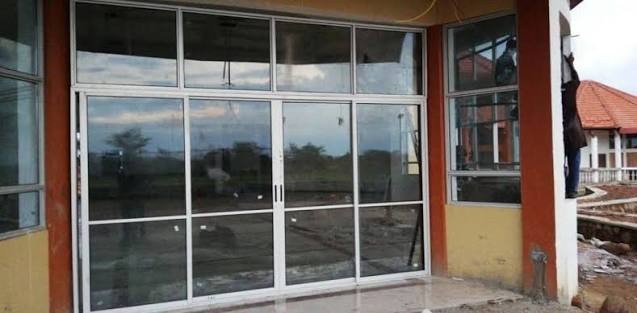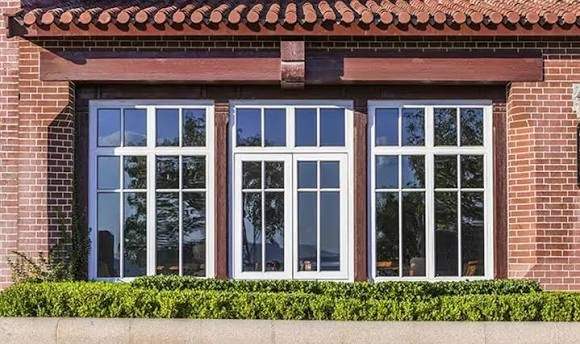
Aluminium windows have become a popular choice for modern homes, commercial buildings, offices, hotels and other construction projects across Uganda. Their durability, contemporary appearance, low maintenance requirements and design flexibility make them an excellent option for property owners seeking attractive and functional window solutions.
However, choosing quality aluminium windows is only one part of achieving a successful installation. Proper measurements, suitable aluminium profiles, appropriate glass specifications, professional fabrication and correct installation techniques are equally important.
Whether you are constructing a new house, renovating an existing property or developing a commercial building, understanding the aluminium window installation process can help you avoid unnecessary expenses and achieve long-lasting results.
Aluminium window installation in Uganda involves several stages, including site assessment, measurements, design selection, fabrication, frame preparation, fixing, glazing, sealing and final inspection.
This comprehensive guide explains how aluminium windows are installed, the different window designs available, important considerations before installation, common mistakes to avoid and factors that influence aluminium window installation costs in Uganda.
1. What Is Aluminium Window Installation?
Aluminium window installation is the process of fitting fabricated aluminium window frames and glass panels into designated openings within a building.
The process requires accurate measurements, suitable materials, professional tools and technical expertise to ensure that the windows fit properly and function as intended.
Aluminium windows are manufactured using aluminium profiles designed to accommodate different opening mechanisms and glass specifications.
They can be installed in:
- Residential houses and apartments.
- Commercial office buildings.
- Hotels and lodges.
- Shopping centres and retail shops.
- Schools and educational institutions.
- Hospitals and healthcare facilities.
- Industrial and warehouse offices.
- Restaurants and hospitality facilities.
Depending on the building design, aluminium windows can be customised in different sizes, colours, finishes and configurations.
2. Types of Aluminium Windows Available in Uganda
Before starting an installation project, it is important to understand the different aluminium window designs available.
Each design offers different benefits depending on ventilation requirements, available space, building architecture and personal preferences.
2.1 Aluminium Sliding Windows
Aluminium sliding windows are among the most popular window designs used in modern Ugandan homes and commercial buildings.
They operate horizontally along tracks, allowing one or more window panels to slide open.
Benefits include:
- Space-saving operation.
- Modern architectural appearance.
- Convenient opening and closing.
- Suitable for different room sizes.
- Compatibility with different glass options.
Sliding windows are suitable for bedrooms, living rooms, offices, kitchens and commercial spaces.
2.2 Aluminium Casement Windows
Casement windows are designed to open outward or inward using hinges attached to one side of the frame.
They provide good ventilation and can be fitted with different locking mechanisms.
Their common applications include:
- Residential bedrooms.
- Living rooms.
- Kitchens.
- Office spaces.
- Commercial buildings.
Casement windows are particularly suitable for spaces where maximum ventilation is required.
2.3 Aluminium Top-Hung Windows
Top-hung aluminium windows are hinged at the top and open outward from the bottom.
They allow ventilation while helping to limit direct rain entry when appropriately designed and installed.
Common applications include:
- Bathrooms.
- Kitchens.
- Staircases.
- Corridors.
- Office ventilation areas.
2.4 Aluminium Fixed Windows
Fixed aluminium windows do not open. They are designed primarily to provide natural lighting and external views.
They are commonly installed in:
- Living rooms.
- Commercial building facades.
- Reception areas.
- Staircases.
- Large architectural glass openings.
Fixed windows can be combined with sliding or casement sections to provide both ventilation and natural lighting.
2.5 Aluminium Tilt-and-Turn Windows
Tilt-and-turn windows offer two opening configurations within one window system.
They can tilt inward from the top for controlled ventilation or swing inward for wider access and cleaning.
They are suitable for modern residential and commercial buildings where flexibility and convenience are important.
2.6 Aluminium Louver Windows
Louver windows consist of adjustable glass or other approved blades fitted into an aluminium frame.
They allow users to control ventilation by adjusting the blades.
They are commonly used in bathrooms, utility rooms and other areas requiring controlled airflow.
3. The Aluminium Window Installation Process in Uganda
Professional aluminium window installation follows a series of steps to ensure accurate fitting, proper operation and long-term performance.
Understanding these stages helps property owners know what to expect when hiring an aluminium window installation company.
Step 1: Site Inspection and Project Assessment
The first stage involves visiting the construction site to assess the building and understand the window installation requirements.
The installer examines:
- The number of windows required.
- Available window openings.
- Wall construction and condition.
- Window opening dimensions.
- Accessibility of installation areas.
- Preferred window designs.
- Ventilation and lighting requirements.
For new buildings, the installer may review architectural drawings to understand the required window positions, dimensions and configurations.
A proper site assessment helps identify potential installation challenges before fabrication begins.
Step 2: Accurate Window Measurements
Accurate measurements are essential for producing aluminium windows that fit properly into the building openings.
The installer measures the width and height of each opening at multiple points to identify variations in the masonry.
Measurements should account for:
- Opening width.
- Opening height.
- Diagonal measurements.
- Wall thickness.
- Frame installation clearances.
- Finished floor and sill levels.
It is important not to assume that all window openings are identical, even when they appear to have been constructed using the same dimensions.
Incorrect measurements can result in poorly fitting windows, installation delays and additional costs.
Step 3: Selecting Aluminium Window Designs
After taking measurements, the property owner and installer agree on the appropriate window designs.
The selection should reflect the building’s architectural style, ventilation requirements and intended use of each room.
Important design decisions include:
- Sliding or hinged opening systems.
- Fixed or opening window sections.
- Frame colour and finish.
- Glass type and thickness.
- Window handle and locking options.
- Mosquito screen requirements.
- Privacy and shading requirements.
For a modern residential building, a combination of sliding, casement and fixed aluminium windows may provide an attractive and practical solution.
Step 4: Selecting Quality Aluminium Profiles
The aluminium profile is an important component of the window system.
It determines how the frame is assembled, how the glass is supported and how the window operates.
When choosing aluminium profiles, consider:
- Profile dimensions and wall thickness.
- Suitability for the window size.
- Structural strength.
- Compatibility with the selected glass.
- Availability of suitable hardware.
- Quality of the surface finish.
Larger windows may require profiles with greater structural capacity to support the glass and withstand expected wind loads.
Do not select aluminium profiles based on price or appearance alone. Their specifications should match the intended application.
Step 5: Choosing the Right Glass
Glass selection is another important part of aluminium window installation.
Different glass types offer different levels of safety, privacy, appearance and thermal performance.
Common options include:
Clear glass: Allows natural light and visibility, making it suitable for many residential and commercial applications.
Tinted glass: Reduces glare and changes the appearance of the window while providing some solar-control benefits depending on its specification.
Toughened glass: Heat-treated to improve strength compared with ordinary annealed glass. It breaks into smaller fragments when it fails.
Laminated glass: Made from glass layers bonded together with an interlayer that helps retain broken fragments.
Frosted glass: Provides privacy while allowing natural light into interior spaces.
Double glazing: Uses two glass panes separated by a sealed space to improve thermal and acoustic performance when correctly specified.
The appropriate glass depends on window dimensions, location, safety requirements, exposure to wind and the building’s performance objectives.
For glazing that may be exposed to human impact, appropriate safety glazing should be specified in accordance with applicable Ugandan building requirements.
Step 6: Aluminium Window Fabrication
Once the designs, dimensions and materials have been approved, the fabrication process begins.
The fabricator cuts aluminium profiles according to the required measurements and assembles them into the selected window configurations.
The process may include:
- Cutting aluminium profiles.
- Machining and drilling.
- Joining frame sections.
- Installing corner connectors.
- Preparing glazing channels.
- Fitting rollers and hinges.
- Installing locking mechanisms.
- Checking frame alignment.
Quality fabrication ensures that the window components fit together correctly and operate smoothly.
Step 7: Preparing the Window Openings
Before installing the fabricated windows, the installer prepares the building openings.
This involves checking the condition of the masonry and ensuring that the opening is suitable for the window frame.
Preparation may include:
- Removing loose mortar and debris.
- Checking the opening dimensions.
- Correcting uneven surfaces.
- Confirming the sill level.
- Identifying suitable fixing points.
- Checking drainage arrangements.
The opening should be properly prepared before the aluminium frame is positioned.
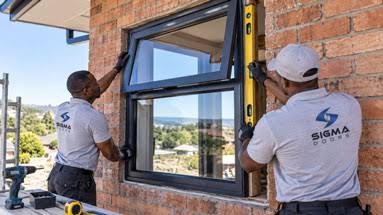
Step 8: Positioning and Fixing Aluminium Frames
The fabricated aluminium frame is carefully positioned within the prepared opening.
Installers use appropriate tools to ensure that the frame is level, plumb and square.
The frame is then secured using suitable mechanical fixings and installation methods appropriate for the wall material and window system.
During this stage, installers should check:
- Correct frame positioning.
- Accurate alignment.
- Secure fixing points.
- Appropriate installation clearances.
- Structural stability.
- Correct operation of the opening sections.
Proper frame fixing is important because a poorly secured frame may move, develop gaps or affect the operation of the window.
Step 9: Glass Installation and Glazing
After the frame has been secured, the glass panels are installed according to the window system design.
The installer uses compatible glazing gaskets, beads, setting blocks and other approved accessories.
These components help hold the glass in position, distribute its weight and reduce direct contact between the glass and aluminium frame.
Glass installation should be carried out carefully to avoid scratches, cracks and incorrect positioning.
For larger glass panels, appropriate handling equipment and safety procedures may be necessary.
Step 10: Sealing and Weatherproofing
Weatherproofing is essential for protecting the building from rainwater and unwanted air infiltration.
Installers use suitable sealants, gaskets and weather strips to close gaps around the window system.
Important considerations include:
- Proper sealing around the external frame.
- Correct installation of glazing gaskets.
- Suitable drainage openings.
- Properly designed sill details.
- Protection against water penetration.
- Compatibility of sealants with aluminium finishes.
The window system should be designed to manage water correctly rather than relying on excessive sealant to compensate for poor detailing.
Step 11: Testing and Final Inspection
The final stage involves inspecting the installed aluminium windows to confirm that they operate correctly and meet the agreed specifications.
The installer checks:
- Smooth opening and closing.
- Proper locking operation.
- Correct alignment.
- Secure glass installation.
- Frame stability.
- Weather seals.
- Drainage arrangements.
- Overall appearance and finish.
Any defects identified during the inspection should be corrected before the installation is handed over to the property owner.
4. Important Considerations Before Installing Aluminium Windows
Choosing and installing aluminium windows requires careful planning.
Below are important factors every property owner, contractor and developer should consider.
4.1 Quality of Aluminium Profiles
The quality of the aluminium profiles affects the strength, appearance and performance of the finished windows.
Choose profiles designed for the intended application and window dimensions.
For larger openings, confirm that the selected system can support the glass weight and expected environmental loads.
4.2 Accurate Measurements
Incorrect measurements can result in gaps, misalignment and additional fabrication expenses.
Always work with experienced installers who conduct proper site measurements before manufacturing the windows.
4.3 Glass Quality and Safety
Select glass according to the window location, size and expected use.
Ground-floor windows, large glazed panels and windows near frequently used walkways may require additional safety considerations.
4.4 Security and Locking Systems
Window security should not be overlooked, particularly for ground-floor residential windows and commercial properties.
Consider:
- Quality window locks.
- Secure handles.
- Reinforced locking points.
- Suitable hinges.
- Secure glazing systems.
- Compatible security screens where required.
4.5 Ventilation Requirements
Different rooms have different ventilation needs.
Bedrooms, kitchens and bathrooms may require opening windows to support airflow.
A good design balances ventilation, natural lighting, privacy and security.
4.6 Weather Resistance and Rain Protection
Uganda experiences seasonal rainfall and varying environmental conditions.
Aluminium windows should therefore have suitable weather seals, drainage systems and properly installed frames.
Correct installation helps reduce water leakage and damage to interior finishes.
4.7 Thermal and Acoustic Performance
Window design can influence indoor temperature, glare and outside noise.
Consider suitable glass specifications, frame systems, seals and shading devices where these factors are important.
For buildings exposed to strong sunlight, solar-control glazing and appropriate external shading may improve indoor comfort.
4.8 Colour and Finishing
Aluminium windows are available in different colours and finishes.
Popular choices include:
- Black.
- White.
- Natural silver.
- Bronze.
- Grey.
- Wood-effect finishes.
Choose a finish that complements the building’s exterior and interior design.
4.9 Professional Installation
Even high-quality aluminium windows can perform poorly when installed incorrectly.
Work with experienced professionals who understand fabrication, frame alignment, glass installation, weatherproofing and finishing.
5. How Much Does Aluminium Window Installation Cost in Uganda?
The cost of aluminium window installation in Uganda depends on several factors.
Since every building has different dimensions and design requirements, installation costs are usually determined through individual project quotations.
The main factors influencing aluminium window installation costs include:
1. Window dimensions: Larger windows require more aluminium profiles and glass.
2. Window design: Sliding, casement, top-hung and customised windows may have different fabrication requirements.
3. Aluminium profile quality: Different profile systems have different specifications and prices.
4. Glass type: Clear, tinted, toughened, laminated and double-glazed glass have different costs.
5. Finishing: Powder-coated and specialised aluminium finishes may affect the overall quotation.
6. Hardware and accessories: Handles, locks, hinges, rollers, gaskets and mosquito screens contribute to the final cost.
7. Installation complexity: Difficult-to-access openings, high-level installations and specialised fixing requirements may increase labour costs.
8. Number of windows: The total quantity can influence fabrication, transportation and installation arrangements.
How to Get an Accurate Aluminium Window Installation Quotation
To receive an accurate quotation, provide the installer with:
- Your project location.
- Number of windows required.
- Window dimensions.
- Preferred window designs.
- Aluminium profile specifications.
- Glass type and thickness.
- Preferred frame colour.
- Installation requirements.
Ask for a quotation that separates materials, fabrication, glass, hardware, transportation and installation costs where applicable.
This helps you compare different providers based on the actual quality and scope of work.
6. Common Aluminium Window Installation Mistakes to Avoid
Poor installation can reduce the performance and lifespan of aluminium windows.
Avoid these common mistakes:
Using incorrect measurements: This can cause gaps, poor alignment and unnecessary modification expenses.
Choosing low-quality aluminium profiles: Weak or unsuitable profiles may affect the structural performance of larger windows.
Selecting inappropriate glass: Glass should meet the safety and performance requirements of the application.
Poor frame alignment: Frames that are not level, plumb and square can cause opening and closing difficulties.
Inadequate frame fixing: Weak fixing arrangements may affect the stability of the installed window.
Poor weatherproofing: Incorrect sealing can allow rainwater and air infiltration.
Using incompatible accessories: Locks, rollers, hinges and gaskets should match the selected window system.
Ignoring drainage: Poorly designed or blocked drainage paths can cause water accumulation.
Failing to test installed windows: Every opening section and locking mechanism should be checked before handover.
Hiring inexperienced installers: Lack of technical knowledge may result in costly installation problems.
7. Benefits of Installing Aluminium Windows in Uganda
Aluminium windows provide several advantages that make them suitable for modern construction projects.
Durability
Aluminium naturally forms a protective oxide layer, making it resistant to ordinary rust. Appropriate finishes and maintenance help preserve its appearance and performance.
Modern Appearance
Aluminium windows provide clean architectural lines and can complement contemporary residential and commercial designs.
Low Maintenance
They are relatively easy to maintain through regular cleaning and inspection of moving components.
Design Flexibility
Aluminium can be fabricated into different window shapes, sizes and opening configurations.
Natural Lighting
Aluminium framing can accommodate large glass panels, allowing natural light into buildings.
Recyclability
Aluminium can be recycled, making it a useful material for construction projects that prioritise material recovery.
Compatibility with Different Glass Types
Aluminium window systems can accommodate different glazing options depending on the profile design and structural requirements.
8. Aluminium Windows vs Wooden Windows: Which Is Better?
When choosing windows for a building, many property owners compare aluminium and wooden windows.
Both materials have different characteristics and applications.
| Feature | Aluminium Windows | Wooden Windows |
|---|---|---|
| Durability | Generally long-lasting | Depends on wood species and treatment |
| Maintenance | Relatively low | Requires regular protective treatment |
| Moisture resistance | Naturally corrosion-resistant | Can swell or deteriorate if poorly protected |
| Appearance | Modern and versatile | Traditional and natural |
| Design flexibility | Available in many configurations | Can be customised |
| Pest resistance | Not susceptible to termite attack | May require termite protection |
| Finish | Powder-coated and anodised options | Paints, stains and natural finishes |
Aluminium windows are often preferred for modern residential and commercial buildings because of their durability, low maintenance and design flexibility.
Wooden windows may be preferred where a traditional architectural appearance is desired.
The right choice depends on the building design, maintenance expectations and project budget.
9. Maintenance Tips for Aluminium Windows
Although aluminium windows require relatively little maintenance, regular care helps preserve their performance.
Property owners should follow these maintenance practices:
- Clean aluminium frames regularly using mild soap and water.
- Avoid harsh chemicals that may damage protective finishes.
- Keep sliding window tracks free from dust and debris.
- Inspect window locks and handles.
- Check hinges and rollers for signs of wear.
- Inspect weather seals for damage.
- Ensure drainage openings remain clear.
- Replace damaged glass and accessories promptly.
- Arrange professional servicing when windows become difficult to operate.
Regular maintenance can help prevent minor problems from developing into expensive repairs.
10. Aluminium Window Installation Standards and Building Requirements in Uganda
When installing aluminium windows in Uganda, it is important to consider applicable building requirements and material specifications.
The Uganda National Bureau of Standards (UNBS) publishes US 1981:2020, which addresses the specification of alloy aluminium window and external pedestrian door sets, including constituent materials and glazing.
Uganda’s National Building (Building Standards) Code 2019 also addresses fenestration and glazing performance, including considerations relating to solar heat gain and thermal performance.
The Building Control Regulations also contain important glazing safety provisions. In particular, glazing likely to be subjected to human impact requires appropriate reinforcement or toughening, and panels exceeding one square metre are subject to safety glazing requirements under the relevant provisions.
Before starting a project, property owners and contractors should:
- Confirm that the selected aluminium window system is appropriate for the application.
- Specify suitable glass and glazing materials.
- Consider structural and wind-load requirements.
- Ensure proper water penetration protection.
- Follow applicable safety and building requirements.
- Coordinate with the project architect and relevant professionals.
Using appropriate materials and following relevant technical requirements helps improve the safety, quality and performance of installed aluminium windows.
11. Why Hire Professional Aluminium Window Installers in Uganda?
Professional installation is important for achieving properly fitted and functional aluminium windows.
Experienced installers understand the technical requirements involved in measuring, fabricating, fixing and sealing different aluminium window systems.
Working with professionals offers several advantages.
Accurate measurements: Reduces the risk of incorrectly fabricated windows.
Quality workmanship: Helps achieve neat frame joints and proper finishing.
Correct installation: Ensures that window frames are properly aligned and secured.
Appropriate material selection: Helps match profiles, glass and hardware to project requirements.
Improved weatherproofing: Reduces the risk of water leakage and air infiltration.
Reliable operation: Ensures windows open, close and lock correctly.
Project coordination: Helps contractors and developers manage window installation within the wider construction schedule.
For large developments, early coordination between the aluminium fabricator, architect, contractor and structural engineer can help prevent costly installation problems.
12. Frequently Asked Questions About Aluminium Window Installation in Uganda
1. How much does aluminium window installation cost in Uganda?
The cost depends on window dimensions, design, aluminium profile quality, glass specifications, accessories and installation requirements. Contact an aluminium fabrication company for a site assessment and customised quotation.
2. How long does it take to install aluminium windows?
The installation period depends on the number of windows, building condition, accessibility and project complexity. Standard residential installations may take less time than large commercial projects requiring specialised equipment and coordination.
3. Which aluminium window design is best for a modern home?
Sliding and casement windows are popular choices for modern homes. Sliding windows are suitable where space-saving operation is important, while casement windows provide effective ventilation. The best option depends on the room layout and requirements.
4. Are aluminium windows suitable for Uganda’s climate?
Yes. Aluminium windows are suitable for many applications in Uganda because aluminium is naturally corrosion-resistant. Proper finishes, drainage, weather seals and professional installation are important for long-term performance.
5. What type of glass is best for aluminium windows?
The best glass depends on the window location, dimensions, safety requirements and desired performance. Options include clear, tinted, toughened, laminated and double-glazed glass.
6. Do aluminium windows require regular maintenance?
Yes, although maintenance requirements are generally low. Regular cleaning, track inspection, lubrication of compatible moving components and checking of locks and seals help maintain performance.
7. Can aluminium windows be customised?
Yes. Aluminium windows can be customised in different dimensions, colours, opening styles, glass configurations and finishes to suit individual building designs.
8. Are aluminium windows secure?
Yes. Properly designed aluminium windows can provide good security when fitted with suitable locks, secure hardware, appropriate glazing and professionally fixed frames.
9. Can aluminium windows be installed in existing buildings?
Yes. Aluminium windows can be installed during renovations and window replacement projects. The existing openings must first be inspected and measured to determine whether modifications are necessary.
10. Why are professional aluminium window measurements important?
Accurate measurements ensure that fabricated windows fit the building openings correctly. They help minimise installation gaps, alignment problems, material wastage and additional costs.
Conclusion: Invest in Professional Aluminium Window Installation in Uganda
Aluminium window installation is an important part of creating attractive, functional and durable residential and commercial buildings.
From selecting the right window design and aluminium profiles to choosing suitable glass, accurate measurements, professional fabrication and proper installation, every stage contributes to the overall quality of the finished windows.
For property owners and developers in Uganda, investing in quality aluminium windows and professional installation can improve building appearance, natural lighting, ventilation, security and long-term value.
Whether you are constructing a new home, renovating an existing property or developing a commercial building, always prioritise quality materials, skilled workmanship and appropriate installation methods.
Looking for professional aluminium window installation services in Uganda?
Contact Daltrev Co. to discuss your aluminium window requirements, explore suitable designs and request a quotation for your residential or commercial construction project.
Choose quality aluminium windows and professional installation for a modern, functional and lasting building.