
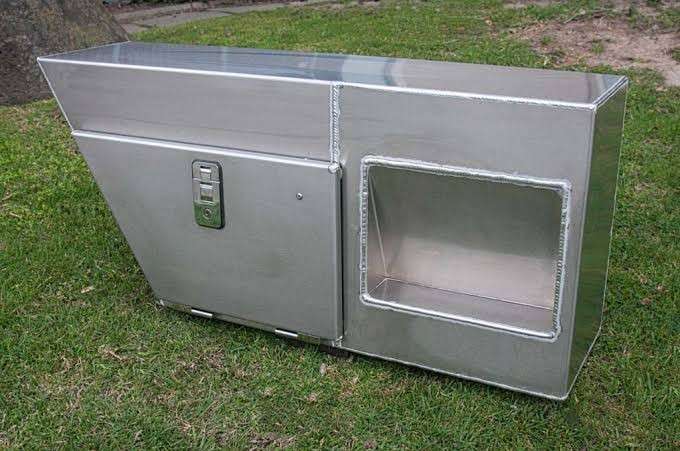
Aluminium fabrication is an important part of modern construction, providing solutions for windows, doors, office partitions, shopfronts, curtain walls, glass enclosures and other architectural applications. In Uganda, aluminium products are increasingly used in residential and commercial buildings because of their lightweight properties, durability, attractive finishes and design flexibility.
However, achieving high-quality aluminium products requires more than selecting attractive designs and suitable materials. Every stage of the fabrication process, from taking measurements and choosing aluminium profiles to cutting, assembling and installing finished products, must be handled correctly.
Common aluminium fabrication mistakes can lead to poor fitting, weak joints, water leakage, difficult operation, material wastage, unattractive finishes and unnecessary project expenses. Some problems may only become noticeable after installation, making them more difficult and expensive to correct.
Understanding these mistakes before starting a project can help property owners, contractors, architects and developers make better decisions.
This guide explores the most common aluminium fabrication mistakes in Uganda, their effects and practical ways to avoid them when ordering aluminium windows, doors and other fabricated products.
1. Taking Incorrect Measurements
Incorrect measurements are among the most common mistakes in aluminium fabrication. Custom aluminium products are manufactured according to specific dimensions, meaning even small measurement errors can affect how the finished product fits into the available opening.
For example, an aluminium window manufactured with incorrect dimensions may leave unwanted gaps, fail to fit properly or require costly adjustments during installation.
How to avoid incorrect measurements:
- Measure the width and height of each opening carefully.
- Take measurements at multiple points.
- Check whether the openings are square, level and plumb.
- Confirm wall thickness and frame requirements.
- Verify measurements before cutting aluminium profiles.
- Coordinate measurements with the construction team.
For projects involving several windows or doors, each opening should be measured individually rather than assuming that all openings are identical.
Professional measurement and verification help reduce fabrication errors and unnecessary material wastage.
2. Choosing Poor-Quality Aluminium Profiles
The quality of aluminium profiles directly affects the strength, appearance and performance of fabricated products. Choosing unsuitable or poor-quality profiles can result in weak frames, poor alignment and reduced durability.
Not all aluminium profiles are designed for the same applications. Window, door, partition and curtain wall systems may require different profile dimensions and structural characteristics.
How to avoid this mistake:
- Select profiles suitable for the intended application.
- Check profile dimensions and wall thickness.
- Consider the size and weight of the glass panels.
- Confirm compatibility between profiles and accessories.
- Inspect profiles for visible defects or inconsistent finishes.
- Work with a fabricator who understands the selected aluminium system.
For example, a large commercial entrance door may require a stronger profile system than a small residential window. Selecting profiles according to the intended use helps improve the finished product’s performance.
3. Using the Wrong Aluminium Fabrication Design
Choosing an unsuitable design can affect the functionality, appearance and convenience of aluminium products.
A window may look attractive but provide insufficient ventilation. A sliding door may be unsuitable for an opening that requires a completely unobstructed passage. Similarly, an office partition may not provide the privacy or sound separation required by the occupants.
How to avoid this mistake:
- Understand the purpose of each aluminium product.
- Consider the available installation space.
- Evaluate ventilation and natural lighting requirements.
- Match the design to the building’s architecture.
- Consider how frequently the product will be used.
- Review design drawings before fabrication begins.
Popular aluminium fabrication designs include sliding windows, casement windows, folding doors, French doors, fixed glass windows, office partitions and aluminium shopfronts.
Selecting the right design before fabrication reduces the likelihood of expensive modifications later.
4. Incorrect Cutting of Aluminium Profiles
Aluminium profiles must be cut accurately to achieve properly aligned frames and secure connections. Incorrect cutting angles, lengths or dimensions can affect the assembly of windows, doors and other fabricated products.
Poor cutting can result in visible gaps at frame corners, uneven joints, inaccurate dimensions and weakened connections.
How to avoid incorrect cutting:
- Use suitable aluminium cutting equipment.
- Confirm measurements before cutting.
- Apply the correct cutting angles.
- Secure profiles properly during cutting.
- Maintain clean and accurate cutting edges.
- Inspect cut components before assembly.
Precision is particularly important when fabricating products with multiple panels, complex corners or large dimensions.
Accurate cutting improves assembly quality and helps achieve a professional finish.
5. Poor Frame Assembly and Weak Joints
Frame assembly is a critical stage of aluminium fabrication. Even when high-quality profiles are used, poor assembly can affect the strength, alignment and appearance of the finished product.
Weak joints may result in loose corners, unstable frames, uneven panel gaps and premature component failure.
Common assembly problems include:
- Incorrect corner connections.
- Poor alignment of frame components.
- Inadequate fastening.
- Incorrect screw placement.
- Poorly fitted connectors.
- Failure to check frame dimensions after assembly.
How to avoid poor frame assembly:
Use appropriate joining methods and accessories for the selected aluminium system. Ensure that components are correctly aligned and securely connected. Check frame dimensions, diagonals and squareness before proceeding to glazing or installation.
Quality control during assembly helps prevent defects from reaching the installation stage.
6. Selecting the Wrong Glass Type or Thickness
Glass is an essential component of many aluminium products, including windows, doors, partitions and shopfronts.
Selecting unsuitable glass can affect safety, structural suitability, privacy, comfort and overall appearance.
Common glass-related mistakes include choosing glass that is unsuitable for the application, ignoring safety glazing requirements, using incompatible thicknesses and failing to consider the size of the glass panels.
How to avoid glass selection mistakes:
- Match the glass specification to the intended application.
- Consider the dimensions and support requirements of each panel.
- Use appropriate safety glazing where required.
- Consider laminated glass where improved post-breakage retention is important.
- Consider toughened glass where its safety characteristics are suitable.
- Select tinted or frosted glass where glare control or privacy is required.
- Confirm compatibility between the glass and aluminium frame system.
Large glass panels and frequently used entrance doors require particular attention to glass specification and support.
The fabricator should explain the available options and recommend a suitable specification for the project.
7. Poor Welding or Incorrect Joining Techniques
Some aluminium fabrication applications require specialised joining techniques. Using an unsuitable joining method can result in weak connections, visible defects and poor structural performance.
Aluminium requires appropriate fabrication procedures because its material properties differ from those of many other metals.
Common mistakes include using unsuitable equipment, poor joint preparation, incorrect welding settings and inadequate operator skill.
How to avoid this mistake:
- Determine whether welding or mechanical joining is appropriate.
- Use equipment suitable for aluminium.
- Prepare surfaces correctly before joining.
- Follow appropriate fabrication procedures.
- Ensure that personnel have the necessary technical skills.
- Inspect completed joints for defects.
Not every aluminium window or door system requires welding. Many architectural aluminium systems rely on mechanical connections and specialised accessories. The joining method should therefore be selected according to the product design.
8. Ignoring Drainage and Weatherproofing Requirements
Poor drainage and weatherproofing can cause water leakage around aluminium windows and doors, particularly during heavy rainfall.
Water may enter through poorly sealed joints, blocked drainage channels, incorrectly fitted gaskets or unsuitable installation details.
Common mistakes include:
- Blocking drainage openings.
- Using unsuitable sealing materials.
- Poorly fitting weather seals.
- Incorrect sill and track arrangements.
- Failing to account for water movement.
- Leaving gaps between frames and surrounding walls.
How to avoid drainage and weatherproofing problems:
- Use window and door systems with suitable drainage arrangements.
- Keep drainage paths clear.
- Fit compatible weather seals and gaskets.
- Seal installation joints appropriately.
- Ensure that frames are correctly aligned.
- Inspect drainage and sealing before handing over the project.
Weather resistance depends on the complete window or door system and the quality of installation, not simply the aluminium material.
9. Using Low-Quality Hardware and Accessories
Aluminium windows and doors rely on hardware to operate smoothly and securely. Poor-quality accessories can affect functionality even when the aluminium frames are well fabricated.
Important accessories include:
- Window handles.
- Door handles.
- Hinges.
- Rollers.
- Sliding tracks.
- Locks.
- Gaskets.
- Screws and fasteners.
- Corner connectors.
- Restrictors and other operating components.
For example, low-quality rollers can make sliding windows difficult to operate. Weak hinges may affect the performance of heavy door panels.
How to avoid this mistake:
Choose accessories that are compatible with the aluminium profile system and suitable for the size and weight of the finished product. Check that moving components operate smoothly and that locks engage properly before installation.
It is also useful to consider the availability of replacement hardware for future maintenance.
10. Applying Poor-Quality Surface Finishes
The finish of aluminium products contributes to their appearance and resistance to environmental exposure. Poor finishing can result in uneven colours, scratches, peeling or inconsistent surface appearance.
Common finishing mistakes include inadequate surface preparation, poor handling, unsuitable finishing methods and failing to inspect completed products.
Popular aluminium finishes include:
- Powder coating.
- Anodising.
- Natural aluminium finishes.
- Other approved decorative finishes.
How to avoid finishing problems:
- Select a suitable finishing process.
- Confirm the desired colour before production.
- Ensure that surfaces are properly prepared.
- Use appropriate handling and storage procedures.
- Inspect finished profiles for visible defects.
- Protect finished products during transportation and installation.
For residential and commercial buildings in Uganda, the selected finish should complement the architectural design and suit the expected environmental exposure.
11. Poor Glazing and Glass Installation
Glazing is the process of fitting glass into aluminium frames. Incorrect glazing can cause glass movement, uneven gaps, rattling, stress concentration and potential damage.
Common glazing mistakes include using unsuitable setting blocks, incorrect gasket installation, poor glass positioning and inadequate clearance between glass and frame components.
How to avoid glazing mistakes:
- Use compatible glazing beads and gaskets.
- Position glass correctly within the frame.
- Use suitable setting blocks.
- Maintain appropriate clearances.
- Avoid excessive pressure on glass edges.
- Check that panels are properly secured.
- Inspect the finished product before delivery.
Proper glazing helps protect the glass and supports the overall performance of aluminium windows, doors and partitions.
12. Failing to Consider Thermal Expansion
Aluminium expands and contracts as temperatures change. Fabrication and installation designs should allow for the expected movement of aluminium components.
Ignoring thermal expansion can contribute to distortion, stress, difficult operation or damage to seals and surrounding materials.
How to avoid this mistake:
- Follow the selected system’s design specifications.
- Allow appropriate movement clearances.
- Use compatible fixing and sealing materials.
- Consider the dimensions of long aluminium sections.
- Avoid unnecessarily rigid installation arrangements.
- Ensure that fabrication and installation details are suitable for the application.
Correct design and installation help aluminium products accommodate normal temperature-related movement.
13. Poor Surface Protection and Handling
Aluminium profiles and finished products can be scratched, dented or damaged during storage, transportation and installation.
This is especially problematic when finished profiles are handled without adequate protection or stacked incorrectly.
How to avoid handling damage:
- Store profiles in a clean and suitable location.
- Protect finished surfaces during transportation.
- Avoid dragging profiles across rough surfaces.
- Use suitable packaging and protective materials.
- Handle glass panels carefully.
- Keep fabricated products protected until installation.
Proper handling preserves the appearance of aluminium products and reduces the need for repairs or replacement.
14. Rushing the Fabrication Process
Rushing fabrication to meet unrealistic deadlines can increase the risk of measurement errors, inaccurate cutting, weak assembly and inadequate quality checks.
Although project schedules are important, every fabrication stage requires sufficient time to achieve the expected quality.
How to avoid this mistake:
- Agree on realistic production timelines.
- Confirm specifications before fabrication begins.
- Allow time for material inspection.
- Follow a structured fabrication process.
- Conduct quality checks at important stages.
- Coordinate production with the construction schedule.
A well-organised fabrication process can reduce mistakes and help ensure that completed products meet the agreed specifications.
15. Failing to Conduct Quality Control Before Installation
Quality control is essential for identifying fabrication defects before aluminium products reach the construction site.
Installing defective products can create additional labour costs, delays and customer dissatisfaction.
Before delivery, fabricated products should be inspected for:
- Correct dimensions.
- Frame alignment and squareness.
- Secure joints and connections.
- Smooth opening and closing.
- Proper locking operation.
- Correct glass positioning.
- Consistent surface finishes.
- Suitable sealing and drainage arrangements.
- Missing or damaged accessories.
How to avoid this mistake:
Introduce inspection procedures at the measurement, cutting, assembly, glazing and final fabrication stages.
Where possible, test moving components before products leave the workshop. This helps identify problems early, when corrections are generally easier to manage.
16. Poor Coordination Between Fabricators and Construction Teams
Aluminium fabrication is often carried out alongside other building activities. Poor communication between fabricators, architects, contractors and installers can result in incorrect specifications, unsuitable openings and installation delays.
For example, a contractor may modify a window opening after fabrication measurements have been taken, leaving the finished window unsuitable for the revised opening.
How to avoid coordination problems:
- Share relevant architectural drawings.
- Confirm opening dimensions with the construction team.
- Communicate design changes before fabrication.
- Agree on installation responsibilities.
- Coordinate delivery with site readiness.
- Document approved specifications and changes.
Good communication helps ensure that fabricated products match the actual requirements of the building.
17. Choosing an Aluminium Fabricator Based Only on Price
Selecting an aluminium fabricator simply because they offer the lowest quotation can lead to poor-quality materials, unsuitable accessories or inadequate workmanship.
Two quotations may appear similar while covering very different specifications.
Before making a decision, compare:
- Aluminium profile quality.
- Glass type and thickness.
- Fabrication workmanship.
- Hardware and accessories.
- Finishing quality.
- Installation arrangements.
- Delivery timelines.
- Warranty terms, where offered.
- After-sales support.
Ask for clarification whenever a quotation does not explain the materials or work included.
A good fabrication decision should balance cost, quality, functionality and long-term value.
18. Failing to Plan for Maintenance and Repairs
Although aluminium is generally low-maintenance, its moving components and seals still require attention.
Ignoring maintenance can lead to blocked drainage channels, worn rollers, damaged gaskets, loose handles and difficult operation.
How to avoid maintenance-related problems:
- Clean aluminium frames regularly.
- Remove dirt from sliding tracks.
- Keep drainage openings clear.
- Inspect locks and handles.
- Check hinges and rollers.
- Replace worn seals when necessary.
- Use suitable cleaning products for the selected finish.
Before ordering, ask whether replacement accessories are readily available and request maintenance guidance for the selected aluminium system.
Best Practices for High-Quality Aluminium Fabrication
Avoiding common fabrication mistakes requires careful planning, suitable materials, skilled workmanship and consistent quality control.
The following best practices can improve the outcome of aluminium fabrication projects:
- Start with accurate measurements: Confirm all dimensions before cutting profiles.
- Use suitable aluminium profiles: Select profiles according to the product’s intended application.
- Approve designs before fabrication: Confirm dimensions, opening directions, colours and specifications.
- Choose appropriate glass: Consider safety, privacy, performance and compatibility.
- Use quality hardware: Select reliable accessories designed for the chosen system.
- Maintain fabrication precision: Ensure accurate cutting, assembly and glazing.
- Protect finished products: Use appropriate storage, packaging and handling methods.
- Inspect products before delivery: Check dimensions, joints, finishes and operation.
- Install products correctly: Ensure proper alignment, fixing, drainage and sealing.
- Provide maintenance guidance: Help property owners understand how to care for their aluminium products.
Why Quality Aluminium Fabrication Matters in Uganda
Quality aluminium fabrication is important for residential and commercial construction projects because it affects the performance, appearance and service life of finished products.
Uganda’s varied weather conditions, including heavy rainfall, strong sunlight, humidity and dust, make suitable material selection and proper installation important.
High-quality fabrication can help achieve:
Better Durability
Appropriate aluminium profiles, quality finishes and properly assembled joints contribute to products that can provide long-term service.
Improved Functionality
Accurate fabrication helps windows, doors and other aluminium products open, close and lock as intended.
Better Appearance
Clean cuts, aligned frames, consistent finishes and properly fitted glass improve the appearance of completed buildings.
Reduced Material Wastage
Accurate measurements and careful cutting help minimise unnecessary material waste and avoid repeated fabrication.
Improved Weather Resistance
Correct drainage, sealing and installation details help reduce the risk of water penetration.
Better Long-Term Value
Investing in suitable materials and proper workmanship can help reduce avoidable repairs, replacements and maintenance costs.
Why Choose Daltrev Co. for Aluminium Fabrication Requirements?
Choosing the right aluminium fabrication provider is an important step towards achieving quality results in your construction project.
Daltrev Co. can be contacted to discuss aluminium fabrication requirements for residential and commercial buildings in Uganda. Before beginning a project, it is important to establish the required designs, dimensions, materials, glass specifications, finishes and installation arrangements.
Whether you are planning aluminium windows, doors, office partitions, shopfronts or other aluminium installations, clear specifications and proper fabrication planning can help you achieve a suitable finished result.
Contact Daltrev Co. to discuss your aluminium fabrication project and request a quotation based on your requirements.
Frequently Asked Questions About Aluminium Fabrication Mistakes
1. What are the most common aluminium fabrication mistakes?
Common mistakes include inaccurate measurements, poor-quality aluminium profiles, incorrect cutting, weak joints, unsuitable glass selection, poor glazing, low-quality hardware, inadequate finishing and improper installation.
2. How can I avoid mistakes in aluminium fabrication?
Work with a suitable fabricator, confirm measurements, choose appropriate materials, approve drawings before production, use compatible hardware and inspect finished products before installation.
3. Why are accurate measurements important in aluminium fabrication?
Accurate measurements ensure that fabricated windows, doors and other products fit their intended openings. Incorrect measurements can cause gaps, poor alignment, additional adjustments and unnecessary expenses.
4. What happens when poor-quality aluminium profiles are used?
Poor-quality or unsuitable profiles can affect frame strength, alignment, durability and overall performance. The correct profile should be selected according to the product design and application.
5. Why do aluminium windows leak water?
Water leakage can result from poor installation, damaged or incorrectly fitted seals, blocked drainage channels, unsuitable frame design or inadequate sealing around the window opening.
6. Which glass is suitable for aluminium windows and doors?
The appropriate glass depends on the application. Clear, tinted, frosted, toughened and laminated glass each serve different purposes. Glass thickness and safety requirements should be assessed according to the dimensions and intended use.
7. Does aluminium fabrication require skilled workers?
Yes. Accurate measurement, cutting, assembly, glazing and finishing require suitable equipment, technical knowledge and careful workmanship to achieve quality results.
8. How can I identify poor aluminium fabrication workmanship?
Signs may include uneven frames, visible gaps at joints, rough cutting edges, inconsistent finishes, loose connections, poorly fitted glass and windows or doors that do not operate smoothly.
9. Is aluminium fabrication expensive in Uganda?
The cost varies according to the product dimensions, profile specifications, glass type, design complexity, hardware, finishing and installation requirements. A detailed quotation based on the actual project specifications provides a more reliable estimate.
10. Why is quality control important in aluminium fabrication?
Quality control helps identify measurement, cutting, assembly, glazing and finishing defects before products are delivered or installed. Early inspection reduces the likelihood of costly corrections.
Conclusion
Aluminium fabrication requires precision, suitable materials and careful workmanship at every stage. Mistakes such as inaccurate measurements, poor profile selection, incorrect cutting, weak joints, unsuitable glass, poor finishing and inadequate installation can affect the quality and performance of finished products.
The best way to avoid these problems is to plan carefully, confirm specifications before production, use appropriate fabrication methods and conduct quality checks throughout the process.
For homeowners, contractors, architects and commercial property developers in Uganda, choosing a suitable aluminium fabrication provider is an important step towards achieving durable, functional and attractive building components.
Planning an aluminium fabrication project in Uganda? Contact Daltrev Co. to discuss your requirements and request a quotation for your aluminium windows, doors, partitions and other aluminium works.

