
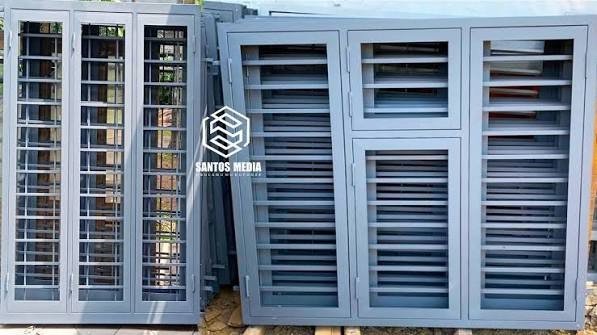
Custom aluminium windows are an excellent choice for modern homes, offices, apartments, hotels, commercial buildings and other construction projects in Uganda. They offer flexibility in design, durability, attractive finishes and the ability to accommodate different building layouts. Unlike standard ready-made windows, custom aluminium windows are manufactured to match the specific measurements, architectural style and functional requirements of a building.
However, ordering custom aluminium windows requires careful planning. The quality of the finished windows depends on several factors, including the aluminium profiles, measurements, glass type, window design, security features, hardware, fabrication quality and installation process.
Choosing the wrong specifications can lead to problems such as poor fitting, water leakage, difficult operation, excessive maintenance and unnecessary expenses. It is therefore important to understand what to consider before placing an order.
This guide explains the most important factors to consider before ordering custom aluminium windows in Uganda and how to make informed decisions for your construction project.
1. Accurate Window Measurements
One of the most important considerations when ordering custom aluminium windows is obtaining accurate measurements. Since custom windows are manufactured according to the dimensions provided, measurement errors can result in windows that do not fit properly into the available openings.
Before fabrication begins, the window openings should be measured carefully.
Important measurements include:
- Width of each window opening.
- Height of each window opening.
- Wall thickness and available frame depth.
- Position of the window within the wall.
- Space required for installation and sealing.
- Any variations between individual window openings.
Measurements should be taken at multiple points because some building openings may not be perfectly square or level.
It is also advisable to confirm measurements after the relevant construction work has reached the appropriate stage. Ordering windows too early, before openings are properly prepared, can result in costly adjustments.
Tip: Work with an experienced aluminium fabricator or installer to confirm the measurements before approving fabrication.
2. Choose the Right Aluminium Window Design
Custom aluminium windows are available in different designs. The best option depends on the building’s architectural style, available space, ventilation requirements and intended use.
Some popular aluminium window designs in Uganda include:
Aluminium Sliding Windows
<AsyncImage query=”modern Ugandan residential house aluminium sliding glass windows exterior” aspectRatio=”16:9″/>
Sliding windows operate horizontally along tracks. They are suitable for bedrooms, living rooms, offices and spaces where outward or inward opening would interfere with furniture or walkways.
Their advantages include:
- Space-saving operation.
- Modern appearance.
- Convenient operation when properly installed.
- Large glass openings for natural light.
Aluminium Casement Windows
<AsyncImage query=”modern aluminium casement windows open outward contemporary residential building” aspectRatio=”16:9″/>
Casement windows are attached to hinges and usually open outward or inward, depending on the system. They can provide good ventilation when correctly designed and sealed.
They are suitable for bedrooms, kitchens, offices and other areas that require controlled airflow.
Aluminium Fixed Windows
<AsyncImage query=”modern architectural fixed aluminium frame glass windows large glazing house” aspectRatio=”16:9″/>
Fixed windows do not open. They are designed primarily to provide natural lighting and outside views.
They are commonly used in:
- Staircases.
- Commercial building façades.
- Living rooms.
- Feature walls.
- Areas where additional ventilation is not required.
Aluminium Folding Windows
<AsyncImage query=”modern aluminium folding glass window system open residential building” aspectRatio=”16:9″/>
Folding windows consist of multiple panels that fold to one side. They can create wide openings and are useful for spaces connecting indoor and outdoor areas.
Aluminium Top-Hung Windows
<AsyncImage query=”modern top hung aluminium awning windows contemporary building” aspectRatio=”16:9″/>
Top-hung windows are hinged at the top and open outward from the bottom. They can help provide ventilation while offering some protection from light rain, depending on the design and weather conditions.
Before ordering, compare the available designs and select a window system that meets the functional and architectural needs of each room.
3. Consider the Quality of Aluminium Profiles
Aluminium profiles form the structural framework of the window. Their quality affects strength, durability, appearance and overall performance.
Not all aluminium profiles are identical. They can differ in dimensions, wall thickness, alloy composition, design and suitability for particular window systems.
When selecting aluminium profiles, consider:
- Profile dimensions and structural suitability.
- Consistency of profile thickness.
- Strength and rigidity.
- Compatibility with the selected window design.
- Quality of surface finishing.
- Suitability for the size and weight of the glass.
- Availability of matching accessories and components.
Larger windows or windows with heavier glass may require stronger profile systems than smaller residential windows.
Do not select profiles based on appearance or price alone. Ask the fabricator to explain the proposed profile system and why it is appropriate for your project.
4. Select the Appropriate Glass Type
Glass is one of the most important components of aluminium windows. Its selection affects safety, natural lighting, privacy, sound control, thermal performance and the overall appearance of the building.
The most suitable glass depends on the location of the window and the building’s requirements.
Clear Glass
Clear glass allows maximum natural light and visibility. It is commonly used in living rooms, offices, commercial spaces and other areas where visibility is desirable.
Tinted Glass
Tinted glass reduces visible light transmission and can help manage glare. It is often selected for buildings exposed to strong sunlight.
However, the level of solar control depends on the particular glass specification.
Frosted Glass
Frosted glass provides privacy while allowing natural light to enter. It is suitable for bathrooms, toilets, offices and other private spaces.
Toughened Glass
Toughened glass is heat-treated to improve its strength compared with ordinary annealed glass of similar thickness. When it breaks, it generally fragments into smaller pieces rather than large sharp shards.
It is commonly considered for applications where safety glazing is appropriate.
Laminated Glass
Laminated glass consists of glass layers bonded together with an interlayer. When broken, the fragments tend to remain attached to the interlayer, helping reduce the risk of falling glass.
It may be suitable for locations where improved safety or security performance is required.
Double-Glazed Glass
Double glazing uses two panes of glass separated by a sealed space. Depending on the complete system, it can improve thermal and sound insulation.
Before ordering, ask about glass thickness, safety requirements, performance specifications and compatibility with the aluminium frame.
5. Consider the Building’s Architectural Design
Custom aluminium windows should complement the overall appearance of the building. The right design can improve the exterior appearance while making interior spaces more comfortable and functional.
Consider the following architectural details:
- Building style and exterior finishes.
- Window proportions and frame dimensions.
- Colour coordination with doors and other fittings.
- Placement of windows across the façade.
- Size of glass panels.
- Relationship between windows and interior layouts.
For contemporary buildings, slim-profile aluminium windows with large glass panels may create a clean, modern appearance.
For traditional homes, more conventional window proportions and frame finishes may be appropriate.
It is advisable to discuss the window design with your architect, contractor or aluminium fabricator before production begins.
6. Choose the Right Aluminium Window Colour and Finish
The colour and finish of aluminium windows influence the building’s appearance and long-term maintenance requirements.
Common options include:
- Natural aluminium finish.
- White powder-coated finish.
- Black powder-coated finish.
- Grey powder-coated finish.
- Bronze finish.
- Other approved custom colours.
Powder coating provides a coloured surface finish and is available in different shades. Anodising is another finishing process that creates a protective oxide layer and a distinctive metallic appearance.
When selecting a finish, consider:
- The exterior and interior colour scheme.
- Compatibility with other building materials.
- Exposure to sunlight and environmental conditions.
- Ease of cleaning and maintenance.
- Availability of the selected finish.
- The consistency of the finish across all windows.
Request samples where possible so you can compare the colour with the building’s walls, roofing, doors and other finishes before confirming the order.
7. Evaluate Security Features
Security should be a priority when ordering custom aluminium windows, particularly for ground-floor rooms, commercial premises and buildings with easily accessible openings.
A secure window depends on the complete system rather than the frame alone.
Important security features include:
- Reliable locking mechanisms.
- Strong and properly fitted window frames.
- Quality hinges and handles.
- Suitable glass specifications.
- Secure frame anchoring.
- Anti-lift devices for applicable sliding window systems.
- Properly fitted locking points.
- Appropriate security screens where required.
For sliding windows, ask whether the system includes effective locks and measures to prevent panels from being lifted out of their tracks.
For casement windows, consider the quality of hinges, locking handles and locking points.
Where security is a major concern, discuss laminated glass and other suitable security glazing options with the fabricator. Ordinary toughened glass should not automatically be treated as burglary-resistant.
8. Check the Quality of Window Hardware and Accessories
Window hardware includes the components that allow windows to open, close, lock and operate smoothly.
Even high-quality aluminium profiles can perform poorly when combined with low-quality accessories.
Before ordering, check the quality of:
- Handles.
- Hinges.
- Rollers.
- Sliding tracks.
- Locking systems.
- Gaskets.
- Weather seals.
- Screws and fasteners.
- Corner connectors.
- Restrictors and other operating accessories.
For sliding windows, the rollers and tracks should be suitable for the weight of the panels. Poor-quality rollers can make windows difficult to operate and may wear out prematurely.
For casement windows, hinges should be appropriate for the size and weight of the sash.
Ask the fabricator to identify the hardware included in the quotation and whether replacement parts can be obtained when necessary.
9. Consider Ventilation and Natural Lighting
Windows play an important role in making indoor spaces comfortable. Before ordering, consider how much ventilation and natural lighting each room requires.
Different rooms have different needs.
For example:
- Bedrooms need suitable ventilation and natural light.
- Kitchens benefit from effective ventilation to remove heat and cooking odours.
- Living rooms may require larger windows for daylight and outside views.
- Bathrooms may need smaller windows with privacy glass.
- Offices may require a balance between daylight, glare control and ventilation.
A fixed window may provide excellent natural lighting but cannot be opened for ventilation. A combination of fixed and opening panels may therefore be more suitable in some areas.
Consider the direction of prevailing winds, building orientation, surrounding structures and room usage when deciding on window placement and opening styles.
10. Assess Weather Resistance and Water Drainage
Buildings in Uganda experience different weather conditions, including seasonal heavy rainfall, strong sunlight, dust and humidity. Custom aluminium windows should therefore be designed and installed to manage the conditions at their location.
Important features include:
- Properly designed weather seals.
- Suitable drainage channels.
- Correctly installed gaskets.
- Proper frame alignment.
- Appropriate flashing and perimeter sealing.
- Suitable sill and track design.
- Proper installation around the window opening.
For sliding windows, drainage paths should remain clear so that water entering the track system can escape as intended.
For all window types, installation joints should be properly sealed using compatible materials.
Remember that weather resistance depends on the complete window system and installation workmanship, not simply on choosing aluminium frames.
11. Understand the Cost of Custom Aluminium Windows
The cost of custom aluminium windows in Uganda varies depending on the project specifications. There is no single price that applies to every window because different designs, sizes, profiles and glass options have different material and fabrication requirements.
Factors that influence the total cost include:
- Window dimensions.
- Number of windows required.
- Aluminium profile type and quality.
- Glass type and thickness.
- Window opening system.
- Colour and surface finish.
- Hardware and locking accessories.
- Fabrication complexity.
- Transportation.
- Installation requirements.
- Site accessibility.
A large folding window system, for example, may cost more than a small standard sliding window because it can require additional panels, hardware and fabrication work.
When comparing quotations, ensure that each supplier is pricing the same specifications.
A useful quotation should clearly indicate:
- Window type and dimensions.
- Aluminium profile specifications.
- Glass type and thickness.
- Colour and finishing.
- Hardware and accessories.
- Fabrication costs.
- Transportation and installation charges.
- Any applicable warranty terms.
Avoid choosing a supplier based only on the lowest quotation. A cheaper option may use different materials, glass or hardware from the specification you actually need.
12. Choose an Experienced Aluminium Fabrication Company
The company responsible for fabricating your custom aluminium windows plays a major role in the final result.
Accurate measurements, appropriate material selection, precise cutting, proper assembly and quality control are essential for producing windows that fit and operate correctly.
Before placing your order, evaluate the fabricator’s:
- Experience with the type of windows you require.
- Understanding of aluminium profile systems.
- Fabrication equipment and workmanship.
- Ability to interpret architectural drawings.
- Quality of previous work.
- Communication and quotation process.
- Installation arrangements.
- After-sales support.
Ask to see examples of completed projects where possible. You can also request clarification about the materials and fabrication methods that will be used.
A reliable company should be willing to explain the specifications, discuss practical options and provide a clear quotation before production begins.
13. Confirm Whether Professional Installation Is Included
Ordering quality custom aluminium windows is only part of the process. Proper installation is equally important.
Poor installation can result in gaps, water penetration, misaligned frames, difficult operation and premature damage.
Before confirming your order, establish whether the supplier will also handle installation.
Professional installation should address:
- Checking and preparing the window openings.
- Positioning and levelling the frames.
- Securing frames with suitable fixings.
- Maintaining correct alignment and squareness.
- Installing glass and operating panels correctly.
- Applying suitable perimeter seals.
- Checking drainage arrangements.
- Testing locks, handles and opening mechanisms.
- Cleaning and inspecting the completed installation.
Ask whether installation costs are included in the quotation or charged separately.
It is also important to clarify who will be responsible for correcting problems arising from fabrication or installation defects.
14. Consider Maintenance Requirements
Aluminium windows are generally low-maintenance, but they still require regular care to preserve their appearance and performance.
Before selecting a window system, understand its maintenance requirements.
Good maintenance practices include:
- Cleaning frames with mild soap and water.
- Avoiding harsh chemicals and abrasive cleaning materials.
- Cleaning glass with appropriate glass-cleaning products.
- Removing dirt from sliding tracks.
- Keeping drainage openings clear.
- Inspecting weather seals periodically.
- Checking handles, locks and hinges.
- Arranging repairs when components become damaged.
Buildings in dusty environments may require more frequent cleaning, particularly around sliding tracks and drainage channels.
Ask the supplier for care instructions appropriate to the selected finish, glass and hardware.
15. Confirm Fabrication and Delivery Timelines
Custom aluminium windows are manufactured according to individual project requirements. Production and delivery times can vary depending on the number of windows, design complexity, material availability and workload.
Before placing an order, discuss:
- When measurements will be confirmed.
- When fabrication will begin.
- Whether materials are readily available.
- The estimated production period.
- The expected delivery date.
- The installation schedule.
- How delays or specification changes will be handled.
If your project has a strict construction schedule, coordinate window fabrication with other building activities.
Avoid assuming that custom windows can be delivered immediately. Allow enough time for measurement, approval, fabrication, inspection and installation.
16. Review the Quotation and Confirm All Specifications in Writing
Before making a deposit or approving production, review the quotation carefully.
A written quotation helps prevent misunderstandings between the customer and the fabricator.
Confirm that it includes:
- The number of windows.
- Individual window dimensions.
- Window designs and opening directions.
- Aluminium profile specifications.
- Glass type and thickness.
- Frame colour and finish.
- Hardware and locking systems.
- Fabrication and installation costs.
- Delivery arrangements.
- Payment terms.
- Expected completion date.
- Warranty and after-sales conditions, where offered.
If you have architectural drawings, schedules or reference images, ensure that the supplier understands which details must be followed.
Do not rely on verbal agreements for important specifications. Any approved changes should be documented before fabrication proceeds.
17. Plan for Future Repairs and Replacement Parts
Another important factor is the long-term availability of replacement components.
Although aluminium window frames can last for many years when properly specified, some components, such as rollers, handles, hinges, locks and gaskets, may eventually require replacement.
Before ordering, ask whether the selected window system uses standard or specialised accessories and whether matching components can be sourced.
This is particularly important for large residential developments, apartment buildings, hotels and commercial properties where several windows may require future servicing.
Selecting a practical and supportable window system can make maintenance easier over the building’s lifetime.
Common Mistakes to Avoid When Ordering Custom Aluminium Windows
Even a well-planned project can experience unnecessary costs when important details are overlooked.
Avoid these common mistakes:
1. Providing inaccurate measurements: Incorrect measurements can result in windows that do not fit the openings.
2. Choosing based only on price: A low quotation may exclude important components or use different material specifications.
3. Ignoring glass specifications: The wrong glass can affect privacy, safety, comfort and appearance.
4. Overlooking hardware quality: Poor-quality locks, rollers and hinges can affect everyday operation.
5. Selecting unsuitable window designs: A window may look attractive but fail to meet the room’s ventilation or space requirements.
6. Ignoring weatherproofing: Poor drainage and sealing can lead to water leakage.
7. Failing to confirm installation arrangements: Fabrication and installation responsibilities should be clear before ordering.
8. Approving production without checking drawings: Always review the final dimensions, opening directions, colours and specifications.
9. Failing to document the agreement: Written specifications help protect both the customer and supplier.
Benefits of Ordering Custom Aluminium Windows
When properly designed, fabricated and installed, custom aluminium windows offer several advantages.
1. Made to Match Your Building
Custom windows are manufactured according to the dimensions and design requirements of the project. This makes them suitable for buildings with unique layouts and window openings.
2. Flexible Design Options
You can select from different window styles, sizes, glass types, colours and finishes to complement the building’s architecture.
3. Durable Window Frames
Aluminium is widely used in building applications because it is lightweight, strong and naturally resistant to rust. Suitable finishes and regular maintenance help preserve its appearance.
4. Modern Appearance
Aluminium frames can provide clean lines and a contemporary appearance for residential and commercial buildings.
5. Natural Lighting
Custom window dimensions and glass configurations can help introduce natural light into indoor spaces.
6. Suitable for Different Building Types
Custom aluminium windows can be designed for houses, apartments, offices, hotels, schools, retail buildings and other developments.
Why Choose Daltrev Co. for Aluminium Window Requirements in Uganda?
Choosing the right supplier is an important step when planning custom aluminium windows. Property owners need clear specifications, suitable materials, accurate measurements and a well-coordinated fabrication and installation process.
Daltrev Co. can be contacted to discuss aluminium window requirements for residential and commercial building projects in Uganda.
Whether you are planning windows for a new home, renovating an existing property or working on a commercial development, discuss your preferred designs, measurements, glass options and project requirements before confirming an order.
Contact Daltrev Co. to discuss your aluminium window project and request a quotation based on your preferred specifications.
Frequently Asked Questions About Ordering Custom Aluminium Windows
1. What should I consider before ordering custom aluminium windows?
Consider accurate measurements, window design, aluminium profile quality, glass type, colour, security features, hardware, weather resistance, fabrication quality, installation, cost and delivery timelines.
2. Are custom aluminium windows better than standard windows?
Custom aluminium windows can be more suitable when a building requires specific dimensions, designs, colours or glass configurations. Standard windows may be appropriate for projects with common opening sizes and simpler requirements.
3. Which aluminium window design is best for a house in Uganda?
The best design depends on the room, available space, ventilation requirements and architectural style. Sliding, casement, fixed and top-hung windows are all useful options for different applications.
4. How much do custom aluminium windows cost in Uganda?
The cost depends on window size, aluminium profile specifications, glass type, design, hardware, finish, fabrication complexity and installation requirements. Request a quotation based on your actual project dimensions and specifications.
5. Which glass is best for aluminium windows?
The appropriate glass depends on the intended application. Clear glass is suitable where visibility and natural light are priorities, frosted glass provides privacy, tinted glass can help manage glare, and laminated or toughened glass may be appropriate where specific safety requirements apply.
6. How long do aluminium windows last?
Aluminium windows can provide long-term service when they are manufactured using suitable materials, correctly installed and properly maintained. Their lifespan depends on profile quality, finishing, hardware, environmental exposure and maintenance.
7. Can I order aluminium windows in different colours?
Yes. Aluminium windows can be supplied in various finishes and colours, including black, white, grey, bronze and other available powder-coated options. Confirm the available colour choices before fabrication.
8. Should I order aluminium windows before or after plastering?
Measurements and installation timing should be coordinated with the construction programme. Final measurements are generally best confirmed when the window openings are properly formed and sufficiently stable. The fabricator and contractor should agree on the appropriate installation stage for the selected system.
9. Do custom aluminium windows include installation?
This depends on the supplier’s quotation. Some suppliers provide fabrication only, while others offer both fabrication and installation. Confirm the scope of work before placing your order.
10. How do I choose a reliable aluminium window fabricator in Uganda?
Compare the supplier’s workmanship, experience with the required window system, material specifications, previous projects, quotation transparency, installation arrangements and after-sales support. Ask questions and confirm all specifications in writing.
Conclusion
Ordering custom aluminium windows is an important decision that affects the appearance, comfort, security and functionality of your building. Before placing an order, carefully evaluate the measurements, window designs, aluminium profiles, glass specifications, finishes, hardware, weather resistance, fabrication quality and installation arrangements.
It is equally important to compare detailed quotations, confirm delivery timelines and work with a supplier who understands your project requirements.
For homeowners, developers and commercial property owners in Uganda, taking time to plan these details can help avoid unnecessary expenses and achieve a better finished result.
Planning to order custom aluminium windows in Uganda? Contact Daltrev Co. to discuss your project requirements and request a quotation for your preferred aluminium window designs.

