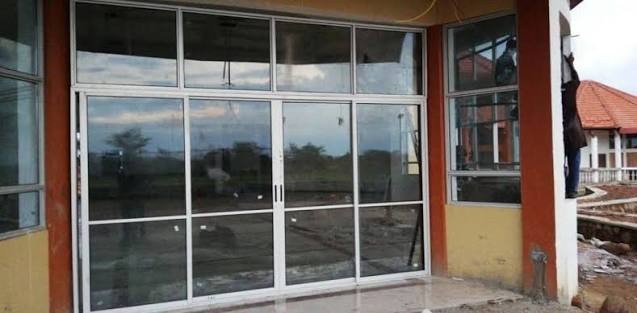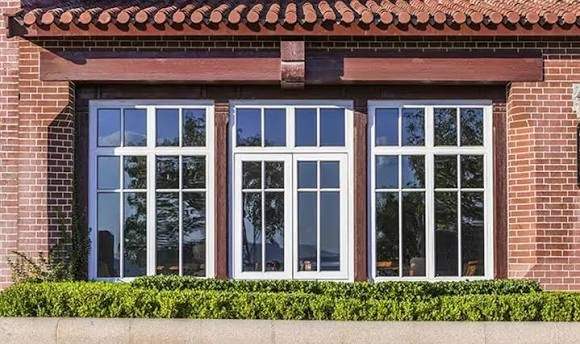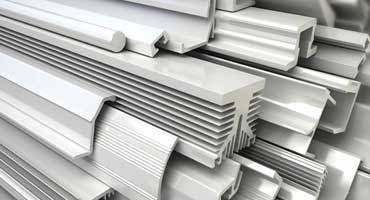
Aluminium profiles are essential components in modern construction, manufacturing and architectural design. They are widely used in residential homes, commercial buildings, industrial facilities, office spaces and infrastructure projects because of their versatility, strength-to-weight ratio, corrosion resistance and ability to be manufactured into different shapes and sizes.
From aluminium windows and doors to office partitions, curtain walls, shopfronts, balustrades and industrial structures, aluminium profiles provide the framework needed to create functional and attractive building products.
In Uganda, aluminium profiles are increasingly used in modern construction because property owners, contractors, architects and developers are looking for durable materials that support contemporary building designs.
However, choosing the right aluminium profile requires understanding the different types available, their properties, applications and suitability for specific projects. Using an unsuitable profile can affect the strength, appearance, performance and lifespan of the finished product.
This guide explains aluminium profiles, their types, uses and applications in Uganda, helping homeowners, builders, contractors and property developers make informed decisions when purchasing aluminium materials or hiring aluminium fabrication services.
1. What Are Aluminium Profiles?
Aluminium profiles are aluminium components manufactured into specific cross-sectional shapes using a process known as extrusion.
During aluminium extrusion, heated aluminium material is pushed through a specially designed die to produce a continuous profile with a particular shape.
The resulting profiles can be cut, machined, drilled, assembled and finished to manufacture different products.
Aluminium profiles are available in numerous shapes and sizes depending on their intended applications. Some are designed for windows and doors, while others are used in structural frameworks, office partitions, curtain walls, industrial equipment and decorative architectural features.
Common aluminium profile shapes include:
- Rectangular profiles.
- Square profiles.
- Round and tubular profiles.
- U-shaped channels.
- T-shaped profiles.
- L-shaped angles.
- H-shaped sections.
- Custom-designed extrusion profiles.
The choice of profile depends on its intended use, required dimensions, loading conditions, design specifications and finishing requirements.
2. How Are Aluminium Profiles Manufactured?
Aluminium profiles are commonly manufactured through aluminium extrusion, a process that allows manufacturers to produce different shapes for specific applications.
The process generally involves several stages.
Step 1: Aluminium billet preparation
An aluminium billet is prepared and heated to the temperature required for extrusion.
Step 2: Extrusion
The heated aluminium billet is pushed through a specially designed die to create the required cross-sectional shape.
Step 3: Cooling
The extruded aluminium profile is cooled using an appropriate process to maintain its shape and properties.
Step 4: Straightening and cutting
The profiles are straightened where necessary and cut into specified lengths.
Step 5: Heat treatment
Depending on the alloy and required mechanical properties, profiles may undergo heat treatment to achieve the required temper.
Step 6: Surface finishing
The profiles may receive powder coating, anodising or other suitable finishes to improve appearance and provide surface protection.
Step 7: Quality inspection
Finished profiles are inspected for dimensions, surface quality and conformity with relevant product specifications.
After manufacturing, aluminium profiles can be supplied to fabricators for further cutting, machining, assembly and installation.
3. Main Types of Aluminium Profiles
Aluminium profiles come in different shapes, designs and specifications. Each type serves particular construction, fabrication or industrial purposes.
Understanding the main types helps you identify suitable materials for your project.
A. Square Aluminium Profiles
<AsyncImage query=”square aluminium hollow extrusion profiles silver metal sections” aspectRatio=”16:9″ width=”100%”/>
Square aluminium profiles have a square cross-section and are commonly used in frameworks and fabrication projects.
They are available in different dimensions and wall thicknesses depending on the intended application.
Common applications include:
- Aluminium furniture frames.
- Display stands.
- Light structural frameworks.
- Interior partitions.
- Fabricated support structures.
- Industrial equipment frames.
Square profiles are useful where a neat, uniform framework is required.
B. Rectangular Aluminium Profiles
<AsyncImage query=”rectangular aluminium hollow extrusion profiles metal sections” aspectRatio=”16:9″ width=”100%”/>
Rectangular aluminium profiles have a rectangular cross-section and are used in various fabrication and construction applications.
Their dimensions and wall thicknesses can be selected according to the required structural and functional performance.
Common applications include:
- Aluminium door and window frames.
- Furniture manufacturing.
- Partition frameworks.
- Equipment enclosures.
- Display systems.
- Architectural fabrication.
C. Round Aluminium Profiles
<AsyncImage query=”round aluminium hollow tubes extrusion profiles silver metal” aspectRatio=”16:9″ width=”100%”/>
Round aluminium profiles are manufactured with circular cross-sections and may be solid or hollow.
They are useful in applications requiring cylindrical components or tubular frameworks.
Common applications include:
- Handrails.
- Furniture frames.
- Tubular structures.
- Display systems.
- Decorative architectural components.
- Selected mechanical applications.
D. U-Shaped Aluminium Profiles
<AsyncImage query=”aluminium U channel extrusion profiles metal sections” aspectRatio=”16:9″ width=”100%”/>
U-shaped aluminium profiles have a channel-like cross-section with two sides connected by a base.
They are commonly used for supporting, holding or guiding other components.
Common applications include:
- Glass framing systems.
- Sliding door and window components.
- Panel edging.
- Partition systems.
- Protective channels.
- Architectural finishing.
E. L-Shaped Aluminium Profiles
<AsyncImage query=”aluminium L angle extrusion profiles metal” aspectRatio=”16:9″ width=”100%”/>
L-shaped aluminium profiles, also known as aluminium angles, have two sides that meet at a right angle.
They are used for edging, support and joining applications.
Common applications include:
- Corner protection.
- Frame reinforcement where appropriately designed.
- Cabinet construction.
- Decorative finishing.
- Panel connections.
- Light fabrication work.
F. T-Shaped Aluminium Profiles
<AsyncImage query=”aluminium T slot extrusion profile metal section” aspectRatio=”16:9″ width=”100%”/>
T-shaped aluminium profiles have a T-like cross-section and are used in different joining and framework applications.
Some specialised T-slot profiles are designed to accommodate nuts, brackets and connecting components.
Common applications include:
- Industrial machine frames.
- Workstations.
- Modular structures.
- Equipment supports.
- Display systems.
- Assembly frameworks.
G. H-Shaped Aluminium Profiles
<AsyncImage query=”aluminium H channel extrusion profile metal section” aspectRatio=”16:9″ width=”100%”/>
H-shaped aluminium profiles have a cross-section resembling the letter H.
They can be used to join or support panels and other components, depending on their design.
Common applications include:
- Panel joining systems.
- Glass and partition systems.
- Architectural framing.
- Fabricated structures.
- Decorative installations.
H. Custom Aluminium Extrusion Profiles
<AsyncImage query=”custom aluminium extrusion profiles various complex cross sections industrial” aspectRatio=”16:9″ width=”100%”/>
Custom aluminium profiles are manufactured according to specific technical and design requirements.
They are useful when standard extrusion shapes cannot meet the dimensions, functionality or appearance required for a particular application.
Common applications include:
- Specialised window and door systems.
- Curtain wall components.
- Industrial equipment.
- Custom architectural structures.
- Specialised lighting housings.
- Bespoke fabrication projects.
Custom extrusion may require a specially designed die and is generally more suitable for projects with specific requirements or sufficient production volumes.
4. Aluminium Profiles Used in Windows and Doors
One of the most common applications of aluminium profiles is the fabrication of windows and doors.
These profiles are specially designed to accommodate glass, hardware, weather seals and different opening mechanisms.
A. Aluminium Window Frame Profiles
<AsyncImage query=”aluminium window frame extrusion profiles cross section assortment” aspectRatio=”16:9″ width=”100%”/>
Window frame profiles form the main structure of aluminium windows.
They are designed to support glass panels and connect with other window components.
Different profiles are used for sliding, casement, fixed and top-hung window systems.
B. Aluminium Sliding Window Profiles
<AsyncImage query=”aluminium sliding window extrusion frame track profile components” aspectRatio=”16:9″ width=”100%”/>
Sliding window profiles are designed to accommodate tracks and moving window panels.
They work with rollers and other accessories that allow the window to slide horizontally.
C. Aluminium Casement Window Profiles
<AsyncImage query=”aluminium casement window frame profile extrusion components” aspectRatio=”16:9″ width=”100%”/>
Casement window profiles are used to manufacture windows that open using hinges.
Their design accommodates the frame, sash, locking mechanisms and appropriate weather seals.
D. Aluminium Door Frame Profiles
<AsyncImage query=”aluminium door frame extrusion profiles commercial architectural sections” aspectRatio=”16:9″ width=”100%”/>
Door frame profiles are designed to support door panels and associated hardware.
They are available in different specifications depending on whether they are used for hinged doors, sliding doors, folding doors or glass entrance systems.
E. Aluminium Sliding Door Profiles
<AsyncImage query=”aluminium sliding glass door frame track extrusion profiles” aspectRatio=”16:9″ width=”100%”/>
Sliding door profiles are designed to accommodate moving panels, tracks, rollers and locking systems.
Their specifications should be suitable for the door dimensions, glass weight and expected frequency of use.
F. Aluminium Folding Door Profiles
<AsyncImage query=”aluminium bifold folding door frame extrusion profiles hardware” aspectRatio=”16:9″ width=”100%”/>
Folding door profiles are used in multi-panel door systems that fold together when opened.
They work with specialised hinges, tracks and hardware to allow the panels to move as intended.
5. Common Applications of Aluminium Profiles in Construction
Aluminium profiles are used in many parts of residential, commercial and industrial buildings.
1. Aluminium Windows
Aluminium profiles provide the frames for different window designs, including sliding, casement, fixed and top-hung windows.
They can be customised according to the dimensions and architectural style of a building.
2. Aluminium Doors
Aluminium profiles are used to manufacture hinged, sliding, folding and glass entrance doors.
The appropriate profile depends on the door’s size, configuration, glazing and intended use.
3. Office Glass Partitions
<AsyncImage query=”modern aluminium framed glass office partition wall interior” aspectRatio=”16:9″ width=”100%”/>
Aluminium profiles provide frameworks for glass partitions in offices, meeting rooms and commercial workspaces.
They help divide interior spaces while allowing different levels of visual openness and privacy.
4. Commercial Shopfronts
<AsyncImage query=”modern aluminium glass commercial retail shopfront framing” aspectRatio=”16:9″ width=”100%”/>
Aluminium profiles are widely used in retail shopfronts and commercial entrances.
They support glass panels and help create attractive display areas for businesses.
5. Curtain Wall Systems
<AsyncImage query=”aluminium curtain wall facade framing system commercial building” aspectRatio=”16:9″ width=”100%”/>
Aluminium profiles are important components of curtain wall systems used on modern commercial buildings.
They support glazing or other specified infill materials and help create contemporary building façades.
Curtain wall systems require suitable engineering design, structural support and professional installation.
6. Aluminium Balustrades and Handrails
<AsyncImage query=”modern aluminium handrail glass balustrade staircase architectural detail” aspectRatio=”16:9″ width=”100%”/>
Aluminium profiles can be used in handrails and balustrade systems for balconies, staircases and terraces.
Their dimensions, connections and fixing arrangements must be suitable for the expected loads and applicable safety requirements.
7. Aluminium Composite Panel Cladding
<AsyncImage query=”aluminium composite panel cladding building exterior support framework” aspectRatio=”16:9″ width=”100%”/>
Aluminium framing components may form part of the support system for aluminium composite panel cladding.
ACP panels are used for decorative and protective architectural finishes on suitable building surfaces.
8. Industrial Frameworks
<AsyncImage query=”industrial aluminium extrusion T slot machine equipment frame structure” aspectRatio=”16:9″ width=”100%”/>
Aluminium profiles are used to manufacture machine frames, equipment enclosures, production workstations and modular industrial structures.
Their suitability depends on the profile specification, connections and loading requirements.
9. Furniture and Interior Design
<AsyncImage query=”modern aluminium profile framed office furniture shelving display system” aspectRatio=”16:9″ width=”100%”/>
Aluminium profiles can be used in office furniture, shelving, display units, cabinets and decorative interior structures.
Their versatility allows manufacturers to create different shapes and configurations.
6. Benefits of Using Aluminium Profiles in Construction
Aluminium profiles offer several benefits that make them suitable for many construction and fabrication applications.
Lightweight Properties
Aluminium is relatively lightweight compared with many other structural metals.
This makes it useful in applications where reducing component weight is beneficial, provided the selected profile meets the required performance specifications.
Strength-to-Weight Ratio
Aluminium can provide a useful combination of strength and low weight.
The actual performance depends on the alloy, temper, cross-sectional design and application.
Corrosion Resistance
Aluminium naturally forms a protective oxide layer that helps resist corrosion.
Appropriate surface treatments can provide additional protection and improve appearance.
Design Flexibility
Aluminium extrusion allows manufacturers to create different cross-sectional shapes and specialised profiles.
This supports customised architectural and industrial designs.
Modern Appearance
Aluminium profiles are available with different surface finishes and colours, making them suitable for contemporary building designs.
Recyclability
Aluminium is recyclable, and recycling aluminium generally requires substantially less energy than producing primary aluminium from raw materials.
This makes it a useful material to consider in construction projects with material-efficiency and sustainability objectives.
Low Routine Maintenance
Properly finished aluminium products generally require relatively little routine maintenance.
Regular cleaning and inspection of fittings help maintain their appearance and functionality.
Compatibility with Glass
Aluminium profiles are commonly used with glass to create windows, doors, office partitions and commercial façades.
This combination allows natural light into buildings while supporting modern architectural designs.
7. How to Choose the Right Aluminium Profile for Your Project
Selecting the right aluminium profile is important because different applications require different dimensions, shapes and performance characteristics.
Before purchasing aluminium profiles, consider the following factors.
A. Intended Application
First, establish what the profile will be used for.
A profile designed for a small window may not be appropriate for a large commercial entrance or a structural framework.
Select a profile designed for the intended application.
B. Profile Dimensions
Consider the width, height, depth and wall thickness of the profile.
These dimensions influence its fit, weight and performance.
C. Aluminium Alloy and Temper
Aluminium alloys and tempers have different mechanical properties.
Ask the supplier or technical professional to confirm whether the specified alloy and temper are suitable for the intended application.
D. Load and Structural Requirements
For applications involving large glass panels, curtain walls, canopies, balustrades or other structures, profile selection should account for relevant loads, spans, connections and support conditions.
Seek appropriate engineering advice where structural performance is important.
E. Surface Finish
Consider whether the project requires powder-coated, anodised or another suitable finish.
The selected finish should complement the building design and suit the expected environmental exposure.
F. Compatibility with Accessories
For windows and doors, check whether the selected profile is compatible with the required locks, hinges, rollers, gaskets and other accessories.
G. Supplier Reliability
Choose suppliers who can provide clear product specifications, consistent material quality and reliable technical information.
H. Budget
Compare the complete product specifications and prices instead of choosing profiles based only on their initial cost.
8. Aluminium Profile Finishes and Surface Treatments
Aluminium profiles are available in different finishes that influence their appearance and surface protection.
Common finishing options include:
Powder Coating
<AsyncImage query=”powder coated black aluminium window frame profiles close up” aspectRatio=”16:9″ width=”100%”/>
Powder coating involves applying a dry coating material to the aluminium surface and curing it to create a finished layer.
It is available in different colours and can provide an attractive, durable surface when correctly applied.
Common applications include aluminium windows, doors, office partitions and architectural frames.
Anodising
<AsyncImage query=”anodised silver aluminium extrusion profiles close up surface finish” aspectRatio=”16:9″ width=”100%”/>
Anodising is an electrochemical process that increases the thickness of the natural oxide layer on aluminium.
It can improve surface durability and provide different decorative appearances.
Mill Finish
<AsyncImage query=”mill finish raw aluminium extrusion profile metal sections” aspectRatio=”16:9″ width=”100%”/>
Mill finish refers to aluminium supplied without an additional decorative surface coating.
It may be suitable for applications where the original aluminium appearance is acceptable or where further finishing will be carried out.
Wood-Effect Finishes
<AsyncImage query=”wood effect powder coated aluminium window door frame profiles” aspectRatio=”16:9″ width=”100%”/>
Wood-effect finishes are designed to give aluminium products the appearance of natural timber while retaining aluminium’s material characteristics.
They can be used in residential and commercial applications where a warmer decorative appearance is desired.
9. Aluminium Profiles vs Steel Profiles: Which Is Better?
Aluminium and steel profiles are both used in construction and fabrication, but they have different characteristics.
The right choice depends on the project’s structural requirements, environmental conditions, design and budget.
| Feature | Aluminium profiles | Steel profiles |
|---|---|---|
| Weight | Generally lightweight | Generally heavier |
| Corrosion resistance | Naturally forms a protective oxide layer | Often requires protective coatings or other corrosion-control measures |
| Strength | Depends on alloy, temper and profile design | Can provide high strength depending on grade and section |
| Fabrication | Suitable for extrusion and customised sections | Suitable for cutting, welding and other fabrication methods |
| Appearance | Modern finishes and architectural designs | Available in different structural and decorative finishes |
| Maintenance | Often relatively low with suitable finishes | Depends on protective treatment and environment |
| Applications | Windows, doors, partitions, façades and equipment frames | Structural frameworks, industrial structures and many other applications |
Aluminium is often preferred for windows, doors, partitions and architectural framing where low weight and corrosion resistance are important.
Steel may be more appropriate for applications requiring particular structural capacities or where the design and engineering specifications call for steel.
Neither material is universally better. Selection should be based on the actual requirements of the project.
10. Aluminium Profile Costs in Uganda
The cost of aluminium profiles in Uganda depends on their specifications, size, alloy, finish, supplier and intended application.
Different profiles have different manufacturing and material requirements, so prices vary considerably.
Important factors affecting aluminium profile costs include:
1. Profile type: Standard square, rectangular, U-shaped and specialised architectural profiles have different prices.
2. Dimensions and wall thickness: Larger and heavier profiles generally require more aluminium material.
3. Aluminium alloy and temper: Different alloy and temper specifications may influence material cost and availability.
4. Surface finishing: Powder coating, anodising and decorative finishes may add to the overall cost.
5. Supplier and brand: Product origin, manufacturing quality, consistency and supplier pricing can affect quotations.
6. Order quantity: Larger orders may have different pricing arrangements from small purchases.
7. Custom extrusion requirements: Specialised profiles may involve additional design and die-development expenses.
8. Transportation: Delivery distance and handling requirements can influence the final purchase cost.
How to obtain an accurate aluminium profile quotation
When requesting a quotation from a supplier or fabrication company, provide:
- The type of aluminium profile required.
- Profile dimensions and wall thickness.
- Intended application.
- Required alloy or temper, if specified.
- Surface finish and colour.
- Required lengths and quantities.
- Project location.
- Any technical drawings or samples.
Always compare quotations using the same specifications to avoid purchasing materials that differ in quality or suitability.
11. Aluminium Profile Quality: What Should You Check Before Buying?
Not all aluminium profiles are manufactured to the same specifications.
Before purchasing profiles for your construction project, examine the following:
Dimensional accuracy
Check whether the profile dimensions match the manufacturer’s stated specifications.
Wall thickness
Confirm that the wall thickness is appropriate for the intended application.
Surface quality
Inspect for scratches, dents, uneven finishes and other visible defects.
Straightness
Profiles should be sufficiently straight for the intended fabrication and installation requirements.
Alloy and temper specifications
Where technical performance matters, request documentation identifying the material specification.
Finish consistency
Powder-coated and anodised profiles should have a consistent finish appropriate to the product specification.
Supplier documentation
Ask for product data sheets, relevant conformity information and technical guidance where available.
For critical structural or safety-related applications, do not rely on appearance alone. Confirm the profile’s suitability through the relevant technical specifications and professional assessment.
12. Common Mistakes to Avoid When Choosing Aluminium Profiles
Choosing unsuitable aluminium profiles can lead to fabrication difficulties, poor product performance and unnecessary project expenses.
Avoid the following mistakes:
Choosing profiles based only on price
Cheap profiles may have specifications that do not meet your project’s requirements.
Ignoring wall thickness
The dimensions and wall thickness should be suitable for the intended use and design loads.
Selecting the wrong profile type
Window, door, curtain wall and industrial profiles are designed for different applications.
Ignoring glass compatibility
Window and door profiles must accommodate the specified glass thickness and glazing system.
Overlooking surface finishing
An unsuitable finish may affect appearance and long-term surface performance.
Buying without technical specifications
Always establish the material specifications before committing to a major purchase.
Ignoring installation requirements
The quality of aluminium products depends on both suitable fabrication and correct installation.
Using unsuitable profiles for structural applications
Structural applications require appropriate technical design and verification. A general-purpose aluminium extrusion should not automatically be treated as a structural component.
13. Maintenance of Aluminium Profiles
Aluminium profiles are generally easy to maintain when they have been correctly specified, fabricated and installed.
Recommended maintenance practices include:
- Clean aluminium surfaces with mild soapy water and a soft cloth.
- Avoid abrasive cleaners that may damage finishes.
- Inspect profiles for visible damage or corrosion-related problems.
- Check window and door joints regularly.
- Keep sliding tracks free from dirt and debris.
- Inspect locks, hinges and rollers.
- Check sealants and weather seals for deterioration.
- Follow the manufacturer’s maintenance recommendations.
Commercial buildings with frequently used aluminium doors and windows should have regular inspection schedules to identify problems early.
14. Why Choose Daltrev Co. for Aluminium Fabrication and Installation in Uganda?
Choosing the right aluminium fabrication company is essential for obtaining products that meet your building’s design, dimensions and functional requirements.
Daltrev Co. provides building and construction solutions, including aluminium works and installation for residential and commercial projects in Uganda.
Whether you need aluminium windows, modern glass doors, office partitions, shopfronts or customised aluminium structures, it is important to work with a company that understands the specifications and practical requirements of your project.
When discussing your aluminium fabrication requirements with Daltrev Co., provide your preferred designs, measurements, quantities, project location and available architectural drawings.
This information helps establish the scope of work and identify suitable aluminium solutions for your building.
For your next construction, renovation or commercial development project, prioritise appropriate aluminium profiles, quality materials, professional fabrication and careful installation.
Contact Daltrev Co. through its official website to discuss your aluminium works and installation requirements and request a quotation.
Frequently Asked Questions About Aluminium Profiles
1. What are aluminium profiles used for?
Aluminium profiles are used to manufacture windows, doors, office partitions, shopfronts, curtain walls, balustrades, furniture, industrial frameworks and different architectural structures.
2. What are the main types of aluminium profiles?
Common types include square, rectangular, round, U-shaped, L-shaped, T-shaped, H-shaped and custom extrusion profiles. Specialised window and door profiles are also available.
3. What is aluminium extrusion?
Aluminium extrusion is a manufacturing process in which heated aluminium is forced through a specially designed die to produce a profile with a particular cross-sectional shape.
4. Which aluminium profiles are best for windows?
The best profiles depend on the window design, dimensions, glazing specifications, opening mechanism and performance requirements. Sliding, casement and fixed window systems use different profile configurations.
5. Which aluminium profiles are used for doors?
Aluminium door profiles are designed for hinged, sliding, folding and glass entrance systems. The correct selection depends on the door dimensions, panel weight, hardware and intended use.
6. Are aluminium profiles suitable for commercial buildings?
Yes. They are widely used in commercial shopfronts, office partitions, curtain wall systems, doors, windows and architectural façades.
7. What is the difference between powder-coated and anodised aluminium profiles?
Powder coating applies a cured coating to the aluminium surface, providing different colour options. Anodising electrochemically increases the natural oxide layer, providing a different type of surface finish and protection.
8. How much do aluminium profiles cost in Uganda?
Prices vary according to profile dimensions, wall thickness, material specifications, finish, supplier, order quantity and transportation. Request a quotation using the exact specifications required for your project.
9. Are aluminium profiles stronger than steel?
Not in every application. Aluminium and steel have different mechanical properties. Their performance depends on the alloy or steel grade, profile design, dimensions and loading conditions. The right material should be selected according to the project’s requirements.
10. How long do aluminium profiles last?
Aluminium profiles can provide long service when suitable materials and finishes are selected and the products are properly fabricated, installed and maintained. Their actual lifespan depends on environmental exposure, product quality and usage.
11. Can aluminium profiles be customised?
Yes. Aluminium extrusion and fabrication allow manufacturers to produce different shapes, sizes and configurations according to specific architectural, construction and industrial requirements.
12. Where can I get aluminium fabrication services in Uganda?
You can contact aluminium fabrication and installation companies such as Daltrev Co. to discuss suitable aluminium windows, doors, partitions and other aluminium products for your residential or commercial project.
Conclusion: Choose the Right Aluminium Profiles for Quality Building Projects
Aluminium profiles play an important role in modern construction and fabrication. Their versatility, lightweight properties, corrosion resistance and design flexibility make them suitable for a wide range of residential, commercial and industrial applications.
From aluminium windows and doors to office partitions, shopfronts, curtain walls and industrial frameworks, selecting the right profile is essential for achieving quality results.
Before purchasing aluminium materials, consider the intended application, dimensions, wall thickness, alloy and temper, surface finish, accessories and installation requirements.
Working with an experienced aluminium fabrication company also helps ensure that the selected profiles are properly measured, fabricated and installed.
For aluminium fabrication and installation solutions in Uganda, contact Daltrev Co. to discuss your project requirements and request a quotation.