
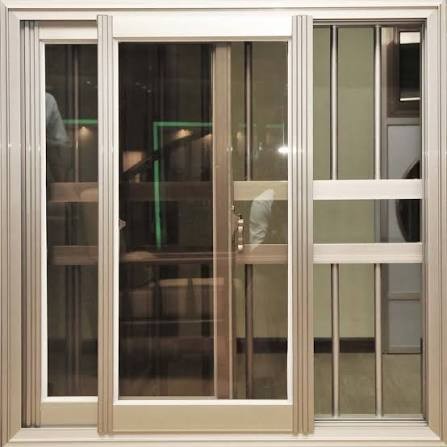
Aluminium windows are a popular choice for residential, commercial and industrial buildings in Uganda because of their modern appearance, durability, strength and relatively low maintenance requirements. From private homes and apartments to offices, hotels, schools and commercial buildings, aluminium windows provide a practical solution for improving natural lighting, ventilation, security and overall building appearance.
However, the cost of aluminium windows in Uganda varies depending on several factors. Two buildings may require windows of similar dimensions but receive different quotations because of differences in window design, aluminium profile quality, glass type, hardware, finishing, fabrication requirements and installation conditions.
Understanding these cost factors helps property owners, architects, contractors and developers make informed decisions before ordering aluminium windows. It also makes it easier to compare quotations, select suitable materials and avoid unexpected expenses during installation.
In this guide, we explain the main factors that affect aluminium window prices in Uganda and what to consider when choosing windows for your project.
1. Size and Dimensions of the Windows
Window size is one of the most important factors affecting the cost of aluminium windows in Uganda. Larger windows generally require more aluminium profiles, more glass and additional fabrication work.
For example, a small bathroom window will normally cost less than a large living room window or a floor-to-ceiling commercial window.
The overall dimensions influence:
- The quantity of aluminium profiles required.
- The amount and thickness of glass needed.
- The number of window sections and opening panels.
- The strength of the frame and supporting components.
- Transportation, handling and installation requirements.
Custom-sized windows may also cost more than standard sizes because they require measurements, individual fabrication and careful fitting.
What to consider: Have each window opening measured accurately before requesting a quotation. Accurate measurements help reduce material wastage, fitting problems and unnecessary adjustments during installation.
2. Type and Design of Aluminium Windows
The window style selected for a building has a direct impact on its price. Different aluminium window designs require different profiles, fittings, accessories and fabrication processes.
Common aluminium window designs in Uganda include:
Sliding Aluminium Windows
<AsyncImage query=”modern residential aluminium sliding glass windows exterior” aspectRatio=”16:9″ width=”100%”/>
Sliding windows operate horizontally along tracks. They are suitable for homes, apartments, offices and other buildings where space-saving operation is important.
Their cost depends on the size, number of sliding panels, track system, glass specification and quality of rollers and locking mechanisms.
Casement Aluminium Windows
<AsyncImage query=”modern black aluminium casement windows residential building” aspectRatio=”16:9″ width=”100%”/>
Casement windows open outwards or inwards using hinges. They provide good ventilation and can be designed for bedrooms, kitchens, living rooms and offices.
The price may vary depending on the number of opening sections, hinge quality, handles, locking systems and frame specifications.
Fixed Aluminium Windows
<AsyncImage query=”large fixed aluminium frame glass windows modern commercial building” aspectRatio=”16:9″ width=”100%”/>
Fixed windows do not open. They are commonly installed in staircases, reception areas, commercial buildings and spaces where natural lighting and outside views are priorities.
They may require fewer moving components than opening windows, although large glass panels can require thicker glass, stronger framing and specialist handling.
Top-Hung and Combination Windows
<AsyncImage query=”modern aluminium top hung awning windows building” aspectRatio=”16:9″ width=”100%”/>
Top-hung windows open from the bottom while remaining hinged at the top. Combination windows bring together fixed and opening sections in one frame.
Their cost depends on the design, number of sections, operating mechanisms and fabrication complexity.
What to consider: Choose a window design based on the room’s ventilation requirements, available space, building style and budget rather than appearance alone.
3. Quality and Thickness of Aluminium Profiles
The quality of aluminium profiles significantly affects the price, strength and durability of a window.
Aluminium profiles form the main structure of the window frame. They hold the glass in position and provide the support required for opening mechanisms, locks and other fittings.
Important profile considerations include:
- Profile thickness and structural strength.
- Aluminium alloy and manufacturing quality.
- Frame design and profile dimensions.
- Suitability for the window’s size and weight.
- Resistance to corrosion and environmental exposure.
- Compatibility with the selected glass and hardware.
Heavier-duty profiles may be necessary for large windows, commercial buildings and installations exposed to demanding conditions. However, the thickest profile is not automatically the best choice for every project. The correct specification depends on the window dimensions, design, glass weight and intended use.
What to consider: Ask your aluminium fabricator to specify the profile system being used. Do not compare quotations based on price alone when the quality and specifications of the profiles may differ.
4. Type and Thickness of Glass
Glass is another major component of aluminium window costs. The type, thickness, size and safety requirements of the glass all influence the final quotation.
Different buildings require different glass specifications depending on their location, window dimensions, security needs and intended use.
Common glass options include:
Clear Glass
<AsyncImage query=”clear glass aluminium framed windows modern home” aspectRatio=”16:9″ width=”100%”/>
Clear glass allows natural light into a room and provides an unobstructed view. It is widely used in residential and commercial windows.
Tinted Glass
<AsyncImage query=”grey tinted glass aluminium windows modern commercial building” aspectRatio=”16:9″ width=”100%”/>
Tinted glass reduces glare and changes the appearance of a window. It can be considered for offices, homes and commercial properties where a particular appearance or level of solar control is desired.
Tempered Glass
<AsyncImage query=”tempered safety glass aluminium framed window installation” aspectRatio=”16:9″ width=”100%”/>
Tempered glass is heat-treated to improve its strength compared with ordinary annealed glass of the same thickness. When it breaks, it generally fractures into smaller pieces rather than large sharp shards.
It is often considered where safety and impact resistance are important.
Laminated Glass
<AsyncImage query=”laminated safety glass aluminium windows architectural building” aspectRatio=”16:9″ width=”100%”/>
Laminated glass consists of glass layers bonded together with an interlayer. When broken, the fragments tend to remain attached to the interlayer, making it useful for certain safety and security applications.
The choice between ordinary, tempered, laminated and other specialist glass options affects the total window cost.
What to consider: Select glass based on the intended application and safety requirements. Large panels, exposed locations and areas where human impact is possible may require specialist advice on suitable glass specifications.
5. Aluminium Window Colour and Finishing
The finish of aluminium windows also contributes to their cost. While natural aluminium finishes are available, many property owners prefer colours that complement the building’s exterior and interior design.
Common finishes include:
- Natural or silver aluminium.
- Black powder-coated aluminium.
- White powder-coated aluminium.
- Bronze and other decorative finishes.
- Wood-effect finishes, where available.
Powder coating provides a coloured protective finish and allows aluminium windows to match different architectural styles. Special colours, textures or finishes may cost more depending on availability, supplier requirements and the fabrication process.
What to consider: Choose a finish that complements your roof, doors, wall colours and overall building design. Confirm the finish specification before fabrication begins.
6. Quality of Window Accessories and Hardware
Aluminium windows require several accessories to function correctly. The quality of these components affects the price, ease of operation, security and service life of the installation.
Important hardware components include:
- Handles and locking systems.
- Rollers for sliding windows.
- Hinges for casement and top-hung windows.
- Rubber gaskets and weather seals.
- Friction stays and operating mechanisms.
- Screws, brackets and fixing accessories.
Low-quality hardware may reduce the initial purchase price but can lead to frequent repairs, difficult operation and premature replacement.
For example, sliding windows require suitable rollers and tracks to move smoothly. Casement windows need appropriate hinges and locking mechanisms to close securely.
What to consider: Ask whether the quotation includes all necessary accessories and whether the hardware is suitable for the size and weight of the windows.
7. Number of Windows Required
The total number of windows required for a building affects the overall project cost.
A residential property with five windows will generally require fewer materials and less fabrication work than a commercial building with several dozen windows.
However, ordering multiple windows for one project may provide opportunities for more efficient fabrication, material planning and transportation. The actual cost per window will depend on the design, specifications and supplier’s pricing structure.
When requesting a quotation, provide a schedule showing:
- The number of windows required.
- The dimensions of each window.
- The preferred window designs.
- The type of glass.
- The colour and finish.
- Any special requirements.
A clear window schedule helps the fabricator prepare a more accurate quotation.
8. Complexity of Fabrication and Customisation
Standard window designs are generally more straightforward to fabricate than unusual or highly customised designs.
Custom aluminium windows may require additional planning, cutting, assembly and finishing. This can increase labour requirements and production time.
Examples of features that may increase fabrication costs include:
- Unusual window shapes and dimensions.
- Multiple opening sections.
- Large or heavy glass panels.
- Special frame configurations.
- Decorative finishes.
- Integrated insect screens.
- Special security or locking arrangements.
Customisation is useful when a building has unique architectural requirements, but the design should be agreed upon before fabrication starts.
What to consider: Provide architectural drawings or clear measurements where possible. Discuss special features early so they can be included in the original quotation.
9. Installation Labour and Site Conditions
The cost of aluminium windows does not end with fabrication. Professional installation is an important part of the total project budget.
Installation costs vary depending on the building design, accessibility of the openings, number of windows and condition of the surrounding walls.
Factors that can affect installation costs include:
- Whether the building is new or undergoing renovation.
- The height and accessibility of window openings.
- Whether old windows must be removed.
- Whether openings need adjustments.
- The condition and accuracy of the wall openings.
- The need for additional fixing materials and sealing.
- The time required to transport and install the windows.
Installing windows in a newly constructed building may be more straightforward when the openings have been prepared correctly. Replacing old windows can involve additional work, including removing existing frames, clearing debris and correcting damaged sections.
What to consider: Request a quotation that clearly separates fabrication, delivery and installation where applicable. Confirm whether preparation, removal of old windows, sealing and finishing are included.
10. Transportation and Delivery Location
Transportation is another factor that can affect aluminium window prices in Uganda.
The distance between the fabrication workshop and the construction site influences delivery arrangements and transport costs. Large windows and heavy glass panels may also require special handling to reduce the risk of damage.
Projects located within Kampala and nearby areas may have different delivery costs from projects in distant districts.
The final delivery cost can depend on:
- Distance to the project site.
- Number and size of windows.
- Vehicle requirements.
- Loading and unloading arrangements.
- Accessibility of the property.
- Special handling requirements for large glass panels.
What to consider: Provide the exact project location when requesting a quotation so that delivery and installation costs can be assessed accurately.
11. Security and Performance Requirements
Some buildings require additional security and performance features that can increase the cost of aluminium windows.
For example, properties located near busy roads, commercial areas or other exposed locations may require stronger locks, suitable safety glass or additional security considerations.
Other performance requirements may include:
- Improved resistance to wind pressure.
- Better weather sealing.
- Reduced air and water leakage.
- Solar control or glare reduction.
- Acoustic performance.
- Enhanced security hardware.
The suitability of these features depends on the building’s location, window dimensions, exposure and intended use.
What to consider: Explain your priorities to the fabricator before selecting a window system. This helps ensure the final specification meets the building’s requirements without paying for unnecessary features.
12. Supplier, Fabricator and Installation Expertise
The company supplying and installing aluminium windows can influence both the initial quotation and the long-term value of the project.
Experienced fabricators are better positioned to assess measurements, recommend suitable profiles, select compatible accessories and manage installation requirements.
When comparing aluminium window suppliers in Uganda, consider:
- Experience in aluminium fabrication and installation.
- Quality of aluminium profiles and glass.
- Accuracy of measurements.
- Workmanship and finishing.
- Quality of installation.
- Ability to handle customised projects.
- Warranty terms and after-installation support.
A very low quotation may exclude important components or use specifications that are not suitable for the intended application. Always compare quotations based on the same materials, dimensions, glass type, hardware and installation scope.
What to consider: Choose a supplier based on quality, technical capability, reliability and value rather than the lowest price alone.
How to Get an Accurate Aluminium Window Quotation in Uganda
Before requesting an aluminium window quotation, prepare the basic information about your project. This helps the fabricator understand your requirements and provide a more realistic estimate.
Use the following checklist:
- Provide accurate measurements: Share the width and height of every window opening.
- Choose the window design: Indicate whether you need sliding, casement, fixed, top-hung or combination windows.
- Specify the glass: State whether you prefer clear, tinted, tempered, laminated or another suitable glass option.
- Select the frame finish: Identify the preferred aluminium colour and finish.
- Explain your hardware requirements: Discuss locks, handles, hinges, rollers and other accessories.
- Provide the project location: Include the town or district for delivery and installation planning.
- Confirm installation requirements: Explain whether the windows are for a new building or a renovation.
- Request an itemised quotation: Ask for a breakdown of materials, fabrication, delivery and installation.
Providing these details makes it easier to compare different quotations fairly and reduces the likelihood of unexpected costs.
Are Cheap Aluminium Windows Worth Buying?
Choosing aluminium windows based only on the lowest quotation can be costly in the long run.
Some low-priced options may use unsuitable profiles, lower-quality hardware, inadequate sealing or glass specifications that do not meet the building’s requirements.
This can lead to problems such as:
- Windows that become difficult to open and close.
- Poor alignment and gaps around frames.
- Water leakage during heavy rainfall.
- Loose or damaged accessories.
- Premature deterioration of seals and fittings.
- Increased maintenance and repair expenses.
A cost-effective window should provide the right balance between purchase price, material quality, performance, appearance and installation workmanship.
It is often better to invest in an appropriately specified aluminium window system than to choose a cheaper option that may require repeated repairs.
Why Choose Daltrevco for Aluminium Windows in Uganda?
Selecting the right aluminium window supplier is an important decision for any construction project. You need a company that understands your building requirements, recommends appropriate materials and pays attention to fabrication and installation quality.
Daltrevco provides aluminium fabrication and installation solutions for residential and commercial building projects in Uganda.
Whether you are constructing a new home, renovating an existing property, developing apartments or fitting out commercial premises, Daltrevco can help you plan aluminium window solutions that suit your design requirements and project budget.
When planning your aluminium window installation, consider the following:
- Suitable aluminium window designs for your building.
- Appropriate frame profiles and finishes.
- Glass options for different applications.
- Functional hardware and accessories.
- Accurate measurements and fabrication.
- Professional installation and finishing.
Contact Daltrevco to discuss your project requirements and request a quotation for aluminium windows in Uganda.
Frequently Asked Questions About Aluminium Window Costs in Uganda
1. What affects the cost of aluminium windows in Uganda?
The main factors include window size, design, aluminium profile quality, glass type and thickness, frame finish, hardware, fabrication complexity, installation labour and transportation.
2. Are sliding aluminium windows cheaper than casement windows?
The cost depends on the dimensions, profile system, number of panels and hardware. Sliding windows use tracks and rollers, while casement windows require hinges and locking mechanisms. Neither design is automatically cheaper in every project.
3. Does the thickness of aluminium profiles affect window prices?
Yes. Profile dimensions, thickness and structural specifications influence the amount of material used and the suitability of the frame for different window sizes and applications.
4. Which glass is best for aluminium windows?
The best glass depends on the building’s requirements. Clear glass is suitable for general applications, while tinted, tempered and laminated glass may be considered where solar control, safety or security requirements are important.
5. Do aluminium window prices include installation?
Not always. Some quotations cover fabrication and supply only, while others include delivery and installation. Always confirm what is included before accepting a quotation.
6. Can I order custom-made aluminium windows in Uganda?
Yes. Aluminium windows can be fabricated to suit specific measurements, designs, colours and building requirements. Custom designs should be agreed upon before fabrication begins.
7. How can I reduce the cost of aluminium windows without compromising quality?
Use suitable standard designs where possible, plan window dimensions early, compare itemised quotations, select appropriate glass and profiles, and avoid unnecessary custom features. Do not compromise on essential structural components, safety specifications or installation quality.
8. How do I get a quotation for aluminium windows from Daltrevco?
Contact Daltrevco with your project location, window measurements, preferred designs and glass requirements. Sharing architectural drawings or a window schedule can also help the team assess your needs and prepare a suitable quotation.
Conclusion
The cost of aluminium windows in Uganda depends on much more than the size of the frame. Window design, aluminium profile quality, glass specifications, finishing, hardware, fabrication complexity, transportation and installation all contribute to the final project cost.
Understanding these factors helps homeowners, developers and contractors choose window systems that meet their requirements while managing their construction budgets effectively.
Before purchasing aluminium windows, compare quotations carefully and ensure that the materials, accessories, measurements and installation services are clearly specified.
For professionally fabricated and installed aluminium windows, contact Daltrevco to discuss your project and request a quotation. Choose window solutions that combine quality, functionality, durability and a modern finish for your building.</WritingBlock}

