
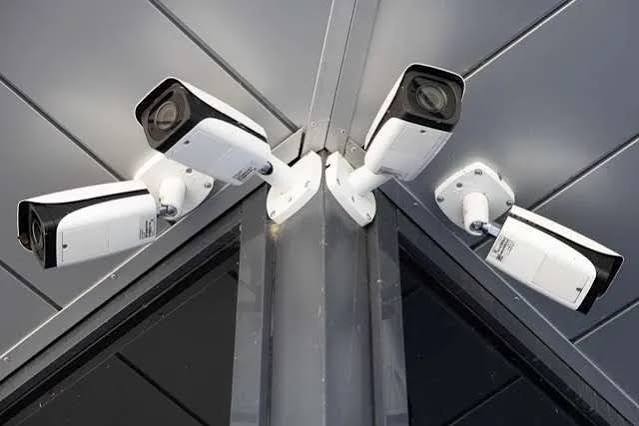
The security of guests, employees, facilities and business assets is a major responsibility for every hotel, resort and hospitality establishment. From luxury hotels and conference centres to safari lodges, boutique hotels and lakeside resorts, hospitality businesses must maintain safe environments while delivering a comfortable guest experience.
With guests, employees, suppliers and visitors moving through different parts of a property every day, managing security without reliable surveillance can be challenging. Unmonitored entrances, parking areas, reception spaces, service corridors and outdoor facilities may create security weaknesses that affect both guest confidence and business operations.
Installing CCTV security systems for hotels, resorts and hospitality facilities provides a practical way to improve surveillance, monitor important areas, deter unauthorised activities and support professional security management. Modern CCTV technology allows authorised personnel to monitor live camera feeds, review recorded incidents and manage surveillance across multiple buildings from a central location.
In Uganda, hospitality facilities operate in diverse environments, including Kampala’s commercial hotel market, Entebbe’s accommodation facilities, tourism destinations around Bwindi and Queen Elizabeth National Park, and resorts near Lake Victoria. Each property has different security requirements depending on its size, location, facilities and guest activities.
A carefully planned CCTV installation helps address these requirements by combining suitable cameras, reliable recording equipment, secure network infrastructure and appropriate monitoring arrangements.
This comprehensive guide explores the benefits of hotel CCTV systems, camera types, strategic installation locations, modern surveillance technologies, installation procedures, privacy considerations, maintenance and CCTV installation costs in Uganda.
Why CCTV Security Systems Are Essential for Hotels and Resorts
Hotels are different from many other commercial properties because they provide accommodation and shared facilities to people who may be unfamiliar with one another. They must protect guests while allowing employees, suppliers and visitors to move through designated areas.
A reliable CCTV system supports this responsibility by improving visibility across appropriate parts of the property.
1. Protecting Guests and Improving Hotel Security
Guest safety is central to hospitality operations. Visitors expect hotels and resorts to maintain secure entrances, reception areas, parking facilities and shared spaces.
CCTV cameras help security personnel monitor these locations and identify activities that may require attention.
For example, surveillance footage can assist with investigating unauthorised entry, suspicious movement, property damage, disputes and incidents in shared facilities.
Strategically positioned cameras also provide additional visibility for security teams working during busy check-in periods, conferences, events and overnight operations.
2. Preventing Theft and Protecting Hotel Assets
Hotels contain valuable property, including furniture, electronics, kitchen equipment, computers, maintenance tools and guest facilities.
Theft, vandalism and unauthorised access can result in financial losses and operational disruption.
CCTV surveillance can help monitor:
- Reception and administrative areas.
- Cashier and payment points.
- Hotel shops and retail outlets.
- Storage rooms and stock facilities.
- Equipment rooms.
- Delivery and receiving areas.
- Staff entrances.
- Parking facilities.
Recorded footage can support investigations when property goes missing or an incident is reported.
CCTV should be combined with inventory management, access restrictions and appropriate staff procedures for effective asset protection.
3. Strengthening Access Point Monitoring
Hotels receive different categories of visitors, including resident guests, walk-in customers, employees, suppliers, contractors and event attendees.
Monitoring access points helps security personnel maintain awareness of movement around the property.
Cameras should be considered for main entrances, secondary doors, staff access points, service entrances, delivery gates and other designated access locations.
Where detailed identification is required, camera resolution, lens selection, mounting position and lighting must be considered during system design.
4. Improving Parking Security
Parking areas are important security locations for hotels, particularly properties that accommodate tourists, business travellers, conference guests and visitors arriving with private or hired vehicles.
CCTV cameras can help monitor vehicle entry and exit points, parking bays, pedestrian walkways, payment stations and loading zones.
For larger hotels and resorts, specialised Automatic Number Plate Recognition (ANPR) systems may be considered to support vehicle identification and controlled parking operations.
5. Monitoring Staff and Service Operations
Hospitality businesses depend on different departments working together, including reception, housekeeping, kitchen operations, maintenance, security and administration.
CCTV can help investigate incidents involving unauthorised access, missing equipment, delivery disputes and damage in appropriate operational areas.
Camera placement should serve legitimate security purposes and respect employee privacy. It should not become an inappropriate substitute for proper human resource management.
6. Supporting Emergency Response
During an emergency, security personnel may need to establish what is happening in different parts of the property.
A centralised CCTV system can help authorised staff observe suitable shared areas, identify visible hazards and coordinate responses.
For example, cameras may help security personnel assess activity around an entrance, parking area or public corridor during an incident.
However, CCTV does not replace fire alarms, smoke detectors, emergency communication systems, evacuation procedures or trained emergency personnel.
7. Improving Guest Confidence and Professional Management
Guests value accommodation facilities that demonstrate responsible attention to safety and security.
A properly planned CCTV system can support a hotel’s wider security arrangements by improving visibility in appropriate public areas.
For management, centralised surveillance also makes it easier to review incidents, assess security procedures and identify areas requiring additional attention.
Where Should CCTV Cameras Be Installed in Hotels and Resorts?
One of the most important parts of hotel CCTV installation is determining where cameras should be positioned.
Installing cameras without a proper coverage plan can result in blind spots, unnecessary equipment costs and poor image quality. A professional site assessment should identify the areas that require monitoring and the level of detail needed at each location.
1. Hotel Main Entrances and Reception Areas
The main entrance and reception desk are among the most important CCTV locations in a hotel.
These areas experience frequent movement as guests arrive, check in, check out and request assistance.
Cameras should provide suitable coverage of:
- Main entrance doors.
- Reception counters.
- Lobby entrances.
- Guest waiting areas.
- Access routes to the reception.
- Secondary entrance points.
The camera design should account for backlighting from glass doors and bright outdoor conditions. Wide Dynamic Range (WDR) cameras may be useful in these locations.
2. Guest Corridors and Lift Lobbies
Hotel corridors connect guest rooms, meeting facilities, restaurants and other shared spaces.
Appropriately positioned cameras can monitor shared corridors, lift lobbies and access routes to restricted areas.
Cameras should never be positioned to record inside guest rooms or other private spaces. Their viewing angles should be carefully adjusted to maintain privacy while providing useful corridor coverage.
3. Restaurants, Bars and Dining Facilities
Restaurants and bars require suitable surveillance because they handle customer movement, payments, food supplies and valuable equipment.
Cameras may be positioned to monitor:
- Restaurant entrances.
- Cashier stations.
- Service counters.
- Storage access points.
- Kitchen service entrances.
- Shared dining areas where appropriate.
The design should avoid unnecessarily capturing sensitive payment information or intrusive views of customers.
4. Parking Areas and Vehicle Entrances
Hotel parking facilities can cover substantial outdoor spaces and may require several camera types.
A suitable system may include fixed outdoor cameras for specific views, PTZ cameras for larger areas and ANPR cameras where vehicle identification is required.
Important coverage points include entrance barriers, vehicle exits, parking lanes, payment stations and pedestrian routes.
5. Swimming Pools and Recreational Facilities
Swimming pools, gyms, gardens, outdoor lounges and recreational areas are common features in resorts and luxury hotels.
CCTV may be used to monitor appropriate access routes and shared spaces.
However, cameras must not be installed in changing rooms, bathrooms or other private spaces. Surveillance should also not replace lifeguards, pool supervision or other safety arrangements.
6. Conference Rooms and Event Facilities
Hotels hosting conferences, weddings, exhibitions and corporate events may experience significant visitor movement.
Cameras can monitor suitable entrances, registration areas, shared corridors, event reception spaces and access routes to storage facilities.
Camera placement should avoid unnecessary recording of confidential meetings and private activities.
7. Staff Entrances and Loading Bays
Staff entrances and loading areas are important because they are used by employees, suppliers, contractors and delivery vehicles.
CCTV cameras can help monitor goods receiving, supplier access, delivery activities and movement into restricted operational sections.
These areas may require cameras with suitable low-light performance and durable outdoor housings.
8. Perimeter Boundaries and Outdoor Grounds
Large resorts, safari lodges and hotels with extensive grounds may require perimeter surveillance.
Cameras can monitor selected boundary points, entrance gates, service roads, outdoor pathways and other vulnerable locations.
For larger properties, the design may combine fixed cameras with PTZ cameras and specialised low-light or thermal cameras where appropriate.
9. Server Rooms and Restricted Facilities
Hotel server rooms, electrical rooms, equipment stores and administrative offices may contain valuable or sensitive assets.
CCTV can support monitoring of access to these spaces, particularly when integrated with access control systems.
Best Types of CCTV Cameras for Hotels, Resorts and Hospitality Facilities
Choosing the right camera is essential for achieving useful surveillance. Different locations require different viewing angles, image detail, environmental protection and technical features.
1. IP CCTV Cameras for Modern Hotel Surveillance
IP cameras transmit digital video over network infrastructure and are widely used in modern commercial CCTV installations.
They are suitable for hotels that require multiple cameras, centralised recording, remote monitoring and potential integration with other security systems.
Depending on the design, IP cameras can be installed across several floors or buildings and connected to centralised video management software.
Best applications:
- Hotel reception areas.
- Guest corridors.
- Office entrances.
- Restaurants.
- Parking facilities.
- Shared operational areas.
2. Dome CCTV Cameras for Indoor Areas
Dome cameras are commonly used in indoor commercial surveillance because of their compact design and ceiling-mounted installation.
They are suitable for hotel lobbies, corridors, reception areas, restaurants and conference facility entrances.
Vandal-resistant dome models may be appropriate for selected locations where cameras could be exposed to physical interference.
3. Bullet CCTV Cameras for Outdoor Surveillance
Bullet cameras provide directional surveillance and are commonly used in outdoor environments.
They may be installed around hotel boundaries, entrance gates, parking facilities, loading bays and external walkways.
Outdoor models should have appropriate weather protection, dust resistance and suitable mounting arrangements.
4. PTZ Cameras for Large Resorts and Hotel Compounds
Pan-Tilt-Zoom cameras allow operators to change the camera’s viewing direction and zoom remotely.
They are useful for monitoring large spaces where security personnel need the flexibility to observe different locations.
Typical applications include:
- Large resort grounds.
- Hotel parking compounds.
- External event spaces.
- Building perimeters.
- Large entrance areas.
A PTZ camera should complement fixed cameras because it cannot continuously monitor every direction while moving or zooming.
5. Panoramic CCTV Cameras for Wide Coverage
Panoramic cameras provide wide-angle surveillance using specialised lenses or multiple imaging sensors.
They may be useful in large lobbies, reception halls, conference spaces and other open areas.
Before selecting a panoramic camera, consider its effective image detail, mounting height, viewing distance and ability to capture useful footage across the entire scene.
6. Night Vision CCTV Cameras for 24-Hour Security
Hotels and resorts operate beyond normal business hours, making night-time surveillance important.
Night vision cameras may use infrared illumination or other low-light technologies to capture images in dark environments.
They are suitable for parking facilities, external entrances, perimeter areas and service locations.
7. AI-Powered CCTV Cameras for Intelligent Surveillance
AI-powered CCTV cameras use video analytics to detect and classify selected objects or activities.
Depending on the system, features may include:
- Human detection.
- Vehicle detection.
- Intrusion alerts.
- Line-crossing detection.
- Loitering detection.
- Crowd-density analysis.
- Restricted-area monitoring.
For example, an analytics-enabled camera may notify security personnel when a person enters a restricted service area outside operating hours.
AI alerts should be tested and monitored because lighting, camera angles, weather and movement patterns can affect accuracy.
8. Thermal CCTV Cameras for Specialised Perimeter Monitoring
Thermal cameras detect infrared radiation emitted by objects and display temperature differences as an image.
They can be useful for selected large or remote properties where perimeter monitoring in darkness or difficult lighting conditions is important.
Thermal cameras are not a substitute for conventional CCTV when ordinary facial or vehicle registration plate details are required.
Essential Features of a Reliable Hotel CCTV Security System
When purchasing CCTV equipment for a hotel or resort, it is important to evaluate more than the camera’s advertised resolution.
The complete system should deliver reliable coverage, recording, storage, connectivity and security.
High Image Resolution and Appropriate Lens Selection
Camera resolution should match the required level of image detail and viewing distance.
A camera monitoring a wide parking area may require different specifications from one monitoring a reception counter.
Lens selection is equally important because it determines the camera’s field of view and the amount of detail captured at different distances.
Wide Dynamic Range for Changing Lighting Conditions
Hotels often have entrances with bright outdoor lighting and darker interior spaces.
WDR technology helps balance bright and dark parts of an image, improving visibility in challenging lighting conditions.
Reliable Low-Light Performance
Cameras installed around entrances, parking areas and outdoor facilities should provide suitable performance after dark.
The choice between infrared illumination, low-light colour cameras and additional lighting depends on the installation environment.
Video Motion Detection and Intelligent Analytics
Motion detection and analytics can help security personnel identify selected events.
For example, the system may generate an alert when movement occurs in a restricted storage area during designated hours.
Analytics should be configured according to normal hotel activity to reduce unnecessary alerts.
Secure Remote Viewing
Remote viewing allows authorised hotel managers and security personnel to access live camera feeds from supported computers and mobile devices.
Remote access should be protected through strong authentication, controlled user permissions and secure network configuration.
Sufficient Video Storage Capacity
A hotel may have dozens or hundreds of cameras operating continuously.
Storage should be calculated based on:
- Number of cameras.
- Image resolution.
- Frame rate.
- Video compression.
- Continuous or event-based recording.
- Required retention period.
An appropriately sized NVR or VMS storage solution helps ensure that footage remains available when required.
Power Backup and Network Reliability
A surveillance system depends on power and network connectivity.
UPS equipment may help maintain operation during electricity interruptions, while suitable switches, structured cabling and fibre-optic connections support reliable video transmission.
The backup arrangement should cover the cameras, network equipment and recording devices that need to remain operational.
Cybersecurity and User Access Management
Modern IP CCTV systems are connected to networks and should be protected against unauthorised access.
Important measures include strong passwords, restricted administrator accounts, firmware updates, secure remote access and appropriate network segmentation.
CCTV Security Systems for Different Types of Hospitality Businesses in Uganda
Hospitality facilities have different security priorities depending on their location, design and services.
CCTV Installation for Luxury Hotels in Kampala
Luxury hotels may contain several accommodation floors, restaurants, conference halls, reception facilities, parking areas and business centres.
A suitable surveillance system may use high-quality IP cameras, centralised recording, monitoring workstations and integrated access control.
Particular attention should be given to reception areas, vehicle access points, shared corridors and restricted operational spaces.
CCTV Installation for Hotels in Entebbe
Hotels in Entebbe may serve international travellers, business visitors, airline passengers and tourists.
Their CCTV requirements may include reception surveillance, entrance monitoring, parking security, restaurant coverage and outdoor facility monitoring.
Properties with extensive grounds may require a combination of fixed and PTZ cameras.
CCTV Installation for Resorts Around Lake Victoria
Resorts near Lake Victoria may have waterfront facilities, gardens, outdoor restaurants, accommodation units and extensive recreational spaces.
A surveillance design should consider weather exposure, outdoor lighting, network connections between buildings and protection of equipment from environmental conditions.
CCTV Installation for Safari Lodges in Bwindi and Other Tourism Destinations
Safari lodges and remote hospitality facilities often operate in areas where power supply, network connectivity and maintenance access may be more challenging.
Their CCTV systems should consider:
- Suitable outdoor camera housings.
- Backup power arrangements.
- Long-distance network connectivity.
- Local recording capacity.
- Secure remote monitoring.
- Protection against environmental damage.
- Practical access for maintenance.
Where lodges are situated in wildlife-sensitive environments, camera placement and supporting infrastructure should be planned to minimise disturbance to the surroundings.
CCTV Installation for Guesthouses and Boutique Hotels
Smaller accommodation businesses may not need the same scale of surveillance as large hotels.
A practical system may cover the main entrance, reception area, parking facility, shared corridors, service entrance and selected outdoor spaces.
The system can be expanded as the business grows.
CCTV Installation for Conference Hotels and Event Venues
Conference hotels may experience high visitor traffic during meetings, exhibitions, weddings and other events.
CCTV can help monitor entrances, registration areas, public corridors, parking facilities and shared event spaces.
The design should also consider temporary increases in visitor numbers and the need for effective security coordination.
The Professional CCTV Installation Process for Hotels and Resorts
Installing a CCTV system in a hospitality facility involves more than mounting cameras. It requires a structured approach that considers the building layout, surveillance objectives, network infrastructure and operational requirements.
Step 1: Site Survey and Security Risk Assessment
The first stage involves inspecting the property and identifying areas that require surveillance.
The assessment should consider the number of buildings, entrances, guest facilities, parking areas, outdoor spaces, lighting conditions and existing infrastructure.
Security priorities should be discussed with hotel management to establish the intended coverage and level of image detail.
Step 2: CCTV Camera Layout and System Design
A camera layout is prepared to show the proposed positions, viewing angles and coverage areas.
The design should identify potential blind spots and determine the appropriate camera type for each location.
It should also specify the recording arrangement, network infrastructure, storage capacity and monitoring requirements.
Step 3: Equipment Selection and Compatibility Checks
Cameras, recording equipment, network switches, power supplies and software are selected according to the approved design.
Compatibility between the components should be checked, particularly where cameras from different manufacturers or third-party management platforms are involved.
Step 4: Network Cabling and Infrastructure Installation
The installation may involve Cat6 cabling, fibre-optic links, network switches, equipment racks and Power over Ethernet connections.
Large hotels and resorts may require multiple network distribution points to connect cameras across several buildings.
Cables should be routed and protected appropriately to support reliability and future maintenance.
Step 5: Camera Mounting and Positioning
Cameras are installed at the selected locations.
The installation team should verify camera height, angle, lighting, field of view and protection against environmental conditions.
Privacy should be considered throughout the process, especially around guest accommodation and recreational facilities.
Step 6: Recording, Storage and Software Configuration
The recording equipment is configured to receive, process and store camera footage.
This may include camera naming, recording schedules, user permissions, motion detection, storage allocation and remote viewing configuration.
The system should be designed to meet the hotel’s operational requirements and applicable data protection obligations.
Step 7: System Testing and Commissioning
Each camera and supporting component should be tested before handover.
Testing should include:
- Live camera viewing.
- Day and night image quality.
- Recording and playback.
- Network connectivity.
- Storage operation.
- Remote access.
- Motion detection and analytics.
- Backup power operation.
- User permissions.
The installer should address identified faults and coverage problems before the system is put into operation.
Step 8: Training and Handover
Hotel management and authorised security staff should receive guidance on using the system.
Training should cover live monitoring, searching footage, exporting recordings, managing user accounts, basic troubleshooting and reporting faults.
Appropriate documentation should be provided to support day-to-day operation and future maintenance.
Integrating Hotel CCTV with Access Control and Other Security Systems
CCTV becomes more useful when integrated with compatible security technologies.
1. CCTV and Access Control Integration
Access control systems regulate movement into restricted areas using credentials such as cards, PINs, biometrics or other approved methods.
When integrated with CCTV, authorised staff may review video associated with access events.
This can support monitoring of staff entrances, equipment rooms, server rooms and other restricted spaces.
2. CCTV and Intruder Alarm Integration
Intruder alarm systems detect unauthorised access into protected locations.
When compatible systems are integrated, security teams can use camera footage to assess alarm events and coordinate an appropriate response.
3. CCTV and ANPR Integration
Automatic Number Plate Recognition systems capture and process vehicle registration plates using specialised cameras and software.
Hotels may use ANPR to support parking management, authorised vehicle access and monitoring of vehicle movements.
4. CCTV and Building Management Systems
Building Management Systems monitor and manage selected building services.
Where supported, CCTV may be integrated into a wider management platform to give authorised personnel access to different building systems through a coordinated interface.
5. CCTV and Fire Protection Systems
CCTV can assist security teams in observing suitable common areas during emergencies.
However, fire detection and protection must remain based on appropriate fire alarm systems, smoke detectors, suppression equipment, emergency lighting and evacuation arrangements.
CCTV should never be treated as a replacement for dedicated fire safety equipment.
CCTV Privacy and Data Protection Requirements for Hotels in Uganda
Guest privacy is especially important in the hospitality industry. Hotels collect and handle information relating to guests, employees, contractors and visitors.
CCTV recordings may contain identifiable images of individuals and should therefore be managed responsibly.
Hotels should consider applicable Ugandan legislation, including the Data Protection and Privacy Act, 2019, and relevant requirements governing the collection, use, storage and protection of personal data.
Important practices include:
Establish a Clear Surveillance Purpose
Every camera should have a legitimate and identifiable security purpose.
Hotel management should understand why a particular area needs surveillance and whether the selected camera provides appropriate coverage.
Avoid Private Areas
CCTV cameras should not be installed in guest rooms, bathrooms, changing rooms or other spaces where individuals reasonably expect privacy.
Camera angles should also be adjusted to avoid unnecessarily recording private areas outside the hotel boundary.
Display Appropriate CCTV Notices
Guests, employees and visitors should be informed when they enter areas monitored by surveillance cameras.
Notices should be visible and should provide appropriate information about the surveillance arrangement.
Restrict Access to Recorded Footage
Only authorised personnel should be permitted to view, export or manage CCTV recordings.
User accounts should have permissions appropriate to each person’s responsibilities.
Establish Appropriate Retention Periods
Hotel management should define how long recordings are retained according to legitimate business needs and applicable legal requirements.
Recordings should not be stored indefinitely without a proper justification.
Protect CCTV Networks and Storage
Surveillance systems should use suitable passwords, secure network configurations, access restrictions and appropriate software updates.
Review Advanced Surveillance Technologies Carefully
Facial recognition and other biometric surveillance features may involve additional privacy and legal considerations.
Hotels should assess the necessity, proportionality and legal implications of such technologies before implementation.
Where required, appropriate legal or data protection advice should be obtained.
How Much Does CCTV Installation Cost for Hotels and Resorts in Uganda?
The cost of CCTV installation for hotels in Uganda depends on the size of the property, the number of cameras, equipment specifications and the complexity of the installation.
A small guesthouse may require a relatively simple CCTV system, while a large hotel or resort may need an extensive network with centralised monitoring, fibre-optic connections, multiple recording devices and specialised outdoor cameras.
The main factors affecting the installation cost include:
1. Number of Cameras Required
The number of cameras is one of the biggest factors affecting project cost.
Hotels with multiple floors, numerous entrances, extensive parking facilities and large outdoor grounds generally require more cameras.
2. Camera Quality and Technology
Different camera types have different specifications and costs.
Specialised PTZ, panoramic, thermal, ANPR and AI-enabled cameras may require higher investment than standard fixed cameras.
The selection should be based on the actual surveillance objective.
3. Property Size and Building Layout
Large hotels and resorts may require longer cable routes, additional network switches, fibre-optic connections and more installation work.
Properties with several separate buildings may also require additional network distribution infrastructure.
4. Recording Equipment and Storage
Storage requirements depend on the number of cameras, video resolution, frame rate, compression settings, recording schedule and required retention period.
A large hotel may need multiple NVRs, dedicated storage devices or a centralised VMS platform.
5. Network Infrastructure
The installation budget may include structured cabling, fibre-optic links, switches, racks, network accessories and other supporting components.
Existing infrastructure may reduce some installation requirements if it is suitable and compatible.
6. Monitoring and Control Room Requirements
Hotels that require centralised surveillance may need monitors, workstations, software and suitable control room infrastructure.
7. Power Backup
UPS systems and other backup power solutions may be required to maintain camera and recording operation during electricity interruptions.
8. Integration with Other Security Systems
Connecting CCTV to access control, intruder alarms, ANPR or building management systems may involve additional hardware, software and configuration.
9. Maintenance and Support Requirements
The project budget should also account for periodic maintenance, equipment inspections, cleaning, troubleshooting, software updates and replacement of faulty components.
For an accurate quotation, a site assessment should be conducted to establish the number of cameras, technical requirements, cable routes and supporting equipment needed.
Common Hotel CCTV Installation Mistakes and How to Avoid Them
Even quality surveillance equipment may deliver poor results when the installation is not properly planned.
Hotel owners and facility managers should avoid these mistakes.
1. Installing Cameras Without a Site Assessment: This can result in poor camera placement, unnecessary equipment costs and inadequate coverage.
2. Ignoring Blind Spots: Important areas such as side entrances, service corridors and parking sections may remain unmonitored.
3. Choosing Cameras Based Only on Resolution: Resolution alone does not guarantee clear footage. Lens selection, lighting, viewing distance and camera positioning are equally important.
4. Using Indoor Cameras Outdoors: Outdoor installations require equipment with suitable environmental protection.
5. Underestimating Storage Requirements: Inadequate storage may result in recordings being overwritten before they are needed.
6. Ignoring Network Security: Weak passwords, outdated firmware and poorly configured remote access can expose the CCTV system to cyber threats.
7. Failing to Install Backup Power: Power interruptions may stop surveillance equipment when no suitable backup arrangement exists.
8. Ignoring Guest Privacy: Cameras must be positioned responsibly and must not monitor private accommodation spaces.
9. Neglecting Regular Maintenance: Dirty lenses, damaged cables and recording failures can reduce surveillance effectiveness.
10. Failing to Train Security Personnel: Staff must understand how to monitor the system, retrieve recordings and respond to system faults.
CCTV Maintenance and Long-Term System Reliability
Regular maintenance helps keep hotel CCTV systems operational and reduces the risk of unexpected equipment failures.
A suitable maintenance programme should include:
- Cleaning camera lenses and protective covers.
- Checking camera positions and viewing angles.
- Inspecting cables and network connections.
- Testing live viewing and recorded footage.
- Checking storage capacity and recording status.
- Reviewing system date and time settings.
- Testing backup power equipment.
- Updating firmware where appropriate.
- Reviewing passwords and user permissions.
- Checking remote viewing security.
- Testing motion detection and analytics.
- Replacing faulty cameras and damaged accessories.
For large hotels and resorts, maintaining an equipment register and documenting inspections can help management plan maintenance and equipment upgrades.
Outdoor cameras may need more frequent inspections because they are exposed to rain, dust, vegetation and other environmental conditions.
How to Choose the Best CCTV Installation Company for Your Hotel in Uganda
The quality of the installation is just as important as the cameras selected.
A suitable CCTV installation company should understand the technical requirements of hospitality properties and be able to recommend a system based on the hotel’s actual layout and security priorities.
Before selecting a provider, consider the following:
Commercial and Hospitality Installation Experience
Choose a provider that understands surveillance requirements for hotels, resorts, lodges, restaurants and other commercial facilities.
Technical Site Assessment
The installer should evaluate the property before recommending equipment.
This helps identify camera positions, potential blind spots, network requirements and appropriate recording arrangements.
Knowledge of Modern CCTV Technologies
A capable installation provider should understand IP cameras, NVR systems, PTZ cameras, panoramic cameras, night vision, AI analytics and network infrastructure.
Clear System Design and Proposal
The quotation should explain the proposed camera types, quantities, locations, recording equipment, storage requirements and installation scope.
Equipment Compatibility
All system components should be compatible and suitable for the intended installation.
Maintenance and Technical Support
Ask about maintenance arrangements, troubleshooting procedures, software support and future system expansion.
Documentation and User Training
A professional handover should include appropriate equipment information, user instructions and guidance on retrieving and managing recordings.
The right contractor should be selected based on technical suitability, reliability and the ability to meet the property’s long-term requirements rather than price alone.
Why Consider Daltrevco for CCTV Security Installation Planning?
Choosing the right surveillance approach is an important decision for hotel owners, resort developers and hospitality facility managers.
A successful installation begins with understanding the property’s layout, identifying security priorities and selecting equipment that provides the required level of monitoring.
Daltrevco is a point of contact for property owners, developers and businesses exploring professional security and building installation solutions in Uganda.
Whether you are planning CCTV installation for a new hotel, upgrading an existing resort, improving surveillance at a safari lodge or reviewing the security infrastructure of a hospitality complex, contact Daltrevco to discuss your requirements and explore a suitable installation approach.
Visit https://www.daltrevco.com/ to learn more about Daltrevco and its services.
Conclusion: Invest in Reliable CCTV Security Systems for Your Hospitality Facility
CCTV security systems play an important role in protecting hotels, resorts and hospitality facilities. They help improve visibility across reception areas, entrances, corridors, parking facilities, restaurants, service areas and selected outdoor spaces.
However, effective surveillance requires more than purchasing cameras. It depends on proper site assessment, suitable equipment selection, strategic positioning, reliable recording, secure network infrastructure and regular maintenance.
For hospitality businesses in Uganda, the CCTV system should also reflect the property’s location, size, operating environment and guest privacy responsibilities.
Whether you operate a luxury hotel, boutique accommodation facility, safari lodge, conference hotel or large resort, a professionally planned CCTV system can strengthen your wider security arrangements and support more effective property management.
Contact Daltrevco to discuss CCTV security system installation requirements for your hotel, resort or hospitality facility in Uganda.
Frequently Asked Questions About CCTV Security Systems for Hotels and Resorts
1. What is a CCTV security system for hotels?
A hotel CCTV security system is a network of surveillance cameras, recording equipment and monitoring software used to observe appropriate shared and operational areas of a hospitality property.
2. Why should hotels install CCTV security systems?
Hotels install CCTV to monitor entrances, protect property, discourage unauthorised activities, investigate incidents and support security personnel in maintaining a safe environment.
3. Which CCTV cameras are best for hotels and resorts?
IP cameras are suitable for many modern hotel installations. Dome cameras are commonly used indoors, bullet cameras are suitable for outdoor locations, PTZ cameras monitor larger spaces and panoramic cameras provide wide-angle coverage.
4. Where should CCTV cameras be installed in hotels?
Common locations include reception areas, main entrances, corridors, lift lobbies, parking facilities, restaurants, staff entrances, loading bays, storage areas and suitable outdoor spaces.
5. Can hotels install CCTV cameras in guest rooms?
No. Hotels should not install CCTV cameras in guest rooms, bathrooms, changing rooms or other private spaces where guests reasonably expect privacy.
6. How many CCTV cameras does a hotel need?
The number depends on the property’s size, number of buildings, entrances, floors, parking facilities and required coverage. A site assessment helps establish the appropriate camera quantity.
7. Can hotel CCTV systems operate 24 hours a day?
Yes. CCTV systems can be configured for continuous recording or selected recording schedules, depending on the operational requirements and storage capacity.
8. Can CCTV cameras monitor hotel parking areas?
Yes. Fixed cameras, PTZ cameras and specialised ANPR systems can be used to monitor vehicle access points, parking bays, payment stations and pedestrian routes.
9. Can hotel CCTV systems be viewed remotely?
Yes. Many modern IP CCTV systems support remote viewing through authorised computers and mobile devices when secure network access is available.
10. What is the difference between IP CCTV and analogue CCTV?
IP cameras transmit digital video through network infrastructure, while traditional analogue systems transmit video through compatible analogue connections. IP systems generally provide greater flexibility for network-based commercial installations.
11. Can CCTV be integrated with hotel access control systems?
Yes. Compatible CCTV and access control systems can be integrated to help security teams review video associated with access events and monitor restricted areas.
12. Are AI-powered CCTV cameras useful for hotels?
Yes. Depending on the selected system, AI analytics can support human detection, vehicle detection, intrusion alerts, line crossing and loitering detection.
13. Can CCTV cameras operate during power outages?
Cameras and recording equipment require electricity to operate. Suitable UPS or backup power arrangements can help maintain surveillance during interruptions.
14. How long should hotel CCTV footage be stored?
Retention depends on storage capacity, legitimate operational requirements and applicable data protection obligations. Hotels should establish an appropriate retention policy.
15. What determines CCTV installation costs for hotels in Uganda?
The main factors include camera quantity, camera specifications, property size, network cabling, recording equipment, storage, power backup, monitoring facilities and system integration.
16. Do safari lodges need specialised CCTV systems?
Safari lodges may require equipment suited to outdoor environments, remote locations, limited infrastructure and challenging network conditions. The system should be designed around the specific property.
17. Are night vision cameras necessary for hotels?
Night vision or suitable low-light cameras may be useful for outdoor entrances, parking areas, perimeter boundaries and service locations that operate after dark.
18. How often should hotel CCTV systems be maintained?
Maintenance should follow equipment recommendations and site conditions. Regular cleaning, inspection, recording tests, software updates and network security checks help maintain reliability.
19. Is CCTV installation legal in Uganda?
CCTV can be used for legitimate security purposes, but hotel operators must consider applicable laws, including Uganda’s Data Protection and Privacy Act, 2019. They should implement appropriate privacy notices, access controls and retention procedures.
20. How do I choose a CCTV installation company for my hotel?
Evaluate the provider’s commercial installation experience, technical knowledge, site assessment process, system design, equipment compatibility, maintenance arrangements and handover documentation.
Are you planning to install or upgrade CCTV security systems for a hotel, resort, safari lodge or hospitality facility in Uganda? Contact Daltrevco to discuss your project requirements and explore an appropriate surveillance solution.

