
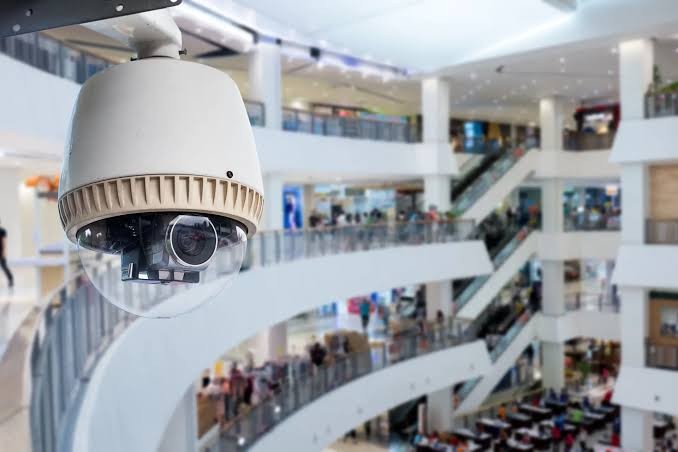
Shopping malls and retail centres are busy commercial environments that require reliable security systems to protect customers, employees, tenants, business premises and valuable merchandise. With multiple shops, entrances, parking areas, food courts, storage rooms and shared facilities, maintaining effective security can be challenging without proper surveillance.
CCTV installation for shopping malls and retail centres provides an effective way to monitor activities, deter criminal behaviour, investigate security incidents and improve overall property management. A professionally planned CCTV system helps mall operators maintain visibility across different areas while supporting security personnel in responding to potential threats.
In Uganda, where shopping centres continue to serve growing residential and commercial communities, CCTV surveillance is an important consideration for new developments, existing malls, supermarkets and retail complexes.
This guide explains how CCTV systems work in shopping malls, the best cameras for different retail environments, important installation considerations, system integration, maintenance requirements and factors that influence CCTV installation costs in Uganda.
Why Shopping Malls and Retail Centres Need CCTV Installation
Shopping malls experience continuous movement of people, vehicles, employees, suppliers and service providers. Without appropriate surveillance, monitoring every section of a large commercial property can become difficult.
A properly designed CCTV system provides continuous visual monitoring and helps security teams identify incidents that may require attention.
Key benefits include:
1. Improved Customer and Visitor Safety
Shopping malls welcome large numbers of visitors throughout the day. CCTV cameras help monitor entrances, corridors, staircases, lifts, food courts and other shared spaces.
Surveillance footage can assist security teams when investigating incidents such as theft, harassment, property damage, accidents and unauthorised access.
Visible cameras may also discourage behaviour that threatens the safety of customers and employees.
2. Theft Prevention and Loss Reduction
Retail shops, supermarkets and shopping centres handle valuable merchandise and frequent financial transactions. Shoplifting, stock theft, burglary and other forms of loss can affect business performance.
Strategically positioned CCTV cameras help monitor:
- Shop entrances and exits.
- Checkout counters and payment areas.
- Product display sections.
- Storage rooms and stock areas.
- Loading and delivery zones.
- Shared retail corridors.
CCTV footage can support investigations and help businesses review security incidents. However, cameras should complement other loss-prevention measures, including inventory controls, staff procedures and access restrictions.
3. Parking Area Surveillance
Shopping mall parking areas require careful monitoring because they accommodate customer vehicles, delivery vehicles, motorcycles and pedestrians.
CCTV cameras can help monitor vehicle entry and exit points, parking bays, pedestrian walkways, loading areas and payment stations.
Depending on the requirements, parking surveillance may use fixed cameras, panoramic cameras, PTZ cameras and automatic number plate recognition (ANPR) systems.
4. Monitoring Employee and Contractor Activities
Shopping centres employ security guards, cleaners, maintenance personnel, cashiers, administrative staff and other workers. They also receive contractors and suppliers.
CCTV surveillance can help authorised management personnel review activities in appropriate operational areas, investigate incidents and monitor compliance with security procedures.
Camera placement should respect employee privacy and applicable data protection requirements.
5. Better Incident Investigation
When a security incident occurs, CCTV recordings can provide useful evidence about what happened, where it occurred and when it took place.
Recorded footage may assist with investigations involving:
- Shoplifting and burglary.
- Vehicle damage and parking disputes.
- Unauthorised entry.
- Vandalism and property damage.
- Accidents in public areas.
- Disputes involving customers or employees.
The usefulness of recordings depends on camera positioning, image quality, recording settings, storage capacity and correct system configuration.
6. Improved Security Management
A centralised CCTV monitoring system allows authorised security personnel to view multiple camera feeds from a control room.
Instead of relying entirely on physical patrols, security teams can monitor different areas from a central location and coordinate responses when suspicious activity is detected.
CCTV does not replace security guards or emergency response procedures. It provides additional visibility to support them.
Important Areas That Require CCTV Coverage in Shopping Malls
Effective CCTV installation begins with identifying the areas that need surveillance. Every mall has a different layout, size and security risk profile, so camera positions should be determined through a site assessment.
The following areas commonly require attention.
1. Main Entrances and Exits
Main entrances are among the most important locations for CCTV installation because they record the movement of visitors entering and leaving the shopping centre.
Cameras should provide suitable views of access points without being obstructed by signage, decorative structures or other installations.
Depending on the security objective, separate cameras may be required for general entrance monitoring and capturing identifiable facial details at controlled access points.
2. Retail Corridors and Walkways
Shopping mall corridors connect shops, restaurants, offices and common facilities. These areas experience high pedestrian traffic, particularly during weekends, holidays and promotional events.
Wide-angle or panoramic cameras can help monitor larger sections of corridors. Camera positioning should minimise blind spots while avoiding unnecessary duplication.
3. Supermarkets and Retail Stores
Supermarkets and retail shops often require more detailed surveillance because of the number of products, checkout counters and storage areas.
Cameras may be installed to monitor:
- Shelves and product display areas.
- Cashier stations.
- Customer entrances and exits.
- Stockrooms.
- Delivery and receiving areas.
- Staff-only access points.
Individual retail tenants may require separate CCTV systems or controlled access to footage, depending on the mall’s security arrangements.
4. Parking Lots and Vehicle Access Points
Parking areas are exposed to risks such as vehicle theft, vandalism, unauthorised parking and disputes over vehicle damage.
Cameras should cover entry and exit barriers, payment points, parking lanes, pedestrian crossings and important vehicle circulation areas.
Where automatic vehicle identification is required, ANPR cameras can be considered alongside appropriate barrier and access control equipment.
5. Food Courts and Restaurants
Food courts and restaurants attract large numbers of customers and staff. CCTV cameras can monitor shared seating areas, entrances, service corridors and cash-handling areas where appropriate.
Camera placement should respect customer privacy. Cameras must not be installed in toilets, changing rooms or other private spaces.
6. Loading Bays and Delivery Zones
Shopping malls receive regular deliveries from suppliers, distributors and service providers.
CCTV cameras in loading bays can help monitor vehicle movements, goods receiving, delivery activities and access to storage areas.
These locations may benefit from cameras with suitable low-light performance and weather-resistant housings where exposed to outdoor conditions.
7. Staircases, Lifts and Emergency Exits
Staircases, lift lobbies and emergency exits are important circulation and safety areas.
Cameras can help monitor movement, unauthorised access and incidents involving property damage. Their placement should not interfere with emergency signs, escape routes or building safety requirements.
8. Mall Management Offices and Security Control Rooms
Restricted operational areas may require additional surveillance and access controls.
CCTV can help monitor entrances to management offices, security rooms, server rooms and other authorised staff-only spaces.
Access to sensitive monitoring equipment and recorded footage should be limited to approved personnel.
Types of CCTV Cameras Suitable for Shopping Malls and Retail Centres
Different camera types perform different functions. Choosing the right equipment helps achieve effective coverage without unnecessary installation costs.
1. Dome CCTV Cameras
Dome cameras are commonly used indoors because of their compact design and suitability for ceilings.
They are useful for:
- Shopping corridors.
- Retail shops.
- Supermarkets.
- Reception areas.
- Food courts.
- Office entrances.
Their appearance can make it less obvious which direction the camera is facing, depending on the model.
2. Bullet CCTV Cameras
Bullet cameras are commonly installed in outdoor environments and locations requiring a clearly directed view.
They may be suitable for:
- Building perimeters.
- Parking areas.
- Loading bays.
- External entrances.
- Service roads.
- Outdoor walkways.
Outdoor models should have appropriate weather protection and environmental ratings.
3. PTZ CCTV Cameras
Pan-Tilt-Zoom cameras allow operators to adjust the camera’s direction and zoom level remotely.
They are useful for monitoring larger open spaces, such as:
- Shopping mall forecourts.
- Large parking areas.
- Outdoor public spaces.
- Building perimeters.
- Wide commercial compounds.
PTZ cameras should not be used as the only surveillance coverage for important areas because they cannot continuously observe every direction when moving or zooming.
4. Panoramic CCTV Cameras
Panoramic cameras provide wide-angle coverage and can monitor larger spaces using specialised multi-sensor or fisheye technology.
They may be suitable for:
- Large shopping corridors.
- Open retail halls.
- Food courts.
- Reception areas.
- Large indoor common spaces.
The actual level of detail available across the image depends on the camera design, resolution, installation height and viewing distance.
5. 4K and High-Resolution CCTV Cameras
High-resolution cameras capture more image detail than lower-resolution models when installed and configured correctly.
They can be useful in locations where identifying people, objects or activities is important.
However, resolution alone does not guarantee clear evidence. Lighting, lens selection, camera positioning, compression settings and recording quality also influence the final footage.
6. Night Vision CCTV Cameras
Night vision cameras support surveillance in areas with limited lighting.
They may use infrared illumination or other low-light technologies to capture images after dark.
These cameras are useful for:
- Outdoor parking areas.
- Building entrances.
- Perimeter walls.
- Loading zones.
- Service corridors.
Lighting conditions and infrared range should be assessed before selecting a suitable model.
7. AI-Powered CCTV Cameras
AI-powered cameras use video analytics to identify selected objects or activities.
Depending on the equipment and software, possible features include:
- Human and vehicle detection.
- Virtual perimeter monitoring.
- Line-crossing detection.
- Loitering alerts.
- Crowd-density analysis.
- Restricted-area intrusion alerts.
These features can help security teams prioritise incidents, but their accuracy depends on configuration, environmental conditions and the specific analytics platform.
Key Features to Consider When Choosing CCTV Systems for Shopping Malls
Shopping malls need surveillance systems that can support continuous operations, large camera networks and different monitoring requirements.
Before purchasing CCTV equipment, consider the following features.
High Image Resolution
Choose cameras with appropriate resolution for the intended viewing distance and level of detail.
For example, a camera monitoring a wide corridor may require a different specification from one monitoring a checkout counter.
Wide Dynamic Range (WDR)
Shopping malls often have areas with changing lighting conditions, including bright entrances, glass doors and darker indoor corridors.
Wide Dynamic Range technology helps balance bright and dark parts of an image, improving visibility in challenging lighting conditions.
Low-Light Performance
Some areas operate with reduced lighting after business hours. Cameras with suitable low-light capabilities help maintain surveillance in these locations.
Motion Detection and Smart Analytics
Motion detection and video analytics can help identify activity within selected areas.
For example, a camera may generate an alert when a person enters a restricted storage area outside operating hours.
Remote Viewing
Remote viewing allows authorised managers and security personnel to access live camera feeds from supported devices.
Secure remote access should use strong authentication, controlled user permissions and properly configured network security.
Reliable Video Storage
A shopping mall may operate dozens or hundreds of cameras. Its storage system must be designed around camera count, resolution, frame rate, recording schedules and required retention periods.
Network video recorders (NVRs), video management systems (VMS) and suitable storage devices can support centralised recording and monitoring.
Integration with Access Control
CCTV can be integrated with access control systems to improve monitoring of restricted areas.
For example, authorised personnel may review video associated with a controlled entrance when investigating an access event.
Scalability
Shopping centres may expand their premises, add new retail units or change their security requirements.
A scalable CCTV solution should allow additional cameras, recording capacity and monitoring stations to be incorporated where technically supported.
CCTV Installation for Different Types of Retail Centres
Not all shopping centres have the same surveillance requirements. The system should reflect the property’s size, operations and security risks.
CCTV Installation for Large Shopping Malls
Large shopping malls may have several floors, multiple entrances, extensive parking facilities, food courts, entertainment spaces and hundreds of retail units.
They often require a centralised surveillance design with networked cameras, structured cabling, recording servers, monitoring stations and carefully managed user permissions.
CCTV Installation for Supermarkets
Supermarkets require surveillance around checkout counters, product shelves, stockrooms, entrances and receiving areas.
Camera positioning should support loss prevention while maintaining clear views of important operational areas.
CCTV Installation for Retail Shops
Individual shops may require a smaller system covering customer entrances, display areas, cash registers, storage rooms and external access points.
The number and type of cameras depend on the shop layout and the level of monitoring required.
CCTV Installation for Shopping Plazas
Shopping plazas often contain multiple independent businesses, shared parking areas and common walkways.
A shared CCTV system can help property managers monitor common areas, while individual tenants may maintain separate surveillance systems inside their premises.
CCTV Installation for Commercial Complexes
Commercial complexes may combine retail outlets, offices, restaurants, banks and other businesses.
Their surveillance systems should consider different operating hours, access restrictions and security requirements across the property.
The CCTV Installation Process for Shopping Malls
Professional CCTV installation requires planning, technical assessment, equipment selection, configuration and testing.
The following steps provide an overview of a typical installation process.
Step 1: Site Assessment and Security Evaluation
The first stage involves examining the shopping centre’s layout and identifying areas that require monitoring.
The assessment should consider:
- Number of entrances and exits.
- Number of floors and retail units.
- Parking capacity.
- Indoor and outdoor spaces.
- Lighting conditions.
- Existing network infrastructure.
- Security control room requirements.
- Potential camera blind spots.
- Future expansion plans.
This information helps determine the most appropriate CCTV system.
Step 2: CCTV System Design
After the assessment, a camera layout and system design can be prepared.
The design identifies camera positions, camera types, viewing angles, recording equipment, network connections and monitoring arrangements.
It should also consider whether the property needs additional systems such as access control, ANPR or perimeter surveillance.
Step 3: Selection of CCTV Equipment
The appropriate cameras and supporting equipment are selected according to the project’s requirements.
Equipment may include:
- IP CCTV cameras.
- Dome and bullet cameras.
- PTZ cameras.
- Panoramic cameras.
- Network video recorders.
- Video management software.
- Network switches.
- Power over Ethernet equipment.
- Storage devices.
- Monitors and control room equipment.
- UPS and backup power equipment.
Equipment compatibility should be checked before installation.
Step 4: Cabling and Network Infrastructure
Reliable connectivity is essential for an IP CCTV system.
Depending on the design, installation may involve structured network cabling, fibre-optic links, network switches and Power over Ethernet equipment.
Large shopping malls may require separate network segments or dedicated surveillance infrastructure to support performance and improve security.
Cable routes should be properly planned and protected from physical damage.
Step 5: Camera Installation and Positioning
Cameras are installed at the selected locations according to the approved layout.
Installation should consider viewing angles, mounting height, lighting, obstructions and accessibility for future maintenance.
Outdoor cameras should have suitable environmental protection, while indoor cameras should be positioned to provide useful coverage without unnecessary intrusion into private spaces.
Step 6: Recording and Monitoring Configuration
The recording equipment and video management platform are configured to receive and store camera footage.
This stage may involve setting recording schedules, motion detection, user permissions, remote access and retention settings.
Storage capacity should be calculated against the number of cameras, recording quality and required retention period.
Step 7: Testing and Commissioning
Each camera should be tested to confirm that it provides the intended coverage.
The installation team should check:
- Image quality.
- Camera viewing angles.
- Night-time performance.
- Recording and playback.
- Network connectivity.
- Motion detection and analytics.
- Remote viewing.
- Storage operation.
- Backup power arrangements.
Any identified blind spots or configuration problems should be addressed before handover.
Step 8: User Training and System Handover
Relevant security personnel and authorised management staff should understand how to operate the CCTV system.
Training may cover live monitoring, playback, exporting recordings, user permissions, basic troubleshooting and escalation procedures.
Integrating CCTV with Other Shopping Mall Security Systems
CCTV surveillance can become more effective when connected with other building security technologies.
1. Access Control Systems
Access control systems regulate entry into restricted areas using credentials such as cards, PINs, biometrics or other approved authentication methods.
When integrated with CCTV, authorised personnel may review video associated with access events.
2. Automatic Number Plate Recognition
ANPR systems identify vehicle registration plates using specialised cameras and recognition software.
They can support vehicle entry management, parking operations and authorised vehicle access where properly configured.
3. Intruder Alarm Systems
Intruder alarm systems can detect unauthorised entry into protected areas.
CCTV integration may help security teams visually assess an alarm event and determine the appropriate response.
4. Building Management Systems
Some shopping malls use Building Management Systems (BMS) to monitor and manage building services.
Where compatible, security systems may be integrated into wider building management platforms. However, CCTV integration should be designed around the capabilities of the selected equipment and software.
5. Fire Detection and Emergency Systems
CCTV may help security teams observe certain areas during emergencies, but it does not replace smoke detectors, fire alarms, fire suppression systems or emergency communication equipment.
Shopping malls should maintain properly designed and independently functioning fire protection systems.
CCTV Installation Considerations for Shopping Malls in Uganda
Shopping malls in Uganda operate under different environmental, infrastructure and business conditions. These factors should be considered when planning a CCTV installation.
Power Reliability
Power interruptions can affect surveillance operations if there is no suitable backup arrangement.
Depending on the system design, UPS equipment or other backup power solutions may help maintain camera and recording operation during outages.
Backup capacity should be calculated according to the connected equipment and required operating duration.
Internet and Network Connectivity
IP CCTV systems require reliable local network infrastructure. Internet connectivity is mainly necessary for remote access and selected cloud-based services.
A properly designed local recording system can continue recording without an active internet connection, provided local power, network and storage remain operational.
Weather and Environmental Conditions
Outdoor cameras must be suitable for the locations where they are installed.
In exposed areas, consider weather resistance, dust protection, temperature conditions, mounting strength and protection against physical damage.
Building Layout and Construction Materials
Large buildings may have long cable routes, multiple floors and structural obstacles.
A combination of structured cabling, fibre-optic connections and appropriate network equipment may be required to connect cameras across the property.
Privacy and Data Protection
CCTV systems should be operated responsibly and in accordance with applicable Ugandan laws, including the Data Protection and Privacy Act, 2019.
Mall operators should consider:
- Clearly communicating where surveillance is taking place.
- Restricting access to recorded footage.
- Establishing appropriate retention periods.
- Protecting recordings against unauthorised access.
- Using cameras only for legitimate security purposes.
- Avoiding surveillance in private spaces.
- Establishing procedures for handling footage requests.
Where necessary, organisations should obtain appropriate legal or data protection guidance before deploying advanced analytics or biometric surveillance.
How Much Does CCTV Installation Cost for Shopping Malls in Uganda?
The cost of CCTV installation for shopping malls and retail centres in Uganda depends on the size of the property, number of cameras, equipment specifications and complexity of the installation.
A small retail centre may require a relatively straightforward surveillance system, while a large shopping mall may need a more extensive network with centralised monitoring, multiple recording devices and integrated security technologies.
Important cost factors include:
1. Number of CCTV Cameras
The number of cameras required is one of the main cost considerations.
A mall with several floors, multiple entrances and extensive parking areas will generally require more cameras than a small shopping plaza.
2. Camera Types and Specifications
Basic indoor cameras may cost less than specialised PTZ, panoramic, thermal, ANPR or advanced AI-powered cameras.
The appropriate equipment should be selected according to the surveillance requirements rather than choosing cameras based on price alone.
3. Recording and Storage Capacity
Larger systems require sufficient storage to retain footage for the intended period.
Storage costs depend on the number of cameras, image resolution, frame rate, recording schedule, compression settings and retention requirements.
4. Network Infrastructure and Cabling
The cost of installation may increase where the building requires extensive cabling, fibre-optic connections, network switches, cable protection or additional network equipment.
5. Monitoring and Control Room Equipment
Some shopping malls require dedicated CCTV monitoring rooms with multiple screens, workstations and video management software.
These requirements can influence the overall project budget.
6. Power Backup Requirements
UPS equipment and other backup power solutions may be required to maintain surveillance during electricity interruptions.
The required capacity depends on the power consumption of the cameras, recorders, switches and monitoring equipment.
7. System Integration
Connecting CCTV with access control, ANPR, alarms or other security systems may increase the cost because of additional hardware, software and configuration requirements.
8. Maintenance and Technical Support
The project budget should also consider ongoing maintenance, camera cleaning, system inspections, storage monitoring, software updates and technical support.
For an accurate quotation, the shopping centre should undergo a site assessment so that the proposed system reflects its actual security requirements.
Common CCTV Installation Mistakes to Avoid in Shopping Malls
Poor planning can reduce the effectiveness of an otherwise expensive surveillance system.
Shopping mall owners and property managers should avoid the following mistakes.
1. Installing Too Few Cameras: Insufficient cameras may leave entrances, corridors, parking areas and other important locations without adequate coverage.
2. Ignoring Blind Spots: Poor camera positioning can create areas that cannot be monitored effectively.
3. Choosing Cameras Based on Resolution Alone: A high-resolution camera may still produce poor footage if the lens, lighting, positioning or recording settings are unsuitable.
4. Using Indoor Cameras Outdoors: Cameras installed in exposed environments must have suitable protection against weather and dust.
5. Underestimating Storage Requirements: Insufficient storage can result in recordings being overwritten before they are needed.
6. Ignoring Network Security: Unprotected cameras and weak passwords may expose surveillance systems to unauthorised access.
7. Failing to Provide Backup Power: Without appropriate backup arrangements, power interruptions may disrupt surveillance.
8. Neglecting Maintenance: Dust, damaged cables, outdated firmware and storage failures can reduce system performance over time.
9. Ignoring Privacy Requirements: CCTV must be installed and operated responsibly, with appropriate controls over camera placement and access to recordings.
10. Failing to Train Security Personnel: Even a well-designed system may be underused if staff do not know how to operate it effectively.
CCTV Maintenance for Shopping Malls and Retail Centres
Regular maintenance helps keep surveillance equipment reliable and reduces the likelihood of unexpected system failures.
A CCTV maintenance programme should include:
- Cleaning camera lenses and protective covers.
- Checking camera positions and viewing angles.
- Inspecting cables, connectors and network equipment.
- Testing live viewing and video playback.
- Checking recording and storage performance.
- Reviewing system time and date settings.
- Testing backup power arrangements.
- Updating firmware where appropriate.
- Reviewing user permissions and passwords.
- Checking remote access and network security.
- Testing motion detection and analytics.
Shopping malls with large CCTV networks should maintain an equipment register and record maintenance activities to support effective system management.
How to Choose the Right CCTV Installation Company in Uganda
Selecting an appropriate CCTV installation provider is an important part of a successful shopping mall security project.
Before choosing a contractor, consider the following:
Experience with Commercial CCTV Projects
Look for a provider that understands the requirements of large commercial buildings, multi-floor properties, retail spaces and extensive parking facilities.
Ability to Conduct Site Assessments
A suitable installer should evaluate the property before recommending equipment and preparing a camera layout.
Knowledge of Different CCTV Technologies
The provider should understand IP cameras, NVR systems, PTZ cameras, panoramic surveillance, ANPR, AI analytics and network infrastructure.
Quality of System Design
A good proposal should explain camera locations, coverage objectives, recording arrangements, storage requirements and system integration options.
Equipment Compatibility
Ensure that cameras, recording devices, network switches and software are compatible and suitable for the intended installation.
Maintenance and Support
Ask about available maintenance arrangements, troubleshooting procedures, equipment support and future system expansion.
Clear Project Documentation
The installation should include appropriate system documentation, equipment details, user access arrangements and operating guidance.
For shopping mall owners, choosing a contractor based on technical suitability and long-term system reliability is generally more valuable than selecting the lowest initial quotation.
Why Consider Daltrevco for CCTV Installation Planning?
Shopping malls and retail centres require security solutions that reflect their building layouts, operational requirements and surveillance priorities.
Daltrevco is a point of contact for property owners, developers and businesses exploring professional security and building installation solutions in Uganda.
When planning a CCTV project, it is important to establish the areas requiring surveillance, the level of image detail needed, the recording arrangements and whether the system should integrate with other security technologies.
Whether you are developing a new retail centre, upgrading an existing shopping mall or improving surveillance across multiple retail units, contact Daltrevco to discuss your project requirements and explore a suitable installation approach.
Visit the Daltrevco website at https://www.daltrevco.com/ to learn more about the company’s services.
Conclusion
CCTV installation for shopping malls and retail centres is an important investment in commercial property security and operational management. A well-designed surveillance system helps monitor customer areas, retail shops, entrances, parking facilities, loading bays and restricted operational spaces.
The most effective CCTV solution combines suitable camera types, strategic positioning, reliable recording equipment, secure network infrastructure and regular maintenance.
For shopping mall owners and property developers in Uganda, careful planning is essential to ensure that the installed system meets the property’s actual security needs and can support future expansion.
Daltrevco can be contacted by property owners and businesses planning CCTV and related building security installations in Uganda.
Frequently Asked Questions About CCTV Installation for Shopping Malls
1. Why is CCTV installation important for shopping malls?
CCTV installation helps shopping malls monitor customer activities, protect retail premises, discourage theft, investigate security incidents and improve visibility across shared facilities.
2. Which CCTV cameras are best for shopping malls?
The most suitable cameras depend on the location. Dome cameras are commonly used indoors, bullet cameras are suitable for many outdoor locations, PTZ cameras monitor large spaces, and panoramic cameras provide wide-area coverage.
3. How many CCTV cameras does a shopping mall need?
The number depends on the size of the mall, number of floors, entrances, retail units, parking areas, corridors and required coverage. A site assessment is necessary to determine the appropriate number.
4. Can CCTV cameras monitor an entire shopping mall?
A properly designed CCTV network can provide extensive coverage across a shopping mall. However, complete coverage depends on camera placement, viewing angles, equipment capabilities and the property’s layout.
5. Can shopping mall CCTV cameras operate at night?
Yes. Cameras with suitable low-light performance or infrared night vision can support surveillance in areas with limited lighting.
6. Can CCTV systems monitor shopping mall parking areas?
Yes. CCTV cameras can monitor parking bays, vehicle entrances, exits, payment stations, pedestrian routes and loading zones.
7. Can CCTV cameras help prevent shoplifting?
CCTV can discourage theft and provide recordings that support investigations. However, it should complement inventory controls, staff supervision and other loss-prevention procedures.
8. Can CCTV be integrated with access control systems?
Yes. Compatible CCTV and access control systems can be integrated to help authorised personnel review video associated with access events.
9. What is the difference between a PTZ camera and a dome camera?
A PTZ camera can move horizontally, tilt vertically and zoom remotely. A dome camera is generally fixed in position, although some dome models have additional movement capabilities.
10. Is 4K CCTV necessary for shopping malls?
Not every camera needs 4K resolution. Higher-resolution cameras may be useful where greater image detail is required, but the correct resolution depends on viewing distance, lighting and the surveillance objective.
11. Can CCTV cameras identify vehicle number plates?
Specialised ANPR cameras can capture and process vehicle registration plates under suitable conditions. Ordinary CCTV cameras may not provide the image quality or positioning required for reliable number plate recognition.
12. How long can shopping malls store CCTV footage?
Retention periods depend on storage capacity, recording settings, operational needs and applicable legal requirements. Mall operators should establish an appropriate retention policy rather than keeping recordings indefinitely.
13. Can CCTV footage be viewed remotely?
Yes. Many modern IP CCTV systems support secure remote viewing through authorised computers and mobile devices.
14. What happens when electricity goes off?
Without backup power, cameras and recording equipment may stop operating. Suitable UPS or backup power arrangements can help maintain surveillance during interruptions.
15. Can CCTV cameras detect suspicious activity automatically?
Some AI-powered CCTV systems can identify selected events, such as line crossing, intrusion, loitering and human or vehicle movement. Their performance depends on the selected analytics and installation conditions.
16. Is CCTV installation suitable for small retail centres?
Yes. Small retail centres can use CCTV systems designed around their entrances, shops, common areas, parking facilities and other important locations.
17. Does CCTV installation require internet access?
Local IP CCTV systems can record footage over a local network without an active internet connection. Internet access is generally required for remote viewing and certain cloud-based services.
18. How often should shopping mall CCTV systems be maintained?
Maintenance frequency depends on the equipment, operating environment and manufacturer’s recommendations. Regular inspections and prompt attention to faults help maintain system performance.
19. Are shopping malls allowed to install CCTV cameras in Uganda?
CCTV may be used for legitimate security purposes, but operators must consider applicable laws, including Uganda’s Data Protection and Privacy Act, 2019. They should implement appropriate privacy notices, access controls and footage-retention procedures.
20. What determines the cost of CCTV installation for shopping malls in Uganda?
The cost depends on the number and type of cameras, building size, cabling, recording equipment, storage capacity, monitoring facilities, backup power and integration with other security systems.
Planning CCTV installation for a shopping mall or retail centre in Uganda? Contact Daltrevco to discuss your security installation requirements and explore a solution suited to your property.

