
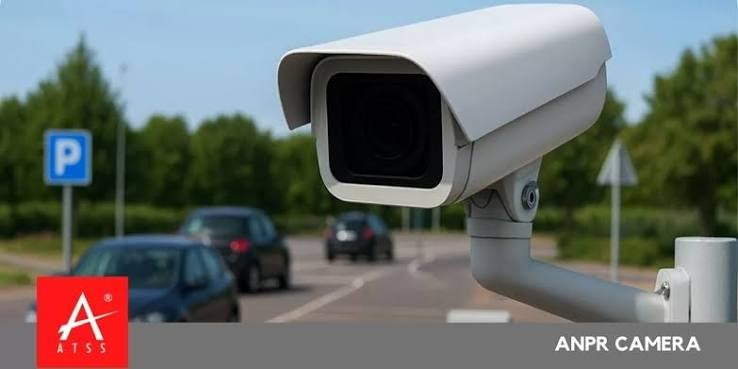
Managing vehicle access and monitoring traffic movement are important security responsibilities for modern businesses. Offices, shopping centres, hotels, warehouses, industrial facilities, residential estates and commercial parking areas often receive large numbers of vehicles every day. Manually recording vehicle registration numbers can be time-consuming, difficult to manage and prone to human error.
ANPR and LPR camera systems provide a more automated approach to vehicle identification and monitoring. These technologies use specialised cameras and image-processing software to capture vehicle number plates, extract registration characters and compare the information against configured databases or access rules.
For businesses in Uganda, automatic number plate recognition can support parking management, vehicle access control, visitor monitoring, fleet management and security operations. When properly installed and integrated with other security technologies, an ANPR or LPR system can help organisations manage vehicle movement more efficiently.
This guide explains what ANPR and LPR camera systems are, how they work, their features, business applications, benefits, installation requirements and the factors that influence their cost in Uganda.
What Are ANPR and LPR Camera Systems?
ANPR stands for Automatic Number Plate Recognition, while LPR stands for Licence Plate Recognition. Both terms describe technology used to identify and read vehicle registration plates automatically.
An ANPR or LPR system typically combines a specialised camera, image-processing software and a database or vehicle management platform.
When a vehicle approaches a monitored entrance or road, the camera captures an image of its registration plate. The software processes the image, identifies the characters and converts them into digital information.
The system can then use the extracted registration number for different purposes, including:
- Recording vehicle entry and exit.
- Managing authorised vehicle access.
- Monitoring parking facilities.
- Identifying registered visitor vehicles.
- Maintaining vehicle movement records.
- Supporting fleet monitoring.
- Generating alerts for vehicles on configured watchlists.
For example, a business can register the number plates of authorised company vehicles. When one approaches the entrance, the system can read its registration number and check whether it matches an authorised record.
Depending on the system configuration, the result may be used to trigger an alert or request an action from an integrated access control platform.
ANPR and LPR are commonly used interchangeably. The important consideration when selecting equipment is whether the system can reliably read the types of number plates expected at the installation site.
How Do ANPR and LPR Camera Systems Work?
ANPR and LPR systems use cameras and software to capture, process and interpret vehicle registration plates.
Although the technology varies between manufacturers, the process generally involves the following stages.
1. Vehicle Detection
The system detects a vehicle entering the monitored area.
Detection may use video analytics, motion detection, vehicle sensors, radar or other supported technologies.
The system identifies when a vehicle approaches the camera’s capture zone.
2. Number Plate Image Capture
The ANPR camera captures an image of the vehicle’s registration plate.
Specialised ANPR cameras are designed to capture clear plate images under suitable conditions, including when vehicles are moving.
Factors such as camera position, distance, shutter speed, lighting, vehicle speed and viewing angle influence image quality.
3. Image Enhancement
The software processes the captured image to improve the visibility of the number plate.
Depending on the system, processing may include:
- Plate localisation.
- Image cropping.
- Contrast adjustment.
- Character segmentation.
- Image correction.
- Noise reduction.
These processes help prepare the plate image for character recognition.
4. Optical Character Recognition
The system uses Optical Character Recognition (OCR) to identify the letters and numbers displayed on the registration plate.
The recognised characters are converted into digital text.
For example, a captured registration plate may be converted into a searchable registration number within the vehicle management platform.
5. Database Comparison
The recognised registration number can be checked against a configured database.
Depending on the business requirements, the database may contain:
- Authorised employee vehicles.
- Registered visitor vehicles.
- Company fleet vehicles.
- Approved delivery vehicles.
- Vehicles with restricted access.
- Vehicles on a security watchlist.
The system checks whether the registration number matches an existing record.
6. Access Control or Alert Response
Where the ANPR platform is integrated with compatible access control equipment, the system can initiate a configured response.
For example, an authorised vehicle may be permitted to proceed through an automated barrier, while an unrecognised vehicle may require manual approval.
The system can also generate notifications or record the event for security review.
Automatic barrier operation should always include appropriate safety devices and procedures to protect pedestrians and vehicles.
7. Recording and Reporting
The system stores relevant information such as the recognised registration number, capture time, camera location and associated image, depending on its configuration.
Authorised users can review vehicle movement records and generate reports.
Key Components of an ANPR and LPR Camera System
A complete ANPR system involves more than a camera. It requires several components working together.
1. ANPR Camera
The ANPR camera captures vehicle registration plates.
Specialised cameras may include high-resolution sensors, suitable lenses, infrared illumination and image-processing capabilities.
Some systems perform recognition directly within the camera, while others rely on external software or a server.
2. ANPR Recognition Software
The recognition software processes plate images and extracts registration characters.
Its performance depends on the quality of the captured image, recognition algorithms, plate formats and operating conditions.
3. Infrared Illumination
Infrared illumination helps capture number plates in darkness and low-light environments.
ANPR cameras may use dedicated infrared lighting to improve plate visibility without relying entirely on visible floodlights.
4. Network Video Recorder or Server
Depending on the system architecture, a compatible network video recorder or server may be used to store footage, manage events and support vehicle recognition functions.
Some cameras have onboard recognition and storage capabilities, while others require centralised processing.
5. Vehicle Database
The vehicle database stores registration numbers and associated information.
It may contain employee vehicles, visitors, delivery vehicles and other approved or restricted vehicle records.
6. Access Control Equipment
ANPR systems can be integrated with:
- Automatic barriers.
- Boom gates.
- Sliding gates.
- Security gates.
- Access control panels.
- Intercom systems.
This allows vehicle recognition information to support controlled entry and exit procedures.
7. Monitoring and Reporting Platform
The monitoring platform allows authorised personnel to view vehicle records, review captured images, manage registration databases and configure system rules.
ANPR vs LPR: Is There a Difference?
ANPR and LPR generally refer to the same technology. Both describe systems that automatically identify and read vehicle registration plates.
The terminology may vary by country, manufacturer or supplier.
| Term | Meaning | Common usage |
|---|---|---|
| ANPR | Automatic Number Plate Recognition | Common in the UK and other international markets |
| LPR | Licence Plate Recognition | Common in North American and international product descriptions |
| ALPR | Automatic Licence Plate Recognition | Another commonly used industry term |
When buying an ANPR or LPR system, focus on the actual technical specifications rather than the terminology.
Confirm that the system supports the number plate formats used in Uganda and can operate reliably under the expected site conditions.
Key Features of Modern ANPR and LPR Camera Systems
Different ANPR systems offer different capabilities. The most suitable features depend on whether the system is intended for parking management, access control, security monitoring or fleet operations.
1. Automatic Number Plate Recognition
The core function is automatically extracting registration characters from captured vehicle images.
This reduces dependence on manual registration number entry.
2. High-Speed Plate Capture
Some ANPR cameras are designed to capture number plates from moving vehicles.
This is useful for entrances and exit lanes where vehicles need to be recorded without stopping for long periods.
However, the supported vehicle speed depends on the camera, lens, exposure settings, distance and installation conditions.
3. Day and Night Recognition
Many ANPR cameras use infrared illumination and specialised exposure settings to capture number plates during the day and at night.
The camera should be tested under the actual lighting conditions at the site.
4. Vehicle Classification
Some systems can classify vehicles into categories such as:
- Cars.
- Motorcycles.
- Buses.
- Trucks.
- Commercial vehicles.
This can support traffic reporting, parking management and fleet monitoring.
5. Whitelist and Blacklist Management
An ANPR platform may support authorised and restricted registration lists.
A whitelist contains vehicle registration numbers approved for specified access.
A blacklist or watchlist contains numbers configured for additional review or restricted access.
The use of such lists should follow appropriate organisational procedures and applicable legal requirements.
6. Automatic Barrier Integration
ANPR systems can be connected to compatible boom barriers and gate controllers.
When an authorised vehicle is recognised, the system can send an access command to the configured controller.
This can reduce the need for manual vehicle verification at certain entrances.
7. Vehicle Entry and Exit Records
The system can record when a vehicle enters or leaves a property.
This provides a searchable record that can support security investigations, parking administration and fleet reporting.
8. Visitor Vehicle Management
Businesses can register expected visitor vehicles and configure the system to recognise them during approved visit periods.
Depending on the platform, visitor registration may be linked to reception or visitor management software.
9. Multiple-Camera Integration
Large facilities may use several ANPR cameras at different entrances, exits and parking zones.
A centralised platform can combine the information into one vehicle monitoring system.
10. Real-Time Alerts
Some systems can notify security personnel when a vehicle matches a configured condition.
For example, an alert may be generated when a restricted vehicle is detected or when an unregistered vehicle enters a designated area.
Business Applications of ANPR and LPR Camera Systems
ANPR and LPR technology can support vehicle management in many commercial environments.
1. Office Buildings and Corporate Headquarters
Office buildings receive employee vehicles, visitors, suppliers and delivery vehicles.
ANPR systems can help manage these movements by automatically reading registration plates and checking them against authorised vehicle records.
Applications include:
- Employee parking access.
- Visitor vehicle registration.
- Monitoring vehicle entry and exit.
- Managing restricted parking areas.
- Recording vehicle movements after working hours.
When integrated with boom barriers, the system can support controlled vehicle entry.
2. Shopping Centres and Retail Complexes
Shopping centres often manage large parking facilities with multiple entrances and exits.
ANPR cameras can help monitor vehicle movement, record entry and exit times and support parking administration.
Potential applications include:
- Vehicle entry recording.
- Parking access management.
- Monitoring designated parking zones.
- Supporting ticketless parking systems.
- Identifying vehicles that remain beyond permitted periods.
- Generating parking usage reports.
If the system is integrated with suitable payment software, it may also support automated parking fee calculations.
3. Hotels and Hospitality Facilities
Hotels receive guests, staff, suppliers, taxis and delivery vehicles.
ANPR systems can help security teams record vehicle arrivals and manage authorised parking access.
A hotel may register a guest’s vehicle number plate and use the information to support parking entry during the guest’s stay.
This can improve coordination between reception, parking administration and security personnel.
4. Warehouses and Distribution Centres
Warehouses and distribution centres handle frequent deliveries, collections and commercial vehicle movements.
ANPR systems can help monitor trucks, delivery vans and other vehicles entering or leaving the property.
Applications include:
- Recording delivery vehicle registration numbers.
- Monitoring loading bay access.
- Managing supplier vehicle entry.
- Maintaining arrival and departure records.
- Supporting security investigations.
- Monitoring restricted vehicle zones.
For busy facilities, this can help improve the organisation of vehicle movement records.
5. Industrial Facilities and Factories
Factories may have restricted entrances, employee parking, supplier access points and designated loading areas.
ANPR cameras can help monitor authorised vehicle access and record the movement of company and contractor vehicles.
When integrated with access control systems, they can support more structured entry procedures.
6. Residential Estates and Apartment Complexes
Gated residential estates and apartment developments often receive residents, visitors, service providers and delivery vehicles.
ANPR systems can support:
- Resident vehicle registration.
- Visitor vehicle monitoring.
- Automatic gate access.
- Entry and exit recording.
- Monitoring of restricted parking areas.
The system should be configured to distinguish authorised resident access from visitor access and other temporary permissions.
7. Hospitals and Healthcare Facilities
Hospitals manage patient vehicles, staff parking, ambulances, suppliers and visitor traffic.
ANPR systems can help monitor vehicle access around designated entrances and parking areas.
Potential applications include staff parking management, visitor vehicle recording and monitoring access to restricted vehicle zones.
Emergency access routes must remain clear and should never depend solely on automated plate recognition.
8. Universities and Educational Institutions
Universities and large educational campuses often have multiple vehicle entrances, staff parking areas, visitor zones and service roads.
ANPR technology can help manage authorised vehicle entry, monitor parking use and maintain vehicle movement records.
Access rules should be designed around the institution’s operational requirements and student safety procedures.
9. Fuel Stations and Commercial Transport Facilities
Fuel stations, logistics depots and transport facilities may handle many vehicles throughout the day.
ANPR systems can support vehicle identification, entry records and monitoring of designated areas.
Where used for fleet management, recognised registration numbers can be compared with company vehicle databases.
10. Government and Institutional Compounds
Institutional properties may require controlled vehicle entry and accurate movement records.
ANPR systems can support monitoring at designated vehicle entrances, parking areas and restricted access points.
The system should form part of a wider security arrangement that includes trained personnel, access procedures and other surveillance equipment.
Benefits of ANPR and LPR Camera Systems for Businesses
Installing an ANPR system can provide several operational and security benefits.
1. Faster Vehicle Access Management
Automatic number plate recognition can reduce the need for guards to manually record registration numbers or check every vehicle against paper lists.
When integrated with compatible barriers and access control systems, authorised vehicles can be processed more efficiently.
2. Improved Vehicle Security
ANPR systems can help identify vehicles that are not registered for access or that match configured restricted lists.
This gives security personnel additional information when deciding whether a vehicle should be allowed to enter.
3. Accurate Vehicle Movement Records
Automatically captured registration numbers and timestamps can provide useful vehicle entry and exit records.
These records may support investigations, administration and operational reporting.
4. Reduced Manual Work
Automated recognition can reduce repetitive data-entry tasks at busy entrances.
This allows security staff to focus on monitoring, visitor assistance and responding to unusual events.
5. Improved Parking Management
Businesses can use ANPR to monitor parking duration, record vehicle arrivals and support ticketless parking arrangements.
The system can also help identify vehicles using restricted parking areas.
6. Better Visitor Management
Registered visitor vehicles can be recognised when they arrive, helping reception and security teams manage vehicle access more efficiently.
7. Centralised Monitoring
Multi-camera ANPR systems can allow businesses to monitor vehicle activity across different entrances and facilities from a central platform.
8. Support for Business Operations
Vehicle movement data may help organisations understand traffic patterns, parking usage and delivery activity.
This information can support better planning and operational decisions.
9. Integration with Existing Security Infrastructure
ANPR cameras can work alongside compatible CCTV, access control, barriers, intercoms and visitor management systems.
This allows businesses to develop a more coordinated security environment.
ANPR Camera Systems for Parking Management
Parking management is one of the most common business applications of ANPR technology.
Traditional parking systems may require paper tickets, access cards or manual vehicle registration. ANPR provides another option by using registration numbers as vehicle identifiers.
A typical ANPR parking system works as follows:
- A vehicle approaches the parking entrance.
- The ANPR camera captures its registration plate.
- The recognition software extracts the number plate characters.
- The system records the entry time.
- The vehicle enters through an approved access process.
- At exit, another camera reads the registration plate.
- The system compares the entry and exit records.
- If payment or validation is required, the parking platform calculates the applicable charge.
This arrangement can support ticketless parking when integrated with suitable parking management and payment software.
Businesses should confirm that the system can reliably read the local registration plate formats and handle vehicles entering in different lighting and weather conditions.
ANPR Camera Integration with Access Control and Boom Barriers
ANPR becomes particularly useful when integrated with vehicle access control.
A typical arrangement includes an ANPR camera, access control controller, boom barrier, safety sensors and management software.
The process may work as follows:
- A vehicle approaches the entrance.
- The ANPR camera captures the registration plate.
- The system extracts the registration number.
- The number is checked against authorised vehicle records.
- If access is approved, the controller receives the configured opening command.
- The barrier opens when safety conditions permit.
- The entry event is recorded.
If the vehicle is not recognised or is not authorised, the system can request manual verification.
Important safety considerations
Automatic barriers must be installed with suitable safety features, such as presence detection and obstruction protection, according to the equipment design and applicable safety requirements.
A number plate recognition result should not override the barrier’s safety mechanisms.
The system should also provide a manual access procedure for emergencies, equipment failure and vehicles with unreadable registration plates.
How to Choose the Best ANPR and LPR Camera System
Choosing the right ANPR camera requires evaluating the site’s vehicle movement, number plate characteristics, lighting and access requirements.
1. Confirm Local Number Plate Compatibility
The system should be tested with the number plate formats commonly encountered at the property.
This is particularly important in Uganda, where the camera must capture the actual registration plate styles, character arrangements and plate conditions encountered at the installation site.
Do not assume that every international ANPR camera will recognise every local plate format equally well.
2. Select the Appropriate Camera Resolution
Camera resolution influences the amount of image detail available for recognition.
However, a high-resolution camera alone does not guarantee accurate number plate reading.
The lens, distance, angle, exposure settings and plate size within the image are equally important.
3. Consider Vehicle Speed
For entrances where vehicles move slowly, the camera requirements may differ from those used on roads or high-speed access lanes.
Select a camera designed for the expected vehicle speed and confirm its supported capture performance.
4. Evaluate Day and Night Performance
The camera should be capable of capturing readable plates under the lighting conditions expected at the site.
Look for suitable infrared illumination, exposure control and night-time recognition performance.
5. Check Recognition Accuracy
Ask the supplier to demonstrate the camera’s performance using representative local registration plates.
Testing should include:
- Daylight.
- Night-time conditions.
- Headlights.
- Different vehicle speeds.
- Different plate positions.
- Clean and dirty plates.
- Motorcycles and other relevant vehicle types.
Recognition performance should be evaluated under realistic operating conditions rather than relying only on advertised accuracy figures.
6. Consider the Required Field of View
The camera should be positioned to capture the intended vehicle lane without excessive background or unnecessary angles.
For some installations, each lane may require a dedicated ANPR camera.
7. Review Database and Reporting Functions
The management platform should support the required vehicle records, access permissions, reporting and event history.
Consider whether it can manage multiple sites and different categories of authorised vehicles.
8. Check Integration Compatibility
If the system must operate a boom barrier, gate or parking platform, confirm that the camera and software can communicate with the relevant controller.
Compatibility should be verified before purchasing the equipment.
9. Evaluate Storage and Network Requirements
The system should have adequate storage for number plate records, associated images and relevant video footage.
Network bandwidth, connectivity and backup power should also be considered.
10. Consider System Expansion
Businesses may add entrances, parking spaces or buildings over time.
Choose a platform that can support future expansion without requiring unnecessary replacement of the entire system.
ANPR and LPR Camera Installation Process
Professional installation is important because number plate recognition depends heavily on camera positioning, lighting, vehicle speed and system configuration.
A typical installation process includes the following stages.
1. Site Survey
The installation team assesses vehicle entrances, exits, parking lanes and other areas where registration plates need to be captured.
The survey considers traffic direction, vehicle speed, camera mounting locations, lighting and available network infrastructure.
2. System Design
A system design is prepared based on the number of lanes, access requirements, expected vehicle volume and required recognition functions.
This determines the number of cameras, lenses, controllers, barriers and supporting equipment required.
3. Camera Positioning
ANPR cameras are positioned at suitable angles and distances to capture readable number plate images.
Excessive horizontal or vertical viewing angles can distort registration plates and reduce recognition accuracy.
4. Cabling and Network Setup
The installation may require Ethernet cabling, PoE switches, network connections, power supplies and connections to access control equipment.
The network should be configured securely and have sufficient capacity for the required video and recognition data.
5. Software and Database Configuration
The ANPR platform is configured with vehicle registration records, access rules, user permissions and reporting requirements.
6. Barrier and Access Control Integration
Where required, the ANPR system is connected to compatible boom barriers, gates and access controllers.
The integration should include the necessary safety devices and manual override arrangements.
7. Testing and Commissioning
The installation should be tested using different vehicles and realistic operating conditions.
Testing should verify:
- Number plate capture quality.
- Recognition performance.
- Day and night operation.
- Vehicle detection.
- Database comparison.
- Access control operation.
- Barrier safety functions.
- Entry and exit records.
- Reporting and alerts.
8. Training and Handover
The relevant staff should be trained to register vehicles, manage access permissions, review records and respond to system alerts.
Factors Affecting ANPR Camera Installation Costs in Uganda
ANPR camera installation costs in Uganda depend on the system specifications, number of vehicle lanes, software requirements and complexity of the site.
Important cost factors include:
1. ANPR camera specifications: Resolution, lens type, recognition capabilities, infrared illumination and supported vehicle speeds influence equipment costs.
2. Number of entry and exit lanes: Properties with multiple vehicle lanes may require additional cameras and access control equipment.
3. Software and licences: Some platforms require paid recognition software, database management tools or additional licences.
4. Boom barriers and gates: Automatic vehicle access systems may require barriers, controllers, safety sensors and installation accessories.
5. Network infrastructure: Ethernet cabling, fibre connections, switches and other network equipment may affect the overall cost.
6. Recording and storage: The required retention period, number of cameras and recording quality determine storage requirements.
7. Site conditions: Difficult mounting locations, long cable routes and complex vehicle entrances may increase installation work.
8. Integration requirements: Connecting ANPR with existing CCTV, parking management, access control or visitor management platforms may require additional configuration.
9. Power backup: UPS equipment and backup power arrangements may be necessary to maintain operation during power interruptions.
10. Maintenance and support: Ongoing maintenance, software updates and system support should be considered when evaluating the long-term cost.
An accurate quotation should be based on a site assessment and a clear understanding of the required vehicle management functions.
Common Mistakes to Avoid When Installing ANPR Systems
A poorly designed ANPR system may struggle to read number plates consistently, even when high-quality equipment is used.
Avoid these common mistakes:
- Using ordinary CCTV cameras for specialised plate recognition: General surveillance cameras may not provide the exposure control, lens and recognition capabilities required.
- Installing cameras at unsuitable angles: Incorrect positioning can distort number plate images.
- Ignoring local plate formats: Test the system using the registration plates expected at the property.
- Overlooking night-time performance: Headlights and poor lighting can affect recognition.
- Selecting cameras without considering vehicle speed: The camera must suit the expected traffic conditions.
- Ignoring network and storage requirements: Insufficient infrastructure can affect recording and system performance.
- Failing to maintain the vehicle database: Outdated vehicle records can lead to incorrect access decisions.
- Ignoring barrier safety: Automated barriers must have suitable safety mechanisms and manual procedures.
- Neglecting system testing: Recognition accuracy should be tested before the system is put into full operation.
- Failing to protect vehicle data: Registration records and associated images should be protected against unauthorised access.
Maintaining ANPR and LPR Camera Systems
Regular maintenance helps ensure reliable number plate capture and system operation.
A maintenance programme should include:
- Cleaning camera lenses and protective covers.
- Checking camera alignment.
- Inspecting mounting brackets.
- Testing infrared illumination.
- Checking network connections.
- Reviewing recognition performance.
- Testing vehicle database functions.
- Inspecting barrier and gate mechanisms.
- Checking safety sensors.
- Reviewing recording and storage capacity.
- Updating software and firmware.
- Reviewing user access permissions.
- Testing backup power equipment.
Recognition performance should also be reviewed when traffic patterns, entrance layouts or lighting conditions change.
Privacy and Data Protection Considerations for ANPR Systems in Uganda
ANPR systems process vehicle registration numbers and may store information about vehicle movements, including dates, times and locations.
When this information can be linked to an identifiable individual, it may constitute personal data under applicable data protection requirements.
Businesses installing ANPR systems in Uganda should consider the Data Protection and Privacy Act, 2019, and relevant regulations.
Important considerations include:
- Defining a clear and lawful purpose for collecting vehicle data.
- Informing drivers about vehicle monitoring where appropriate.
- Limiting access to registration records and captured images.
- Establishing suitable data retention periods.
- Protecting records against unauthorised access.
- Using vehicle data only for legitimate and disclosed purposes.
- Reviewing the use of watchlists and automated access decisions.
- Obtaining appropriate legal or data protection advice where necessary.
ANPR should be implemented as part of a responsible security and data management policy.
Why Professional ANPR Camera Installation Matters
ANPR systems require careful planning because number plate recognition depends on several technical and environmental factors.
Professional installation helps ensure:
- Cameras are suitable for local number plate formats.
- Lenses and camera angles are correctly selected.
- Day and night performance is considered.
- Vehicle speed requirements are addressed.
- Entry and exit lanes receive appropriate coverage.
- Software and databases are configured correctly.
- Barriers and access control equipment are compatible.
- Network and recording requirements are properly planned.
- System safety and data protection are considered.
- The completed system is tested before use.
For businesses with busy entrances, multiple parking areas or restricted vehicle access points, professional system design is particularly important.
ANPR and LPR Camera Solutions for Businesses in Uganda
As commercial properties become larger and vehicle movement increases, businesses need reliable ways to manage parking, monitor vehicle access and maintain security records.
ANPR and LPR camera systems offer an automated approach to vehicle identification. They can support office buildings, shopping centres, hotels, warehouses, industrial facilities, residential estates, hospitals and other properties that receive regular vehicle traffic.
Daltrevco provides a point of contact for property owners, developers and organisations planning CCTV and security technology installations. If your business needs an ANPR or LPR system for vehicle access control, parking management or security monitoring, contact Daltrevco to discuss your requirements and the appropriate installation approach.
A properly planned solution can combine ANPR cameras, conventional CCTV, access control, boom barriers and centralised monitoring to create a more coordinated vehicle security system.
Frequently Asked Questions About ANPR and LPR Camera Systems
1. What is an ANPR camera system?
An ANPR camera system uses specialised cameras and software to automatically capture and read vehicle registration plates. It can record vehicle movements, compare registration numbers against databases and support access control.
2. What does LPR mean in CCTV?
LPR means Licence Plate Recognition. It refers to technology that reads vehicle registration plates using cameras and image-processing software.
3. What is the difference between ANPR and LPR?
ANPR and LPR generally describe the same technology. The terminology differs between regions and manufacturers, but both systems automatically recognise vehicle registration plates.
4. How do ANPR cameras work?
They capture an image of a vehicle’s registration plate, process the image and use optical character recognition to extract the registration number. The result can then be recorded or compared against a vehicle database.
5. Can ANPR cameras work at night?
Yes. Many ANPR cameras use infrared illumination and specialised exposure settings to capture number plates in low-light conditions. Performance depends on the camera, lens, positioning and environmental conditions.
6. Can ANPR cameras open automatic gates?
Yes. ANPR systems can be integrated with compatible gate controllers and boom barriers. When an authorised vehicle is recognised, the system can send an access command, subject to the configured safety controls.
7. Are ANPR cameras suitable for business parking facilities?
Yes. They can support vehicle entry and exit records, ticketless parking systems, parking access management and vehicle monitoring.
8. Can ANPR cameras recognise Ugandan number plates?
A suitable ANPR system can be configured or selected to recognise supported Ugandan registration plate formats. It is important to test the equipment with representative local plates before installation.
9. Do ANPR cameras record vehicle entry and exit times?
Yes. When configured appropriately, the system can record recognised registration numbers with timestamps and camera locations.
10. Can ANPR cameras identify motorcycles?
Some ANPR systems support motorcycle number plate recognition. Performance depends on plate size, camera positioning, image quality and the software’s supported plate formats.
11. Can ANPR cameras detect vehicle speed?
Some specialised traffic monitoring systems combine number plate recognition with speed measurement technology. However, a standard ANPR camera does not automatically measure vehicle speed.
12. Can ANPR systems be integrated with access control?
Yes. Compatible systems can connect to access controllers, automatic barriers and gates to support authorised vehicle entry.
13. Do ANPR cameras need internet access?
Not necessarily. Many systems can operate on a local network using compatible software and recording equipment. Internet connectivity may be required for remote monitoring or cloud-based functions.
14. How accurate are ANPR cameras?
Accuracy depends on the camera, software, plate format, lighting, vehicle speed, viewing angle and condition of the registration plate. Performance should be tested under realistic conditions at the installation site.
15. Can ANPR cameras be used in shopping centres?
Yes. They can support parking management, vehicle entry records, restricted parking control and monitoring of shopping centre access roads.
16. Are ANPR systems suitable for warehouses and factories?
Yes. They can record delivery vehicles, monitor truck movements, manage supplier access and support security monitoring around industrial properties.
17. How much does an ANPR camera system cost in Uganda?
The cost depends on camera specifications, number of lanes, recognition software, barriers, network equipment, storage and installation complexity. A site assessment is recommended for an accurate quotation.
18. Can ANPR systems store vehicle information?
Yes. Depending on the platform, they can store recognised registration numbers, timestamps, associated images and other vehicle movement records.
19. Do ANPR cameras require special installation?
Yes. They require suitable camera positioning, lens selection, lighting, software configuration and testing to achieve reliable number plate recognition.
20. Where can businesses get ANPR camera installation services in Uganda?
Businesses planning automatic number plate recognition systems can contact Daltrevco to discuss their vehicle security, parking management and access control requirements.
Conclusion
ANPR and LPR camera systems provide businesses with an effective way to automate vehicle identification, monitor vehicle movement and improve access management. By capturing registration plates and converting them into searchable digital information, these systems can support parking facilities, office buildings, shopping centres, hotels, warehouses, factories and residential estates.
However, successful ANPR installation depends on choosing equipment that supports local registration plate formats, selecting suitable lenses and camera positions, providing appropriate lighting and integrating the system with compatible access control and monitoring equipment.
For businesses in Uganda seeking more organised vehicle access management and intelligent security monitoring, ANPR technology can be a valuable addition to a wider CCTV and access control system.
Contact Daltrevco to discuss your ANPR and LPR camera requirements and plan a suitable vehicle surveillance solution for your property.

