
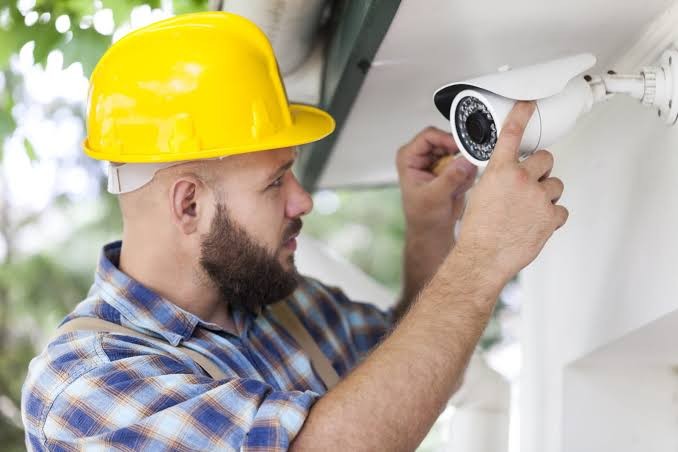
Installing CCTV cameras is an important step towards improving the security of a home, office, warehouse, factory, shopping centre or commercial building. However, installing a surveillance system is only the beginning. To maintain reliable monitoring, clear video footage and effective recording, CCTV equipment must receive regular inspection, servicing and maintenance.
Over time, security cameras can accumulate dust, develop connection problems, experience power interruptions, lose network connectivity or suffer recording faults. A camera may appear to be working while producing unclear images, recording inconsistently or failing to capture important areas.
These problems can create security gaps that may only become apparent when someone needs to review footage after an incident.
This is why CCTV maintenance services in Uganda are important for businesses, institutions, property owners and facility managers. Regular security camera servicing helps identify faults, maintain system performance, protect surveillance equipment and reduce the risk of unexpected failures.
For properties in Kampala, Wakiso, Entebbe and other parts of Uganda, a structured CCTV maintenance programme can help keep surveillance systems operating according to their intended purpose.
This guide explains why regular CCTV servicing matters, what professional maintenance involves, common camera problems, recommended maintenance schedules, costs and how to maintain a dependable security camera system.
What Are CCTV Maintenance Services?
CCTV maintenance services involve the inspection, cleaning, testing, adjustment and repair of security camera equipment and related surveillance infrastructure.
The objective is to ensure that the complete CCTV system continues to operate properly and provides the required surveillance coverage.
Unlike basic cleaning, comprehensive CCTV maintenance examines the entire installation, including cameras, recording devices, power supplies, network connections, storage equipment and remote monitoring functions.
Depending on the system, maintenance may include:
- Inspecting CCTV cameras and their mounting points.
- Cleaning camera lenses and protective housings.
- Checking image quality and camera positioning.
- Testing night vision and infrared illumination.
- Inspecting cables, connectors and power supplies.
- Checking DVR and NVR recording performance.
- Reviewing hard drive health and storage capacity.
- Testing network connections and remote viewing.
- Checking camera time and date settings.
- Reviewing user accounts and access permissions.
- Updating supported firmware and software.
- Identifying faulty equipment and recommending repairs.
CCTV maintenance can be performed as scheduled preventive servicing or as corrective maintenance when a fault has already occurred.
For commercial properties with many cameras, regular professional inspection is particularly important because a fault affecting one camera may leave an important entrance, corridor, parking area or storage section without the intended surveillance coverage.
Why Is Regular CCTV Maintenance Important?
CCTV systems operate for extended periods, often continuously. Exposure to environmental conditions, electrical fluctuations, network problems and normal equipment wear can affect their performance.
Regular maintenance helps address these issues before they develop into more serious problems.
1. Maintains Clear and High-Quality Video Footage
One of the main purposes of CCTV is to capture footage that can be reviewed when investigating an incident.
However, dirty camera lenses, moisture, dust, poor focus and incorrect positioning can reduce image quality.
For outdoor cameras in Uganda, dust, rain, insects and other environmental conditions may affect camera housings and lenses.
During maintenance, technicians can inspect and clean appropriate camera surfaces, check focus where adjustable and verify that the camera captures the intended area.
Clear footage is especially important around:
- Building entrances and exits.
- Reception areas.
- Parking facilities.
- Retail counters.
- Warehouses.
- Loading and unloading areas.
- Restricted access points.
- Building perimeters.
Maintaining image quality improves the usefulness of recorded footage, although identification still depends on camera resolution, lens selection, lighting, distance and positioning.
2. Reduces Unexpected CCTV System Failures
A surveillance system may experience problems without immediately attracting attention.
For example, a camera may disconnect intermittently, a recording drive may develop errors or a network switch may stop supplying power to connected devices.
Without routine inspection, these problems may remain unnoticed.
Preventive CCTV maintenance helps identify warning signs such as:
- Intermittent camera disconnections.
- Unusual recorder noises.
- Frequent system restarts.
- Recording interruptions.
- Network communication errors.
- Unstable power connections.
- Storage warnings.
- Excessive equipment temperatures.
Identifying faults early can help property owners arrange repairs before a complete system failure occurs.
3. Helps Maintain Continuous Recording
CCTV cameras are only useful for recorded investigations when the recording system captures and stores footage as intended.
A camera may display a live image while the DVR or NVR fails to save recordings.
This can happen because of hard drive faults, incorrect recording schedules, insufficient storage, configuration problems or recording software errors.
Routine maintenance should verify that:
- Cameras are connected to the recorder.
- Recording schedules are correctly configured.
- Playback works for selected cameras.
- Storage devices are detected.
- Hard drive health is checked using supported diagnostic tools.
- Recording retention meets the property’s requirements.
- Important footage can be exported when authorised.
Checking both live viewing and recorded playback is essential. A live camera image alone does not prove that the system is recording successfully.
4. Improves Night-Time Surveillance Performance
Many commercial properties require CCTV monitoring at night, during weekends and outside normal operating hours.
Night-time performance can be affected by dirty lenses, failing infrared illuminators, poor lighting, incorrect camera settings and obstructions.
During servicing, technicians should inspect the camera’s low-light performance and confirm whether infrared illumination or other night-vision functions operate correctly.
They should also check for:
- Reflections from nearby surfaces.
- Excessive glare from lights.
- Dark areas outside the camera’s coverage.
- Obstructions caused by vegetation.
- Poor positioning of infrared cameras.
- Incorrect exposure or image settings.
A properly maintained camera should be tested under the lighting conditions in which it is expected to operate.
5. Extends the Useful Life of CCTV Equipment
Security cameras, recorders, switches and other electronic components are exposed to normal operating wear.
Outdoor equipment may also face rain, sunlight, dust, moisture and temperature changes.
Regular inspection helps identify conditions that may damage equipment or reduce its useful life.
For example, technicians may identify loose mounts, deteriorating cable insulation, damaged weather seals, corrosion or blocked ventilation.
Addressing these problems can help protect the equipment and reduce avoidable replacement requirements.
Maintenance cannot prevent every equipment failure, and components still need replacement when they reach the end of their service life.
6. Protects Your Security Investment
A CCTV installation represents an investment in security infrastructure.
The overall system may include cameras, recorders, storage drives, monitors, network switches, cabling, power supplies and software.
Allowing equipment to deteriorate without inspection can result in avoidable repairs and reduced surveillance coverage.
Regular maintenance helps property owners identify which components need attention, prioritise repairs and plan equipment upgrades.
7. Improves Remote CCTV Monitoring
Many modern CCTV systems allow authorised users to view security cameras through smartphones, tablets or computers.
However, remote viewing depends on several components working together, including the cameras, recorder, network equipment, internet connection and remote-access platform.
Maintenance can help identify:
- Cameras that are offline.
- Network connectivity problems.
- Incorrect time settings.
- Recorder communication faults.
- Outdated supported software.
- Failed remote-access configurations.
- Unauthorised or unnecessary user accounts.
Remote viewing should also be tested from an authorised device to confirm that the intended users can access the system securely.
8. Helps Identify Security Blind Spots
Building operations can change over time.
New structures, shelving, parked vehicles, vegetation, signage and renovations may obstruct previously clear camera views.
Regular CCTV inspections provide an opportunity to review whether the original camera positions still meet the property’s surveillance requirements.
If a blind spot is identified, the solution may involve adjusting a camera, removing an obstruction, changing a lens or installing an additional camera.
9. Supports Better Security Management
For businesses and institutions, maintenance records can help management understand the condition of the CCTV installation.
Inspection reports can identify faulty equipment, completed repairs, recurring problems and recommended improvements.
This information supports maintenance planning and helps facility managers make informed decisions about security infrastructure.
What Does Professional CCTV Maintenance Include?
Professional CCTV maintenance should examine the complete surveillance system rather than focusing only on the visible cameras.
The exact procedures depend on the camera technology, recording equipment, network design and environmental conditions.
1. CCTV Camera Inspection and Cleaning
Camera inspection is one of the most important parts of routine servicing.
Technicians examine cameras for visible damage, loose mounting brackets, obstructed views, dirt accumulation and signs of moisture.
Appropriate cleaning methods should be used to avoid scratching lenses or damaging protective coatings.
The inspection may include:
- Cleaning accessible camera lenses.
- Removing dust and cobwebs.
- Checking camera housings.
- Inspecting mounting brackets.
- Checking protective covers.
- Examining outdoor camera seals.
- Confirming that the camera remains correctly positioned.
Outdoor cameras may require more frequent attention depending on exposure to dust, rain, insects and vegetation.
2. Camera Image Quality Testing
After inspection and cleaning, each camera should be checked to confirm that it provides the intended view.
Testing may include:
- Checking image sharpness.
- Reviewing brightness and contrast.
- Confirming colour reproduction where applicable.
- Testing low-light performance.
- Checking infrared illumination.
- Reviewing field of view.
- Identifying glare and reflections.
- Checking for obstructions.
For cameras with adjustable focus or positioning, any adjustments should be made carefully to preserve the intended coverage.
3. DVR and NVR Maintenance
Digital Video Recorders (DVRs) and Network Video Recorders (NVRs) are essential components of many CCTV installations.
They manage video recording, storage and playback.
Maintenance should include checking:
- Recorder operating condition.
- Camera connection status.
- Recording schedules.
- Playback functionality.
- Storage capacity.
- Hard drive health indicators.
- System time and date.
- Error messages and event logs.
- Ventilation and equipment temperature.
Where supported, recorder diagnostics can help identify storage problems before they result in recording loss.
A technician should also verify that important recordings can be retrieved and exported through the authorised procedure.
4. Hard Drive and CCTV Storage Inspection
CCTV recording systems depend on storage equipment to retain footage.
Hard drives operate under demanding conditions, particularly in systems configured for continuous recording.
During maintenance, the storage system should be checked for:
- Drive recognition.
- Health warnings.
- Available capacity.
- Recording continuity.
- Unexpected storage errors.
- Retention performance.
Storage requirements depend on the number of cameras, resolution, frame rate, compression settings, recording schedules and required retention period.
If a drive shows signs of failure, it should be assessed and replaced where necessary.
Property owners should not assume that footage is safely stored simply because the recorder appears to be switched on.
5. CCTV Cable and Connector Inspection
Cabling carries video, data or power depending on the camera architecture.
Damaged cables and loose connectors can cause intermittent images, camera disconnections and complete loss of communication.
Maintenance may include inspecting:
- Ethernet cables.
- Coaxial cables.
- Power cables.
- BNC connectors.
- RJ45 connectors.
- Junction boxes.
- Cable conduits.
- Outdoor cable entry points.
Technicians should also check for exposed conductors, water ingress, corrosion and poorly secured connections.
Damaged cables should be repaired or replaced using suitable components and installation methods.
6. Power Supply and Backup Power Testing
CCTV equipment requires a stable and appropriate power supply.
Power-related problems may cause cameras to restart, disconnect or stop functioning.
A maintenance inspection should examine:
- Camera power supplies.
- Power distribution units.
- PoE switches.
- Power connectors.
- Surge protection equipment.
- UPS units.
- Backup battery condition.
- Generator-supported circuits where applicable.
Where backup power is installed, the system should be tested according to the manufacturer’s instructions and the property’s operating requirements.
A UPS should not be assumed to provide unlimited backup. Its capacity must match the connected load and required operating time.
7. Network Connectivity Testing
IP CCTV systems depend on network communication between cameras, recorders, switches and monitoring devices.
Network problems can cause delayed video, camera disconnections, poor remote viewing and recording interruptions.
Network maintenance may include checking:
- Network switch operation.
- Ethernet connections.
- PoE power delivery.
- Network link status.
- IP address configuration.
- Network bandwidth.
- Fibre-optic connections where installed.
- Router and firewall settings.
- Communication between cameras and recorders.
For larger commercial installations, network segmentation and appropriate cybersecurity controls should also be reviewed.
8. Remote Viewing and Mobile Application Testing
Many businesses rely on remote CCTV viewing to monitor their premises when managers or authorised personnel are away.
Maintenance should confirm that the supported remote-viewing functions operate as intended.
This may involve testing:
- Smartphone application access.
- Desktop remote viewing.
- Live video streaming.
- Playback access.
- User permissions.
- Notification settings where supported.
- Secure remote connectivity.
Remote viewing normally requires internet or another communication connection. Local recording may continue during an internet outage if the recorder and other equipment remain powered and correctly configured.
9. Software and Firmware Updates
CCTV cameras, recorders and management platforms may receive firmware or software updates from their manufacturers.
These updates can address security vulnerabilities, correct software problems and improve compatibility.
However, updates should not be installed without checking equipment compatibility and release information.
Before updating, technicians should consider:
- Manufacturer support status.
- Hardware compatibility.
- Firmware version.
- Configuration backups.
- Potential downtime.
- Effects on integrated systems.
- Recovery procedures if an update fails.
Using unsupported firmware or incompatible software can create additional problems.
10. System Security and User Account Review
CCTV maintenance should also consider the security of the surveillance system itself.
Unauthorised access can expose live footage, recorded video and sensitive operational information.
A routine review may include:
- Checking administrator accounts.
- Removing accounts that are no longer required.
- Reviewing user permissions.
- Replacing default passwords.
- Enabling multi-factor authentication where supported.
- Checking remote-access configuration.
- Reviewing software update status.
- Ensuring secure network connections.
Only authorised personnel should have access to sensitive surveillance footage and system settings.
Common CCTV Problems That Require Maintenance or Repair
CCTV systems can develop several types of faults. Recognising the warning signs helps property owners arrange appropriate technical attention.
1. CCTV Camera Showing No Picture
A camera that displays a black screen or no signal may have a power problem, damaged cable, failed connector, network fault or defective camera.
Possible causes include:
- Disconnected power supply.
- Faulty PoE switch port.
- Damaged Ethernet or coaxial cable.
- Loose video connector.
- Camera hardware failure.
- Incorrect network configuration.
A technician should test the power supply, cable path, network connection and camera before replacing equipment.
2. Blurry or Unclear CCTV Footage
Poor image quality can make it difficult to identify objects or review incidents.
Common causes include:
- Dirty camera lens.
- Incorrect focus.
- Condensation.
- Scratched protective covers.
- Incorrect resolution settings.
- Poor lighting.
- Excessive digital zoom.
Cleaning and configuration checks may resolve some issues, while damaged lenses or cameras may require replacement.
3. CCTV Cameras Disconnecting Frequently
Intermittent disconnections can affect live viewing and recording.
Possible causes include unstable power, loose connections, damaged cables, network congestion, faulty switches or incorrect network settings.
For IP cameras, network diagnostics can help identify whether the issue originates from the camera, switch, cabling or recorder.
4. CCTV Not Recording
A system may display live camera feeds while failing to record footage.
Potential causes include:
- Failed storage drive.
- Incorrect recording schedule.
- Disabled recording settings.
- Full or improperly configured storage.
- Recorder malfunction.
- Camera-to-recorder communication problems.
Testing playback and reviewing recording status should form part of routine maintenance.
5. Night Vision Not Working
Infrared night vision may fail because of damaged infrared illuminators, incorrect settings, power problems or camera faults.
Other causes of poor night-time footage include glare, reflections, excessive distance and inadequate lighting.
Night-time testing helps establish whether the camera performs as expected.
6. CCTV Showing the Wrong Date and Time
Incorrect timestamps can make it difficult to establish when an event occurred.
This may result from incorrect time-zone settings, power interruptions, disabled time synchronisation or incorrect recorder configuration.
The date, time and time zone should be checked across cameras and recording equipment.
7. CCTV Mobile Viewing Not Working
Remote viewing problems can result from internet interruptions, incorrect application settings, changed credentials, network configuration changes or problems with the manufacturer’s remote-access service.
Troubleshooting should establish whether the problem affects local viewing, remote viewing or both.
8. CCTV System Restarting Unexpectedly
Repeated restarts may indicate power supply problems, overheating, faulty storage devices, software errors or hardware failure.
The recorder’s ventilation, power supply, error logs and connected equipment should be examined.
9. CCTV Footage Disappearing Too Quickly
A surveillance system may retain less footage than expected because of limited storage, high recording bitrates, continuous recording settings or incorrect retention configuration.
The system should be reviewed to determine whether its storage capacity matches the required retention period.
10. Outdoor CCTV Cameras Becoming Obstructed
Dust, insects, vegetation and other environmental conditions can affect outdoor camera visibility.
Regular inspection helps identify obstructions and maintain the intended camera field of view.
How Often Should CCTV Cameras Be Serviced?
The recommended maintenance frequency depends on the size of the installation, equipment type, operating conditions and security requirements.
A small indoor installation may require less frequent physical cleaning than an outdoor system exposed to dust, rain and insects.
For commercial properties, the following schedule can be used as a practical starting point.
| Maintenance activity | Suggested frequency |
|---|---|
| Check live camera views and recording status | Weekly |
| Review recorder warnings and storage status | Monthly |
| Inspect camera housings and visible connections | Quarterly |
| Clean accessible camera lenses and housings | Quarterly or as needed |
| Test night-time camera performance | Quarterly |
| Review user accounts and access permissions | Quarterly |
| Inspect network and backup power equipment | Quarterly |
| Conduct comprehensive system servicing | Every 6–12 months |
| Investigate faults and recording failures | Immediately when detected |
These are general recommendations, not universal manufacturer requirements. Some environments may need more frequent inspections, while certain equipment may require servicing according to specific manufacturer instructions.
For large commercial buildings, a documented maintenance agreement can help ensure that inspections are not overlooked.
CCTV Maintenance for Different Types of Properties
Different properties have different surveillance requirements. A maintenance programme should reflect the building’s operating environment and security risks.
CCTV Maintenance for Offices and Commercial Buildings
Office buildings may have cameras covering entrances, reception areas, corridors, parking facilities and restricted departments.
Maintenance should focus on camera visibility, access to recorded footage, recording continuity and remote monitoring.
Where multiple floors are involved, inspection should confirm that cameras across all designated areas remain connected and correctly positioned.
CCTV Maintenance for Shopping Malls and Retail Centres
Shopping malls have large surveillance networks covering public spaces, retail areas, parking facilities and service zones.
Regular servicing helps identify camera faults and maintain visibility across important locations.
Particular attention should be given to busy entrances, cash-handling areas, loading bays and parking access points.
CCTV Maintenance for Warehouses
Warehouses may expose security equipment to dust, vibration, temperature changes and vehicle movement.
Maintenance should include camera housing inspections, cable protection, lens cleaning, network testing and recorder checks.
Cameras covering loading docks and storage sections should be checked for obstructions caused by stock movement or changes in warehouse layout.
CCTV Maintenance for Factories and Industrial Facilities
Industrial CCTV equipment may operate in challenging environments.
Maintenance should consider:
- Dust and airborne particles.
- Heat and moisture.
- Machine vibration.
- Chemical exposure where applicable.
- Electrical interference.
- Cable protection.
- Equipment mounting stability.
The camera type and protective housing should be suitable for the environment in which the equipment operates.
CCTV Maintenance for Hotels and Hospitality Facilities
Hotels require reliable surveillance in appropriate public and operational areas.
Maintenance should cover entrance cameras, reception areas, parking spaces, service corridors and restricted staff areas.
Camera placement must continue to respect guest privacy, including avoiding private areas such as bedrooms and bathrooms.
CCTV Maintenance for Schools and Institutions
Schools, universities and other institutions may have cameras covering entrances, corridors, parking areas and selected common spaces.
Maintenance should ensure that surveillance equipment remains functional while footage and access permissions are handled appropriately.
Preventive CCTV Maintenance vs Corrective CCTV Maintenance
There are two important approaches to CCTV system maintenance.
Preventive Maintenance
Preventive maintenance involves inspecting and servicing equipment at scheduled intervals to reduce the likelihood of unexpected faults.
It may include:
- Camera cleaning.
- Cable inspection.
- Recorder testing.
- Storage checks.
- Network testing.
- Power supply inspection.
- Software and firmware review.
- Security configuration checks.
Preventive maintenance is particularly valuable for businesses that depend on CCTV coverage throughout the day and night.
Corrective Maintenance
Corrective maintenance takes place after a fault has been identified.
It involves diagnosing the problem and restoring the affected equipment or function.
Examples include:
- Replacing a faulty camera.
- Repairing damaged cables.
- Replacing a failed hard drive.
- Correcting network configuration problems.
- Repairing a power supply.
- Restoring recorder operation.
- Reconfiguring remote viewing.
Both approaches are important. Preventive servicing helps reduce avoidable failures, while corrective maintenance addresses faults that still occur.
CCTV Maintenance Checklist for Businesses in Uganda
Businesses can use a structured checklist to monitor the condition of their surveillance systems.
Camera inspection
- Confirm that all cameras are online.
- Check camera positioning and coverage.
- Inspect camera housings for damage.
- Clean accessible lenses where necessary.
- Check for dust, insects and obstructions.
- Test low-light and night vision.
- Confirm that outdoor seals and mounting points are in good condition.
Recording equipment
- Confirm that the DVR or NVR is operating.
- Check that all intended cameras are recording.
- Test playback from selected cameras.
- Review hard drive health warnings.
- Check storage capacity and retention.
- Confirm date and time settings.
- Review system error messages.
Network and power
- Inspect visible network and power connections.
- Check network switch status.
- Confirm PoE functionality where used.
- Inspect UPS and backup power equipment.
- Check equipment ventilation.
- Investigate recurring disconnections.
Remote access and cybersecurity
- Test authorised remote viewing.
- Review user accounts.
- Remove unnecessary access permissions.
- Check password practices.
- Review firmware and software update status.
- Confirm secure remote-access settings.
Maintenance documentation
- Record the date of each inspection.
- Document identified faults.
- Record repairs and replacement parts.
- Note unresolved issues.
- Schedule the next maintenance visit.
For large installations, this checklist should be supported by a maintenance report identifying the cameras and equipment inspected.
How Much Do CCTV Maintenance Services Cost in Uganda?
The cost of CCTV maintenance services in Uganda depends on the type of system, number of cameras, equipment condition and the work required.
A small installation with a few cameras may need a relatively straightforward inspection and cleaning service. A large commercial installation may require more time, technical resources and specialised testing.
The main factors affecting CCTV maintenance costs include:
1. Number of CCTV Cameras
The number of cameras affects the time needed for inspection, cleaning, testing and adjustment.
Large properties with cameras across several floors or buildings may require a more extensive maintenance programme.
2. Type of CCTV System
Analogue CCTV systems, IP camera installations, wireless systems and hybrid arrangements have different maintenance requirements.
IP systems may require additional network diagnostics, while analogue installations may need closer attention to coaxial cabling and connectors.
3. Condition of the Equipment
A system that receives regular servicing may only require routine inspection and cleaning.
An installation with damaged cameras, failing storage drives, deteriorated cables or recurring connection problems may require additional repairs.
4. Recorder and Storage Requirements
DVRs, NVRs and associated storage devices require inspection and testing.
Replacement drives, additional storage and recorder repairs can affect the final maintenance cost.
5. Network Infrastructure
Large IP CCTV systems may require network troubleshooting, switch testing, cable inspection and configuration work.
The complexity of the network can influence the time and resources needed.
6. Location and Accessibility
Cameras installed at high mounting points, building exteriors, industrial areas or difficult-to-access locations may require additional equipment and labour.
7. Spare Parts and Replacement Equipment
The cost of maintenance may increase when components need replacement.
Examples include cameras, power supplies, connectors, cables, storage drives and network equipment.
8. Maintenance Agreement Requirements
Some organisations may prefer scheduled maintenance arrangements rather than requesting servicing only when faults occur.
The scope and frequency of inspections, response arrangements and included repairs will influence the agreement’s cost.
For an accurate CCTV maintenance quotation in Uganda, a site assessment is recommended. This helps establish the number of cameras, equipment condition, maintenance requirements and any repairs that may be necessary.
Signs That Your CCTV System Needs Immediate Maintenance
Property owners should not wait for a scheduled inspection if the surveillance system shows signs of failure.
Consider arranging technical attention when:
- One or more cameras display no signal.
- Live footage is blurry or distorted.
- Cameras disconnect repeatedly.
- Night vision stops working.
- The recorder displays hard drive errors.
- Recorded footage is missing.
- The system restarts unexpectedly.
- Remote viewing no longer works.
- Camera timestamps are incorrect.
- Water or moisture enters outdoor camera housings.
- Power supply problems affect multiple cameras.
- Important areas are no longer visible.
If a camera covering a critical entrance or restricted area fails, the issue should be prioritised according to the property’s security risk.
How to Choose a CCTV Maintenance Company in Uganda
Selecting a suitable maintenance provider is important because CCTV systems combine electronic equipment, network infrastructure and security-sensitive information.
Before engaging a provider, consider the following factors.
1. CCTV Technical Knowledge
The provider should understand the types of CCTV systems installed at your property, including analogue cameras, IP cameras, DVRs, NVRs and relevant network equipment.
2. Inspection and Diagnostic Capability
A maintenance provider should be able to identify the source of faults rather than replacing equipment without proper diagnosis.
3. Understanding of Commercial Installations
Large buildings may have many cameras, recording devices, network switches and monitoring stations.
The maintenance approach should account for the size and complexity of the installation.
4. Clear Maintenance Reports
A useful service report should identify inspected equipment, detected problems, completed work and recommended repairs.
5. Genuine Compatible Replacement Parts
Where components require replacement, confirm that the proposed equipment is compatible with the existing installation.
6. Cybersecurity Awareness
A maintenance provider may need access to CCTV recorders, cameras and management software.
Access should be controlled, authorised and limited to the work required.
7. Preventive Maintenance Planning
A suitable provider should be able to help establish an inspection schedule based on the property’s equipment, operating environment and security requirements.
8. Transparent Service Scope
Before maintenance begins, clarify which inspections, cleaning procedures, tests, repairs and replacement parts are included in the service.
Why Businesses Should Consider Scheduled CCTV Maintenance
Waiting until a CCTV system develops a serious fault can create avoidable security and operational challenges.
For example, a business may only discover that a camera has stopped recording after an incident has occurred. By then, the footage needed for an investigation may not exist.
Scheduled maintenance helps businesses take a more proactive approach.
A planned programme can help organisations:
- Identify camera faults earlier.
- Maintain clear surveillance coverage.
- Check that recording functions correctly.
- Monitor storage performance.
- Reduce avoidable equipment downtime.
- Maintain remote viewing functions.
- Review access permissions.
- Plan equipment replacement.
- Document the condition of the security system.
For large organisations, maintenance planning should form part of the wider facility management and security management programme.
CCTV Maintenance and Data Protection in Uganda
CCTV systems collect information that may identify individuals, including employees, visitors, customers and contractors.
Maintenance activities should therefore be carried out with appropriate privacy and security controls.
Organisations should consider the Uganda Data Protection and Privacy Act, 2019 and applicable regulations when collecting, storing, accessing or sharing surveillance footage.
Good practices include:
- Restricting access to CCTV recordings.
- Using individual authorised user accounts.
- Avoiding unnecessary copying of footage.
- Maintaining appropriate retention and deletion policies.
- Protecting exported recordings.
- Keeping maintenance access controlled.
- Avoiding cameras in private areas such as bathrooms and bedrooms.
- Ensuring that contractors only access footage and equipment necessary for their assigned work.
Where a technician requires access to the CCTV system, the property owner or authorised administrator should establish the permitted access level and supervise sensitive activities where appropriate.
CCTV Maintenance Services by Daltrevco
A CCTV system should remain dependable long after its initial installation. Regular servicing helps property owners identify equipment faults, maintain image quality, check recording performance and address problems that may affect surveillance coverage.
Daltrevco understands the importance of properly maintained security infrastructure for commercial buildings, offices, warehouses, factories, institutions and other properties.
Whether you need to inspect an existing CCTV installation, investigate recurring camera faults, review recording performance or plan a preventive maintenance programme, the first step is to assess the condition and requirements of your system.
Contact Daltrevco through www.daltrevco.com to discuss suitable CCTV maintenance and security system requirements for your property in Uganda.
Frequently Asked Questions About CCTV Maintenance Services in Uganda
1. What are CCTV maintenance services?
CCTV maintenance services involve inspecting, cleaning, testing and repairing security camera systems and their supporting equipment. They help maintain camera performance, recording reliability, network connectivity and overall system condition.
2. Why is regular CCTV maintenance important?
Regular maintenance helps identify faults, maintain clear video footage, check recording performance, inspect power and network connections and reduce the risk of unexpected equipment failure.
3. How often should CCTV cameras be serviced?
The recommended frequency depends on the system and its environment. Many commercial properties can use quarterly inspections and comprehensive servicing every six to twelve months as a starting point, with more frequent attention for exposed or high-risk equipment.
4. What does CCTV servicing include?
It may include camera cleaning, image quality testing, recorder inspection, hard drive checks, cable testing, power supply inspection, network diagnostics, remote viewing tests and software security reviews.
5. How much does CCTV maintenance cost in Uganda?
The cost depends on the number of cameras, system type, equipment condition, location, required repairs, replacement parts and maintenance frequency. A site assessment helps establish an accurate quotation.
6. Can CCTV cameras be repaired instead of replaced?
Yes. Some problems can be resolved through cleaning, cable repairs, power supply replacement, configuration changes or connector replacement. However, cameras with severe hardware damage or obsolete components may need replacement.
7. Why is my CCTV camera showing no picture?
Possible causes include power failure, damaged cabling, loose connectors, network problems, recorder faults or a defective camera. The equipment should be tested to identify the actual cause.
8. Why is my CCTV footage blurry?
Blurry footage may result from a dirty lens, incorrect focus, condensation, a damaged protective cover, poor lighting or incorrect image settings.
9. Why is my CCTV system not recording?
Common causes include failed hard drives, incorrect recording schedules, storage configuration problems, disabled recording settings and communication faults between cameras and recorders.
10. Do CCTV hard drives need regular inspection?
Yes. Hard drives used for surveillance recording should be checked for health warnings, storage errors, capacity and recording performance. A failing drive may result in lost or incomplete footage.
11. Does CCTV maintenance include cleaning cameras?
Yes. Cleaning accessible camera lenses and appropriate external surfaces is commonly part of maintenance. Cleaning methods should follow manufacturer recommendations to avoid damaging lenses, coatings or protective housings.
12. Why is my CCTV night vision not working?
Possible causes include infrared illuminator failure, incorrect camera settings, power problems, damaged equipment, reflections or poor camera positioning. Testing the camera in low-light conditions helps identify the problem.
13. Can CCTV maintenance improve video quality?
Maintenance can improve image quality when the problem is caused by dirt, incorrect focus, obstructions or configuration issues. It cannot overcome the limitations of an unsuitable camera, lens or installation design.
14. Does CCTV maintenance include DVR and NVR servicing?
Yes. Depending on the maintenance scope, technicians may inspect recorder operation, camera connections, recording schedules, storage devices, playback, ventilation and system configuration.
15. Can CCTV cameras continue recording without internet?
Yes, many systems can continue recording locally without internet if the cameras, recorder and network infrastructure remain powered and correctly configured. Remote viewing and cloud-based recording functions may become unavailable.
16. Why does my CCTV camera keep disconnecting?
Possible causes include unstable power, faulty cables, damaged connectors, network congestion, defective switches, incorrect network configuration or camera hardware problems.
17. Should outdoor CCTV cameras be serviced more frequently?
Outdoor cameras may require more frequent inspection because they are exposed to rain, dust, sunlight, insects and vegetation. The maintenance schedule should reflect the conditions at the installation site.
18. What is preventive CCTV maintenance?
Preventive CCTV maintenance is scheduled inspection and servicing intended to identify developing faults before they cause significant system problems. It may include cleaning, testing, connection checks and equipment diagnostics.
19. What is corrective CCTV maintenance?
Corrective maintenance involves diagnosing and repairing faults after they occur. Examples include replacing damaged cameras, repairing cables, restoring recorder operation and resolving network problems.
20. Can CCTV maintenance include remote viewing checks?
Yes. Maintenance can include checking authorised smartphone, tablet or computer access, testing live viewing and playback, and investigating remote connectivity problems.
21. Does CCTV maintenance include software updates?
It may include reviewing and applying supported firmware or software updates after checking compatibility, manufacturer instructions and configuration backups.
22. Can CCTV maintenance reduce system downtime?
Preventive maintenance can help identify developing problems and reduce avoidable failures. However, it cannot eliminate all equipment faults or unexpected outages.
23. Is CCTV maintenance necessary for small businesses?
Yes. Even a small business can experience camera failures, recording problems, poor image quality and power issues. Regular checks help ensure that the system continues to provide the intended coverage.
24. How do I know if my CCTV system needs professional servicing?
Warning signs include cameras showing no picture, blurry footage, missing recordings, frequent disconnections, hard drive errors, failed night vision and malfunctioning remote viewing.
25. How can I arrange CCTV maintenance services in Uganda?
Start by identifying the type and size of your CCTV installation, the problems experienced and the areas that require inspection. Contact Daltrevco through its website to discuss suitable maintenance requirements for your property.
Conclusion
Regular CCTV maintenance is essential for keeping security camera systems in good working condition. Cameras that are not inspected or serviced can develop faults, produce unclear footage, lose network connectivity or stop recording without the property owner immediately noticing.
For businesses, warehouses, factories, shopping centres, offices and institutions in Uganda, preventive servicing helps maintain surveillance coverage, identify equipment problems, protect the CCTV investment and support more effective security management.
A proper maintenance programme should cover cameras, recorders, storage drives, cabling, power supplies, network equipment, remote viewing and system security.
Rather than waiting until a fault affects an important security area, property owners should arrange regular inspections and address problems as they arise.
Contact Daltrevco to discuss CCTV maintenance requirements and help keep your property’s security camera system operating as intended.

