
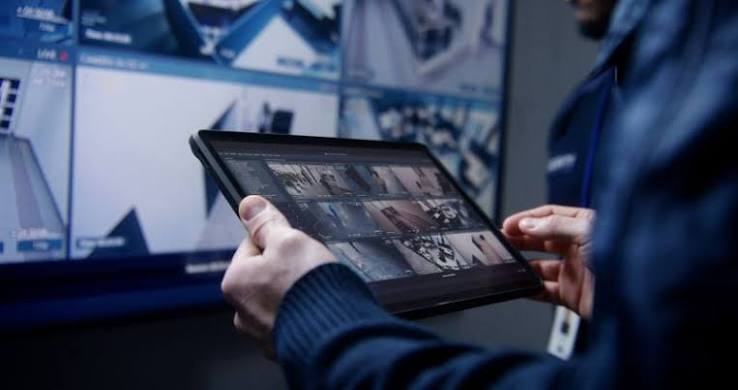
Security systems play a vital role in protecting homes, offices, factories, warehouses, schools, hospitals, shopping centres and other commercial properties. From CCTV cameras and burglar alarms to biometric access control and electric fencing, modern security technologies help property owners monitor activities, control entry and detect potential threats.
However, installing security equipment does not automatically guarantee that it will continue working effectively. Cameras may stop recording, alarm sensors may fail to detect movement, electronic locks may become unreliable and communication devices may lose connectivity. These problems can develop gradually and remain unnoticed until the equipment is needed.
This is why security system inspection and testing in Uganda should be an essential part of every property’s security management programme.
Regular inspection and testing help identify equipment faults, verify system functionality, improve operational reliability and ensure that installed security components continue performing their intended functions.
For property owners and businesses in Kampala, Wakiso, Entebbe and other parts of Uganda, maintaining dependable security equipment is particularly important where buildings experience frequent use, dust, rainfall, electricity interruptions and changing operational requirements.
At Daltrevco, we understand the importance of reliable building security solutions. This guide explains what security system inspection and testing involve, why they matter, which components should be checked and how property owners can establish an effective inspection programme.
What Is Security System Inspection and Testing?
Security system inspection and testing refers to the process of examining, checking and evaluating electronic security equipment to determine whether it is operating correctly and remains suitable for its intended purpose.
Inspection focuses on assessing the physical condition, installation, connections, configuration and general state of security equipment.
Testing involves checking whether the equipment responds correctly to specific conditions and performs its intended functions.
For example:
- CCTV testing confirms that cameras capture images, record footage and provide the expected viewing functions.
- Alarm testing checks whether sensors detect the intended events and activate the configured alerts.
- Access control testing verifies whether authorised credentials are accepted and unauthorised credentials are rejected.
- Electric fence inspection checks the condition of the fence, energiser, connections and alarm functions.
- Intercom testing confirms that communication and door-release functions operate as configured.
The exact procedures depend on the equipment installed, manufacturer instructions, system design and security requirements of the property.
Inspection and testing are closely related but serve different purposes. A camera may look physically intact but fail to record footage. Similarly, an alarm sensor may be correctly mounted but no longer communicate with its control panel.
Both activities are therefore necessary for a meaningful assessment of security system performance.
Why Is Security System Inspection and Testing Important?
A security installation should be evaluated regularly rather than assumed to be working simply because its equipment is switched on.
The following are some of the most important reasons to conduct routine inspections and tests.
1. Identifies Equipment Faults Early
Security equipment can develop faults through normal wear, environmental exposure, electrical problems and accidental damage.
Without inspection, a faulty camera, damaged cable or malfunctioning sensor may remain unnoticed.
Regular checks help identify problems before they affect the wider security installation.
For example, testing a CCTV camera may reveal that it is displaying images but no longer saving recordings. Similarly, an alarm inspection may reveal that one detection zone is not responding correctly.
Identifying these issues early makes it easier to arrange repairs and reduce avoidable system downtime.
2. Improves Security System Reliability
A security system must perform its intended functions consistently.
CCTV cameras should capture usable images, alarms should respond to configured detection events and access control devices should manage entry according to approved permissions.
Testing helps confirm that individual components and connected equipment operate as expected.
This is especially important for commercial properties where security equipment supports daily operations.
3. Helps Detect Security Gaps
A property may change after the original security installation.
New partitions, buildings, storage areas, entrances or landscaping may create blind spots or affect sensor coverage.
An inspection helps identify areas that are no longer adequately covered by the existing system.
For example, a new warehouse extension may require additional CCTV cameras or perimeter detection equipment.
4. Reduces Unexpected Equipment Downtime
When security equipment fails unexpectedly, property owners may need to arrange urgent repairs or temporary security arrangements.
Regular testing helps identify developing problems before they cause major interruptions.
Although inspection cannot prevent every equipment failure, it can reduce the risk of faults going unnoticed.
5. Confirms That Systems Work Together
Many modern buildings use integrated security installations combining CCTV cameras, burglar alarms, access control and perimeter protection.
These components may share information or trigger related functions.
For example, a compatible alarm system may trigger a CCTV recording event or send an alert to a central monitoring platform.
Testing helps verify that these configured interactions work as intended.
It is important to remember that not every security device is automatically compatible with every other device. Integration depends on equipment specifications, communication protocols and software support.
6. Helps Maintain Accurate Security Records
Some systems record access events, alarm activations, system faults and camera activity.
Inspection helps confirm that these records are being generated and stored correctly.
Accurate records can assist security personnel and property managers when reviewing incidents or investigating technical problems.
7. Supports Business Continuity
Factories, offices, warehouses, shopping centres and other commercial properties depend on security arrangements to protect people, equipment, stock and restricted areas.
A malfunctioning security system can create operational difficulties and require additional manual supervision.
Routine inspection helps property managers identify weaknesses and plan corrective work without unnecessarily disrupting business activities.
8. Helps Extend Equipment Lifespan
Cleaning, testing, adjusting and replacing worn components at the appropriate time can help maintain equipment in suitable operating condition.
This applies to CCTV cameras, alarm sensors, electronic locks, power supplies, control panels and other security devices.
9. Verifies Backup Power Arrangements
Power interruptions can affect security systems, especially where equipment depends on continuous electricity.
Inspection helps confirm whether backup batteries and uninterruptible power supplies are in suitable condition and whether they support the intended equipment load.
A backup system should not be assumed to provide unlimited operation. Its capacity and condition must be assessed.
10. Supports Security Planning and Upgrades
Inspection reports can help property owners decide whether their existing systems need maintenance, component replacement or a wider upgrade.
Rather than replacing an entire installation unnecessarily, an assessment may identify specific equipment that requires attention.
Main Security Systems That Require Regular Inspection and Testing
Different security technologies have different operating requirements. A comprehensive assessment should cover every relevant component installed at the property.
1. CCTV Camera Inspection and Testing
<AsyncImage query=”professional security technician inspecting CCTV surveillance camera at commercial building” aspectRatio=”16:9″ width=”100%”/>
CCTV systems help property owners monitor activities around buildings, entrances, parking areas, warehouses and restricted spaces.
However, camera equipment must be inspected to confirm that it captures usable images and records footage correctly.
What Should Be Inspected?
Camera condition: Check for damaged housings, loose mounting brackets, corrosion and other visible defects.
Lens cleanliness: Dust, fingerprints and moisture can reduce image clarity.
Camera positioning: Confirm that cameras still cover the intended areas and have not been moved or obstructed.
Image quality: Check image sharpness, exposure, focus and visibility under different lighting conditions.
Night vision: Test infrared illumination or other low-light features where fitted.
Recording functions: Confirm that the DVR or NVR is recording footage and that recordings can be retrieved.
Storage equipment: Review available storage capacity, hard-drive status and recording retention settings.
Network connections: For IP cameras, check network connectivity and communication with the recorder or management software.
Remote viewing: Where remote access is configured, confirm that authorised users can access the system securely.
Why CCTV Testing Matters
A CCTV camera may display live video while failing to save recordings. Another camera may be recording but positioned incorrectly, leaving an important entrance outside its field of view.
Testing helps identify these problems and confirms that the system is delivering the expected monitoring functions.
2. Burglar and Intruder Alarm Inspection
<AsyncImage query=”security technician inspecting intruder burglar alarm control panel and motion detector” aspectRatio=”16:9″ width=”100%”/>
Burglar alarm systems detect unauthorised activity using sensors installed around a property.
These systems may include motion detectors, door contacts, window sensors, glass break detectors, sirens and communication devices.
What Should Be Inspected?
- Alarm control panel condition and status indicators.
- Motion detector positioning and response.
- Door and window magnetic contacts.
- Glass break detector condition.
- Outdoor perimeter sensors.
- Siren and sounder operation.
- Keypad and remote control functions.
- Backup battery condition.
- Communication modules and notification settings.
- Alarm event history and fault records.
Why Alarm Testing Matters
An alarm system may appear normal but have a faulty detection zone or communication device.
Testing helps establish whether the system detects the intended events, activates the configured alerts and communicates with the relevant notification or monitoring arrangements.
Testing should be coordinated with any monitoring provider to avoid unnecessary response procedures.
3. Access Control System Inspection and Testing
<AsyncImage query=”technician testing biometric fingerprint card reader electronic access control office door” aspectRatio=”16:9″ width=”100%”/>
Access control systems manage who can enter specific rooms, buildings and restricted areas.
They are commonly used in offices, hospitals, factories, schools, hotels and commercial properties.
What Should Be Inspected?
Card and RFID readers: Confirm that authorised cards and tags are recognised.
Biometric scanners: Test fingerprint or facial recognition devices according to manufacturer procedures.
Electronic locks: Verify that doors lock and release correctly.
Access control panels: Check controller condition, connections and communication.
Exit buttons: Confirm that approved release functions operate correctly.
Door contacts: Check whether the system correctly identifies open and closed doors.
User permissions: Review access rights and remove outdated credentials.
Software and records: Confirm that access events are being recorded correctly.
Why Access Control Testing Matters
A system may continue recognising cards but fail to secure the door properly. Alternatively, an electronic lock may operate correctly while outdated access permissions allow people to enter restricted areas.
Testing helps verify both the electronic and physical operation of controlled entrances.
Emergency exit arrangements must remain safe and functional throughout inspection and maintenance.
4. Electric Fence Inspection and Testing
<AsyncImage query=”electric security perimeter fence energizer technician inspecting fence wires and insulators” aspectRatio=”16:9″ width=”100%”/>
Electric fences are commonly used to protect residential properties, commercial premises, farms, warehouses and industrial facilities.
Their performance depends on the condition of the fence wires, insulators, energiser, earthing system and related alarm equipment.
What Should Be Inspected?
- Fence wire condition and tension.
- Insulators and mounting brackets.
- Energiser operation.
- Earthing connections.
- Fence vegetation and obstructions.
- Visible cable damage.
- Warning signs and protective arrangements.
- Fence voltage and alarm functions using appropriate equipment.
- Communication with connected alarm systems, where applicable.
Why Electric Fence Testing Matters
Damaged wires, poor connections, vegetation contact and faulty insulators can reduce fence performance.
Inspection helps identify physical faults and determine whether the energiser and related alarm functions are operating within the manufacturer’s specifications.
Electric fence testing should be performed by trained personnel using appropriate equipment and safety procedures. The fence should never be handled as though it were a normal electrical wire.
5. Intercom and Video Door Phone Inspection
<AsyncImage query=”technician testing video door phone intercom system commercial building entrance” aspectRatio=”16:9″ width=”100%”/>
Intercom and video door phone systems help occupants communicate with visitors before granting entry.
They may include indoor monitors, outdoor calling stations, cameras, microphones, speakers and electronic door-release functions.
What Should Be Inspected?
- Audio clarity.
- Video image quality.
- Microphone and speaker performance.
- Calling and answering functions.
- Door-release operation where fitted.
- Power supply and wiring.
- Network connections for IP intercom systems.
- Mobile application functions where supported.
Testing confirms that communication and any configured entry functions operate correctly.
6. Perimeter Intrusion Detection Systems
Large commercial and industrial properties may use perimeter detection systems to identify attempted entry along fences, boundaries or restricted outdoor areas.
These may include beam sensors, outdoor motion detectors and other specialised detection equipment.
Inspection should cover:
- Sensor positioning.
- Physical mounting and protective housings.
- Wiring and communication connections.
- Vegetation and environmental obstructions.
- Detection performance.
- Alarm notification functions.
- Integration with CCTV or central monitoring where supported.
Outdoor equipment should be inspected with particular attention to rain, moisture, dust and changing environmental conditions.
7. Security Control Panels and Central Monitoring Equipment
<AsyncImage query=”commercial security control room monitoring CCTV screens alarm control panels equipment” aspectRatio=”16:9″ width=”100%”/>
Some large buildings use centralised monitoring systems to manage multiple security devices from one location.
These installations may include CCTV management software, alarm panels, access control servers, network equipment and operator workstations.
Inspection should include:
- Control panel and server condition.
- Network communication.
- Software status.
- Device connectivity.
- User permissions.
- Alarm event reporting.
- Recording and storage functions.
- Backup power arrangements.
- System time and configuration.
Centralised monitoring should be tested to confirm that important alerts reach the appropriate operators and that connected devices provide the expected information.
What Happens During a Professional Security System Inspection?
A professional inspection should follow a structured process based on the equipment installed and the property’s security requirements.
The following stages provide a general overview.
Step 1: Review the Existing Security Installation
The inspection begins with understanding the installed equipment and the areas it is intended to protect.
The technician may review:
- Existing security equipment.
- Building layout.
- Number of monitored entrances.
- Restricted areas.
- Equipment locations.
- Previous maintenance records.
- Reported system problems.
This helps establish the scope of the inspection.
Step 2: Conduct a Physical Equipment Assessment
The technician examines visible equipment for damage, loose mounting, corrosion, dust, moisture and other signs of deterioration.
This may include cameras, sensors, readers, control panels, sirens and external detection equipment.
Step 3: Check Power and Communication Connections
Security systems depend on reliable electrical and communication arrangements.
The inspection may include checking power supplies, backup batteries, cables, network connections and communication modules.
Step 4: Test Individual Devices
Each relevant device is tested according to its function and manufacturer instructions.
For example, a CCTV camera may be checked for image quality and recording, while an access reader may be tested using authorised and unauthorised credentials.
Step 5: Test Integrated System Functions
Where multiple devices are integrated, the technician verifies that configured interactions work correctly.
This may involve checking whether alarm events trigger the intended CCTV recording or notification functions.
Step 6: Review System Configuration
System settings should be reviewed to identify incorrect permissions, outdated user accounts, inappropriate detection settings or other configuration problems.
Any changes should be authorised and documented.
Step 7: Identify Faults and Recommend Corrective Work
The inspection should identify equipment that needs cleaning, adjustment, repair, replacement or upgrading.
The property owner should receive clear information about the findings and recommended next steps.
Step 8: Prepare an Inspection Report
A useful report should include:
- Equipment inspected.
- Tests performed.
- Faults identified.
- Components requiring attention.
- Repairs completed.
- Outstanding recommendations.
- Suggested maintenance schedule.
This provides a reference for future inspections and security planning.
How Often Should Security Systems Be Inspected and Tested?
The appropriate inspection frequency depends on equipment specifications, operating conditions, system complexity and the consequences of equipment failure.
The following schedule provides a general starting point for many residential and commercial installations.
| Inspection frequency | Recommended activities |
|---|---|
| Daily or during routine operations | Observe system warning indicators and report unusual behaviour |
| Monthly | Conduct basic visual checks, review fault messages and inspect accessible equipment |
| Quarterly | Test selected cameras, sensors, access points and communication functions |
| Every six months | Review backup power, equipment condition, system settings and integrated functions |
| Annually | Arrange a comprehensive assessment of the security installation and identify upgrade requirements |
Some critical equipment may require more frequent testing, while other components may follow manufacturer-specific inspection intervals.
Fire alarm systems, emergency lighting and other life-safety equipment may be subject to separate inspection and testing requirements. These should not be treated as ordinary burglar alarm checks.
Common Security System Problems That Inspections Can Identify
Regular inspection can reveal several problems that may affect security system performance.
| Security system | Common problem | What inspection may reveal |
|---|---|---|
| CCTV | Poor image quality | Dirty lenses, incorrect positioning or damaged cameras |
| CCTV | Missing recordings | Recorder faults, storage problems or incorrect settings |
| Burglar alarms | Frequent false alarms | Faulty sensors or environmental interference |
| Burglar alarms | Low-battery warnings | Deteriorated backup batteries or charging problems |
| Access control | Cards not recognised | Reader faults, incorrect permissions or communication issues |
| Electronic locks | Door fails to lock | Misalignment, damaged hardware or power problems |
| Electric fencing | Reduced performance | Damaged wires, vegetation contact or connection faults |
| Intercom systems | Poor audio or video | Damaged connections, faulty devices or network problems |
| Perimeter detection | Repeated false alerts | Environmental interference or incorrect sensor positioning |
An inspection should identify the underlying cause rather than simply clearing warning messages or resetting equipment.
Security System Inspection for Homes
Residential properties require security arrangements that reflect the building layout, entrances, household activities and potential risks.
A home inspection may cover:
Main Entrances
Check CCTV coverage, alarm contacts, access control devices and door locking arrangements.
Windows and Secondary Doors
Inspect magnetic contacts and confirm that relevant openings are included in the intended alarm coverage.
Garages and Driveways
Check camera coverage, lighting conditions, automatic gate controls and any installed detection devices.
Outdoor Areas
Inspect perimeter cameras, outdoor motion detectors and electric fence components where fitted.
Backup Power
Review the condition of backup batteries and determine which security functions remain operational during power interruptions.
Remote Monitoring
Where mobile viewing or remote notifications are configured, test access and confirm that authorised users can receive the expected alerts.
Regular checks help homeowners identify faults that may otherwise go unnoticed.
Security System Inspection for Commercial Buildings
Commercial properties often have more complex security requirements than residential buildings.
Offices, factories, warehouses, hospitals, schools and shopping centres may use multiple security technologies across different departments and entrances.
A commercial inspection should consider:
Building Entrances and Reception Areas
Inspect CCTV cameras, access control readers, intercoms and alarm sensors.
Restricted Rooms
Check access permissions, electronic locks and monitoring arrangements for server rooms, records storage and other sensitive areas.
Warehouses and Storage Facilities
Inspect camera coverage, motion detection, door contacts and perimeter protection.
Parking Areas and Vehicle Entrances
Check vehicle cameras, automatic gates, boom barriers and access control equipment.
Industrial and Production Areas
Inspect equipment exposed to dust, heat, vibration and other environmental conditions.
Central Monitoring Facilities
Verify that alarms, camera feeds and connected systems report correctly to the designated monitoring equipment.
For commercial properties, inspection planning should also consider business operating hours and the need to minimise disruption to employees, visitors and customers.
Security System Inspection in Uganda: Important Environmental Considerations
Security equipment installed in Uganda may be exposed to environmental and operational conditions that influence its performance.
1. Dust and Construction Activity
Dust can affect CCTV lenses, sensor surfaces, ventilation openings and exposed electronic equipment.
Properties near construction sites, industrial areas and busy roads may require more frequent cleaning and inspection.
2. Rainfall and Moisture
Outdoor cameras, alarm sensors, electric fences and perimeter detection equipment may be exposed to rainfall and moisture.
Inspect protective housings, cable entry points and mounting arrangements. Equipment should be suitable for the conditions in which it is installed.
3. Electricity Interruptions
Power interruptions can affect cameras, recorders, access controllers, alarm panels and communication equipment.
Inspect backup batteries and uninterruptible power supplies to establish whether they can support the intended equipment load.
4. Heat and Direct Sunlight
Outdoor security devices may be exposed to high temperatures and direct sunlight.
Check manufacturer operating limits and confirm that equipment is installed in suitable locations.
5. High-Traffic Buildings
Offices, hospitals, shopping centres and factories may have security equipment operating continuously.
Frequently used entrances and devices should be inspected regularly for wear and physical damage.
What Is the Difference Between Security System Inspection, Testing and Maintenance?
These three activities are related but have different purposes.
Inspection involves examining equipment to identify physical damage, deterioration, incorrect installation or other visible concerns.
Testing involves checking whether equipment and connected functions respond correctly under defined conditions.
Maintenance involves cleaning, servicing, adjusting, repairing or replacing components to maintain or restore system performance.
| Activity | Main purpose | Example |
|---|---|---|
| Inspection | Identify equipment condition and visible faults | Checking a CCTV camera housing for damage |
| Testing | Verify that equipment functions correctly | Confirming that a camera records footage |
| Maintenance | Preserve or restore performance | Cleaning the camera lens or replacing a faulty power supply |
A complete security management programme should include all three activities.
What Are the Risks of Not Inspecting Security Systems?
Failing to inspect and test security equipment can create avoidable security and operational problems.
Undetected Equipment Failure
A faulty camera, sensor or access reader may remain unnoticed until a security incident occurs.
CCTV Recording Gaps
A camera may display live images but fail to save footage, leaving gaps in the recording history.
Unreliable Alarm Detection
Damaged or incorrectly configured sensors may fail to detect the events they are intended to monitor.
Unauthorised Access Risks
Outdated credentials, faulty electronic locks and incorrect permissions can weaken entry restrictions.
Failed Remote Notifications
Communication faults may prevent alarm alerts or other notifications from reaching designated recipients.
Increased Repair Costs
Minor equipment faults may become more serious when they remain unaddressed.
Business Disruption
Unexpected system failures can require manual security arrangements and interrupt normal operations.
Reduced Confidence in Security Equipment
Repeated faults and false alarms can make occupants and security personnel less confident in the installed system.
Regular inspection does not eliminate every security risk, but it helps identify and address equipment problems before they become more disruptive.
How Much Does Security System Inspection Cost in Uganda?
The cost of inspecting and testing security systems in Uganda depends on the size, complexity and condition of the installation.
A residential property with a few cameras and alarm sensors will have different inspection requirements from a large commercial building with multiple CCTV cameras, access control doors, alarm zones and perimeter detection equipment.
The main factors influencing inspection costs include:
1. Number of Security Devices
The number of cameras, sensors, readers, locks and other devices affects the time required to inspect and test the installation.
2. Type of Security Technology
CCTV, biometric access control, burglar alarms, electric fences and integrated monitoring systems have different testing requirements.
3. Property Size and Layout
Large buildings may require more extensive assessment because of multiple entrances, floors, departments and outdoor areas.
4. System Complexity
Integrated systems may require additional testing to confirm that different technologies communicate and perform their configured functions correctly.
5. Condition of Existing Equipment
An installation in good condition may require routine inspection, while an older system with recurring faults may need more extensive diagnosis.
6. Accessibility of Equipment
Cameras, sensors and other devices installed at difficult-to-reach locations may require additional inspection arrangements.
7. Repairs and Replacement Components
Inspection costs may be separate from repairs, replacement equipment and configuration changes.
For an accurate estimate, property owners should arrange an assessment that identifies the equipment involved, inspection requirements and any additional work needed.
How to Choose a Security System Inspection Company in Uganda
Selecting a suitable provider is important because security inspections involve equipment that may be connected to critical building operations.
Before engaging a company, consider the following factors.
Relevant Technical Knowledge
Choose a provider familiar with the type of security equipment installed at your property.
Experience Across Different Security Technologies
The provider should understand the relevant systems, including CCTV, burglar alarms, access control, electric fencing and perimeter detection.
Structured Inspection Procedures
Ask how the inspection will be conducted and which components and functions will be tested.
Correct Testing Equipment
Some security devices require specialised instruments and manufacturer-approved procedures.
Clear Inspection Reports
A good inspection should produce a report that identifies faults, describes test results and explains recommended corrective actions.
Safety Awareness
Testing should be performed without creating unnecessary risks to building occupants, visitors or technicians.
Understanding of Integrated Systems
If your property uses interconnected security equipment, the provider should understand the relevant communication and compatibility requirements.
Practical Recommendations
The provider should distinguish between equipment that needs routine maintenance, components requiring repair and systems that may benefit from upgrading.
How Daltrevco Can Help with Building Security Solutions
A dependable security installation requires more than purchasing and installing equipment. Property owners also need to consider equipment condition, correct configuration, compatibility and long-term maintenance.
Daltrevco provides a point of contact for businesses and property owners exploring electronic security and building protection solutions.
Whether your property uses CCTV cameras, burglar alarms, biometric access control, electric fencing, intercoms or integrated security equipment, it is important to understand the condition and performance of the installed systems.
If you are reviewing your building’s security arrangements or need to discuss suitable security solutions, contact Daltrevco to explore the options relevant to your property.
A properly assessed security installation can help improve operational reliability, identify equipment weaknesses and support more informed decisions about maintenance and upgrades.
Frequently Asked Questions About Security System Inspection and Testing
1. What is security system inspection and testing?
Security system inspection and testing involve examining and checking electronic security equipment to determine whether it is in suitable condition and performing its intended functions.
2. Why is security system testing important?
Testing helps identify equipment faults, verify system performance, detect communication problems and confirm that security devices respond correctly to the events they are designed to monitor.
3. How often should security systems be inspected?
The frequency depends on the equipment, manufacturer instructions, operating environment and property security requirements. Routine visual checks may be monthly, with more comprehensive testing conducted periodically.
4. Which security systems need regular inspection?
CCTV cameras, burglar alarms, access control systems, electric fences, intercoms, perimeter detection devices and central monitoring equipment should be inspected according to their requirements.
5. What is checked during CCTV inspection?
CCTV inspection may include camera condition, lens cleanliness, image quality, night vision, recording functions, storage capacity, network connections and remote viewing.
6. How do you test a burglar alarm system?
Alarm testing involves checking relevant sensors, control panels, sirens, communication functions and backup power according to the manufacturer’s approved procedures.
7. Why should access control systems be tested?
Testing confirms that authorised users can enter approved areas, unauthorised credentials are rejected and electronic locks and release arrangements function correctly.
8. Can security systems fail without showing warning messages?
Yes. A camera may stop recording while still displaying live images, or an alarm sensor may become unreliable without an obvious warning. Functional testing helps identify hidden problems.
9. Does security system inspection include repairs?
Inspection identifies faults and recommends corrective work. Repairs may be included in a maintenance agreement or arranged separately, depending on the service scope.
10. Can security system inspection reduce false alarms?
It can help identify causes such as faulty sensors, incorrect positioning, environmental interference and loose connections, which may contribute to repeated false alarms.
11. Should backup batteries be inspected?
Yes. Backup batteries should be checked according to manufacturer instructions to confirm their condition and suitability for the connected equipment.
12. Why is testing security system communication important?
Communication testing helps confirm that configured alerts, notifications and monitoring connections are functioning. A system may detect an event locally but fail to send the intended remote notification.
13. Do integrated security systems need special testing?
Yes. Integrated systems should be tested to confirm that compatible components communicate correctly and perform their configured functions.
14. What happens if security systems are not maintained?
Equipment may develop undetected faults, recording may fail, alarms may become unreliable and access control devices may stop functioning as intended.
15. Can I inspect my own security system?
Property owners and trained building personnel can perform basic visual checks and report unusual behaviour. Technical testing, electrical inspection and system configuration should be handled by appropriately qualified personnel.
16. What should be included in a security inspection report?
A report should identify the equipment inspected, tests conducted, results, faults found, corrective work required and recommendations for future maintenance.
17. Is CCTV inspection different from CCTV maintenance?
Yes. Inspection evaluates the condition and operation of the cameras and recording equipment. Maintenance involves cleaning, servicing, adjustment and repair where necessary.
18. Why is security system inspection important for commercial buildings?
Commercial properties often have multiple entrances, restricted areas, employees, visitors and valuable equipment. Regular inspection helps identify faults that could disrupt operations or weaken security arrangements.
19. Can security systems be upgraded after inspection?
Yes. An inspection may identify outdated cameras, incompatible controllers, insufficient storage or other limitations that can be addressed through suitable upgrades.
20. Where can I get security system inspection and testing in Uganda?
Businesses and property owners can contact Daltrevco to discuss their building security requirements and explore suitable electronic security solutions.
Conclusion
Security systems are essential for protecting residential and commercial properties, but their effectiveness depends on the condition and performance of the installed equipment.
Regular inspection and testing help confirm that CCTV cameras record correctly, alarm sensors detect intended events, access control systems manage entry properly and perimeter protection equipment remains in suitable operating condition.
For property owners in Uganda, establishing a structured inspection programme is an important step towards identifying equipment faults, reducing avoidable downtime and maintaining more reliable building security.
Whether you manage a home, office, warehouse, factory, school or commercial facility, security system inspection should be treated as an ongoing part of property protection rather than an activity performed only after equipment fails.
Contact Daltrevco to discuss suitable electronic security and building protection solutions for your property.

