Building a home is one of the biggest investments many Ugandans make. Whether you are planning a modest family house in Kampala, a bungalow in Wakiso, a retirement home in your village or a rental property, controlling construction costs is essential.
The good news is that affordable house construction in Uganda does not mean building a weak, unattractive or uncomfortable home. With proper planning, a practical house design, carefully selected materials and effective project management, you can build a durable home while making the most of your available budget.
Many homeowners spend more than necessary because they begin construction without complete drawings, underestimate material quantities, make frequent design changes or choose materials based only on their initial purchase price. These decisions can lead to waste, delays and expensive repairs.
This guide explores practical and affordable house construction ideas for Ugandan homeowners, including cost-effective house designs, material choices, construction methods and budgeting tips that can help you achieve a quality home without unnecessary expenditure.
1. Start with a Realistic House Construction Budget
One of the most important affordable house construction ideas is to establish a realistic budget before starting work.
Your budget should cover more than bricks, cement and roofing sheets. It should account for professional services, site preparation, labour, materials, utilities, finishes, external works and other project-related expenses.
Before construction begins, consider preparing a detailed cost estimate or Bill of Quantities (BOQ). This helps you understand the expected quantities and costs of materials and labour at different construction stages.
Your construction budget should consider:
- Land preparation and site clearing.
- Architectural and structural design.
- Surveying and professional services.
- Building permits and applicable statutory fees.
- Excavation and foundation construction.
- Cement, sand, aggregates and reinforcement steel.
- Bricks, blocks and other walling materials.
- Roofing sheets, timber and roof accessories.
- Plumbing and electrical installations.
- Doors, windows and ventilation.
- Flooring, plastering, painting and other finishes.
- Drainage, compound works and landscaping.
- A contingency allowance for unexpected expenses.
Practical tip: Do not spend your entire budget on the foundation and walling while leaving no money for roofing, plumbing, electrical installations and essential finishes. Plan the complete project before committing to construction.
2. Choose a Simple and Cost-Effective House Design
The design of your house has a major influence on construction costs. A complicated design with many corners, curves, roof intersections and decorative features generally requires more materials and labour than a straightforward design.
For homeowners working with a limited budget, a simple rectangular or square house plan can be a practical option.
Consider these affordable design ideas:
- Use a straightforward building shape.
- Avoid unnecessary wall projections and complicated corners.
- Choose a practical roof design with fewer intersections.
- Plan room sizes around your household’s actual needs.
- Position bathrooms and kitchens efficiently.
- Minimise unnecessary corridors and wasted spaces.
- Include adequate natural lighting and ventilation.
- Design the house with future extensions in mind.
A simple design can still look modern and attractive. Good proportions, suitable windows, a coordinated colour scheme and quality finishes can create an appealing home without expensive architectural decoration.
3. Build a Smaller House That Meets Your Needs
Building a large house when your budget cannot comfortably support it can create financial pressure. A more affordable approach is to construct a smaller, functional house that meets your current needs.
For example, a well-planned two-bedroom or three-bedroom house may provide sufficient space for a family without the additional costs associated with unnecessary rooms.
You can prioritise:
- Comfortable bedrooms.
- A practical living and dining area.
- A functional kitchen.
- Adequate bathroom facilities.
- Storage space.
- Good ventilation and natural lighting.
The goal should be to maximise the usefulness of every square metre.
Avoid constructing oversized rooms simply to make the house appear impressive. Larger floor areas usually require more foundation materials, walling, roofing, flooring, finishes and labour.
4. Consider a Simple Bungalow Design
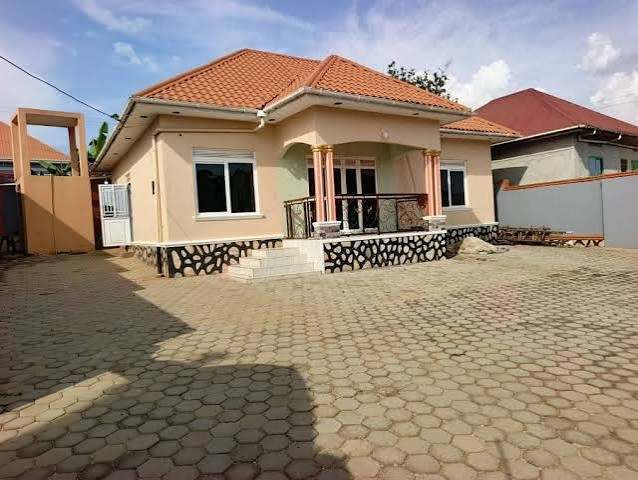
A bungalow is a popular option for Ugandan homeowners because it offers convenient single-level living and can be designed in different sizes to suit different budgets.
A compact bungalow may be suitable for a family that wants a practical home without the complexity of a multi-storey building.
Potential advantages include:
- No staircase construction.
- Convenient movement between rooms.
- Easier access for children and older family members.
- Straightforward daily maintenance.
- Opportunities for future extensions where the site and design allow.
However, a bungalow is not automatically cheaper than a two-storey house. The final cost depends on total floor area, foundation requirements, roof size, structural design, finishes and site conditions.
Compare complete designs and their Bills of Quantities before deciding.
5. Use Suitable Locally Available Building Materials
Choosing suitable materials is one of the most effective ways to manage house construction costs in Uganda.
Locally available materials may reduce transportation expenses and make sourcing easier. However, affordability should never come at the expense of structural performance, durability or compliance with applicable building standards.
Depending on your design and location, you may consider:
- Locally manufactured bricks and concrete blocks.
- Suitable sand and stone aggregates.
- Cement and approved binding materials.
- Reinforcement steel that meets the required specifications.
- Locally available timber suitable for the intended application.
- Roofing sheets appropriate for the building design.
- Durable and practical flooring materials.
Before selecting materials, compare their specifications, quality, availability, transportation costs and suitability for the intended construction work.
The National Building Code of Uganda emphasises selecting building materials according to the local climate and their intended performance. Materials should be appropriate for the environment in which the building will be constructed.
Do not assume that the cheapest material is always the most affordable option in the long term. Poor-quality products may lead to wastage, structural problems and repeated repairs.
6. Compare Bricks, Concrete Blocks and Interlocking Blocks
Walling materials can influence the cost, construction speed and finishing requirements of your house.
Common options include burnt clay bricks, concrete blocks and suitable interlocking blocks.
When comparing them, consider:
- Purchase price per unit.
- Number of units required.
- Mortar and cement requirements.
- Labour and construction time.
- Plastering or finishing requirements.
- Strength and suitability for the building design.
- Availability of skilled workers.
- Transportation costs.
Interlocking blocks may reduce the amount of mortar or plastering required in certain suitable building systems. However, their performance depends on the block specifications, manufacturing quality, design and construction method.
Before choosing an alternative walling system, consult a qualified building professional to confirm that it is appropriate for your project.
7. Choose a Practical and Affordable Roofing Design
Roofing is another important part of your construction budget.
A complicated roof with many hips, valleys, intersections and decorative features may require additional timber, roofing sheets, accessories and labour.
For a cost-conscious home, consider a simple roof design that provides effective protection against rain and allows proper water drainage.
Affordable roofing considerations include:
- Select a roof shape that suits the building plan.
- Compare roofing sheet specifications and warranties.
- Use appropriately treated and specified timber where timber framing is required.
- Ensure correct roof pitch and installation.
- Provide adequate roof overhangs where suitable.
- Install gutters and downpipes to manage rainwater.
- Ensure the roof structure is designed for the expected loads.
Do not reduce roof quality simply to lower the initial cost. Poor installation or unsuitable roofing materials can result in leaks, damaged ceilings and expensive maintenance.
8. Avoid Unnecessary Interior and Exterior Finishes
Finishes can consume a significant portion of a house construction budget. Expensive tiles, decorative ceilings, imported fittings, elaborate wall designs and premium paint products can increase costs quickly.
You can create a beautiful home using practical, durable finishes.
Consider the following ideas:
- Use standard-size tiles in appropriate areas.
- Choose durable, easy-to-clean flooring.
- Use a simple and consistent paint colour scheme.
- Install practical ceiling designs.
- Prioritise quality finishes in frequently used areas.
- Use decorative wall features selectively.
- Choose doors and windows that meet functional and security requirements.
You do not need expensive finishes in every room. Allocate more of your budget to areas where durability, hygiene and daily use matter most.
For example, bathrooms and kitchens require finishes that can withstand moisture and regular cleaning.
9. Plan Your Kitchen and Bathrooms Efficiently
Kitchen and bathroom layouts can affect plumbing costs, material requirements and the convenience of your home.
A practical way to manage expenses is to position wet areas strategically.
Where appropriate, placing the kitchen, bathroom and other plumbing facilities close to one another can simplify pipe routing and reduce unnecessary plumbing runs.
Other cost-saving ideas include:
- Use practical kitchen cabinet layouts.
- Avoid unnecessarily complicated plumbing routes.
- Select durable sanitary fittings within your budget.
- Provide adequate ventilation in bathrooms.
- Choose easy-to-maintain wall and floor finishes.
- Plan water storage and drainage requirements early.
All plumbing installations should be properly designed and completed to the required standards. Cutting corners on water supply, drainage or waterproofing can result in expensive future repairs.
10. Maximise Natural Lighting and Ventilation
A comfortable house does not have to depend entirely on expensive artificial lighting and mechanical cooling.
Good building orientation, suitable windows, ventilation openings and roof design can improve indoor comfort.
For Uganda’s generally warm and humid conditions, consider:
- Positioning windows to support suitable natural ventilation.
- Providing adequate daylight in living spaces.
- Using appropriate roof insulation where necessary.
- Considering suitable shading and roof overhangs.
- Avoiding excessive direct solar heat gain.
- Planning rooms to allow comfortable airflow.
The National Building Code recognises the importance of adapting building design to local climatic conditions.
Good natural lighting and ventilation can improve comfort and help reduce reliance on artificial lighting and cooling during suitable conditions.
11. Buy Construction Materials According to a Planned Schedule
Buying all your construction materials at once may not be practical, especially when you have limited storage space or a tight budget.
A better approach is to prepare a procurement schedule based on the construction programme.
For example:
| Construction stage | Materials to plan for |
|---|---|
| Foundation | Cement, reinforcement steel, sand, aggregates and hardcore |
| Walling | Bricks or blocks, cement, sand and lintel materials |
| Roofing | Timber or specified roof framing, roofing sheets and accessories |
| Plumbing | Pipes, fittings, valves and sanitary components |
| Electrical | Cables, conduits, switches, sockets and distribution accessories |
| Finishing | Tiles, paint, ceilings, doors, windows and fittings |
Before purchasing, confirm the required quantities and specifications with the relevant professional or contractor.
Buying in planned quantities helps reduce unnecessary purchases, material damage, theft and wastage.
12. Compare Suppliers Before Buying Building Materials
Material prices can vary between suppliers depending on product specifications, location, transport and order quantities.
Do not select a supplier based only on the lowest advertised price.
Compare:
- Product specifications and quality.
- Price per unit.
- Transportation and delivery charges.
- Available quantities.
- Supplier reliability.
- Return or replacement arrangements.
- Delivery timelines.
- Whether the quotation includes all relevant charges.
Request written quotations for major purchases and compare equivalent products.
Daltrev Co. Ltd supplies construction materials and building supplies for residential, commercial and infrastructure projects. Homeowners can enquire about materials such as cement, reinforcement steel, aggregates, bricks and blocks, roofing products, plumbing supplies and finishing materials.
Visit the Daltrev Construction Materials page to explore the material categories and make a project-based enquiry.
13. Build in Phases Without Compromising Structural Safety
If your available funds cannot cover the entire house at once, phased construction may help you manage expenditure.
However, a phased approach must be planned professionally from the beginning.
A possible approach is:
Phase 1: Planning and approvals
- Verify land ownership and site suitability.
- Obtain the necessary professional designs.
- Prepare the budget and construction programme.
- Secure applicable approvals and permits.
Phase 2: Foundations and structural works
- Prepare the site.
- Construct the foundations.
- Complete the ground floor structure.
- Build walls and other designed structural elements.
Phase 3: Roofing and weather protection
- Complete the roof structure.
- Install roofing materials.
- Provide appropriate drainage and rainwater management.
Phase 4: Building services
- Install plumbing.
- Complete electrical installations.
- Provide other essential building services.
Phase 5: Finishing and external works
- Complete plastering and flooring.
- Install doors and windows.
- Paint and complete ceilings.
- Finish drainage, access paths and landscaping.
The structural design must account for the intended final building, including any future extensions. Do not leave exposed reinforcement, incomplete structural connections or unfinished work in a condition that creates safety or durability problems.
14. Avoid Changing the House Design During Construction
Frequent changes during construction can increase costs and delay completion.
For example, changing room sizes after foundation work has started may require alterations to the foundation layout, walls, roofing and plumbing.
To minimise these expenses:
- Finalise architectural drawings before construction.
- Approve structural drawings before relevant work begins.
- Confirm door and window positions.
- Plan electrical and plumbing points.
- Select major finishes early.
- Discuss proposed changes with the relevant professionals before implementation.
A well-coordinated design reduces confusion and helps contractors work according to an agreed plan.
15. Hire Qualified Professionals and Use Proper Project Supervision
Trying to save money by avoiding professional advice can lead to costly construction mistakes.
Qualified professionals help ensure that the house is appropriately designed, that structural requirements are considered and that construction activities are coordinated.
Depending on the project, you may need:
- An architect or appropriately qualified building designer.
- A structural engineer.
- A quantity surveyor.
- A land surveyor.
- Qualified electrical and plumbing professionals.
- A competent building contractor.
- Construction project management or supervision support.
Professional input can help identify unnecessary expenditure, review material requirements, monitor workmanship and reduce avoidable rework.
Daltrev Co. Ltd provides construction consultancy and project management support. Homeowners can discuss project planning, cost guidance, technical coordination, construction supervision and progress monitoring through its Construction Consultancy Services page.
16. Reduce Material Wastage on the Construction Site
Material wastage is a hidden source of construction expenses.
Poor storage, inaccurate measurements, careless handling and incorrect mixing can increase the amount of material needed.
To reduce wastage:
- Store cement in a dry, protected location.
- Keep reinforcement steel organised and protected as required.
- Store timber away from excessive moisture.
- Protect roofing sheets and finishing materials from damage.
- Measure materials accurately.
- Prepare mortar and concrete in appropriate quantities.
- Monitor material use against the BOQ.
- Keep the site organised.
- Record material deliveries and usage.
Good site management helps ensure that purchased materials are used efficiently.
17. Invest in Proper Drainage and Site Preparation
Some homeowners focus heavily on visible features such as tiles, ceilings and paint while overlooking site drainage.
This can become an expensive mistake.
Poor drainage may contribute to water entering the building, soil erosion, dampness, foundation-related problems and damage to external surfaces.
Before construction, assess:
- Natural ground levels.
- Soil conditions.
- Surface water flow.
- Site access.
- Suitable foundation requirements.
- Stormwater drainage arrangements.
- The position of septic systems or other wastewater facilities where applicable.
The appropriate drainage system depends on the site, soil, building design and local requirements.
Investing in proper site preparation and drainage can help protect your home and reduce future maintenance expenses.
18. Choose Durable Materials Instead of Only Cheap Materials
An affordable house should remain affordable to maintain.
A product with a low purchase price may become expensive if it requires frequent replacement or repairs.
When selecting materials, consider their expected service life, maintenance requirements, performance and suitability for the intended use.
For example:
- Use reinforcement steel that meets the structural specifications.
- Select suitable roofing products and install them correctly.
- Use appropriate waterproofing in wet areas.
- Choose durable plumbing components.
- Use quality electrical accessories.
- Select suitable exterior paints and finishes.
The objective is to achieve the best balance between initial cost, quality, performance and long-term maintenance.
19. Consider Future Expansion When Designing Your Home
You may not have enough money to build your dream house immediately. However, you can plan a practical home that allows for future improvements.
For example, you may begin with a complete two-bedroom home and later add another bedroom, a larger living space or other facilities if the land and approved design permit.
Future expansion should be considered during the initial design stage.
A qualified structural engineer should determine whether the foundations, columns, beams and other structural elements can safely accommodate the proposed future development.
Do not assume that an existing house can support an additional floor without a structural assessment.
20. Use a Construction Company That Understands Your Budget
Choosing the right construction partner can make a significant difference to the success of your project.
A suitable contractor or construction service provider should understand your requirements, explain the work involved and help you make informed decisions about materials, construction methods and project priorities.
Before engaging a company, consider:
- Its experience with similar projects.
- The services it actually provides.
- Professional qualifications relevant to the work.
- The clarity of its quotation.
- Its proposed construction programme.
- Its approach to material procurement.
- Site supervision and quality control arrangements.
- Contract terms and payment schedules.
- Communication and reporting procedures.
Avoid choosing a contractor simply because they promise the lowest price. Compare quotations carefully and make sure they cover the same scope and specifications.
Daltrev Co. Ltd supports residential and other building projects through construction works, civil works, construction materials, consultancy and project management services. Explore Daltrev Works to learn more about its construction and building solutions.
Common Mistakes That Make House Construction Expensive in Uganda
Even with a limited budget, homeowners can avoid unnecessary costs by recognising common construction mistakes.
| Common mistake | How to avoid it |
|---|---|
| Starting without complete drawings | Finalise the necessary designs before construction |
| Underestimating the budget | Prepare a detailed BOQ and allow for contingencies |
| Choosing materials based only on price | Compare quality, specifications and durability |
| Making frequent design changes | Agree on the design before work begins |
| Poor site drainage | Assess ground levels and plan suitable drainage |
| Buying materials without a schedule | Prepare a stage-by-stage procurement plan |
| Ignoring professional advice | Engage qualified professionals where required |
| Poor material storage | Protect materials from weather, theft and damage |
| Inadequate supervision | Monitor workmanship and construction progress |
| Building beyond your financial capacity | Prioritise essential spaces and plan future expansion |
Affordable House Construction Checklist for Ugandan Homeowners
Before starting your project, use this checklist to review your preparations:
- Confirm land ownership and relevant site information.
- Assess the land and soil conditions.
- Prepare a practical house design.
- Obtain the required architectural and structural information.
- Confirm applicable building permits and approvals.
- Prepare a detailed BOQ and construction budget.
- Select suitable and durable building materials.
- Compare supplier quotations.
- Choose an appropriate contractor and professionals.
- Prepare a construction and material procurement schedule.
- Plan drainage, plumbing and electrical installations.
- Arrange site supervision and quality checks.
- Set aside funds for unexpected project expenses.
How Daltrev Co. Ltd Can Support Your House Construction Project in Uganda
Building an affordable home requires more than finding cheap materials. It involves proper planning, suitable construction methods, responsible material selection and effective coordination.
Daltrev Co. Ltd supports residential and other construction projects in Uganda through construction works, civil works, construction materials, construction consultancy and project management services.
Depending on your project requirements, you can enquire about:
- Building and structural construction works.
- Construction and civil engineering services.
- Cement, reinforcement steel, sand and aggregates.
- Bricks, blocks and roofing materials.
- Plumbing and electrical supplies.
- Doors, windows and finishing materials.
- Construction consultancy and project planning.
- Project coordination and construction supervision.
Whether you are planning a modest family home, a bungalow, a rental property or a larger residential development, Daltrev can discuss your requirements and the services or material categories that may suit your project.
Explore Daltrev Construction Materials or visit the Daltrev Works page to learn more.
Ready to plan your affordable house construction project?
Contact Daltrev Co. Ltd to discuss your construction requirements, materials and project budget.
Website: https://www.daltrevco.com/
Email: daltrevco@gmail.com
Telephone: +256 744 702 773
Location: Kampala, Uganda.
Frequently Asked Questions About Affordable House Construction in Uganda
1. What is the cheapest way to build a house in Uganda?
One practical way to reduce construction costs is to choose a simple house design, control the floor area, use suitable locally available materials, prepare a detailed BOQ and avoid unnecessary design changes. Proper supervision and material management can also reduce waste and rework.
2. Which house design is most affordable in Uganda?
A compact rectangular or square house with a straightforward roof design can be cost-effective because it may require fewer complicated structural details and less finishing work. The actual cost depends on the floor area, soil conditions, materials, specifications and labour.
3. Is it cheaper to build a bungalow or a two-storey house in Uganda?
It depends on the design and total floor area. A bungalow may avoid staircase and upper-floor structural costs, but it generally requires a larger roof and building footprint for the same accommodation. A two-storey house may use land more efficiently but requires appropriate structural design. Compare complete BOQs before deciding.
4. Can I build a house in Uganda on a small budget?
Yes. You can plan a smaller house with essential rooms, practical finishes and a simple design. A realistic budget, professional drawings and a phased construction plan can help you manage expenditure. The budget must still cover safe structural work, essential services and applicable approvals.
5. Which building materials are affordable in Uganda?
Depending on location and availability, homeowners may compare locally manufactured bricks, concrete blocks, suitable sand and aggregates, cement, reinforcement steel, timber and roofing products. The right choice depends on quality, specifications, transportation and the intended application.
6. Are interlocking blocks cheaper than ordinary bricks?
They may reduce mortar consumption and some finishing requirements in suitable building systems. However, the total cost depends on block price, quality, labour, wall design, transport and required finishes. Compare the complete walling cost rather than the price per block alone.
7. Can I build my house in phases?
Yes, provided the project is planned properly. The complete building should be designed from the beginning, and each construction phase should be structurally safe and protected against weather and deterioration. Future extensions must be assessed by qualified professionals.
8. How can I reduce construction material wastage?
Use accurate drawings and material estimates, prepare a procurement schedule, store materials properly, monitor deliveries and control material use on site. Good supervision also helps prevent mistakes that lead to demolition and rework.
9. Should I buy all building materials at once?
Not necessarily. Buying according to the construction programme can help with cash flow and storage. However, plan procurement early, compare quotations and confirm availability before each stage to avoid unnecessary delays or price surprises.
10. Why is a Bill of Quantities important when building a house?
A BOQ provides a structured estimate of the materials, labour and work items required for a project. It helps homeowners understand costs, compare quotations, plan purchases and monitor expenditure.
11. How can I avoid spending more than my construction budget?
Start with a realistic budget, finalise the design, prepare a BOQ, compare equivalent supplier quotations, monitor material usage and approve changes before work is carried out. Keep a contingency allowance for unexpected expenses.
12. Can Daltrev Co. Ltd supply building materials for residential construction?
Daltrev Co. Ltd lists construction materials and building supplies for residential, commercial and infrastructure projects. Enquiries can cover cement, reinforcement steel, aggregates, bricks and blocks, roofing, plumbing, electrical supplies and finishing products. Confirm specifications, quantities and availability directly with the company.
Conclusion: Build an Affordable and Durable Home in Uganda
Affordable house construction in Uganda is achievable when homeowners make informed decisions from the planning stage to final handover.
A simple house design, realistic budget, suitable materials, efficient space planning, proper drainage and effective project supervision can help reduce unnecessary expenditure without compromising the quality and safety of your home.
Remember that the cheapest construction option is not always the most affordable in the long term. Prioritise structural safety, durable materials and professional guidance while avoiding unnecessary design features and material wastage.
If you are planning to build a home, contact Daltrev Co. Ltd to discuss your construction requirements, material enquiries and project support options.