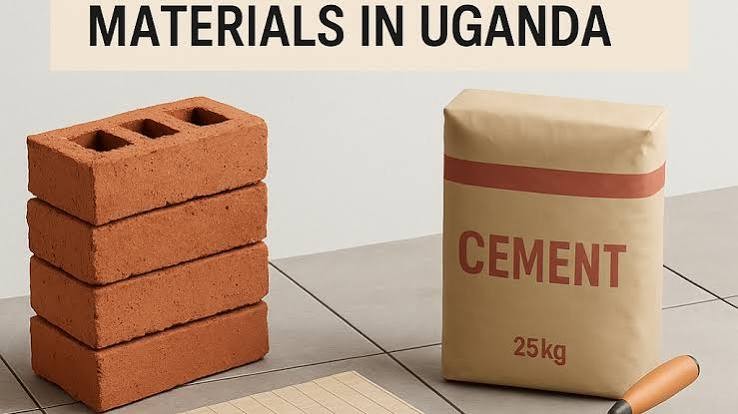
Choosing the right building materials is one of the most important decisions you will make when constructing a house in Uganda. The materials you select determine the strength, durability, appearance, comfort, maintenance requirements and overall construction cost of your home.
Whether you are building a simple family bungalow, a modern maisonette or a large residential property, selecting suitable materials can help you achieve a safe, attractive and long-lasting building. However, choosing materials based only on their purchase price can lead to expensive problems such as leaking roofs, cracked walls, damp floors, damaged finishes and premature repairs.
Uganda’s construction market offers a wide range of materials, including cement, reinforcement steel, bricks, concrete blocks, roofing sheets, timber, sand, aggregates, tiles, plumbing products and electrical fittings. Each material has different properties, applications and quality requirements. Understanding these differences helps homeowners make informed purchasing decisions.
At Daltrev Co. Ltd, we understand the importance of reliable construction supplies and appropriate material selection. We support construction projects with building materials, concrete products, building supplies, tools and equipment.
In this guide, we explain how to choose the right building materials for your house in Uganda, what to consider before purchasing, how to assess material quality and how to avoid common construction material mistakes.
1. Understand Your House Design and Construction Requirements
Before purchasing any building materials, understand the design and specifications of the house you intend to construct.
Different buildings require different materials depending on their size, structure, design, intended use and location.
For example, a single-storey bungalow may require different structural arrangements from a two-storey maisonette. Similarly, a house with a complex roof design may need different roofing materials and supporting components from one with a simple roof.
Start by reviewing the following:
- Architectural drawings and building dimensions.
- Structural drawings and engineering specifications.
- Foundation design and ground conditions.
- Walling materials and required wall thicknesses.
- Roofing design and covering specifications.
- Electrical and plumbing requirements.
- Interior and exterior finishing specifications.
- Estimated quantities and project budget.
Your architect, structural engineer and quantity surveyor can help identify the materials required for different stages of construction.
Practical tip: Do not buy structural materials simply because they were used by a neighbour or another contractor. Follow the approved drawings and specifications for your own building.
2. Set a Realistic Budget for Building Materials
Your construction budget plays an important role in determining which materials you can afford.
However, choosing materials should involve more than comparing the cheapest prices from different suppliers. Consider quality, expected lifespan, transportation, installation costs, maintenance and replacement expenses.
For example, inexpensive roofing sheets may appear attractive initially, but unsuitable specifications or poor installation can lead to leaks and early deterioration.
Similarly, buying low-quality cement or reinforcement steel to reduce initial expenditure can compromise the performance of important structural elements.
How to prepare a building materials budget
A useful materials budget should identify:
- The materials required for each construction stage.
- The quantities specified in the BOQ.
- The expected purchase prices.
- Transportation and delivery costs.
- Storage and handling expenses.
- Possible price changes during the construction period.
- A suitable contingency allowance.
A Bill of Quantities (BOQ) helps establish the quantities and specifications needed for the project.
Where possible, compare quotations using the same material specifications. This makes it easier to identify genuine savings without compromising quality.
3. Choose Quality Cement for Strong Construction
<AsyncImage query=”Fresh cement bags stacked neatly at a Ugandan construction site with concrete mixing equipment and building materials” aspectRatio=”16:9″ width=”100%”/>
Cement is one of the most important materials used in residential house construction. It is essential for concrete, mortar, plastering, foundations, floor slabs and other building activities.
The quality and suitability of cement can influence the strength and performance of concrete and masonry work.
What to consider when choosing cement
Check the product information: Examine the brand, cement type, declared strength class, manufacturer details, batch information and applicable conformity markings.
Check the packaging: Cement bags should be properly sealed and free from visible damage or moisture contamination.
Check the condition: Avoid cement that contains hard lumps or appears to have been affected by water or prolonged poor storage.
Choose the correct cement type: Different cement types are manufactured for different applications. Follow the project specifications and technical advice when selecting the appropriate product.
Buy from reliable suppliers: Purchase cement from suppliers who can provide clear product information and appropriate documentation.
Proper cement storage
Even good-quality cement can deteriorate if stored incorrectly.
- Keep cement in a dry, covered storage area.
- Place bags on raised pallets rather than directly on the floor.
- Protect bags from rain and ground moisture.
- Keep storage areas ventilated and organised.
- Use materials in accordance with their shelf-life and manufacturer guidance.
Important: Do not assume that all cement products are interchangeable. Use the type specified for the intended construction work.
4. Select the Right Reinforcement Steel for Structural Strength
<AsyncImage query=”Reinforcement steel bars rebar arranged at a residential building construction site with concrete columns and foundation reinforcement” aspectRatio=”16:9″ width=”100%”/>
Reinforcement steel is used in reinforced concrete construction to provide tensile strength and support structural performance.
It is commonly used in foundations, columns, beams, slabs, staircases and other reinforced concrete components.
Choosing the correct reinforcement steel is essential because structural components must be constructed according to the engineer’s design.
Factors to consider when buying reinforcement steel
Correct bar diameter: Purchase the bar sizes specified in the structural drawings. Do not substitute smaller bars to reduce costs without the structural engineer’s approval.
Steel grade: Confirm the required grade and mechanical properties from the project specifications and applicable standards.
Product conformity: Check the manufacturer’s information, product markings and relevant conformity documentation.
Physical condition: Avoid visibly damaged, severely corroded or contaminated bars where the condition makes them unsuitable for the specified application.
Correct quantities: Use the reinforcement schedule or BOQ to estimate the required number, length and size of bars.
Reliable supply: Purchase from suppliers who can provide traceable product information.
Why reinforcement steel quality matters
Using unsuitable reinforcement can affect the structural performance of concrete elements.
The correct steel must be selected, cut, bent, placed and supported according to approved structural details.
Do not change reinforcement spacing, diameter, lap lengths or positioning without the responsible structural engineer’s approval.
5. Choose Suitable Sand and Aggregates for Concrete and Masonry
<AsyncImage query=”Clean washed building sand and graded stone aggregates in separate piles at a construction materials supply yard in Uganda” aspectRatio=”16:9″ width=”100%”/>
Sand and aggregates are important components of concrete, mortar, floor screeds and other construction applications.
Their cleanliness, grading, particle characteristics and suitability affect the quality of the finished work.
Choosing quality building sand
Before purchasing sand, consider:
- Whether it is suitable for the intended application.
- Whether it contains excessive clay, silt or organic impurities.
- Whether the particle grading is appropriate.
- Whether it has been stored in a way that prevents contamination.
- Whether it meets the relevant project specifications.
Different applications may require different sand characteristics. Sand suitable for some masonry or plastering work may not automatically be appropriate for structural concrete.
Choosing stone aggregates
Aggregates should be selected according to the concrete mix design and project specifications.
Important considerations include:
- Aggregate size.
- Particle shape and grading.
- Cleanliness.
- Strength and durability.
- Absence of harmful contamination.
- Suitability for the intended concrete application.
For important structural work, material testing and compliance with the specified concrete requirements may be necessary.
Practical tip: Avoid purchasing sand and aggregates based only on appearance or price. Confirm that they are suitable for the work in which they will be used.
6. Select Strong and Durable Bricks or Concrete Blocks
<AsyncImage query=”Quality burnt clay bricks and hollow concrete building blocks stacked neatly at a residential construction site in Uganda” aspectRatio=”16:9″ width=”100%”/>
Bricks and concrete blocks are commonly used for wall construction in Uganda.
The right choice depends on the structural design, building requirements, availability, cost and intended finish.
Burnt clay bricks
Burnt clay bricks are manufactured from clay that is shaped and fired.
They are commonly used for masonry walls and may be selected for their appearance, availability and suitability for particular construction methods.
When choosing burnt clay bricks, consider:
- Consistency of dimensions.
- Proper firing and overall condition.
- Cracks and visible defects.
- Suitability for the specified masonry application.
- Water absorption and other relevant performance characteristics.
- Compliance with applicable standards and specifications.
Concrete blocks
Concrete blocks are manufactured using cement, aggregates and water.
They are available in different dimensions and configurations for different walling applications.
When selecting concrete blocks, consider:
- Specified strength and intended use.
- Consistency of size and shape.
- Manufacturing quality.
- Visible cracks and damaged edges.
- Appropriate curing and handling.
- Relevant test information where required.
Which is better: bricks or concrete blocks?
Neither option is automatically better for every house.
The right material depends on the building design, structural requirements, wall specifications, local availability, workmanship and total installed cost.
Discuss the options with the architect or engineer before making a final decision.
7. Choose Roofing Materials That Suit Your House and Local Climate
<AsyncImage query=”Modern Ugandan residential house with durable prepainted metal roofing sheets and well finished roof installation” aspectRatio=”16:9″ width=”100%”/>
The roof protects your house against rainfall, sunlight, wind and other environmental conditions.
Selecting suitable roofing materials is important for weather protection, durability, appearance and maintenance.
Common roofing options in Uganda include:
- Galvanised iron sheets.
- Pre-painted steel roofing sheets.
- Stone-coated metal roofing products.
- Concrete roofing tiles.
- Clay roofing tiles.
- Other approved roofing systems.
Important factors when choosing roofing materials
Durability: Consider the expected performance of the roofing product under local environmental conditions.
Corrosion resistance: Roofing products should have suitable protective coatings and specifications for their intended use.
Roof design: The roof pitch, supporting structure and drainage arrangement must be compatible with the selected covering.
Weight: Roof coverings have different weights. The supporting structure must be designed for the selected material.
Installation requirements: Consider the recommended fasteners, overlaps, accessories and installation procedures.
Maintenance: Understand the cleaning, inspection and repair requirements.
Budget: Compare the complete roofing system rather than the price of the roofing sheets alone.
A good roof also requires properly designed trusses, purlins, flashings, ridges, valleys, gutters and downpipes.
Even high-quality roofing sheets can leak when installed incorrectly.
8. Select the Right Timber for Roofing, Doors and Other Woodwork
<AsyncImage query=”Quality treated construction timber beams and roof trusses stacked at a building construction site” aspectRatio=”16:9″ width=”100%”/>
Timber is used in residential construction for roof structures, formwork, doors, windows, furniture, cabinetry and decorative finishes.
Selecting suitable timber helps improve structural performance, appearance and service life.
What to check when choosing timber
- Timber species and suitability for the intended use.
- Correct dimensions and required strength.
- Proper seasoning or moisture condition.
- Straightness and overall condition.
- Cracks, splits and other defects.
- Evidence of insect or fungal damage.
- Suitable treatment where required.
- Storage conditions before installation.
Why timber treatment matters
Timber can be affected by termites, wood-boring insects, fungal decay and moisture.
Where appropriate, use suitable treated timber and follow the manufacturer’s recommendations for protection and handling.
For structural roof members, the timber grade, dimensions and connections must meet the design requirements.
Do not use visibly damaged or unsuitable timber in important structural applications.
9. Choose Durable Tiles and Flooring Materials
<AsyncImage query=”Modern Ugandan house interior with high quality porcelain floor tiles neatly installed in a living room” aspectRatio=”16:9″ width=”100%”/>
Flooring materials influence the appearance, comfort, maintenance and durability of your house.
Popular flooring options include:
- Ceramic tiles.
- Porcelain tiles.
- Terrazzo.
- Granite.
- Marble.
- Concrete finishes.
- Other approved flooring systems.
Factors to consider when choosing floor tiles
Durability: Choose tiles suitable for the expected level of use and traffic.
Slip resistance: Wet areas such as bathrooms, kitchens and outdoor walkways require appropriate slip-resistant surfaces.
Water absorption: Consider the product’s suitability for areas exposed to moisture.
Surface finish: Glossy, matt and textured surfaces have different maintenance and performance characteristics.
Tile dimensions: Select dimensions that suit the room layout and installation requirements.
Maintenance: Consider how easily the surface can be cleaned and maintained.
Availability: Ensure that enough matching tiles are available, including a reasonable allowance for cutting, breakages and future repairs.
Choosing flooring for different rooms
| Area | Material considerations |
|---|---|
| Living room | Durable ceramic, porcelain, terrazzo or other suitable finishes |
| Bedrooms | Comfortable, easy-to-maintain flooring |
| Kitchen | Durable, easy-to-clean and suitable moisture-resistant surfaces |
| Bathrooms | Water-resistant and slip-resistant flooring |
| Veranda | Weather-suitable and slip-resistant materials |
| Outdoor walkways | Durable surfaces suitable for outdoor exposure |
The best flooring choice should balance appearance, safety, maintenance and cost.
10. Select Quality Plumbing Materials and Water Supply Products
<AsyncImage query=”Modern plumbing installation materials PVC and PPR water pipes fittings valves and sanitary ware arranged at a construction supply store” aspectRatio=”16:9″ width=”100%”/>
Plumbing materials are essential for supplying clean water, removing wastewater and maintaining hygienic conditions in your house.
Common plumbing products include:
- Water supply pipes.
- Wastewater and drainage pipes.
- Pipe fittings and connectors.
- Valves and taps.
- Water storage tanks.
- Washbasins and toilets.
- Showers and bathroom accessories.
- Water heaters and related fittings.
What to consider when choosing plumbing materials
Application: Different pipes are manufactured for different uses. Select products suitable for potable water, drainage, hot water or other intended applications.
Pressure rating: Water supply pipes should be appropriate for the operating pressure of the system.
Material compatibility: Pipes, fittings and connectors should be compatible with one another.
Temperature suitability: Products used for hot water should be designed for the expected temperatures.
Product quality: Check specifications, markings and manufacturer guidance.
Installation: Use appropriately qualified plumbing personnel and follow recommended installation methods.
Using unsuitable pipes or fittings can result in leaks, blockages, water damage and expensive repairs.
11. Choose Reliable Electrical Materials and Fittings
<AsyncImage query=”Electrical building installation materials including quality insulated cables switches sockets distribution board circuit breakers and conduits” aspectRatio=”16:9″ width=”100%”/>
Electrical materials are important for the safe and reliable operation of lighting, appliances and other electrical systems in your home.
Common products include:
- Electrical cables and wires.
- Conduits and trunking.
- Switches and sockets.
- Distribution boards.
- Circuit breakers and protective devices.
- Earthing materials.
- Lighting fittings.
- Electrical accessories.
Important considerations
Correct cable sizing: Cable sizes should be selected according to the electrical design and expected load.
Suitable protection: Circuit breakers and other protective devices should be properly selected and coordinated with the installation.
Product quality: Check manufacturer information, product markings and relevant conformity documentation.
Compatibility: Ensure that cables, accessories and protective devices are suitable for the intended installation.
Professional installation: Electrical work should be undertaken by appropriately qualified personnel in accordance with applicable safety requirements.
Never select electrical cables and protective devices based only on price or appearance.
Poor-quality electrical products and incorrect installation can create risks of overheating, electric shock and fire.
12. Select Quality Doors, Windows and Aluminium Products
<AsyncImage query=”Modern residential house with aluminium framed glass windows and durable exterior doors in Uganda” aspectRatio=”16:9″ width=”100%”/>
Doors and windows contribute to security, ventilation, natural lighting, weather protection and the overall appearance of a house.
Common options include timber doors, steel doors, aluminium windows, glazed doors and other suitable building products.
What to consider
Strength and security: Select doors, locks and frames that provide appropriate protection.
Weather resistance: External doors and windows should be suitable for exposure to rainfall and sunlight.
Ventilation: Window design should support adequate ventilation in accordance with the building design.
Natural lighting: Suitable glazing and window placement can improve indoor lighting.
Thermal and acoustic performance: Consider the type of glazing and frame system where heat control and noise reduction are important.
Maintenance: Aluminium, timber and steel products have different maintenance requirements.
The selected products should fit the architectural openings and be installed correctly to prevent water penetration and operational problems.
13. Choose Waterproofing Materials to Protect Your House
<AsyncImage query=”Professional application of waterproofing membrane on residential building roof terrace and foundation wall” aspectRatio=”16:9″ width=”100%”/>
Waterproofing is important for protecting a house against moisture penetration, leaks and water-related damage.
Poor waterproofing can cause damp walls, peeling paint, damaged flooring, mould growth and deterioration of building components.
Areas that may require waterproofing include:
- Roofs and terraces.
- Bathrooms and showers.
- Balconies.
- Foundations and retaining walls.
- Water tanks.
- Basements and below-ground structures.
- Other areas exposed to moisture.
How to choose waterproofing products
Consider the surface being protected, the expected water exposure, movement, compatibility with other materials and manufacturer’s installation instructions.
Different waterproofing products are designed for different applications. These may include membranes, liquid-applied coatings, cementitious systems and other specialised products.
The product should be selected for the specific location rather than using one waterproofing material everywhere.
Correct surface preparation, application thickness, curing and detailing are essential for effective performance.
14. Select Quality Paints and Finishing Materials
<AsyncImage query=”Modern house interior and exterior finishing with professional wall painting neutral colours and smooth plastered walls” aspectRatio=”16:9″ width=”100%”/>
Paints and finishing materials influence the appearance and protection of your home.
The right products can help improve surface durability, resist weather exposure and make rooms more attractive.
Common finishing materials include:
- Interior wall paints.
- Exterior weather-resistant paints.
- Primers and undercoats.
- Wood finishes.
- Metal protective coatings.
- Gypsum boards and ceiling products.
- Decorative wall panels.
- Granite and marble.
- Suspended ceiling systems.
What to consider when buying paint
Intended use: Interior and exterior paints have different performance requirements.
Surface compatibility: Select products suitable for plaster, concrete, timber, metal or the intended surface.
Washability: Consider the cleaning requirements of high-traffic rooms.
Weather resistance: Exterior coatings should be appropriate for outdoor exposure.
Coverage: Compare the manufacturer’s stated coverage and recommended number of coats.
Preparation: Proper surface preparation and suitable primers are important for a durable finish.
Choosing paint based only on colour or purchase price can lead to poor coverage, uneven finishes and early repainting.
15. Consider Uganda’s Climate and Environmental Conditions
Uganda’s climate should influence the selection of building materials.
Different regions and building sites experience variations in rainfall, temperature, humidity, wind exposure and ground conditions.
A material that performs well in one situation may not be suitable for another without appropriate design and installation.
Rainfall and moisture
Areas exposed to heavy rainfall require suitable roofing, waterproofing, drainage and moisture protection.
Heat and sunlight
Roofing, wall finishes, glazing and ventilation arrangements should be considered together to improve indoor comfort.
Humidity
Materials used in damp environments should have appropriate moisture resistance and protection.
Soil conditions
Foundation materials and construction methods should respond to the ground conditions identified through site investigation.
Wind exposure
Roofing and other external components should be designed and fixed to resist the expected wind loads.
The National Building Code, 2019 recognises the role of local climate in selecting building materials and construction techniques. Material selection should therefore be considered as part of the overall building design rather than as an isolated purchasing decision.
16. Check Building Material Standards and Product Quality in Uganda
One of the most important steps when choosing building materials is verifying whether the products meet the applicable quality requirements.
In Uganda, the Uganda National Bureau of Standards (UNBS) develops and administers standards covering engineering and construction products.
These standards address different product characteristics, specifications, sampling methods and testing requirements.
UNBS has an Engineering Materials Testing Laboratory that tests materials such as:
- Cement and lime.
- Reinforcement steel and structural steel.
- Roofing sheets.
- Burnt clay bricks.
- Concrete blocks.
- Sand and aggregates.
- Roofing tiles.
- Damp-proof course products.
How to check building material quality
- Check the manufacturer’s name and product details.
- Examine packaging and product markings.
- Request relevant conformity documents where applicable.
- Confirm the applicable Uganda Standard or other recognised specification.
- Check the condition of materials before accepting delivery.
- Request test information for materials where project specifications require it.
- Consult the responsible engineer or other qualified professional when uncertain.
Do not assume that a product is suitable simply because it is labelled as a construction material or sold by a supplier.
For structural and safety-critical materials, appropriate specifications and testing are particularly important.
17. Compare Material Prices Without Compromising Quality
Construction materials can account for a significant part of the total building budget.
Prices vary depending on product specifications, brand, supplier, location, quantity, transportation and market conditions.
Comparing prices is important, but the cheapest product is not necessarily the most economical choice.
Practical ways to compare material quotations
| Comparison factor | What to check |
|---|---|
| Product specification | Confirm that quotations describe equivalent materials |
| Quality | Compare applicable standards and technical details |
| Quantity | Ensure quantities are calculated using the same units |
| Delivery | Include transportation and unloading costs |
| Availability | Confirm stock and expected delivery time |
| Warranty | Check applicable product warranties |
| Supplier information | Verify business and product details |
| Replacement costs | Consider expected maintenance and service life |
Why the lowest purchase price may cost more
A low-priced material may have a shorter service life, higher installation requirements or greater maintenance needs.
For example, unsuitable roofing materials can lead to repeated repairs, while poor-quality plumbing fittings can cause leaks that damage walls, ceilings and floors.
A better purchasing decision considers the total cost of owning and maintaining the material over its expected service life.
18. Buy Building Materials from Reliable Suppliers
The supplier you choose can affect the quality, consistency and timely availability of construction materials.
A reliable supplier should understand the materials being requested and provide clear product information.
Before placing an order, consider:
- Business identity and contact information.
- Product specifications.
- Material condition and packaging.
- Availability and quantities.
- Quotation details.
- Delivery arrangements.
- Applicable product documentation.
- Communication and customer support.
For larger construction projects, it is useful to plan material purchases in line with the construction programme.
This helps avoid unnecessary storage, material damage, theft and interruptions caused by shortages.
Where materials are purchased in stages, keep records of deliveries, quantities, invoices and product details.
19. Common Mistakes to Avoid When Choosing Building Materials
Selecting unsuitable materials can affect the safety, durability, appearance and cost of a residential house.
Avoid these common mistakes:
1. Choosing materials based only on price: Cheap materials may have higher long-term maintenance or replacement costs.
2. Ignoring technical specifications: Materials should match the approved drawings and engineering requirements.
3. Buying counterfeit or unverified products: Always check product identity, markings and appropriate conformity information.
4. Using unsuitable cement: Different cement products have different characteristics and intended applications.
5. Purchasing poor-quality reinforcement steel: Structural steel must meet the engineer’s specified requirements.
6. Ignoring sand and aggregate quality: Contaminated or unsuitable aggregates can affect concrete and mortar performance.
7. Selecting roofing sheets without considering the roof design: Roofing materials must be compatible with the supporting structure and installation requirements.
8. Buying untreated or unsuitable timber: Timber should be appropriate for its application and protected where necessary.
9. Ignoring plumbing and electrical specifications: Incorrect products can cause leaks, electrical faults and safety problems.
10. Failing to consider the local climate: Materials should be suitable for the building’s environmental exposure.
11. Buying excessive quantities: Poor quantity planning can lead to wastage, storage problems and unnecessary expenditure.
12. Failing to inspect delivered materials: Check products before accepting delivery and report damaged or incorrect supplies promptly.
20. A Practical Checklist Before Purchasing Building Materials
Use this checklist when preparing to buy materials for your residential construction project.
- Review the approved architectural and structural drawings.
- Obtain the relevant BOQ and material specifications.
- Confirm the required material type and quantity.
- Compare quotations from suitable suppliers.
- Check applicable quality standards and product markings.
- Verify the condition and packaging of the materials.
- Confirm transportation and delivery arrangements.
- Prepare a suitable storage area.
- Arrange inspection and testing where required.
- Coordinate deliveries with the construction programme.
- Keep purchase records and delivery documentation.
- Obtain professional advice before making material substitutions.
Following these steps helps reduce avoidable purchasing mistakes and supports better construction quality.
21. How Daltrev Co. Ltd Can Help You Source Building Materials in Uganda
Choosing and sourcing building materials can be challenging, particularly when a project requires different products for foundations, structural works, roofing, plumbing, electrical installations and interior finishes.
Daltrev Co. Ltd supports residential, commercial and infrastructure projects with construction materials, concrete products, building supplies, tools and equipment.
The company’s construction materials range covers different categories required at various stages of building development.
Cement and binding materials
Cement and related products for concrete, foundations, masonry, plastering and general building applications.
Steel and reinforcement
Reinforcement bars, structural steel products, binding wire and related metal materials for suitable construction applications.
Sand, aggregates and hardcore
Materials used for concrete production, foundations, drainage and other construction activities.
Bricks and building blocks
Masonry products for walls, partitions and other building applications.
Roofing and timber products
Roofing sheets, timber, roof accessories and related construction supplies.
Plumbing and electrical materials
Pipes, fittings, valves, cables, switches, sockets, lighting products and other building service supplies.
Interior and exterior finishing materials
Tiles, paints, granite, marble, gypsum products, decorative stones, wall panels, waterproofing products, doors, windows and other finishing materials.
Daltrev’s material enquiries can be discussed according to project scope, quantities, specifications and budget. Product availability, specifications and supply arrangements should be confirmed for each order.
Looking for building materials for your house in Uganda?
Contact Daltrev Co. Ltd and share your material list, project specifications and required quantities. The team can discuss suitable material categories and available supply options for your construction needs.
Explore the construction materials page: https://www.daltrevco.com/construction-materials/
For enquiries, visit: https://www.daltrevco.com/contact-us/
Telephone/WhatsApp: +256 744 702 773
Frequently Asked Questions About Choosing Building Materials in Uganda
1. How do I choose the right building materials for my house in Uganda?
Start by reviewing your architectural and structural drawings, budget, site conditions and intended building use. Compare materials based on quality, suitability, durability, applicable standards, installation requirements and maintenance costs. Consult qualified construction professionals before selecting structural materials.
2. What are the most important building materials for constructing a house?
Important materials include cement, reinforcement steel, sand, aggregates, bricks or concrete blocks, roofing products, timber, plumbing pipes, electrical materials, doors, windows, tiles, paint and waterproofing products. The exact requirements depend on the house design and specifications.
3. Which cement is best for house construction in Uganda?
The appropriate cement depends on the intended application and project specifications. Check the cement type, declared strength class, conformity information and manufacturer recommendations. Your structural engineer or other qualified professional can advise on the suitable product for particular construction activities.
4. How can I identify quality reinforcement steel?
Check the bar markings, manufacturer information, specified grade, diameter and relevant conformity documentation. The reinforcement must meet the structural engineer’s specifications. Where necessary, request appropriate test information rather than relying only on appearance.
5. Which is better for house construction in Uganda: bricks or concrete blocks?
Both bricks and concrete blocks can be suitable for residential construction when selected and used correctly. The choice depends on design requirements, material quality, wall specifications, local availability, workmanship and total installed cost.
6. What should I consider when buying roofing sheets?
Consider the roofing product’s specification, coating, thickness where specified, corrosion resistance, roof design, supporting structure, installation requirements, accessories and expected maintenance. Ensure the roof structure is designed for the selected covering.
7. Why is material testing important in construction?
Material testing helps establish whether building products meet specified quality and performance requirements. It can be particularly important for cement, steel, aggregates, concrete, bricks and other materials used in structural or safety-critical applications.
8. How can I reduce building material costs without compromising quality?
Prepare a detailed BOQ, compare equivalent product specifications, reduce wastage, plan purchases, coordinate deliveries and use reliable suppliers. Avoid reducing the specified quality of structural materials without approval from the responsible professional.
9. What are the best materials for a house in rainy areas of Uganda?
The selection depends on the specific site and building design. Appropriate roofing, waterproofing, drainage, damp protection, suitable wall finishes and moisture-resistant products can help protect a house against water-related damage.
10. How do I avoid buying counterfeit building materials?
Purchase from reliable suppliers, inspect packaging and product markings, request relevant documentation, check applicable standards and verify product information with the manufacturer or responsible authority where necessary.
11. When should I buy building materials during construction?
Material purchases should follow the construction programme. Some materials are required early for foundations and structural work, while roofing, plumbing, electrical and finishing materials may be purchased later. Proper scheduling helps minimise damage, theft, storage problems and unnecessary expenditure.
12. Where can I buy construction materials in Uganda?
You can enquire with established construction material suppliers and compare product specifications, availability, pricing and delivery arrangements. Daltrev Co. Ltd provides enquiries and supply options for different construction material categories. Visit https://www.daltrevco.com/construction-materials/ for more information.
Conclusion
Choosing the right building materials for your house in Uganda is essential for achieving a strong, durable, safe and attractive home.
From cement and reinforcement steel to bricks, roofing sheets, timber, plumbing products, electrical fittings and finishing materials, every product should be selected according to its intended use, technical specifications and quality requirements.
Before purchasing, review your construction drawings, prepare a realistic materials budget, compare equivalent quotations and verify applicable standards. Most importantly, consult qualified professionals before changing any material specified for structural or safety-critical work.
Good material selection is not simply about finding the lowest price. It is about choosing suitable products that deliver reliable performance, manageable maintenance and long-term value.
If you are planning to construct a house or need building supplies for an ongoing project, contact Daltrev Co. Ltd for enquiries about construction materials, concrete products and building supplies in Uganda.
Visit https://www.daltrevco.com/ and discuss your project requirements with the team.