Choosing the right windows is an important part of designing a comfortable, attractive and functional building. In Uganda, aluminium windows are popular in modern homes, apartments, offices, hotels and commercial properties because they offer a contemporary appearance, practical operation and a wide range of design options.
However, not all aluminium windows operate in the same way. Two of the most common options are aluminium casement windows and aluminium sliding windows. Although both use aluminium frames, they differ in how they open, how much ventilation they provide, the space they require and the maintenance they need.
So, between aluminium casement windows and sliding windows, which is the better choice for your building?
The answer depends on your room layout, ventilation requirements, available space, preferred appearance and budget. This guide explains the differences to help you make an informed decision before purchasing or installing aluminium windows in Uganda.
What Are Aluminium Casement Windows?
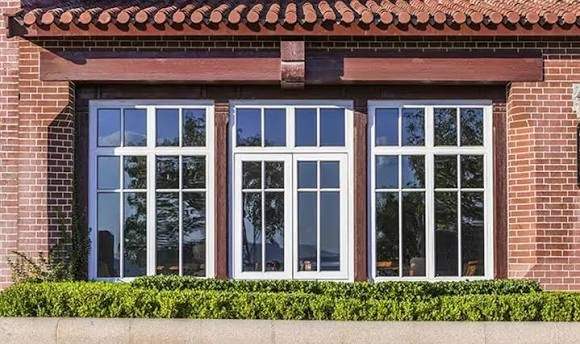
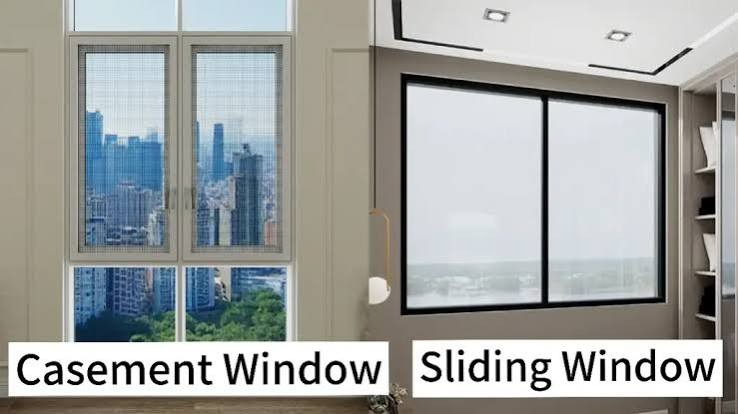
Aluminium casement windows are windows attached to their frames using hinges. They open by swinging inward or outward, depending on the design and installation requirements.
They are commonly operated using handles and locking mechanisms that hold the window securely against the frame when closed.
Casement windows are suitable for residential and commercial buildings where ventilation, convenient operation and a wide opening are important.
Common Types of Aluminium Casement Windows
- Side-hung casement windows: Open from one side using hinges and are suitable for bedrooms, living rooms and other spaces that require good ventilation.
- Top-hung casement windows: Open from the top and are useful in bathrooms, kitchens and areas where controlled ventilation is required.
- Bottom-hung windows: Open from the bottom and can be used in selected applications where the design and safety requirements allow.
- Tilt-and-turn windows: Combine tilting ventilation with a wider opening function, depending on the selected hardware system.
Benefits of Aluminium Casement Windows
1. Excellent ventilation potential
Casement windows can provide a relatively wide opening when fully opened. This makes them useful in rooms where fresh air circulation is a priority.
2. Convenient operation
They are operated using handles and hinges, making them straightforward to open and close when correctly installed.
3. Effective sealing when properly specified
Many casement systems use compression seals that press against the frame when the window is closed. The effectiveness of the seal depends on the profile, gaskets, hardware, fabrication and installation quality.
4. Attractive appearance
Casement windows can complement contemporary and traditional architectural designs. They are available in different frame finishes, sizes and glazing options.
5. Flexible room applications
They can be installed in bedrooms, kitchens, offices, living rooms and other spaces where the opening direction can be accommodated.
What Are Aluminium Sliding Windows?
Aluminium sliding windows consist of panels that move horizontally along tracks using rollers. Instead of swinging open, one panel slides behind or alongside another panel.
This operating system makes sliding windows particularly useful where there is limited space for an opening sash.
They are commonly installed in modern houses, apartments, offices, commercial buildings and properties with balconies or restricted opening areas.
Common Types of Aluminium Sliding Windows
- Two-panel sliding windows: Usually have one fixed panel and one movable panel.
- Three-panel sliding windows: Offer additional configuration options for wider openings.
- Four-panel sliding windows: Suitable for larger openings where the design requires multiple movable and fixed sections.
- Sliding windows with mosquito mesh: Include a separate mesh panel or track to help keep insects out while allowing ventilation.
- Fixed and sliding combinations: Combine non-opening glass panels with movable sections to balance views, natural lighting and ventilation.
Benefits of Aluminium Sliding Windows
1. Space-saving operation
Sliding windows do not swing inward or outward. This makes them practical for rooms with furniture near the windows, narrow balconies, corridors and external walkways.
2. Modern appearance
Their horizontal movement and broad glazing options create a clean, contemporary look that suits many modern building designs.
3. Suitable for wide openings
Sliding systems can be configured for relatively wide window openings, subject to the selected frame system, panel dimensions and glass weight limitations.
4. Easy everyday operation
Quality sliding windows can move smoothly when fitted with suitable rollers, tracks and correctly aligned frames.
5. Convenient insect-screen options
Some sliding window systems accommodate a separate sliding mosquito mesh, allowing occupants to ventilate rooms while reducing insect entry.
Aluminium Casement Windows vs Sliding Windows: Key Differences
Although both options can be manufactured using aluminium, their operating mechanisms affect their suitability for different building applications.
| Comparison | Casement Windows | Sliding Windows |
|---|---|---|
| Opening mechanism | Swings on hinges | Moves horizontally on tracks |
| Ventilation | Can provide a wide opening | Usually only part of the window opens |
| Space requirements | Needs swing clearance | Does not require swing clearance |
| Appearance | Traditional or contemporary | Modern and streamlined |
| Sealing | Often uses compression seals | Uses sliding seals and interlocking sections |
| Maintenance | Hinges, handles, locks and seals | Tracks, rollers, locks and drainage channels |
| Insect mesh | Depends on frame arrangement | Can use a separate sliding mesh panel |
| Wide openings | Depends on sash size and hardware capacity | Can be configured for wider openings |
| Operation | Handle-operated | Roller-operated |
| Best application | Rooms prioritising ventilation | Areas with limited opening clearance |
The actual performance of either type depends on the complete window assembly, including the aluminium profile, glass, seals, hardware, fabrication and installation.
1. Which Provides Better Ventilation?
Ventilation is one of the most important considerations when selecting windows for a home or commercial building in Uganda.
Casement windows generally provide a larger opening relative to the size of the movable sash. When fully opened, they can allow substantial fresh air into a room.
Sliding windows normally provide ventilation through the section of the window that moves away from the fixed panel. For a conventional two-panel arrangement, this often means approximately half of the overall window width is available for ventilation.
Best choice for ventilation: Aluminium casement windows.
Choose casement windows for bedrooms, living rooms and other areas where maximising the opening area is important. Sliding windows remain a practical option where moderate ventilation is sufficient.
2. Which Is Better for Limited Spaces?
The amount of space available around a window can influence the most suitable design.
Casement windows require clearance for the sash to swing open. An outward-opening window may interfere with an external walkway, balcony, security grille or nearby structure. An inward-opening design may conflict with curtains, furniture or other interior fittings.
Sliding windows remain within their frame when opened. They do not project into the room or outside the building, making them convenient for areas with limited clearance.
Best choice for limited spaces: Aluminium sliding windows.
They are particularly suitable for apartments, balconies, narrow passages, offices and rooms where furniture is positioned close to the windows.
3. Which Offers Better Security?
Security should be considered when choosing windows for homes, offices, shops and other properties.
Casement windows can incorporate suitable locking systems, including multiple locking points depending on the hardware selected. Their closing mechanism can help hold the sash firmly against the frame.
Sliding windows can also provide good security when fitted with appropriate locks, anti-lift devices, suitable rollers and correctly designed frames.
Neither design should be considered secure simply because it is made from aluminium. Security depends on the quality of the complete window system and how it is installed.
For buildings that require additional protection, consider:
- Quality window locks and handles.
- Appropriate glass specifications.
- Properly secured frames.
- Suitable security screens or grilles where necessary.
- Restrictors where opening control is required.
- Secure installation into the surrounding structure.
Best choice for security: Either can be suitable when correctly specified. Assess the locking system, frame construction, glazing and installation rather than choosing by window type alone.
4. Which Provides Better Protection Against Rain and Dust?
Uganda experiences different weather conditions, including heavy rainfall, strong winds and dusty periods. Windows should therefore be selected with attention to water management and sealing.
Casement windows often use compression gaskets that press against the frame when closed. A well-designed and properly installed system can provide effective protection against air and water infiltration.
Sliding windows rely on interlocking profiles, weather seals and drainage channels. Their tracks must be designed to collect and discharge water appropriately.
For both types, performance depends on:
- Quality of aluminium profiles.
- Correctly fitted weather seals.
- Suitable drainage arrangements.
- Proper frame alignment.
- Appropriate glass installation.
- Professional sealing around the wall opening.
Which is better? A well-specified casement system may offer an advantage where tight compression sealing is important. However, the actual performance should be assessed using the manufacturer’s tested specifications, not the opening style alone.
5. Which Is Easier to Maintain?
Both aluminium casement and sliding windows are relatively straightforward to maintain when quality components are used and routine cleaning is carried out.
However, their maintenance requirements differ.
Maintaining Aluminium Casement Windows
Regularly inspect:
- Hinges and friction stays.
- Handles and locking mechanisms.
- Rubber or EPDM weather seals.
- Fasteners and connection points.
- The frame and glass for dirt or damage.
Moving hardware should be checked and maintained according to the manufacturer’s recommendations.
Maintaining Aluminium Sliding Windows
Pay attention to:
- Sliding tracks and drainage channels.
- Rollers and guides.
- Locks and handles.
- Interlocking sections.
- Weather seals.
- Panel alignment.
Dust, sand and debris can accumulate in sliding tracks and affect movement. Cleaning the tracks regularly helps maintain smooth operation.
Best choice for maintenance: Neither type is automatically maintenance-free. Casement systems require attention to hinges and locking hardware, while sliding systems require clean tracks and properly functioning rollers.
6. Which Is More Affordable in Uganda?
The cost of aluminium casement windows and sliding windows varies depending on the design, dimensions, materials, glass specifications and installation requirements.
It is not accurate to assume that one type will always be cheaper than the other. A simple sliding window may cost less than a similarly sized casement system, but a large or specialised sliding configuration can require more substantial profiles and hardware.
Factors Affecting Aluminium Window Prices
1. Window dimensions
Larger windows require more aluminium, glass and supporting components. Their size may also affect the hardware and installation method.
2. Aluminium profile quality
The profile series, dimensions, design and material specification influence the cost and performance of the window.
3. Glass type and thickness
Clear, tinted, laminated, toughened and other glazing options have different costs and suitability. Glass should be selected according to the opening size, location, safety needs and applicable requirements.
4. Hardware and accessories
Hinges, rollers, locks, handles, stays, seals and mosquito mesh can influence the total quotation.
5. Colour and finishing
Standard finishes and specialised colours may have different pricing depending on the selected system and supplier.
6. Installation requirements
The condition of the wall opening, accessibility, floor level, transport and site preparation can affect installation costs.
How to Get an Accurate Aluminium Window Quotation
Before requesting a quotation, prepare the following information:
- Number of windows required.
- Width and height of each opening.
- Preferred window type.
- Preferred aluminium colour or finish.
- Glass type, where already specified.
- Project location.
- Whether old windows need to be removed.
- Any special security, ventilation or insect-screen requirements.
A detailed quotation should clearly show the window dimensions, profile specification, glazing, hardware, finishing, installation scope and any exclusions.
7. Which Window Type Is Best for Different Rooms?
The most effective window design depends on how each room is used.
| Room or Building Area | Recommended Option | Reason |
|---|---|---|
| Bedrooms | Casement or sliding | Choose according to ventilation and available clearance |
| Living rooms | Sliding or casement | Both can suit modern living spaces |
| Kitchens | Casement or sliding | Consider ventilation, layout and cleaning |
| Bathrooms | Top-hung casement or suitable sliding design | Supports controlled ventilation and privacy |
| Apartments | Sliding or casement | Depends on balcony clearance and building design |
| Offices | Sliding or casement | Consider ventilation, furniture and façade design |
| Shops | Sliding or suitable fixed-and-opening combination | Depends on the opening and intended use |
| Balconies | Sliding | Avoids a swinging sash obstructing the balcony |
These are general recommendations. The final design should be confirmed against the building layout, ventilation needs, safety requirements and manufacturer’s system limitations.
8. What Should You Consider Before Choosing Aluminium Windows?
Before purchasing aluminium windows for your building in Uganda, evaluate the following factors.
A. Building Design and Architecture
The window style should complement the overall appearance of the property. Consider the size of the openings, façade proportions, frame colour and relationship with doors and other architectural features.
B. Ventilation Requirements
Identify the rooms that need maximum fresh-air circulation. Bedrooms, kitchens and living rooms may require different opening arrangements.
C. Available Opening Space
Check whether the window can swing freely without interfering with furniture, walkways, balconies, security features or neighbouring structures.
D. Glass Specification
Choose glazing according to the window’s dimensions, location, exposure and safety requirements. Larger glass panels and areas vulnerable to impact may require specialised glazing.
E. Security Requirements
Consider the type of locking mechanism, glass specification, frame fixing and any additional security measures needed for the property.
F. Quality of Installation
Even quality aluminium windows can develop problems when measurements, fabrication, fixing or sealing are poorly handled. Work with a qualified supplier and installer who can explain the system being proposed.
9. Common Mistakes to Avoid When Buying Aluminium Windows
Selecting windows based only on appearance or the lowest quotation can lead to problems later.
Avoid these common mistakes:
- Choosing the wrong opening style: Installing casement windows where there is insufficient swing clearance can create inconvenience.
- Ignoring ventilation requirements: A window may look attractive but fail to provide the opening area needed for the room.
- Selecting unsuitable glass: Glass should match the size, location, safety and performance requirements of the opening.
- Overlooking hardware quality: Weak hinges, rollers and locks can affect operation and security.
- Ignoring drainage: Poorly designed or blocked drainage channels can contribute to water leakage.
- Using inaccurate measurements: Incorrect measurements may result in fitting gaps, alignment problems or expensive adjustments.
- Choosing a contractor based only on price: Compare the materials, specifications, workmanship and installation scope included in each quotation.
- Failing to plan for maintenance: Every opening system has components that need periodic inspection and care.
10. Aluminium Window Standards and Building Considerations in Uganda
Window selection should consider relevant building requirements, safety and performance.
The National Building (Building Standards) Code, 2019 includes provisions relating to fenestration and glazing performance, including considerations for heat gain and building-envelope design. Window size, glazing and shading should therefore be considered as part of the overall building design.
The Uganda National Bureau of Standards (UNBS) lists US 1981:2020 – Alloy Aluminium Door Sets and Windows – Specification, which covers the design, construction and performance of specified aluminium window and door systems, including materials and glazing. The UNBS catalogue lists this standard as voluntary; confirm the current applicable requirements and standards status with UNBS for your project.
For larger developments or specialised buildings, consult the architect, structural engineer, building-control authority and relevant professionals to establish the applicable requirements.
11. Why Professional Aluminium Window Fabrication and Installation Matters
Choosing the correct window design is only one part of achieving a good result. Accurate measurements, suitable profiles, appropriate glass, quality hardware and proper installation are equally important.
Professional aluminium window fabrication and installation can help ensure that:
- Window dimensions match the building openings.
- Frames are correctly aligned and fixed.
- Panels open and close smoothly.
- Weather seals are correctly fitted.
- Drainage arrangements are maintained.
- Glass is installed according to the system specification.
- The finished windows complement the building design.
For residential and commercial developments, working with a dependable aluminium works provider helps you assess the available options before committing to a particular design.
Daltrev Co. Ltd provides aluminium works and solutions for residential and commercial projects in Uganda. If you are planning a new building, renovation or window replacement project, contact the team to discuss your requirements and obtain guidance on suitable options.
Visit the Daltrev Co. Ltd website to learn more about its aluminium works and building solutions.
12. Final Verdict: Aluminium Casement Windows or Sliding Windows?
So, which should you choose?
Choose aluminium casement windows if:
- You prioritise a wide ventilation opening.
- There is sufficient space for the sash to swing.
- You prefer a hinged window design.
- You want a system that can use compression weather seals.
Choose aluminium sliding windows if:
- Space around the window is limited.
- You do not want panels swinging into rooms or walkways.
- You prefer a modern horizontal window design.
- You want a configuration that can accommodate sliding insect mesh.
There is no single window type that is best for every building. The right choice depends on the room, architectural design, ventilation needs, opening clearance, glass specification and budget.
For many homes and commercial properties in Uganda, combining casement and sliding windows can be a practical solution. You can use casement windows in rooms that need wider ventilation and sliding windows in areas where space-saving operation is more important.
Before making a final decision, compare complete specifications and request a professional quotation based on your actual window measurements.
Planning to install aluminium casement or sliding windows in Uganda?
Contact Daltrev Co. Ltd to discuss your aluminium works requirements and request a quotation for your residential or commercial project.
- Phone/WhatsApp: +256 744 702 773
- Email: daltrevco@gmail.com
- Website: https://www.daltrevco.com/
- Location: Kampala, Uganda
Daltrev Co. Ltd – Build for Legacy.
Frequently Asked Questions (FAQs)
1. Are aluminium casement windows better than sliding windows?
Casement windows are often preferable where a wider ventilation opening and compression sealing are priorities. Sliding windows are more suitable where there is limited space for a swinging sash. The better option depends on the building and the quality of the complete window system.
2. Which aluminium windows provide more ventilation?
Casement windows generally provide a larger opening because the movable sash can swing away from the frame. Sliding windows usually open only one section at a time, depending on their configuration.
3. Are aluminium sliding windows suitable for modern homes in Uganda?
Yes. Aluminium sliding windows are suitable for many modern homes in Uganda because they save opening space, offer contemporary designs and can accommodate wide glazed openings when properly specified.
4. Are aluminium casement windows secure?
They can provide good security when manufactured with suitable profiles, quality locks, appropriate glazing and correct installation. Additional security measures may be required depending on the building’s location and risk.
5. Do aluminium sliding windows require a lot of maintenance?
No. Their routine maintenance mainly involves cleaning the tracks and drainage channels, checking rollers and inspecting locks and seals. Regular care helps maintain smooth operation.
6. Which is cheaper: aluminium casement or sliding windows?
The price depends on the dimensions, profile system, glass, hardware, finish and installation requirements. A quotation based on the actual window design is the most reliable way to compare costs.
7. Can casement and sliding windows be installed in the same house?
Yes. Combining both types is a practical way to meet different room requirements. Casement windows can be used where wider ventilation is needed, while sliding windows can be installed where opening clearance is limited.
8. Which aluminium windows are best for bedrooms?
Both can work well in bedrooms. Casement windows may be preferable where wider ventilation is important, while sliding windows are useful where furniture or external space limits the opening direction. Privacy, security and insect protection should also be considered.
9. Do aluminium windows prevent rainwater from entering a building?
Properly designed, fabricated and installed aluminium windows can help prevent water infiltration. Performance depends on the frame system, seals, drainage, glazing and installation quality. No window should be assumed to be completely waterproof without considering its specifications and exposure.
10. Where can I get aluminium windows in Uganda?
You can contact aluminium works providers such as Daltrev Co. Ltd to discuss window designs, fabrication and installation requirements for residential and commercial projects in Uganda. Visit https://www.daltrevco.com/ to make an enquiry.