
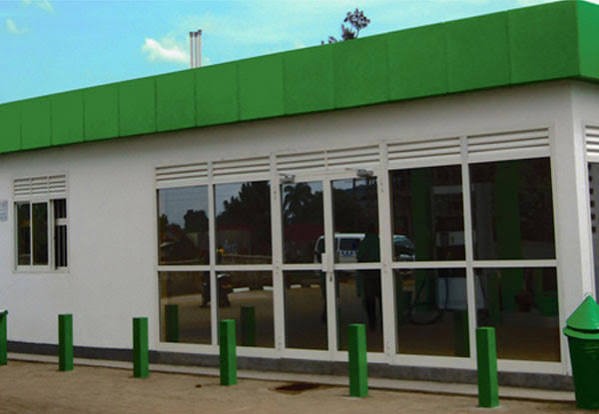
Choosing the right windows is an important decision when constructing or renovating a commercial building. Windows influence the appearance of a property, natural lighting, ventilation, indoor comfort, security and long-term maintenance costs. For offices, shopping centres, hotels, schools, hospitals and other commercial facilities, these factors can directly affect the building’s functionality and overall value.
In Uganda, aluminium windows have become a practical option for many modern commercial developments. Their strength, contemporary appearance, design flexibility and relatively low maintenance requirements make them suitable for buildings that need durable and attractive window systems.
Whether you are planning a new office block in Kampala, a retail development in Wakiso, a hotel in Entebbe or a commercial facility in Jinja, selecting appropriate window materials can make a significant difference to the finished project.
But why are aluminium windows ideal for commercial buildings?
This guide explains their main benefits, available designs, cost considerations, installation requirements and important factors to consider before choosing aluminium windows for your commercial property in Uganda.
What Are Aluminium Windows?
Aluminium windows are window systems manufactured using aluminium frames that hold glass panels in place. They are available in different opening styles, sizes, colours and configurations to suit various architectural requirements.
Aluminium is particularly useful in commercial construction because it combines relatively low weight with good structural strength. This allows manufacturers to design different window configurations, including large glazed sections, while selecting suitable profiles and supporting components for the intended application.
Common aluminium window designs include:
- Sliding aluminium windows: Panels move horizontally along tracks and are useful where swinging windows would occupy too much space.
- Casement aluminium windows: Hinged panels open inward or outward to provide ventilation.
- Top-hung windows: Panels open from the top and can provide controlled ventilation.
- Fixed aluminium windows: Non-opening windows designed to provide natural lighting and external views.
- Louvre windows: Adjustable glass or other suitable louvre panels that allow controlled airflow.
- Combination windows: Different window types are integrated into one frame to meet specific design requirements.
The most suitable design depends on the building’s purpose, room layout, ventilation requirements, glazing specification and architectural design.
1. Aluminium Windows Are Strong and Durable
Commercial buildings experience frequent use and exposure to weather conditions. Their windows must withstand everyday operation, changing temperatures, rain, dust and other environmental factors.
Aluminium is a strong, relatively lightweight material that can maintain its shape when properly designed, fabricated and installed. It is also resistant to many of the problems associated with untreated timber, such as rotting, swelling and warping.
For commercial property owners, this makes aluminium an attractive option for window frames that need to remain functional and presentable over time.
Why Durability Matters in Commercial Buildings
Durable window systems can help commercial property owners:
- Reduce the frequency of major frame repairs.
- Maintain a consistent appearance across the building.
- Support regular opening and closing when suitable hardware is used.
- Reduce maintenance disruptions to business operations.
- Protect the building interior from weather infiltration when correctly installed.
However, durability depends on the aluminium alloy, profile design, protective finish, hardware, glass and quality of installation. The specification should match the size and exposure of each window.
2. Aluminium Windows Create a Modern Commercial Appearance
The appearance of a commercial building can influence how customers, tenants, employees and visitors perceive the property.
Aluminium windows offer clean lines and contemporary frame designs that complement modern commercial architecture. Their versatility allows architects and developers to incorporate different shapes, glazing arrangements and finishes into a building’s exterior.
This makes them suitable for commercial properties that require a professional and attractive appearance.
Commercial Designs That Benefit from Aluminium Windows
Office buildings: Aluminium windows can create organised, contemporary façades with well-planned natural lighting.
Shopping centres: Large glazed sections can improve visibility and help create attractive retail environments.
Hotels: Modern aluminium frames can complement guest rooms, reception areas, restaurants and other hospitality spaces.
Showrooms: Large glass windows can provide clear views of products and displays.
Educational buildings: Different window configurations can support daylight and ventilation requirements in classrooms and administrative spaces.
Healthcare facilities: Aluminium window systems can be specified for appropriate room functions, ventilation arrangements, privacy and safety requirements.
3. They Allow Large Glass Openings and Natural Lighting
Natural lighting is an important consideration in commercial building design. Offices, shops, hotels and other facilities can benefit from well-planned daylight because it improves visibility and creates more welcoming indoor environments.
Aluminium’s strength-to-weight characteristics allow suitable window systems to support relatively large glass panels and different glazing configurations.
Depending on the structural design and selected system, aluminium windows can be used to create:
- Large office windows.
- Wide retail display windows.
- Fixed glass sections combined with opening windows.
- Glazed reception areas.
- Panoramic windows in hospitality buildings.
- Contemporary commercial façades.
Benefits of Natural Lighting in Commercial Properties
Good daylight planning can:
- Improve visibility in working and customer areas.
- Create more attractive indoor environments.
- Reduce reliance on artificial lighting during suitable daylight hours.
- Enhance the appearance of interior spaces.
- Improve the connection between indoor areas and the surrounding environment.
However, larger glass areas must be carefully designed. In Uganda’s climate, excessive direct sunlight can increase indoor heat. Window orientation, glass selection, shading and ventilation should therefore be considered together.
4. Aluminium Windows Require Relatively Low Maintenance
Maintenance is an important consideration for commercial property owners, particularly where a building operates throughout the week.
Unlike timber frames that may require periodic repainting or treatment to protect against moisture and deterioration, properly finished aluminium frames generally require relatively simple routine care.
Regular cleaning and inspection can help maintain their appearance and operation.
Recommended Aluminium Window Maintenance
For commercial properties, maintenance should include:
- Cleaning the frames: Remove dust and dirt using a soft cloth, water and a suitable mild cleaning solution.
- Cleaning the glass: Use appropriate glass-cleaning products to maintain visibility and appearance.
- Inspecting the seals: Check rubber gaskets and weather seals for deterioration or displacement.
- Checking the hardware: Inspect handles, hinges, locks and rollers for wear.
- Cleaning drainage channels: Remove debris from tracks and drainage openings.
- Checking the fixings: Look for loose components or signs of movement around the window frames.
- Inspecting the finish: Identify scratches, coating damage or areas that may require attention.
A planned maintenance schedule is especially useful for commercial buildings with many windows, such as hotels, offices, schools and shopping complexes.
5. Aluminium Windows Can Improve Commercial Building Security
Security is a major consideration for commercial properties. Offices, shops, hotels, warehouses and institutional buildings may contain equipment, stock, documents and other valuable assets.
Aluminium window systems can be specified with suitable profiles, locking mechanisms and glazing to support the security requirements of the property.
Depending on the design, available options include:
- Multi-point locking systems.
- Reinforced window profiles.
- Quality handles and locking hardware.
- Laminated safety glass.
- Suitable security screens or grilles.
- Restricted-opening mechanisms where appropriate.
Choosing Secure Aluminium Windows
When selecting aluminium windows for a commercial building, consider the following:
- The security risk associated with the building location.
- Whether windows are accessible from the ground or adjoining structures.
- The strength and configuration of the frame.
- The type and thickness of glass.
- The quality of the locking system.
- The suitability of installation fixings.
Aluminium frames alone do not guarantee security. The complete window assembly, including glass, locks, hardware and installation, must be appropriately specified.
6. Aluminium Windows Offer Design Flexibility
Commercial buildings differ in their functions and architectural requirements. A hotel may need different window arrangements from an office block, while a retail shop may require large display glazing.
Aluminium window systems offer flexibility in size, configuration, finish and opening style.
Different Aluminium Window Options for Commercial Projects
Sliding windows
These are useful in offices, apartments, hotels and other areas where opening clearance is limited.
Casement windows
These are suitable for spaces that require wider opening areas for ventilation, provided there is enough clearance for the sash.
Fixed windows
These provide natural lighting and external views where an opening section is not necessary.
Top-hung windows
These can be used where controlled ventilation is required and the opening direction suits the room.
Louvre windows
These provide adjustable airflow and may be suitable for selected rooms where ventilation is a priority.
Large glazed window systems
These can create modern commercial façades, reception areas and display sections when designed with suitable profiles, glass and structural support.
The ability to combine different window types helps developers and architects create designs that respond to the function of each room.
7. Aluminium Windows Can Support Energy-Conscious Building Design
Energy performance is an important consideration in commercial construction. Buildings that rely heavily on mechanical cooling and artificial lighting may experience higher operating costs.
Aluminium windows can contribute to an energy-conscious design when the frames, glazing, building orientation and shading are selected appropriately.
It is important to understand that aluminium conducts heat. Standard aluminium frames without thermal improvements can transfer heat more readily than some alternative frame materials.
For buildings where thermal performance is a priority, consider:
- Thermally improved or thermal-break aluminium systems where available and appropriate.
- Solar-control glazing.
- Suitable glass specifications for the building’s orientation.
- External shading devices such as overhangs and sunshades.
- Appropriate window-to-wall ratios.
- Effective natural ventilation where the building design allows.
Why Glass Selection Matters
The glass used in an aluminium window can significantly influence the amount of sunlight and heat entering a building.
Possible options include:
- Clear glass: Allows high visibility and daylight transmission.
- Tinted glass: Can reduce visible light transmission and alter solar gain, depending on the product.
- Reflective glass: Can reduce solar transmission and provide a reflective external appearance.
- Laminated glass: Offers safety benefits by holding fragments together when the glass breaks, depending on its specification.
- Insulating glass units: Multiple panes separated by a sealed cavity can improve thermal and acoustic performance when correctly specified.
The appropriate choice depends on the building’s design, orientation, occupancy and performance requirements. Dark or reflective glass should not be selected based on appearance alone.
8. Aluminium Windows Are Suitable for Different Commercial Buildings
One of the major advantages of aluminium window systems is their versatility across different property types.
A. Office Buildings
Office buildings require windows that complement the building’s design while supporting comfortable working environments.
Aluminium windows can be used in private offices, meeting rooms, reception areas and common spaces. Different combinations of fixed and opening panels can balance natural lighting and ventilation.
B. Shopping Centres and Retail Shops
Retail buildings often require attractive glass areas that allow customers to see products and displays.
Aluminium frames can support different shopfront and window configurations, subject to suitable system design and glazing specifications.
C. Hotels and Restaurants
Hotels and restaurants need attractive, functional spaces for guests and staff.
Aluminium windows can complement reception areas, guest rooms, dining spaces and other sections of hospitality buildings. Glass selection should consider privacy, noise, solar exposure and safety.
D. Schools and Educational Institutions
Schools, colleges and training facilities require practical windows that support daylight, ventilation and safe everyday use.
Aluminium window systems can be configured for classrooms, offices, libraries and other spaces. Opening restrictions and safety glazing should be considered where necessary.
E. Hospitals and Healthcare Facilities
Healthcare buildings have specific requirements relating to ventilation, hygiene, safety, privacy and operational use.
Aluminium windows can be incorporated into suitable areas, but the selected system must match the requirements of each room and the relevant healthcare building design.
F. Industrial and Commercial Facilities
Factories, workshops, warehouses and other industrial facilities may use aluminium windows in administrative offices, reception areas and selected building sections.
The window specification should consider the operating environment, dust, exposure, ventilation needs and security requirements.
9. Aluminium Windows Can Be Cost-Effective Over the Building’s Life
The initial purchase price is only one part of the total cost of commercial windows.
Property developers should also consider installation, maintenance, repairs, replacement requirements and the effect of window performance on building operations.
Aluminium windows can offer good long-term value because properly specified systems generally require relatively little routine frame maintenance.
However, the overall cost-effectiveness depends on selecting an appropriate system rather than simply choosing the cheapest quotation.
Factors That Affect Aluminium Window Prices in Uganda
The cost of aluminium windows for commercial buildings depends on several factors:
1. Window size and quantity
Large windows require more aluminium and glass. A project with many windows may also require additional fabrication and installation coordination.
2. Aluminium profile specification
Different profile series, dimensions and designs have different material requirements and performance characteristics.
3. Glass type
Clear, tinted, laminated, toughened and insulating glass options can have different costs.
4. Opening style
Sliding, casement, top-hung, fixed and specialised window systems require different hardware and fabrication arrangements.
5. Hardware quality
Locks, rollers, hinges, handles, gaskets and other accessories influence the total quotation.
6. Finishing
Powder-coated and anodised finishes may differ in cost depending on the colour, specification and supplier.
7. Installation conditions
Building height, access, transport, site preparation and the condition of the openings can influence installation costs.
How to Compare Commercial Aluminium Window Quotations
When comparing quotations from different suppliers, check that each quotation covers the same specifications.
Ask for details of:
- Aluminium profile type and dimensions.
- Window design and opening configuration.
- Glass type and specification.
- Hardware and locking systems.
- Surface finish and colour.
- Measurements and quantities.
- Installation and sealing.
- Transport and access requirements.
- Warranty terms, where offered.
- Exclusions and additional charges.
A lower quotation may not represent better value if it uses unsuitable profiles, lower-quality hardware or a different glass specification.
10. Important Considerations Before Installing Aluminium Windows in Commercial Buildings
Before approving an aluminium window design, consider the following project requirements.
A. Purpose of the Building
Identify the intended use of each room. An office, restaurant, classroom, hospital room and retail display area may have different requirements for ventilation, privacy, visibility and safety.
B. Window Orientation
Consider the direction each window faces and the amount of direct sunlight it receives. This helps determine the appropriate glass, shading and opening arrangement.
C. Ventilation
Determine how much fresh air each room requires and whether windows will be used as part of the building’s ventilation strategy.
D. Security
Specify suitable locks, glass and additional protection based on the building’s location and use.
E. Noise Control
Commercial properties near busy roads, markets or industrial activities may need acoustic glazing and suitable sealing to reduce external noise.
F. Water Drainage
The frame design should include appropriate drainage arrangements. Installation must also provide suitable sealing around the window opening.
G. Accessibility and Safety
Consider window operation, opening restrictions, glazing safety and access for cleaning and maintenance. Windows at height may require specialised access arrangements.
H. Coordination With Other Building Components
Aluminium windows should be coordinated with wall finishes, plastering, tiling, ceilings, security systems and other building works to achieve accurate installation and a neat finish.
11. Aluminium Window Installation Process for Commercial Buildings
Proper installation is essential for achieving the expected appearance, operation and performance of aluminium windows.
A typical commercial window installation project involves the following stages.
Step 1: Site Assessment
The project team assesses the building, window openings, architectural drawings and installation conditions.
Step 2: Measurements and Specifications
Accurate measurements are taken, and the required window sizes, designs, glass types, finishes and hardware are confirmed.
Step 3: Window Design and Selection
The appropriate opening styles and configurations are selected according to the room requirements and building design.
Step 4: Fabrication
Aluminium frames are prepared and assembled according to the approved specifications. Glass and hardware requirements are coordinated with the selected system.
Step 5: Preparation of Openings
The building openings are checked to confirm that they are ready for installation and that any required corrections have been addressed.
Step 6: Frame Installation
Frames are positioned, aligned, fixed and sealed using suitable methods and materials.
Step 7: Glass and Hardware Fitting
Glass panels, handles, locks, rollers, hinges and other components are installed according to the window design.
Step 8: Inspection and Testing
The completed windows are inspected for alignment, smooth operation, locking, sealing, drainage and general workmanship.
Step 9: Handover and Maintenance Guidance
The client receives relevant care and maintenance guidance, together with any applicable product or installation documentation.
For larger commercial developments, installation should be coordinated with the main contractor and other trades to reduce delays and avoid damage to finished work.
12. Aluminium Window Standards and Building Requirements in Uganda
Commercial window installations should be considered as part of the overall building design and applicable regulatory requirements.
Uganda’s National Building (Building Standards) Code, 2019 includes provisions relating to fenestration and glazing performance. These address considerations such as glazing heat-transfer characteristics, solar heat gain and the use of shading. This is important when designing commercial buildings with extensive glass areas.
The Uganda National Bureau of Standards lists US 1981:2020 – Alloy Aluminium Door Sets and Windows – Specification. It covers requirements for the design, construction and performance of specified aluminium windows and external pedestrian door sets, including constituent materials and glazing. The UNBS webstore lists this particular standard as voluntary; project teams should confirm the current status of applicable standards and any other mandatory requirements with UNBS.
For commercial developments, the project team should also establish applicable building approvals, fire and life-safety provisions, accessibility requirements and occupational safety obligations with the relevant authorities and qualified professionals.
Requirements may differ according to the building’s location, height, intended use and scale. Developers should consult their architect, engineer and relevant building-control authority before finalising the window specifications.
13. Why Choose Professional Aluminium Works and Installation?
Even a well-designed aluminium window may perform poorly if the fabrication and installation are not properly executed.
Professional aluminium works help ensure that the selected window systems are suitable for the project and that important details are considered before installation.
A competent provider should be able to explain:
- Available aluminium window designs.
- Profile and glass specifications.
- Hardware and locking options.
- Measurements and fabrication requirements.
- Installation procedures.
- Sealing and drainage arrangements.
- Maintenance recommendations.
- The scope and cost of the proposed work.
For commercial property developers, clear specifications and proper coordination can help minimise installation problems and unnecessary costs.
Daltrev Co. Ltd provides aluminium works and solutions for residential and commercial projects in Uganda. Whether you are planning an office building, retail property, hotel or another commercial development, you can contact the team to discuss your aluminium works requirements.
Visit the Daltrev Co. Ltd website to learn more about its services and building solutions.
14. Final Thoughts: Are Aluminium Windows the Right Choice for Commercial Buildings?
Aluminium windows are an excellent option to consider for many commercial buildings in Uganda because they combine strength, design flexibility, relatively low maintenance and compatibility with different architectural styles.
They can be used in offices, shopping centres, hotels, schools, healthcare facilities, showrooms and other commercial properties.
Their suitability, however, depends on more than the frame material. The right profile, glass, hardware, opening style, shading, installation and maintenance arrangements all contribute to the final performance.
For a successful commercial construction project, select aluminium windows according to the building’s function, environmental conditions, safety requirements and budget.
Planning a commercial construction or renovation project in Uganda?
Contact Daltrev Co. Ltd to discuss aluminium windows and other building requirements for your project.
- Phone/WhatsApp: +256 744 702 773 / +256 784 122 635
- Email: daltrevco@gmail.com
- Website: https://www.daltrevco.com/
- Location: Kampala, Uganda
Daltrev Co. Ltd – Build for Legacy.
Frequently Asked Questions About Aluminium Windows for Commercial Buildings
1. Why are aluminium windows suitable for commercial buildings?
Aluminium windows are suitable for many commercial buildings because they offer good strength relative to their weight, design flexibility, different glazing options and relatively low routine maintenance. They can be configured for offices, shops, hotels, schools and other commercial facilities.
2. Are aluminium windows durable for commercial use?
Yes. Properly specified and installed aluminium window systems can provide durable service in commercial environments. Their performance depends on the aluminium profile, protective finish, hardware, glass, exposure and maintenance.
3. Are aluminium windows better than steel windows for commercial buildings?
Both materials have applications in commercial construction. Aluminium offers design flexibility, relatively low weight and corrosion resistance when appropriately finished. Steel may be preferred for certain specialised applications requiring particular structural characteristics. The right choice depends on the project specifications and intended use.
4. Do aluminium windows require frequent maintenance?
No. Aluminium frames generally require relatively little routine maintenance. Regular cleaning and inspection of seals, locks, hinges, rollers and drainage channels help keep them in good working condition.
5. Can aluminium windows be used in large commercial buildings?
Yes. Aluminium window systems can be designed for a wide range of commercial buildings, including multi-storey developments. Larger openings and high-level installations require suitable system selection, structural design, glazing specifications and professional installation.
6. Are aluminium windows energy-efficient?
They can contribute to energy-conscious building design when appropriate glazing, shading and ventilation are used. Standard aluminium conducts heat, so thermally improved or thermal-break systems may be appropriate where greater thermal insulation is required.
7. Which aluminium glass is best for commercial buildings?
The best glass depends on the building’s purpose and location. Options include clear, tinted, reflective, laminated, toughened and insulating glass. Consider safety, solar exposure, visibility, noise control and applicable standards before selecting a specification.
8. How much do aluminium windows cost in Uganda?
Prices vary according to window dimensions, aluminium profile, glass type, opening style, hardware, finishing and installation requirements. A project-specific quotation is the most reliable way to establish the cost.
9. Can aluminium windows be customised for office buildings?
Yes. Aluminium windows are available in different sizes, colours, opening configurations and glazing arrangements. Designs can be coordinated with the architectural appearance and functional requirements of an office building.
10. Where can I get aluminium windows for commercial buildings in Uganda?
You can contact Daltrev Co. Ltd to discuss aluminium works requirements for commercial and residential projects in Uganda. Visit www.daltrevco.com or call +256 744 702 773 to make an enquiry.

