The quality of construction materials plays a major role in determining the strength, durability, safety and long-term performance of any building or infrastructure project. Among the most widely used construction materials, concrete products are essential for residential buildings, commercial developments, industrial facilities, roads, drainage systems and other infrastructure projects.
However, not all concrete products are manufactured to the same quality. Differences in raw materials, production methods, concrete mix proportions, compaction, curing and quality control can significantly affect the performance of finished products.
This is why using professionally manufactured concrete products is important for achieving reliable construction results.
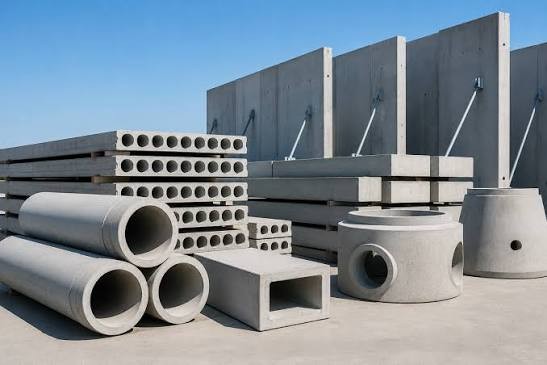
Professionally manufactured concrete products are produced using appropriate materials, controlled production procedures, suitable equipment and quality assurance processes. Depending on the product and its intended application, they may include concrete blocks, paving blocks, precast slabs, culverts, concrete pipes, kerbstones, lintels, drainage channels and specialised structural components.
For property developers, contractors, engineers and homeowners in Uganda, choosing professionally manufactured concrete products can help minimise construction defects, improve consistency, reduce material wastage and support better project outcomes.
Whether you are constructing a residential house in Kampala, developing commercial property in Wakiso, building an industrial facility or undertaking infrastructure works, selecting quality concrete products should be an important part of your construction planning.
This guide explores the major benefits of using professionally manufactured concrete products, how they contribute to construction quality, what to consider when selecting suppliers and why quality-controlled production matters.
1. What Are Professionally Manufactured Concrete Products?
Professionally manufactured concrete products are construction materials produced using appropriate manufacturing procedures, suitable raw materials, controlled concrete mixtures and quality management practices.
Unlike products made through poorly controlled or inconsistent production processes, professionally manufactured products are designed to meet defined dimensions, strength requirements and performance specifications.
The production process may involve:
- Careful selection of cement and aggregates.
- Measurement of concrete ingredients.
- Preparation of approved concrete mix proportions.
- Controlled mixing and batching.
- Proper mould preparation.
- Appropriate concrete placement and compaction.
- Suitable curing procedures.
- Dimensional inspection.
- Quality testing where required.
- Proper handling, storage and transportation.
These procedures help manufacturers achieve more consistent products that are suitable for their intended construction applications.
Common Professionally Manufactured Concrete Products
Different types of concrete products are used in Uganda’s construction industry, including:
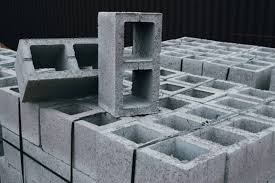
Concrete blocks: Used in masonry construction for residential, commercial and industrial buildings.
Concrete paving blocks: Used for driveways, walkways, parking areas, compounds and paved surfaces.
Precast concrete slabs: Used in suitable flooring systems and other structural or architectural applications.
Concrete lintels: Installed above door and window openings to support loads according to structural requirements.
Concrete culverts: Used in road drainage, stormwater management and water-crossing infrastructure.
Concrete pipes: Used in drainage and other specified underground infrastructure applications.
Concrete kerbstones: Used to define road edges, parking areas, paved surfaces and walkways.
Precast drainage channels: Used to manage surface water in buildings, industrial facilities and infrastructure developments.
Concrete manhole components: Used in underground drainage, inspection and utility systems.
Precast concrete beams, columns and wall panels: Used in suitable structural systems where the design allows.
Each product must be manufactured according to its intended application and relevant technical requirements.
2. Improved Strength and Structural Reliability
One of the most important benefits of professionally manufactured concrete products is the potential to achieve consistent strength and reliable performance.
Concrete products are expected to withstand different types of loads and environmental conditions depending on their applications.
For example:
- Concrete blocks must meet the requirements of their intended masonry application.
- Paving blocks must be suitable for the expected pedestrian or vehicle traffic.
- Concrete culverts must withstand the specified structural and ground-loading conditions.
- Precast slabs must meet the structural design requirements.
- Concrete pipes must be suitable for their intended hydraulic and loading conditions.
Professional manufacturing helps achieve the required properties through proper material selection, mix design, batching, mixing, compaction and curing.
Why Strength Consistency Matters
Inconsistent concrete quality can result in construction problems such as:
- Premature cracking.
- Product breakage.
- Excessive deformation.
- Structural performance concerns.
- Increased repair requirements.
- Early replacement of damaged materials.
Using professionally manufactured products with appropriate quality documentation and testing helps reduce the risk of receiving materials that fail to meet the required specifications.
However, concrete strength should never be judged by appearance alone. Where strength is important, the appropriate tests and technical documentation should be requested.
3. Consistent Product Dimensions and Better Workmanship
Dimensional accuracy is another important advantage of professionally manufactured concrete products.
Construction projects depend on materials that fit the approved drawings and specified dimensions. Products with inconsistent sizes can create difficulties during installation and affect the quality of finished work.
For example, inconsistent concrete blocks may result in uneven masonry courses, variations in mortar joints and additional adjustments during wall construction.
Similarly, poorly manufactured paving blocks may create uneven surfaces and alignment problems.
Professionally controlled manufacturing helps improve dimensional consistency through:
- Properly prepared moulds.
- Appropriate production equipment.
- Consistent batching procedures.
- Controlled compaction.
- Regular dimensional inspections.
- Correct handling and storage.
Benefits of Dimensional Accuracy
Consistent product dimensions can help:
- Improve alignment during installation.
- Reduce unnecessary cutting and adjustments.
- Improve the appearance of finished construction.
- Reduce material wastage.
- Support more accurate quantity estimation.
- Simplify coordination between different construction activities.
For contractors managing large projects, consistent dimensions can make a significant difference in productivity and workmanship.
4. Greater Durability and Longer Service Life
Durability is essential when selecting construction materials.
Buildings and infrastructure are expected to remain functional for many years, often under exposure to rainfall, moisture, temperature changes, ground conditions, traffic and other environmental factors.
Professionally manufactured concrete products can support durability when they are designed and produced for the intended exposure conditions.
Important production factors include:
- Appropriate concrete mix design.
- Suitable cement and aggregate quality.
- Controlled water content.
- Adequate compaction.
- Proper curing.
- Suitable reinforcement where required.
- Appropriate product dimensions.
- Effective quality inspection.
How Manufacturing Quality Affects Durability
Poorly manufactured concrete products may contain excessive voids, inadequate compaction, inconsistent material proportions or insufficient curing.
These defects can increase the risk of cracking, water penetration, deterioration and reduced service life.
Professionally controlled production helps minimise these risks and improve the consistency of the finished products.
However, durability also depends on correct design, transportation, storage, installation, drainage, exposure conditions and maintenance.
A quality product can still perform poorly if it is incorrectly installed or used outside its intended application.
5. Better Quality Control and Compliance With Specifications
Quality control is an important part of professional concrete manufacturing.
It involves checking materials, production procedures and finished products to establish whether they meet the required specifications.
A well-managed production process may include several inspection and testing activities.
5.1 Raw Material Inspection
Cement, sand, aggregates, water, reinforcement and admixtures should be checked for suitability.
Poor-quality or unsuitable materials can affect the performance of the finished product.
5.2 Concrete Mix Control
The proportions of concrete ingredients should be based on an appropriate mix design and controlled production procedure.
Uncontrolled mixing can result in variations in concrete quality and strength.
5.3 Compaction Control
Proper compaction helps reduce trapped air and voids within concrete.
Depending on the product and manufacturing method, suitable vibration or other compaction procedures may be used.
5.4 Curing Control
Curing supports concrete strength development and helps reduce premature moisture loss.
Inadequate curing can negatively affect the quality and durability of concrete products.
5.5 Dimensional and Visual Inspection
Finished products should be checked for:
- Correct dimensions.
- Shape consistency.
- Visible cracks.
- Honeycombing.
- Surface defects.
- Damage.
- Other specification-related requirements.
5.6 Strength and Performance Testing
Depending on the product and project requirements, testing may include compressive strength tests, dimensional checks and other relevant performance assessments.
For products intended for structural or specialised applications, the testing programme should be determined by the relevant technical requirements.
In Uganda, buyers should confirm the applicable Uganda Standards with the Uganda National Bureau of Standards (UNBS), together with the project’s approved specifications.
6. Reduced Construction Material Wastage
Material wastage can increase construction costs and affect project efficiency.
Poor-quality concrete products may break during transportation, handling or installation. Inconsistent dimensions can also result in unnecessary cutting, adjustments and material losses.
Professionally manufactured concrete products can help reduce these problems through better production consistency and more reliable product quality.
Ways Quality Products Help Reduce Wastage
Fewer damaged units: Properly produced and cured products are less likely to suffer avoidable damage when correctly handled.
Consistent dimensions: Uniform products reduce the need for excessive adjustments during installation.
Better quantity planning: Standardised dimensions make it easier to estimate material requirements.
Improved installation efficiency: Products that meet specifications can help reduce unnecessary rework.
Reduced replacement requirements: Appropriate quality helps lower the risk of premature product failure.
For contractors and property developers, reducing material wastage helps improve resource utilisation and control construction expenses.
7. Lower Long-Term Construction and Maintenance Costs
Some buyers focus mainly on the initial purchase price when selecting construction materials.
However, the cheapest product is not necessarily the most economical option over the entire life of a building or infrastructure project.
Poor-quality concrete products may require repairs, replacement or additional corrective work.
These expenses can increase the total cost of ownership.
Professionally manufactured products may offer better long-term value when they meet the required specifications and are correctly installed.
How Quality Concrete Products Help Control Costs
- Reduced product breakage.
- Less material wastage.
- Fewer installation adjustments.
- Reduced risk of premature deterioration.
- Lower potential repair and replacement expenses.
- More predictable construction planning.
- Better utilisation of labour and equipment.
For example, using suitable paving blocks manufactured to the project’s requirements can help reduce the risk of premature damage under the intended traffic conditions.
Similarly, quality concrete drainage products can help support effective water management when correctly designed and installed.
The actual savings depend on product quality, project conditions and maintenance requirements.
8. Faster and More Efficient Construction
Professionally manufactured concrete products can help improve construction efficiency by providing materials with more consistent dimensions and predictable performance.
Standardised products can simplify planning, installation and coordination between different construction activities.
This is especially important for large residential developments, commercial buildings, industrial facilities and infrastructure projects.
Examples of Improved Construction Efficiency
Concrete blocks: Uniform blocks can simplify masonry work and improve wall alignment.
Paving blocks: Consistent paving units can make laying patterns and surface finishing easier.
Precast slabs: Approved precast slab systems can reduce certain on-site concrete activities.
Culverts: Properly manufactured culverts can simplify installation when the drainage design and site preparation are completed correctly.
Kerbstones: Consistent kerbstones can improve alignment and finishing along roads and paved areas.
Professional manufacturing does not eliminate the need for skilled workers or proper supervision. Instead, it provides construction teams with materials that are more suitable for organised and efficient installation.
9. Improved Safety and Reliability in Construction
Construction safety is influenced by many factors, including structural design, material quality, handling procedures, installation methods and site supervision.
Concrete products that fail to meet their intended specifications may create additional safety risks.
For example:
- Defective structural components may compromise the intended structural performance.
- Damaged precast products may fail during lifting or installation.
- Poor-quality paving units may create uneven surfaces.
- Inadequate drainage products may contribute to water accumulation and site hazards.
Professionally manufactured products can support safer construction when their quality is verified and they are used correctly.
Important Safety Considerations
Buyers and contractors should:
- Select products that meet the approved project specifications.
- Request relevant quality documentation.
- Check products before accepting delivery.
- Follow manufacturer handling instructions.
- Use suitable lifting equipment for precast components.
- Ensure correct installation procedures.
- Engage qualified professionals for structural applications.
Material quality is only one part of construction safety. Proper design, installation, inspection and supervision remain essential.
10. Better Performance in Residential Construction
Residential buildings require suitable construction materials to achieve strength, functionality, appearance and long-term durability.
Professionally manufactured concrete products can support different stages of residential construction.
Common Residential Applications
Concrete blocks: Used for internal and external masonry walls where specified.
Concrete lintels: Used above openings to support loads according to the structural design.
Paving blocks: Used for driveways, walkways, compounds and outdoor spaces.
Concrete fence posts: Used in suitable boundary and fencing applications.
Precast drainage channels: Used to manage surface water around residential properties.
Precast slabs and stair components: Used in structural systems where approved by the design.
For homeowners and residential developers, using suitable concrete products helps improve construction consistency and reduce avoidable material-related problems.
11. Better Performance in Commercial Construction
Commercial developments often involve larger buildings, higher occupancy levels and more complex construction requirements.
Examples include office buildings, shopping centres, hotels, schools, hospitals and commercial warehouses.
Professionally manufactured concrete products can support commercial construction through:
- Consistent masonry units.
- Suitable paving products.
- Precast structural components.
- Drainage systems.
- Kerbstones.
- Concrete slabs and other specified components.
For commercial developments, product quality should be considered alongside structural requirements, building functionality, construction schedules and long-term maintenance.
12. Benefits for Industrial and Infrastructure Projects
Industrial and infrastructure developments often require concrete products designed to meet specific loading, environmental and operational requirements.
Industrial Construction
Common applications include:
- Industrial floor components.
- Concrete drainage channels.
- Reinforced concrete culverts.
- Concrete pipes.
- Precast wall panels.
- Equipment support components.
- Structural precast elements.
The required specifications depend on the intended industrial activity, equipment loads and operating environment.
Road and Infrastructure Construction
Concrete products are important in roads, drainage networks, bridges and other infrastructure projects.
Common products include:
- Concrete culverts.
- Concrete pipes.
- Kerbstones.
- Paving blocks.
- Manhole components.
- Precast drainage channels.
- Other specialised precast components.
Professionally manufactured products can help improve consistency and installation planning, provided that they meet the project’s engineering requirements.
13. Environmental and Resource Efficiency Benefits
Responsible concrete manufacturing and procurement can contribute to better resource utilisation.
Although concrete production has environmental impacts, professional production practices can help reduce avoidable material waste and improve manufacturing efficiency.
Potential benefits include:
Reduced Material Waste
Controlled production and dimensional consistency can reduce rejected products and unnecessary material losses.
More Efficient Use of Raw Materials
Accurate batching and appropriate mix designs help manufacturers manage cement and aggregate consumption.
Better Production Planning
Organised manufacturing and procurement can reduce unnecessary deliveries and handling.
Longer Product Service Life
Products that meet their intended specifications and are properly installed may reduce premature replacement and associated material consumption.
Efficient Use of Precast Components
Where suitable, precast construction can allow components to be manufactured in a controlled environment and installed with less repeated on-site formwork.
The overall environmental benefit depends on manufacturing energy, raw material sourcing, transportation, product lifespan and the construction method.
14. How to Identify Professionally Manufactured Concrete Products
Not every supplier uses the same production procedures or quality management systems.
Buyers should therefore evaluate concrete products carefully before purchasing.
The following factors can help establish whether a product is suitable for a construction project.
14.1 Check Product Dimensions
Confirm that the product matches the dimensions stated in the quotation and technical specifications.
For repeated products, check whether the dimensions are consistent across the supplied units.
14.2 Inspect the Surface and Appearance
Look for significant cracks, visible damage, excessive honeycombing and poorly formed edges.
Visual inspection cannot confirm strength, but it can help identify obvious production or handling problems.
14.3 Ask About Manufacturing Procedures
Find out how the products are manufactured, compacted and cured.
A reliable supplier should be able to explain the relevant production procedures.
14.4 Request Technical Specifications
Ask for information about:
- Product dimensions.
- Intended application.
- Required concrete strength.
- Reinforcement details where applicable.
- Applicable product standards.
- Relevant test results.
14.5 Review Quality Documentation
Where required, request supporting quality documentation and test reports.
For structural and specialised products, ensure that the technical information meets the requirements of the project engineer.
14.6 Assess Storage and Handling
Products should be stored and handled appropriately to prevent unnecessary damage before delivery and installation.
14.7 Evaluate Supplier Reliability
Consider the supplier’s ability to provide the specified quantities, maintain consistent quality and meet agreed delivery schedules.
15. Professionally Manufactured Concrete Products vs Poorly Manufactured Products
Understanding the difference between controlled production and poor manufacturing practices helps buyers make better purchasing decisions.
| Evaluation factor | Professionally manufactured products | Poorly manufactured products |
|---|---|---|
| Raw materials | Selected for the intended specification | May be inconsistent or unsuitable |
| Mix proportions | Controlled according to production requirements | May vary between batches |
| Dimensions | Checked against specified measurements | May be inconsistent |
| Compaction | Appropriate methods are used | May be inadequate |
| Curing | Managed to support strength development | May be insufficient |
| Quality inspection | Products are inspected against requirements | Inspection may be limited |
| Testing | Relevant tests are conducted where required | Supporting test information may be unavailable |
| Product consistency | Production procedures support repeatability | Greater variation may occur |
| Construction suitability | Selected against the intended application | May not meet project requirements |
| Long-term value | Can reduce avoidable repair and replacement risks | May create additional costs if defects occur |
The table describes general production differences. Actual product quality should always be verified through inspection, documentation and appropriate testing.
16. Factors to Consider When Choosing a Concrete Products Manufacturer or Supplier in Uganda
Choosing the right manufacturer or supplier is just as important as selecting the right product.
A reliable supplier should be able to provide products that meet the project’s requirements and support an organised procurement process.
Consider the following factors.
Product Range
Check whether the supplier can provide the required concrete products, including blocks, paving units, culverts, pipes, kerbstones or specialised precast components.
Product Specifications
Confirm whether the supplier can meet the required dimensions, strength, reinforcement and other technical specifications.
Quality Control Procedures
Ask about material selection, batching, mixing, compaction, curing, inspection and testing.
Production Capacity
For large developments, confirm whether the supplier can meet the required quantities and delivery schedule.
Transportation and Delivery
Consider the supplier’s location, transport arrangements, loading facilities and ability to access your construction site.
Pricing and Payment Terms
Compare quotations using equivalent specifications and clarify whether transportation, loading and offloading are included.
Customer Support
A reliable supplier should be able to clarify product specifications, discuss technical requirements and respond to procurement enquiries.
Compliance and Documentation
Confirm applicable standards and request relevant documentation. In Uganda, check current applicable Uganda Standards with UNBS and ensure that products comply with the project’s specifications.
17. Why Professional Supervision Matters When Using Concrete Products
Even professionally manufactured concrete products can perform poorly if they are incorrectly transported, stored or installed.
Professional supervision helps ensure that the products are used according to the approved construction drawings and technical requirements.
Important supervision activities include:
- Checking delivered quantities.
- Inspecting products before acceptance.
- Confirming dimensions and specifications.
- Monitoring storage and handling.
- Checking installation procedures.
- Verifying structural connections.
- Monitoring workmanship.
- Identifying defects.
- Coordinating necessary testing and inspections.
For structural components, installation should follow the approved engineering design and manufacturer’s instructions.
This helps ensure that the benefits of quality manufacturing are maintained throughout the construction process.
18. Common Mistakes to Avoid When Purchasing Concrete Products
Builders and developers can incur unnecessary costs when concrete products are purchased without proper planning.
Avoid these common mistakes:
1. Choosing products based only on price
A low price does not automatically mean good value. Check specifications, quality and suitability.
2. Ignoring product dimensions
Incorrect dimensions can create installation difficulties and material wastage.
3. Failing to verify concrete quality
Do not rely only on appearance or verbal assurances. Request relevant test documentation where necessary.
4. Purchasing products unsuitable for their application
Different construction applications require different performance characteristics.
5. Ignoring transportation and storage
Improper handling can damage even well-manufactured concrete products.
6. Ordering without accurate quantity estimates
Poor procurement planning can result in material shortages or unnecessary excess stock.
7. Failing to inspect deliveries
Check products against the agreed specifications before accepting them.
8. Neglecting professional installation
Correct installation is essential for achieving the intended performance of concrete products.
19. Why Choose Quality Construction Materials for Your Project?
The overall performance of a construction project depends on the interaction between design, materials, workmanship, supervision and maintenance.
Using professionally manufactured concrete products helps support this process by providing materials produced with greater control over dimensions, materials and manufacturing procedures.
For property developers and contractors in Uganda, quality material selection can contribute to:
- Better construction consistency.
- Improved structural reliability.
- Reduced material wastage.
- More efficient installation.
- Better project planning.
- Reduced risk of avoidable defects.
- Improved long-term value.
At Daltrev Co. Ltd., we recognise the importance of appropriate construction materials, effective planning and quality workmanship in successful construction projects.
Whether you are undertaking residential construction, commercial development, industrial construction or infrastructure works, selecting suitable concrete products is an important step towards achieving the required project standards.
Explore our construction materials services, construction works and construction consultancy services.
For construction-related enquiries, visit our contact page.
Frequently Asked Questions About Professionally Manufactured Concrete Products
1. What are professionally manufactured concrete products?
Professionally manufactured concrete products are construction materials produced using suitable raw materials, controlled concrete mix proportions, appropriate manufacturing equipment, proper curing and relevant quality control procedures. Examples include concrete blocks, paving blocks, culverts, pipes, kerbstones, lintels and precast slabs.
2. What are the main benefits of professionally manufactured concrete products?
The main benefits include improved dimensional consistency, reliable quality, better control over manufacturing, reduced material wastage, easier installation and potentially lower long-term repair and replacement costs.
3. Are professionally manufactured concrete products stronger?
They can offer more consistent and verifiable strength when manufactured according to an appropriate mix design and quality control programme. However, actual strength depends on the product specification, raw materials, production process, curing and testing.
4. Why is curing important in concrete product manufacturing?
Curing helps maintain suitable moisture and temperature conditions for concrete strength development. Inadequate curing can reduce strength and affect durability.
5. How can I identify quality concrete blocks in Uganda?
Check their dimensions, appearance, visible defects, intended application and available technical specifications. Where strength is important, request relevant test results rather than relying only on visual inspection.
6. Are precast concrete products better than site-made concrete products?
Precast concrete products may offer advantages in production control, dimensional consistency and installation efficiency. Site-cast concrete can offer greater flexibility for site-specific structural elements. The appropriate choice depends on the project design and construction conditions.
7. Do professionally manufactured concrete products cost more?
They may have a higher initial purchase price than some poorly controlled alternatives, but the total value depends on product quality, specifications, delivery, installation and long-term performance. Buyers should compare total project costs rather than unit prices alone.
8. What quality tests are conducted on concrete products?
Depending on the product and applicable requirements, tests may include compressive strength testing, dimensional checks, visual inspection and other product-specific performance assessments. The appropriate testing programme should be established by the relevant technical professionals.
9. Can professionally manufactured concrete products be used for industrial construction?
Yes. Suitable products can be used in industrial facilities for drainage, paving, structural systems and other applications, provided they meet the required loading, durability and engineering specifications.
10. Why should I buy concrete products from a reliable manufacturer?
A reliable manufacturer or supplier can provide clearer product specifications, more consistent production, relevant quality documentation and better procurement coordination. This helps reduce the risk of purchasing materials that are unsuitable for the project.
Conclusion
Professionally manufactured concrete products play an important role in improving the quality, consistency and reliability of modern construction.
From concrete blocks and paving units to culverts, pipes, slabs and specialised precast components, these materials support residential, commercial, industrial and infrastructure developments across Uganda.
Their major advantages include better dimensional accuracy, improved quality control, reduced material wastage, more efficient installation and the potential for better long-term value.
However, choosing quality products is only the beginning. They must also be correctly specified, transported, stored and installed according to the approved project requirements.
For builders, contractors and property developers, investing in suitable concrete products is an important part of achieving durable and successful construction results.
Daltrev Co. Ltd. supports construction projects through construction-related services, materials enquiries and project solutions.
Choose quality concrete products, work with reliable construction professionals and build for lasting performance.