
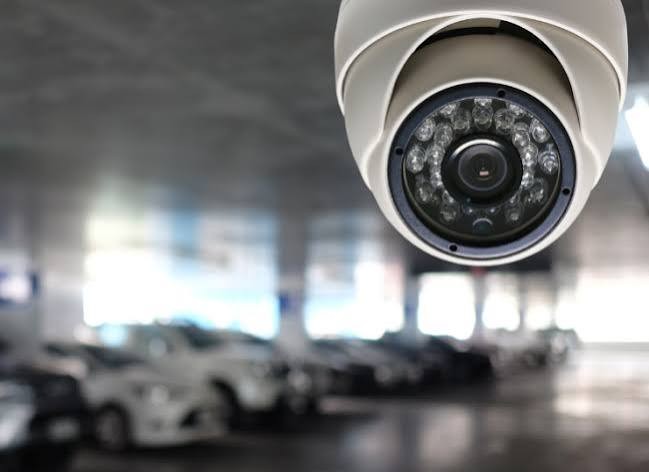
Choosing the right security system for a commercial building is an important decision for business owners, property developers, facility managers and organisations. Commercial properties often contain valuable equipment, inventory, confidential information, vehicles and other assets that require appropriate protection.
From office buildings and shopping centres to warehouses, hotels, factories and commercial complexes, every property has different security requirements. A system that works well for a small office may not provide sufficient protection for a large industrial facility or a multi-storey commercial building.
The challenge is not simply choosing the most cameras, installing the latest alarm technology or purchasing expensive access control equipment. It is identifying the security risks that affect the property and selecting technologies that address those risks effectively.
Knowing how to choose the right security system for a commercial building helps property owners make informed investment decisions, improve access management, monitor important areas and protect business operations.
In Uganda, where commercial developments continue to expand in areas such as Kampala, Wakiso and Entebbe, effective security planning is increasingly important for offices, retail facilities, warehouses, institutions and industrial properties.
This guide explains the different commercial security systems available, the factors to consider before purchasing them, how to compare technologies and how to select a solution that meets your property’s current and future requirements.
1. Understand Your Commercial Building’s Security Requirements
Before choosing any security equipment, establish what the building needs to protect.
Commercial properties differ in size, layout, occupancy, operating hours and the value of assets they contain. These differences influence the type and level of security required.
For example, an office building may need employee access control, visitor management and CCTV monitoring, while a warehouse may require extensive perimeter protection, loading bay surveillance and intrusion detection.
Start by examining the following areas.
Property size and layout
Consider:
- Total building size.
- Number of floors.
- Number of entrances and exits.
- Parking areas.
- Boundary walls and gates.
- Corridors and shared spaces.
- Storage facilities.
- Restricted rooms.
- External service areas.
A large building may require multiple CCTV cameras, access control zones and monitoring points, while a smaller premises may need a more straightforward arrangement.
Business activities
Consider the nature of the activities taking place inside the building.
A retail business may prioritise shop-floor surveillance and stockroom access control. A financial office may require stronger protection for sensitive records and restricted rooms. A factory may need controlled access to production areas and surveillance around equipment and inventory.
Operating hours
A commercial property that operates throughout the day and night may require different security arrangements from one that closes in the evening.
Consider how the system will operate during:
- Normal working hours.
- After-hours periods.
- Weekends.
- Public holidays.
- Shift changes.
- Deliveries and maintenance activities.
Valuable assets
Identify important assets requiring protection, including:
- Computers and office equipment.
- Machinery and production equipment.
- Warehouse inventory.
- Vehicles.
- Cash-handling facilities.
- Business documents.
- Communication equipment.
- Confidential digital information.
This initial review provides a foundation for selecting suitable security technologies.
2. Conduct a Commercial Property Security Risk Assessment
A security system should be selected according to the risks it needs to address.
A commercial property security risk assessment helps identify potential threats, examine vulnerabilities and determine which areas require additional protection.
Common security risks include:
- Theft of equipment and inventory.
- Burglary and forced entry.
- Unauthorised access.
- Vandalism.
- Vehicle-related incidents.
- Internal misuse of access privileges.
- Uncontrolled visitor movement.
- Security breaches involving connected devices.
- Poor monitoring of restricted areas.
Identify vulnerable areas
Inspect locations where unauthorised access or security incidents could occur.
These may include:
- Main entrances.
- Rear doors.
- Loading bays.
- Parking facilities.
- Boundary gates.
- Ground-floor windows.
- Warehouses.
- Server rooms.
- Storage areas.
- External equipment locations.
Evaluate existing security measures
If the building already has security equipment, examine its condition and effectiveness.
Check whether:
- CCTV cameras provide useful coverage.
- Recorders are storing footage correctly.
- Alarm sensors operate as intended.
- Access permissions are appropriate.
- Gates and controlled doors function properly.
- Security devices have suitable backup power.
- Connected equipment is adequately protected.
Prioritise the identified risks
Not all security weaknesses require the same level of attention.
For example, an unsecured warehouse entrance containing valuable stock may represent a higher priority than an area with limited surveillance but little exposure.
Prioritise improvements according to the likelihood of incidents, their potential consequences and the effectiveness of existing safeguards.
A risk assessment helps prevent unnecessary equipment purchases and focuses investment on genuine security needs.
3. Choose the Right CCTV Surveillance System
CCTV surveillance is one of the most important components of many commercial security systems.
It allows authorised personnel to monitor selected areas, review recorded footage and investigate incidents.
However, choosing a suitable CCTV system requires more than comparing camera prices or selecting the highest resolution available.
Understand the different CCTV camera types
Dome cameras
Dome cameras are commonly used in offices, reception areas, corridors and indoor commercial spaces. Their compact design makes them suitable for many indoor surveillance applications.
Bullet cameras
Bullet cameras are often used for external surveillance, entrances, perimeter walls and locations where a visible camera may provide a deterrent.
Turret cameras
Turret cameras can be suitable for indoor and outdoor applications, depending on their specifications and installation conditions.
PTZ cameras
Pan-Tilt-Zoom cameras allow operators to adjust the camera’s viewing direction and zoom level remotely. They can be useful for monitoring large areas, although fixed cameras are still important for continuous coverage of critical locations.
IP cameras
Internet Protocol cameras transmit digital video over network infrastructure. They can support high-resolution surveillance, remote access, video analytics and integration with compatible security platforms.
Consider camera resolution
Camera resolution determines the amount of image detail available.
Common options include:
- 2MP cameras.
- 4MP cameras.
- 5MP cameras.
- 8MP and 4K cameras.
Higher resolution can provide more detail, but it also increases storage and network requirements.
The appropriate resolution depends on the camera’s purpose, viewing distance, lens, lighting and required level of identification detail.
Evaluate night surveillance
Commercial buildings may require monitoring after normal operating hours.
Consider cameras with suitable low-light performance, infrared illumination or other night surveillance features.
Check whether the camera can provide useful images under the actual lighting conditions at the property.
Consider recording and storage requirements
A commercial CCTV system should have suitable recording capacity.
Storage requirements depend on:
- Number of cameras.
- Camera resolution.
- Frame rate.
- Compression technology.
- Continuous or event-based recording.
- Retention period.
- Recording configuration.
A suitable Network Video Recorder (NVR), Digital Video Recorder (DVR) or other compatible storage solution should be selected according to the camera technology and project requirements.
Check remote viewing capabilities
Some CCTV systems allow authorised users to view cameras through smartphones, tablets or computers.
Remote viewing can help business owners and managers monitor selected locations when away from the premises.
However, it depends on suitable internet connectivity, device compatibility and secure configuration.
4. Select an Appropriate Access Control System
Access control systems regulate who can enter a building or specific restricted areas.
They are particularly useful for commercial properties with employees, contractors, visitors and sensitive operational spaces.
Instead of relying entirely on traditional keys, electronic access control allows businesses to assign, manage and revoke access credentials.
Card-based access control
Employees use programmed access cards to enter authorised doors.
This approach can be suitable for offices, institutions, commercial buildings and facilities with many users.
Biometric access control
Biometric systems use physical or behavioural characteristics to verify identity.
Common options include:
- Fingerprint recognition.
- Facial recognition.
- Other supported biometric technologies.
Biometric access control may be appropriate for selected restricted areas where stronger identity verification is required.
However, accuracy, privacy, data protection, user convenience and alternative entry arrangements should be considered.
RFID access control
Radio-frequency identification systems use compatible cards, tags or credentials to grant access.
They can be used for office doors, vehicle access points and other controlled entrances.
Credential security varies, so the technology should be selected according to the required level of protection.
PIN-based access control
PIN systems require users to enter an authorised code.
They can be used in smaller offices and selected restricted areas, although shared or poorly managed codes can weaken accountability.
Mobile access control
Some systems allow authorised smartphones to function as access credentials.
This can improve convenience, but compatibility, device security and credential management should be evaluated.
Consider access permissions
The system should allow management to define which users can enter particular locations.
For example:
- Employees may access their designated office areas.
- Managers may access selected administrative rooms.
- IT personnel may access server rooms.
- Warehouse staff may enter designated storage areas.
- Visitors may receive temporary access to approved locations.
For multi-storey buildings, permissions can also be organised according to floors and departments.
Always ensure that electronic locking arrangements preserve safe emergency escape and comply with applicable building and fire-safety requirements.
5. Choose a Suitable Intruder and Burglar Alarm System
Intruder alarm systems help detect unauthorised entry or movement in designated areas.
They can be especially useful for commercial premises that remain unoccupied during evenings, weekends or public holidays.
Common alarm system components
Motion detectors: Detect movement within protected areas.
Magnetic door and window contacts: Detect when protected doors or windows are opened.
Glass-break detectors: Detect certain glass-breaking events within their designed coverage area.
Outdoor sensors: Monitor selected external areas and approaches.
Alarm control panels: Receive sensor signals and manage alarm functions.
Sirens and notification devices: Provide audible or visual warnings.
Communication modules: Send alerts through supported communication channels.
Consider wired and wireless alarms
Wired alarm systems use physical connections between devices and the control panel.
They may be suitable for new buildings where cable routes can be incorporated during construction.
Wireless systems communicate through supported radio-frequency technologies and may be useful where extensive cabling is difficult.
Neither option is automatically better in every situation. The appropriate choice depends on building design, radio conditions, installation requirements, maintenance and the reliability of available power arrangements.
6. Evaluate Perimeter Security Requirements
The perimeter protects the external boundary of a commercial property.
For warehouses, factories, commercial estates and large office compounds, perimeter protection may be an important part of the overall security system.
Boundary walls and fencing
Suitable boundary walls and fences can help define property limits and restrict unauthorised entry.
Inspect their condition, height, visibility and maintenance requirements.
Electric fencing
Electric fencing can provide an additional deterrent and perimeter protection when correctly designed and installed.
Consider:
- Fence layout.
- Energiser capacity.
- Earthing.
- Warning signs.
- Power supply.
- Backup arrangements.
- Vegetation management.
- Alarm integration, where supported.
Outdoor intrusion detection
Larger properties may benefit from:
- Infrared beam sensors.
- Outdoor motion detectors.
- Fence-mounted detection systems.
- Gate contact sensors.
- Compatible perimeter alarm devices.
Outdoor sensors must be selected and configured according to environmental conditions. Rain, vegetation, animals and temperature changes may affect detection performance.
Gate and vehicle access systems
Commercial properties with vehicle entrances may require automatic gates, boom barriers, vehicle access readers or intercom systems.
The selection should consider traffic volume, vehicle types, security requirements and safe emergency access.
7. Consider Intercom and Visitor Management Systems
Commercial buildings receive customers, suppliers, contractors, delivery personnel and other visitors.
Intercom and visitor management systems can help regulate these interactions.
Audio intercom systems
Audio intercoms allow reception personnel or authorised occupants to communicate with visitors before granting access.
Video door phone systems
Video door phones provide visual verification through a camera and compatible display or mobile device.
Depending on the equipment, authorised users may also be able to release compatible electronic locks or gates remotely.
Visitor management systems
A visitor management system may provide:
- Visitor registration.
- Host notifications.
- Temporary access credentials.
- Visitor entry and exit records.
- Contractor registration.
- Delivery management.
- Reception reporting.
These systems are particularly useful in office buildings, hotels, shopping centres, industrial facilities and multi-tenant commercial properties.
Visitor information should be handled with appropriate privacy and data protection safeguards.
8. Decide Whether You Need an Integrated Security System
Some commercial buildings can operate effectively with individual security systems. Others benefit from integration between CCTV, alarms, access control and perimeter protection.
An integrated security system allows compatible technologies to share information and support coordinated security operations.
Examples of security system integration
CCTV and access control integration: An access event may be associated with relevant camera footage, depending on system capabilities.
CCTV and alarm integration: An alarm event may trigger a compatible camera view, recording marker or notification.
Access control and visitor management integration: Temporary visitor credentials may be associated with approved access permissions.
Perimeter detection and CCTV integration: A perimeter alert may help security personnel identify the relevant camera view.
Centralised monitoring: Multiple security systems may be managed from a common monitoring environment.
Benefits of integration
- Easier security monitoring.
- Improved event investigation.
- More organised incident response.
- Better coordination between security devices.
- Reduced need to operate separate platforms.
- Improved management of larger facilities.
However, not every camera, alarm panel, access controller or software platform is compatible with every other product.
Confirm compatibility and supported interfaces before purchasing equipment.
9. Consider the Size and Type of Your Commercial Building
The right security system depends heavily on the type of property being protected.
Office buildings
Office buildings commonly require:
- CCTV at entrances and shared spaces.
- Electronic access control.
- Visitor management.
- Intruder alarms.
- Server room protection.
- Parking surveillance.
- Centralised monitoring where appropriate.
Multi-tenant office buildings may require separate access permissions for different businesses.
Warehouses
Warehouse security should focus on stock, loading bays, delivery entrances, vehicles and perimeter protection.
Possible solutions include:
- CCTV surveillance.
- Electric fencing.
- Intruder alarms.
- Outdoor detection sensors.
- Vehicle access control.
- Restricted warehouse access.
- Central monitoring.
Factories and industrial buildings
Industrial facilities may require more specialised protection because of their size, equipment, operating processes and environmental conditions.
Consider:
- Perimeter intrusion detection.
- CCTV coverage of production areas.
- Restricted access to sensitive rooms.
- Vehicle management.
- Warehouse surveillance.
- Alarm systems.
- Appropriate equipment ratings for environmental or hazardous conditions.
Shopping centres and retail properties
Shopping centres require security arrangements that balance customer access with the protection of stock, employees and restricted facilities.
Suitable systems may include:
- Public-area CCTV.
- Parking surveillance.
- Staff access control.
- Loading bay monitoring.
- Stockroom alarms.
- Visitor management.
- Security control room equipment.
Hotels and hospitality properties
Hotels need security systems that protect guests, staff and business assets without unnecessarily compromising guest privacy.
Consider reception surveillance, controlled staff entrances, parking security, restricted service areas, electronic locks and appropriate monitoring arrangements.
10. Check Network Infrastructure and System Compatibility
Modern commercial security systems increasingly depend on network connectivity.
IP CCTV cameras, access controllers, recording equipment and remote monitoring platforms require suitable communication infrastructure.
Before selecting equipment, evaluate:
Network capacity
Determine whether the existing network can support the proposed cameras, recorders and connected devices.
High-resolution cameras and multiple video streams may require substantial bandwidth.
Structured cabling
Plan suitable Ethernet cabling, conduits, cable pathways and equipment cabinets.
For new commercial buildings, infrastructure should ideally be coordinated with electrical and construction work.
Power over Ethernet
Power over Ethernet (PoE) allows compatible devices to receive power and network connectivity through a suitable Ethernet connection.
This can simplify some IP camera installations.
Network security
Security devices should be protected through appropriate network controls.
Consider:
- Network segmentation.
- Firewall rules.
- Strong device passwords.
- Restricted administrator accounts.
- Firmware updates.
- Secure remote access.
- Multi-factor authentication where available.
Network segmentation alone does not guarantee security. Device configuration, account management and ongoing maintenance remain important.
System compatibility
Check whether proposed cameras, recorders, access readers, controllers and software can work together.
Confirm supported protocols, interfaces, licensing requirements and any limitations before committing to a particular system.
11. Consider Backup Power and Reliability
Power interruptions can affect surveillance, alarm detection, access control and communication equipment.
Commercial properties should consider suitable backup arrangements for essential security devices.
Possible options include:
- Uninterruptible Power Supply (UPS) systems.
- Backup batteries.
- Standby generators.
- Suitable solar-supported power systems.
- Dedicated backup supplies for critical equipment.
The required backup capacity depends on the connected equipment, total power consumption and intended operating duration.
Also consider what happens when power fails.
Controlled doors and gates should operate according to a suitable fail-safe or fail-secure design that preserves emergency egress and other life-safety requirements.
12. Consider Cybersecurity and Data Protection
Connected security equipment can create cybersecurity and privacy risks if poorly configured.
Commercial properties should evaluate how personal information, recorded footage, biometric information and access logs are collected, stored and accessed.
Protect security devices
Recommended measures include:
- Change default passwords.
- Use strong and unique credentials.
- Enable multi-factor authentication where supported.
- Keep firmware and software updated.
- Restrict access to authorised users.
- Secure remote connections.
- Avoid unnecessary direct exposure of cameras and recorders to the internet.
- Review user accounts regularly.
Protect personal information
CCTV footage, visitor records, access logs and biometric information may contain personal data.
Businesses should consider the Uganda Data Protection and Privacy Act, 2019, and applicable requirements when operating these systems.
Important considerations include:
- Having a legitimate purpose for collecting information.
- Limiting collection to what is necessary.
- Restricting access to authorised personnel.
- Establishing appropriate retention periods.
- Protecting stored records.
- Managing the sharing of footage.
- Providing suitable notices where required.
- Handling biometric information carefully.
CCTV cameras should be positioned to monitor appropriate areas without unnecessarily intruding into private spaces.
13. Compare Security System Quality, Features and Long-Term Value
Price is important, but it should not be the only factor when choosing a commercial security system.
A cheaper installation may become expensive if equipment is incompatible, difficult to maintain or unsuitable for the building’s environment.
Evaluate the following factors.
Equipment quality
Review manufacturer specifications, environmental ratings, compatibility and the suitability of the equipment for its intended use.
System reliability
Consider how the equipment performs under normal operating conditions and what backup arrangements are available.
Ease of operation
Security systems should be practical for the people responsible for managing them.
Consider user interfaces, access permissions, training requirements and reporting features.
Scalability
A commercial building may expand or change its operations.
Choose systems that can accommodate additional cameras, access points, users and storage where reasonably possible.
Maintenance requirements
Consider cleaning, inspections, software updates, testing, battery replacement and repairs.
Technical support
Understand what installation support, troubleshooting and maintenance arrangements are available.
Total cost of ownership
Evaluate not only initial equipment and installation costs but also:
- Software licences.
- Storage.
- Network infrastructure.
- Power consumption.
- Maintenance.
- Repairs.
- Replacement components.
- Future expansion.
A suitable security system should provide appropriate protection and remain manageable over its expected service life.
14. Understand the Cost of Commercial Security Systems in Uganda
The cost of installing a commercial security system in Uganda varies according to the building, equipment selected and complexity of the project.
There is no universal price because a small office, multi-storey building, warehouse and industrial facility have different requirements.
The main cost factors include:
Size of the property
Larger properties may require more cameras, access readers, sensors, cabling and monitoring equipment.
Number of devices
The number of CCTV cameras, alarm sensors, access-controlled doors and perimeter detection devices affects equipment and installation requirements.
Equipment specifications
Higher-resolution cameras, advanced analytics, biometric readers and specialised outdoor equipment may have different costs from basic devices.
Installation complexity
Cable routes, building height, ceiling access, wall construction and outdoor installation conditions influence labour and infrastructure requirements.
Recording and storage
Storage requirements depend on camera quantity, resolution, frame rate, compression and footage retention.
Integration requirements
Combining CCTV, alarms, access control and centralised monitoring may require compatible software, controllers, configuration and additional infrastructure.
Backup power
UPS systems, batteries, generators and other backup solutions may increase project costs.
Maintenance and support
Long-term maintenance, software support, repairs and replacement equipment should be included in the overall budget.
The most reliable way to establish a project budget is to obtain a site assessment and detailed quotation based on the actual security requirements.
15. Choose a Qualified and Reliable Security System Installation Company
The company selected to design and install a commercial security system can significantly influence its performance.
A suitable provider should understand the building’s security needs and recommend equipment that addresses identified risks.
Before making a decision, consider the following.
Technical knowledge
The provider should understand CCTV, access control, alarms, perimeter protection, networking and system integration.
Site assessment
Recommendations should be based on the property’s actual layout, access points and security requirements.
System design
The proposed design should explain equipment locations, camera coverage, controlled doors, network infrastructure and backup arrangements.
Equipment compatibility
The provider should confirm that proposed devices and software can work together as intended.
Installation planning
For new buildings, security installation should be coordinated with electrical, architectural and construction activities.
Documentation and handover
The project should include relevant operating instructions, configuration information, equipment documentation and user training.
Maintenance arrangements
Understand how the equipment will be inspected, tested and supported after installation.
Avoid choosing a provider based exclusively on the lowest quotation. Compare technical suitability, equipment specifications, installation scope and long-term support.
16. Common Mistakes to Avoid When Choosing a Commercial Security System
Choosing unsuitable equipment can create security gaps and unnecessary expenses.
Avoid these common mistakes.
Choosing equipment before assessing risks
Buying cameras and alarms without understanding the property’s vulnerabilities can result in poor coverage.
Better approach: Conduct a security risk assessment before selecting equipment.
Buying based only on price
Low-cost equipment may lack the features or environmental protection required for the property.
Better approach: Compare specifications, reliability, compatibility and lifecycle costs.
Installing too few or poorly positioned cameras
Cameras may leave important areas uncovered or provide insufficient image detail.
Better approach: Prepare a camera layout based on surveillance objectives and site conditions.
Ignoring access control
A commercial building may have good CCTV coverage but still allow uncontrolled access to restricted rooms.
Better approach: Introduce suitable electronic access control where required.
Overlooking network security
Connected cameras and access control systems may be vulnerable if poorly configured.
Better approach: Secure accounts, update devices, restrict remote access and apply suitable network controls.
Failing to plan for expansion
A system that cannot accommodate additional users or equipment may become expensive to upgrade.
Better approach: Consider scalability during the initial design.
Neglecting maintenance
Dust, weather exposure, battery deterioration, software issues and equipment faults can affect performance.
Better approach: Establish a regular inspection and maintenance programme.
17. A Practical Checklist for Choosing the Right Commercial Security System
Before approving a commercial security installation, use the following checklist.
- Identify the property’s main security risks.
- Determine which assets and people require protection.
- Review entrances, exits and vulnerable areas.
- Establish CCTV coverage requirements.
- Determine whether access control is necessary.
- Evaluate intruder alarm requirements.
- Assess perimeter protection.
- Review visitor and vehicle access arrangements.
- Check network and electrical infrastructure.
- Confirm equipment compatibility.
- Consider backup power requirements.
- Review cybersecurity and privacy safeguards.
- Compare equipment specifications and quotations.
- Consider future expansion.
- Establish maintenance and support arrangements.
- Request installation documentation and user training.
This checklist can help business owners and facility managers make more informed decisions before investing in commercial security infrastructure.
18. Why Choose Daltrevco for Your Commercial Building Security Requirements?
Selecting a security system is an important part of protecting a commercial property and supporting its day-to-day operations.
Daltrevco provides a point of contact for property owners, developers and businesses seeking to discuss security and building infrastructure requirements.
Whether you are planning security for an office building, warehouse, factory, shopping centre, hotel or commercial complex, the right solution should reflect the property’s size, layout, risks and operational needs.
Before making an investment, consider discussing:
- CCTV surveillance requirements.
- Electronic access control.
- Intruder alarm systems.
- Electric fencing and perimeter protection.
- Vehicle access control.
- Intercom and visitor management.
- Network infrastructure.
- Integrated security solutions.
- Maintenance and future expansion.
A well-planned security system should do more than install equipment. It should provide practical protection, support property management and remain suitable as business requirements change.
Looking for the right security system for your commercial building in Uganda? Contact Daltrevco through https://www.daltrevco.com/ to discuss your property security and building infrastructure requirements.
Frequently Asked Questions About Choosing Commercial Security Systems
1. What is the best security system for a commercial building?
The best system depends on the building’s size, security risks, business activities and access requirements. Many commercial properties benefit from a combination of CCTV cameras, access control, intruder alarms and perimeter protection.
2. How do I choose the right CCTV system for my business?
Consider the property layout, camera locations, required image detail, lighting, recording capacity, remote viewing requirements and compatibility with other security equipment.
3. Are IP CCTV cameras better for commercial buildings?
IP cameras can offer useful features such as digital video transmission, network integration and advanced analytics. However, the best choice depends on project requirements, available infrastructure, compatibility and budget.
4. Do commercial buildings need access control systems?
Access control is useful where businesses need to manage entry into restricted areas, offices, warehouses, server rooms and other sensitive locations. The required level depends on the property’s security risks.
5. Which access control system is best for offices?
Card-based, RFID, fingerprint and facial recognition systems can all be suitable. The choice depends on the number of users, security requirements, privacy considerations and ease of administration.
6. Should a commercial building have an intruder alarm system?
An intruder alarm may be useful for detecting unauthorised entry, particularly in restricted areas and premises that remain unoccupied outside normal working hours.
7. What is an integrated commercial security system?
It is a coordinated arrangement in which compatible technologies such as CCTV, access control, alarms and perimeter detection share information or support centralised management.
8. How many CCTV cameras does a commercial building need?
The number depends on the building’s size, layout, entrances, vulnerable areas and required image detail. A site assessment and camera layout are needed to determine suitable coverage.
9. Is wireless or wired security better for commercial buildings?
Neither is universally better. Wired systems can be suitable for new construction and fixed installations, while wireless technologies may be useful where cabling is difficult. The choice depends on the environment, reliability, power and maintenance requirements.
10. Can commercial security systems be monitored remotely?
Yes. Compatible systems can allow authorised users to view CCTV footage and receive selected security notifications remotely. These features depend on internet connectivity, configuration and secure access arrangements.
11. What is the importance of perimeter security for commercial buildings?
Perimeter security helps protect property boundaries and control access before individuals reach the main building. It may include suitable fencing, gates, electric fencing, lighting, CCTV and intrusion detection.
12. Should CCTV cameras be installed at every entrance?
Important entrances should be assessed for surveillance coverage, but camera placement should be based on the security objective and layout. The goal is useful coverage rather than installing cameras indiscriminately.
13. How can businesses protect CCTV cameras from hacking?
Businesses should change default passwords, use strong credentials, update firmware, restrict administrator access, enable multi-factor authentication where available and use secure remote access methods.
14. Do commercial security systems require backup power?
Backup power is important where cameras, alarms, access control or network equipment must continue operating during electricity interruptions. Requirements depend on equipment loads and desired operating duration.
15. How much does a commercial security system cost in Uganda?
Costs vary according to property size, equipment specifications, device quantities, installation complexity, storage, networking, integration and backup power. A site assessment is the best way to obtain an accurate quotation.
16. Can CCTV be integrated with an alarm system?
Yes, where the equipment and software support the required integration. An alarm event may trigger a camera view, recording marker or notification, depending on the system configuration.
17. Are biometric security systems suitable for commercial properties?
They can be suitable for selected applications requiring identity verification. Businesses should consider accuracy, privacy, data protection, user convenience and alternative access arrangements.
18. How often should commercial security systems be maintained?
Maintenance frequency depends on the equipment, operating environment and manufacturer’s recommendations. Regular inspection and testing help identify faults, damaged devices and configuration problems.
19. Can an existing commercial security system be upgraded?
Yes. Existing systems can sometimes be improved through additional cameras, recorder upgrades, access control improvements, better network security or integration. Compatibility should be checked before upgrading.
20. Why should a commercial property undergo a security assessment before installation?
A security assessment identifies vulnerabilities and helps determine which systems are actually needed. It can reduce unnecessary expenditure and ensure that equipment addresses the property’s most important risks.
Conclusion
Choosing the right security system for a commercial building requires a clear understanding of the property’s risks, layout, operations and protection requirements.
CCTV surveillance, electronic access control, intruder alarms, perimeter protection, visitor management and centralised monitoring can all contribute to a stronger commercial security environment when selected and configured appropriately.
However, no single system is suitable for every property. The right solution should address identified vulnerabilities, support daily operations, protect people and assets, and allow for future expansion.
For commercial property owners and businesses in Uganda, taking time to assess requirements before purchasing security equipment can help avoid unnecessary costs and improve long-term system performance.
Make an informed security investment. Contact Daltrevco through https://www.daltrevco.com/ to discuss suitable security and building infrastructure solutions for your commercial property.

