
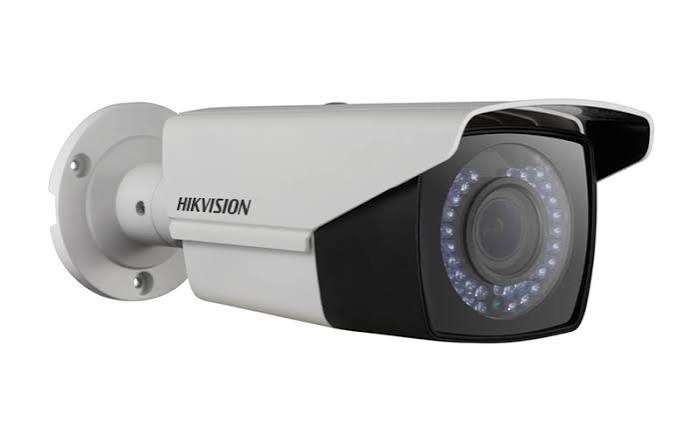
Installing a reliable security system is an important investment for homeowners, business owners, property developers and industrial facility managers in Uganda. Whether you want to protect a family home in Kampala, secure an office in Wakiso, monitor a warehouse in Namanve or control access to a commercial building, choosing the right security equipment can help protect people, property and valuable assets.
One of the first questions property owners ask is: How much does it cost to install a security system in Uganda?
The answer depends on the type of security system, property size, equipment quality, number of cameras or sensors, installation requirements and additional features such as remote monitoring, backup power and system integration.
A basic CCTV installation will generally cost less than a comprehensive commercial security project combining surveillance cameras, burglar alarms, biometric access control, electric fencing and centralised monitoring.
This guide explains the main security system installation costs in Uganda, the factors that influence pricing, what different systems include and how to budget for a solution that meets your property’s security requirements.
Whether you are securing a residential property, office, hotel, school, factory, warehouse or shopping complex, understanding these costs can help you make an informed decision before requesting an installation quotation.
1. How Much Does Security System Installation Cost in Uganda?
Security system installation costs in Uganda vary depending on the equipment, installation complexity and level of protection required.
The following figures provide indicative budgeting ranges, not fixed quotations. They are broad planning estimates informed by publicly advertised Ugandan equipment and installation prices. Actual quotations may be lower or higher depending on specifications, site conditions, equipment brands and the scope of work.
| Security system | Indicative planning budget |
|---|---|
| Basic 4-camera CCTV system | UGX 850,000–3,400,000 |
| 8-camera CCTV system | UGX 2,400,000–7,500,000 |
| 16-camera CCTV system | UGX 3,600,000–15,000,000+ |
| Basic burglar alarm system | UGX 650,000–1,500,000+ |
| Basic biometric access control point | UGX 650,000–2,000,000+ |
| Residential electric fencing | UGX 1,800,000–3,000,000+ |
| Integrated security system | UGX 8,000,000+ |
These figures are not directly interchangeable. Some advertised prices cover equipment packages, while others include installation, recording storage, cabling, configuration or additional accessories. A basic biometric reader, for example, is not necessarily a complete installed door-access system.
For a meaningful comparison, request a quotation that separates equipment, installation labour, cabling, configuration, power backup, storage and any additional work.
2. CCTV Camera Installation Costs in Uganda
CCTV cameras are among the most commonly installed security systems in Uganda. They help property owners monitor entrances, offices, parking areas, warehouses, corridors, production facilities and other important locations.
The total cost of CCTV installation depends on the number of cameras, camera technology, recording equipment, storage capacity, cabling and installation complexity.
How much does a 4-camera CCTV system cost?
A four-camera system is suitable for a small home, shop, office or other property with a limited number of important areas to monitor.
A typical installation may include:
- Four indoor or outdoor CCTV cameras.
- A compatible DVR or NVR recorder.
- A surveillance hard drive.
- Power supplies or Power over Ethernet equipment.
- Video or network cables.
- Connectors and mounting accessories.
- Installation and configuration.
- Mobile phone viewing, where supported.
An indicative budget is UGX 850,000–3,400,000, depending on whether the package uses basic analogue cameras or higher-specification IP cameras and what installation services are included.
How much does an 8-camera CCTV system cost?
An eight-camera system is suitable for medium-sized homes, offices, retail shops, schools, restaurants and small commercial premises.
It can provide coverage of several entrances, internal spaces, outdoor areas and parking sections.
The budget may range from UGX 2,400,000 to UGX 7,500,000 or more depending on:
- Camera resolution and image quality.
- Indoor and outdoor camera requirements.
- Night vision or full-colour night imaging.
- Recorder specifications.
- Hard drive capacity.
- Network switches and cabling.
- Backup power.
- Remote viewing and configuration.
How much does a 16-camera CCTV system cost?
A sixteen-camera installation is more suitable for larger commercial properties, hotels, schools, warehouses, factories and multi-storey buildings.
The indicative planning budget can range from UGX 3,600,000 to UGX 15,000,000 or more. Larger projects with advanced cameras, long cable routes, multiple buildings, extensive storage or intelligent analytics may cost considerably more.
Factors that determine CCTV installation costs
Camera resolution: Cameras with higher resolution can capture more detail, but they may require greater storage capacity and network resources.
Camera type: Dome, bullet, turret, PTZ and specialist cameras have different capabilities and prices.
Night surveillance: Infrared night vision, low-light technology and full-colour night imaging can affect the equipment budget.
Recording equipment: The DVR or NVR must support the number and type of cameras being installed.
Storage capacity: Longer recording retention, higher resolution and more cameras generally require additional storage.
Cabling and installation: Long cable routes, concealed wiring, elevated mounting points and difficult building layouts can increase labour and material costs.
Remote viewing: Smartphone and computer access may require network configuration, suitable internet connectivity and secure remote-access setup.
For more information, read Daltrevco’s related guide on CCTV Networking and Installation: Understanding IP Cameras and Network Infrastructure.
3. Burglar Alarm System Installation Costs in Uganda
Burglar alarm systems help detect unauthorised entry and alert occupants or designated contacts when suspicious activity triggers the system.
They are useful for residential buildings, offices, shops, commercial premises, warehouses and industrial facilities.
The cost depends on the number of detection points, type of sensors, alarm control panel, communication options and whether the system is integrated with CCTV.
Components of a burglar alarm system
A typical burglar alarm installation may include:
- Alarm control panel.
- Motion detectors.
- Door and window magnetic contacts.
- Glass-break detectors, where required.
- Indoor or outdoor siren.
- Keypad or remote control.
- Backup battery.
- GSM, network or other communication equipment, where supported.
Indicative burglar alarm costs
A basic alarm package may start around UGX 650,000, while a more extensive installation may require UGX 1,500,000 or more.
The final amount depends on the number of doors and windows, property size, sensor technology, outdoor detection requirements and installation complexity.
A large commercial building may require several detection zones, multiple keypads and additional communication equipment.
What increases burglar alarm installation costs?
- A large number of doors and windows.
- Additional motion detectors.
- Glass-break detection.
- Outdoor perimeter sensors.
- Wireless or hybrid equipment.
- GSM or internet-based notifications.
- Integration with CCTV.
- Additional keypads and alarm zones.
Property owners should also consider ongoing maintenance and battery replacement when budgeting for burglar alarm systems.
4. Access Control System Installation Costs in Uganda
Access control systems regulate who can enter particular buildings, rooms or restricted areas. They are widely used in offices, schools, hospitals, hotels, factories, apartment buildings and commercial facilities.
The cost depends on the access technology, number of controlled doors, locking equipment and management software.
Types of access control systems and their costs
Fingerprint access control
Fingerprint systems identify authorised users through biometric verification. They are commonly used for office entrances, staff-only rooms and other controlled areas.
A basic fingerprint reader may be advertised at approximately UGX 650,000, although the complete installation cost depends on the lock, power supply, exit button, door condition and controller requirements.
Facial recognition access control
Facial recognition systems verify users through facial characteristics. They may be appropriate for selected commercial and institutional entrances where the technology is justified by the security requirements.
The cost depends on the terminal, software, user capacity, door hardware and integration requirements.
Card-based access control
Card-based systems use RFID or other compatible credentials to grant authorised access. They are suitable for offices, schools, residential developments and buildings with multiple users.
The budget depends on the reader, controller, cards, electronic lock and number of controlled doors.
PIN-based access control
PIN systems require users to enter an authorised code. They can be used for smaller controlled areas, although shared or easily disclosed codes may create security weaknesses.
What affects access control installation costs?
- Number of doors being controlled.
- Fingerprint, facial recognition, card or PIN technology.
- Electronic locks and door hardware.
- Access control panels.
- Exit buttons and door sensors.
- Software and user management requirements.
- Network cabling and power supplies.
- Integration with attendance systems.
- Emergency release and safe-egress requirements.
For a multi-door building, the cost can increase significantly because each controlled entrance may require additional readers, locks, wiring and configuration.
A quotation should clearly identify whether it includes the complete door-access installation or only the biometric or card-reading terminal.
5. Electric Fence Installation Costs in Uganda
Electric fencing is commonly used to strengthen perimeter protection around homes, estates, factories, warehouses, farms and commercial properties.
An electric fence can provide an additional security barrier and may be integrated with an alarm system or other perimeter detection equipment.
The installation cost depends on the length and design of the perimeter, the number of strands, energiser capacity, post spacing and site conditions.
Main components of an electric fence
A typical electric fence installation may require:
- Electric fence energiser.
- Fence wires.
- Insulators.
- Supporting posts or brackets.
- Tensioners and connectors.
- Earthing system.
- Warning signs.
- Surge protection.
- Fence monitoring or alarm equipment, where required.
What determines electric fence installation costs?
Perimeter length: Larger compounds require more wire, insulators, supports and labour.
Number of strands: The number and arrangement of wires affect the materials required.
Existing boundary wall: A property with a suitable existing wall may require a different installation approach from one that needs additional supports or structural work.
Energiser capacity: The energiser must be suitable for the fence design and electrical load.
Grounding and earthing: Proper earthing is essential for reliable operation.
Fence monitoring: Additional monitoring and alarm features may increase the project cost.
Site preparation: Vegetation clearance, repairs and difficult terrain can increase installation expenses.
An indicative residential planning budget may start around UGX 1,800,000–3,000,000 or more, but a reliable estimate requires measuring the perimeter and assessing the existing boundary structure.
Electric fences must be designed, installed, labelled and maintained in accordance with applicable safety requirements.
6. Intercom and Video Door Phone Installation Costs
Intercom systems allow occupants or security personnel to communicate with visitors before granting access.
They are useful for homes, apartments, offices, hotels, schools and gated commercial premises.
Types of intercom systems
Audio intercoms: Allow communication between an entrance point and an indoor station.
Video door phones: Add a camera and display so occupants can see visitors before allowing entry.
IP intercoms: Use network connectivity to support communication and, where compatible, integration with other security equipment.
Factors affecting intercom costs
- Number of entrance stations.
- Number of indoor monitors.
- Audio-only or video functionality.
- Network or cabling requirements.
- Gate or door-release integration.
- Smartphone connectivity.
- Installation complexity.
A simple single-entrance intercom will generally require a smaller budget than a multi-unit apartment or commercial installation.
7. Integrated Security System Installation Costs in Uganda
An integrated security system combines two or more security technologies so they can work together as part of a coordinated solution.
For example, a commercial building may use CCTV cameras, burglar alarms, access control, perimeter sensors and central monitoring.
Integration can improve visibility and help security personnel respond more efficiently to events.
What can an integrated security system include?
- CCTV surveillance cameras.
- DVR or NVR recording equipment.
- Intruder alarm systems.
- Biometric or card-based access control.
- Electric fencing.
- Outdoor intrusion sensors.
- Intercom and visitor management.
- Centralised security monitoring.
- Network infrastructure.
- Backup power.
An integrated security project may require a budget starting around UGX 8,000,000 or more, depending on the number of systems, building size, equipment specifications and integration requirements.
Large factories, warehouses, hotels, hospitals and multi-storey commercial buildings may require substantially larger investments.
Why do integrated systems cost more?
Integrated installations involve more than purchasing individual devices. They may require compatible controllers, software, network equipment, programming, testing and coordinated commissioning.
The installer must also confirm that the different products can communicate properly. Not all CCTV, alarm and access control systems are automatically compatible.
Read more about Integrated Security Systems in Uganda: Combining CCTV, Burglar Alarms and Access Control.
8. Security System Installation Costs for Different Property Types
The most suitable security system depends on the property, its activities and the risks that need to be addressed.
Residential homes
A residential security system may include:
- CCTV cameras at entrances and important outdoor areas.
- A burglar alarm.
- Door and window sensors.
- Electric fencing, where appropriate.
- Video intercom.
- Remote viewing.
The cost depends on the size of the home, number of access points, compound layout and desired features.
Offices and commercial buildings
Offices may require:
- CCTV cameras in common areas and entrances.
- Access control for staff-only rooms.
- Visitor management.
- Intruder alarms.
- Intercom systems.
- Centralised monitoring.
Buildings with multiple floors or departments may need more advanced access management and surveillance infrastructure.
Warehouses and industrial facilities
Warehouses and factories often have large perimeters, loading bays, storage areas and restricted operational zones.
Security requirements may include:
- Outdoor CCTV cameras.
- Long-range surveillance.
- Perimeter intrusion detection.
- Electric fencing.
- Vehicle access control.
- Alarm systems.
- Centralised monitoring.
Installation costs can be influenced by the distance between buildings, cable routes, environmental conditions and the need to cover large outdoor areas.
Hotels, hospitals and shopping complexes
These facilities may require a combination of CCTV, access control, visitor management, alarms and monitoring.
Hospitals must also consider patient privacy and controlled access to sensitive areas. Hotels need to balance security with guest convenience, while shopping complexes require coverage of shared spaces, entrances, parking areas and restricted facilities.
A site-specific assessment is important because the same equipment package may not suit every building.
9. What Factors Affect Security System Installation Costs in Uganda?
Understanding the factors behind a quotation helps property owners compare proposals and avoid paying for unnecessary equipment.
1. Size of the property
Larger properties generally require more cameras, sensors, access points, cables and supporting equipment.
A small shop and a multi-building industrial facility will therefore have very different installation requirements.
2. Number of devices
The number of cameras, alarm sensors, access readers and perimeter detection points directly affects equipment and installation costs.
However, installing more devices does not automatically produce better security. Correct positioning and coverage are equally important.
3. Equipment quality and brand
Different manufacturers offer different levels of image quality, durability, features, software support and compatibility.
Very low-priced equipment may lack important features or have limited support. Compare specifications rather than choosing solely by price.
4. Installation complexity
Installation costs may increase where a project involves:
- High ceilings.
- Long cable routes.
- Concealed wiring.
- Multiple floors.
- Outdoor mounting.
- Difficult access points.
- Existing building modifications.
- Multiple buildings or distant security stations.
5. Network infrastructure
IP cameras, networked access control and connected alarm equipment may require switches, routers, structured cabling and network configuration.
A building without suitable network infrastructure may need additional work before the security system can be installed.
6. Power supply and backup
Security systems require dependable power. Depending on the installation, additional equipment may include UPS units, batteries, surge protection or other backup arrangements.
The required backup capacity depends on the equipment load and the length of backup time expected.
7. Recording and storage requirements
CCTV storage costs depend on camera resolution, frame rate, compression, recording schedule, number of cameras and required retention period.
A system designed to retain footage for a longer period may need larger or additional storage drives.
8. Remote monitoring and smart features
Remote access, mobile notifications, video analytics and cloud services can increase the cost of a security project.
Some features require subscriptions, internet connectivity or compatible software. Confirm any recurring charges before committing.
9. Integration requirements
Connecting CCTV, alarms, access control and other devices may require additional controllers, compatible software and configuration work.
The complexity depends on the products and the functions required.
10. Location and transport
Projects in central Kampala may have different transport and access requirements from installations in remote parts of Uganda.
Travel distance, site accessibility and availability of suitable equipment can affect the quotation.
10. Equipment Costs Versus Installation Labour
One important consideration when comparing security system quotations is the difference between equipment prices and the total installed cost.
A supplier may advertise an attractive price for a CCTV camera or biometric terminal, but that price may not include everything needed to operate the complete system.
Equipment costs may include
- CCTV cameras.
- DVR or NVR recorders.
- Surveillance hard drives.
- Alarm control panels.
- Motion detectors.
- Biometric readers.
- Electronic locks.
- Electric fence energisers.
- Intercom stations.
- Network switches.
- Power supplies.
Installation costs may include
- Site assessment and system planning.
- Cable routing and installation.
- Camera and sensor mounting.
- Door hardware installation.
- Electrical connections.
- Network configuration.
- Software setup.
- Device programming.
- Testing and commissioning.
- User training.
Some quotations combine equipment and labour into one package. Others list each item separately.
For accurate budgeting, request an itemised quotation showing what is included and what is excluded.
11. Additional Costs to Consider When Installing Security Systems
The initial installation price is not the only expense to consider. A complete budget should account for the costs of operating and maintaining the equipment.
Backup power
A UPS or battery backup may help keep selected equipment operating during power interruptions. The required capacity depends on the devices connected and the desired backup duration.
Internet connectivity
Remote CCTV viewing, cloud storage, mobile alerts and some network-based services may require a reliable internet connection.
Internet service charges should be considered separately from the installation price.
CCTV storage replacement
Surveillance hard drives operate under continuous recording workloads. Their condition should be checked periodically and replaced when necessary.
Software licences and subscriptions
Some advanced security platforms, cloud services and monitoring features may require recurring payments.
Confirm whether the quoted price includes a perpetual licence, a limited subscription or a recurring service charge.
Maintenance and repairs
Cameras, sensors, locks, batteries, cables and other components need periodic inspection.
Regular maintenance can help identify problems before they affect the performance of the entire security system.
System expansion
A property may later need additional cameras, access points, alarm zones or monitoring stations.
Choosing equipment that supports realistic future expansion can reduce the need for a complete replacement.
12. How to Choose an Affordable Security System Without Compromising Protection
Choosing the cheapest available package is not always the best way to save money. A poorly designed installation can leave important areas unprotected or create additional repair and replacement costs.
Consider the following steps before purchasing a security system.
Start with a security assessment
Identify the areas that require protection, the assets at risk and the most likely security threats.
For a home, this may include the main gate, doors, windows and outdoor areas. For a warehouse, it may include loading bays, storage sections, perimeter boundaries and vehicle entrances.
Prioritise essential security areas
If your budget is limited, begin with the most important security points.
For example, a small business may initially prioritise its entrance, cash-handling area, stockroom and external access points before expanding the system.
Choose equipment based on the application
A camera designed for an indoor office may not be appropriate for an exposed outdoor location.
Likewise, a basic standalone access reader may not meet the requirements of a building with several controlled doors.
Consider future expansion
Select recorders, controllers and network equipment that can support reasonable future growth where this is practical.
Compare complete quotations
Ask different providers to quote for the same scope, specifications and installation requirements.
A cheaper quotation may exclude important components such as storage, backup power, cabling or configuration.
Consider long-term operating costs
Review maintenance requirements, software charges, internet requirements, replacement components and technical support arrangements.
13. Common Mistakes That Increase Security System Costs
Property owners can avoid unnecessary expenses by understanding common installation mistakes.
Buying equipment before assessing the property: Purchasing cameras or access readers without a clear plan may result in unsuitable equipment or insufficient coverage.
Choosing equipment based only on price: Cheap devices may have limited functionality, compatibility or support.
Installing too few cameras: Poor planning may leave important entrances, corridors or outdoor areas without suitable coverage.
Ignoring recording storage: A CCTV system without an appropriate recording drive may provide live viewing without the required playback capability.
Overlooking backup power: Power interruptions can affect cameras, recorders, controllers and communication equipment.
Using incompatible devices: Combining products that cannot communicate may lead to additional replacement and integration costs.
Ignoring cybersecurity: Poor passwords, outdated firmware and insecure remote access can expose networked security equipment to unauthorised access.
Failing to plan for maintenance: Neglecting inspections can allow small faults to develop into expensive system failures.
14. Why a Professional Site Assessment Matters Before Installation
A site assessment helps determine the appropriate security equipment, installation method and budget for a particular property.
Rather than selecting a standard package without considering the building, a professional assessment examines the actual security requirements.
A typical assessment may consider:
- Property size and layout.
- Number of entrances and exits.
- Existing boundary walls and fencing.
- Areas requiring CCTV coverage.
- Lighting conditions.
- Number of controlled doors.
- Network infrastructure.
- Available electrical supply.
- Power backup requirements.
- Recording and storage needs.
- Integration with existing equipment.
- Future expansion plans.
The assessment can also identify areas where additional devices may not be necessary, helping property owners avoid unnecessary expenditure.
For complex installations, the assessment should result in a clear equipment schedule, proposed system layout and itemised quotation.
15. What Should Be Included in a Security System Installation Quotation?
Before accepting a quotation, check whether it explains the full scope of work.
A professional quotation should ideally include:
- Description of the security system being installed.
- Equipment brands and model numbers.
- Number and type of cameras, sensors or access readers.
- Recorder specifications and storage capacity.
- Cabling and installation materials.
- Installation labour.
- Power supply and backup equipment.
- Network configuration requirements.
- Software and licence costs.
- Remote viewing or notification setup, where applicable.
- Testing and commissioning.
- User training and handover.
- Warranty terms and exclusions.
- Maintenance arrangements.
- Applicable taxes and any recurring charges.
You should also confirm who is responsible for internet connectivity, civil works, wall repairs, electrical upgrades and other tasks that may fall outside the installation scope.
16. Why Choose Daltrevco for Security System Planning?
Choosing a security system requires more than comparing equipment prices. The solution should match the property’s layout, operational needs and security risks.
Daltrevco provides a point of contact for property owners and organisations exploring security and building-related solutions in Uganda.
When discussing a security project with Daltrevco, explain the type of property, the areas you want to protect, any existing security equipment and your preferred budget.
This information can help establish the scope of the project and identify suitable options for consideration.
Whether you are planning security for a home, office, warehouse, factory or commercial building, request a discussion about the requirements of your project before purchasing equipment.
Contact Daltrevco through https://www.daltrevco.com/ to discuss your security system requirements and request information about a suitable installation quotation.
17. Frequently Asked Questions About Security System Installation Costs in Uganda
1. How much does it cost to install a security system in Uganda?
The cost depends on the type of system, property size, equipment quality and installation requirements. A basic CCTV package may start below UGX 1,000,000, while a more advanced or integrated commercial security installation may require several million shillings or considerably more.
2. How much does CCTV installation cost in Uganda?
A basic four-camera CCTV package may cost approximately UGX 850,000–3,400,000 as an indicative planning range. The price depends on camera specifications, recorder, storage, cabling, installation and configuration.
3. How much does it cost to install eight CCTV cameras?
An eight-camera system may require an indicative budget of UGX 2,400,000–7,500,000 or more. The final price depends on the camera type, recorder, storage, network equipment and installation complexity.
4. How much does a 16-camera CCTV system cost in Uganda?
A sixteen-camera installation may cost approximately UGX 3,600,000–15,000,000 or more. Larger commercial projects may cost more where advanced cameras, extensive cabling, additional storage and backup power are required.
5. How much does a burglar alarm system cost in Uganda?
A basic burglar alarm package may start around UGX 650,000, while more extensive systems may cost UGX 1,500,000 or more. The number of sensors, alarm zones, control panel and communication features influence the price.
6. How much does biometric access control cost in Uganda?
A basic fingerprint access control terminal may be advertised from approximately UGX 650,000. A complete installation may cost more because it can require electronic locks, exit buttons, power supplies, wiring and configuration.
7. How much does electric fence installation cost in Uganda?
A residential electric fence may require an indicative budget starting around UGX 1,800,000–3,000,000 or more. The final price depends on perimeter length, number of strands, energiser, supporting structures and site conditions.
8. Which security system is cheapest to install?
A basic standalone alarm or small CCTV package may require a lower initial investment than an integrated security system. However, the most affordable option depends on the security risks and the level of protection required.
9. Is IP CCTV more expensive than analogue CCTV?
IP CCTV systems can require a higher initial investment depending on the camera specifications and network equipment. However, pricing varies significantly, and modern analogue high-definition systems can also provide good image quality. Compare complete system specifications rather than assuming one technology is always more expensive.
10. Does CCTV installation include mobile phone viewing?
Some installation packages include mobile viewing configuration, while others charge separately. Confirm whether the recorder and cameras support the required app and whether internet connectivity is available at the property.
11. Does a CCTV system need internet to record footage?
Not necessarily. A properly configured local DVR or NVR can continue recording without an internet connection if it has power and functioning storage. Internet connectivity is generally needed for remote viewing and cloud-based features.
12. How much does it cost to install an integrated security system?
The cost depends on the number of technologies being integrated. A project combining CCTV, alarms, access control and perimeter protection may require UGX 8,000,000 or more, particularly for larger commercial buildings.
13. Does security system installation include maintenance?
Not automatically. Maintenance may be offered under a separate arrangement. Confirm whether the quotation includes inspections, repairs, replacement parts, software updates and technical support.
14. How long does security system installation take?
A small installation may be completed within a day, depending on the equipment and site conditions. Larger projects involving multiple buildings, extensive cabling or integrated systems may take several days or longer.
15. Can I install CCTV cameras in an existing building?
Yes. CCTV systems can be installed in existing buildings. The installer must assess the structure, cable routes, mounting locations, network facilities and power availability.
16. Can I combine CCTV cameras with a burglar alarm?
Yes, compatible CCTV and alarm systems can be integrated. Depending on the equipment, alarm events may trigger camera views, notifications or event recording. Compatibility should be confirmed before purchasing the devices.
17. Are wireless security systems cheaper than wired systems?
Not always. Wireless systems may reduce some cabling work, but equipment, batteries, signal coverage and network requirements can affect the overall cost. Wired systems may require more installation labour but can be appropriate for permanent installations.
18. What additional costs should I consider when installing a security system?
Consider backup power, internet connectivity, recording storage, software subscriptions, maintenance, replacement batteries and future system expansion.
19. Can security systems be expanded after installation?
Many systems support expansion, but the available capacity depends on the recorder, controller, network equipment and software. Discuss future requirements before selecting the initial equipment.
20. How can I get an accurate security system installation quotation in Uganda?
Provide information about the property, its location, the type of security system required and the areas that need protection. A site assessment can help determine the equipment, installation work and final project cost.
Conclusion: Plan Your Security System Budget Carefully
Security system installation costs in Uganda vary depending on the technology, equipment specifications, property size and complexity of the installation.
CCTV cameras, burglar alarms, biometric access control, electric fencing and integrated security systems each serve different purposes. The right solution depends on the property’s risks and the level of protection required.
Before investing, assess your security needs, compare complete quotations, check equipment compatibility and consider long-term operating and maintenance costs.
Most importantly, do not choose a security system based on price alone. A properly planned installation should provide suitable coverage, reliable operation and room for future improvements.
Planning a security installation for your home, office, warehouse, factory or commercial building? Visit Daltrevco at https://www.daltrevco.com/ to discuss your project requirements and explore suitable security solutions.

