Building a house, apartment, office block or commercial property is a major investment. Every construction project requires careful planning, proper budgeting, quality materials, skilled workmanship and effective supervision. However, many property owners and developers in Uganda experience unnecessary expenses, construction delays and structural problems because of mistakes made during the building process.
Some construction mistakes happen before work begins, such as choosing unsuitable land, failing to prepare detailed building plans or underestimating the project budget. Others occur during construction through poor material selection, inadequate supervision, incorrect measurements, weak foundations and failure to follow approved building specifications.
These mistakes can affect the safety, durability, appearance and value of a building. In some cases, correcting them may cost considerably more than preventing them in the first place.
Understanding the common building construction mistakes and how to avoid them can help homeowners, contractors, investors and property developers make better decisions throughout their projects.
In this guide, Daltrev Co. Ltd explores 15 common construction mistakes in Uganda, their possible consequences and practical ways to prevent them.
1. Starting Construction Without Proper Planning
One of the most common building construction mistakes is beginning work without a clear construction plan.
Some property owners start buying materials, hiring workers or excavating foundations before establishing the complete building requirements. Without proper planning, construction activities can become disorganised, resulting in unnecessary expenses, delays and design changes.
A building project should have a clear plan covering the design, budget, materials, construction activities, responsibilities and expected completion stages.
How to avoid this mistake
Before starting construction:
- Establish the purpose and requirements of the building.
- Prepare architectural drawings.
- Obtain the necessary structural and engineering designs.
- Develop a realistic construction budget.
- Prepare a construction schedule.
- Identify the materials and labour required.
- Establish how the project will be supervised and monitored.
Proper planning gives property owners a clear understanding of what needs to be done before committing significant resources.
2. Failing to Conduct a Proper Site Assessment
<IMAGE_PLACEHOLDER>
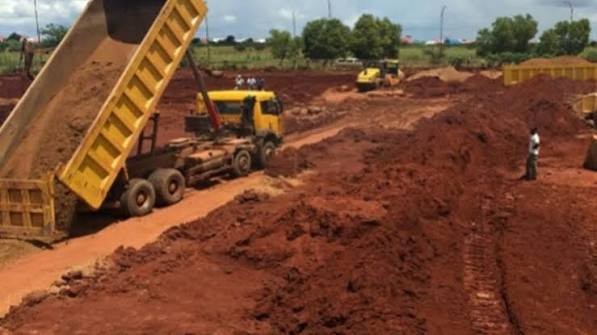
The condition of the construction site can significantly influence the safety, cost and performance of a building.
Some developers purchase land or begin construction without properly assessing soil conditions, drainage, access roads, ground levels and surrounding environmental factors.
Building on unsuitable or poorly assessed land may result in foundation problems, water infiltration, excessive excavation costs and drainage challenges.
For example, a property located in a low-lying area may require carefully designed stormwater management and appropriate foundation solutions.
How to avoid this mistake
Carry out an appropriate site assessment before construction begins.
Important considerations include:
- Soil conditions and bearing capacity.
- Ground levels and slope.
- Natural water flow and drainage.
- Accessibility for construction equipment.
- Existing structures and underground services.
- Flooding and erosion risks.
- Availability of water and electricity.
- Environmental and planning restrictions.
Where necessary, engage qualified professionals to conduct geotechnical investigations, surveys and other technical assessments.
A proper site assessment helps the design team develop suitable solutions for the actual conditions of the land.
3. Building Without Approved Plans and Required Permits
Another serious construction mistake is beginning building operations without establishing the applicable approval and permit requirements.
Some property owners assume that a small building project does not require formal approval. Others begin construction using informal drawings or make major changes without checking whether the approved plans need to be amended.
In Uganda, building operations are regulated under the Building Control Act and related regulations. The Building Control (Amendment) Act, 2026, which commenced on 19 March 2026, introduced further changes to the building control framework. Property owners should therefore confirm current requirements before commencing work.
How to avoid this mistake
- Establish the applicable building approval requirements.
- Engage appropriately qualified architects and engineers.
- Prepare the required architectural and structural drawings.
- Submit the necessary applications to the relevant Building Committee.
- Obtain the required building permit before commencing regulated building operations.
- Keep approved plans and permit documentation available on site.
- Confirm the approval requirements before making significant design changes.
- Arrange required inspections during construction.
The National Building Review Board provides information on Uganda’s building control framework and the relevant legal requirements. Owners should consult the appropriate authorities for project-specific guidance.
Building approval information: https://nbrb.go.ug/resources/legal-policy/
4. Underestimating the Construction Budget
Poor budgeting is one of the biggest reasons building projects stall before completion.
Some property owners calculate their budgets using only the cost of cement, bricks, sand, reinforcement steel and labour. They forget to account for professional services, transportation, equipment, plumbing, electrical installations, roofing, finishing and external works.
As construction progresses, these overlooked expenses can create financial pressure and force developers to suspend work.
How to avoid this mistake
Prepare a detailed construction budget before starting the project.
Include allowances for:
- Architectural and engineering services.
- Land preparation and excavation.
- Foundation and structural works.
- Cement, sand, aggregates and reinforcement steel.
- Roofing materials and installation.
- Electrical and plumbing works.
- Doors, windows and glazing.
- Plastering, painting and tiling.
- Drainage and external works.
- Labour and equipment.
- Statutory approvals and inspections.
- Project coordination and supervision.
- Contingency for unforeseen expenses.
A detailed Bill of Quantities (BOQ), prepared by an appropriately qualified quantity surveyor, can help establish the estimated quantities and costs of construction work.
It is also important to update the budget as the project progresses and document approved variations.
5. Choosing Cheap and Poor-Quality Building Materials
<IMAGE_PLACEHOLDER>
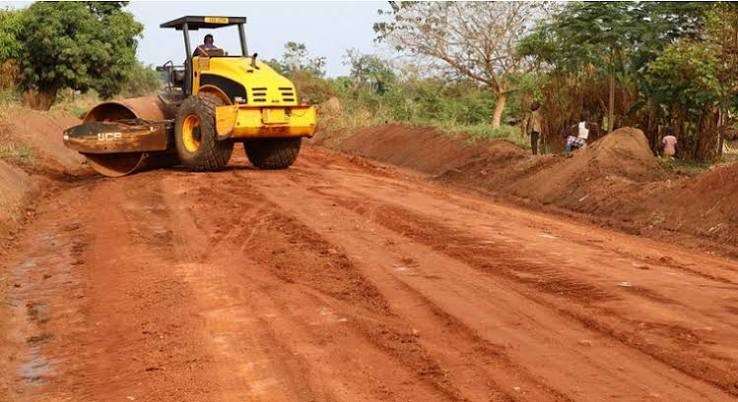
Using unsuitable or poor-quality construction materials to reduce initial expenses can create serious problems in the long term.
Materials such as cement, reinforcement steel, sand, aggregates, bricks, roofing sheets, plumbing pipes and electrical components must meet the requirements of their intended applications.
For example, using unsuitable reinforcement steel or poorly specified concrete may compromise structural performance. Poor-quality roofing materials may lead to leakage, while unsuitable plumbing products can cause repeated water leaks.
How to avoid this mistake
- Purchase materials from reliable suppliers.
- Check product specifications before purchasing.
- Confirm that materials meet applicable standards.
- Inspect deliveries for damage and defects.
- Store cement in a dry, protected location.
- Keep reinforcement steel properly stored to minimise contamination and deterioration.
- Use suitable sand and aggregates for the specified construction work.
- Follow the approved material specifications.
- Avoid substituting specified materials without the required technical approval.
The cheapest material is not necessarily the most economical choice. Quality, suitability and durability should guide purchasing decisions.
Daltrev Co. Ltd provides construction material and building supply enquiries for different project requirements. Explore its <a href=”https://www.daltrevco.com/construction-materials/“>construction materials</a> page for more information.
6. Hiring Unqualified or Inexperienced Workers
The quality of a building depends significantly on the people responsible for designing, constructing and supervising it.
Hiring workers or contractors without checking their qualifications, experience and suitability for the project can result in poor workmanship, incorrect installations and unnecessary repairs.
For example, poorly executed masonry may produce uneven walls, while incorrect plumbing or electrical installations can create safety and maintenance problems.
How to avoid this mistake
Before hiring construction professionals or contractors:
- Check relevant professional qualifications and registration where required.
- Review previous projects and relevant experience.
- Confirm that the contractor understands the project specifications.
- Request a detailed quotation.
- Establish clear responsibilities.
- Agree on the expected construction schedule.
- Use a written contract.
- Confirm the supervision and quality-control arrangements.
Structural designs, specialised installations and other regulated professional responsibilities should be handled by appropriately qualified and registered professionals.
Choosing workers based only on the lowest quotation can expose a project to avoidable risks.
7. Ignoring Foundation and Soil Requirements
<IMAGE_PLACEHOLDER>
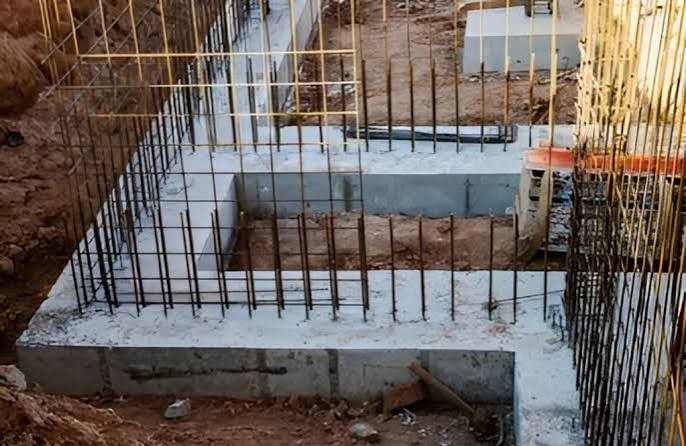
The foundation supports the building and transfers its loads safely to the ground. Errors during foundation construction can affect the performance and stability of the entire structure.
Some common foundation mistakes include:
- Using an unsuitable foundation design.
- Excavating to incorrect dimensions or depths.
- Failing to consider soil conditions.
- Poor concrete preparation and placement.
- Incorrect reinforcement positioning.
- Inadequate foundation drainage.
- Building on improperly prepared ground.
Foundation requirements differ depending on soil conditions, building size, structural design and expected loads.
How to avoid this mistake
- Carry out appropriate site and soil investigations.
- Use structural designs prepared by qualified professionals.
- Follow the specified foundation dimensions.
- Ensure excavation is inspected before concrete placement.
- Use the specified concrete materials and mix requirements.
- Position reinforcement according to the structural drawings.
- Follow appropriate concrete placement and curing procedures.
- Provide suitable drainage and ground protection.
Never change foundation dimensions or reinforcement arrangements simply to reduce construction costs. Any proposed changes should be reviewed and approved by the responsible professional.
8. Poor Construction Measurements and Setting Out
Incorrect measurements during the early stages of construction can affect the alignment, dimensions and positioning of the entire building.
Setting-out errors may result in walls being out of position, incorrect room dimensions, boundary encroachment or misalignment between structural components.
These problems can become expensive to correct after foundations and walls have been constructed.
How to avoid this mistake
- Confirm the property boundaries and site information.
- Use appropriate surveying and setting-out methods.
- Verify building dimensions against approved drawings.
- Check right angles and building alignment.
- Confirm foundation positions before excavation.
- Recheck measurements before concrete placement.
- Ensure important setting-out work is checked by the responsible technical team.
Accurate measurements at the beginning of construction help prevent avoidable corrections later.
9. Failing to Provide Proper Drainage and Waterproofing
<IMAGE_PLACEHOLDER>
Water is one of the major causes of building deterioration when drainage and waterproofing are poorly designed or installed.
In Uganda, heavy rainfall can expose weaknesses in roof drainage, foundations, retaining structures, external paving and stormwater systems.
Poor drainage may cause water to accumulate around a building, resulting in damp walls, erosion, foundation exposure and damage to finishes.
Common mistakes include:
- Failing to provide adequate roof gutters and downpipes.
- Directing rainwater towards the foundation.
- Poorly designed surface drainage.
- Inadequate waterproofing in wet areas.
- Using unsuitable waterproofing materials.
- Blocking existing drainage channels.
- Failing to provide appropriate falls on external surfaces.
How to avoid this mistake
- Plan stormwater drainage during the design stage.
- Provide suitable roof gutters and downpipes.
- Direct water away from foundations.
- Install appropriate waterproofing systems.
- Provide drainage for bathrooms, balconies and other wet areas.
- Maintain external drainage channels.
- Inspect waterproofing before covering it with finishes.
- Ensure landscaping does not obstruct water flow.
Proper drainage and waterproofing protect the building against moisture-related deterioration and expensive repairs.
10. Making Unplanned Design Changes During Construction
Changing the building design after construction has started can increase costs and disrupt the construction schedule.
For example, adding rooms, moving walls, changing window positions or modifying structural elements may require additional materials, labour and technical reviews.
Some changes may also affect the building’s structural design, electrical installations, plumbing and approvals.
How to avoid this mistake
- Finalise the building design before construction.
- Review architectural and engineering drawings carefully.
- Confirm room dimensions and layouts.
- Coordinate electrical and plumbing requirements.
- Discuss proposed changes with the relevant professionals.
- Obtain any necessary approval for changes.
- Document variations and their cost implications before proceeding.
Some design adjustments are unavoidable, but they should be properly assessed and managed rather than introduced informally on site.
11. Poor Site Supervision and Project Management
Construction involves several activities that must be coordinated to achieve the required quality and completion schedule.
Without proper supervision and project management, workers may use incorrect materials, perform activities out of sequence or fail to follow approved drawings.
Poor coordination can also result in material wastage, disputes, duplicated work and unnecessary delays.
How to avoid this mistake
Establish clear project management and supervision arrangements.
These should cover:
- Construction planning and scheduling.
- Contractor and supplier coordination.
- Material procurement and delivery.
- Monitoring of labour and resources.
- Site inspections.
- Quality checks.
- Progress reporting.
- Cost monitoring.
- Management of variations.
- Defect identification and correction.
A project manager or appropriately qualified supervisor can help monitor construction activities against agreed project requirements.
Daltrev Co. Ltd offers construction consultancy and project management support, including project planning, contractor coordination, progress monitoring, quality reviews and project reporting.
Learn more about <a href=”https://www.daltrevco.com/construction-project-management/“>construction project management services</a>.
12. Incorrect Concrete Mixing, Placement and Curing
Concrete is an important construction material used in foundations, columns, beams, slabs and other structural components.
Poor concrete practices can reduce its strength and durability.
Common mistakes include:
- Using incorrect proportions of materials.
- Adding excessive water.
- Using contaminated sand or aggregates.
- Poor mixing.
- Inadequate compaction.
- Poor concrete placement.
- Removing formwork too early.
- Inadequate curing.
Concrete quality depends on the specified mix design, material quality, water control, placement, compaction and curing.
How to avoid this mistake
- Follow the concrete mix specifications.
- Use suitable cement, sand, aggregates and clean water.
- Measure materials accurately.
- Avoid adding uncontrolled quantities of water.
- Compact concrete properly using suitable methods.
- Prevent segregation during placement.
- Follow the specified curing procedures.
- Allow concrete to achieve the required strength before loading or proceeding with dependent activities.
Where structural concrete is involved, follow the instructions of the responsible engineer and applicable construction specifications.
13. Ignoring Electrical and Plumbing Requirements During Planning
Electrical and plumbing installations are sometimes considered only after the main building structure has been completed.
This can result in unnecessary cutting of walls, changes to ceilings, exposed pipes, poorly positioned sockets and expensive alterations.
Inadequate coordination between building, electrical and plumbing teams may also create safety and maintenance problems.
How to avoid this mistake
Plan building services early.
Consider:
- Electrical socket and switch positions.
- Lighting arrangements.
- Distribution boards and electrical capacity.
- Water supply and storage.
- Bathroom and kitchen plumbing.
- Wastewater and drainage.
- Internet and communication systems.
- Security and fire protection.
- Air-conditioning and ventilation where required.
- Future equipment and appliance requirements.
Coordinate the relevant service drawings with the architectural and structural designs before installation begins.
Daltrev provides building utilities solutions covering areas such as electrical installations, plumbing, security, fire systems, communication systems and selected building fittings. Visit the <a href=”https://www.daltrevco.com/utilities-works/“>Daltrev Utilities Works page</a> for details.
14. Failing to Follow Construction Safety Requirements
Construction sites contain potential hazards, including falling objects, working at height, electrical risks, excavation hazards, moving machinery and unstable structures.
Ignoring safety requirements can lead to injuries, property damage, project interruptions and legal consequences.
Common safety mistakes include:
- Workers failing to use appropriate protective equipment.
- Unsafe scaffolding and ladders.
- Poor housekeeping.
- Unprotected excavations.
- Uncontrolled access to construction sites.
- Unsafe electrical connections.
- Inadequate signage and hazard identification.
- Failure to coordinate high-risk activities.
How to avoid this mistake
- Establish a site safety plan appropriate to the project.
- Provide suitable personal protective equipment.
- Inspect scaffolding, ladders and equipment.
- Secure excavations and hazardous areas.
- Maintain safe electrical installations.
- Provide appropriate warning signs.
- Control access to the construction site.
- Train workers on relevant safety procedures.
- Maintain proper housekeeping.
- Follow applicable occupational health and safety requirements.
Safety should be treated as a continuous responsibility throughout the construction process, not an activity carried out only when inspections are expected.
15. Neglecting Final Inspections and Building Maintenance
Some property owners focus entirely on completing construction and moving into the building without properly checking the completed work.
Failing to inspect a building before handover can leave defects undiscovered, including leaking pipes, damaged finishes, faulty electrical fittings, poor door alignment and drainage problems.
Neglecting maintenance after occupation can also cause minor defects to become more expensive problems.
How to avoid this mistake
Before accepting a completed building:
- Inspect walls, floors and ceilings.
- Check doors, windows and locks.
- Test electrical installations through the appropriate professionals.
- Check plumbing fixtures and drainage.
- Inspect roof drainage and waterproofing.
- Review painting, tiling and other finishes.
- Prepare a list of outstanding defects.
- Confirm that agreed corrective work is completed.
- Collect relevant drawings, warranties and maintenance documents.
- Confirm the applicable inspection and occupation permit requirements.
In Uganda, the building control framework provides for inspection and occupation permit processes. Owners should confirm the applicable requirements with the relevant Building Committee before occupying or using the completed building. <a href=”https://nbrb.go.ug/the-building-control-amendment-act-2026-what-it-means-for-you/“>The NBRB’s guidance on the 2026 Building Control Amendment</a> explains the current framework.
Regular building maintenance should continue after handover to protect the property’s condition and functionality.
Common Building Construction Mistakes at a Glance
| Construction mistake | Possible consequence | How to prevent it |
|---|---|---|
| Poor planning | Delays and extra expenses | Prepare detailed plans and schedules |
| Inadequate site assessment | Foundation and drainage problems | Conduct appropriate site investigations |
| Missing approvals | Regulatory problems and work interruptions | Confirm and obtain required permits |
| Poor budgeting | Incomplete projects | Prepare a detailed BOQ and budget |
| Poor-quality materials | Defects and premature deterioration | Use suitable, specified materials |
| Unqualified workers | Poor workmanship | Check qualifications and experience |
| Foundation errors | Structural performance problems | Follow approved engineering designs |
| Incorrect setting out | Misalignment and costly corrections | Verify measurements before construction |
| Poor drainage | Dampness and water damage | Design effective drainage and waterproofing |
| Unplanned changes | Additional costs and delays | Control and document variations |
| Poor supervision | Quality and coordination problems | Establish project monitoring |
| Poor concrete practices | Reduced concrete performance | Follow mix, placement and curing requirements |
| Late utilities planning | Expensive alterations | Coordinate building services early |
| Poor site safety | Accidents and interruptions | Implement appropriate safety procedures |
| No final inspection | Unresolved defects | Inspect, document and complete handover checks |
Why Proper Construction Planning Matters in Uganda
Construction conditions in Uganda can vary significantly depending on the project location, land characteristics, weather, material availability and accessibility.
For example, a project in Kampala may face different site access and drainage challenges from a development in a rural district. A building on sloping land may require different earthworks and drainage solutions from one on relatively level ground.
Property owners should therefore avoid relying entirely on construction methods used for other projects.
Every development should be assessed according to its own site conditions, design, structural requirements and intended use.
Good construction planning helps property owners:
- Reduce avoidable material wastage.
- Improve the use of labour and resources.
- Identify potential challenges early.
- Monitor construction costs.
- Improve coordination between contractors.
- Maintain workmanship standards.
- Reduce unnecessary design changes.
- Support timely project completion.
- Protect the long-term value of the property.
How Daltrev Co. Ltd Can Support Your Construction Project
Avoiding construction mistakes requires more than purchasing good materials. It also involves planning, technical coordination, suitable construction methods, project monitoring and attention to quality.
Daltrev Co. Ltd provides construction works, building products and professional project support for residential, commercial, institutional and industrial developments in Uganda.
Depending on the project requirements, its services include:
Construction and Building Works
Daltrev undertakes construction-related works covering structural construction, plastering, tiling, painting, terrazzo, granite and marble works, wood finishing, gypsum ceilings, waterproofing and other building finishes.
Civil Works
Its civil works services include site levelling, landscaping, road opening, murram roads, tarmac roads, drainage works and bridge construction.
Construction Consultancy
Construction consultancy support includes project planning, preliminary cost estimates, budgeting, technical advice, material selection guidance, site assessments, contractor coordination and quality monitoring.
Construction Project Management
Project management support includes construction scheduling, resource coordination, contractor management, progress monitoring, cost tracking, quality reviews and handover coordination.
Construction Materials and Building Supplies
Daltrev also provides construction material enquiries and building supplies for different project requirements. Material selection should be guided by the approved specifications and intended application.
These services can help property owners and developers organise important aspects of their projects and make more informed construction decisions.
Explore Daltrev’s services:
- <a href=”https://www.daltrevco.com/works/“>Construction and Building Works</a>
- <a href=”https://www.daltrevco.com/civil-works/“>Civil Works Services</a>
- <a href=”https://www.daltrevco.com/construction-consultancy/“>Construction Consultancy</a>
- <a href=”https://www.daltrevco.com/construction-project-management/“>Construction Project Management</a>
- <a href=”https://www.daltrevco.com/construction-materials/“>Construction Materials and Building Supplies</a>
Frequently Asked Questions About Building Construction Mistakes
1. What are the most common building construction mistakes?
Common mistakes include poor planning, inadequate budgeting, using unsuitable materials, hiring unqualified workers, ignoring soil conditions, poor foundation construction, inadequate drainage, incorrect measurements and insufficient site supervision.
2. How can I avoid mistakes when building a house in Uganda?
Start with a proper site assessment, architectural plans, structural designs, a realistic budget and the necessary approvals. Engage qualified professionals, use suitable materials and monitor construction activities regularly.
3. What happens if a building is constructed without proper plans?
Construction without appropriate plans can lead to design errors, structural problems, regulatory difficulties, additional expenses and delays. Approved designs help guide construction and ensure that the building meets applicable requirements.
4. Why is foundation construction important?
The foundation transfers building loads to the ground. An unsuitable foundation design or poor construction can affect structural stability and lead to settlement, cracking and other building problems.
5. How does poor drainage affect a building?
Poor drainage can cause water accumulation, dampness, erosion, water infiltration and damage to building finishes. Proper stormwater management and waterproofing help protect the property.
6. Why should I prepare a Bill of Quantities before construction?
A Bill of Quantities helps identify construction work items, estimated quantities and associated costs. It supports budgeting, quotation comparisons, procurement planning and cost monitoring.
7. Is it advisable to use cheap construction materials?
Materials should be selected according to their quality, suitability and compliance with project specifications. Choosing unsuitable products solely because they are cheaper can increase repair and replacement costs.
8. How can I prevent construction delays?
Prepare a realistic construction schedule, coordinate contractors, arrange materials in advance, monitor progress and address technical or financial challenges early.
9. Why is site supervision important?
Site supervision helps monitor workmanship, material use, construction methods and progress against project requirements. It also helps identify defects before they become more difficult and expensive to correct.
10. What should I check before accepting a completed building?
Inspect the structure, finishes, doors, windows, roofing, plumbing, electrical installations and drainage. Prepare a snag list, confirm outstanding defects are addressed and obtain the required handover documents and approvals.
11. Are building permits required in Uganda?
Building permit requirements depend on the proposed building operation and applicable legal provisions. Property owners should confirm the current requirements with the relevant Building Committee before starting construction.
12. Can construction mistakes be corrected after a building is completed?
Some defects can be repaired after completion, but the cost and complexity depend on their nature. Structural problems, foundation defects and poorly installed building systems may require extensive technical assessment and corrective work. Prevention is generally more economical.
13. How can Daltrev Co. Ltd support my construction project?
Daltrev Co. Ltd offers construction and civil works, building materials, construction consultancy and project management services. Contact the company to discuss your project requirements and establish the appropriate support.
Conclusion: Avoid Construction Mistakes Through Proper Planning and Professional Support
Building construction mistakes can increase project costs, delay completion and affect the safety, durability and functionality of a property.
From poor planning and inadequate budgeting to foundation errors, unsuitable materials, poor drainage and insufficient supervision, many construction problems can be prevented through proper preparation and effective project management.
Whether you are constructing a residential house, apartments, commercial premises, an office building or an industrial facility, take time to assess the site, prepare detailed plans, establish a realistic budget and engage appropriately qualified professionals.
Remember that successful construction is not simply about completing a building. It is about creating a safe, durable and functional structure that meets the intended requirements.
Planning a building or construction project in Uganda?
Work with a structured approach from the beginning. Contact Daltrev Co. Ltd to discuss construction works, civil engineering, building materials, construction consultancy and project management support.
Daltrev Co. Ltd – Building Solutions. Delivering Excellence.
Website: https://www.daltrevco.com/
Telephone: +256 744 702 773
Email: daltrevco@gmail.com
Contact the team: https://www.daltrevco.com/contact-us/